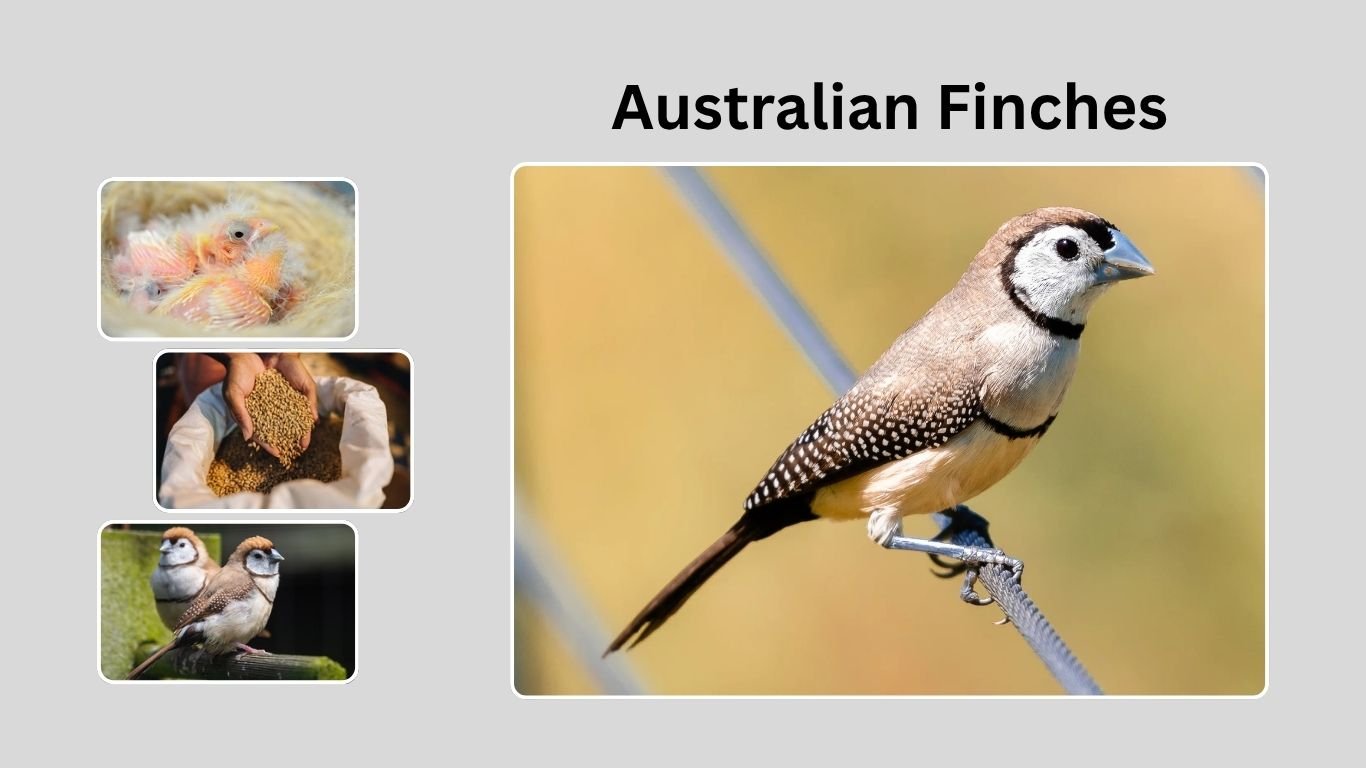
The Owl Finch, scientifically known as Taeniopygia bichenovii, is one of the most charming and peaceful members of the finch family. Commonly called the Double-barred or Bicheno Finch, it captivates bird lovers with its striking owl-like face and gentle temperament. Native to northern Australia, these birds thrive in grasslands and open forests, but they’ve also become beloved pets worldwide due to their adaptability, soft song, and social nature.
About the Owl Finch
What Is an Owl Finch?
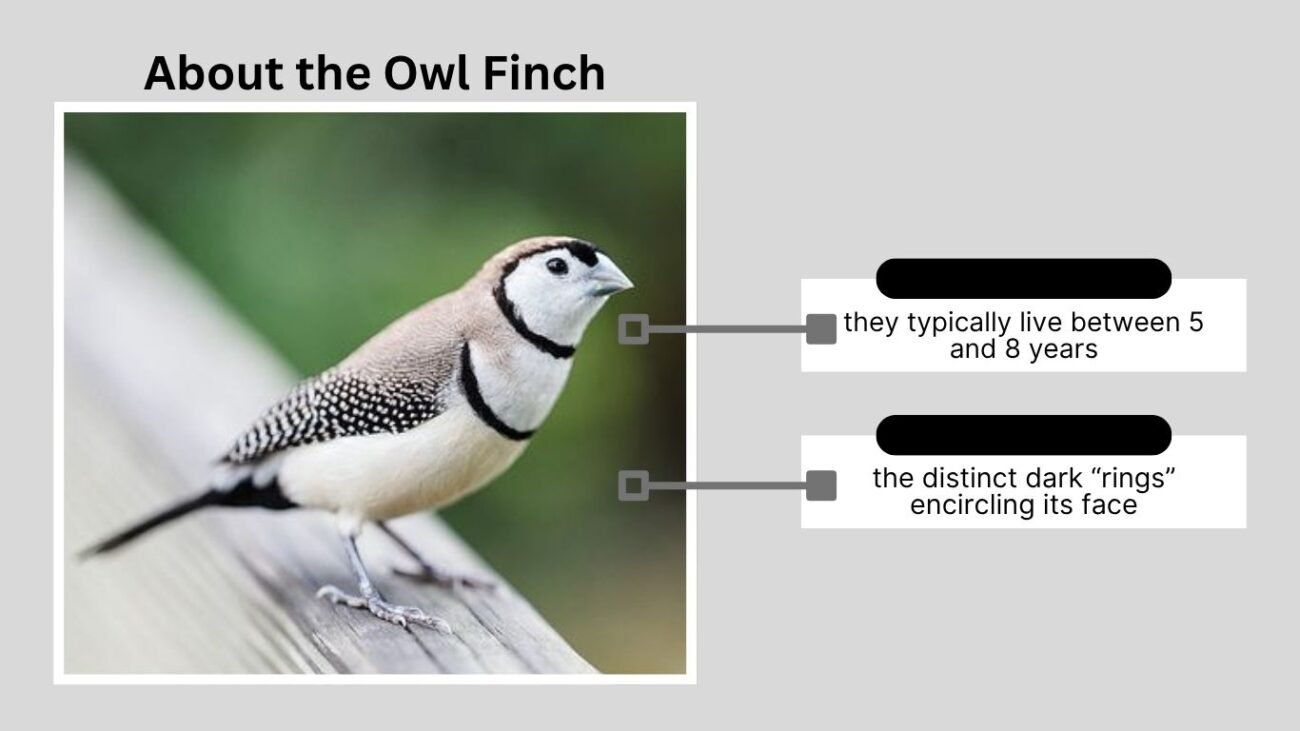
The Owl Finch earned its name from the distinct dark “rings” encircling its face, giving it an appearance similar to an owl. Despite its exotic look, it’s one of the most easygoing finch species, suitable even for first-time bird owners. Originating from the savannas and woodlands of Australia, these finches prefer mild climates and open areas where they can forage on seeds and small insects. They are highly social, preferring to live in pairs or small colonies.
Physical Characteristics
An adult Owl Finch measures about four inches long and displays a harmonious blend of gray, white, and brown tones. It features two black breast bars, a white underbelly, and a soft tail tipped with black and white spots. Both sexes look similar, but males tend to have slightly darker faces and are more vocal during courtship. Their calm temperament and lack of aggression make them ideal for community aviaries and small indoor enclosures. With proper care, they typically live between 5 and 8 years.
Types and Color Mutations
Double-Barred (Classic) Owl Finch
The traditional form of the Owl Finch, often referred to as the Double-barred Finch, is the variety most commonly kept in captivity. It showcases the classic gray and white plumage pattern with bold black bands across the chest and face. This type is admired for its balanced coloration and clean markings, which give it a sophisticated appearance.
Fawn and Pied Owl Finches
Fawn Owl Finches exhibit lighter brown and beige tones, offering a softer, warmer look. Their coloration results from a genetic dilution of the classic gray. Pied Owl Finches, on the other hand, display patches of white or cream randomly scattered across their bodies. These mutations are visually stunning and often more expensive due to selective breeding efforts that enhance the pied pattern.
Rare Mutations
Among the rarest types are the Creamino, Black-Rumped, and Dilute Fawn Pied Owl Finches. Creamino finches possess pale cream feathers and red eyes, a result of a recessive gene mutation. The Black-Rumped variety has darker plumage around the tail and lower back, providing a striking contrast. These rare forms are especially prized by collectors and breeders for their unusual appearance and limited availability.
Gouldian Owl Finch – A Common Misconception
Some sellers mistakenly advertise “Gouldian Owl Finches,” but this is inaccurate. The Gouldian Finch is a completely different species with bright rainbow-like colors. Although both originate from Australia, they do not naturally hybridize. This confusion arises because of similar size and temperament, but their genetics and coloring are distinct.
Behavior and Temperament
Owl Finches are gentle, friendly, and remarkably social. They rarely show aggression, even in mixed aviaries. Their personalities are calm yet curious, and they adapt quickly to new environments. Males often sing a soft, melodic tune to attract mates or communicate, while females usually respond with gentle chirps. Unlike louder finch species, Owl Finches are quiet and well-suited for apartment living. They enjoy companionship and should never be kept alone, as isolation can lead to stress or inactivity.
Their balanced nature makes them ideal for bird enthusiasts seeking a peaceful addition to an aviary. They enjoy bathing, perching in pairs, and engaging in synchronized preening. Observing their bonding rituals is both relaxing and fascinating — a true highlight for any aviculturist.
Breeding and Nesting
Breeding Season and Pairing
Owl Finches are prolific breeders under the right conditions. Their breeding season typically begins in spring and continues through late summer when daylight hours and temperatures are favorable. These finches form strong pair bonds, and once a couple mates successfully, they often remain together for life. During courtship, the male performs a soft hopping dance while carrying a piece of nesting material in his beak and singing softly.
Nest Setup and Egg Care
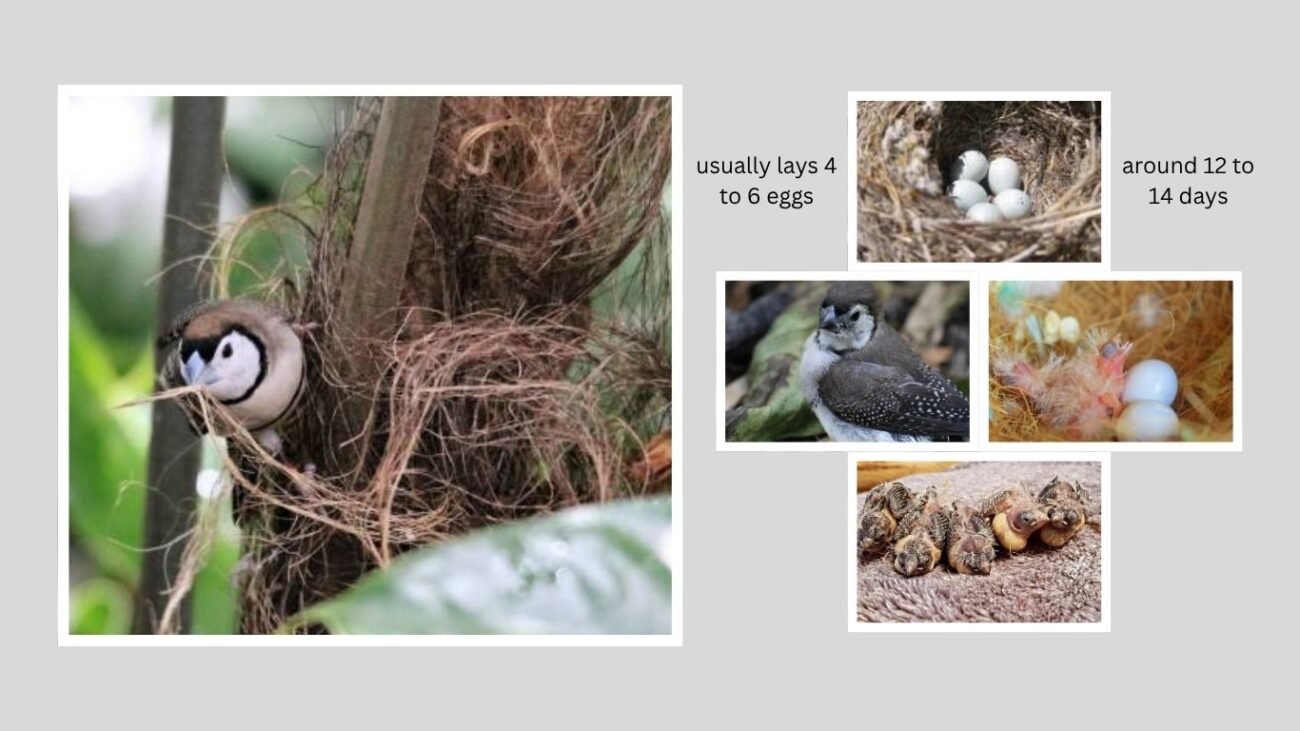
Breeding success begins with providing a spacious cage or small aviary that ensures privacy. Closed wicker nests or half-open nest boxes lined with soft fibers, hay, or coconut fiber are ideal. The female usually lays 4 to 6 eggs, which both parents incubate for around 12 to 14 days. During this period, it’s important to avoid handling or disturbing the nest. A calm environment increases hatching success and reduces the risk of abandonment.
Once the chicks hatch, both parents feed them regurgitated seeds mixed with egg food. The chicks open their eyes by the fifth day and fledge around three weeks after hatching. By six weeks, they are fully independent but still enjoy staying close to their parents for guidance.
Chick Development and Common Mistakes
Chicks grow rapidly and develop adult plumage within two months. Breeders should ensure fresh water, a high-protein diet, and moderate humidity for healthy development. Common breeding mistakes include moving the cage during nesting or overcrowding pairs, which may stress the parents and lead to egg loss. Keeping only one breeding pair per cage prevents territorial disputes and improves overall chick survival rates.
Caring for Owl Finches
Ideal Cage Setup
Owl Finches thrive in well-ventilated cages that allow free flight. For a single pair, a minimum size of 24 x 18 x 18 inches is recommended. Larger horizontal cages or indoor aviaries work even better. Place the cage in a quiet area with moderate light, avoiding direct sunlight or cold drafts. Add perches of different diameters to promote foot health and small branches for natural enrichment. A shallow dish for bathing should be provided daily, as these birds love keeping their feathers clean and glossy.
Feeding and Nutrition
A balanced diet keeps Owl Finches healthy and vibrant. Their staple food includes high-quality finch seed mix, millet spray, and canary seed. Fresh greens like spinach, lettuce, and chickweed add essential vitamins. During breeding and molting seasons, offer egg food, soaked seeds, and cuttlebone for calcium. Fresh, clean water should be available at all times. Avoid avocado, chocolate, and salty snacks, as these are toxic to birds.
Health and Hygiene
Hygiene is critical for preventing disease. Clean the cage regularly, replace paper liners every few days, and disinfect perches weekly. Owl Finches are naturally clean birds, but they can suffer from mites or respiratory infections if kept in damp, poorly ventilated areas. Signs of illness include lethargy, puffed feathers, or reduced appetite. Early detection and veterinary care ensure quick recovery. Maintaining stable temperatures and consistent feeding routines helps them live comfortably and stress-free.
Price and Buying Guide
Average Cost and Regional Differences
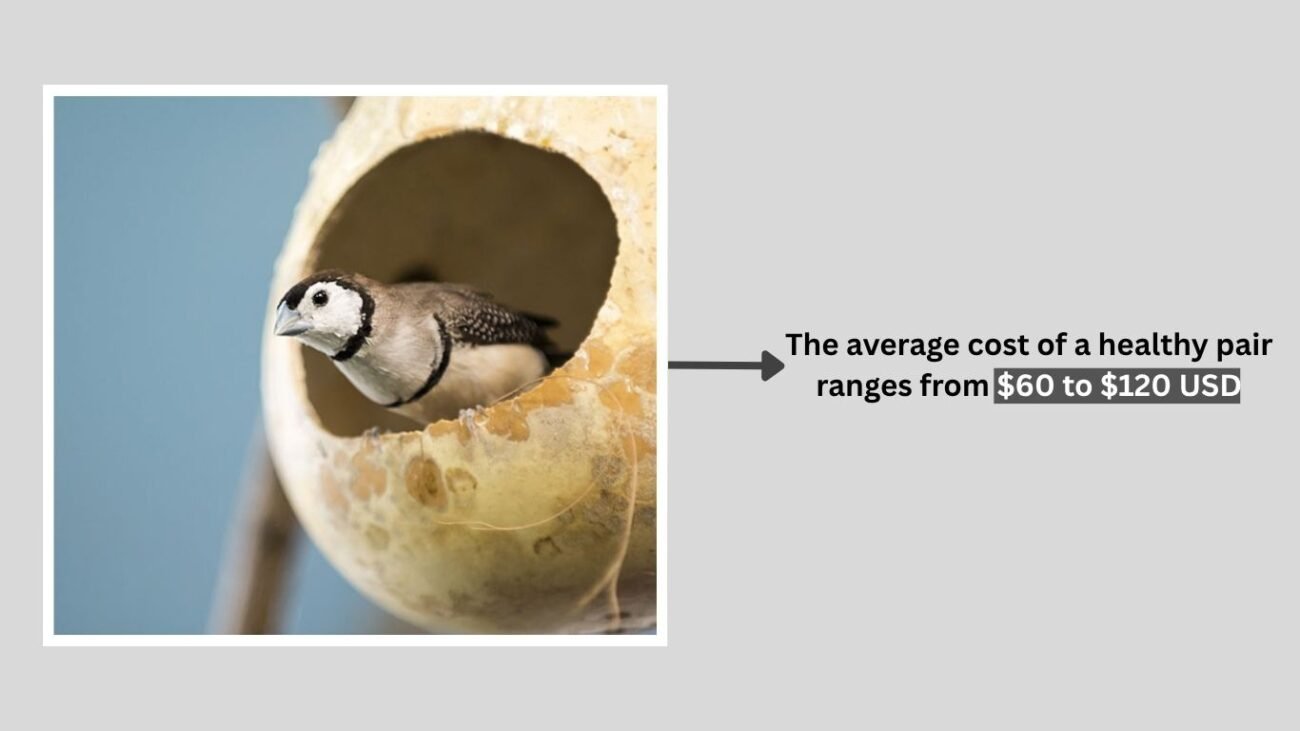
Owl Finches are moderately priced compared to other exotic finches. The average cost of a healthy pair ranges from $60 to $120 USD, depending on color, age, and breeder reputation. Rare color mutations such as Creamino, Fawn Pied, or Black-Rumped can reach prices as high as $200 or more per pair. In regions like South Asia, including Pakistan, the cost tends to be lower due to more frequent local breeding.
Price can also vary seasonally. During spring and summer—peak breeding periods—demand for young, healthy pairs increases, sometimes raising costs slightly. Purchasing directly from established breeders ensures birds are disease-free and properly socialized before sale.
Where to Buy
You can find Owl Finches at avian specialty stores, certified breeders, or through reputable online marketplaces. Always prioritize ethical sellers who provide proper documentation and proof of captive breeding. Avoid birds sold through unverified online ads or marketplaces, as these often come from poor conditions or illegal trade.
When purchasing in person, observe the birds’ behavior closely. Healthy Owl Finches are alert, active, and have smooth plumage with bright eyes. Avoid birds sitting fluffed up, breathing heavily, or showing discharge around the nostrils or beak—these are signs of illness.
What to Check Before Buying
Before committing to a purchase, check the following:
- The bird’s age (should be at least 8–10 weeks old).
- Clear, even feather condition with no bald patches.
- Clean claws and vent area (indicating good hygiene).
- A steady appetite and responsive chirping.
Responsible breeders will also provide care instructions, diet information, and details about the bird’s lineage or any special traits. Asking questions about breeding history helps ensure you’re getting healthy, well-cared-for finches.
Lifespan and Health Maintenance
With attentive care and proper diet, Owl Finches can live between 5 and 8 years, occasionally longer in captivity. Some owners have reported birds reaching 10 years in quiet, stress-free environments. Factors that influence lifespan include nutrition, hygiene, cage space, and companionship.
Regular veterinary checkups are recommended at least once a year to monitor health and prevent common finch diseases. Keeping a consistent daily routine—feeding, lighting, and cleaning—reduces stress and helps maintain strong immunity. Signs of aging include slower movements, muted colors, and shorter flight patterns, but a balanced diet and calm environment help prolong vitality.
To support longevity, always provide:
- Fresh water and seed mix daily.
- Opportunities for flight and gentle exercise.
- Quiet rest periods (finches need 10–12 hours of darkness each night).
- Companionship—finches are flock birds and should never be kept alone.
Compatibility with Other Birds
Best Aviary Companions
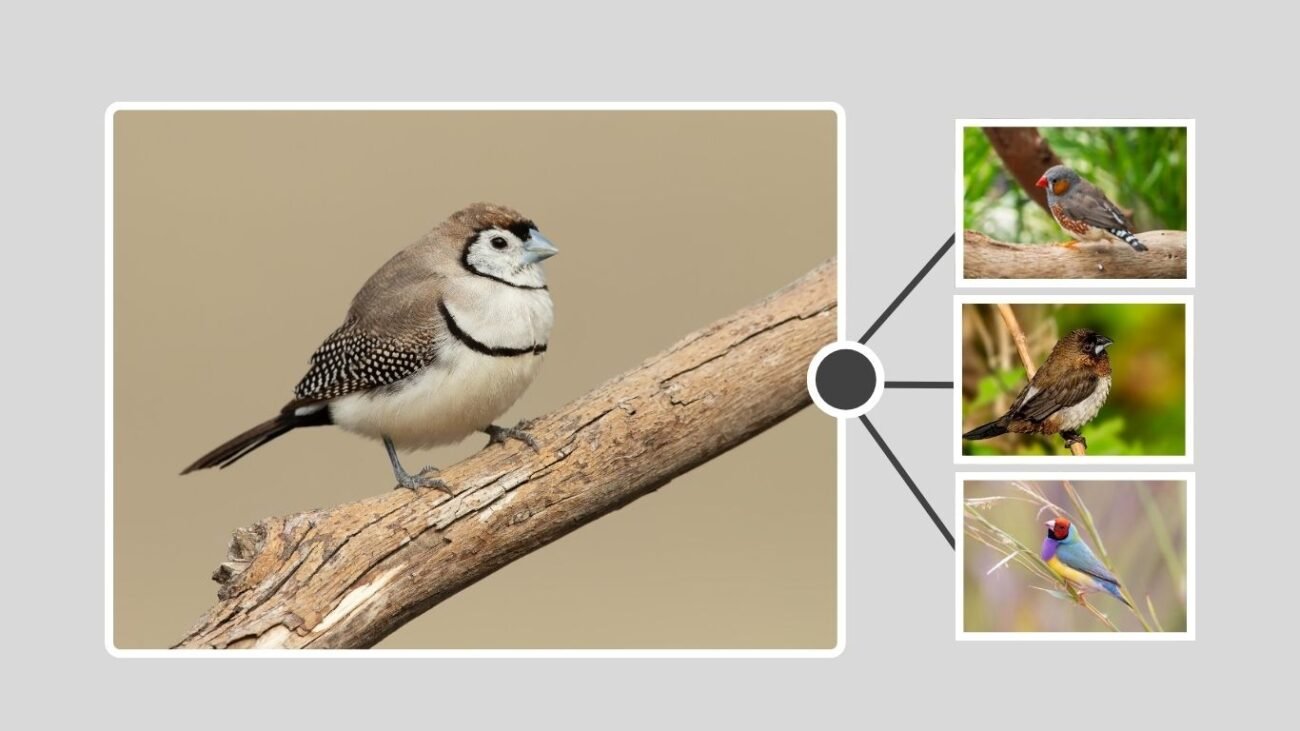
Owl Finches are known for their friendly disposition, which makes them excellent companions in community aviaries. They live peacefully with Zebra Finches, Society Finches, Gouldian Finches, and small doves. Their calm temperament allows them to coexist without major territorial conflicts. However, always provide multiple feeding stations and nesting spots to prevent competition.
Owl Finches also adapt well to colony breeding, provided the aviary is spacious and each pair has access to separate nests. They are rarely aggressive but can become defensive during breeding, so maintaining visual barriers between nests is recommended.
Species to Avoid
Avoid housing Owl Finches with larger or more dominant birds, such as parakeets or cockatiels, which may intimidate or injure them. Even within finch species, avoid pairing with overly territorial males like some Zebra Finch strains during nesting season. Monitoring group behavior is essential to prevent stress and feather plucking.
Common Problems and Solutions
Breeding Challenges
Inexperienced breeders often face issues such as infertile eggs, abandoned nests, or chick mortality. These are usually caused by poor diet, low humidity, or frequent nest disturbances. Ensuring adequate calcium through cuttlebone and maintaining steady humidity levels between 45–55% helps increase success rates. Avoid moving the cage or nest once eggs are laid.
Health Issues
Owl Finches can occasionally suffer from respiratory infections, scaly mites, or vitamin deficiencies. Early signs include wheezing, fluffed feathers, and weight loss. Keeping the environment clean and well-ventilated prevents most issues. Adding vitamin supplements during molting and breeding seasons helps strengthen immune response.
Behavioral Stress
If your finch stops singing or feeding, check for overcrowding, loud noises, or temperature changes. A calm, predictable routine and soft background sounds, such as nature recordings, help keep them relaxed. These gentle birds thrive in stable, peaceful spaces with minimal disruption.
Interesting Facts About Owl Finches
- The Owl Finch is one of the few finches that form lifelong pair bonds.
- Their facial rings and bright eyes inspired their name due to their resemblance to small owls.
- Despite being native to Australia, they have adapted well to domestic life worldwide.
- Males sing softly while bobbing their heads during courtship displays.
- They are sometimes called the “peace doves” of the finch world for their calm demeanor.
FAQs
How long do Owl Finches live?
With proper care and nutrition, Owl Finches can live between 5 and 8 years on average. Birds raised in quiet, low-stress homes with balanced diets and clean cages often reach 10 years, especially when kept in pairs.
Can Owl Finches live with Zebra Finches?
Yes, they can coexist peacefully in spacious aviaries. However, Zebra Finches can be more assertive, so providing multiple feeding and nesting areas helps reduce conflicts during breeding season.
Are Owl Finches good pets for beginners?
Absolutely. Owl Finches are calm, non-aggressive, and easy to care for. Their quiet songs and friendly personalities make them ideal for beginners or apartment dwellers seeking a low-maintenance bird.
What do Owl Finches eat daily?
Their diet should include a finch seed mix, millet, fresh greens, and occasional egg food for protein. Cuttlebone and grit help maintain beak and bone strength. Always provide clean, fresh water daily.
How can you tell a male from a female Owl Finch?
Males and females look nearly identical, but males sing more often and have slightly darker facial rings. Observing their behavior during courtship—where males perform gentle hopping dances—is the most reliable way to tell them apart.