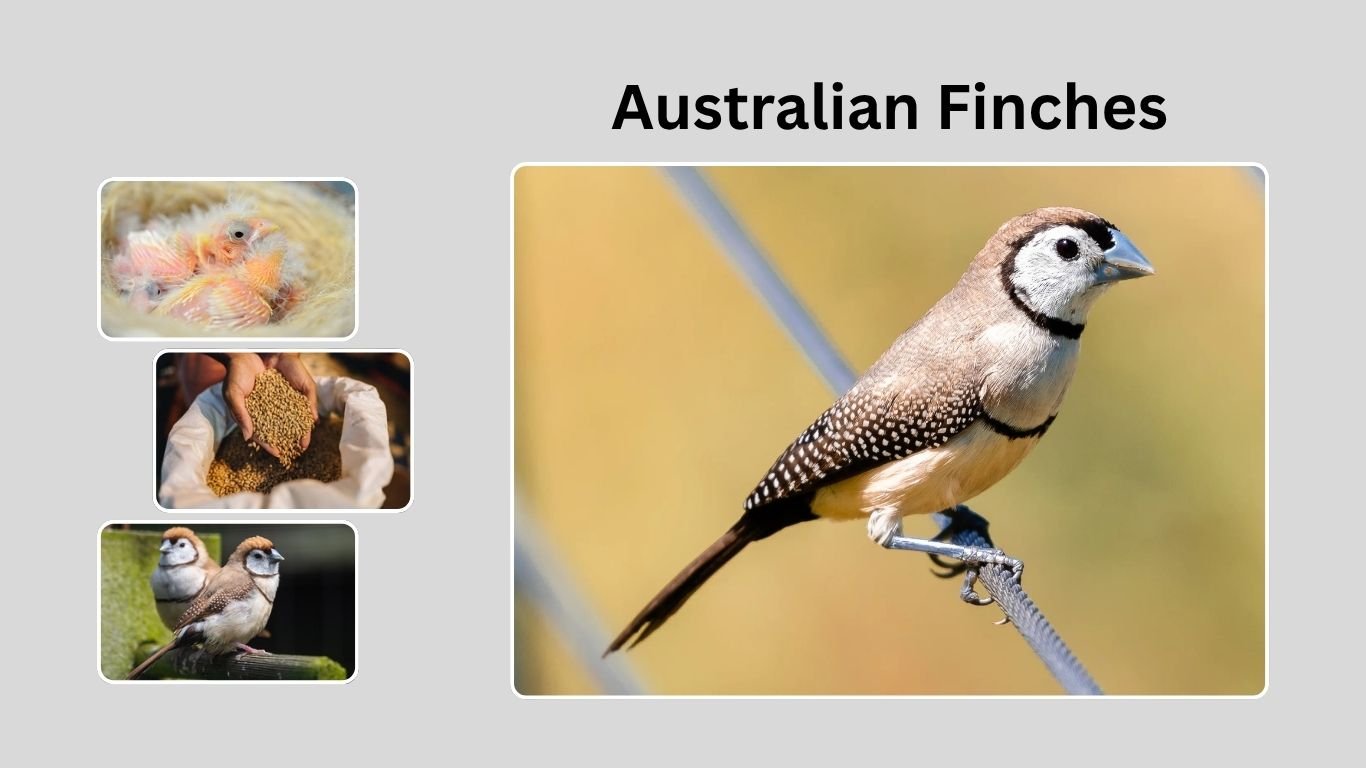
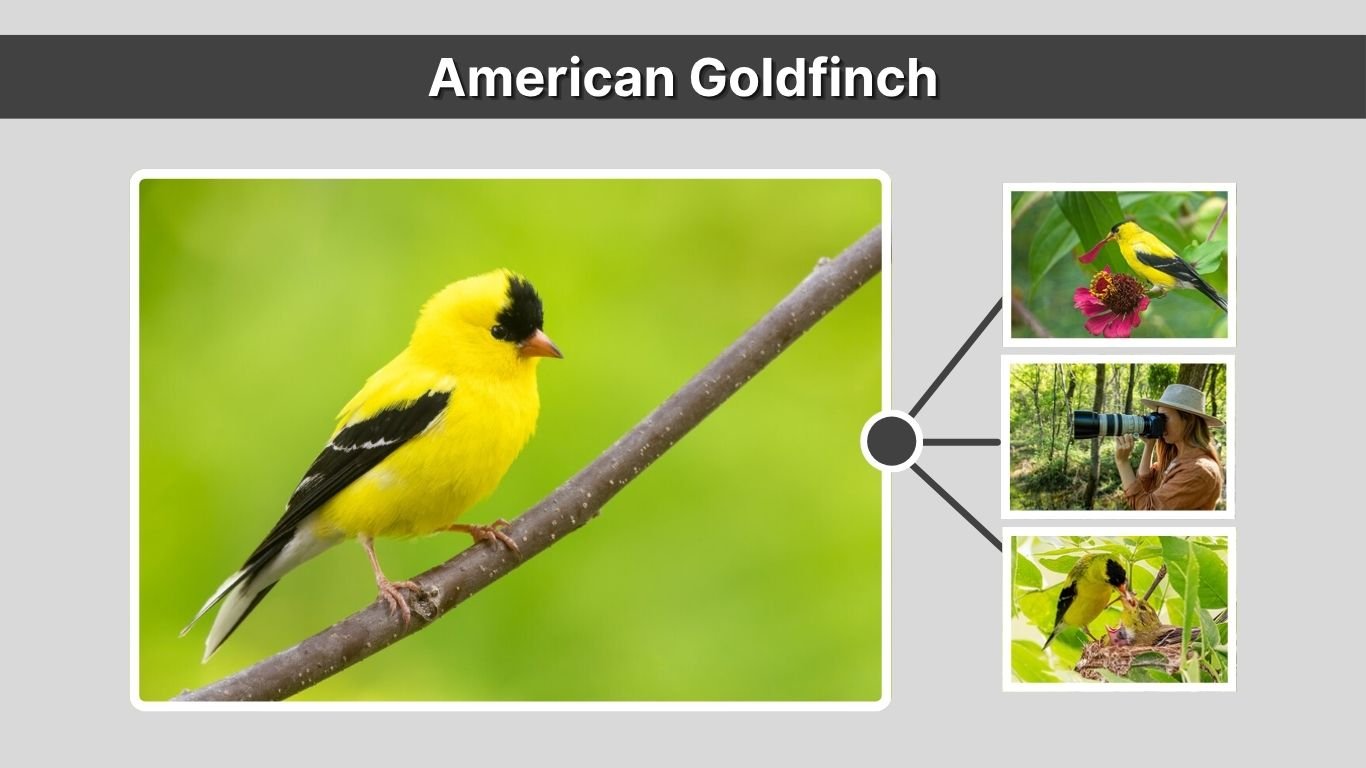
Ohio is home to a delightful variety of finches that brighten landscapes year-round. From the sunny yellow of the American Goldfinch to the rosy tones of the House and Purple Finches, these small songbirds captivate birdwatchers across the state. Their seasonal migrations, diverse habitats, and unique calls make them an essential part of Ohio’s birdlife. Understanding their behavior and appearance helps enthusiasts identify and protect these colorful species.
Common Finch Species in Ohio
House Finch
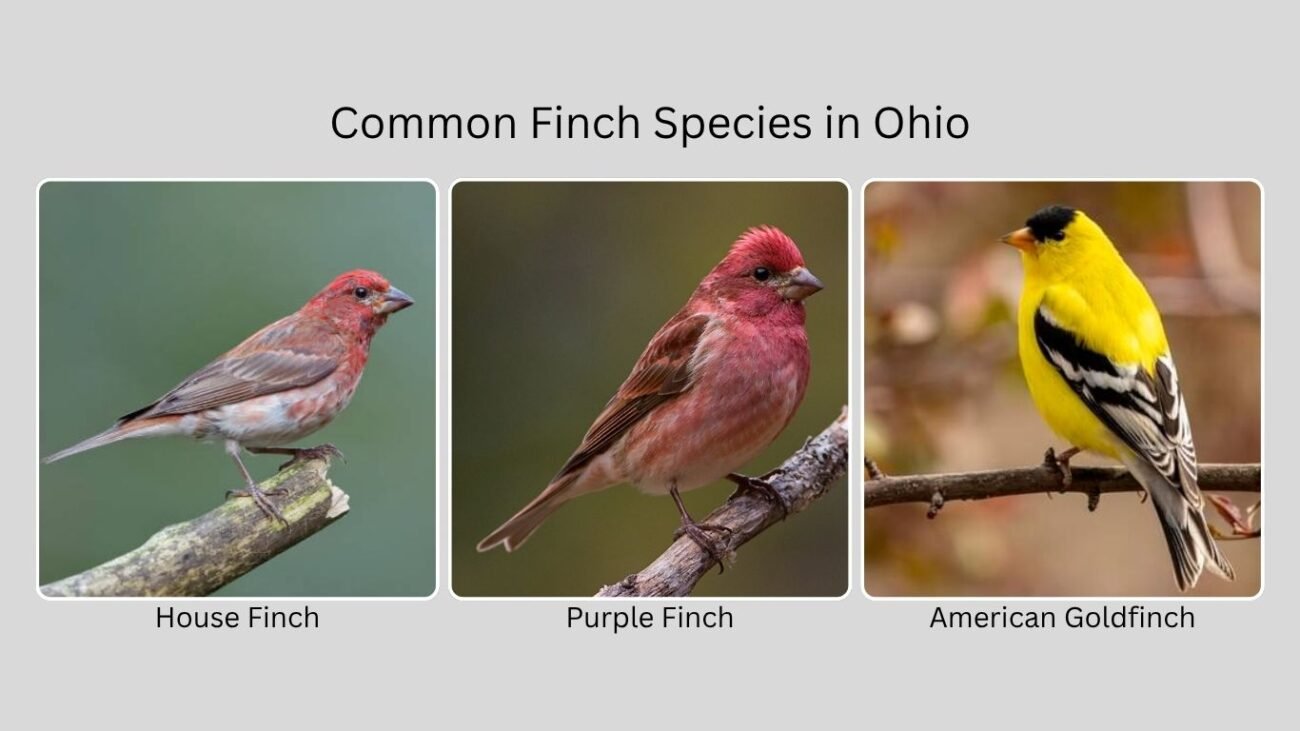
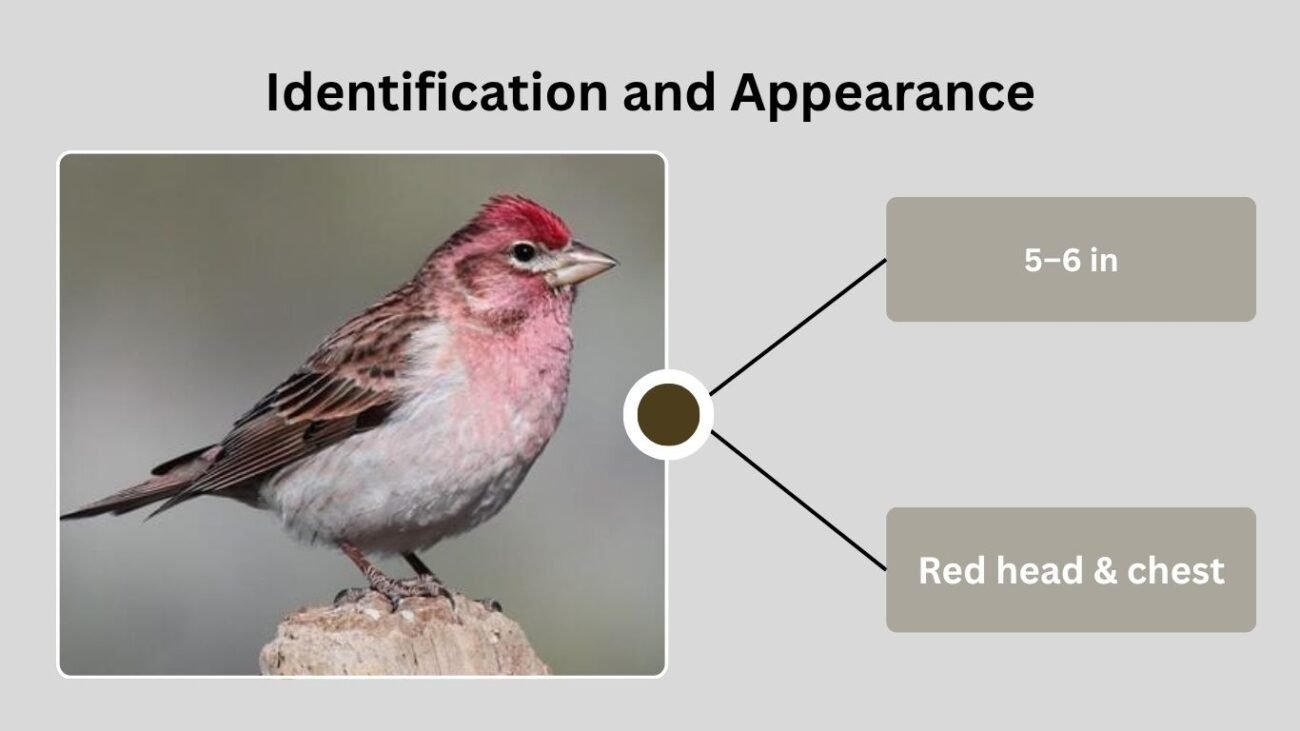
The House Finch is one of Ohio’s most common backyard visitors. Males are known for their bright red heads and chests, while females display brown streaked feathers. Originally native to the western U.S., House Finches have adapted remarkably well to Ohio’s suburban environments. They’re often seen perching on telephone wires or at feeders, especially those offering sunflower seeds.
Purple Finch
The Purple Finch can be mistaken for the House Finch, but subtle differences help with identification. Its plumage shows a deeper raspberry-red tone that extends further down the chest and flanks. They prefer forested areas, especially evergreens, and are more common during winter months when they migrate south into Ohio. Purple Finches often visit feeders during colder seasons, feeding on sunflower and safflower seeds.
American Goldfinch (Yellow Finch)
Ohio’s state bird, the American Goldfinch, brings a burst of color to summer gardens. Males display a brilliant lemon-yellow coat and black cap during breeding season, while females appear olive-yellow. In winter, both sexes molt into a duller shade, blending into the landscape. Goldfinches feed mainly on thistle and sunflower seeds, making them frequent guests at finch feeders throughout the year.
Red and Brown Finches
Sightings of “red” or “brown” finches often refer to plumage variations in House or Purple Finches. Younger or molting birds may exhibit these muted tones. Brownish streaks are more common in females, while reddish hues appear stronger in males during spring and summer. Observers sometimes confuse these variations with distinct species.
Blue and Exotic Finches
Ohio doesn’t host true blue finches, but misidentifications are common. The Indigo Bunting or Blue Grosbeak, both found in Ohio, are often mistaken for blue finches due to their striking color. Exotic varieties like Gouldian or Cordon Bleu finches are seen only in captivity or aviaries. Birders should note that native Ohio finches belong primarily to the Fringillidae family.
Identification and Appearance
Plumage and Color Variations
Finches are known for their vivid yet seasonally changing plumage. Males tend to be more brightly colored, especially during breeding periods, while females and juveniles exhibit softer browns and streaks. The American Goldfinch undergoes one of the most dramatic seasonal molts, shifting from vibrant yellow in summer to olive-gray in winter. Observing these transitions helps birders determine the time of year and species maturity.
Beak Shape and Feeding Habits
All finches share a signature feature — a short, conical beak ideal for cracking seeds. This adaptation allows them to feed efficiently on thistle, dandelion, and sunflower seeds. Unlike sparrows or chickadees, finches often hang upside-down while feeding, displaying impressive balance. Their feeding style is both social and lively, as small groups frequently gather at backyard feeders.
Size and Markings
While all Ohio finches are small songbirds, each species has subtle distinctions. The table below summarizes their characteristics for quick comparison:
| Finch Species | Size | Distinct Feature | Common Season |
| House Finch | 5–6 in | Red head & chest | Year-round |
| Purple Finch | 6 in | Raspberry tone | Winter visitor |
| Goldfinch | 5 in | Bright yellow | Year-round |
| Brown/Red Finch | 5–6 in | Muted tones | Variable |
Vocalizations and Calls
Finches are highly musical birds, often filling Ohio’s parks and gardens with cheerful, warbling songs. The House Finch produces a sweet, rolling tune, while the Goldfinch’s call resembles “per-chick-o-ree.” These distinctive melodies make them easy to identify even before they are seen.
Migration and Seasonal Behavior
Do Finches Migrate From Ohio?
Migration patterns vary among finch species. The American Goldfinch and House Finch remain in Ohio year-round, adapting to colder months by adjusting their diet. The Purple Finch, however, is a partial migrant, arriving from northern regions in late fall and returning north in spring. This behavior ensures access to food during Ohio’s moderate winters.
When Do Finches Come and Go?
Most finches begin returning to Ohio as early as March. By late spring, their populations peak, especially near open meadows and suburban feeders. In autumn, many birds move south or shift habitats within the state, following seed availability. These changes make Ohio birdwatching exciting year-round, as different species rotate through the region.
Winter Survival
Finches that remain through winter rely on natural seed sources such as coneflowers, birch trees, and garden plants. The Goldfinch’s muted plumage during this time provides camouflage against snow, while flocking behavior helps conserve body heat. Offering feeders stocked with thistle and sunflower seeds supports their survival during freezing months.
When to Put Out Finch Feeders
Ohio bird enthusiasts can attract finches almost any time of year, but timing enhances results.
- Spring (March–May): Start early to attract nesting pairs.
- Summer: Maintain consistent feeding for young birds.
- Autumn: Continue feeding through migration.
- Winter: Provide high-fat seeds for warmth and energy.
Feeders with small openings or mesh socks are ideal for nyjer seeds, a Goldfinch favorite.
Where to See Finches in Ohio

Northeast Ohio
Northeast Ohio offers a variety of habitats where finches thrive. Around Cleveland, Akron, and Canton, birdwatchers can find Goldfinches and House Finches in urban parks, gardens, and along lakefront trails. Nature reserves such as the Cuyahoga Valley National Park provide excellent viewing opportunities, especially near wildflower meadows filled with thistle and coneflowers.
Northwest and Central Ohio
The open landscapes of Northwest Ohio, including Ottawa National Wildlife Refuge and Maumee Bay State Park, attract flocks of Goldfinches and migrating Purple Finches. In Central Ohio, especially near Columbus, finches are regulars in suburban yards and community gardens. Residents often report seeing small groups feeding on dandelions and sunflowers during late summer.
Southern Ohio and Urban Areas
In Dayton, Cincinnati, and Chillicothe, finches adapt well to both natural and developed areas. They frequent backyards, city parks, and edges of wooded trails. Goldfinches often nest near weedy fields, while House Finches prefer ornamental trees and hanging baskets. Providing feeders near trees or shrubs can help attract these colorful visitors throughout the year.
Finches in Captivity and Sales in Ohio
Buying Finches
Finch keeping has grown in popularity across Ohio, especially in urban areas. Local pet stores and aviaries occasionally sell exotic species like Zebra Finches, Gouldian Finches, and Cordon Bleu Finches. These birds are prized for their colors and songs but require proper housing, nutrition, and social companionship. Buyers should always choose reputable breeders who prioritize bird health and humane conditions.
Legal and Care Notes
Native finches such as the American Goldfinch and House Finch are protected under federal law, meaning it is illegal to capture or keep them from the wild. However, captive-bred exotic finches can be legally owned. Owners should ensure cages are spacious, clean, and placed in well-lit areas. A balanced diet of millet, greens, and seed mix helps keep pet finches healthy and active.
Breeding and Bird Shows
Ohio has an active community of aviculturists who participate in bird exhibitions and breeding programs. Organizations like local bird clubs host events to showcase finch varieties and educate enthusiasts on ethical breeding practices. These gatherings promote awareness about native bird protection and the joys of responsible aviculture.
Confused Species: Other Birds Mistaken for Finches
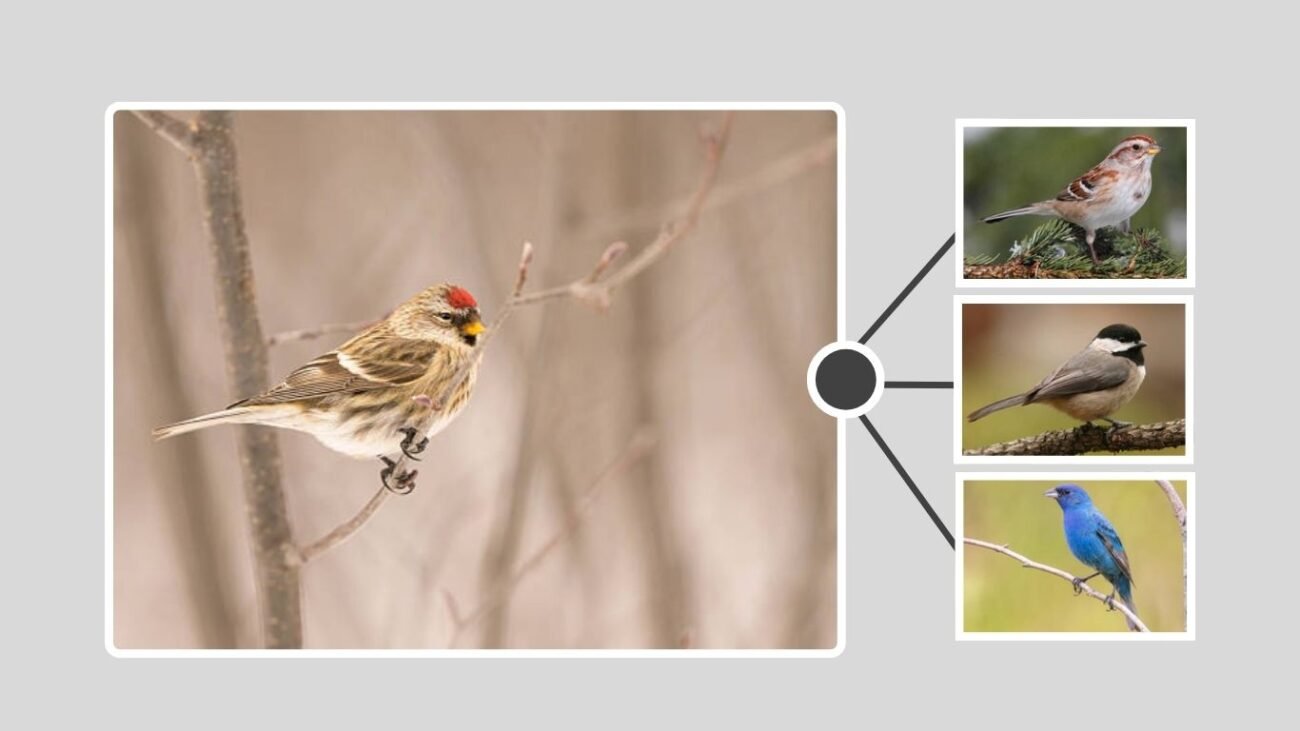
Finches are small and colorful, which sometimes leads to confusion with similar species. The following birds are often mistaken for finches in Ohio:
- American Tree Sparrow: Common in winter, with a rusty cap and a small dark chest spot.
- Carolina Chickadee: A small, quick bird with a black cap and bib; often confused due to size.
- Indigo Bunting: Brilliant blue color often leads observers to think it’s a “blue finch.”
- House Sparrow: Similar in size but lacks the bright coloring of true finches.
Knowing these distinctions helps birdwatchers accurately record sightings and contribute to local bird data.
Finch Identification Tips for Birdwatchers
By Sound
Finches are known for their musical songs and calls. The House Finch sings a long, cheerful warble, while the Goldfinch produces a flight call that sounds like “per-chick-o-ree.” Learning these sounds helps identify species before they appear in sight.
By Behavior
Finches are energetic and social, often feeding in flocks or small groups. They hover while feeding on thistle heads or cling to feeders upside down. Observing these playful feeding habits is one of the best ways to distinguish them from other songbirds.
By Habitat
Different finches prefer specific areas. Purple Finches stay near pine or spruce forests, House Finches thrive in urban neighborhoods, and Goldfinches prefer open fields filled with weeds and wildflowers. Keeping an eye on these habitats makes identification much easier for beginners.
FAQs
When do finches return to Ohio each year?
Finches such as the American Goldfinch and House Finch can be seen in Ohio most of the year, but migratory species like the Purple Finch return in early spring, usually between March and April, when temperatures begin to rise and food sources increase.
Do finches stay in Ohio during winter?
Yes. House Finches and American Goldfinches are year-round residents. In winter, they change plumage for better camouflage and rely heavily on backyard feeders stocked with nyjer, millet, or black oil sunflower seeds to survive harsh weather.
Are there blue finches in Ohio?
Not exactly. While Ohio doesn’t have true blue finches, Indigo Buntings and Blue Grosbeaks are often misidentified as blue finches due to their brilliant color. These species belong to different families but share similar habitats.
When should I put out finch feeders in Ohio?
The ideal time to set up feeders is early spring (March) to attract returning birds. Keep feeders up through fall to support migrating species. Finches love thistle (nyjer) seeds and sunflower hearts, which provide vital nutrients year-round.
Are house finches invasive in Ohio?
Originally from the western U.S., House Finches spread eastward naturally, adapting well to cities and rural areas. They are not considered invasive in Ohio and coexist peacefully with native species, adding color and song to the local ecosystem.