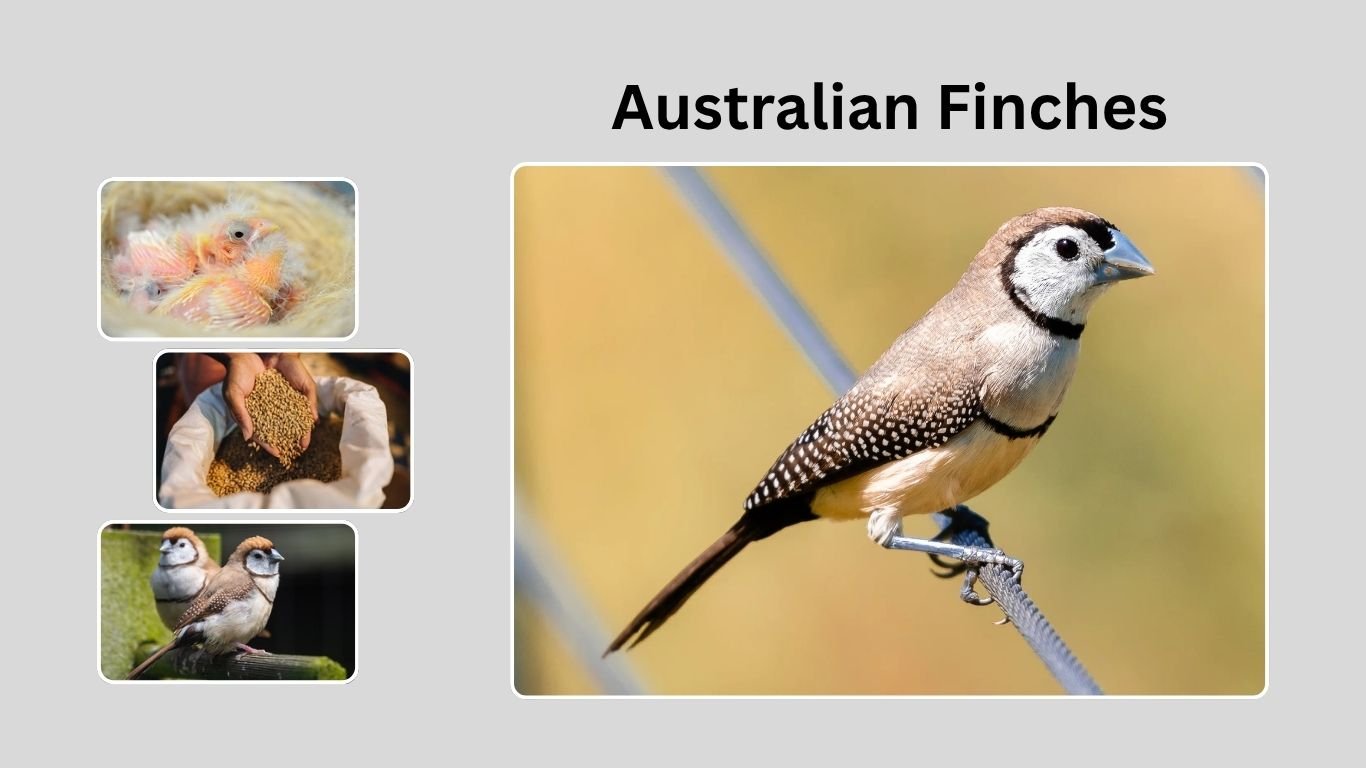
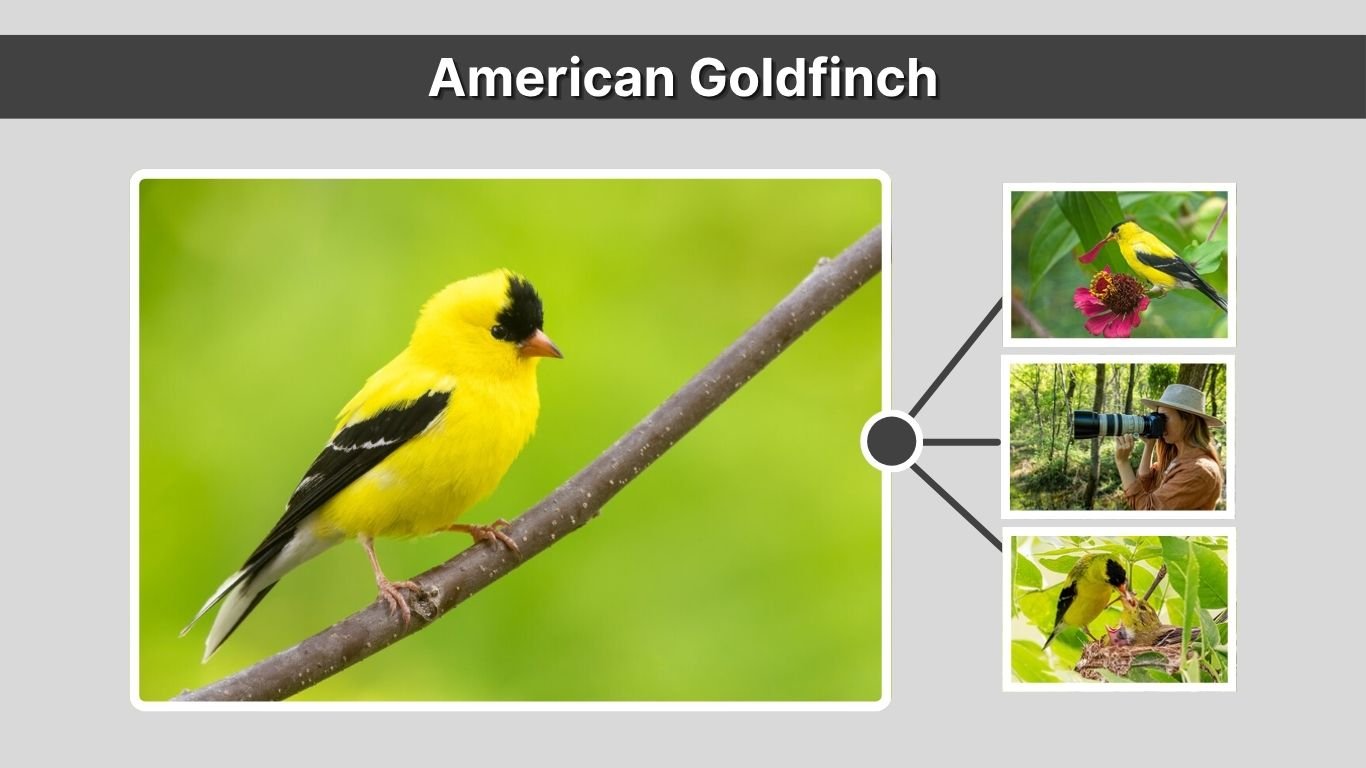
Small, modest, and beautifully streaked, the brown finch is one of nature’s most adaptable and widespread songbirds. Found across North America, Europe, and parts of Asia and Australia, these birds are often seen fluttering between shrubs, gardens, and mountain slopes. Though their subtle colors may seem plain, their melodic calls and social nature make them fascinating to observe. This article explores their identification, habitats, and habits, revealing the charm behind these humble little birds.
Identification of Brown Finch
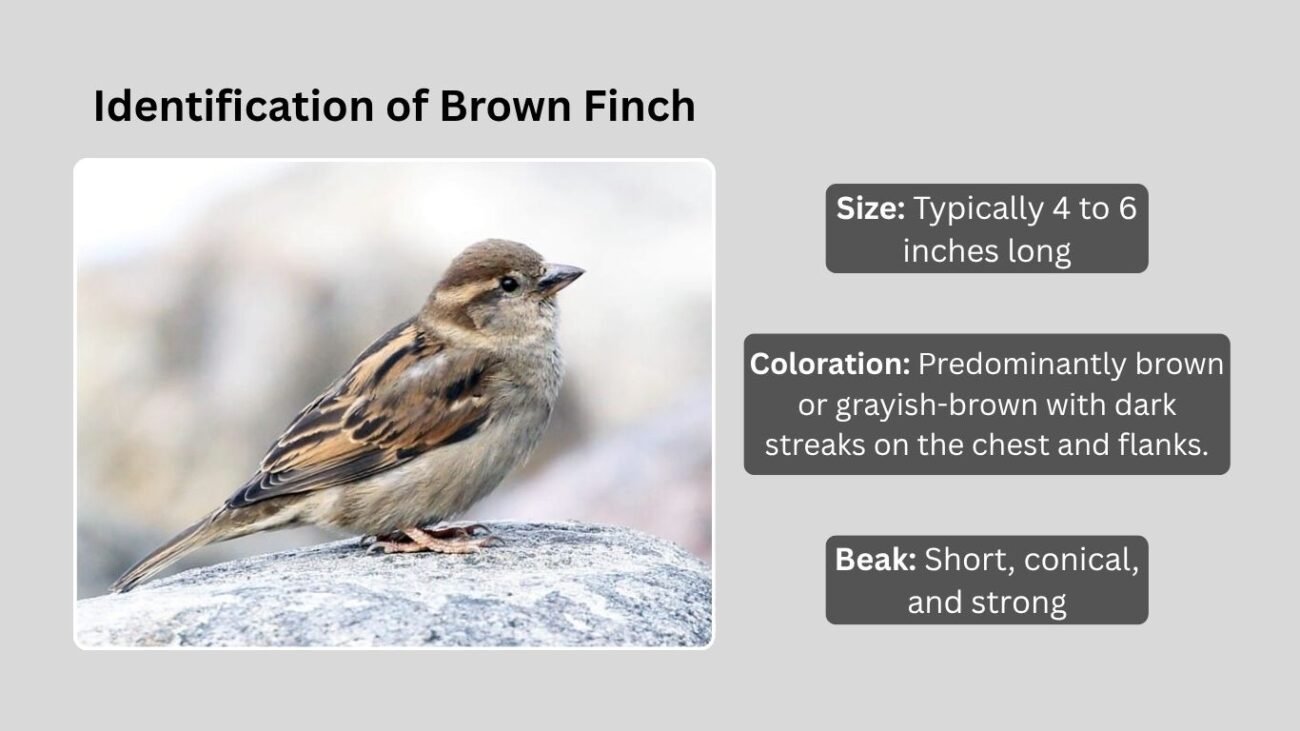
Brown finches are small, streaked birds often mistaken for sparrows, but they have distinct features that set them apart. Below is a detailed list of their identification traits, species types, and regional differences.
General Appearance
- Size: Typically 4 to 6 inches long, with a short neck and rounded body.
- Beak: Short, conical, and strong — ideal for cracking seeds.
- Coloration:
- Predominantly brown or grayish-brown with dark streaks on the chest and flanks.
- Some males show red, orange, or rosy highlights on the head, throat, or rump.
- Females and juveniles are duller and more uniformly streaked.
- Predominantly brown or grayish-brown with dark streaks on the chest and flanks.
- Eyes and Tail:
- Dark round eyes and a medium-length tail, slightly notched at the tip.
- Dark round eyes and a medium-length tail, slightly notched at the tip.
- Flight Pattern: Quick, bouncy flight with rapid wingbeats and soft chirps during flight.
Common Species and Variants
- House Finch (Haemorhous mexicanus):
- The most widespread brown finch in North America.
- Males have reddish tones on the head and chest; females are brown and streaked.
- The most widespread brown finch in North America.
- Brown-Capped Rosy-Finch (Leucosticte australis):
- Found in alpine areas of the western United States.
- Chocolate-brown body with pinkish highlights on the wings and belly.
- Found in alpine areas of the western United States.
- Zebra Finch (Taeniopygia guttata):
- Native to Australia; features a light brown-gray body and orange beak.
- Males have black and white face markings resembling zebra stripes.
- Native to Australia; features a light brown-gray body and orange beak.
- Society Finch (Lonchura domestica):
- Domesticated species, usually light or chocolate brown with soft plumage.
- Popular as pets due to their gentle temperament.
- Domesticated species, usually light or chocolate brown with soft plumage.
- Other Color Variants:
- Red and Brown Finch – males with deep reddish plumage.
- Brown and Yellow Finch – subtropical species with golden tones.
- Brown and White Finch – lighter, often captive-bred varieties.
- Red and Brown Finch – males with deep reddish plumage.
Habitat and Distribution
Natural Habitats
Brown finches are highly adaptable, inhabiting environments from alpine peaks to bustling city gardens. Their ability to thrive in varied conditions contributes to their widespread presence across continents.
- In mountainous regions, species like the Brown-capped Rosy-Finch nest in rocky crevices and feed on windblown seeds.
- In urban and suburban areas, House Finches readily build nests on ledges, hanging plants, and porch lights, becoming common backyard residents.
- Rural farmlands and forest edges also attract these birds, offering abundant food sources and safe nesting spots.
Geographic Range
The brown finch’s distribution is global, extending across multiple continents:
- North America: The House Finch and Rosy-Finch dominate much of the United States, from Florida’s warm coasts to the cold plateaus of Colorado and Michigan.
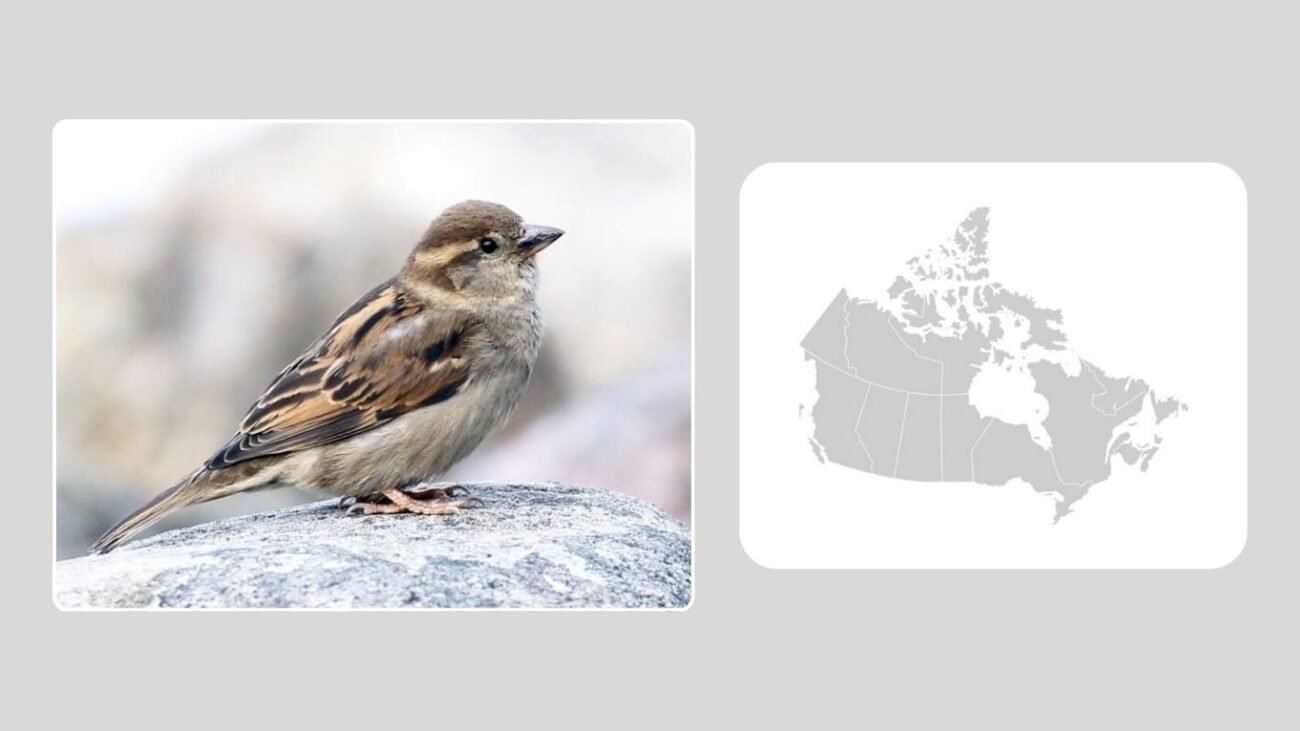
- Canada: These birds remain year-round in southern provinces and move slightly southward during harsh winters.
- Europe and the UK: Brown finches here, including European Linnets, adapt well to open countryside and hedgerows.
- Australia: The continent hosts several finch varieties, including the Zebra Finch, known for its brown-gray plumage and orange beak.
One notable species, the Brown-capped Rosy-Finch, occupies a restricted range in the Rocky Mountains, preferring elevations above 10,000 feet. Its nesting sites often lie on cliffs and snowfields where few other songbirds can survive.
Nesting Sites
Brown finches are resourceful nest builders. Depending on species, they may nest in:
- Trees and shrubs, constructing cup-shaped nests from twigs, grasses, and feathers.
- Urban structures, such as eaves, hanging planters, or even traffic lights.
- Mountain crevices and rock ledges, particularly for alpine species.
Their nesting behavior is not without challenges. For example, brown-headed cowbirds sometimes lay their eggs in finch nests—a phenomenon known as brood parasitism, which can reduce finch chick survival. Still, finches persist, often re-nesting multiple times each season to ensure reproduction success.
Behavior and Social Habits
Daily Activities
Brown finches are lively, social, and constantly on the move. They spend much of their day foraging for seeds and preening their feathers. In the early morning, they can often be seen perched in small groups, chirping cheerfully as they hop along fences or grass patches. These birds prefer to stay active in daylight, taking short rests in shaded areas during the heat of the day.
Vocalization and Songs
Their songs are one of their most delightful features. The brown finch call is a series of cheerful warbles and trills that vary by species and region. Males sing longer and more complex songs, especially during the breeding season, to attract females and defend territories.
In urban areas, House Finches can often be heard singing from rooftops and streetlights, while mountain-dwelling Rosy-Finches produce softer, thinner calls suited to open, windy landscapes.
Breeding and Parenting
The breeding season typically begins in early spring and continues through midsummer. Males court females by puffing their feathers, spreading tails, and offering food as a gesture of affection. Once paired, the female constructs the nest—usually a cup of twigs, grass, and feathers—while the male gathers materials and guards the site.
Both parents share the responsibility of feeding the chicks, mainly soft insects and partially digested seeds. Brood parasitism from brown-headed cowbirds is a common threat, as cowbird chicks often outcompete the finch nestlings. Nevertheless, finches are persistent breeders and can raise multiple broods each year.
Seasonal and Migration Patterns
Migration among brown finches varies by species.
- House Finches are generally non-migratory, staying within the same region year-round.
- Rosy-Finches, on the other hand, migrate vertically—descending from high elevations to valleys in winter.
- European finches, like the Linnet, may move southward during colder months.
A fascinating seasonal behavior is molting, where yellow or bright-colored finches lose their vibrant hues and appear brownish in winter. This adaptation helps them blend in better with their environment during the non-breeding season.
Diet and Feeding Behavior
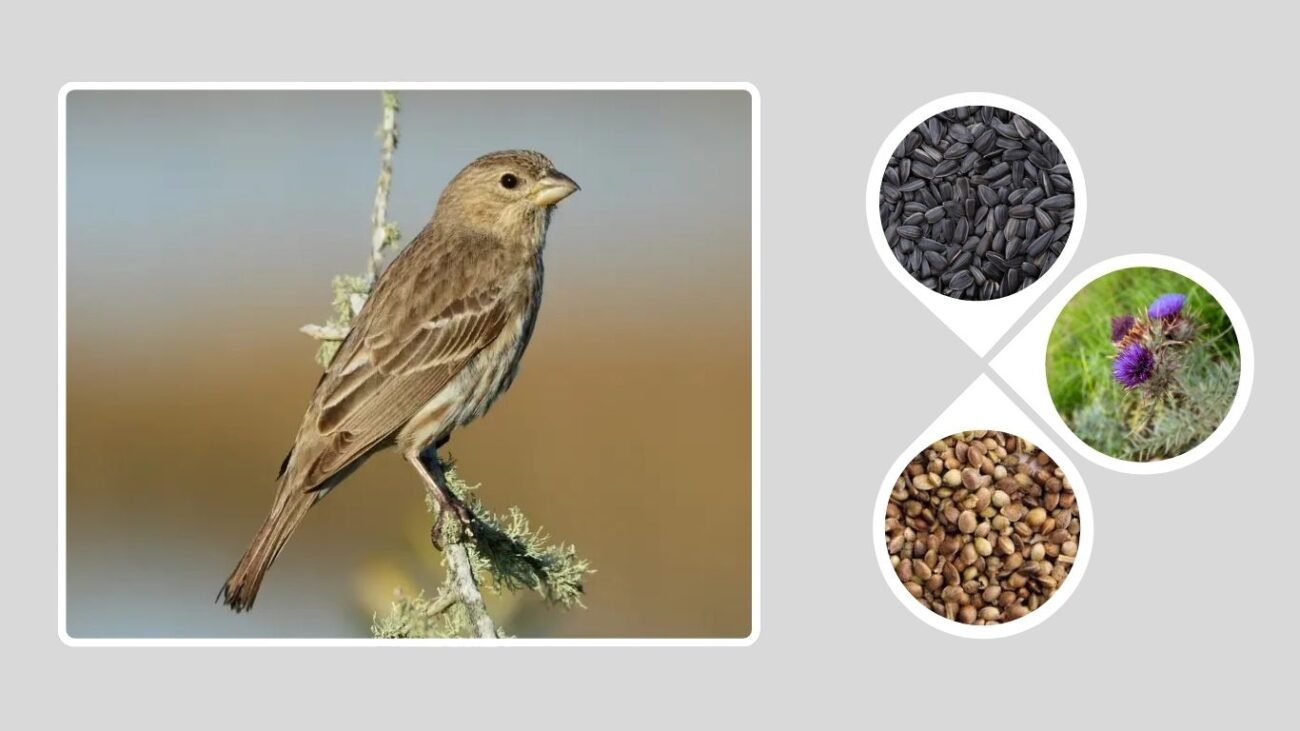
Primary Diet
Brown finches are primarily granivorous, meaning seeds form the bulk of their diet. They have strong, conical beaks designed for cracking open hard seed shells. Common foods include sunflower seeds, thistle, millet, and weed seeds. In the wild, they often forage in weedy fields or near bird feeders, showing little fear of humans.
Feeding Methods
Their feeding style is versatile. Some species, like the House Finch, perch on seed heads or feeders, while others prefer ground foraging, hopping along to pick fallen seeds. During the breeding season, finches consume small insects and spiders, providing vital protein for their young.
They are also frequent visitors to backyard feeders, where they often appear in small flocks, chirping energetically as they eat.
Regional and Seasonal Variations
- Northern populations depend heavily on seeds in winter, especially when insects are scarce.
- Southern finches and tropical varieties, like the Zebra Finch, include fruits, berries, and grass seeds.
- In spring and summer, many switch to softer foods and flower buds to accommodate the nutritional needs of their chicks.
Brown finches also play a significant ecological role by spreading plant seeds, contributing to natural vegetation growth.
Spiritual and Cultural Meaning
Symbolism of Brown Finches
In many cultures, the brown finch symbolizes joy, simplicity, and grounding energy. Its unassuming color reflects humility, while its cheerful song represents positivity and gratitude. Seeing one often serves as a reminder to appreciate small moments and stay connected with the earth’s rhythm.
In spiritual interpretation, a brown finch sighting may signify emotional balance, new beginnings, and resilience in the face of life’s challenges.
Finch in Literature and Beliefs
Throughout literature and folklore, finches have been depicted as messengers of happiness and freedom. Their ability to thrive in diverse environments symbolizes adaptability and hope. From Native American traditions to European fables, the finch embodies innocence and vitality, reminding observers to live lightly and joyfully.
Conservation and Coexistence
Population Status
Most brown finch species remain stable or increasing in number, thanks to their adaptability. However, certain populations, such as the Brown-capped Rosy-Finch, face habitat challenges due to climate change and shrinking alpine environments. Monitoring programs continue to track these vulnerable species to ensure their protection.
Helping Finches Thrive
You can support brown finch populations by:
- Providing bird feeders with black oil sunflower or millet seeds.
- Avoiding the use of pesticides that reduce insect populations.
- Installing birdbaths or shallow water dishes for hydration.
- Keeping windows safe by using decals to prevent collisions.
Encouraging native plants and maintaining safe nesting areas helps these birds thrive alongside humans.
FAQs
What does a brown finch look like?
A brown finch is a small, streaked bird with a short conical beak and soft brown plumage. Males may display rosy or reddish tones on the head and chest, while females remain more subdued in color for camouflage during nesting.
Where can brown finches be found?
They inhabit a wide range of environments—from city gardens and farmlands to mountain slopes and open forests. Brown finches are especially common in North America, Europe, and parts of Australia, where they adapt easily to both wild and urban areas.
What do brown finches eat?
Their diet consists mostly of seeds, grains, and occasional insects. During the breeding season, parents feed their chicks protein-rich insects for growth. Brown finches are frequent visitors at backyard feeders, especially when offered sunflower or thistle seeds.
Are brown finches and house sparrows the same?
No. Although both are small and brown, finches have streaked feathers, slimmer bodies, and conical beaks. Sparrows are chunkier with thicker bills and less streaked plumage. Finches also sing more melodically than sparrows, making their calls distinct.
What is the spiritual meaning of a brown finch?
Spiritually, the brown finch represents joy, simplicity, and connection to nature. Its gentle presence and melodic song remind people to embrace peace and contentment in everyday life. In many cultures, it is seen as a sign of renewal and emotional clarity.