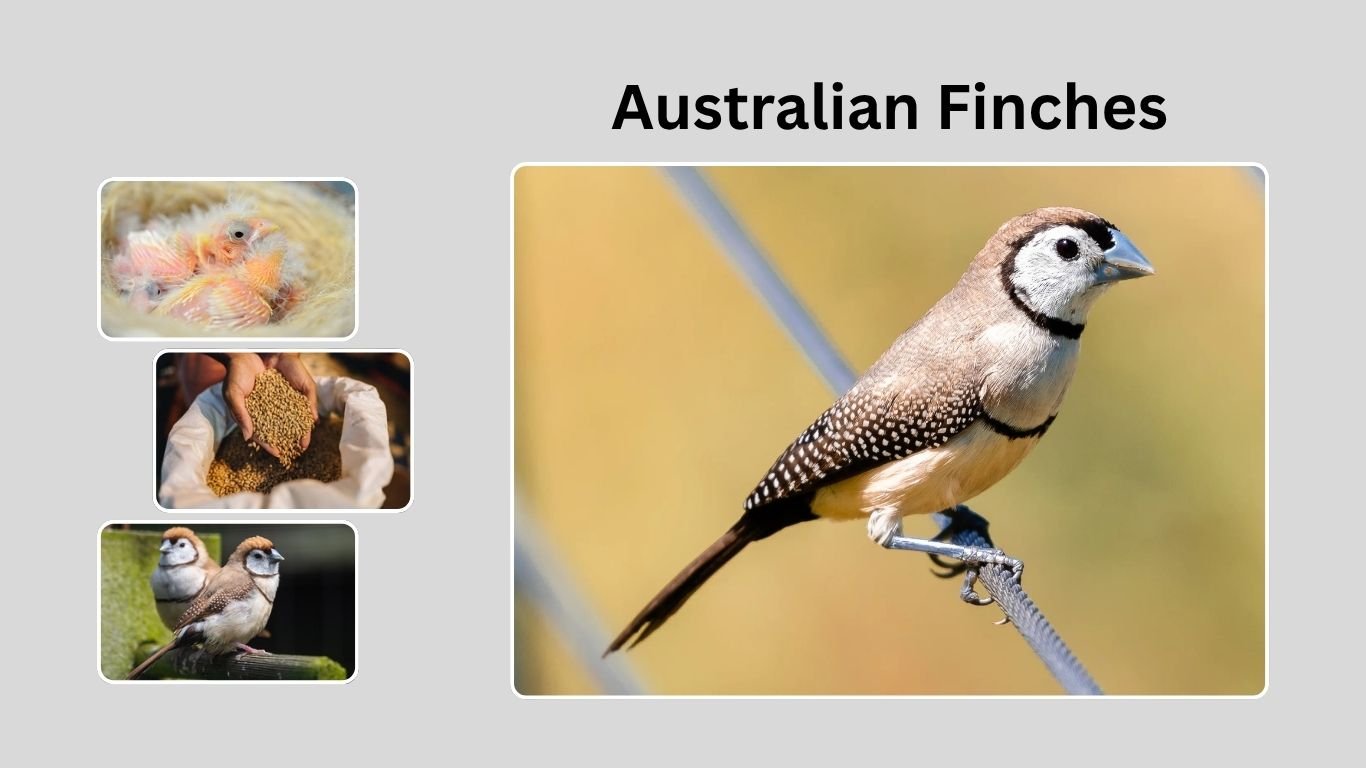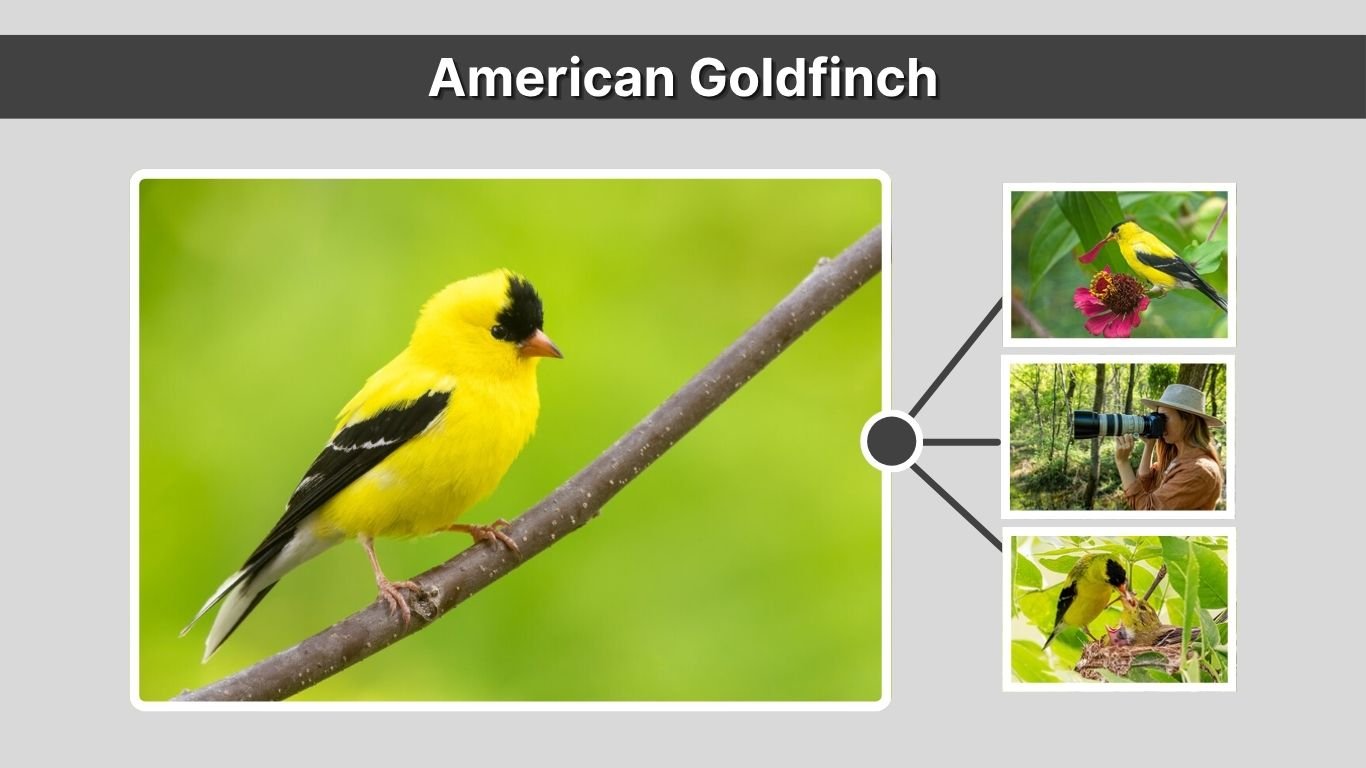
Across North America, the word “Finch” evokes two very different yet equally fascinating worlds — the colorful, melodious American Goldfinch and the witty, eccentric Paul Finch from the American Pie movie series. From meadows filled with golden wings to silver-screen comedy moments, “Finch” represents a blend of natural wonder and cultural intrigue. This article explores both realms — the biological beauty of finches and their symbolic presence in pop culture.
Identification — Understanding the American Finch

The American Finch family is a diverse group of small, colorful birds that brighten North America with their cheerful songs and lively movements. Below is a detailed list-style breakdown of their identification features, major species, and regional variations.
American Goldfinch Overview
- Scientific Name: Spinus tristis
- Coloration: Bright yellow body with black wings and cap in males; olive-yellow tones in females.
- Seasonal Plumage: Turns dull brown during winter for camouflage.
- Size: Small songbird, about 4.3–5 inches long.
- Notable Feature: Recognized for its bouncy, wave-like flight pattern.
- Habitat: Found in meadows, gardens, and open woodlands.
- State Bird: Official bird of Iowa, New Jersey, and Washington.
- Song: A cheerful “per-chick-o-ree” melody, often sung during flight.
Types of American Finches
- House Finch (Haemorhous mexicanus):
Common urban bird with reddish or orange coloring around the face and chest. Females are brown-streaked. Adaptable and often seen near feeders. - Purple Finch (Haemorhous purpureus):
Slightly larger than the House Finch; males have a deep raspberry-red hue extending to the back. Prefers forested regions. - Rose Finch:
Not native to all U.S. regions but known for its rose-pink plumage and sweet, flute-like call. - Red Finch:
A general term often used to describe House or Purple Finches due to their vibrant red coloring. - American Yellow Finch:
A bright summer bird, sometimes confused with the American Goldfinch. Distinguished by a sharper beak and paler yellow tone. - American Blue Finch:
A rarer species with striking blue-gray feathers found in select regions of North America.
Habitat — Where the American Finch Thrives
Natural Habitats
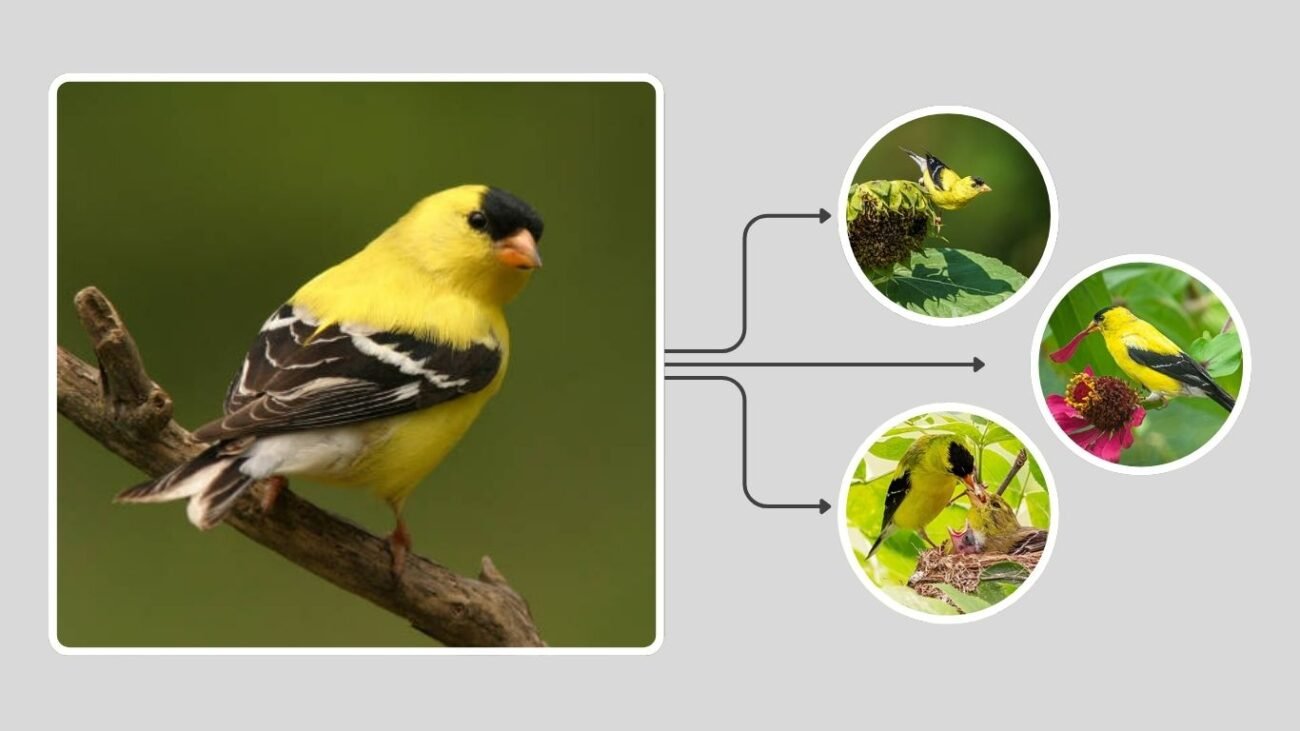
American finches prefer open spaces where food and sunlight are abundant. They are often found in meadows, forest edges, and overgrown fields. These areas offer a rich supply of wildflowers and seeds — their primary diet. Finches also adapt remarkably well to suburban and rural areas, often nesting in trees near gardens and parks. Their ability to flourish in both wild and human-altered environments makes them a symbol of resilience and adaptability.
Migration and Breeding
The American Goldfinch is one of the few finches that molt twice a year, changing its plumage with the seasons. They typically migrate short distances southward in winter, returning north in late spring. During breeding season, males perform aerial displays to attract mates, while females build neatly woven cup-shaped nests. Interestingly, goldfinches breed later than most birds — often in midsummer — aligning their nesting with the peak availability of thistle seeds for feeding their chicks.
Urban Presence
Finches are among the most city-friendly wild birds. They frequently visit backyard feeders, especially those filled with sunflower or thistle seeds. Homeowners often hear their melodic “per-chick-o-ree” calls echoing through gardens. In urban areas, finches symbolize the meeting of nature and modern life — a small but vital reminder that wildlife can coexist beautifully within human spaces.
Behavior — How Finches Live and Communicate
Feeding Patterns
Finches are primarily granivores, feeding mostly on seeds and occasionally insects. Their short, conical beaks are perfect for extracting seeds from plants like sunflowers, dandelions, and thistles. During breeding season, they may also eat insects to boost protein intake. Males often display courtship behavior by feeding females — a gesture of both affection and partnership. Finches are also acrobatic eaters, sometimes hanging upside down while plucking seeds, showcasing their agility and playful spirit.
Singing and Communication
One of the most charming aspects of the American Finch is its distinctive song. The goldfinch, for instance, produces a lively series of trills and warbles that sound like musical laughter. Males sing to attract mates, assert territory, and communicate within the flock. Each species has a slightly different tone and rhythm, allowing bird enthusiasts to identify them by ear alone. The American Finch song often symbolizes happiness — a melody that mirrors its vibrant appearance and free-spirited nature.
Social Nature
Finches are highly social birds that thrive in flocks, especially outside the breeding season. They often gather in small to medium-sized groups, feeding together and maintaining a constant stream of chatter. This collective behavior offers safety from predators and helps locate food efficiently. Finches are known to show playful interactions, such as aerial chases and synchronized flight patterns. During nesting, however, pairs become territorial and defend their chosen area fiercely to protect their young.
Unique Traits — What Makes Finches Special
Seasonal Plumage Changes
One of the most fascinating aspects of finches is their seasonal color transformation. The American Goldfinch undergoes a striking change: the male’s bright yellow feathers fade into a soft olive-brown during winter. This not only provides camouflage against predators but also conserves energy. As spring arrives, the vibrant plumage returns, signaling breeding readiness and vitality. The color shift is triggered by hormonal changes influenced by daylight and temperature.
Male vs. Female Finches
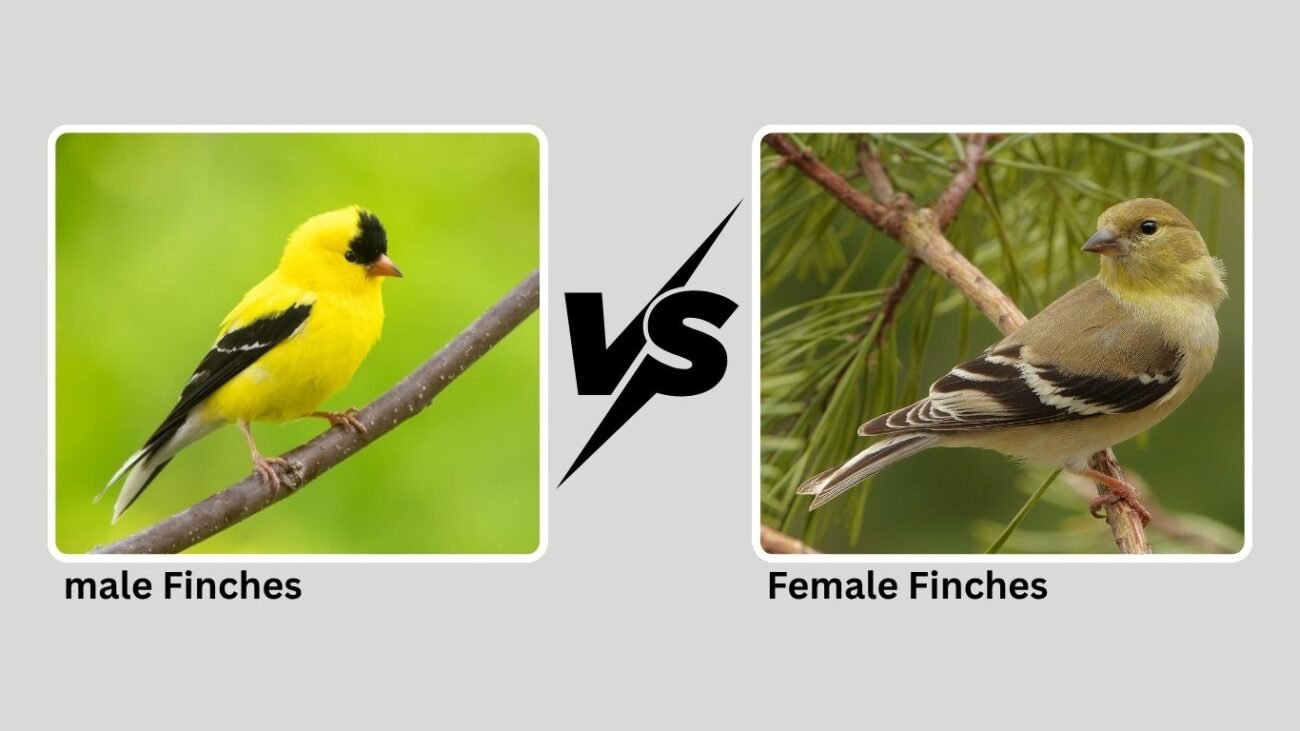
Male and female finches can be told apart through subtle visual differences. Males typically display more vivid colors, especially during mating season, while females exhibit softer tones that help them blend into nesting environments. Behaviorally, males are more vocal and perform singing displays, whereas females focus on nest building and chick care. Observing these distinctions offers valuable insights into avian evolution and mating strategies.
Symbolism of the Finch
Throughout history, finches have symbolized joy, energy, and renewal. Their constant movement and cheerful song are often interpreted as representations of freedom and optimism. In Native American traditions, the finch’s bright plumage was associated with sunlight and spiritual happiness. In literature and art, they are emblems of positivity — reminders to live vibrantly and appreciate life’s simple pleasures.
The Pop Culture Finch — From American Pie to American Horror Story
Paul Finch in American Pie
Beyond the bird world, “Finch” gained fame through Paul Finch, a witty and mature character from the American Pie franchise. Portrayed by Eddie Kaye Thomas, Finch is known for his calm demeanor, intellect, and quirky habits — notably his love of espresso and interest in philosophy. One of his most iconic scenes involves an unfortunate bathroom mishap that became a hallmark of early 2000s teen comedy. As the series progresses (American Pie 2, American Wedding, and American Reunion), Finch evolves into a symbol of awkward confidence and comedic resilience.
Finch’s Mom Phenomenon
No discussion of American Pie is complete without mentioning the legendary “Finch’s Mom” storyline — or more accurately, Stifler’s Mom. The unexpected romance between Finch and his classmate’s mother created one of cinema’s most talked-about comedic pairings. In American Reunion, the dynamic continued, with fans asking, “Who played Finch’s Mom?” The actress Jennifer Coolidge brought this role to life, immortalizing the concept of the confident, seductive older woman and elevating the American Pie franchise into pop-culture history.
Other Finches in Entertainment
The name “Finch” appears across various creative works. Vivian Finch in American Horror Story adds a mysterious twist to the name, while David Fincher, the acclaimed director, has explored “American” themes in multiple productions, from The Social Network to Mindhunter. His rumored project “American Squid Game” gained online attention for blending his signature dark realism with satire. The recurrence of “Finch” and “Fincher” across media showcases how a simple name can carry diverse creative energy — from comedy to horror and beyond.
Visual and Auditory Beauty
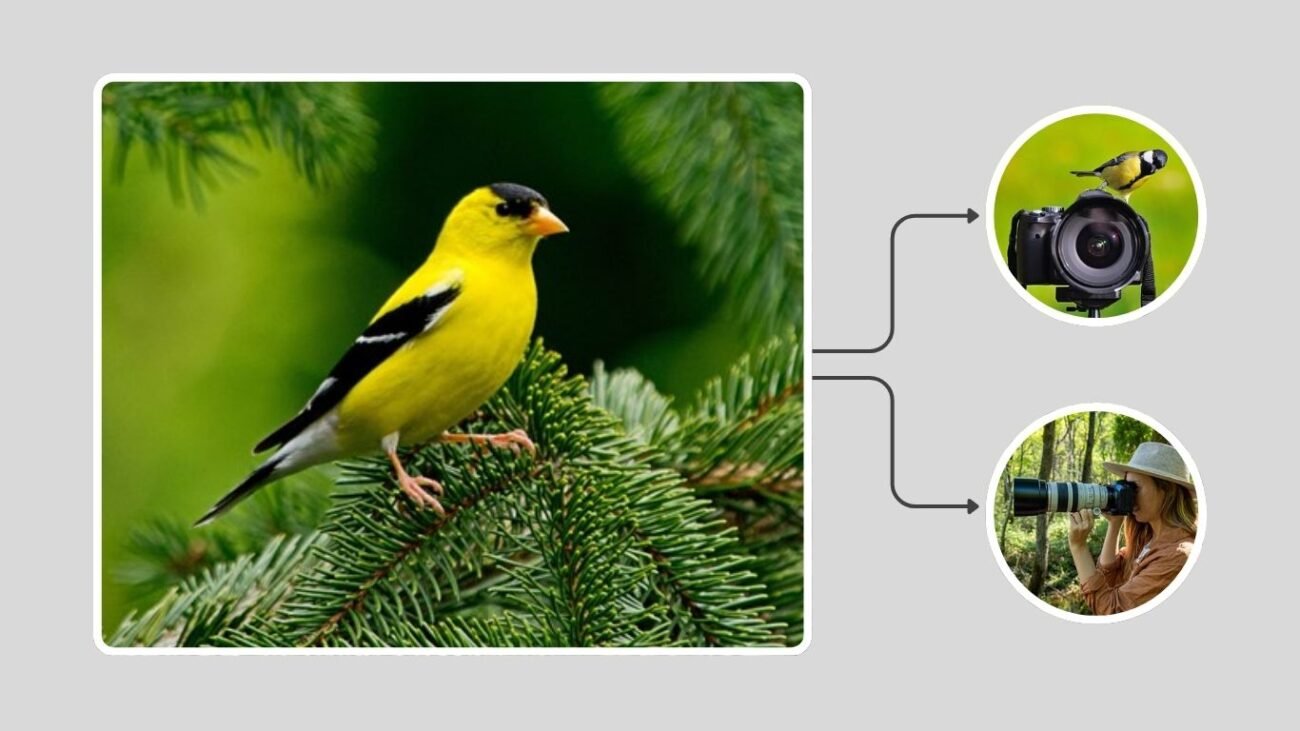
American Finch Pictures and Photography Tips
Photographing finches requires patience and timing. Early morning light brings out the most vivid plumage tones, especially in goldfinches and red finches. Use a zoom lens to capture detailed shots without disturbing them, and focus on natural perches like thistle stems or seed feeders. Ethical bird photography emphasizes minimal interference — keeping a respectful distance ensures that finches continue their natural behavior without stress.
Finch Songs — Nature’s Music
Finches produce some of the most delightful melodies in the bird kingdom. Their songs vary by region but are typically composed of trills, warbles, and rhythmic patterns. The American Goldfinch’s call sounds like “per-chick-o-ree,” often heard during flight. These tunes serve multiple purposes — attracting mates, defending territory, and signaling danger. Birdwatchers often use audio recordings to identify species, making song recognition an essential part of finch observation.
FAQs
What is the difference between the American Goldfinch and the House Finch?
The American Goldfinch features brilliant yellow plumage with black wings, while the House Finch shows a reddish or brown hue. Goldfinches migrate seasonally and prefer open fields, whereas House Finches are more adaptable to urban settings and stay in one area year-round.
Where can I find American finches?
American finches are common across North America. Look for them in gardens, parks, and meadows, especially near seed-bearing plants. They’re also frequent visitors to backyard feeders stocked with sunflower or thistle seeds.
Who plays Paul Finch in the American Pie series?
Paul Finch is portrayed by Eddie Kaye Thomas, who appears in all American Pie films. His character is memorable for his sophisticated humor, philosophical outlook, and his surprising relationship with Stifler’s Mom.
What do finch songs sound like?
Finch songs are light, cheerful, and musical — usually a series of warbling notes that repeat rhythmically. Males sing more actively during breeding season to attract mates and establish territory, creating a natural symphony in open landscapes.
What does a finch symbolize?
The finch symbolizes happiness, freedom, and positive energy. Its lively behavior and colorful feathers are often seen as reminders to appreciate simple joys and embrace life’s brighter side, making it a favorite in art, poetry, and folklore.