







Female turkeys are fascinating birds that play an essential role in both wild and domestic environments. Unlike their more flamboyant male counterparts, female turkeys, often called hens, have distinct physical features, behaviors, and communication styles. Understanding these differences helps wildlife enthusiasts, poultry farmers, and hunters recognize and appreciate their unique traits. This article explores everything you need to know about female turkeys, from identification and sounds to behavior and care.
What is a Female Turkey Called?

A female turkey is commonly known as a hen, while males are called toms or gobblers. Young female turkeys, especially during their first months of life, are referred to as poults. These terms help distinguish between age, sex, and maturity.
Female turkeys exist in both wild and domestic varieties. In the wild, hens are usually smaller than males and exhibit muted, brownish plumage that helps them camouflage while nesting. Domestic breeds, such as broad breasted or Bourbon Red turkeys, often show slight variations in size, feather patterns, and overall appearance.
Some breeds have notable differences even among females. For example, a broad breasted white turkey hen may appear heavier and more robust compared to a wild female, while bronze hens exhibit a darker, metallic sheen on their feathers. Despite these differences, the term hen remains the universal designation for all adult female turkeys.
Understanding the terminology is crucial not only for birdwatching but also for raising turkeys domestically, as distinguishing between hens and toms influences feeding, housing, and breeding strategies.
Identification of Female Turkeys

Identifying a female turkey can be challenging if you’re not familiar with their subtle traits. Here are the primary characteristics to look for:
- Smaller body size: Hens are noticeably smaller than toms.
- Lack of prominent beard: While males often have a long, noticeable beard, most females do not. Only a small percentage grow short beards.
- Tail feathers: Female tail feathers are narrower and less colorful.
- Head color: Generally duller, lacking the bright red, blue, or white colors seen in males.
- Snood and wattle: Smaller and less pronounced compared to males.
- Spurs: Typically absent or very small.
- Plumage: Brown or earth-toned for camouflage while nesting.
- Sounds: Softer calls like clucks, yelps, and putts instead of the male gobble.
- Behavioral traits: Less aggressive and no strutting like toms.
These traits help distinguish hens from males in both the wild and domestic settings. Observing their behavior and communication patterns can also aid in identification, especially during mating season when males become more showy and vocal.
Female Turkey Sounds and Communication
Common Calls of Female Turkeys
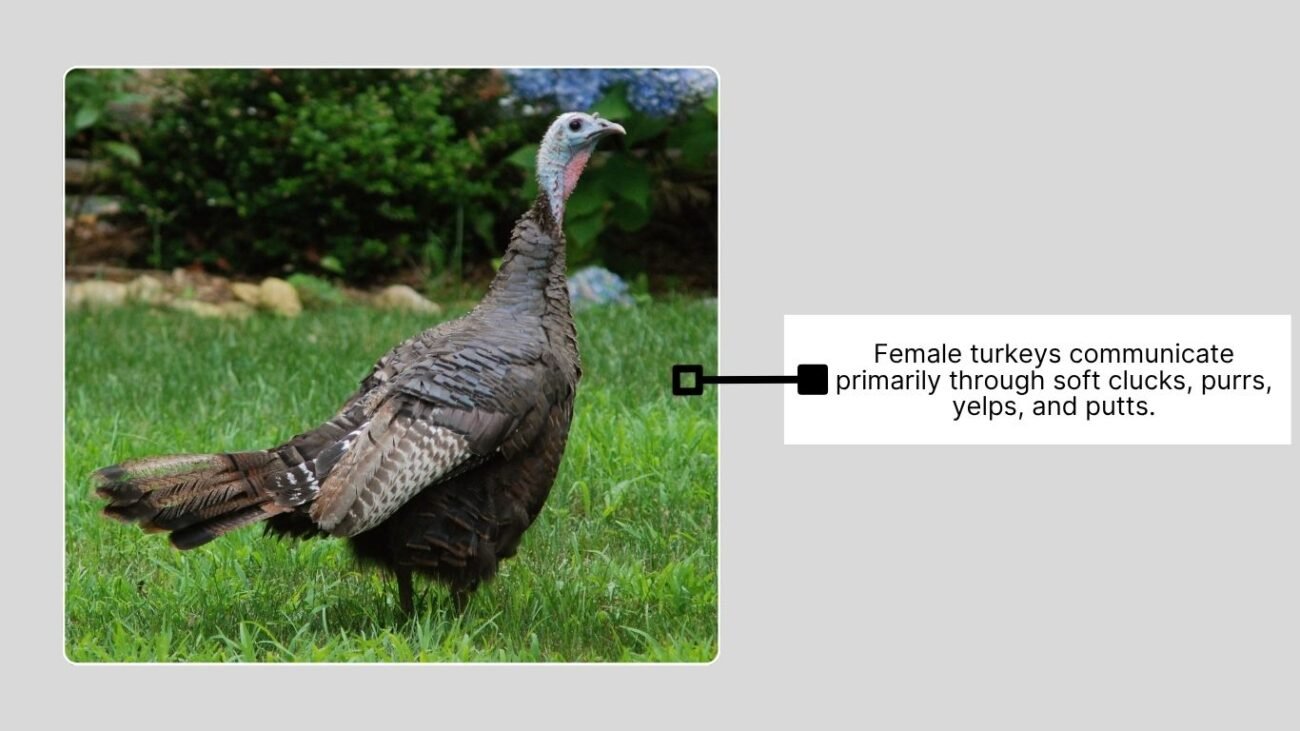
Female turkeys communicate primarily through soft clucks, purrs, yelps, and putts. These sounds serve multiple purposes: alerting the flock to danger, calling young poults, or interacting socially with other hens and toms. Unlike males, whose gobble is loud and attention-grabbing, female calls are more subtle but equally important for survival and flock cohesion.
Do Female Turkeys Gobble?
Most female turkeys do not gobble, which is a signature sound of toms during mating season. However, rare instances of gobbling can occur if a hen is highly excited, threatened, or interacting closely with males. Their vocalizations are generally quieter, making them less noticeable in the wild.
Mating and Social Calls
During the breeding season, hens use soft yelps to communicate with males and coordinate mating. These sounds also help establish social hierarchy within the flock. Young poults respond to maternal calls, which guide them to food sources and alert them to potential predators. By listening carefully, it’s possible to understand a female turkey’s mood and intent based solely on her vocalizations.
Physical Appearance and Features of Female Turkeys
Female turkeys have a more subtle appearance compared to males, which helps them stay camouflaged while nesting. Their plumage is generally brown, beige, or earth-toned, providing excellent protection in forests or fields. Unlike toms, their feathers lack iridescent colors, though some domestic breeds like the bronze turkey may show faint metallic sheens.
The head, snood, and wattle of hens are smaller and less brightly colored than males. While males display vibrant reds, blues, and whites, female heads are muted, often grayish or dull red. This difference is particularly noticeable during the breeding season when males become brightly colored and vocal.
The tail fan of a female is also narrower and less dramatic than a male’s, and most hens do not strut. Instead, they walk quietly through the underbrush, foraging for seeds, insects, and small plants.
Finally, breed variations affect appearance. Bronze hens have darker feathers with metallic highlights, white hens are almost entirely white, and Bourbon Red hens have deep reddish-brown plumage. Despite these differences, all female turkeys share similar body proportions, muted coloring, and subtle physical traits that distinguish them from males.
Female Turkey Behavior
Female turkeys exhibit unique behaviors that differ from males, especially in social and reproductive contexts.
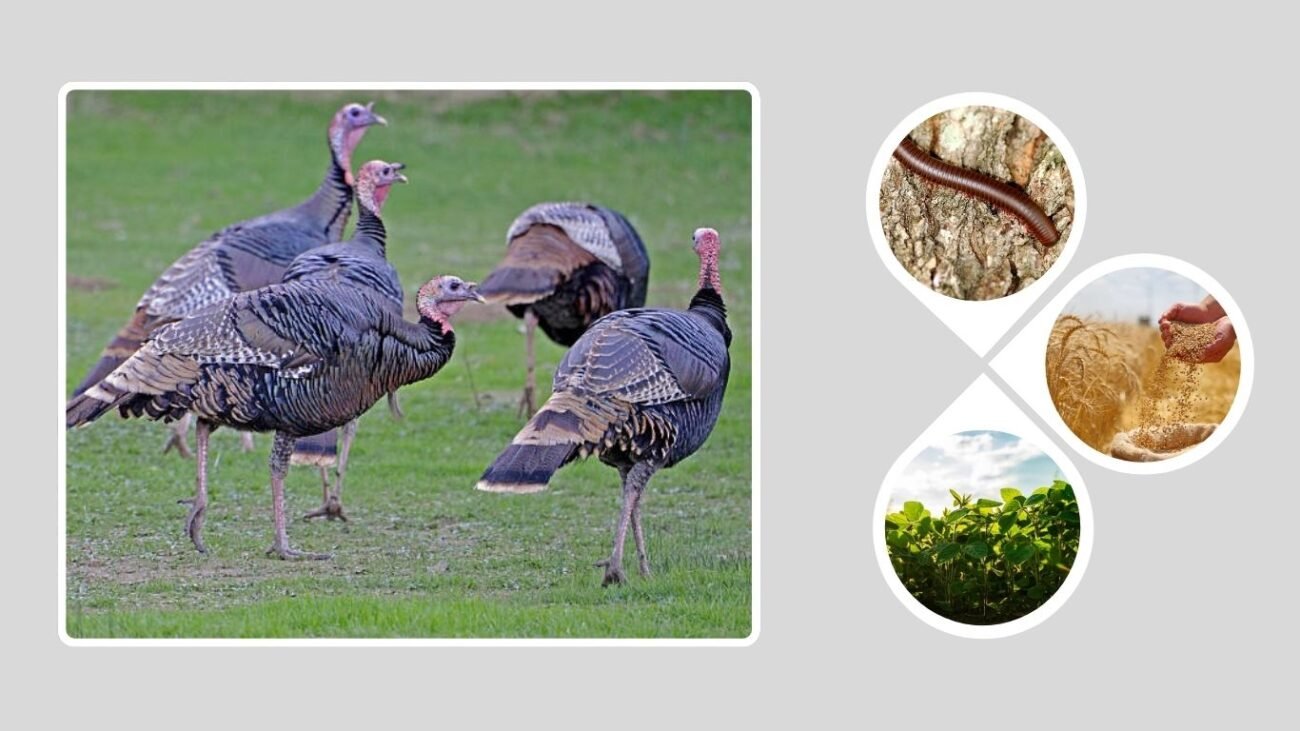
- Feeding habits: Hens primarily forage on seeds, insects, plants, and occasionally small invertebrates. Their smaller size allows them to move quietly and avoid predators.
- Nesting and caring for poults: Female turkeys build concealed nests on the ground, laying between 8–15 eggs per season. They fiercely protect their young from predators and guide poults to food sources.
- Interaction with males: Hens communicate softly with toms through yelps and clucks, especially during mating season. They rarely engage in aggressive displays.
- Seasonal behavior: Wild hens may migrate short distances in search of food, and they molt after breeding season, replacing old feathers for winter.
Female turkeys are generally more socially cautious than males. While toms strut, display, and gobble to attract mates, hens focus on survival, reproduction, and flock cohesion.
Female Turkey Health and Care
Maintaining healthy female turkeys requires attention to diet, environment, and disease prevention.
- Diet and nutrition: Balanced feed rich in protein, vitamins, and minerals supports egg production, feather growth, and overall health.
- Common health issues: Hens are susceptible to respiratory diseases, parasites, and nutritional deficiencies. Regular monitoring helps prevent outbreaks.
- Domestic care tips: Provide shelter from extreme weather, clean water, and secure pens. Backyard hens thrive with a mix of free-range foraging and supplemental feed.
In wild settings, hens rely on natural foraging and flock dynamics for survival. Their muted plumage and cautious behavior minimize predation risk.
Benefits of Female Turkeys

Female turkeys provide multiple benefits for humans and ecosystems:
- Meat: Rich in lean protein, vitamins, and minerals, female turkey meat is a nutritious food source.
- Eggs: Turkeys lay nutrient-dense eggs that can be consumed or used for breeding.
- Turkey tail wellness: Some cultures use turkey tail feathers or extracts in traditional medicine.
- Ecosystem role: Hens contribute to seed dispersal and insect control, supporting forest and field ecology.
Understanding the benefits of female turkeys encourages responsible interaction, whether through sustainable hunting, farming, or wildlife observation.
Unique Traits of Female Turkeys
- Most do not grow beards; rare exceptions have short, thin beards.
- Smaller snoods and wattles compared to males.
- Narrower tail fan and less dramatic feather display.
- Softer calls: clucks, purrs, yelps, and putts.
- Camouflaged plumage aids in nesting and predator avoidance.
These traits are practical adaptations that distinguish hens from toms and enhance survival in both wild and domestic environments.
Female Turkey Across Breeds
Female turkeys vary by breed, affecting size, appearance, and behavior:
- Bronze hen: Dark feathers with subtle metallic sheen. Medium size, hardy foraging bird.
- Bourbon Red hen: Deep reddish-brown plumage, slightly heavier than wild hens.
- White or Broad Breasted hen: Large domestic bird, often raised for meat.
- Narragansett hen: Mixed grey and black feathers, moderate size, good for free-range farming.
Despite differences, all hens share key traits: muted coloration, smaller heads and tail fans, and soft vocalizations. Their physical and behavioral adaptations ensure reproductive success and survival in various environments.
FAQs
Do female turkeys have beards?
Most female turkeys do not have beards. Only a small percentage grow short, thin beards that are far less noticeable than those of males.
Can female turkeys gobble?
Female turkeys rarely gobble. They primarily communicate through soft clucks, purrs, and yelps. Rare gobbling occurs in extreme excitement or mating contexts.
What is a young female turkey called?
A young female turkey is called a poult. After maturing, she is referred to as a hen.
Do female turkeys have snoods and wattles?
Yes, but these are smaller and less colorful than in males. Their primary use is minor signaling and social communication.
What do female turkeys look like?
Female turkeys are smaller than males, with brown or earth-toned plumage, narrower tail fans, and duller head colors. Most do not have beards or large spurs.


