Male turkeys are among the most recognizable birds in North America, known for their dramatic displays, booming gobbles, and striking plumage. Whether you call them Toms, Gobblers, or adult male turkeys, these birds play an essential role in the behavior and breeding structure of wild turkey flocks. Understanding what a male turkey is called, how it looks, how it behaves, and how it differs from a female turkey helps hunters, bird watchers, and wildlife enthusiasts identify them easily in the field. This guide explores everything from their names and anatomy to their sounds, behavior, and unique traits.
What Is a Male Turkey?
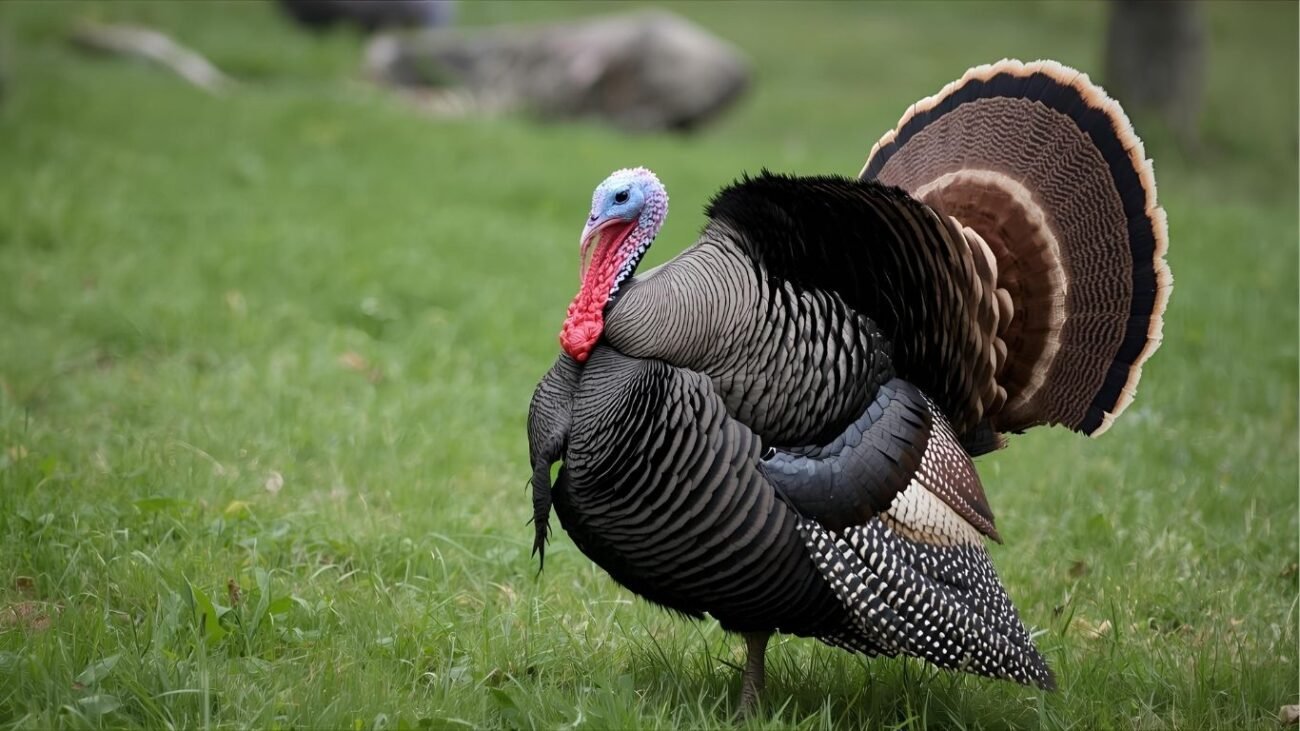
A male turkey is called a Tom, a term widely used in both wildlife biology and hunting culture. The name “Tom turkey” dates back to early American English, but its popularity grew as a simple way to distinguish adult males from hens. Many hunters also refer to them as Gobblers because the males are the only ones that produce the classic turkey gobble. When male turkeys are young, they are known as Jakes. These juveniles are smaller than full-grown Toms, have shorter beards, and typically show less dramatic strutting behavior during the breeding season.
The reason male turkeys are called Toms is believed to come from the common male English name “Tom,” used historically to label the male version of an animal species in a casual way, similar to “Tomcat.” Over time, “Tom turkey” became standard, especially in North America.
Male Turkey Names and Variations
The primary and most widely accepted name for a male turkey is Tom. Another commonly used term is Gobbler, referring to the loud gobbling call only males produce. Young male turkeys are Jakes, while mature males are simply adult Toms. In some farming contexts, a castrated male turkey is called a capon, though this is less common today. Hunters often refer to large, dominant males as longbeards because their beard—a tuft of coarse hair-like feathers—grows longer with age.
What Does a Male Turkey Look Like?
Male turkeys are larger, more colorful, and much more visually impressive than female turkeys. They typically display iridescent plumage that can shine bronze, green, gold, or copper when hit by sunlight. One of the most recognizable features of a male turkey is the large fan-shaped tail, especially prominent when a Tom is strutting. Their heads are mostly featherless and can shift colors rapidly, turning shades of bright red, white, or blue depending on their emotional and mating state. The snood, a fleshy extension above the beak, can lengthen when the male becomes excited, while the wattles and caruncles around the throat swell and brighten.
Another key identifying trait is the beard, a long, bristly tuft that protrudes from the center of the chest. While a small percentage of hens may occasionally develop a beard, the overwhelming majority of bearded turkeys are males. Male turkeys also have sharp leg spurs used for dominance fights with other males, something hens almost never develop. In contrast, white domestic male turkeys—breeds often raised for meat—look similar in structure but have predominantly white plumage due to selective breeding.
Male Turkey Anatomy
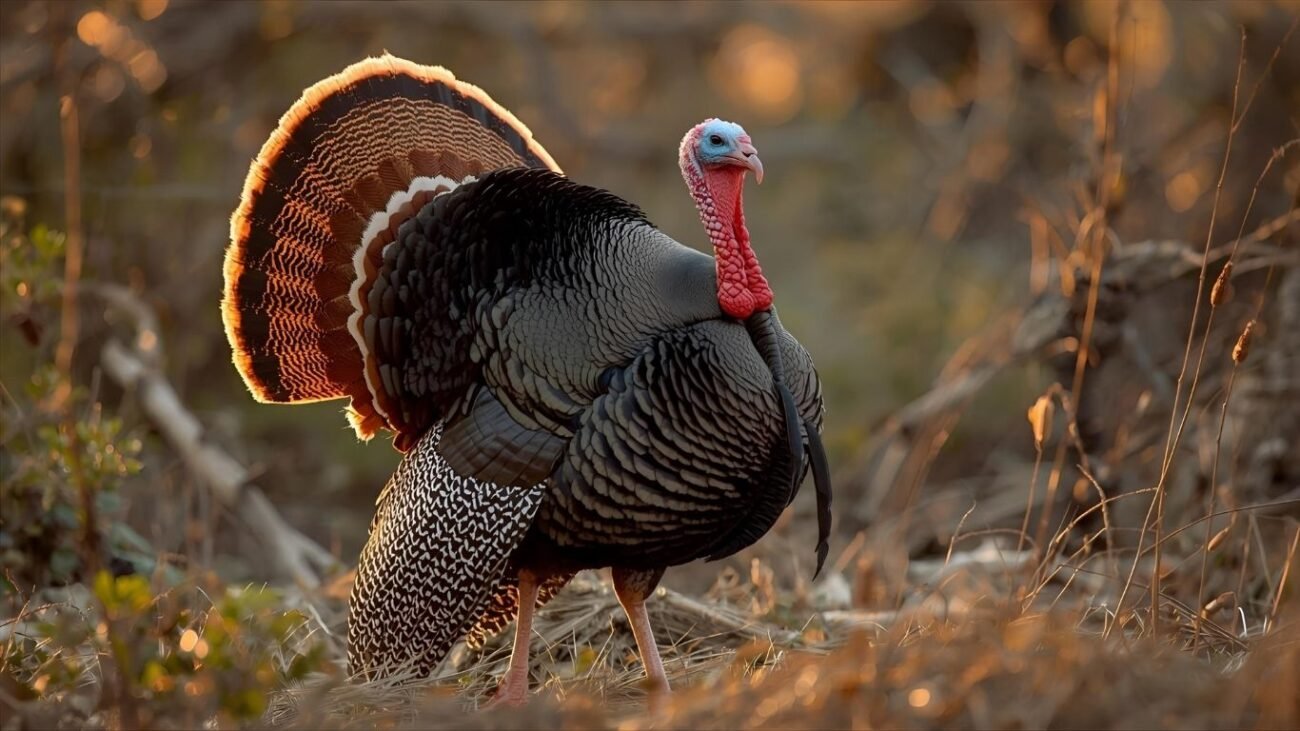
The anatomy of a male turkey includes specialized features that aid in both mating displays and competition. Externally, the head structures such as the snood, wattle, and caruncles play a significant role in attracting females. The beard acts as a sign of maturity and dominance, while the powerful legs and sharp spurs allow males to defend territory and compete for mates. Internally, male turkeys do have testicles, but unlike mammals, these are located inside the body cavity rather than externally. Their reproductive system is designed to support high activity during the mating season but remains less noticeable the rest of the year.
Male Turkey Behavior
Male turkeys are known for their bold, often aggressive behavior, especially during the spring breeding season. They spend much of this period strutting, a behavior that involves puffing up their feathers, fanning their tails, lowering their wings, and dragging them along the ground while producing a rhythmic drumming sound. This display is meant to attract hens and assert dominance over other males. While hens are generally calm and social, males can become highly territorial and may fight each other, sometimes fiercely, to establish hierarchy. Despite their role in mating, male turkeys do not participate in nesting or raising young. Once mating is complete, hens incubate the eggs and care for the poults alone.
Male Turkey Sounds

Male turkeys are well known for their unique vocalizations, the most famous being the gobble. Only male turkeys gobble, and they use this sound primarily during the breeding season to announce their presence to females and warn rival males. A gobble can carry for more than a mile in open terrain, making it one of the most recognizable sounds in North American forests.
Aside from the gobble, males produce several additional vocalizations. The spit-and-drum sequence is a deep, vibrating sound made during close-range strutting displays. It is subtle compared to the gobble, but extremely important for courtship. Males may also purr softly when relaxed or when communicating with nearby flock members. Alarm calls, usually sharp and rapid, signal danger and prompt the flock to flee. These vocal abilities, combined with their visual displays, make Toms highly expressive birds.
Wild Male Turkeys Versus Domestic Male Turkeys
Wild male turkeys differ significantly from domestic ones. Wild Toms are agile, strong fliers, and capable of running at high speeds. Their plumage is darker and more iridescent, especially during mating season. Domestic males, in contrast, are selectively bred for size and meat production. Many domestic breeds, particularly white turkeys, cannot fly due to their heavier bodies. Their behavior is generally calmer, and their anatomy is less adapted for survival in harsh outdoor environments. Despite these differences, both wild and domestic male turkeys share similar reproductive behaviors and physical structures.
Juvenile Male Turkeys (Jakes)
Jakes are young male turkeys, usually less than a year old. They resemble adult Toms but display several differences. Their beards are shorter, often only a few inches. Their tail fan is uneven when spread, with the central feathers shorter than the outer ones. Their gobble is weaker and higher-pitched, and their overall behavior is less dominant. Jakes often travel in small bachelor groups and may attempt to breed, but mature hens typically prefer older Toms.
Castrated Male Turkeys

A castrated male turkey is traditionally referred to as a capon, though this practice is uncommon today. Castrated males grow more slowly, accumulate more fat, and exhibit reduced aggression compared to intact Toms. Historically, caponized turkeys were favored for certain culinary purposes because of their tender meat. Although rare in modern farming, the term remains part of turkey-related terminology and appears in crossword puzzles and agricultural history.
FAQs
What is a male turkey called?
A male turkey is commonly called a Tom. Young males are known as Jakes, while mature males are Toms or Gobblers. These names help distinguish males from females (Hens) and are widely used by hunters, bird watchers, and wildlife enthusiasts to identify age and gender within turkey populations.
Why do male turkeys gobble?
Male turkeys gobble primarily to attract females during the breeding season and to announce their presence to other males. The gobble can travel over a mile in open terrain. It is a territorial and mating signal, helping Toms communicate dominance, warn rivals, and entice hens within their area.
What are the physical features of a male turkey?
Male turkeys are larger and more colorful than females, featuring iridescent feathers, a fan-shaped tail, a beard, and fleshy head structures like the snood, wattle, and caruncles. Spurs on their legs help establish dominance. These features make Toms easily recognizable and play a crucial role during mating displays.
Do male turkeys lay eggs or sit on nests?
No, male turkeys do not lay eggs or incubate nests. Only hens handle nesting, incubating eggs, and caring for the young poults. Males focus on mating displays, territory defense, and communicating with the flock, leaving all parental responsibilities to the females.
What is a castrated male turkey called?
A castrated male turkey is traditionally called a capon. Capons are less aggressive and grow larger, with more tender meat, which historically made them valuable for culinary purposes. Unlike regular Toms, they do not compete for mates, and their reduced hormone levels affect behavior and physical development.