











Leopards are among the most iconic big cats, admired for their grace, strength, and adaptability. Found across various continents, these elusive predators have evolved into several distinct subspecies, each with unique traits and behaviors. In this article, we explore 9 different types of leopards, from the widely recognized African leopard to the rare North China leopard, highlighting their identification, habitat, and conservation status. Join us as we dive into the world of these magnificent creatures.
1. African Leopard

The African leopard (Panthera pardus) is one of the most widespread and adaptable large cats in Africa. Known for its remarkable ability to thrive in a variety of habitats, including savannas, forests, and mountains, the African leopard is a solitary and elusive predator. It is easily recognized by its golden coat with distinctive rosettes and its agile hunting skills.
Identification
- Size: Medium to large, with males weighing between 90 to 200 pounds and females weighing between 66 to 130 pounds.
- Coat: Yellow to golden with black rosettes and spots, offering excellent camouflage in the wild.
- Tail: Long and slender, with black rings and a white tip.
- Eyes: Large, with amber or greenish-yellow irises.
Habitat and Range
The African leopard can be found throughout sub-Saharan Africa, ranging from the savannas to the dense forests of Central Africa. They are also found in mountainous regions, demonstrating their adaptability to various environments.
Behavior and Diet
Primarily nocturnal, African leopards are solitary hunters that stalk and ambush their prey. They are opportunistic feeders, preying on a variety of animals, including antelopes, smaller mammals, birds, and sometimes reptiles.
Conservation Status
The African leopard is classified as “Least Concern” by the International Union for Conservation of Nature (IUCN), though populations are threatened by habitat loss, human-wildlife conflict, and poaching. Efforts are being made to ensure their protection and preserve their habitats.
2. Indian Leopard
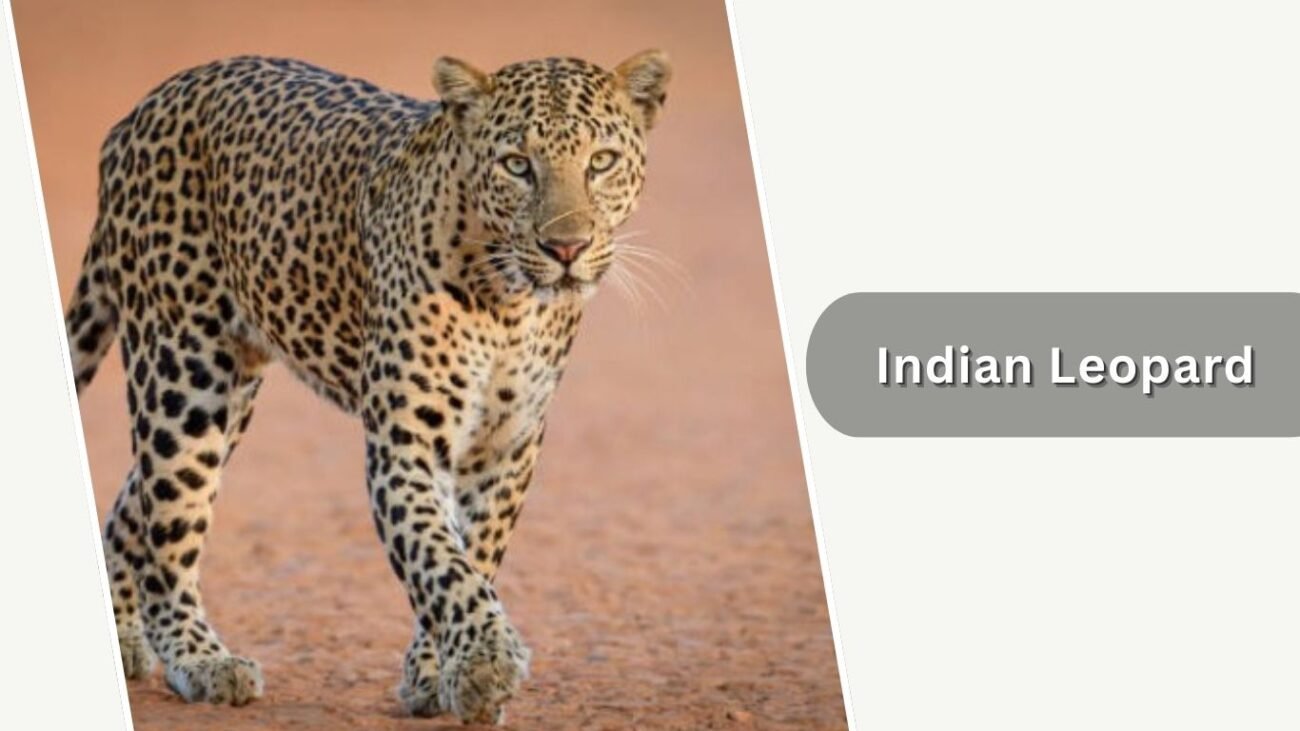
The Indian leopard (Panthera pardus fusca) is a subspecies of the leopard native to the Indian subcontinent. It is a medium-sized predator known for its adaptability to a wide range of habitats, including forests, grasslands, and even urban areas. Indian leopards are often recognized by their robust build and the characteristic rosette pattern on their coat.
Identification
- Size: Males weigh between 100 to 200 pounds, while females are smaller, weighing between 70 to 130 pounds.
- Coat: Yellow or golden with black rosettes, providing camouflage in forested environments.
- Tail: Long and slender with a black tip and rings.
- Eyes: Yellowish or green eyes with a sharp, piercing gaze.
Habitat and Range
Indian leopards are found throughout India, Nepal, Bhutan, and parts of Sri Lanka. They occupy a wide range of habitats, from dense forests to scrublands and even agricultural areas, adapting well to both wild and human-dominated environments.
Behavior and Diet
Indian leopards are solitary and primarily nocturnal hunters. They are opportunistic predators, preying on various species such as deer, wild boar, and smaller mammals, and occasionally hunting domestic animals.
Conservation Status
The Indian leopard is classified as “Near Threatened” by the IUCN due to habitat loss, human-wildlife conflict, and poaching. Conservation efforts focus on protecting their habitats and reducing conflicts with human populations.
3. Amur Leopard
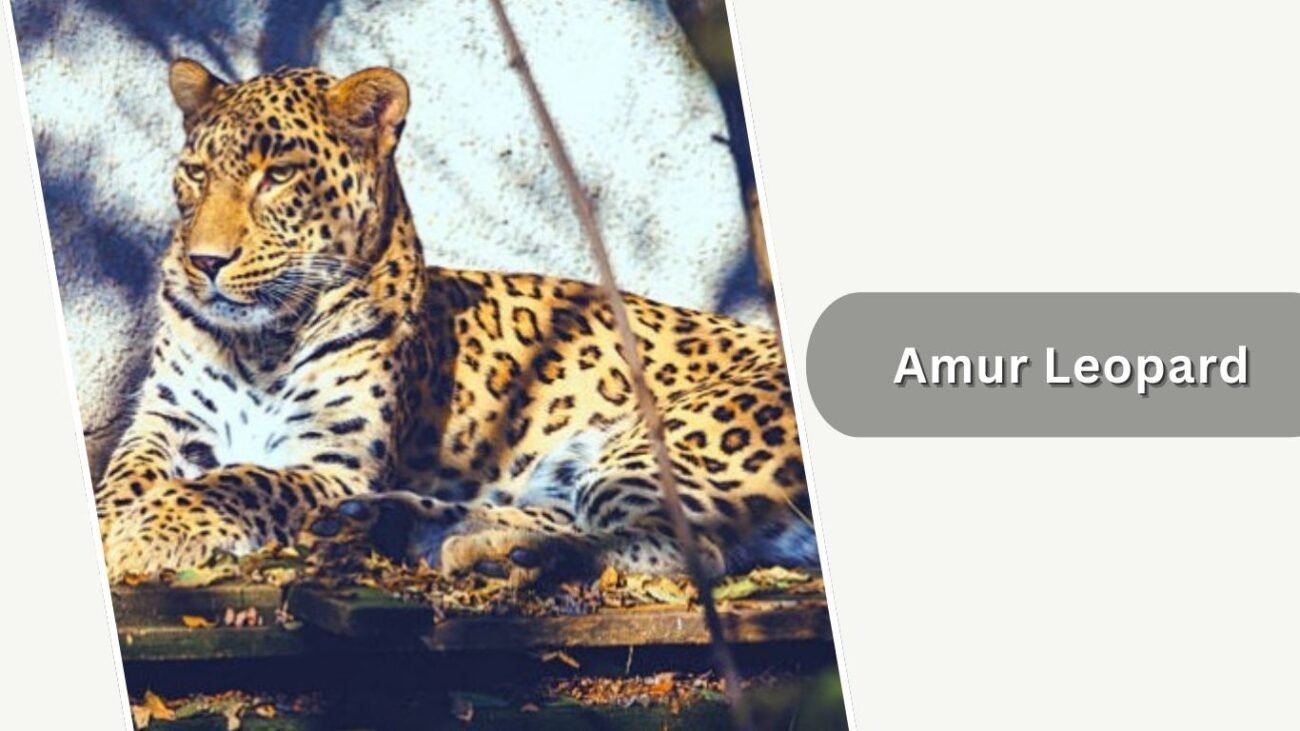
The Amur leopard (Panthera pardus orientalis) is a critically endangered subspecies of leopard found primarily in the temperate forests of the Russian Far East and northeast China. Known for its thick coat and adaptability to cold climates, the Amur leopard is one of the rarest big cats in the world.
Identification
- Size: Males typically weigh between 110 to 180 pounds, while females range from 80 to 120 pounds.
- Coat: A dense, pale golden coat with distinctive black rosettes, providing camouflage in snowy forests.
- Tail: Long and bushy, essential for balance during climbing.
- Eyes: Light-colored eyes, ranging from amber to pale yellow.
Habitat and Range
Amur leopards inhabit the temperate forests and mountainous regions of the Russian Far East and northeastern China. Their range is small, restricted to the Primorye region of Russia and a small portion of China.
Behavior and Diet
Amur leopards are solitary, nocturnal hunters. They primarily prey on roe deer, sika deer, hares, and other small mammals. They are skilled climbers and often stash their kills in trees to protect them from scavengers.
Conservation Status
The Amur leopard is critically endangered, with only an estimated 100 individuals left in the wild. Conservation efforts are focused on habitat protection, anti-poaching measures, and transboundary cooperation between Russia and China.
4. Sri Lankan Leopard
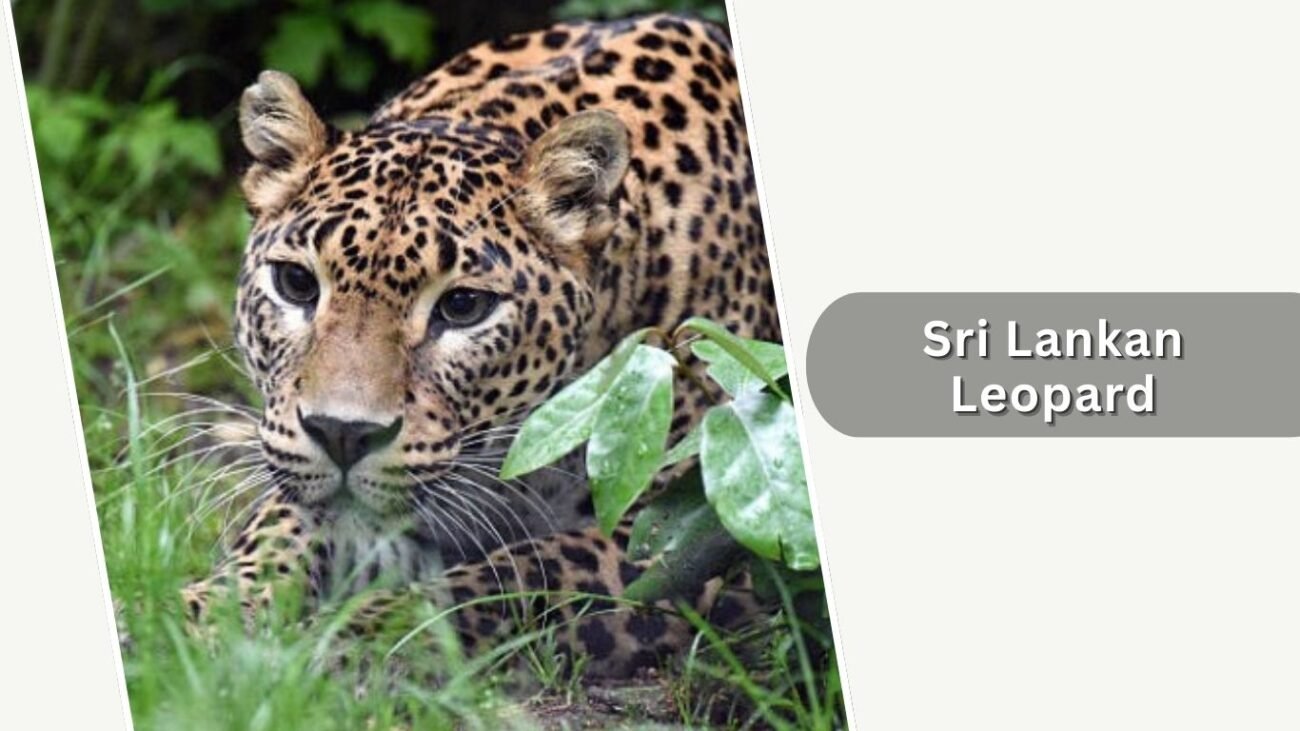
The Sri Lankan leopard (Panthera pardus kotiya) is a subspecies of leopard found exclusively in Sri Lanka. Known for its agility and strength, it is a significant predator in its ecosystem. Sri Lankan leopards are adapted to various environments, including rainforests, dry forests, and grasslands, and are crucial for controlling populations of smaller mammals and prey species.
Identification
- Size: Males typically weigh between 120 to 200 pounds, and females weigh between 66 to 132 pounds.
- Coat: Golden-yellow with distinctive black rosettes, helping the leopard blend into the dense Sri Lankan forests.
- Tail: Long and muscular, with dark rings and a white tip.
- Eyes: Large with golden to greenish-yellow irises, giving a sharp gaze.
Habitat and Range
Sri Lankan leopards are found throughout Sri Lanka, with a higher concentration in the island’s dry forests and rainforests. They tend to avoid areas with heavy human activity and are most commonly found in national parks and protected areas.
Behavior and Diet
Solitary and nocturnal, Sri Lankan leopards are opportunistic hunters. Their diet includes a variety of prey, such as wild boar, sambhar deer, and smaller animals. They are skilled climbers, often taking their prey up into trees to avoid scavengers.
Conservation Status
The Sri Lankan leopard is listed as “Endangered” by the IUCN, primarily due to habitat loss, human-wildlife conflict, and poaching. Conservation efforts are focusing on preserving their natural habitats, reducing poaching, and promoting wildlife corridors to enhance their population.
5. Arabian Leopard
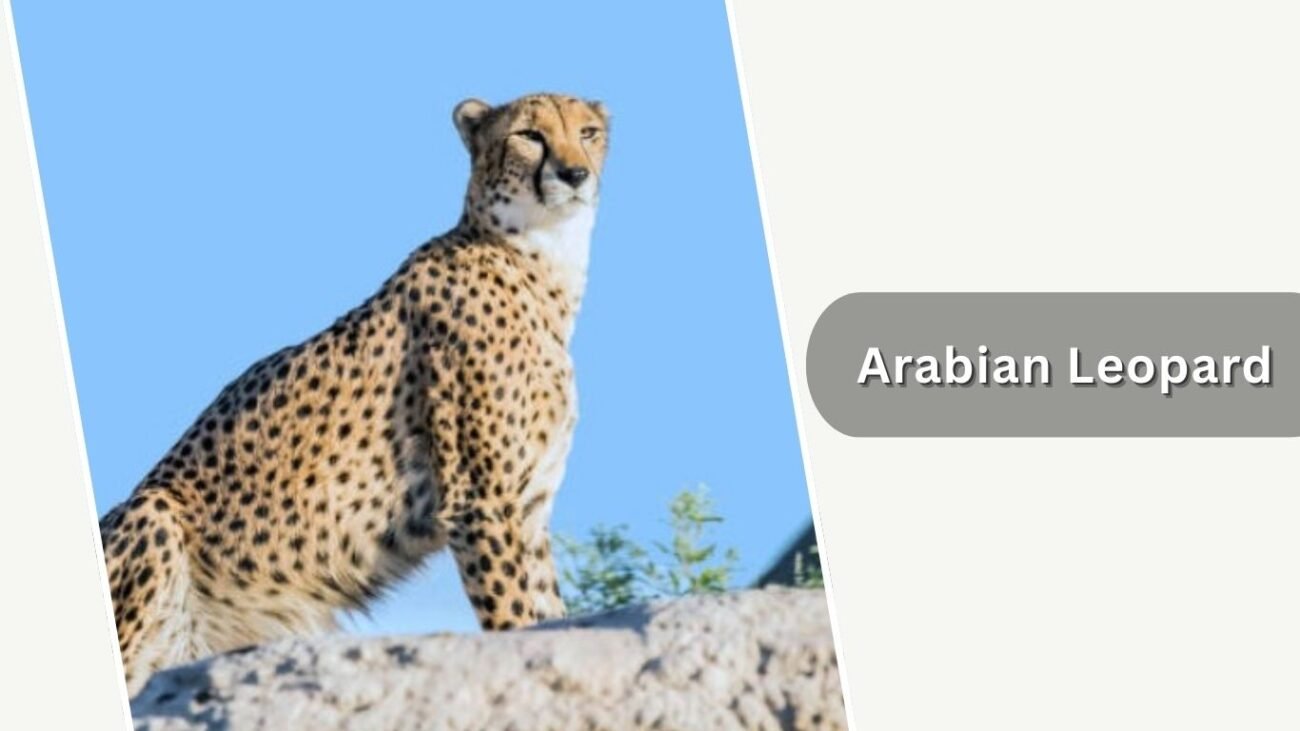
The Arabian leopard (Panthera pardus nimr) is a critically endangered subspecies found primarily in the Arabian Peninsula. This small and elusive leopard is adapted to arid desert environments, where it faces extreme temperatures and scarce prey. With a reduced population, it is one of the rarest big cats in the world.
Identification
- Size: Males weigh between 70 to 120 pounds, while females are smaller, weighing between 50 to 90 pounds.
- Coat: Pale yellow or sandy-colored with dark rosettes, offering effective camouflage in rocky and desert environments.
- Tail: Relatively short, with dark rings and a white tip.
- Eyes: Golden to greenish-yellow, providing a sharp contrast against its pale coat.
Habitat and Range
Arabian leopards are found in the mountainous and desert regions of the Arabian Peninsula, primarily in countries like Saudi Arabia, Oman, and Yemen. They prefer rocky areas and rugged terrain, which offer suitable cover and hunting opportunities.
Behavior and Diet
The Arabian leopard is solitary and nocturnal. Its diet includes small mammals, birds, and occasionally domestic livestock. These leopards are skilled climbers and are capable of traveling long distances in search of food.
Conservation Status
The Arabian leopard is classified as “Critically Endangered” by the IUCN. Habitat loss, hunting, and human-wildlife conflict are the primary threats to their survival. Conservation efforts are focused on habitat protection, captive breeding programs, and mitigating human-leopard conflicts.
6. Javan Leopard
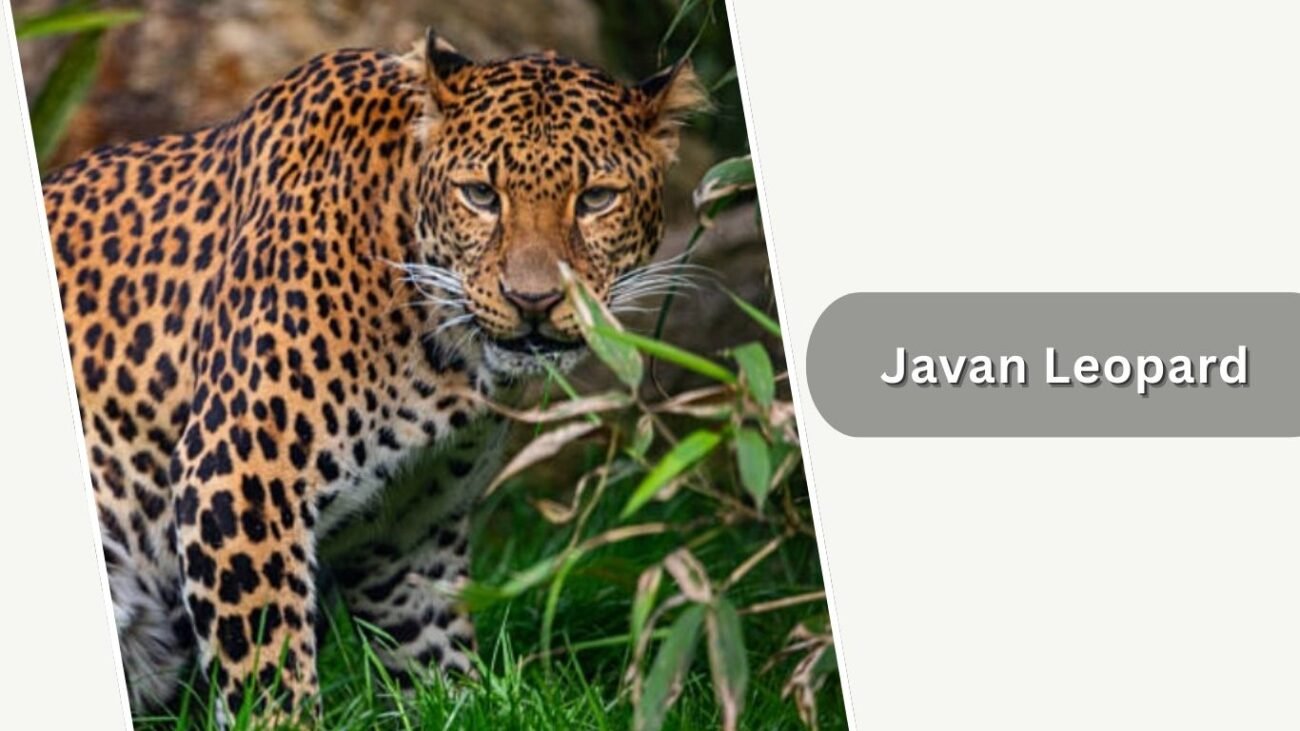
The Javan leopard (Panthera pardus melas) is a subspecies of leopard native to the island of Java in Indonesia. Known for its adaptability, the Javan leopard has been observed in various environments, from dense tropical rainforests to agricultural lands. It is one of the more elusive leopards, with a relatively low population.
Identification
- Size: Males typically weigh between 90 to 140 pounds, while females are lighter, weighing between 60 to 110 pounds.
- Coat: A golden to yellow coat with black rosettes, ideal for blending into the dense jungle.
- Tail: Long and slender, with black rings and a white tip.
- Eyes: Large and almond-shaped, typically amber or green in color.
Habitat and Range
Javan leopards are found exclusively on the island of Java, Indonesia. They inhabit mountainous forests, rainforests, and sometimes the surrounding agricultural lands. They are highly adaptable to both forested areas and areas with human settlements.
Behavior and Diet
Javan leopards are solitary, nocturnal hunters. They prey on a variety of animals, including deer, wild boar, and smaller mammals, and occasionally hunt domestic animals like livestock. Their ability to adapt to human-influenced environments helps them survive in areas with human settlements.
Conservation Status
The Javan leopard is classified as “Endangered” by the IUCN. Habitat loss due to deforestation, human-wildlife conflict, and poaching are significant threats to the species. Efforts are underway to protect their natural habitats and mitigate human-leopard conflict in Java.
7. Persian Leopard
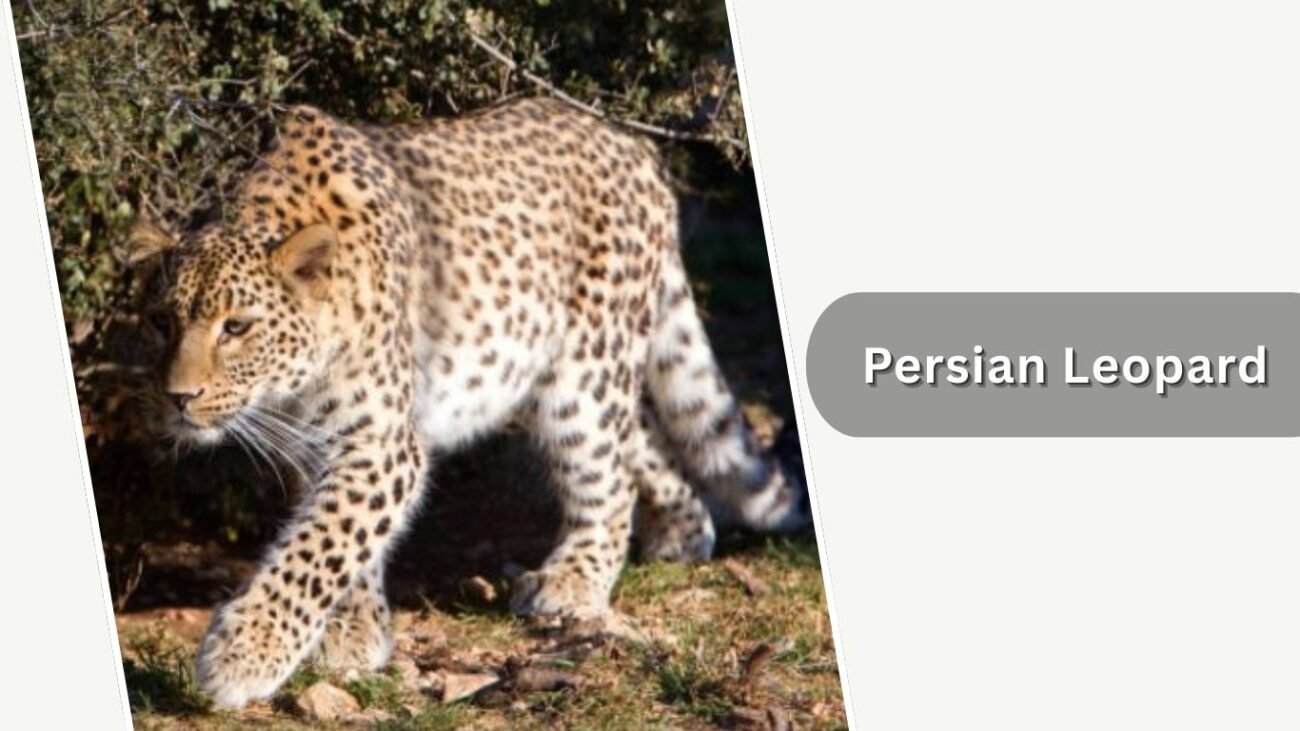
The Persian leopard (Panthera pardus saxicolor) is a subspecies found in the Caucasus, Iran, Afghanistan, and parts of Central Asia. Known for its size and robust build, the Persian leopard is a significant predator in its region, adapting well to mountainous terrain and rugged landscapes.
Identification
- Size: Males typically weigh between 120 to 200 pounds, while females are smaller, ranging from 90 to 130 pounds.
- Coat: A pale golden or yellowish coat with dark rosettes, which helps it blend into the rocky and mountainous terrain.
- Tail: Long and thick, with black rings and a white tip.
- Eyes: Amber to greenish-yellow, giving it a keen, alert appearance.
Habitat and Range
Persian leopards inhabit the mountainous regions of the Caucasus, Iran, Afghanistan, and parts of Central Asia. They are primarily found in forests, grasslands, and semi-desert areas, often living at altitudes between 1,000 and 3,000 meters.
Behavior and Diet
Solitary and nocturnal, Persian leopards are opportunistic hunters. They prey on a wide range of animals, including deer, wild boar, and smaller mammals. They are also known to hunt livestock when wild prey is scarce.
Conservation Status
The Persian leopard is classified as “Endangered” by the IUCN, with an estimated population of fewer than 1,000 individuals in the wild. Habitat loss, poaching, and human-wildlife conflict are the primary threats to their survival. Conservation efforts focus on protecting their habitats and preventing poaching.
8. Indochinese Leopard
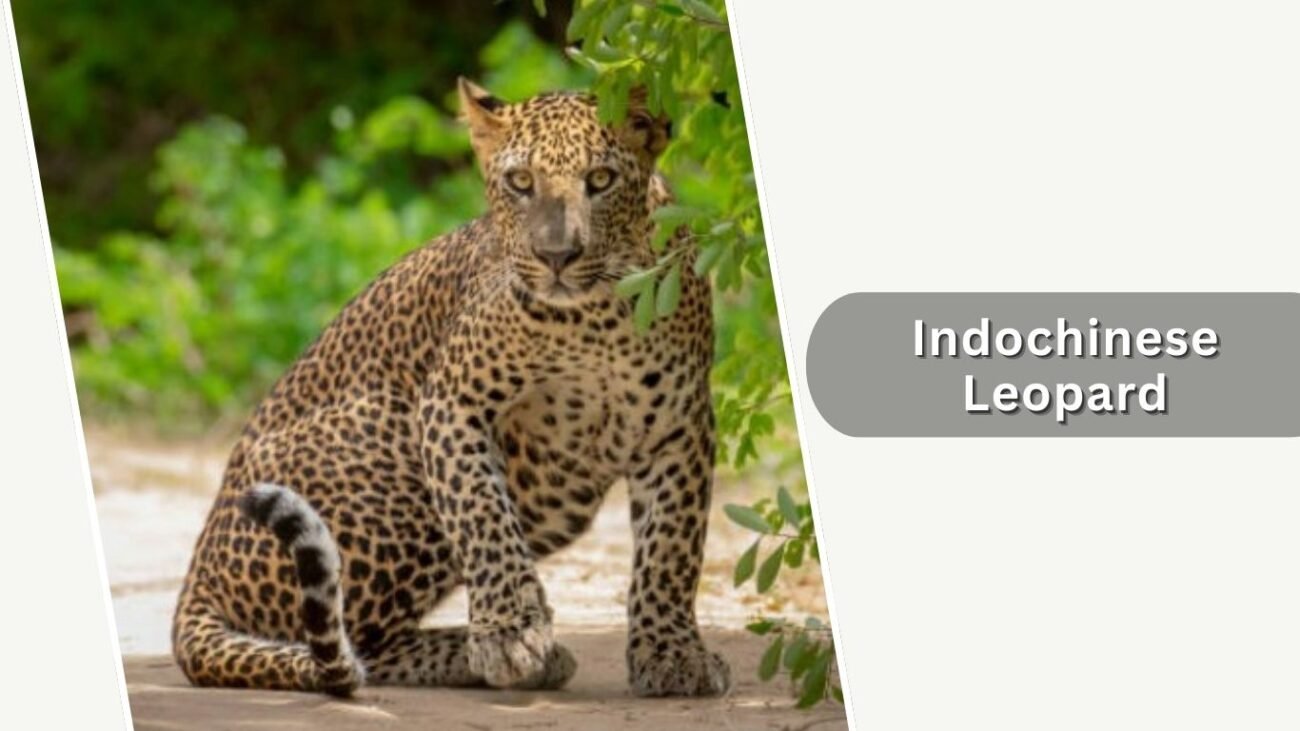
The Indochinese leopard (Panthera pardus delacouri) is a subspecies found in Southeast Asia, particularly in countries such as Vietnam, Laos, Cambodia, Thailand, and Myanmar. It is known for its adaptability to both forested and open landscapes, and although it is one of the lesser-known leopards, it plays a crucial role in its ecosystem.
Identification
- Size: Males typically weigh between 100 to 150 pounds, while females are slightly lighter, weighing between 66 to 110 pounds.
- Coat: Pale golden to light brown with dark rosettes, ideal for camouflage in the dense forest environment.
- Tail: Long, slender, with dark rings and a white tip.
- Eyes: Bright amber to greenish, giving it a sharp and intense look.
Habitat and Range
Indochinese leopards are found in the forests, grasslands, and hilly terrains of Southeast Asia, particularly in regions with dense vegetation. They occupy a wide range of elevations, from lowland forests to mountainous regions, depending on the availability of prey and cover.
Behavior and Diet
These leopards are solitary and mostly nocturnal hunters. They prey on a variety of animals, including deer, wild boar, and smaller mammals. They are known to be opportunistic, adapting to different prey species based on their availability in the environment.
Conservation Status
The Indochinese leopard is classified as “Endangered” by the IUCN. Population numbers are rapidly declining due to habitat loss, poaching, and the depletion of prey species. Conservation efforts are focused on strengthening anti-poaching laws and preserving key habitats across the region.
9. North China Leopard
The North China leopard (Panthera pardus japonensis) is a subspecies found in the northern and central parts of China. It is a rare and elusive leopard that thrives in mountainous regions, where it has adapted to cold and rugged environments. The North China leopard is closely related to the Amur leopard and shares similar habitat preferences.
Identification
- Size: Males weigh between 100 to 150 pounds, while females are lighter, weighing between 70 to 110 pounds.
- Coat: Pale yellow to golden with distinct rosettes, providing excellent camouflage in the rocky, mountainous terrain.
- Tail: Long and thick, with dark rings and a white tip.
- Eyes: Amber or green, sharp and observant, suited for hunting in dense vegetation.
Habitat and Range
The North China leopard is found in the mountainous areas of northern and central China, particularly in regions such as the Qinling Mountains and surrounding areas. It prefers dense forests, grasslands, and scrublands, where it can hunt and find cover.
Behavior and Diet
Solitary and nocturnal, the North China leopard is an opportunistic predator, hunting a variety of prey, including roe deer, sika deer, wild boar, and smaller mammals. They are also capable of preying on domestic animals when wild prey is scarce.
Conservation Status
The North China leopard is classified as “Endangered” by the IUCN, with only a small population remaining in the wild. The main threats to its survival are habitat destruction, poaching, and human-wildlife conflict. Conservation efforts focus on protecting its habitat and reducing the human-wildlife conflict in its range.


