










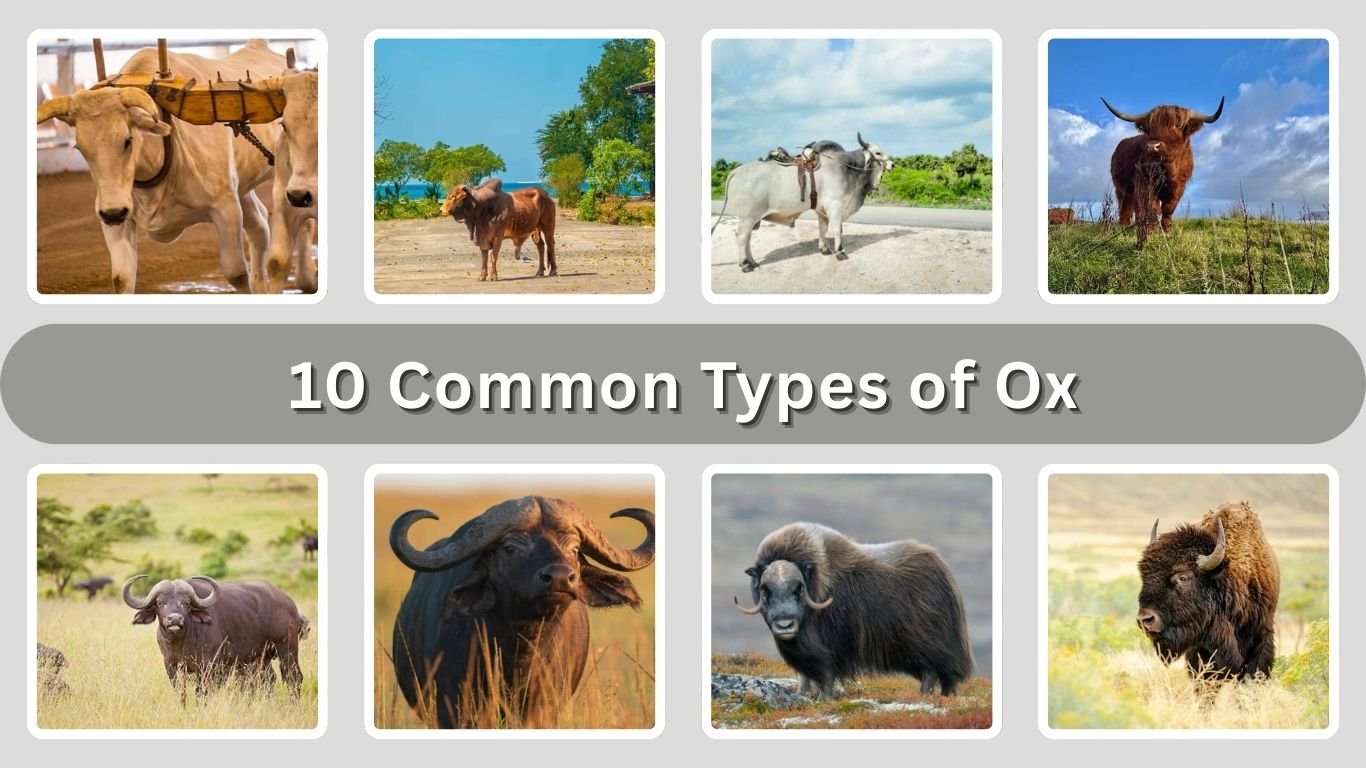
Oxen have been essential to human societies for thousands of years, serving as valuable sources of labor, food, and even clothing. These powerful animals are an integral part of agricultural economies worldwide, each breed having unique characteristics that suit particular climates and tasks. In this article, we explore various types of oxen, from the common domestic cattle to the hardy yak and the iconic bison, highlighting their features, uses, and history. Whether you’re interested in learning about their role in agriculture or their fascinating traits, this guide will provide insight into the diverse world of oxen.
1. Bos Taurus
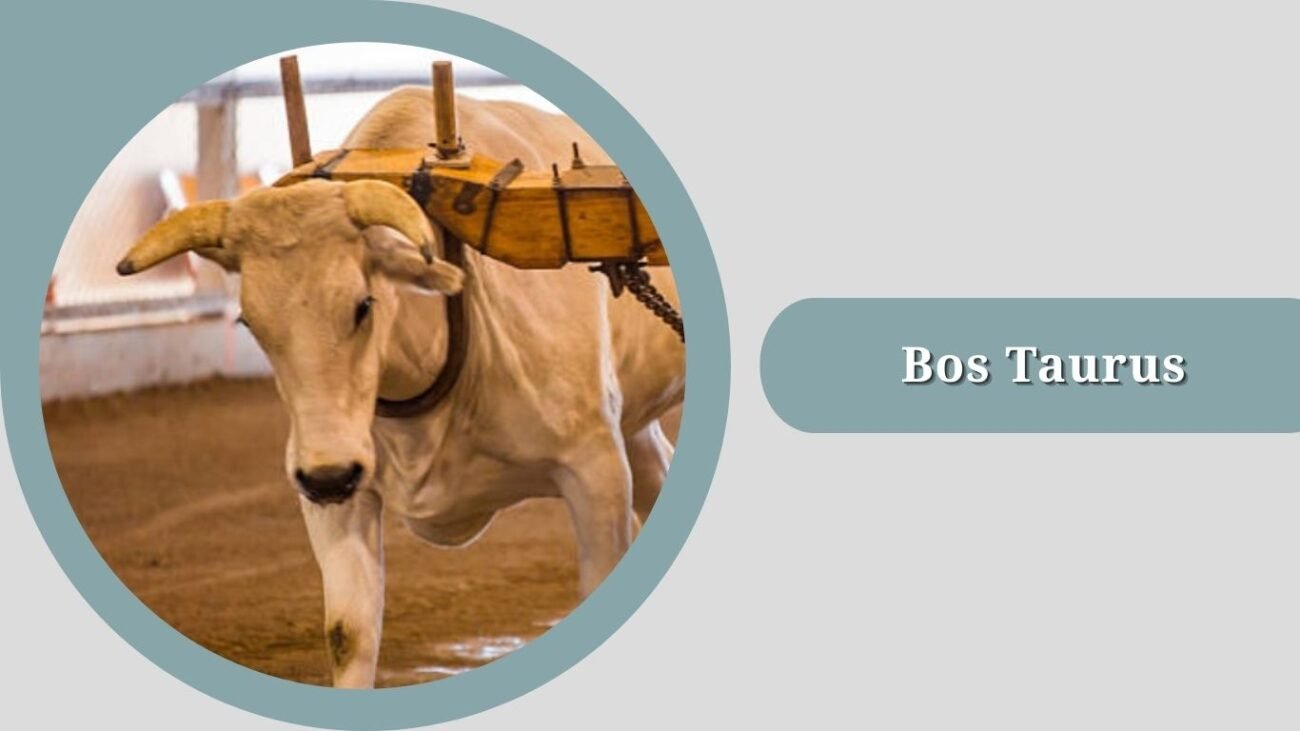
Bos taurus, commonly known as domestic cattle, is one of the most well-known and widely raised livestock species in the world. This breed of ox is used for a variety of purposes, including dairy production, meat production, and as draft animals in some regions. Bos taurus is recognized for its diverse characteristics, which vary depending on the breed and the environment in which it is raised.
Identification
- Size: Adult Bos taurus can weigh anywhere between 900 to 1,800 pounds, depending on the breed.
- Color: The coloration of Bos taurus can range from black, white, brown, red, or a combination of these.
- Body: It has a large, muscular body with a broad back and deep chest.
- Horns: Some breeds of Bos taurus have horns, while others are polled (naturally hornless).
Habitat and Distribution
Bos taurus is incredibly adaptable and can be found in a wide range of environments across the globe. It thrives in both temperate and tropical climates and has been successfully introduced to various ecosystems around the world. In colder climates, certain breeds, such as the Highland cattle, have evolved to cope with harsher conditions, while other breeds are better suited for warmer areas.
Uses of Bos Taurus
Bos taurus plays a significant role in the agricultural industry. In many countries, they are used for their meat and milk, which are staples in the diet of millions of people worldwide. Additionally, some breeds are utilized for their ability to work as draft animals, especially in rural or less mechanized regions.
Lifespan and Care
The average lifespan of Bos taurus ranges from 15 to 20 years, depending on their care, environment, and purpose. Proper nutrition and healthcare are essential for maintaining the health and productivity of these animals. With the right care, they can remain productive for many years, especially in dairy and beef operations.
2. Bos Indicus
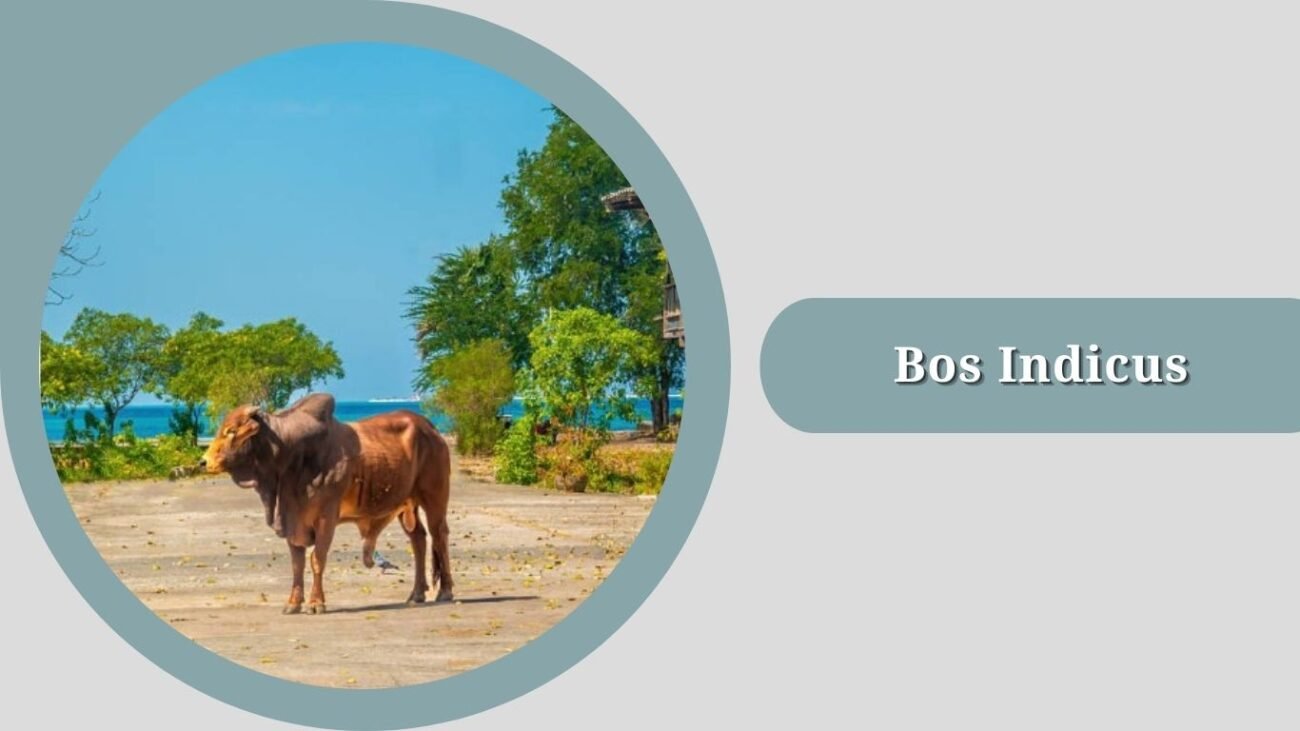
Bos indicus, also known as zebu, is a species of ox native to South Asia but has spread across tropical regions worldwide. This breed is highly adapted to hot climates and is known for its characteristic hump over the shoulders and drooping ears. They are more resistant to heat and diseases compared to Bos taurus, making them an important breed in tropical and subtropical areas.
Identification
- Size: Bos indicus is generally smaller than Bos taurus, with weights ranging from 600 to 1,200 pounds.
- Color: They can be gray, white, or light brown, often with darker skin around the eyes and muzzle.
- Body: The most notable feature is the hump located on the shoulders, which is made of muscle and fat.
- Horns: Some Bos indicus breeds have large, curved horns, while others have smaller, more subtle horns or are polled.
Habitat and Distribution
Bos indicus thrives in tropical and subtropical climates. It is commonly found in regions with high temperatures and humidity, where its ability to sweat and tolerate heat helps it survive. The breed has been introduced to many parts of Africa, the Middle East, and Latin America, where it is often used for both milk and meat production.
Uses of Bos Indicus
This breed is primarily raised for its meat and milk. Its milk is known for being rich and nutritious, making it a significant part of the dairy industry in tropical countries. Additionally, due to its strength, Bos indicus is used as a draft animal, especially in agricultural settings where modern machinery is unavailable.
Lifespan and Care
Bos indicus can live for 15 to 20 years with proper care. They are known for their resilience and can thrive in environments with limited resources. However, they do require regular access to water, good nutrition, and protection from diseases common in tropical regions.
3. Zebu
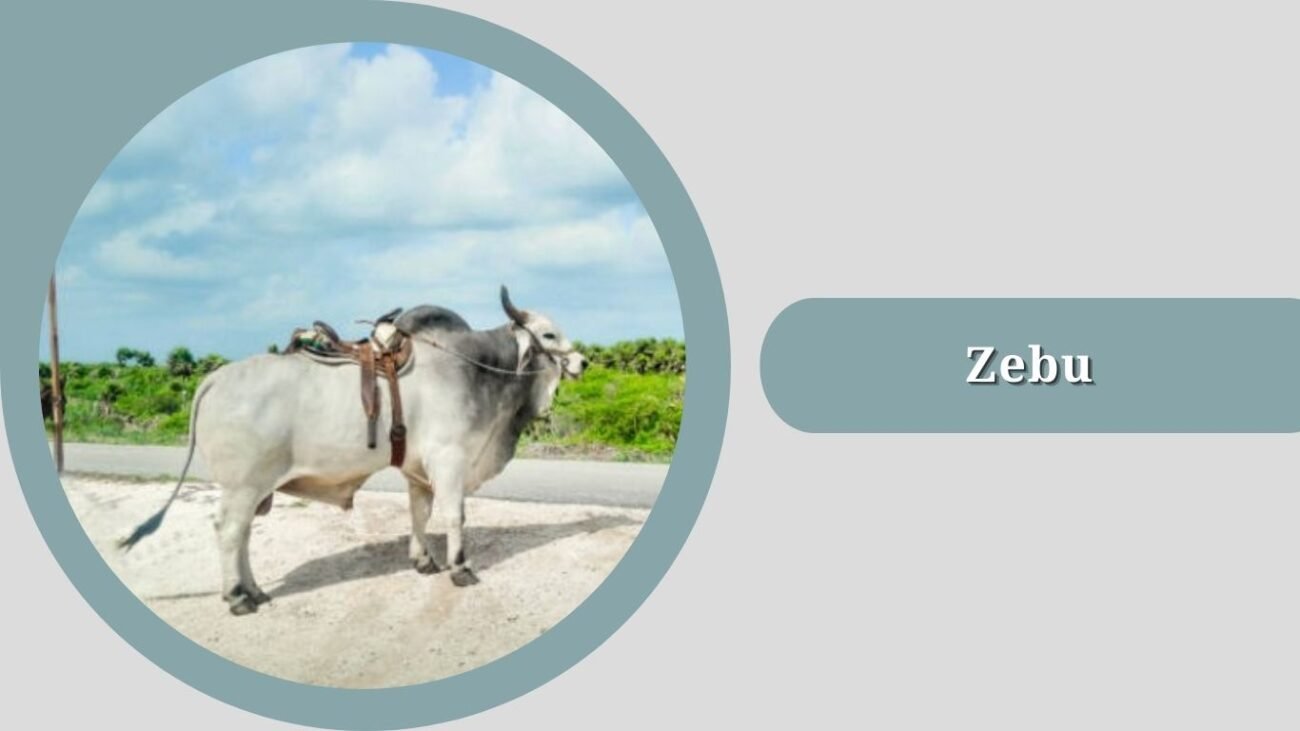
Zebu is a type of Bos indicus, specifically a domestic breed, widely recognized for its adaptability to hot and humid climates. With its iconic hump, large ears, and smaller frame, zebu has been extensively bred for both dairy and meat production in parts of South Asia, Africa, and the Americas. The breed is especially appreciated for its resistance to diseases and heat tolerance.
Identification
- Size: Zebu are typically smaller than Bos taurus, with an average weight of around 1,000 pounds.
- Color: Their coat can be light gray, white, or brown, with variations depending on the region.
- Body: Zebu has a compact, muscular body with a large hump and long, drooping ears.
- Horns: Zebu typically has long, curved horns, though some breeds are polled (without horns).
Habitat and Distribution
Zebu are predominantly found in tropical regions, especially in South Asia, parts of Africa, and Central America. They are known for their ability to withstand high temperatures, making them an ideal choice for environments with intense heat and humidity. Zebu has also been introduced to other parts of the world, where its robustness and adaptability are valued.
Uses of Zebu
In tropical climates, zebu serves as a valuable source of milk, meat, and leather. Zebu milk is often rich and nutrient-dense, and the meat is considered tender and flavorful. Additionally, zebu are used as draught animals, helping with labor-intensive tasks like plowing fields or transporting goods.
Lifespan and Care
Zebu can live for up to 20 years with proper care. They are relatively easy to manage in harsh climates but still need adequate shelter, especially during extreme heat. Providing access to clean water and sufficient food ensures their productivity in milk and meat production.
4. Yak
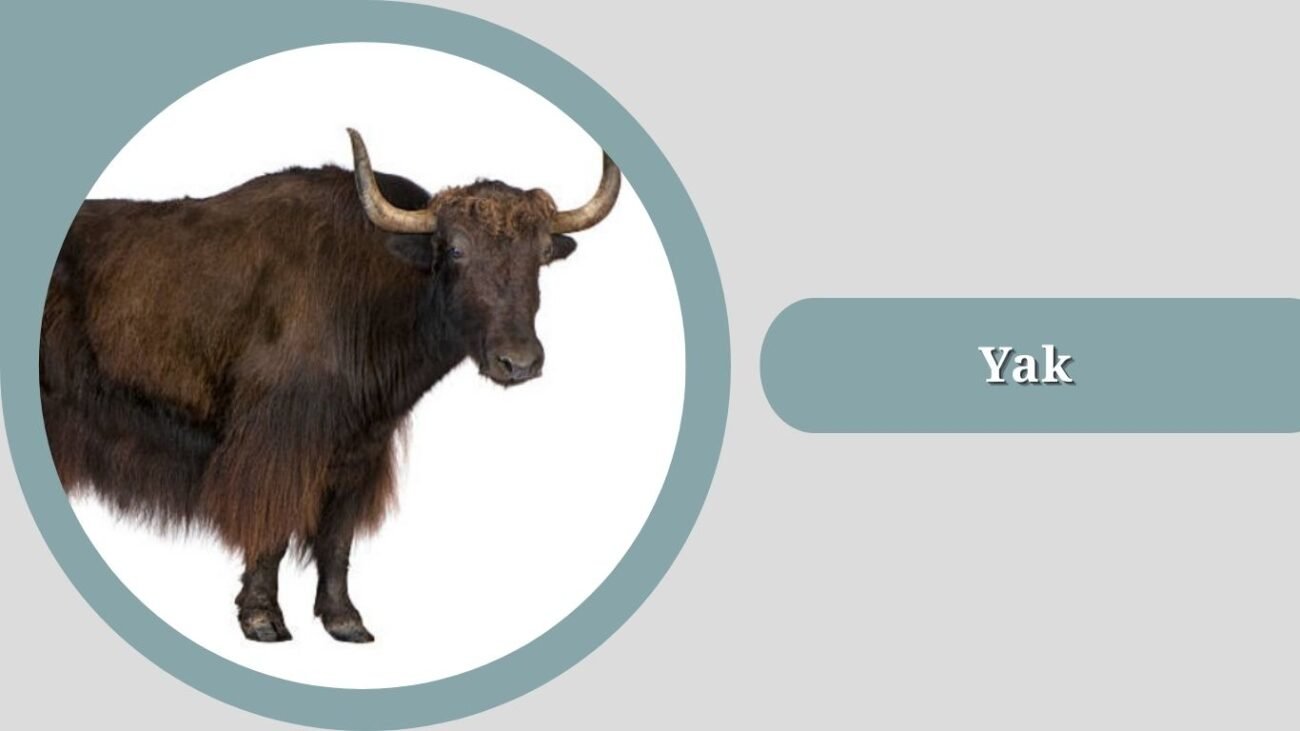
The yak (Bos grunniens) is a large, long-haired bovine native to the Himalayan region of South Asia, particularly found at high altitudes. These animals are well-known for their sturdy build and thick fur, which protect them from the cold temperatures of the mountainous regions. Yaks are primarily used for their milk, meat, and as pack animals in remote areas where transportation by vehicle is not feasible.
Identification
- Size: Yaks are typically 900 to 1,200 pounds in weight, with some males reaching up to 1,500 pounds.
- Color: Yaks usually have long, thick coats that are black, brown, or white. Their fur provides protection against the cold.
- Body: Yaks have a stocky, muscular build and are well-adapted for navigating rugged, high-altitude terrain.
- Horns: Yaks possess strong, curved horns that they use for protection and to assert dominance in the herd.
Habitat and Distribution
Yaks are native to the Tibetan Plateau and other high-altitude areas in the Himalayas. They thrive in cold, mountainous environments and are capable of surviving in conditions where other cattle would struggle, including extreme cold, thin air, and harsh winds. Yaks are primarily found in Tibet, Nepal, Bhutan, and parts of Mongolia.
Uses of Yak
In the regions where they are found, yaks are highly valued for their versatility. Their milk is used to make butter, cheese, and other dairy products. Yaks are also an important source of meat and fiber, which is spun into wool for clothing. Moreover, they are often employed as pack animals for transporting goods across challenging mountain terrain.
Lifespan and Care
Yaks generally live between 15 and 20 years with proper care. They are hardy creatures but require a diet that includes high-quality forage, especially in the winter months when food is scarce. In some regions, they are also used for their dung, which is a valuable fuel source.
5. Water Buffalo
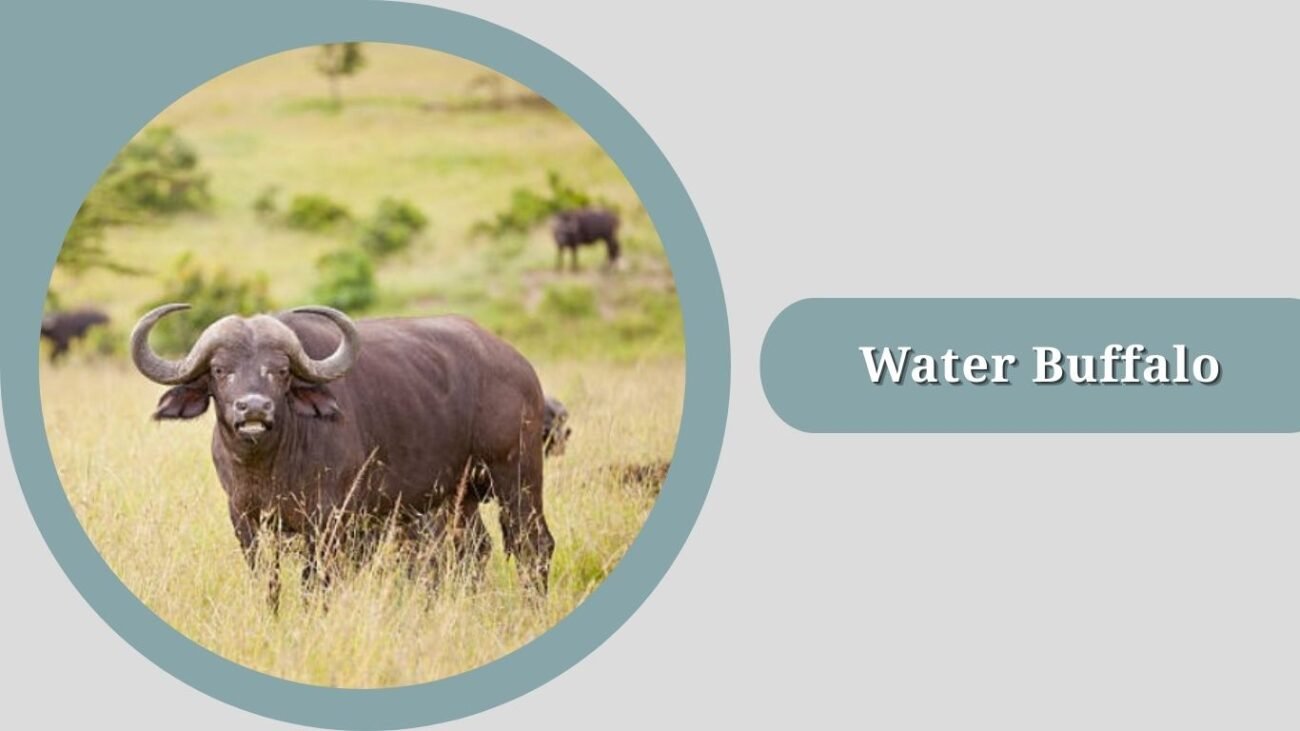
Water buffalo (Bubalus bubalis) are large, domesticated animals commonly found in Southeast Asia, India, and parts of Africa. These animals are essential to the agricultural economies in many parts of the world. Water buffalo are used for milk, meat, leather, and as draft animals for rice paddies and other forms of cultivation. They are especially well-known for their ability to work in waterlogged fields.
Identification
- Size: Water buffalo can weigh anywhere from 1,000 to 2,600 pounds, with some males reaching over 2,500 pounds.
- Color: Their coat is usually black, but can also appear gray or brown in some breeds.
- Body: Water buffalo have a broad, sturdy body with strong legs adapted to working in muddy or wet conditions.
- Horns: They have large, curved horns that can grow wide and spiral in some breeds.
Habitat and Distribution
Water buffalo are commonly found in tropical and subtropical regions, where they are particularly suited to wet, marshy environments. They are most prevalent in Southeast Asia, India, and parts of Africa. These animals thrive in swampy areas and rice paddies, as they are capable of wading through water with ease.
Uses of Water Buffalo
Water buffalo are extremely valuable in farming communities, especially for rice cultivation, where their strength and ability to work in flooded fields make them indispensable. In addition to their role in agriculture, water buffalo are raised for their milk, which is richer than cow’s milk and used to produce products like mozzarella cheese. They are also a source of meat and leather.
Lifespan and Care
Water buffalo can live between 15 and 25 years, depending on their care. They require a consistent diet of high-quality grass and access to water, as they are naturally aquatic animals. Regular care and protection from diseases are crucial to maintaining their health and productivity in agricultural systems.
6. Wild Ox
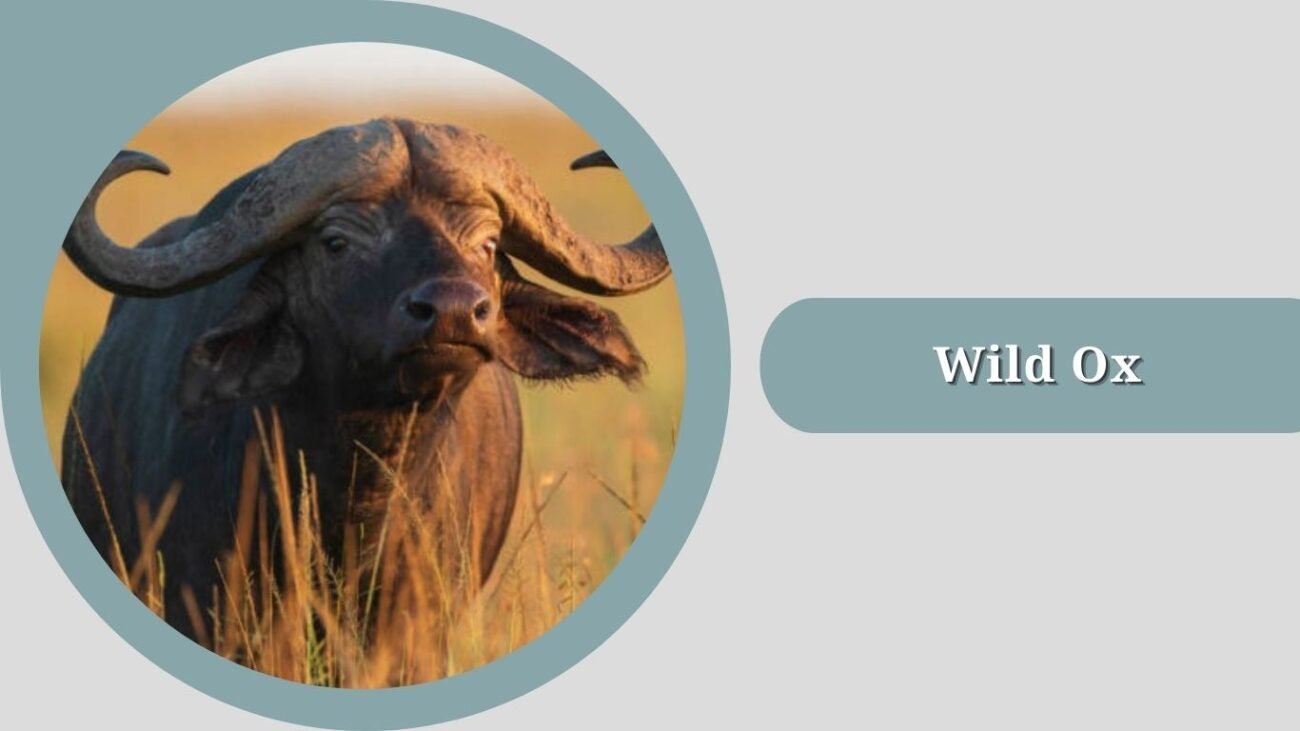
The wild ox, or aurochs (Bos primigenius), is an extinct species of large wild cattle that is considered the ancestor of the modern domestic cattle. Once widespread across Europe, Asia, and North Africa, the wild ox was eventually hunted to extinction by the 17th century. The domestication of cattle can be traced back to this animal, which has contributed significantly to the development of various modern cattle breeds.
Identification
- Size: Wild oxen were much larger than domestic cattle, standing around 6 feet tall at the shoulder and weighing up to 2,200 pounds.
- Color: They typically had a dark brown to black coat with a lighter underbelly.
- Body: Wild oxen were robust and muscular, with a long and powerful frame suited for the wild.
- Horns: The horns of wild oxen were long and curved, extending backward along the sides of the head.
Habitat and Distribution
Historically, wild oxen roamed through forests, grasslands, and open plains across vast regions of Europe, Asia, and Africa. They preferred areas with dense vegetation and access to water sources, where they could graze freely. Over time, due to hunting and habitat destruction, wild oxen populations dwindled and they were eventually driven to extinction in the 1600s.
Uses of Wild Ox
Although the wild ox is no longer around, its domestication has had lasting effects. The wild ox was originally a source of food and labor, and its domesticated descendants, such as Bos taurus, have since become integral to the agricultural economy. Domestic cattle are used for meat, milk, leather, and even as draft animals.
Lifespan and Care
The wild ox did not live in the same conditions as modern domestic cattle, as they were wild animals that roamed freely. It’s estimated that they lived around 15-20 years in the wild. Their domesticated descendants, however, benefit from human care, resulting in longer lifespans and more specialized uses.
7. Musk Ox
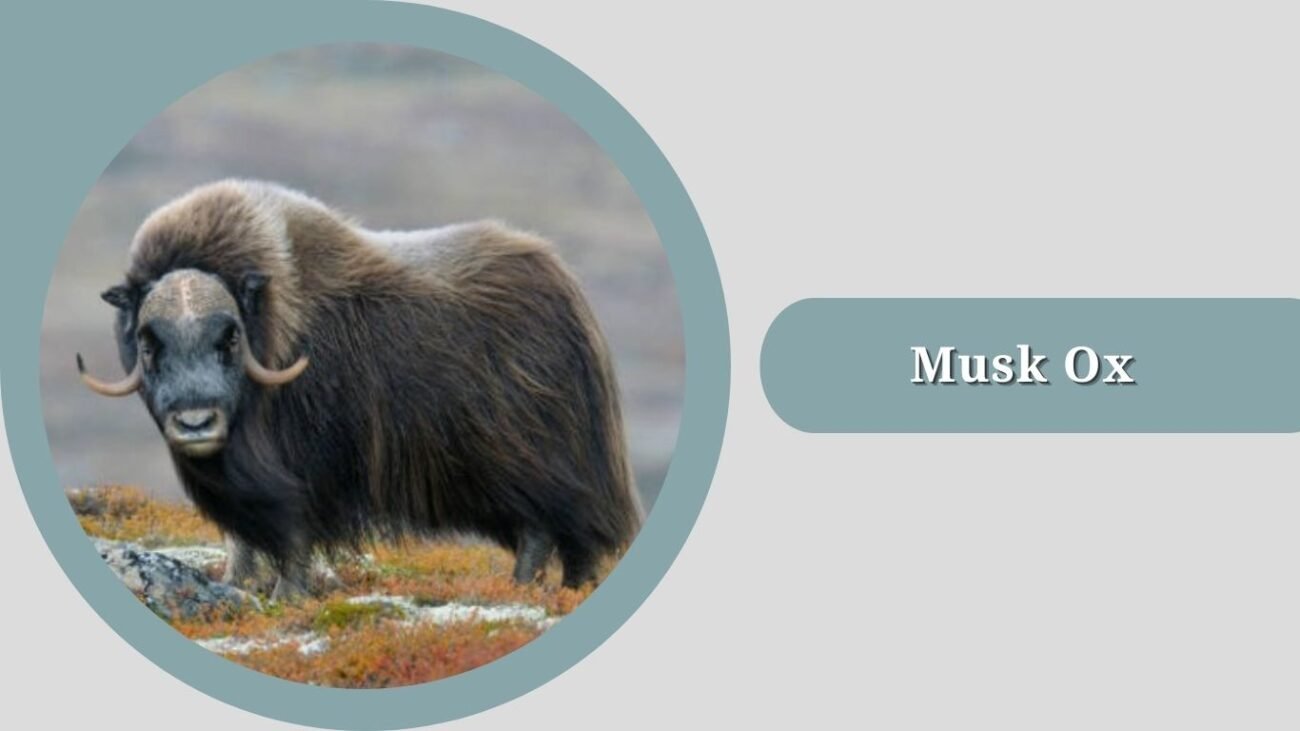
The musk ox (Ovibos moschatus) is a large herbivore found primarily in the Arctic regions of North America, Greenland, and parts of Canada. This species is known for its thick, woolly coat and strong social behavior. Musk oxen are hardy animals, well-suited to survive in freezing temperatures, and they play an important role in Arctic ecosystems.
Identification
- Size: Musk oxen are large animals, with males weighing up to 900 pounds and standing about 4 to 5 feet at the shoulder.
- Color: They are covered in a dense, dark brown fur with lighter-colored underfur, which provides insulation against the cold.
- Body: Musk oxen have a stout, compact body with thick, curved horns that extend from the sides of their head.
- Horns: Both males and females possess horns, with males having more pronounced and larger horns, which are used for dominance displays during mating season.
Habitat and Distribution
Musk oxen are native to the Arctic regions of North America and Greenland, where they inhabit tundra and frozen grasslands. They are well adapted to the cold, with a unique fur structure that keeps them warm even in sub-zero temperatures. Musk oxen are typically found in herds, moving across large areas of tundra in search of food.
Uses of Musk Ox
Historically, musk oxen were hunted for their meat and fur by indigenous peoples in the Arctic. Their fur, known as qiviut, is extremely fine and insulating, making it highly prized for making warm garments. Today, musk oxen are raised in controlled environments for qiviut production, and their meat is considered a delicacy in certain regions.
Lifespan and Care
Musk oxen typically live for about 12 to 20 years in the wild. In captivity, with proper care and attention, they can live longer. They are herbivores, grazing on grasses, mosses, and other tundra vegetation. Careful management is necessary to protect them from diseases and ensure their safety in both wild and controlled environments.
8. Bison
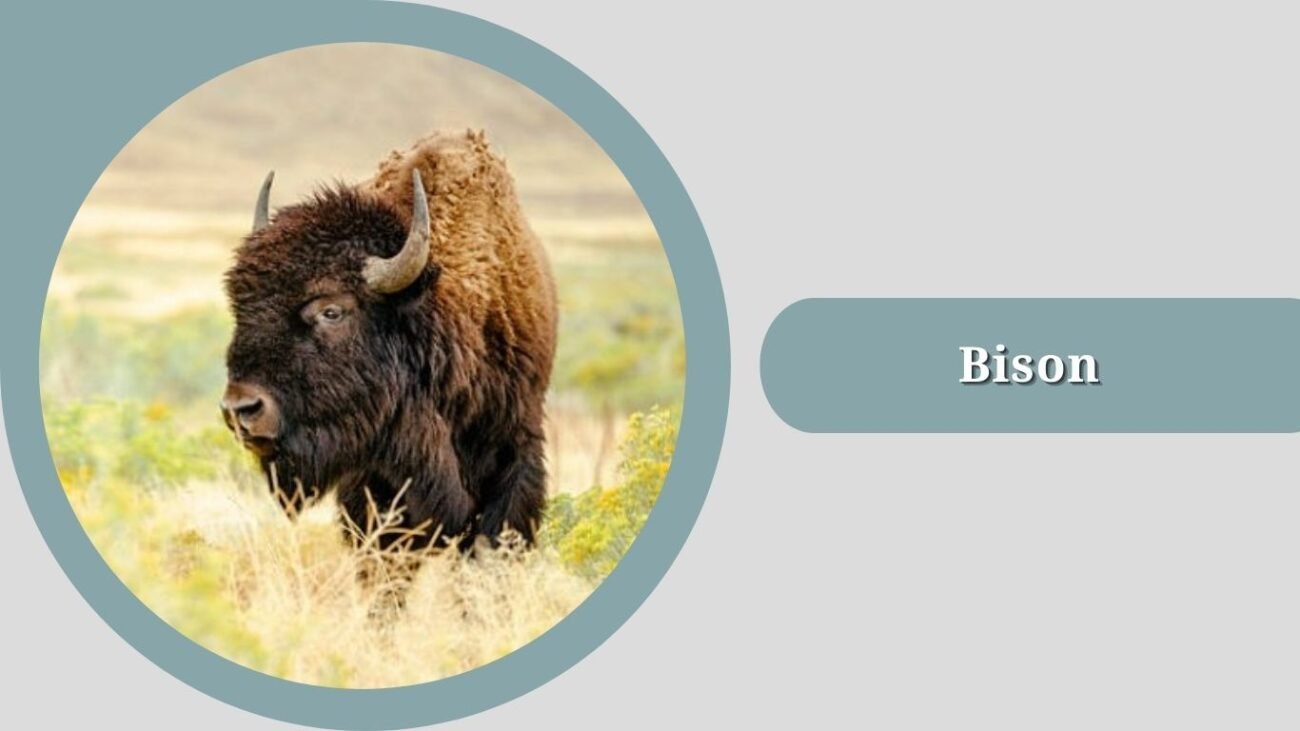
Bison (Bison bison) are large, wild bovines found primarily in North America and parts of Europe. Known for their massive build and iconic hump over their shoulders, bison are an important part of both North American history and ecosystems. They once roamed in massive herds across the plains but now are mostly found in protected reserves and ranches.
Identification
- Size: Adult bison can weigh between 900 to 2,000 pounds, with males being significantly larger than females.
- Color: Their coat is typically dark brown, with lighter shades around the shoulders and neck.
- Body: Bison have a muscular, stocky body with a pronounced hump and thick neck, adapted for surviving cold winters.
- Horns: Both males and females have short, curved horns, though the males’ horns are generally thicker and larger.
Habitat and Distribution
Bison originally roamed the vast plains of North America, but their population was decimated in the 19th century due to overhunting and habitat destruction. Today, they are primarily found in national parks, wildlife reserves, and private ranches in North America. A small population of European bison, known as wisents, exists in parts of Europe as well.
Uses of Bison
Bison are valued for their meat, which is leaner and lower in fat compared to beef, making it a popular alternative for healthier meat consumption. Bison hides were historically used by Indigenous peoples for clothing, tools, and shelter. Today, bison farming continues in many regions for their meat and leather, and they also play an important ecological role in preserving grassland ecosystems.
Lifespan and Care
Bison have an average lifespan of 10 to 15 years in the wild, although they can live up to 20 years in controlled environments with proper care. They are hardy animals but require open grazing areas and ample food, especially during the winter months. Bison farming requires careful management to maintain healthy herds and prevent overgrazing.
9. Highland Cattle
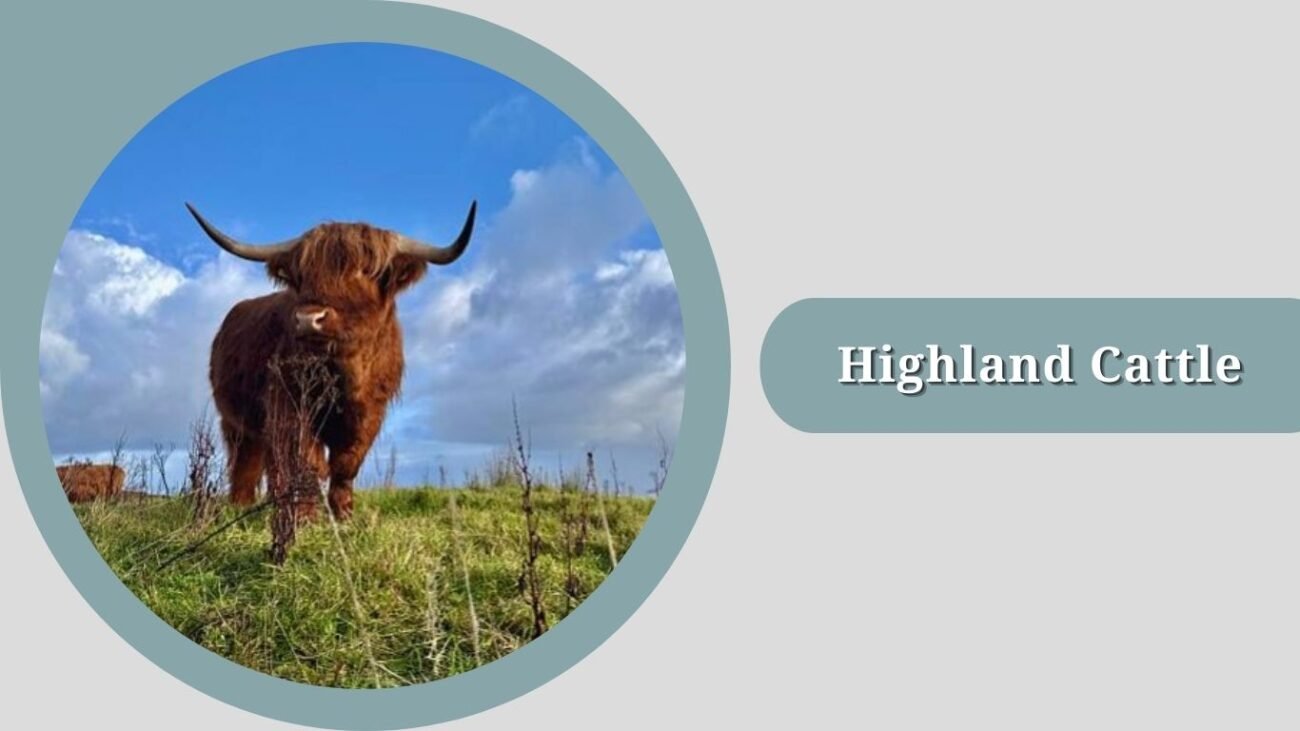
Highland cattle (Bos taurus) are a distinctive breed of cattle known for their long, wavy coat and impressive horns. Native to the Scottish Highlands, this breed is well-adapted to cold, harsh environments. Highland cattle are primarily raised for their meat, which is highly regarded for its tenderness and flavor.
Identification
- Size: Highland cattle are medium-sized, with males weighing around 1,000 to 1,300 pounds and females slightly less.
- Color: Their coat can be red, black, or yellow, with the characteristic long hair that helps them withstand the cold.
- Body: Highland cattle have a muscular, compact body, with a deep chest and strong legs designed to support their tough lifestyle in the highlands.
- Horns: Both males and females have long, upward-curving horns that are a prominent feature of the breed.
Habitat and Distribution
Highland cattle originated in the rugged terrain of the Scottish Highlands, where they were bred to withstand extreme cold and damp conditions. Their thick coats protect them from winter temperatures, and they are particularly suited to life in mountainous or wet environments. Today, they are found on farms and ranches across the world, especially in temperate climates.
Uses of Highland Cattle
Highland cattle are primarily raised for their meat, which is known for its fine texture and rich flavor. The beef is often marketed as premium due to its quality and tenderness. Highland cattle are also kept for their unique appearance, with their distinctive horns and flowing hair making them popular in tourist areas and as show animals.
Lifespan and Care
The lifespan of Highland cattle is typically between 12 and 20 years. They are hardy animals, able to thrive in rugged conditions. However, like all cattle, they require a balanced diet, regular veterinary care, and protection from extreme weather. Highland cattle are particularly low-maintenance compared to other breeds, as they are well-suited to grazing on rough terrain.
10. Belted Galloway
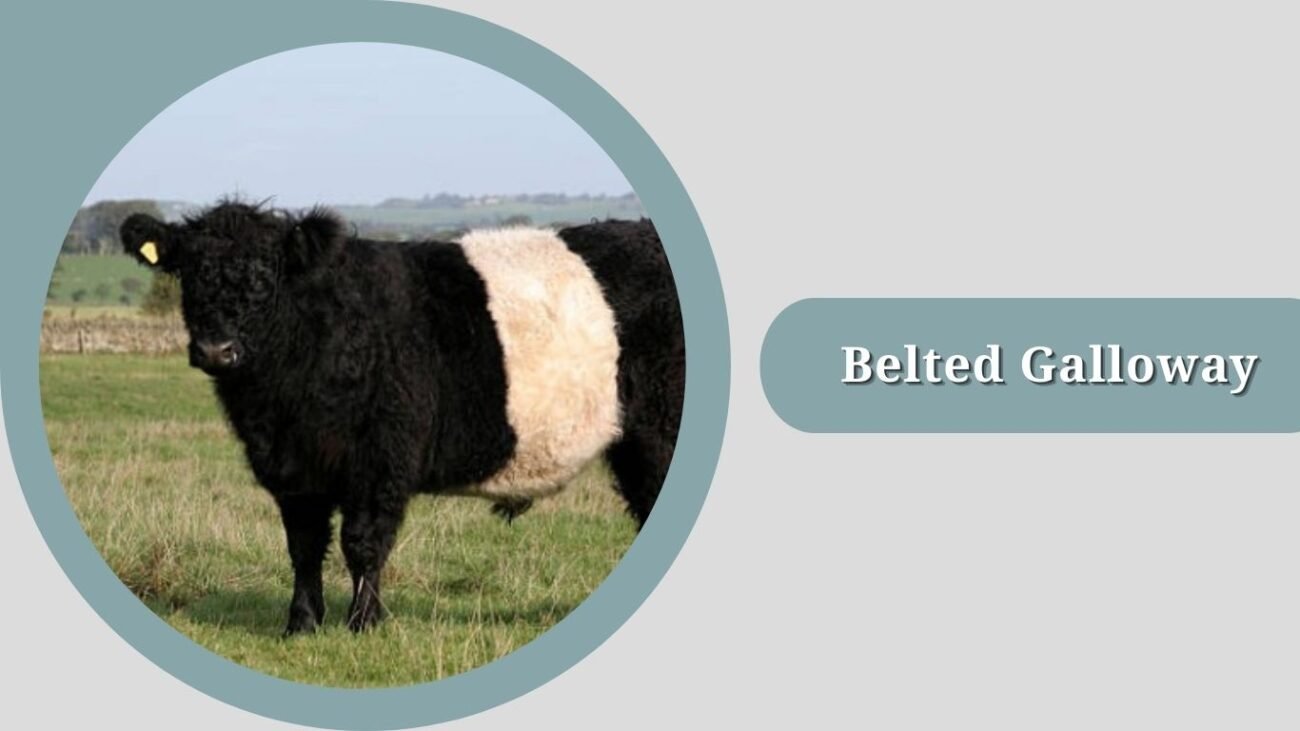
The Belted Galloway, often known as the “Beltie,” is a unique breed of cattle originating from Scotland. This breed is easily recognizable by its distinctive white belt of fur around its midsection, which contrasts sharply with its dark coat. Belted Galloways are hardy animals, well-suited to colder climates and are primarily raised for their high-quality beef.
Identification
- Size: Belted Galloways are medium to large in size, with mature bulls weighing around 1,300 to 1,800 pounds, and cows weighing 900 to 1,200 pounds.
- Color: Their most distinguishing feature is the white belt around the middle of their body, with the rest of the body being black, red, or dun.
- Body: They have a compact, muscular build, with a deep chest and strong legs that enable them to thrive on rough grazing land.
- Horns: Some Belted Galloways are polled (without horns), while others have small, curved horns that are typically not very pronounced.
Habitat and Distribution
Originally from the Galloway region in southwestern Scotland, Belted Galloways are well adapted to harsh environments. Their thick coats provide protection from cold, wet weather, making them especially suited for upland areas with challenging terrain. Today, the breed can be found in various regions around the world, including parts of the United States, Canada, and New Zealand.
Uses of Belted Galloway
Belted Galloway cattle are primarily raised for their beef, which is known for being lean, flavorful, and tender. Their meat is highly sought after for premium cuts, as it contains less fat than that of other cattle breeds. Additionally, they are used in conservation grazing programs, helping to manage grassland and preserve biodiversity by grazing in sensitive areas.
Lifespan and Care
Belted Galloways typically live between 12 and 20 years, depending on their care and environment. They are low-maintenance cattle, requiring minimal shelter due to their hardy nature. However, regular veterinary care and good grazing management are essential to keep them healthy and productive. With the right diet and care, these cattle can remain productive in meat production for many years.


