










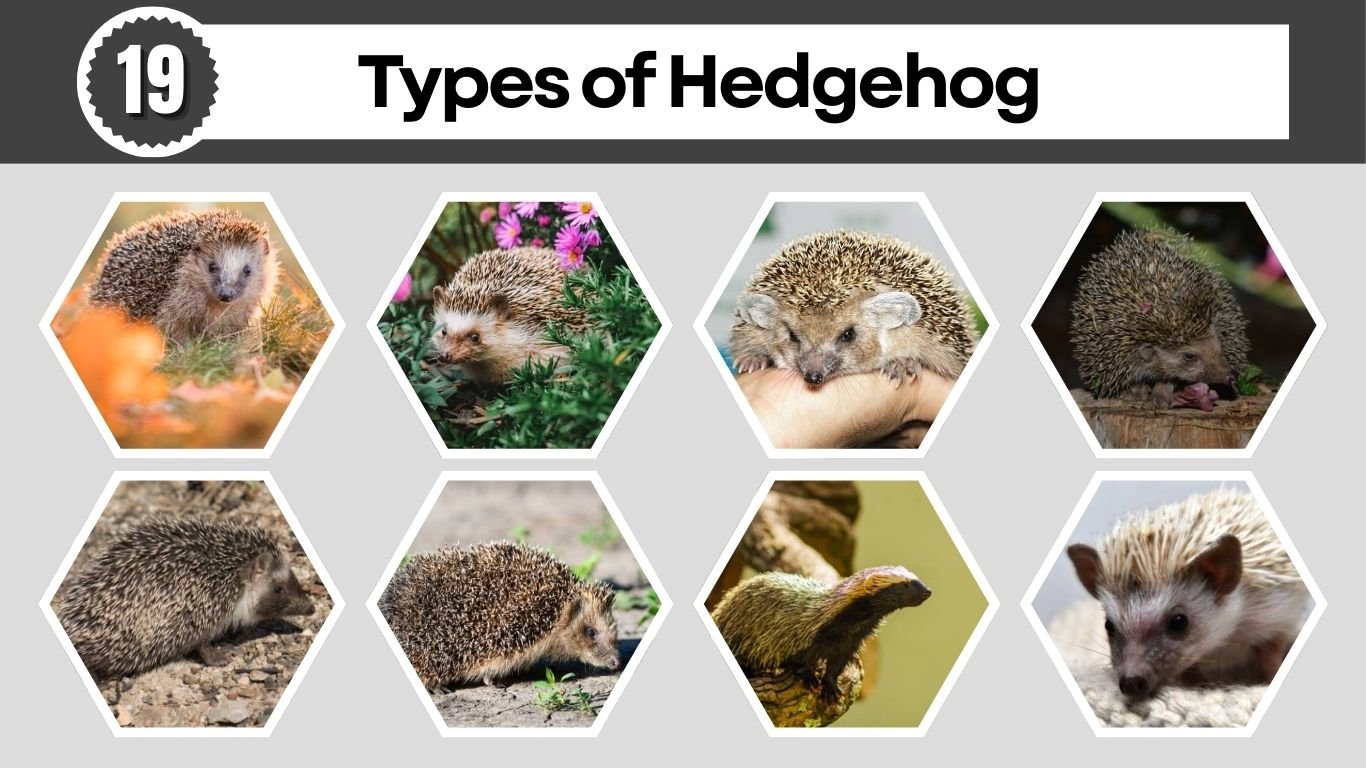
Hedgehogs are small, spiny mammals known for their nocturnal habits and unique defense mechanism of curling into a ball. Found across Africa, Europe, and Asia, they play an important role in controlling insect populations in their ecosystems. With diverse species ranging from the popular African Pygmy Hedgehog to rare desert and European varieties, each hedgehog has distinctive features, habitats, and behaviors. This guide explores 19 notable hedgehog species, highlighting their identification, lifestyle, and care needs for both enthusiasts and nature lovers.
1. European Hedgehog
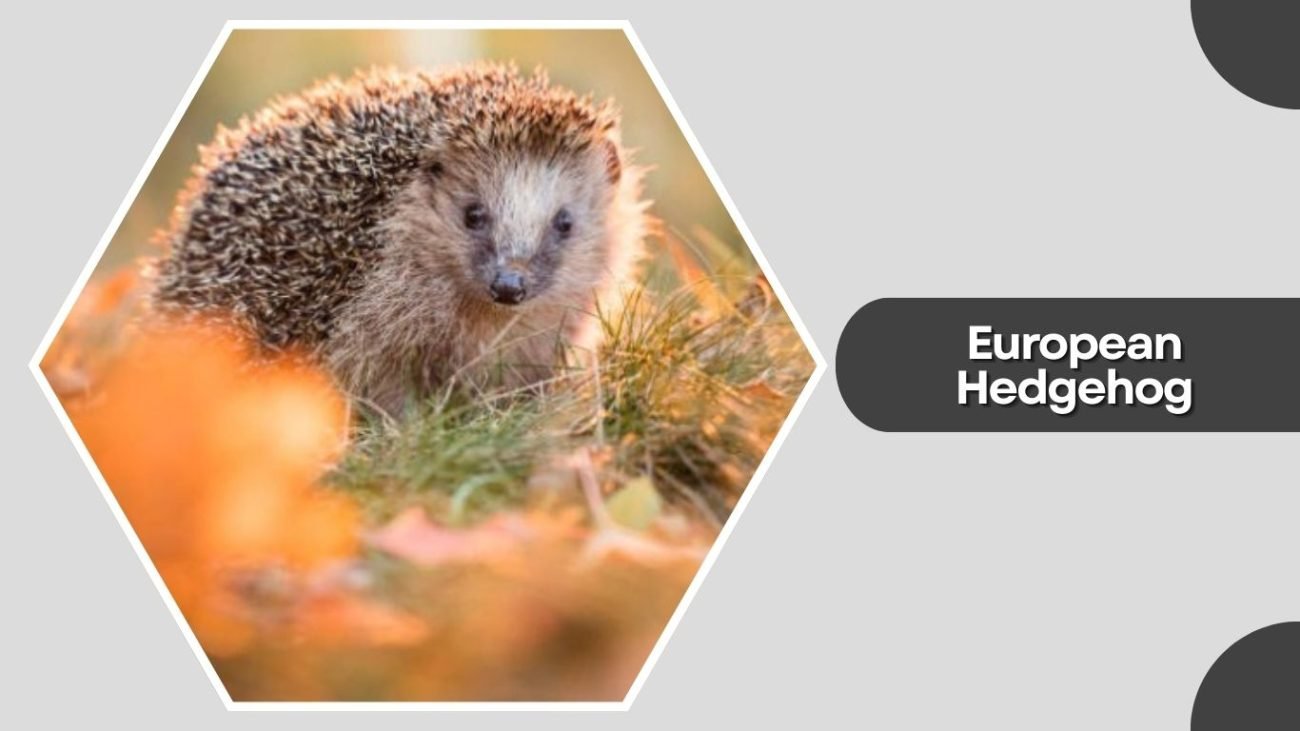
The European Hedgehog is one of the most well-known hedgehog species, native to much of Europe. It is recognized for its rounded body, short legs, and spiny coat that provides protection from predators. European hedgehogs are nocturnal, solitary creatures that play an important role in controlling insect populations, making them a beneficial species in gardens and natural habitats.
Identification
- Rounded body covered with 5,000–7,000 spines
- Short legs and a pointed snout
- Small, dark eyes and ears
- Brown or grayish coat with white-tipped spines
- Average length: 20–30 cm; weight: 400–1,200 grams
Habitat
European hedgehogs inhabit a variety of environments, including woodlands, grasslands, hedgerows, and urban gardens. They prefer areas with dense vegetation for shelter and nesting, as well as open spaces for foraging.
Behaviors
These hedgehogs are primarily nocturnal and solitary. They forage at night for insects, worms, and other invertebrates. During winter, they hibernate in nests made of leaves, grass, and soil, remaining inactive for several months.
Diet and Lifecycle
European hedgehogs are insectivores, feeding on beetles, caterpillars, slugs, worms, and occasionally small vertebrates. They reach sexual maturity around one year and can live up to 4–7 years in the wild, though predation and human activities often reduce lifespan.
2. African Pygmy Hedgehog
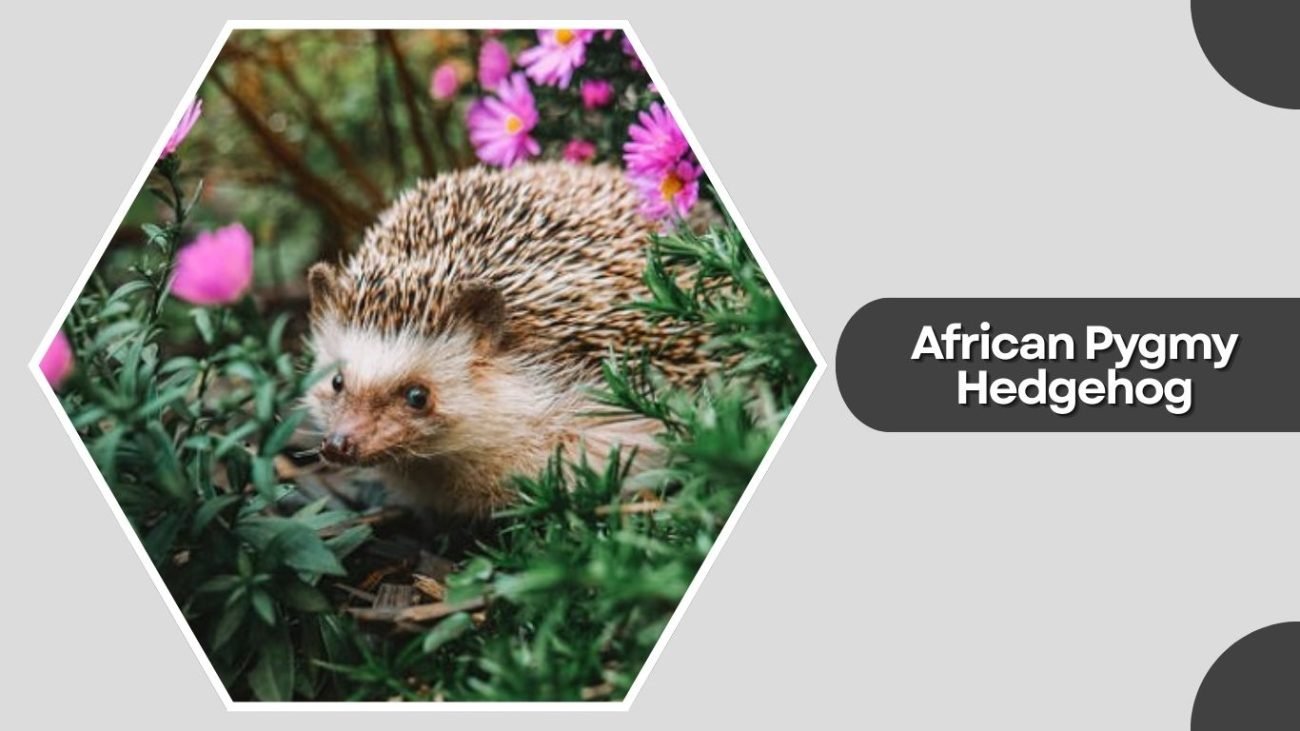
The African Pygmy Hedgehog is a small, domesticated hedgehog species commonly kept as a pet. Native to central and eastern Africa, this breed is known for its compact size, friendly temperament, and distinctive spiny coat. African Pygmy Hedgehogs are nocturnal and require special care, including a controlled temperature environment and regular handling to remain socialized.
Identification
- Small, rounded body with 5,000–7,000 spines
- Short legs and pointed snout
- Eyes are large and dark; ears small and rounded
- Coat colors vary, including white, brown, black, and mixed patterns
- Average length: 15–20 cm; weight: 250–600 grams
Habitat
In the wild, African Pygmy Hedgehogs inhabit savannas, grasslands, and forests with ample ground cover. As pets, they require cages with soft bedding, hiding areas, and a controlled warm environment to mimic their natural climate.
Behaviors
These hedgehogs are solitary and primarily nocturnal. They enjoy exploring their surroundings at night and may curl into a tight ball when threatened. Domesticated pygmy hedgehogs become social with gentle handling but retain their shy and cautious nature.
Diet and Lifecycle
African Pygmy Hedgehogs are insectivores, feeding on insects, worms, and occasional fruits or vegetables. In captivity, they thrive on specially formulated hedgehog food with supplements. They typically live 3–6 years, reaching maturity at 6–8 months, and maintain active nocturnal behaviors throughout life.
3. Long-Eared Hedgehog
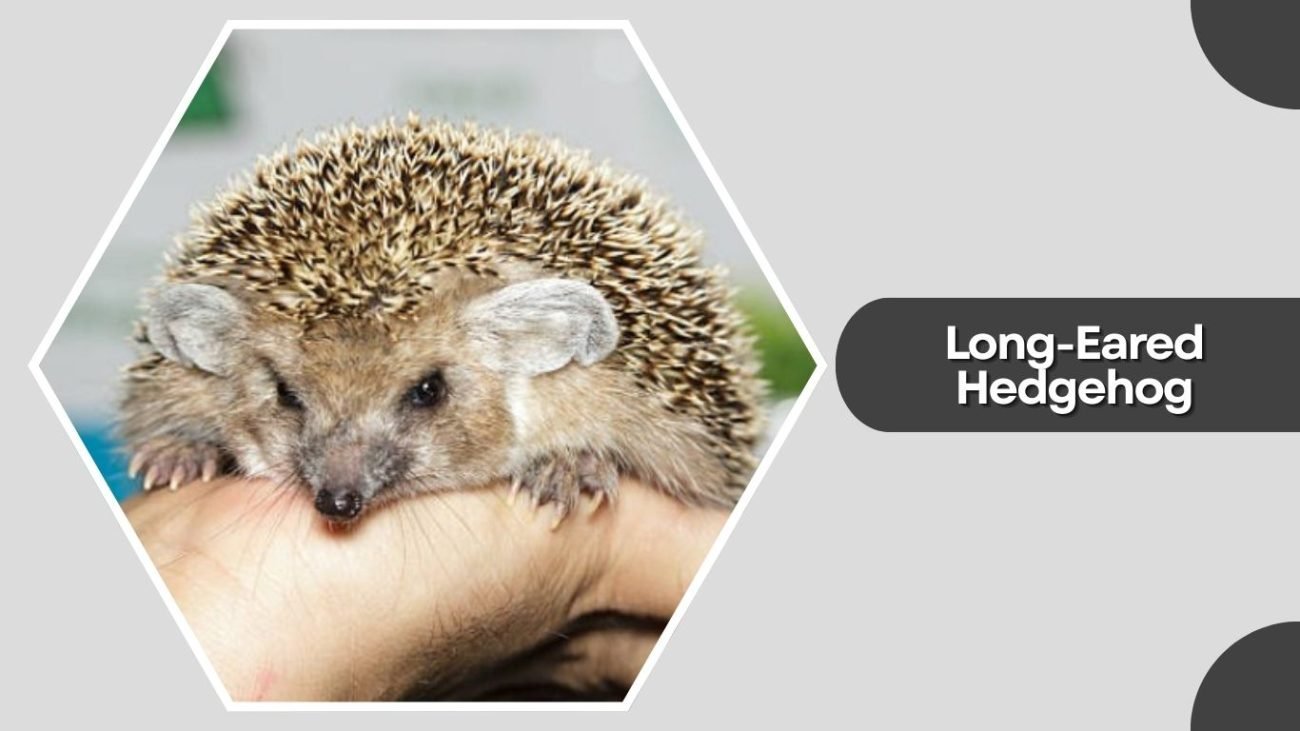
The Long-Eared Hedgehog is a small, desert-adapted species known for its unusually large ears, which help regulate body temperature in hot climates. Native to Central Asia and parts of the Middle East, this hedgehog is agile and fast-moving, making it well-suited to arid environments. Its unique appearance and adaptability distinguish it from other hedgehog species.
Identification
- Prominent, large ears relative to body size
- Small, rounded body with short legs
- Coat is sandy or brown with sharp spines
- Pointed snout with small dark eyes
- Average length: 14–18 cm; weight: 250–400 grams
Habitat
Long-Eared Hedgehogs inhabit deserts, semi-arid regions, and dry grasslands. They prefer areas with sparse vegetation, burrows, or rock crevices for shelter. These hedgehogs are nocturnal and spend the day hidden from predators and harsh sunlight.
Behaviors
This species is highly active at night, foraging for insects, small invertebrates, and occasionally plants. When threatened, it can curl into a spiny ball. It is a solitary species and communicates using huffs, squeaks, and rustling sounds while moving through its territory.
Diet and Lifecycle
Long-Eared Hedgehogs are insectivorous, feeding on beetles, crickets, worms, and small arthropods. They reach sexual maturity within 6–8 months. Their lifespan ranges from 3–5 years in the wild, though they may live longer under protected care in captivity.
4. Northern White-Breasted Hedgehog
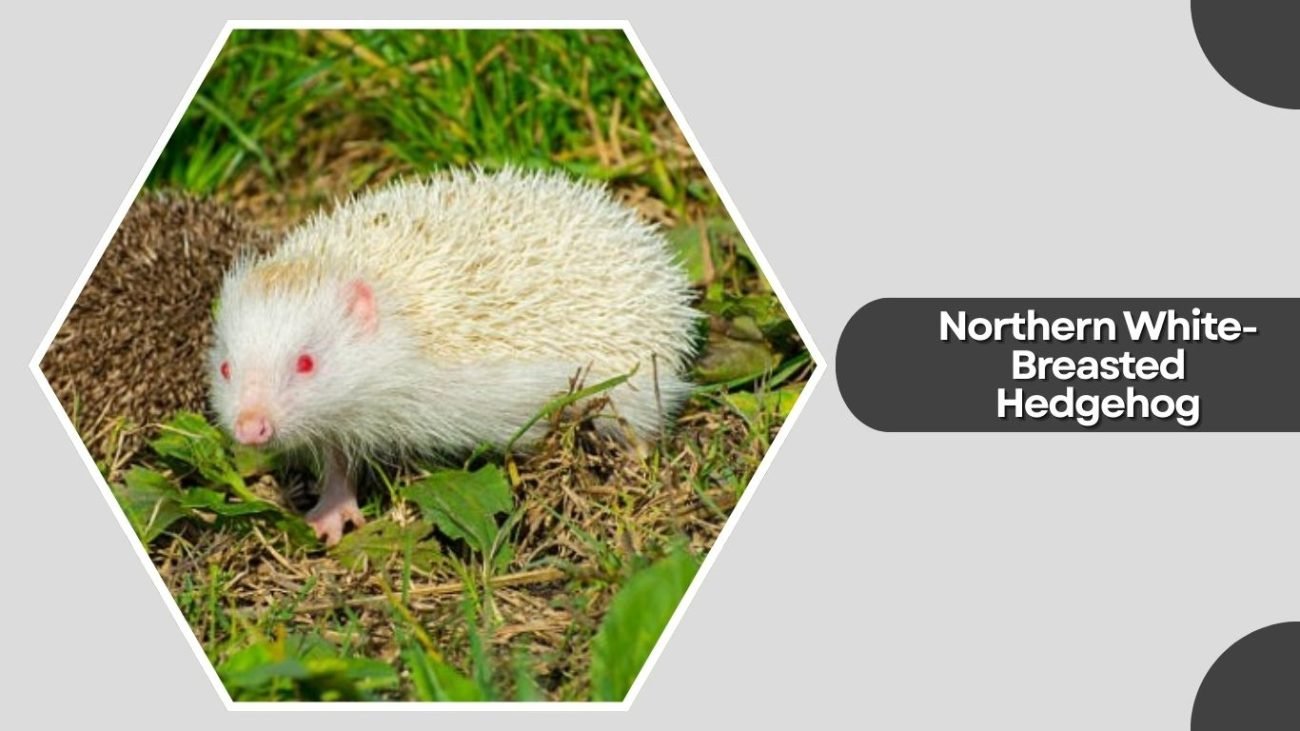
The Northern White-Breasted Hedgehog is a medium-sized species found across Eastern Europe and parts of Western Asia. It is named for its distinctive white-colored underbelly, contrasting with a brown or gray dorsal side covered in spines. This species is well-adapted to temperate climates and is an important insectivore in its ecosystem.
Identification
- Rounded body with 5,000–6,000 spines
- White or cream-colored underbelly
- Brown or gray spiny back
- Pointed snout with small dark eyes
- Average length: 20–25 cm; weight: 400–900 grams
Habitat
Northern White-Breasted Hedgehogs inhabit forests, grasslands, gardens, and farmland. They prefer areas with dense vegetation for nesting and protection but also forage in open spaces at night. Burrows or leaf nests are used for daytime rest and hibernation.
Behaviors
This species is nocturnal and solitary. It actively forages at night for insects, worms, and other small invertebrates. During winter, it hibernates in nests made of leaves and grass. It communicates through snuffles, squeaks, and occasional hissing when threatened.
Diet and Lifecycle
Northern White-Breasted Hedgehogs are primarily insectivores but will also eat berries and small fruits. They reach sexual maturity around one year of age. Lifespan in the wild typically ranges from 3 to 5 years, while captive individuals may live longer with proper care.
5. Southern White-Breasted Hedgehog
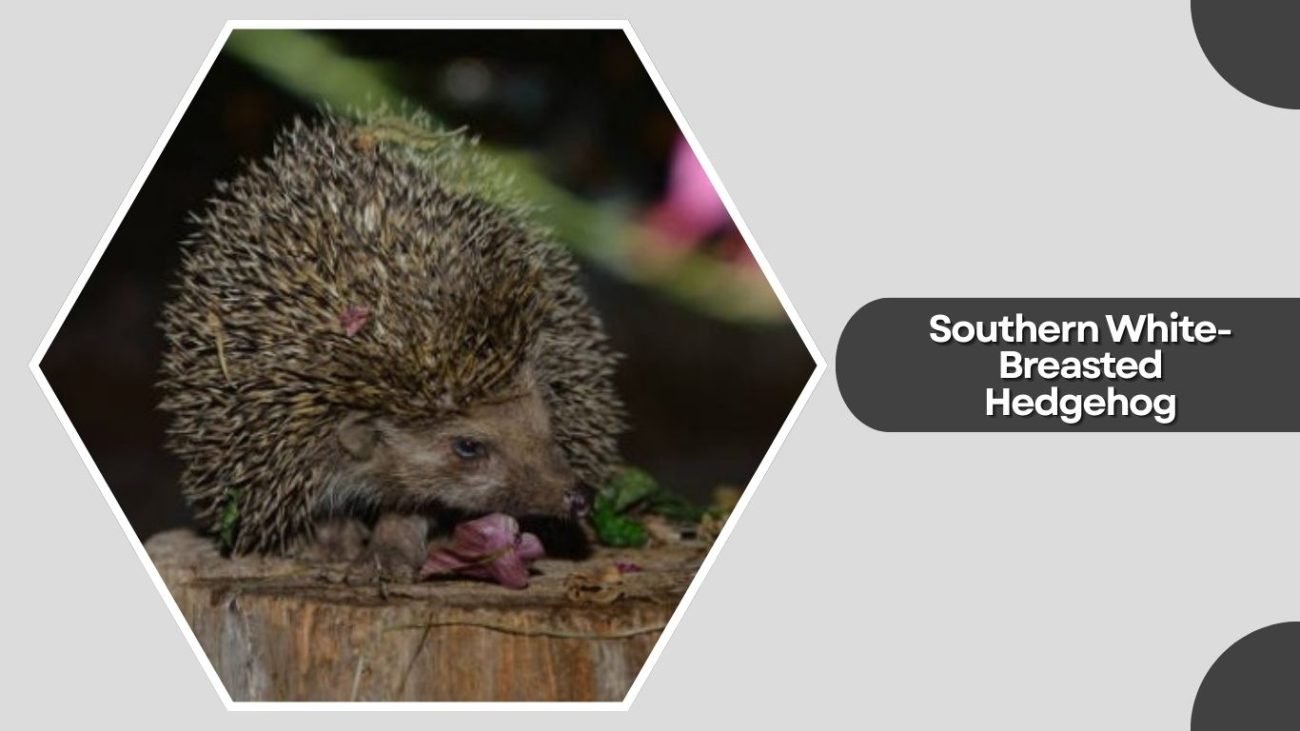
The Southern White-Breasted Hedgehog is a species native to southeastern Europe and parts of the Middle East. It is characterized by a pale or white underbelly contrasting with a darker spiny back. This hedgehog is nocturnal, solitary, and well-adapted to both natural and semi-urban environments.
Identification
- Rounded body covered with 5,000–6,000 spines
- White or cream-colored underbelly
- Brown or gray spiny back
- Pointed snout with small, dark eyes
- Average length: 18–23 cm; weight: 350–800 grams
Habitat
Southern White-Breasted Hedgehogs inhabit forests, scrublands, agricultural areas, and gardens. They prefer dense vegetation for nesting and protection, often using burrows or leaf litter. This species is adaptable to areas modified by humans, provided there is sufficient cover.
Behaviors
This hedgehog is primarily nocturnal and solitary. It forages at night for insects, worms, and small invertebrates. When threatened, it curls into a spiny ball. They communicate through soft huffs, snuffles, and occasional squeaks.
Diet and Lifecycle
The diet consists mainly of insects, larvae, worms, and occasionally berries or fruits. Southern White-Breasted Hedgehogs reach sexual maturity at around one year. Their lifespan typically ranges from 3 to 5 years in the wild, with longer lifespans possible under human care.
6. Indian Hedgehog
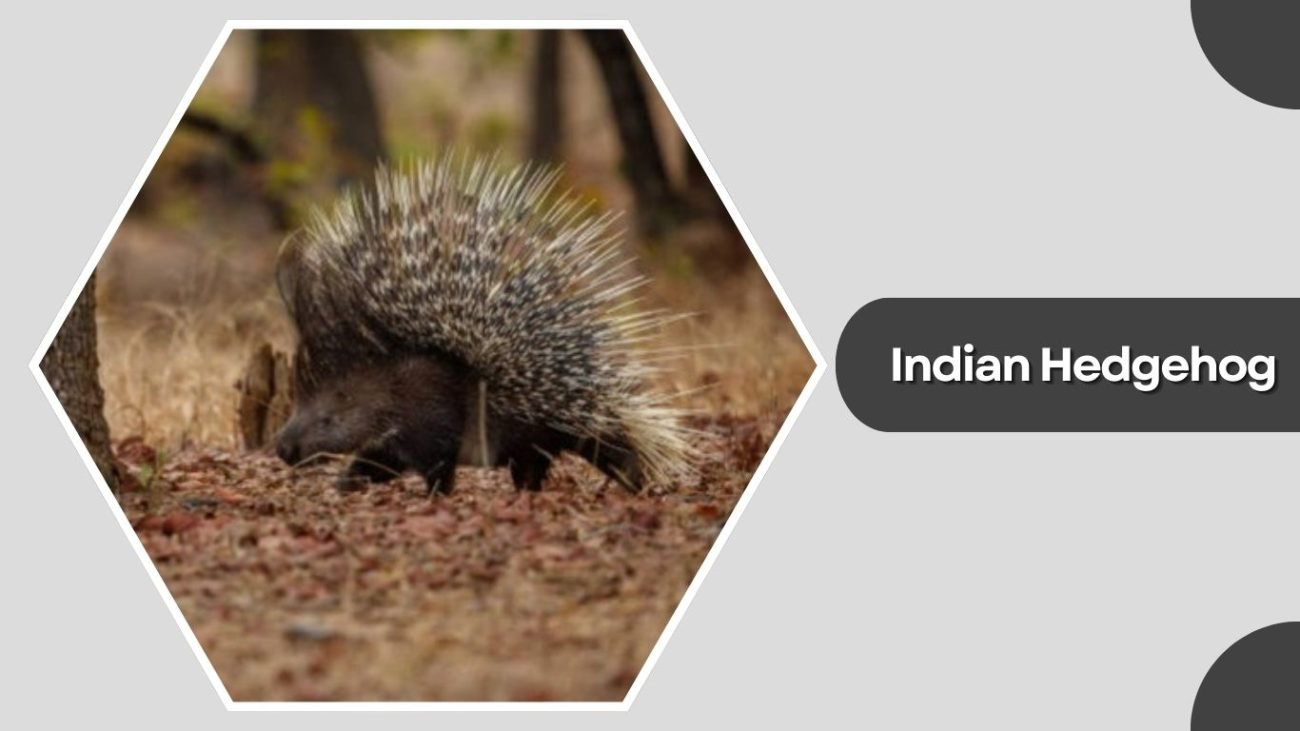
The Indian Hedgehog is a small, desert-adapted species found throughout India and Pakistan. It is known for its agile movements, pointed face, and short spines. This hedgehog thrives in arid and semi-arid regions and plays an important role in controlling insects and other small invertebrates in its habitat.
Identification
- Small, rounded body with short spines
- Pointed snout with dark eyes
- Light brown to sandy-colored spiny back
- Short legs and compact body
- Average length: 15–20 cm; weight: 250–450 grams
Habitat
Indian Hedgehogs inhabit dry grasslands, scrublands, and desert margins. They seek shelter under bushes, rocks, or shallow burrows to protect themselves from predators and harsh daytime temperatures.
Behaviors
This species is nocturnal and solitary. Indian Hedgehogs forage at night for insects, larvae, and occasionally small vertebrates. They curl into a tight ball when threatened and communicate with squeaks, snuffles, and rustling sounds while moving through their territory.
Diet and Lifecycle
Indian Hedgehogs are insectivores, primarily feeding on beetles, crickets, and worms, supplemented by fruits or small animals when available. They reach sexual maturity at around 6–8 months and live approximately 3–5 years in the wild.
7. Algerian Hedgehog
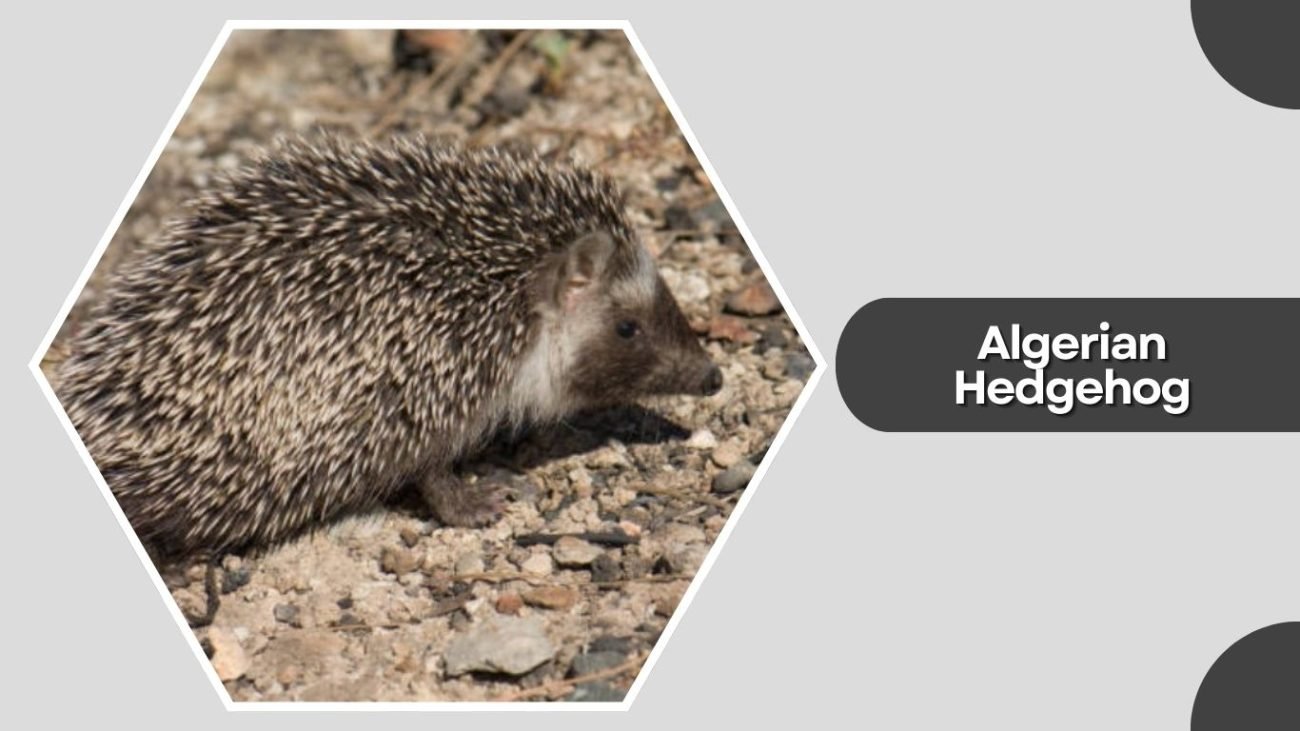
The Algerian Hedgehog is a small hedgehog species native to North Africa, particularly Algeria and surrounding regions. It is recognized for its spiny back, pointed snout, and adaptability to dry, arid environments. This species is nocturnal and plays a key role in controlling insect populations in its natural habitat.
Identification
- Rounded body with short, sharp spines
- Light brown to sandy dorsal color
- Cream-colored underbelly
- Pointed snout with small dark eyes
- Average length: 14–18 cm; weight: 200–400 grams
Habitat
Algerian Hedgehogs inhabit deserts, scrublands, and semi-arid regions. They seek shelter under rocks, shrubs, or in shallow burrows to avoid predators and extreme daytime heat.
Behaviors
This species is solitary and active at night. It curls into a tight ball when threatened and uses spines for protection. Algerian Hedgehogs forage for insects, worms, and other small invertebrates, relying on their keen sense of smell.
Diet and Lifecycle
Algerian Hedgehogs are primarily insectivorous but may occasionally eat fruits and small vertebrates. They reach sexual maturity within 6–8 months and typically live 3–5 years in the wild, depending on predation and environmental conditions.
8. Amur Hedgehog
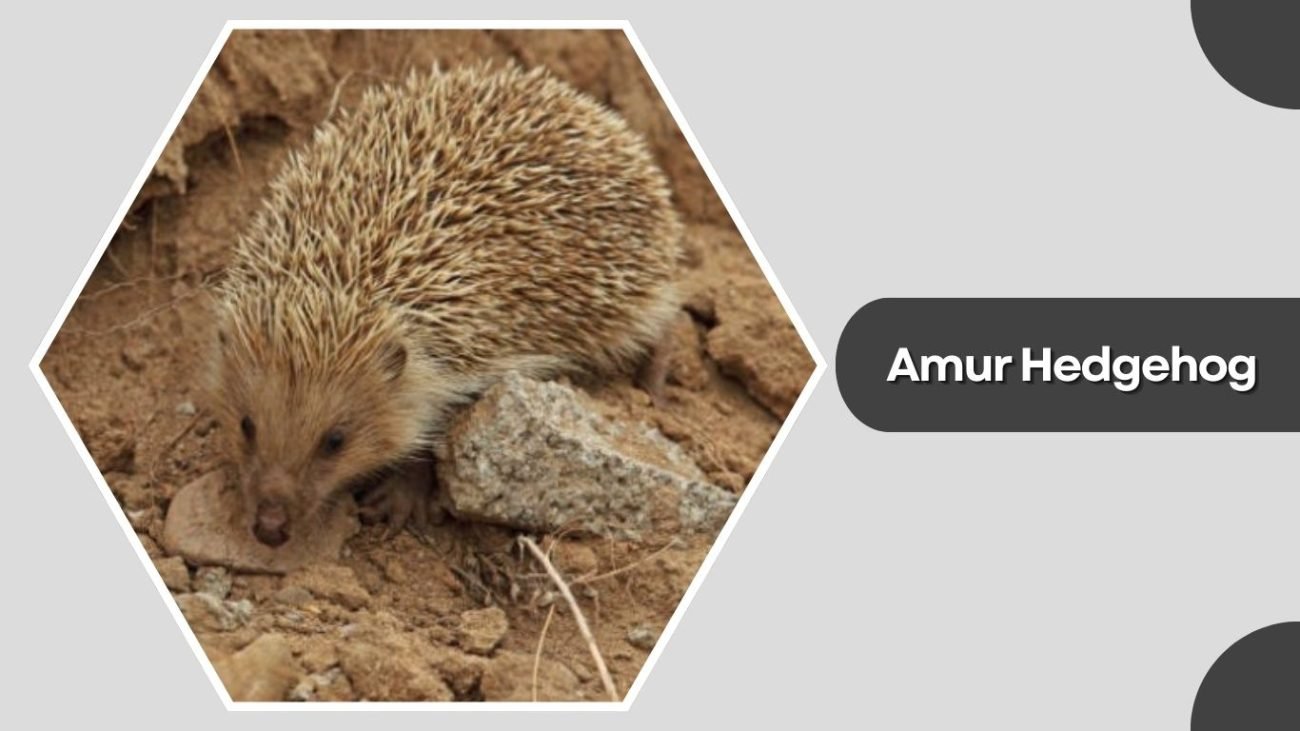
The Amur Hedgehog, also known as the Manchurian Hedgehog, is native to northeastern China and the Russian Far East. It is a medium-sized hedgehog adapted to temperate forests and grasslands. Its spiny coat provides protection from predators, and it plays a vital role in controlling insect populations in its ecosystem.
Identification
- Rounded body with dense spines
- Brown or grayish dorsal spines with lighter tips
- Cream-colored underbelly
- Pointed snout with small dark eyes
- Average length: 20–25 cm; weight: 400–900 grams
Habitat
Amur Hedgehogs inhabit forests, grasslands, and shrublands. They prefer areas with dense undergrowth for nesting and protection. They often use leaf litter, burrows, or natural shelters during the day and emerge at night to forage.
Behaviors
This species is nocturnal and solitary. It curls into a tight ball when threatened, using its spines as defense. Amur Hedgehogs forage for insects, worms, and other invertebrates, relying heavily on their sense of smell.
Diet and Lifecycle
Amur Hedgehogs are insectivores, supplemented occasionally with berries or small fruits. They reach sexual maturity around one year of age. Their lifespan ranges from 3 to 5 years in the wild, depending on predation and environmental conditions.
9. Daurian Hedgehog
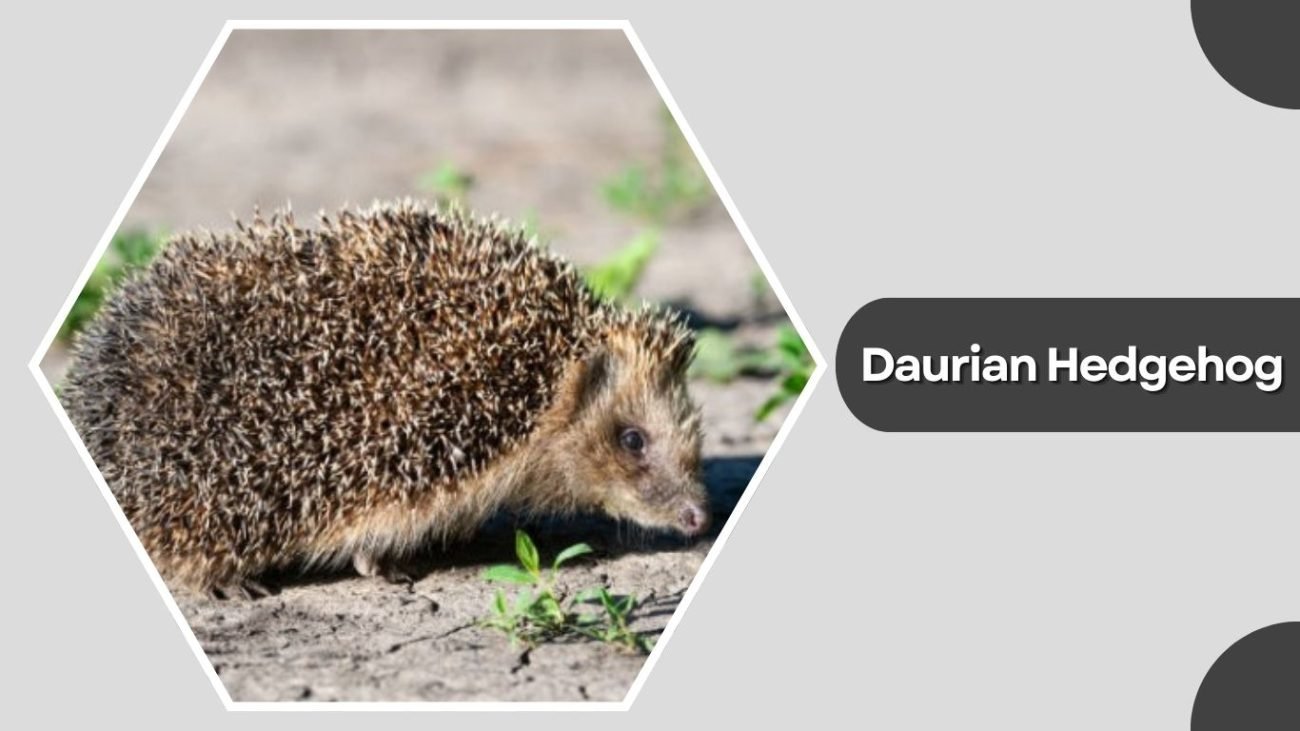
The Daurian Hedgehog is a small, spiny mammal native to Mongolia, northeastern China, and parts of Siberia. It is adapted to steppe and semi-arid environments, making it resilient to temperature extremes. This species is nocturnal, insectivorous, and plays a key role in controlling pests in its habitat.
Identification
- Rounded body with short, sharp spines
- Light brown to sandy-colored back with darker tips
- Cream-colored underbelly
- Pointed snout with small, dark eyes
- Average length: 14–18 cm; weight: 250–400 grams
Habitat
Daurian Hedgehogs inhabit grasslands, steppes, and scrublands. They use burrows, rocks, or dense vegetation for shelter during the day and emerge at night to forage for food.
Behaviors
This hedgehog is nocturnal and solitary. It curls into a spiny ball when threatened. Daurian Hedgehogs actively forage for insects, worms, and small invertebrates, using their keen sense of smell to locate prey.
Diet and Lifecycle
Their diet primarily consists of insects, larvae, and worms, supplemented occasionally with fruits. They reach sexual maturity at about 6–8 months and have a lifespan of 3–5 years in the wild.
10. Japanese Hedgehog
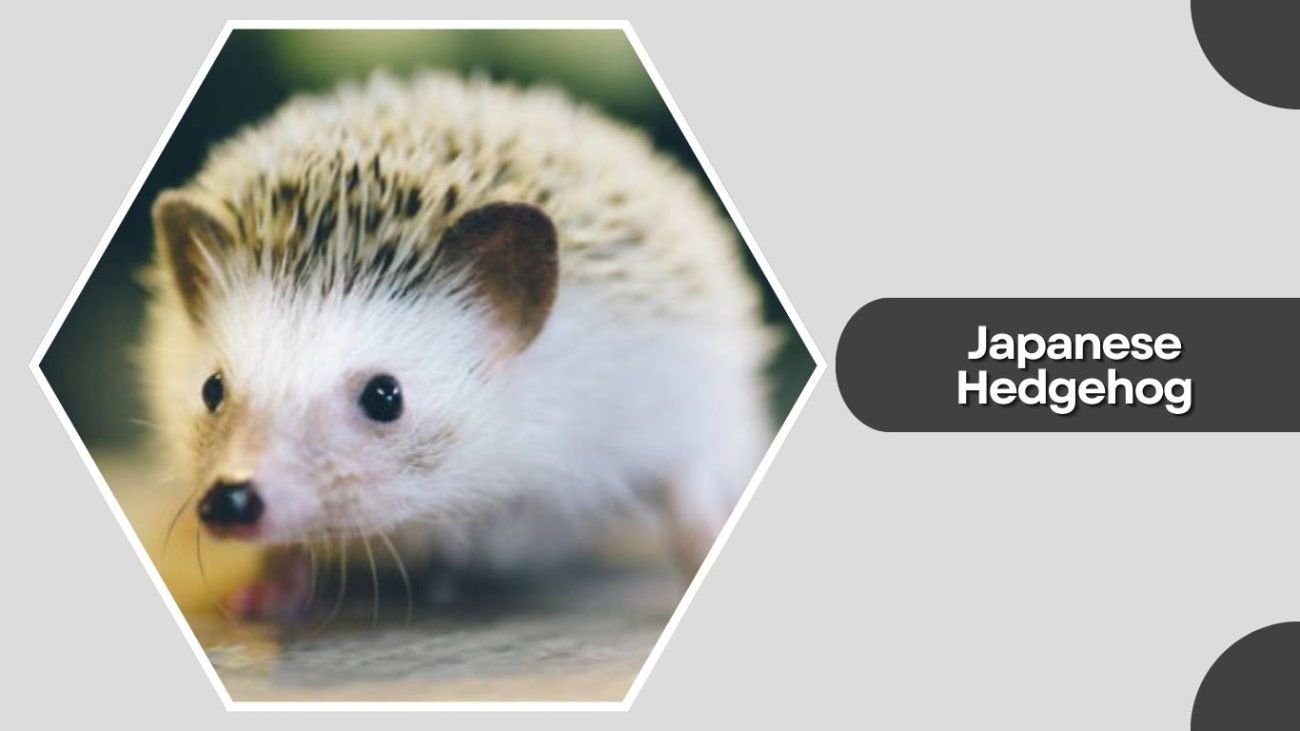
The Japanese Hedgehog, also called the Amami Hedgehog in some regions, is a small hedgehog species native to certain Japanese islands. It is distinguished by its rounded body, short legs, and dense spiny coat. This species is nocturnal, insectivorous, and plays an important ecological role in controlling insects in its habitat.
Identification
- Rounded body with 4,000–6,000 spines
- Brown or gray dorsal spines with lighter tips
- Cream-colored underbelly
- Pointed snout with small dark eyes
- Average length: 15–20 cm; weight: 250–500 grams
Habitat
Japanese Hedgehogs inhabit forests, grasslands, and shrublands. They prefer areas with dense undergrowth, leaf litter, and natural shelters. During the day, they hide in burrows or under vegetation to avoid predators.
Behaviors
This species is nocturnal and solitary. When threatened, it curls into a tight ball, using its spines for defense. Japanese Hedgehogs forage for insects, worms, and other small invertebrates, often using their keen sense of smell.
Diet and Lifecycle
Japanese Hedgehogs are insectivores, occasionally supplementing their diet with small fruits. They reach sexual maturity at around 6–8 months and typically live 3–5 years in the wild, depending on environmental conditions and predation.
11. Desert Hedgehog
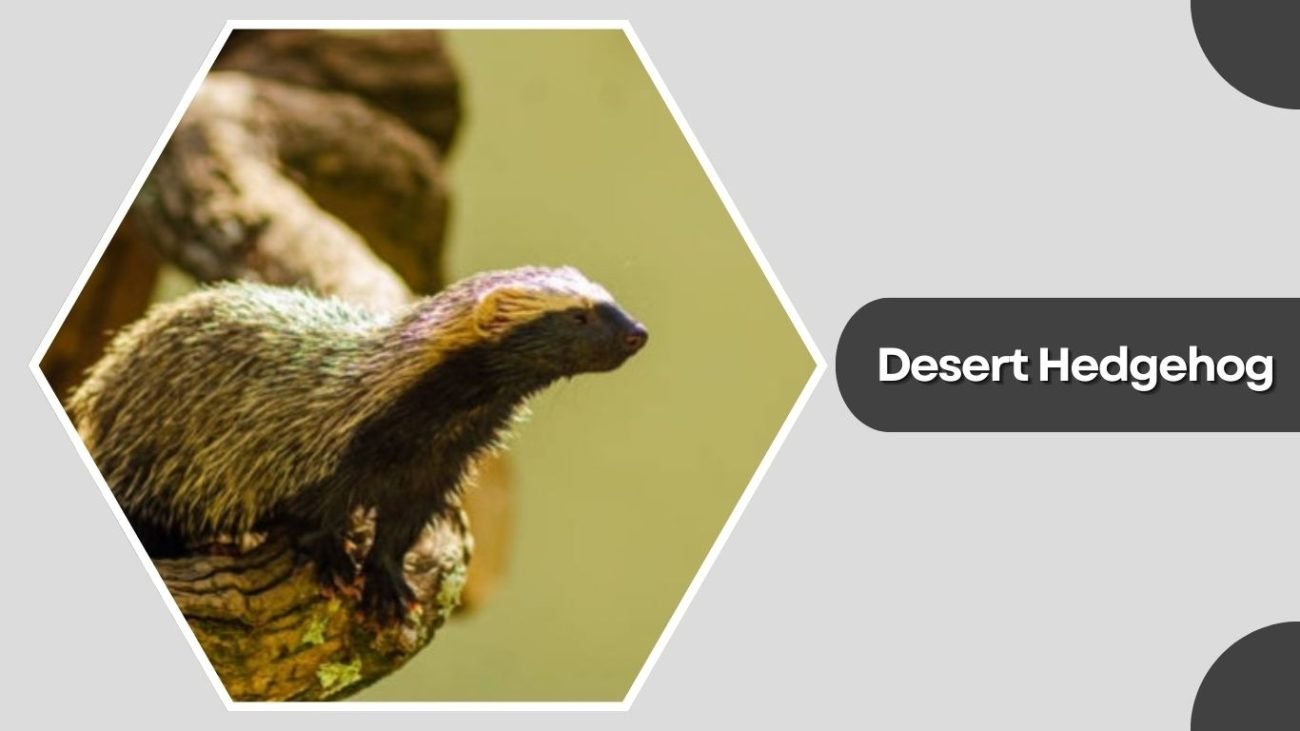
The Desert Hedgehog is a small, arid-adapted species native to North Africa, the Middle East, and parts of Central Asia. It is specially adapted to survive in hot, dry environments, with its spines providing protection from predators. This species is nocturnal and plays an important role in controlling insect populations in desert ecosystems.
Identification
- Small, rounded body with short, sharp spines
- Light brown to sandy-colored dorsal spines
- Cream-colored underbelly
- Pointed snout with dark eyes
- Average length: 14–18 cm; weight: 200–400 grams
Habitat
Desert Hedgehogs inhabit deserts, semi-deserts, and dry scrublands. They take shelter in burrows, under rocks, or dense vegetation to escape extreme daytime heat and predators.
Behaviors
This species is nocturnal and solitary. When threatened, it curls into a tight ball. Desert Hedgehogs actively forage for insects, worms, and other invertebrates during the cooler nighttime hours.
Diet and Lifecycle
They are primarily insectivorous, occasionally supplementing their diet with fruits or small invertebrates. Desert Hedgehogs reach sexual maturity at 6–8 months and live approximately 3–5 years in the wild.
12. Four-Toed Hedgehog
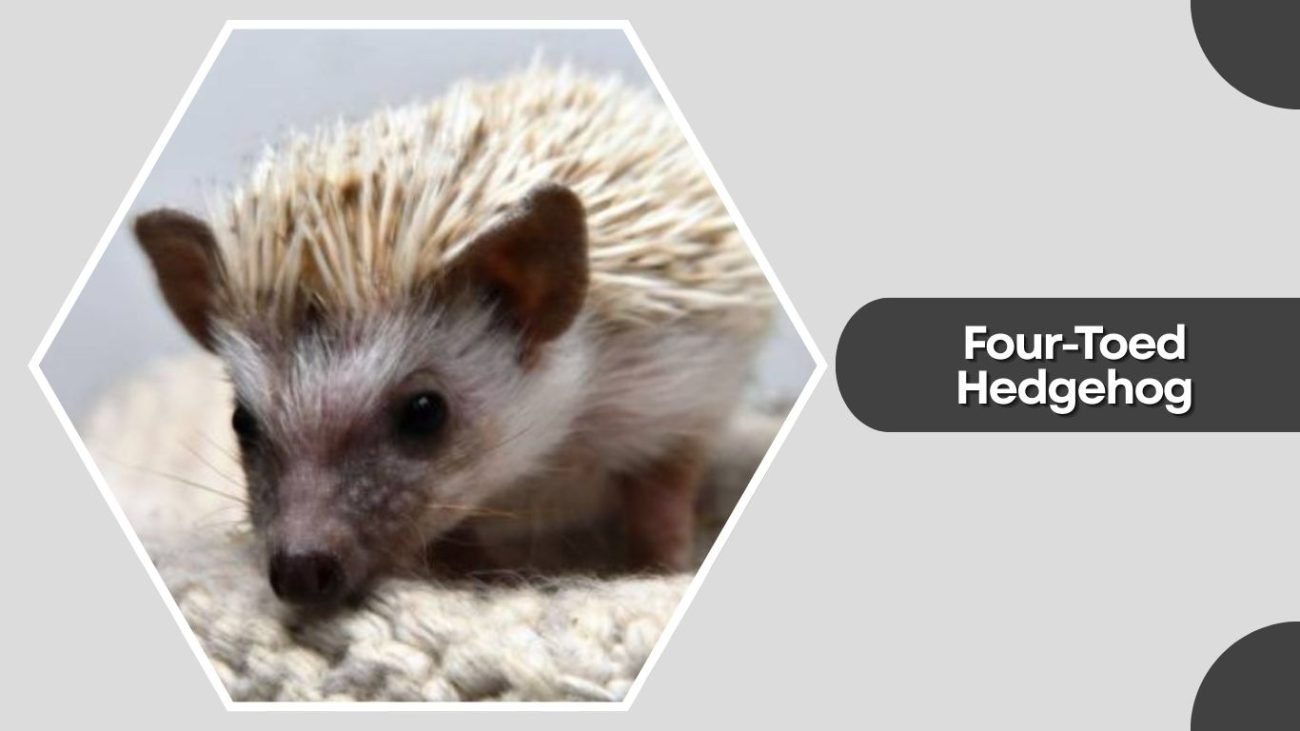
The Four-Toed Hedgehog is a small, domesticated species often kept as a pet and native to central and eastern Africa. It is named for having four toes on each hind foot. This hedgehog is nocturnal, socializable with regular handling, and known for its compact size and distinctive spiny coat.
Identification
- Small, rounded body covered with short spines
- Four toes on each hind foot
- Light brown to gray dorsal spines
- Cream-colored underbelly
- Average length: 15–20 cm; weight: 250–500 grams
Habitat
In the wild, Four-Toed Hedgehogs inhabit grasslands, savannas, and forest edges. Domesticated individuals require spacious cages with soft bedding, hiding spots, and a controlled warm environment to thrive.
Behaviors
This species is nocturnal and mostly solitary. When threatened, it curls into a tight ball using its spines for defense. Four-Toed Hedgehogs forage for insects and small invertebrates and can become socialized with gentle handling over time.
Diet and Lifecycle
Their diet consists primarily of insects, worms, and other invertebrates, supplemented occasionally with fruits. They reach sexual maturity around 6–8 months and have a lifespan of 3–6 years in captivity, often longer than in the wild.
13. Western European Hedgehog
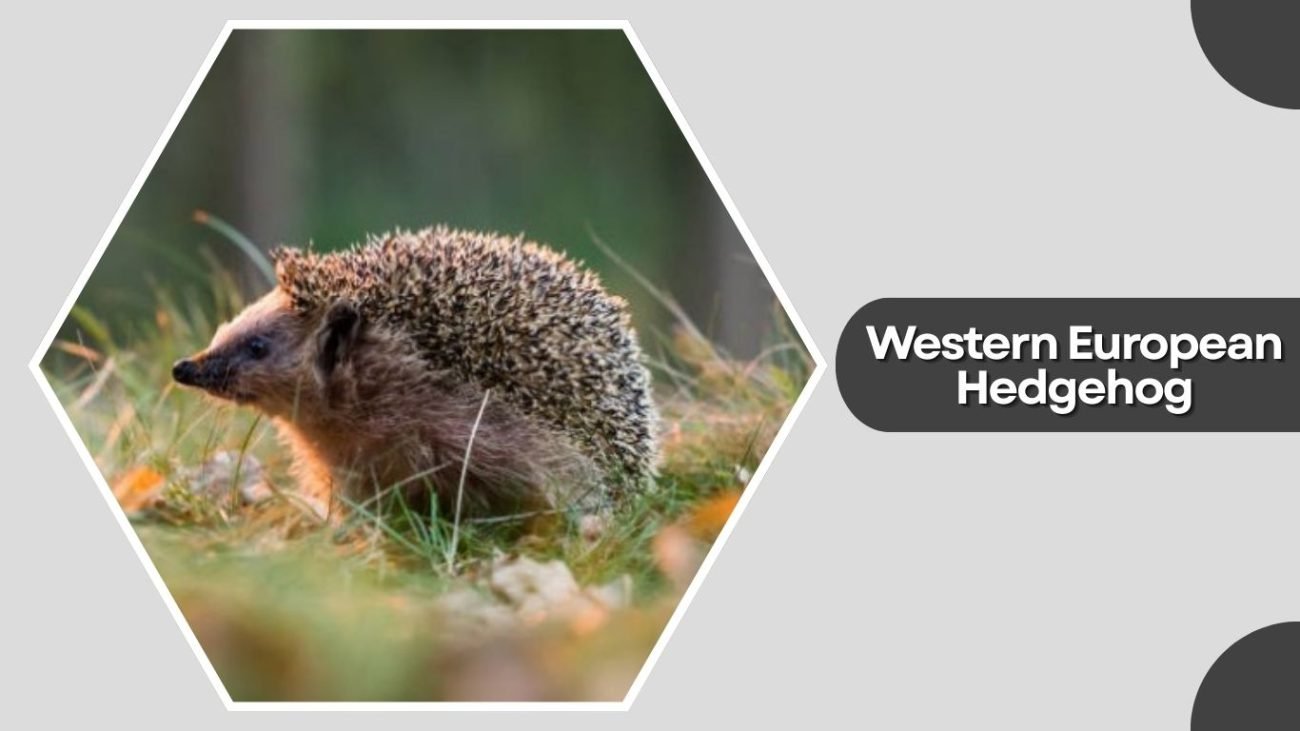
The Western European Hedgehog is a common species found across much of Western Europe, including the UK, France, and Germany. It is recognizable by its spiny coat and rounded body. This species is nocturnal and plays a crucial role in controlling garden pests such as insects and slugs.
Identification
- Rounded body covered with 5,000–7,000 spines
- Brown or gray spines with lighter tips
- Cream-colored underbelly
- Pointed snout with small, dark eyes
- Average length: 20–30 cm; weight: 400–1,200 grams
Habitat
Western European Hedgehogs inhabit woodlands, meadows, hedgerows, and gardens. They prefer areas with dense vegetation for nesting and protection. During the day, they rest in burrows, under leaves, or in hedges.
Behaviors
This species is nocturnal and solitary. When threatened, it curls into a tight spiny ball. Western European Hedgehogs forage for insects, worms, and other small invertebrates at night and communicate using snuffles, squeaks, and occasional hissing sounds.
Diet and Lifecycle
Their diet consists mainly of insects, slugs, worms, and occasionally fruits. They reach sexual maturity around one year of age. Lifespan typically ranges from 3–5 years in the wild, though individuals may live longer in protected environments.
14. Southern African Hedgehog
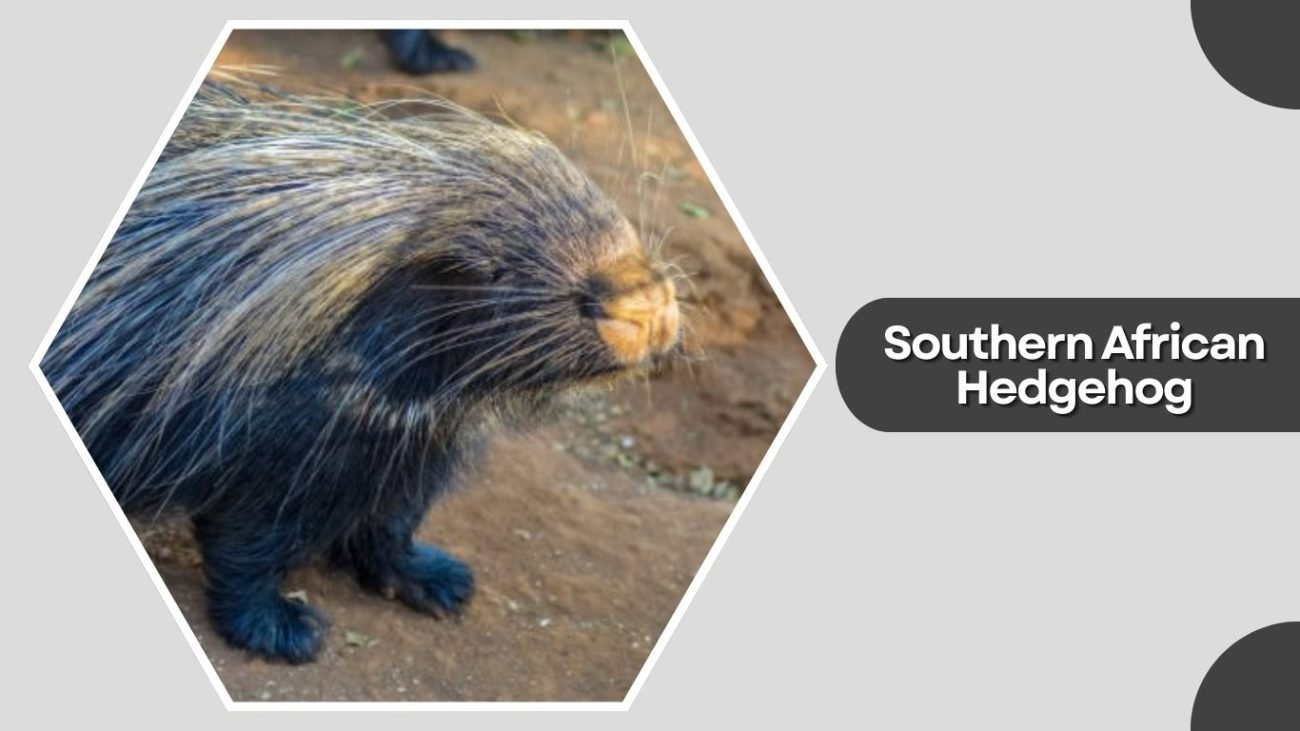
The Southern African Hedgehog is a small, spiny mammal native to southern Africa, including South Africa, Namibia, and Botswana. It is adapted to savannas, grasslands, and semi-arid regions. This species is nocturnal, solitary, and plays an important role in controlling insect populations.
Identification
- Rounded body covered with short, sharp spines
- Light brown or sandy dorsal spines
- Cream-colored underbelly
- Pointed snout with small, dark eyes
- Average length: 14–20 cm; weight: 250–500 grams
Habitat
Southern African Hedgehogs inhabit grasslands, savannas, and scrublands. They take shelter under rocks, bushes, or shallow burrows during the day to avoid predators and extreme temperatures.
Behaviors
This species is primarily nocturnal and solitary. When threatened, it curls into a spiny ball. Southern African Hedgehogs actively forage at night for insects, worms, and other small invertebrates, relying on their keen sense of smell.
Diet and Lifecycle
Their diet is mainly insectivorous, supplemented occasionally with fruits or small vertebrates. They reach sexual maturity at 6–8 months and live around 3–5 years in the wild, though captive individuals may live longer.
15. Somali Hedgehog
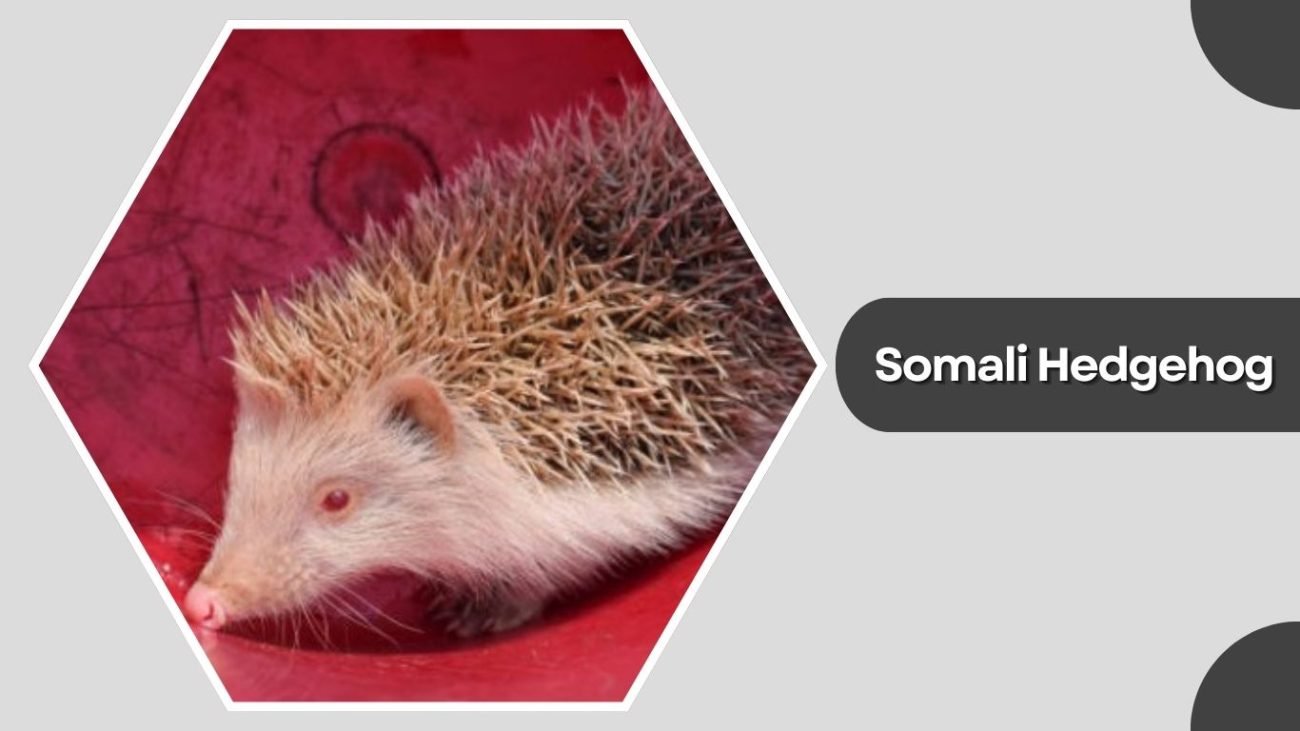
The Somali Hedgehog is a small, spiny species found in parts of East Africa, particularly Somalia and surrounding regions. It is adapted to arid and semi-arid habitats, with a sandy-colored spiny coat that provides camouflage. This nocturnal species plays a key role in controlling insect populations in its ecosystem.
Identification
- Rounded body with short, sharp spines
- Sandy-brown dorsal spines with lighter tips
- Cream-colored underbelly
- Pointed snout with small, dark eyes
- Average length: 14–18 cm; weight: 200–400 grams
Habitat
Somali Hedgehogs inhabit deserts, dry grasslands, and scrublands. They shelter in burrows, under rocks, or dense vegetation during the day to avoid predators and extreme heat.
Behaviors
This species is nocturnal and solitary. When threatened, it curls into a tight ball using its spines for protection. Somali Hedgehogs forage at night for insects, worms, and other invertebrates.
Diet and Lifecycle
They are primarily insectivorous, occasionally supplementing with fruits or small animals. They reach sexual maturity around 6–8 months and typically live 3–5 years in the wild, though captive care can extend their lifespan.
16. Moroccan Hedgehog
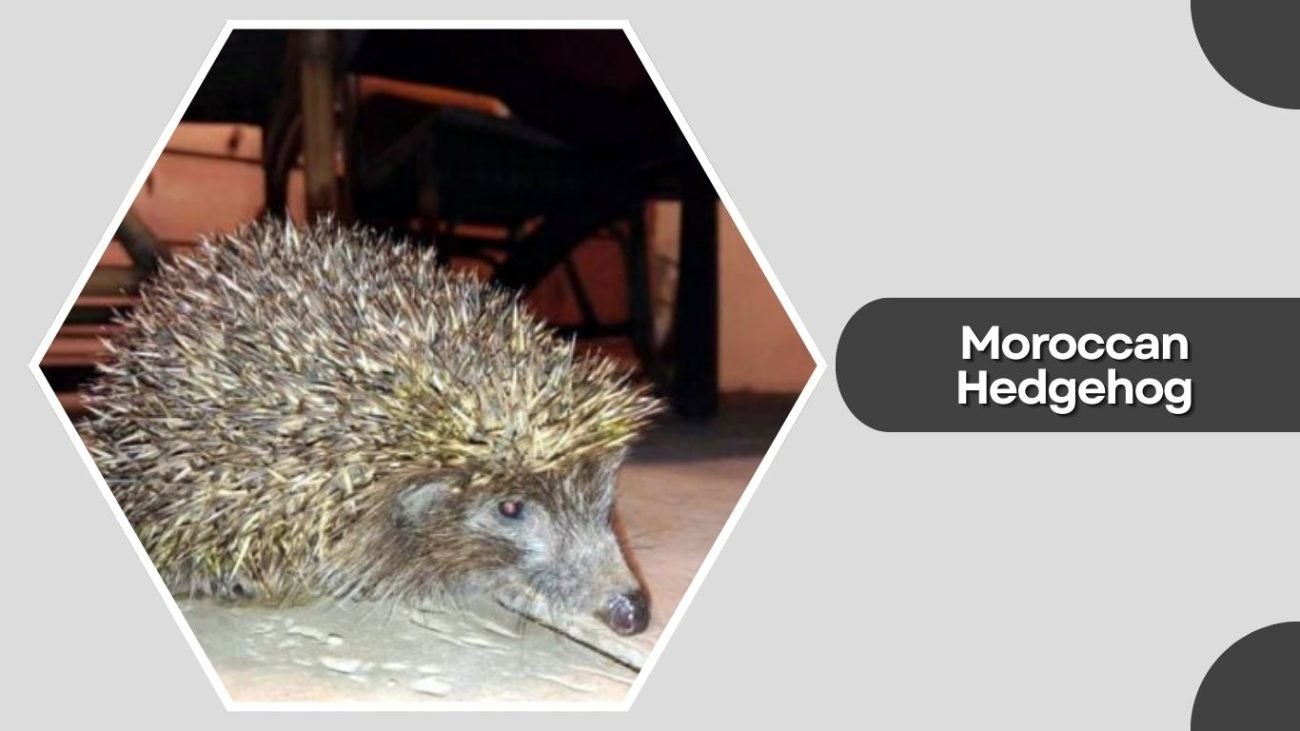
The Moroccan Hedgehog is a small species native to Morocco and surrounding North African regions. It is adapted to semi-arid habitats and scrublands, with a spiny coat that provides protection from predators. This nocturnal hedgehog is solitary and plays an important ecological role in controlling insect populations.
Identification
- Rounded body covered with short, sharp spines
- Light brown or sandy dorsal spines
- Cream-colored underbelly
- Pointed snout with small dark eyes
- Average length: 14–18 cm; weight: 200–400 grams
Habitat
Moroccan Hedgehogs inhabit deserts, scrublands, and semi-arid grasslands. They take shelter in burrows, under rocks, or dense vegetation to avoid predators and extreme daytime temperatures.
Behaviors
This species is nocturnal and solitary. When threatened, it curls into a tight spiny ball. Moroccan Hedgehogs forage at night for insects, worms, and other invertebrates, using their keen sense of smell to locate prey.
Diet and Lifecycle
Their diet is mainly insectivorous, occasionally supplemented with fruits or small invertebrates. They reach sexual maturity around 6–8 months and live approximately 3–5 years in the wild, with longer lifespans possible in captivity.
17. Central Asian Hedgehog
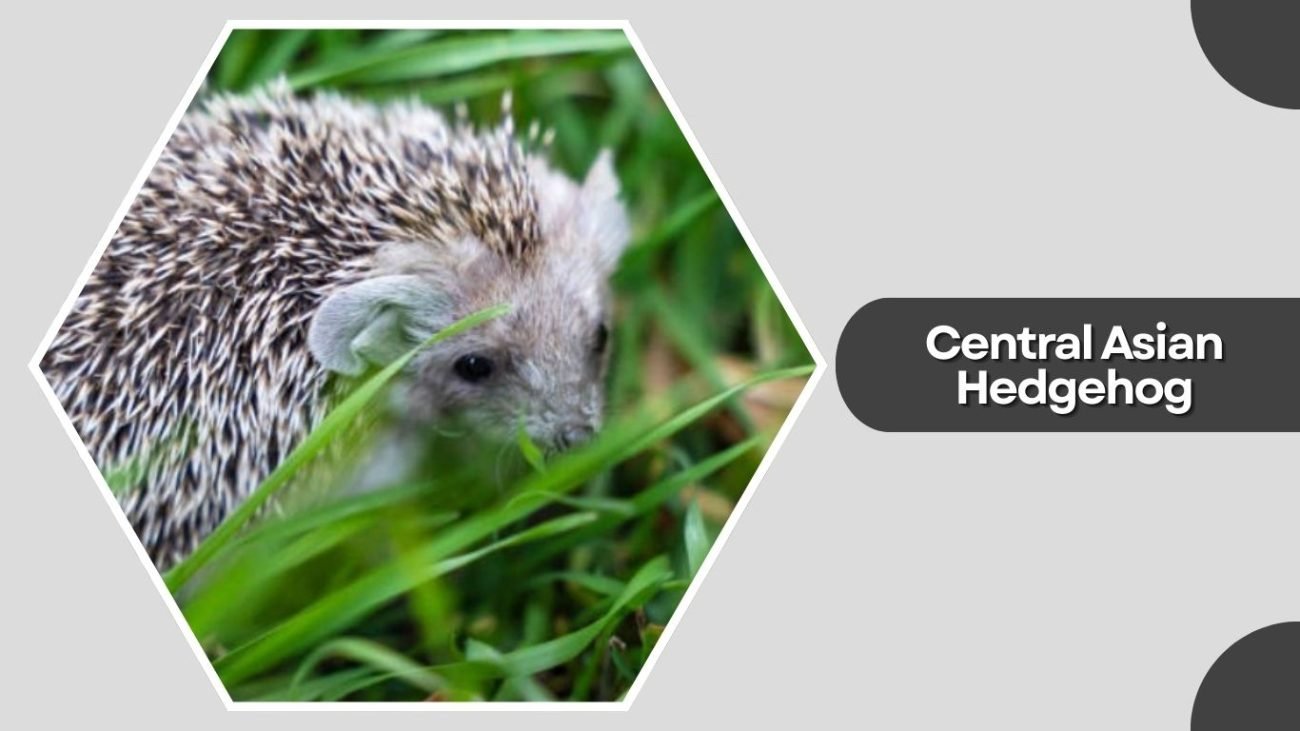
The Central Asian Hedgehog is a small spiny mammal native to Kazakhstan, Uzbekistan, and surrounding regions. It is adapted to steppes, semi-deserts, and grasslands, with a spiny coat that provides protection from predators. This species is nocturnal and plays an important role in controlling insect populations in its habitat.
Identification
- Rounded body covered with short, sharp spines
- Light brown to sandy dorsal spines
- Cream-colored underbelly
- Pointed snout with small dark eyes
- Average length: 14–20 cm; weight: 250–450 grams
Habitat
Central Asian Hedgehogs inhabit grasslands, steppes, and semi-arid regions. They shelter in burrows, under rocks, or dense vegetation to avoid predators and harsh daytime temperatures.
Behaviors
This species is nocturnal and solitary. When threatened, it curls into a tight ball. Central Asian Hedgehogs forage at night for insects, worms, and other small invertebrates, relying heavily on their keen sense of smell.
Diet and Lifecycle
They are primarily insectivorous, occasionally supplementing their diet with fruits or small vertebrates. They reach sexual maturity at 6–8 months and typically live 3–5 years in the wild.
18. Central European Hedgehog
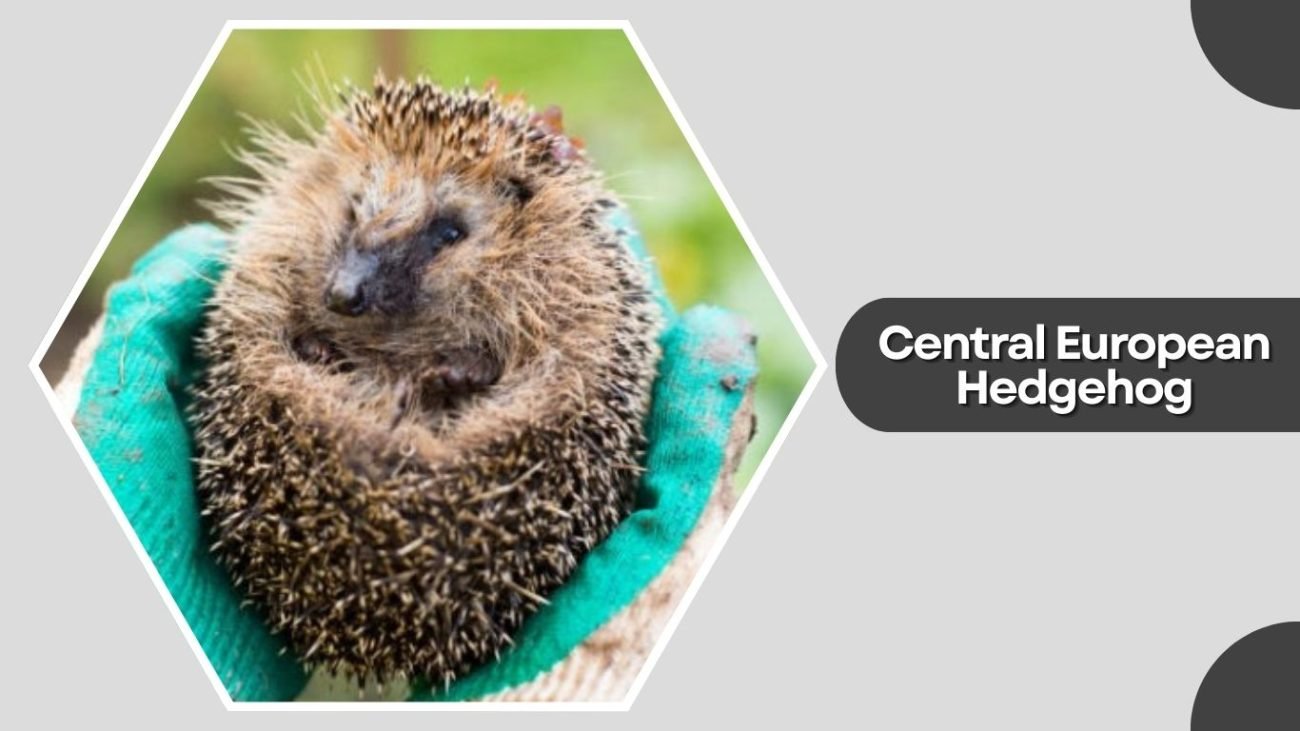
The Central European Hedgehog is a medium-sized species native to parts of Germany, Poland, and surrounding areas. It is recognized by its rounded body, dense spiny coat, and cream-colored underbelly. This species is nocturnal, solitary, and plays a key role in controlling garden pests and insects.
Identification
- Rounded body covered with 5,000–7,000 spines
- Brown or gray dorsal spines with lighter tips
- Cream-colored underbelly
- Pointed snout with small dark eyes
- Average length: 20–25 cm; weight: 400–900 grams
Habitat
Central European Hedgehogs inhabit forests, grasslands, farmlands, and urban gardens. They prefer dense vegetation for shelter and nesting. During the day, they rest in leaf litter, hedgerows, or burrows to avoid predators.
Behaviors
This species is nocturnal and solitary. When threatened, it curls into a tight spiny ball. It forages for insects, worms, and other small invertebrates at night and communicates through snuffles, squeaks, and occasional hissing.
Diet and Lifecycle
Their diet consists mainly of insects, slugs, worms, and occasionally fruits. They reach sexual maturity around one year and live 3–5 years in the wild, though protected individuals may live longer.
19. Northern African Hedgehog
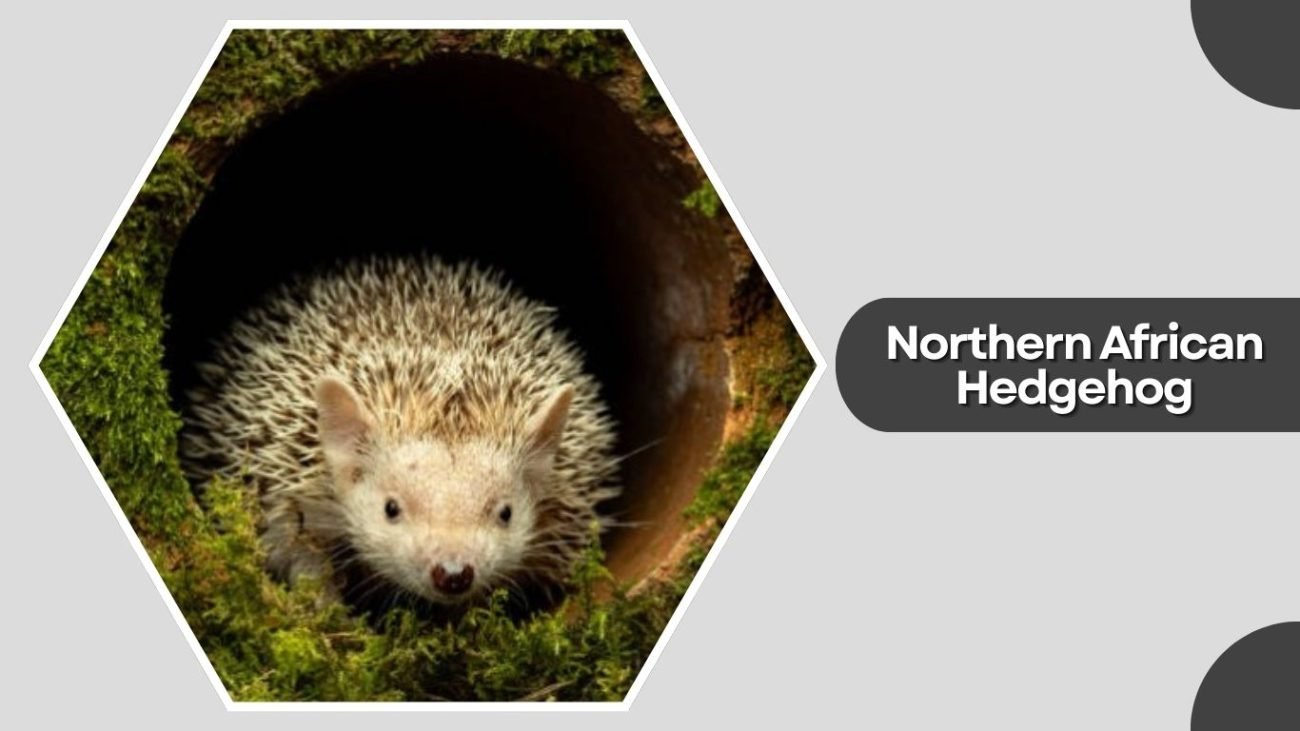
The Northern African Hedgehog is a small species found across North Africa, including Tunisia, Libya, and Egypt. It is adapted to semi-arid and arid environments, with a spiny coat that provides protection from predators. This nocturnal hedgehog is solitary and plays an important role in controlling insect populations.
Identification
- Rounded body covered with short, sharp spines
- Light brown to sandy dorsal spines
- Cream-colored underbelly
- Pointed snout with small dark eyes
- Average length: 14–18 cm; weight: 200–400 grams
Habitat
Northern African Hedgehogs inhabit deserts, scrublands, and semi-arid grasslands. They take shelter in burrows, under rocks, or dense vegetation to avoid predators and extreme daytime temperatures.
Behaviors
This species is nocturnal and solitary. When threatened, it curls into a tight ball. Northern African Hedgehogs forage at night for insects, worms, and other small invertebrates, using their keen sense of smell to locate food.
Diet and Lifecycle
Their diet is mainly insectivorous, occasionally supplemented with fruits or small invertebrates. They reach sexual maturity around 6–8 months and live approximately 3–5 years in the wild, with longer lifespans possible in captivity.
FAQs
What is the most common hedgehog kept as a pet?
The African Pygmy Hedgehog is the most common pet hedgehog due to its small size, friendly temperament, and adaptability to indoor environments. It requires proper care, including a warm habitat and regular handling.
Are hedgehogs nocturnal?
Yes, all hedgehog species are primarily nocturnal. They are most active at night, foraging for insects, worms, and small invertebrates while resting or hiding during the day.
Can different hedgehog species live together?
Hedgehogs are naturally solitary animals. Housing different species together is not recommended, as it can lead to stress, aggression, and injury. Each hedgehog should have its own enclosure.
What do hedgehogs eat?
Hedgehogs are mainly insectivores, feeding on insects, worms, larvae, and small invertebrates. Some species may occasionally eat fruits, berries, or small vertebrates. Captive hedgehogs can also eat specially formulated hedgehog food.
How long do hedgehogs live?
Most hedgehog species live 3–5 years in the wild. Pet hedgehogs, like African Pygmy Hedgehogs, can live up to 6–8 years with proper care, diet, and a safe, controlled environment.


