










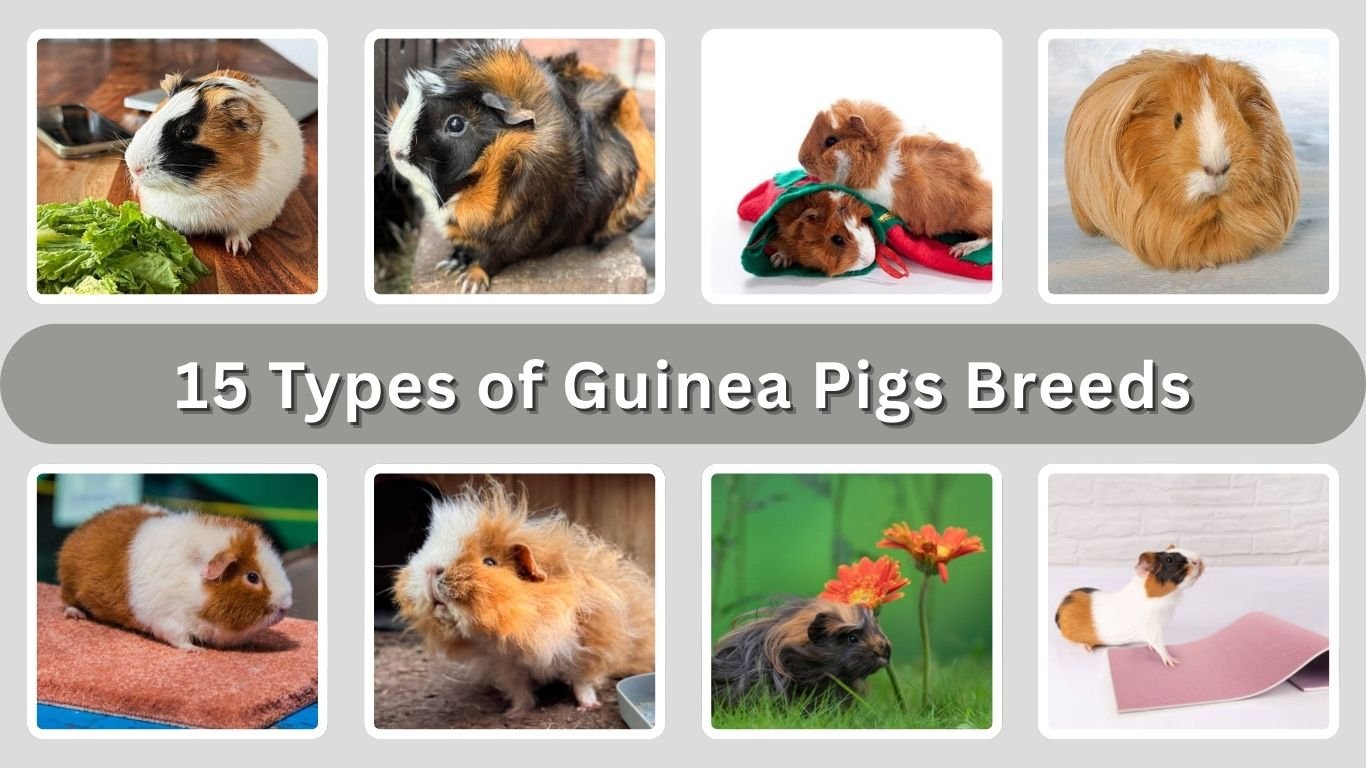
Guinea pigs are popular, gentle pets known for their friendly nature and charming personalities. With a wide variety of breeds, each has unique features, from smooth coats to long flowing hair or even hairless skin. Understanding the different types helps owners choose the right companion based on temperament, grooming needs, and lifestyle. This guide covers 15 notable guinea pig breeds, highlighting their key traits, care requirements, and distinctive appearances, making it easier to select and care for these delightful rodents.
1. American Guinea Pig
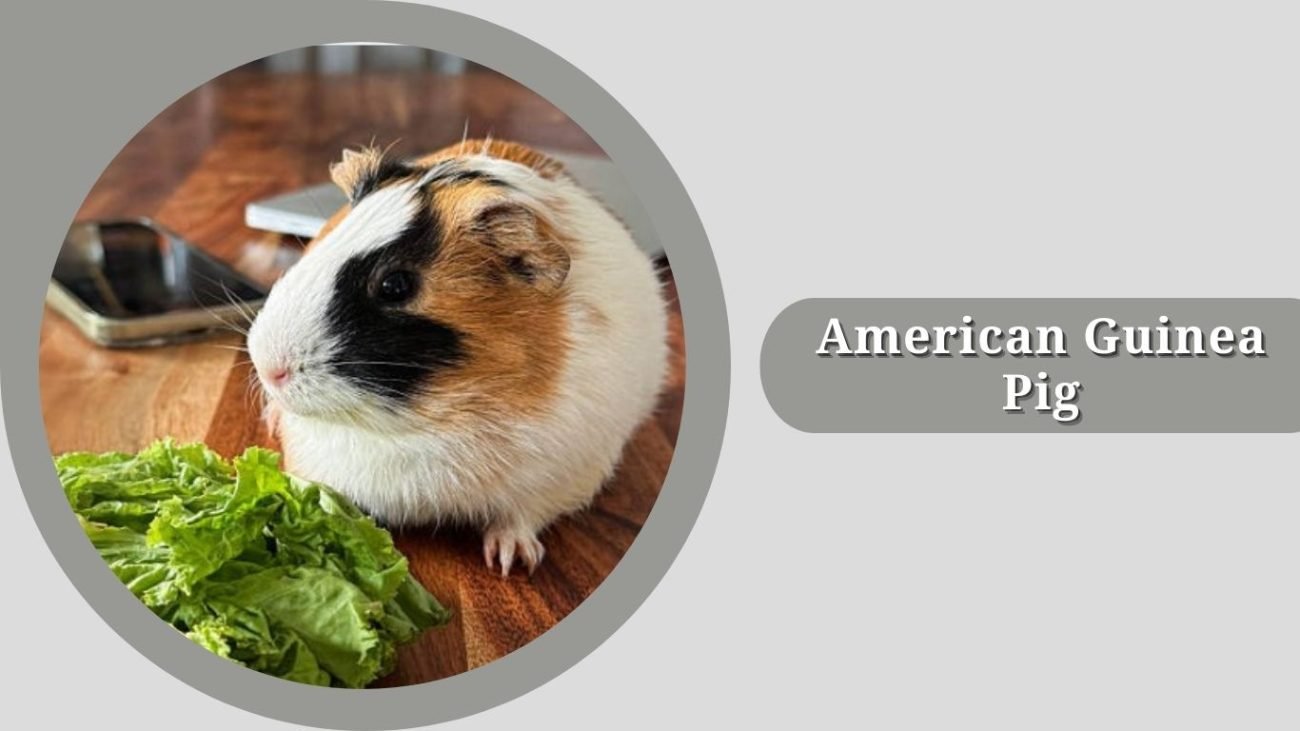
The American guinea pig is the most common and widely recognized guinea pig breed in the world. It is especially popular as a family pet because of its smooth, short coat, gentle temperament, and easy care needs. This breed adapts well to indoor living, handles human interaction calmly, and is often recommended for beginners who are keeping guinea pigs for the first time.
Identification
- Short, smooth, and glossy coat lying flat against the body
- Rounded head with a blunt nose and medium-sized ears
- Compact, sturdy body shape
- Comes in many colors and patterns, including solid, agouti, and bi-color
- Average adult length of about 8–10 inches and weight of 700–1200 grams
Habitat
American guinea pigs naturally originate from South America, but today they are fully domesticated and live comfortably in human homes. They thrive in spacious cages with solid flooring, soft bedding, good ventilation, and protection from direct sunlight and cold drafts. A quiet environment, regular cage cleaning, and daily exercise time outside the enclosure are important for their physical and mental well-being.
Behaviors
This breed is known for being calm, friendly, and social. American guinea pigs enjoy gentle handling and often form strong bonds with their owners. They communicate using soft squeaks, purring sounds, and body movements. When happy, they may “popcorn,” jumping slightly into the air. They are active mainly during early morning and evening hours.
Diet and Lifecycle
American guinea pigs are strict herbivores. Their diet should consist mainly of high-quality grass hay, fresh vegetables like bell peppers and leafy greens, and a small amount of vitamin C-fortified pellets. Fresh water must always be available. They typically live 5 to 7 years, reaching maturity within a few months and remaining active throughout most of their lifespan.
2. Abyssinian Guinea Pig
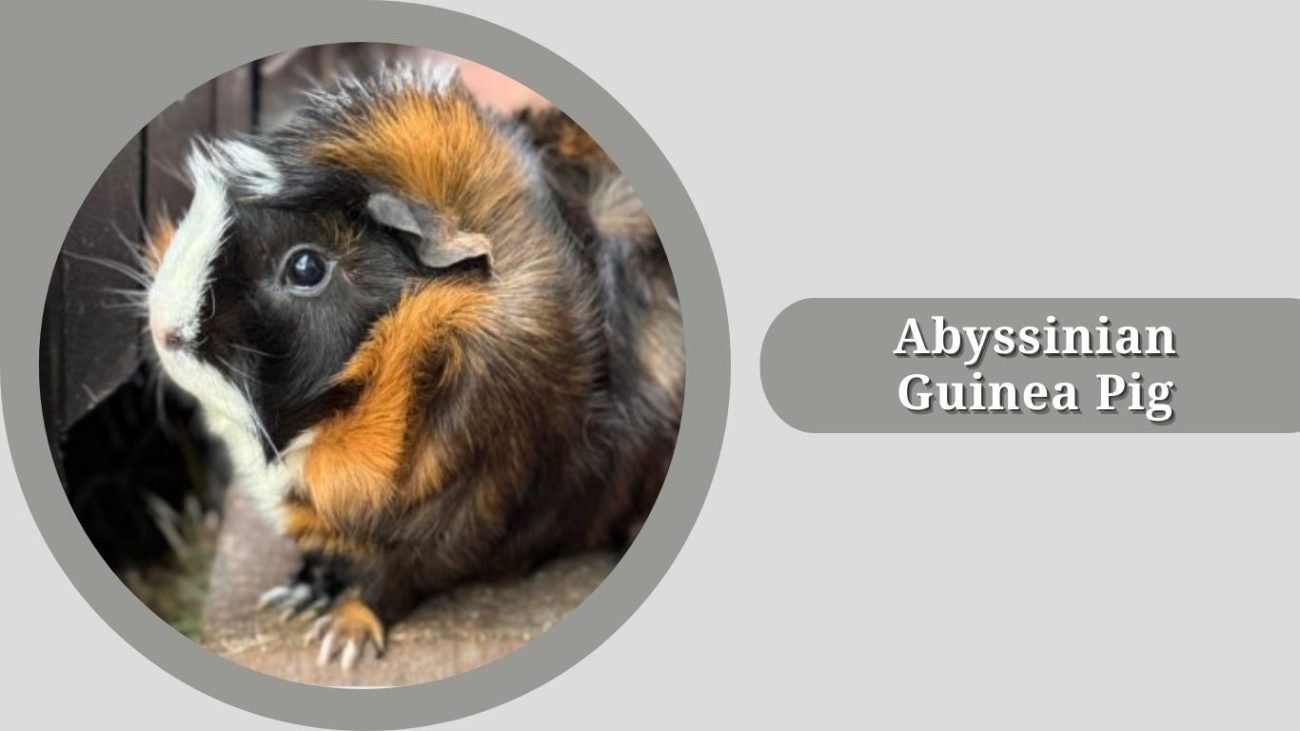
The Abyssinian guinea pig is one of the oldest and most visually distinctive guinea pig breeds. It is best known for its rough, swirled coat made up of multiple natural rosettes that give the fur a spiky, textured appearance. This breed is lively, curious, and full of personality, making it a favorite among guinea pig enthusiasts who enjoy interactive and energetic pets.
Identification
- Short coat with 6–10 natural rosettes forming whorls across the body
- Rough, upright, and tousled fur texture
- Broad head with bright, alert eyes
- Sturdy, well-rounded body shape
- Found in many color combinations, including brindle, roan, and solid shades
Habitat
Abyssinian guinea pigs need a clean, spacious enclosure that allows room to explore and play. Because of their active nature, they benefit from tunnels, hideouts, and chew toys. Soft, absorbent bedding, steady room temperatures, and good airflow are important. Regular cage maintenance helps keep their unique coat and skin healthy.
Behaviors
This breed is more energetic and expressive than many smooth-coated guinea pigs. Abyssinians are curious, playful, and often approach the front of the cage to greet their owners. They enjoy social interaction, both with humans and other guinea pigs. Vocal communication, popcorn jumps, and playful chasing are common behaviors.
Diet and Lifecycle
Their dietary needs are the same as other guinea pigs: unlimited grass hay, daily fresh vegetables rich in vitamin C, and a controlled amount of quality pellets. Clean water must always be available. Abyssinian guinea pigs usually live between 5 and 7 years, growing quickly in the first months and remaining active well into adulthood.
3. Peruvian Guinea Pig

The Peruvian guinea pig is a long-haired breed famous for its silky, flowing coat that can grow extremely long, sometimes touching the ground. Because of its elegant appearance, this breed is popular in shows and with owners who enjoy grooming. While gentle and sweet-natured, Peruvian guinea pigs require more care than short-haired breeds due to their fast-growing hair.
Identification
- Very long, straight, and silky coat that grows continuously
- Hair parts naturally down the middle of the back
- Narrow head with long facial hair flowing forward
- Slender but sturdy body structure
- Found in a wide range of colors and patterns
Habitat
Peruvian guinea pigs do best in clean, dry enclosures with soft bedding that will not tangle their hair. Many owners keep the coat trimmed to prevent matting. The cage should be spacious, draft-free, and placed away from direct sunlight. Regular grooming areas and frequent cleaning are important to maintain hygiene.
Behaviors
This breed is typically calm, gentle, and slightly less active than short-haired guinea pigs. Peruvians enjoy quiet interaction and gentle handling. They can be shy at first but often become affectionate with consistent care. Like other guinea pigs, they communicate through squeaks, chirps, and body language.
Diet and Lifecycle
Peruvian guinea pigs need unlimited grass hay, daily fresh vegetables high in vitamin C, and fortified pellets. Long hair makes it especially important to keep food clean and fresh. With proper care, they usually live 5 to 7 years, reaching adulthood within a few months and continuing to grow hair throughout life.
4. Silkie (Sheltie) Guinea Pig
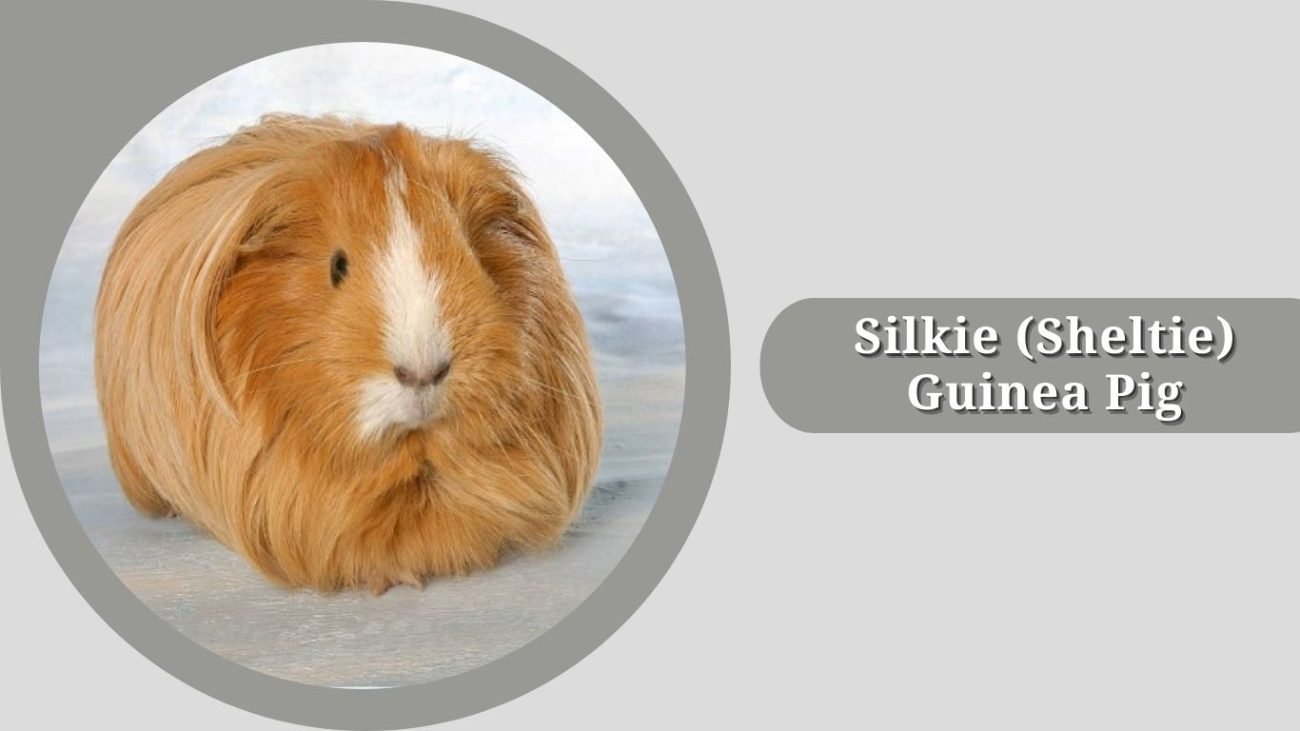
The Silkie guinea pig, also known as the Sheltie, is a long-haired breed admired for its smooth, glossy coat that flows backward from the head. Unlike the Peruvian, the Silkie’s hair does not fall forward over the face, giving it a clean, swept-back appearance. This breed is gentle, calm, and popular among pet owners who enjoy both beauty and a friendly temperament.
Identification
- Long, straight, and silky coat flowing backward from the head
- No facial fringe; eyes and face remain clearly visible
- Rounded head with soft features
- Well-proportioned, sturdy body
- Available in many solid colors and mixed patterns
Habitat
Silkie guinea pigs need spacious, clean enclosures with soft bedding to prevent hair damage. Because their coat grows continuously, regular grooming and trimming are recommended. The habitat should be kept dry, well-ventilated, and away from direct heat or cold drafts. Hideouts and open floor space help support both comfort and movement.
Behaviors
This breed is known for being gentle, relaxed, and friendly. Silkies usually tolerate handling well and enjoy calm interaction with their owners. They are social animals and do best when kept with another guinea pig. Soft vocalizations, relaxed stretching, and light popcorn jumps are common signs of contentment.
Diet and Lifecycle
A Silkie guinea pig’s diet should include unlimited grass hay, fresh vegetables rich in vitamin C, and a small portion of quality pellets. Fresh water must always be available. With good care and regular grooming, they typically live between 5 and 7 years and remain calm, affectionate companions throughout their lives.
5. Teddy Guinea Pig
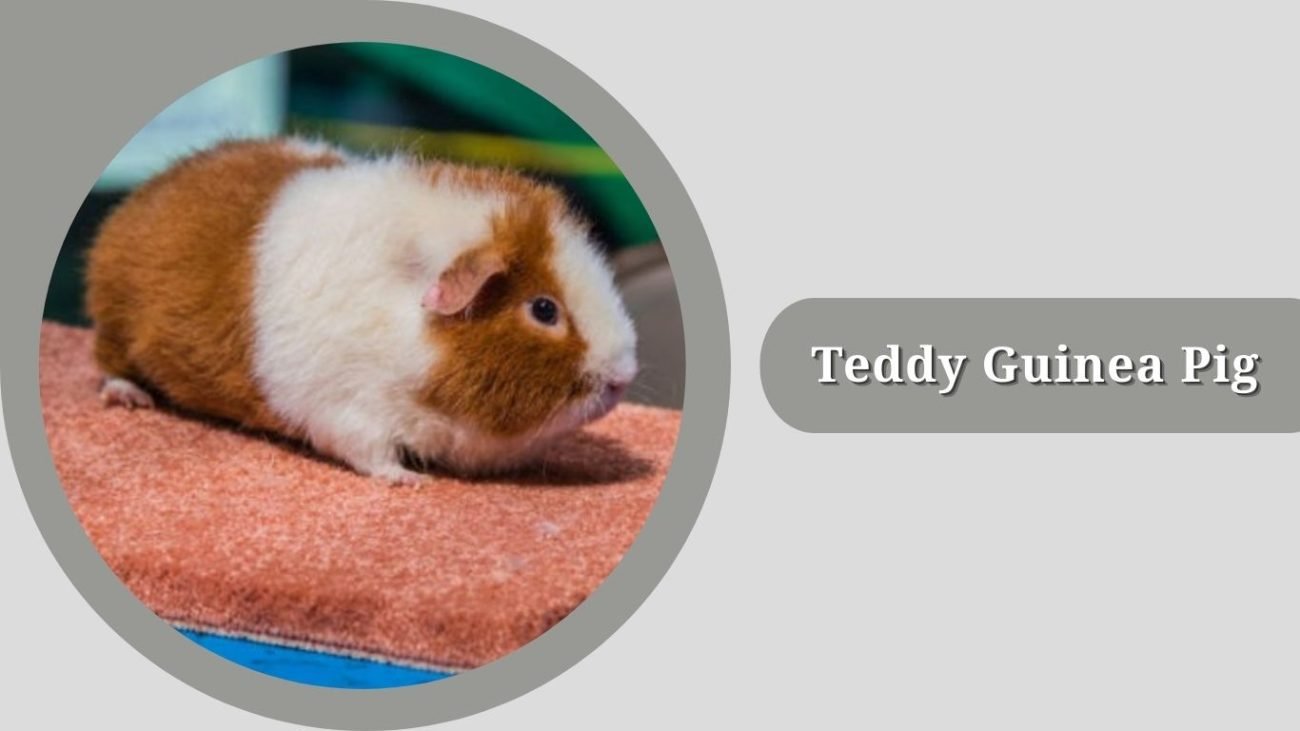
The Teddy guinea pig is a short-haired breed recognized for its dense, soft, and slightly wiry coat that stands upright, giving it a plush, “teddy bear” appearance. This breed is popular with families because it combines a unique look with a friendly, confident personality. Teddy guinea pigs are generally hardy, adaptable, and well suited for both beginners and experienced owners.
Identification
- Short, thick, and springy coat that stands away from the body
- Rounded head with a short nose and full cheeks
- Compact, muscular body shape
- Fur feels coarse but plush to the touch
- Found in many colors, including solid, agouti, and mixed patterns
Habitat
Teddy guinea pigs do well in roomy cages with solid floors, soft bedding, and good airflow. Their dense coat benefits from a clean, dry environment to prevent skin irritation. The habitat should include hiding areas, chew toys, and enough open space for daily activity. Regular cleaning helps maintain coat and skin health.
Behaviors
This breed is known for being outgoing, curious, and people-friendly. Teddy guinea pigs often greet their owners, explore new objects, and enjoy gentle handling. They are social animals and thrive when kept in pairs or small groups. Playful movements, vocal squeaks, and relaxed postures are common behaviors.
Diet and Lifecycle
Teddy guinea pigs require unlimited grass hay, fresh vegetables high in vitamin C, and a measured amount of fortified pellets. Fresh water must always be available. With proper nutrition and care, they usually live 5 to 7 years, growing quickly in youth and maintaining an active, friendly nature into adulthood.
6. Texel Guinea Pig
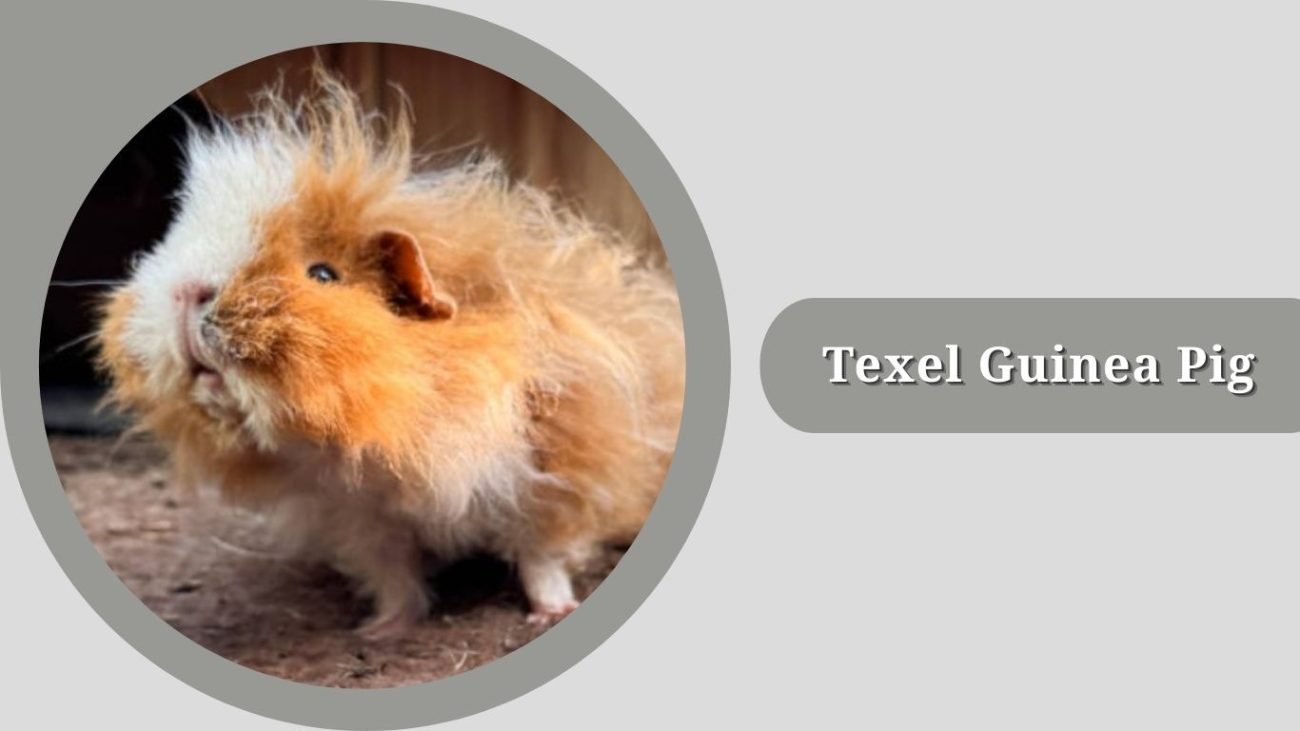
The Texel guinea pig is a distinctive long-haired breed known for its tight, springy curls that cover the entire body. Its thick, wool-like coat gives it a unique, fluffy appearance that stands out among guinea pig breeds. Texels are generally gentle, calm, and affectionate, but because of their heavy curls, they require regular grooming and attentive care.
Identification
- Long, dense, and tightly curled coat
- Soft, woolly fur texture
- Rounded head with short ears
- Compact, well-built body
- Comes in many color variations and patterns
Habitat
Texel guinea pigs need a very clean, dry living space to prevent their curls from trapping dirt and moisture. Soft, dust-free bedding and good ventilation are essential. Their enclosure should be spacious and free from sharp edges that could tangle fur. Regular cage cleaning and designated grooming time help keep their coat healthy.
Behaviors
Texels are typically calm, friendly, and social. They enjoy gentle handling and quiet interaction, making them suitable for relaxed home environments. Like other guinea pigs, they communicate with squeaks and purrs and may show happiness through light popcorn jumps and curious exploration.
Diet and Lifecycle
Their diet should include unlimited grass hay, vitamin C–rich vegetables, and high-quality guinea pig pellets. Clean, fresh water must always be available. With proper grooming and nutrition, Texel guinea pigs usually live between 5 and 7 years, remaining affectionate companions throughout their lives.
7. Coronet Guinea Pig
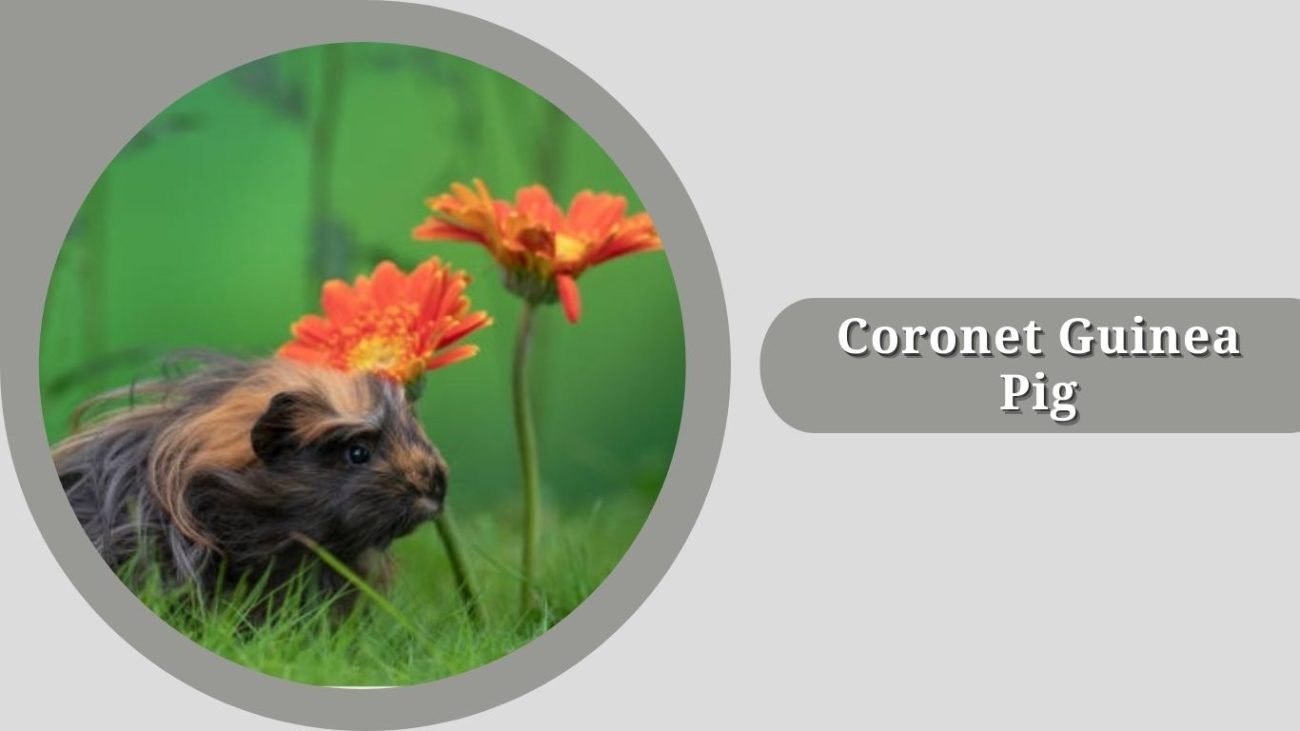
The Coronet guinea pig is a long-haired breed closely related to the Silkie, distinguished by a single rosette (crest) on the top of its head. Its long, smooth coat flows backward from the crown, creating an elegant, crowned appearance. Coronets are gentle, affectionate, and popular among owners who appreciate both beauty and a calm temperament.
Identification
- Long, straight coat flowing backward from the body
- Single rosette (crest) centered on the forehead
- Smooth, silky fur texture
- Rounded head and well-proportioned body
- Available in many solid colors and mixed patterns
Habitat
Coronet guinea pigs require spacious, clean enclosures with soft, dry bedding to protect their long hair. Regular grooming and trimming are important to prevent tangles and mats. Their habitat should be draft-free, well-ventilated, and include hiding areas along with open space for gentle exercise.
Behaviors
This breed is generally calm, friendly, and people-oriented. Coronets often enjoy being gently handled and may become very attached to their owners. They are social animals and thrive best when housed with another guinea pig. Quiet squeaks, relaxed stretching, and slow exploration are common behaviors.
Diet and Lifecycle
Coronet guinea pigs need unlimited hay, daily vegetables rich in vitamin C, and a controlled portion of quality pellets. Fresh water should always be available. With good care and grooming, they typically live 5 to 7 years and remain gentle, affectionate pets throughout their lifespan.
8. Baldwin Guinea Pig
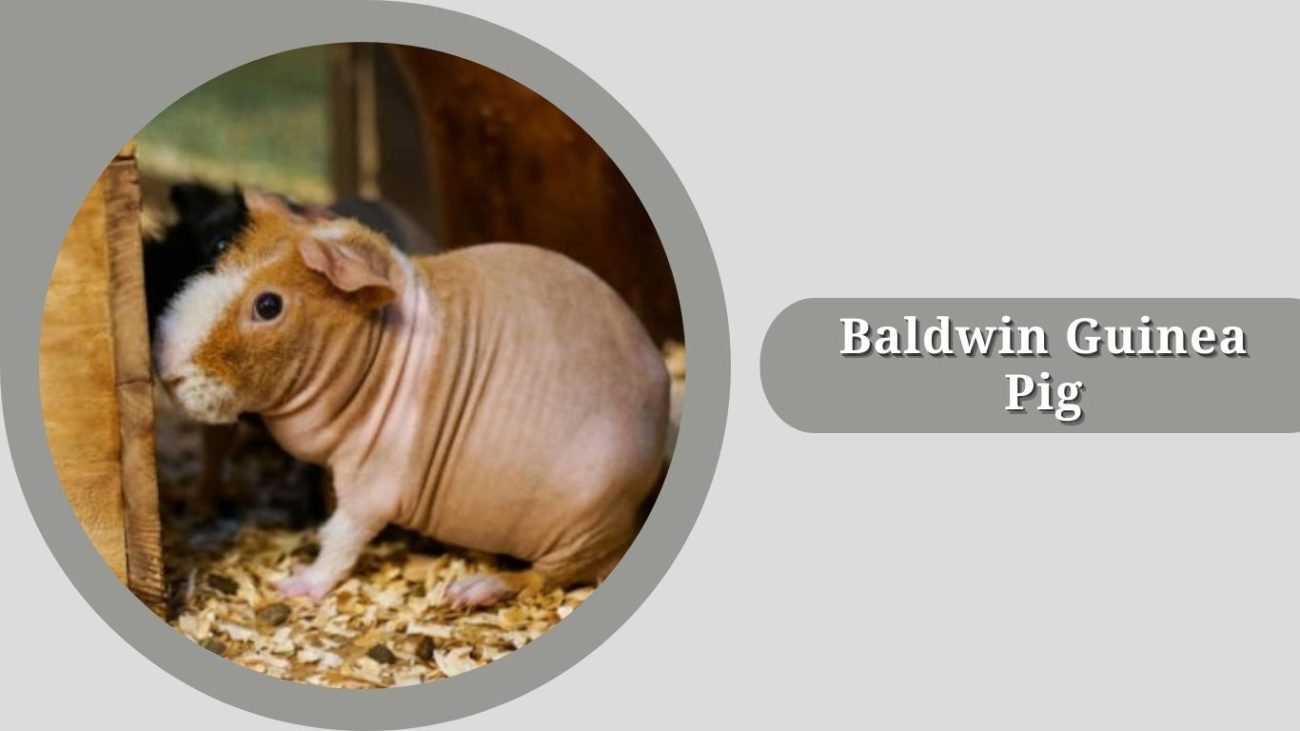
The Baldwin guinea pig is a rare, hairless breed that is born with a thin coat but gradually loses all of its hair within the first few weeks of life. This leaves it completely smooth-skinned, with soft folds and wrinkles. Baldwins are friendly, active, and curious, but because they lack fur, they require extra warmth and careful skin care.
Identification
- Completely hairless body after early development
- Smooth, soft skin with visible wrinkles, especially around the neck and legs
- Long body with a narrow head
- Large, drooping ears
- Skin may appear in different shades and patterns
Habitat
Baldwin guinea pigs need warm, draft-free enclosures since they cannot regulate body temperature well. Soft fleece or thick bedding helps protect their sensitive skin. Their habitat should be kept very clean to prevent irritation. Many owners provide cozy hideouts and safe heat sources in cooler environments.
Behaviors
This breed is usually energetic, friendly, and social. Baldwins often seek warmth and enjoy cuddling with cage mates or resting in covered shelters. They are curious and interactive, frequently approaching people and exploring new surroundings. Like all guinea pigs, they communicate through vocal sounds and body movements.
Diet and Lifecycle
Because they burn more energy to stay warm, Baldwin guinea pigs often eat more than furry breeds. Their diet should include unlimited hay, fresh vegetables high in vitamin C, and quality pellets. With proper care, they typically live 5 to 7 years, developing quickly and remaining active throughout adulthood.
9. Skinny Pig
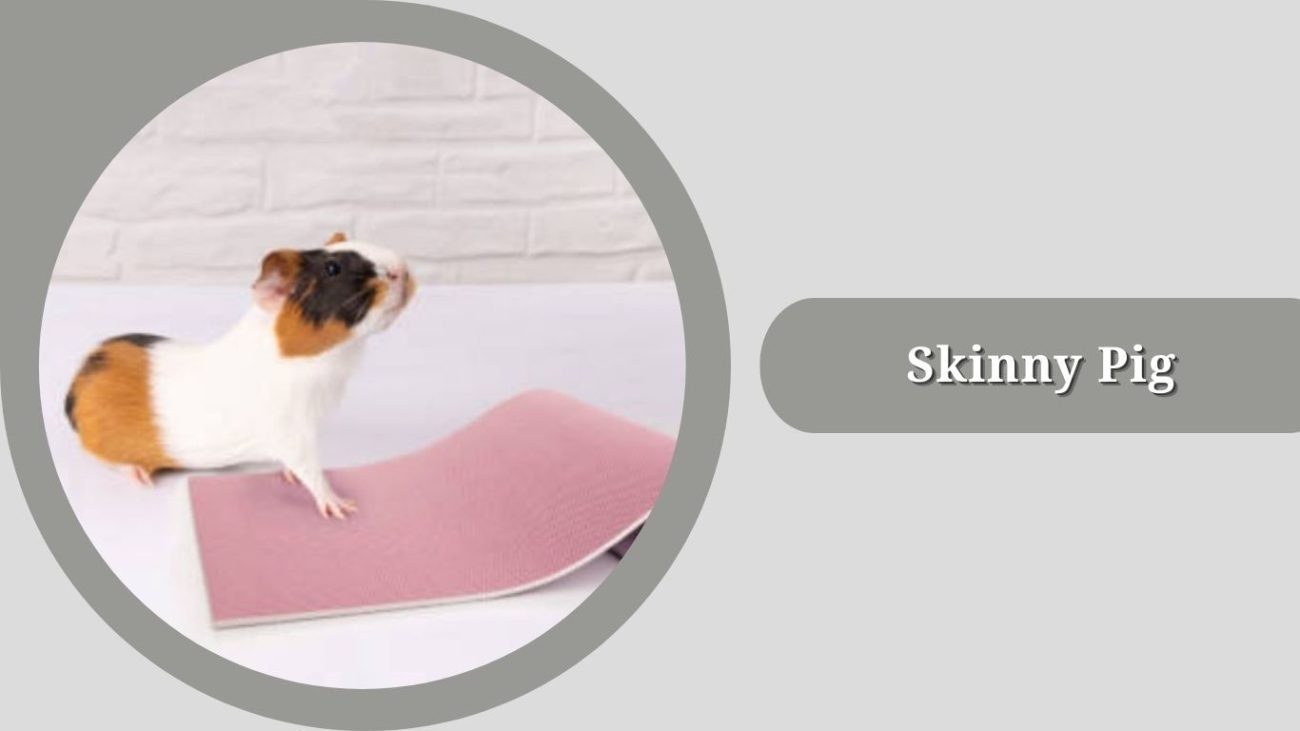
The Skinny Pig is another well-known hairless guinea pig breed, but unlike the Baldwin, it usually retains small patches of hair on the nose, feet, and sometimes the legs. Its smooth, warm skin and expressive wrinkles give it a unique appearance. Skinny pigs are affectionate, social, and popular with owners who want an unusual but friendly pet.
Identification
- Mostly hairless body with small tufts of hair on the nose, feet, or legs
- Soft, warm skin with visible folds and wrinkles
- Slender body with long legs
- Large, floppy ears
- Skin color and patterns can vary widely
Habitat
Skinny pigs need warm, clean, and draft-free housing because they lose body heat quickly. Soft fleece bedding is ideal to protect their delicate skin. Their enclosure should be kept dry and hygienic, and extra shelters or cozy pads help them stay comfortable, especially in cooler rooms.
Behaviors
This breed is known for being very social, curious, and people-oriented. Skinny pigs often seek attention and warmth from their owners. They are active explorers and enjoy gentle handling. Vocal sounds, stretching out to rest, and playful movements are common behaviors.
Diet and Lifecycle
Skinny pigs usually eat more than furred guinea pigs due to higher energy needs. Their diet should include unlimited hay, vitamin C–rich vegetables, and high-quality pellets. Fresh water must always be available. With good care, they generally live between 5 and 7 years and maintain a lively, affectionate personality.
10. White Crested Guinea Pig
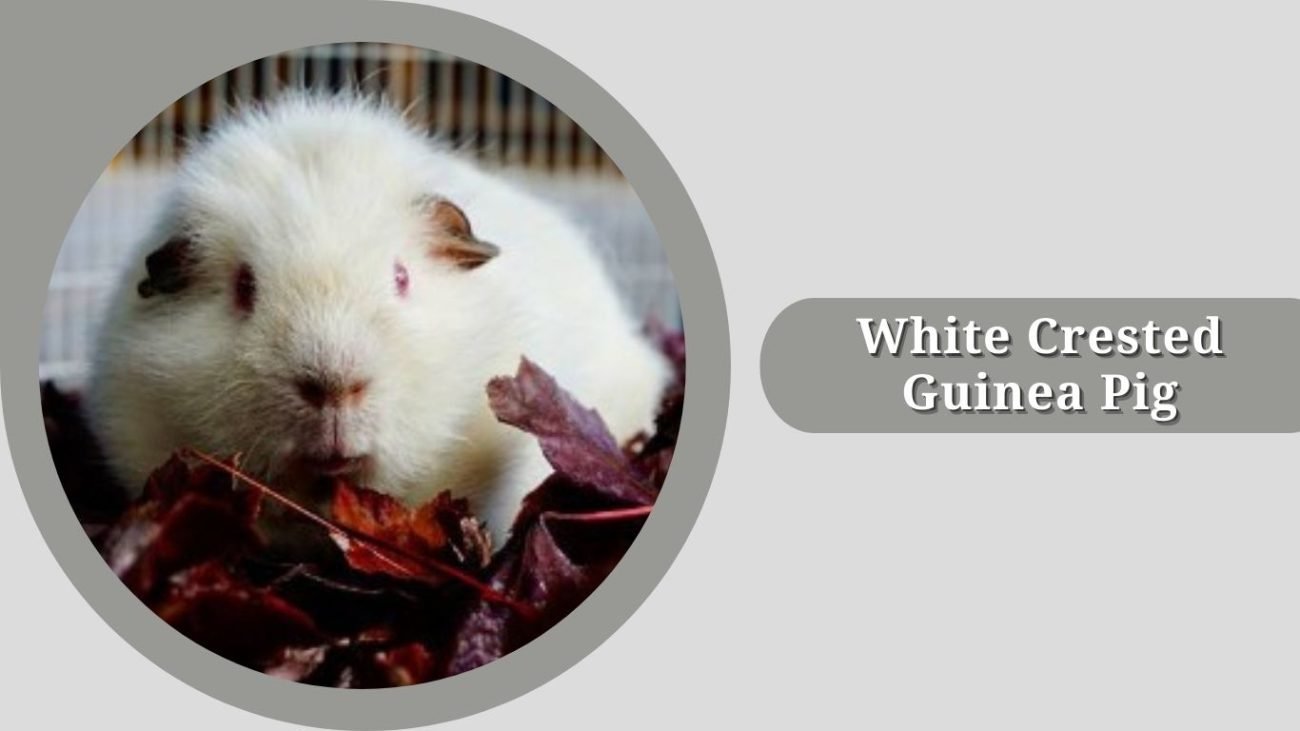
The White Crested guinea pig is a smooth-coated breed known for the single, bright white rosette on the top of its head, which stands out clearly against the rest of its coat. This neat “crown” gives the breed a distinctive, polished look. White Crested guinea pigs are friendly, calm, and well suited for families and first-time owners.
Identification
- Short, smooth coat lying flat against the body
- One clearly defined white crest centered on the head
- Rounded face with bright, alert eyes
- Compact, well-balanced body
- Body color can vary, but the crest is always white
Habitat
White Crested guinea pigs thrive in clean, spacious cages with solid floors and soft bedding. Their enclosure should be kept dry, well-ventilated, and protected from temperature extremes. Providing hideouts, chew toys, and open space for movement supports both comfort and mental stimulation.
Behaviors
This breed is gentle, social, and people-friendly. White Crested guinea pigs often enjoy being handled carefully and will approach their owners for food or attention. They communicate with soft squeaks and purrs and may display playful “popcorning” when excited or happy.
Diet and Lifecycle
Their diet should consist of unlimited grass hay, fresh vegetables rich in vitamin C, and a controlled portion of quality pellets. Fresh water must always be available. With proper care, White Crested guinea pigs usually live 5 to 7 years and remain calm, affectionate companions throughout their lives.
11. English Crested Guinea Pig
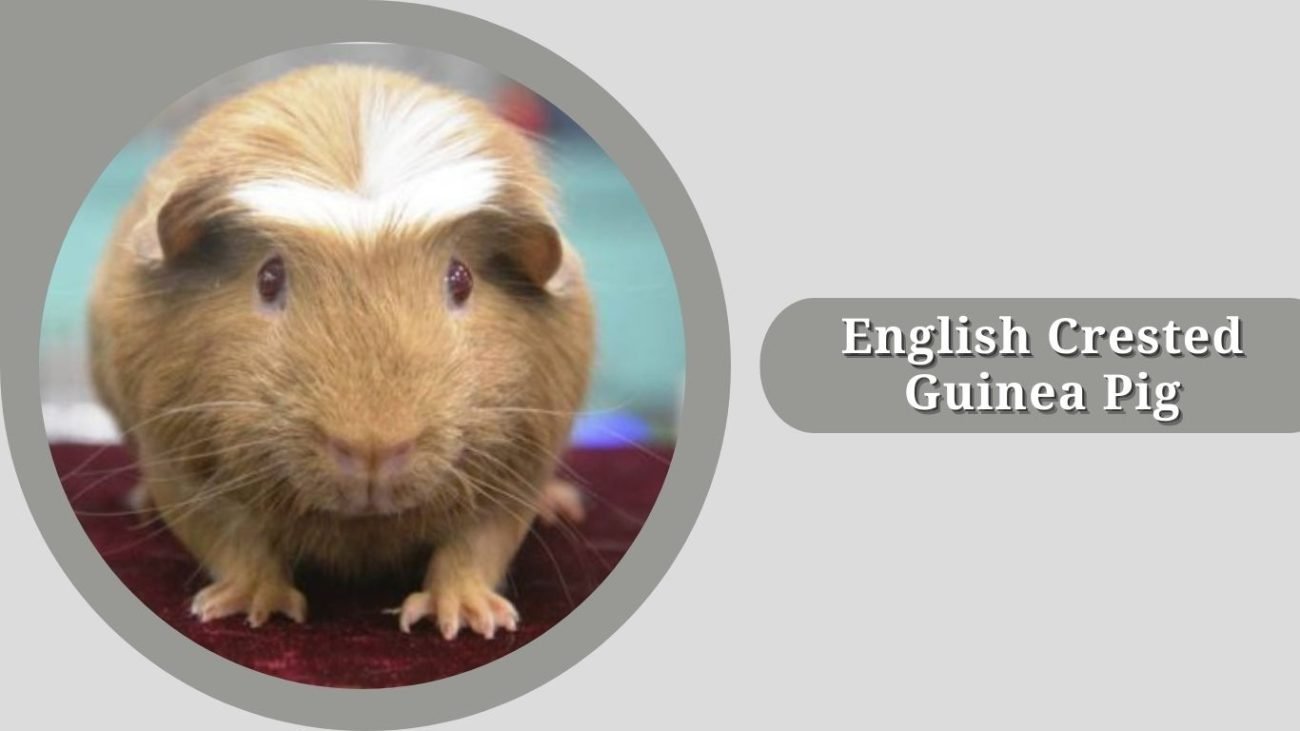
The English Crested guinea pig is a smooth-coated breed similar to the White Crested, but its single rosette (crest) can be any color and is typically positioned on the forehead. Known for its neat appearance and easy-to-care-for coat, this breed is gentle, calm, and ideal for families or first-time guinea pig owners.
Identification
- Short, smooth coat lying flat against the body
- Single colored crest on the forehead
- Rounded head with bright, expressive eyes
- Sturdy, compact body
- Coat colors vary widely, but the crest is distinct
Habitat
English Crested guinea pigs do well in clean, spacious cages with solid flooring and soft bedding. Their environment should be dry, well-ventilated, and free from drafts. Hideouts, toys, and space to move around help support their physical and mental well-being.
Behaviors
This breed is friendly, social, and enjoys gentle handling. English Cresteds are curious but calm, often approaching owners for attention or food. They communicate using soft squeaks and may perform light “popcorn” jumps when happy or playful.
Diet and Lifecycle
Their diet includes unlimited grass hay, daily vegetables rich in vitamin C, and quality pellets. Fresh water must always be accessible. With proper care, English Crested guinea pigs typically live 5 to 7 years, maintaining a calm and affectionate demeanor throughout their lives.
12. Alpaca Guinea Pig
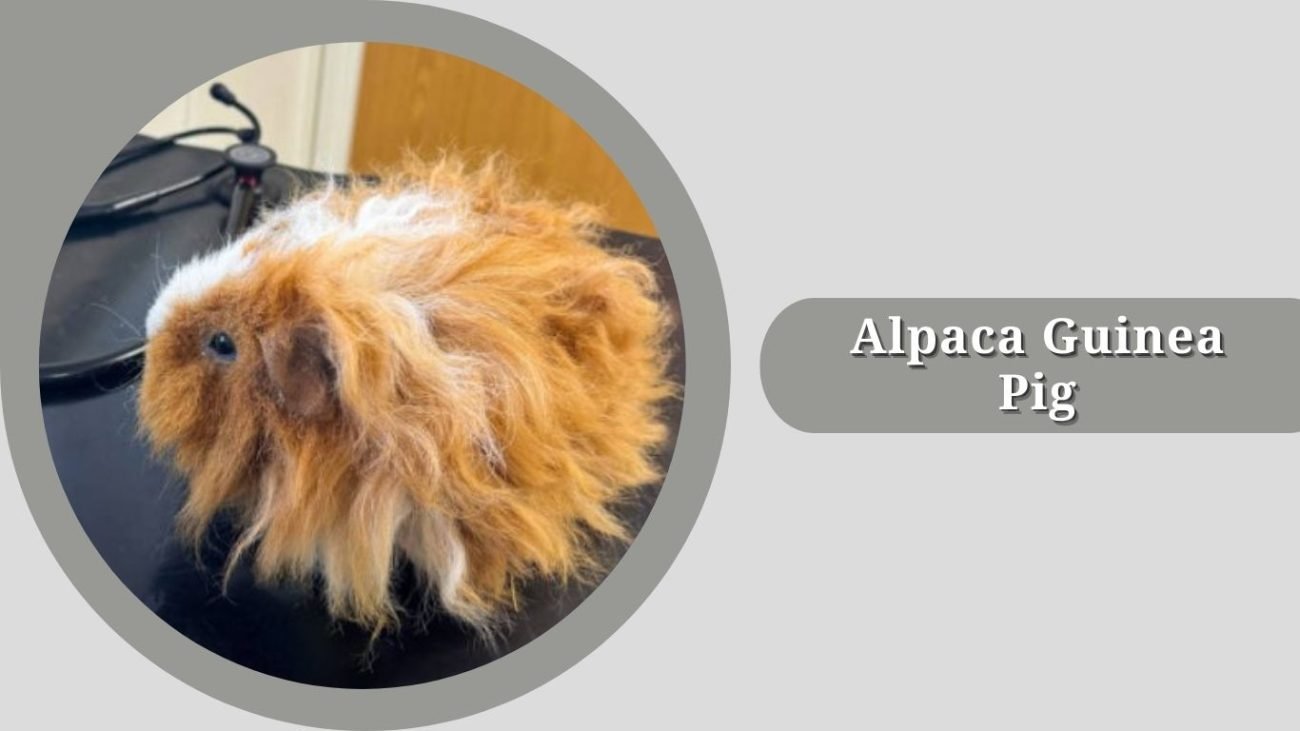
The Alpaca guinea pig is a long-haired breed celebrated for its thick, soft, and wavy coat that resembles the luxurious fleece of an alpaca. Its flowing hair requires regular grooming to prevent matting, but it gives the breed an elegant and distinctive appearance. Alpacas are gentle, affectionate, and enjoy interactive companionship with humans and other guinea pigs.
Identification
- Long, soft, and wavy coat covering the entire body
- Hair flows backward from the head and body
- Rounded head with bright eyes
- Sturdy, well-proportioned body
- Available in multiple colors and patterns
Habitat
Alpaca guinea pigs need spacious, clean, and dry enclosures with soft bedding to protect their flowing coat. Regular grooming is essential to prevent tangles and maintain skin health. Their habitat should include hideouts, toys, and room for gentle exercise, and should be kept draft-free with good ventilation.
Behaviors
This breed is calm, social, and people-friendly. Alpaca guinea pigs enjoy being gently handled and often bond closely with owners. They are active during morning and evening hours, communicate with soft squeaks, and may perform “popcorn” jumps when excited or happy.
Diet and Lifecycle
Their diet should consist of unlimited grass hay, vitamin C–rich fresh vegetables, and a moderate amount of high-quality pellets. Fresh water must always be available. With proper care and grooming, Alpaca guinea pigs typically live 5 to 7 years and remain affectionate and active throughout their lifespan.
13. Lunkarya Guinea Pig
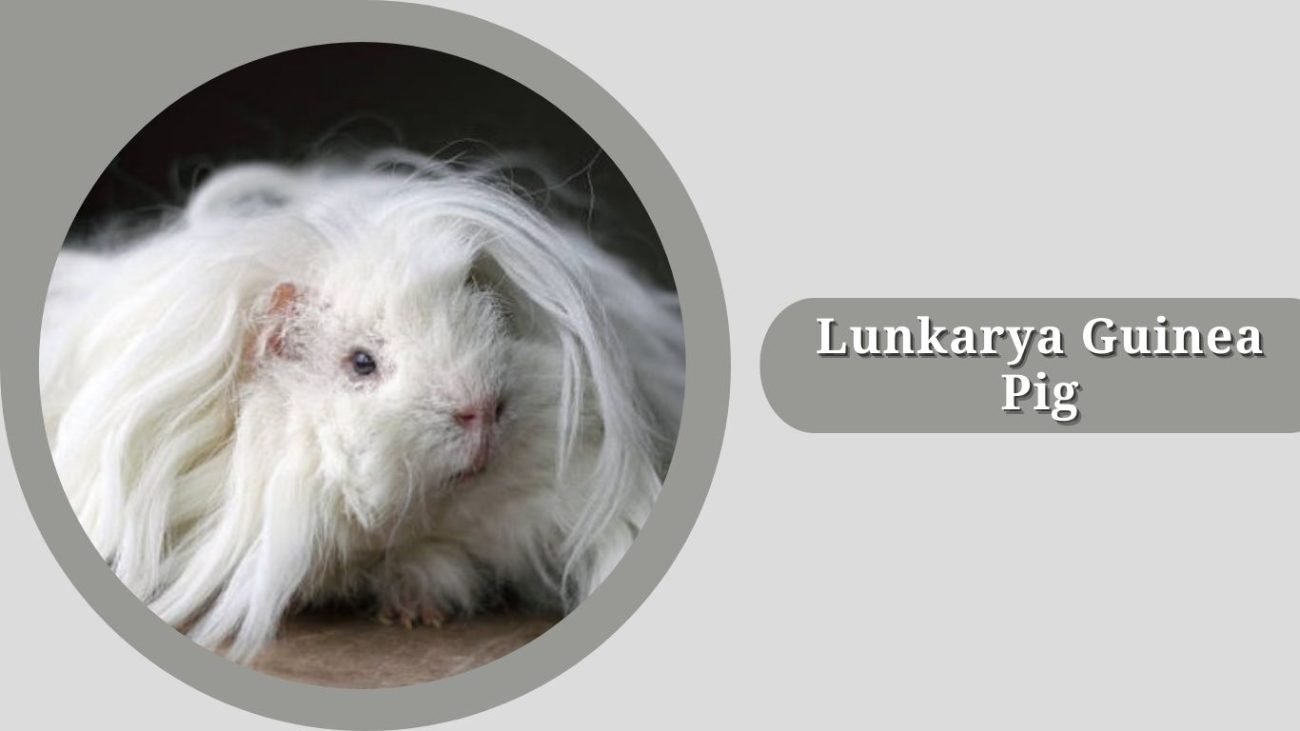
The Lunkarya guinea pig is a rare long-haired breed originating from Europe, known for its thick, curly coat and gentle temperament. Its luxurious curls give it a distinctive, plush appearance, making it a favorite among show enthusiasts. Lunkaryas are affectionate, calm, and thrive with regular grooming and social interaction.
Identification
- Long, dense, curly coat covering the entire body
- Hair forms natural ringlets or waves
- Rounded head with alert eyes and short ears
- Sturdy, compact body
- Available in various colors and combinations
Habitat
Lunkarya guinea pigs require spacious, clean, and dry enclosures with soft bedding to protect their curly fur. Their living space should be well-ventilated, draft-free, and include hideouts and chew toys. Frequent grooming is essential to prevent matting and maintain skin health.
Behaviors
This breed is calm, gentle, and friendly. Lunkaryas enjoy human interaction and are usually sociable with other guinea pigs. They communicate with squeaks, soft purrs, and occasional “popcorn” jumps when excited. Their playful yet relaxed behavior makes them ideal companions for families.
Diet and Lifecycle
Their diet consists of unlimited grass hay, fresh vegetables rich in vitamin C, and high-quality pellets. Clean water should always be available. With proper care and grooming, Lunkarya guinea pigs typically live 5 to 7 years, maintaining a calm and affectionate nature throughout their lives.
14. Merino Guinea Pig
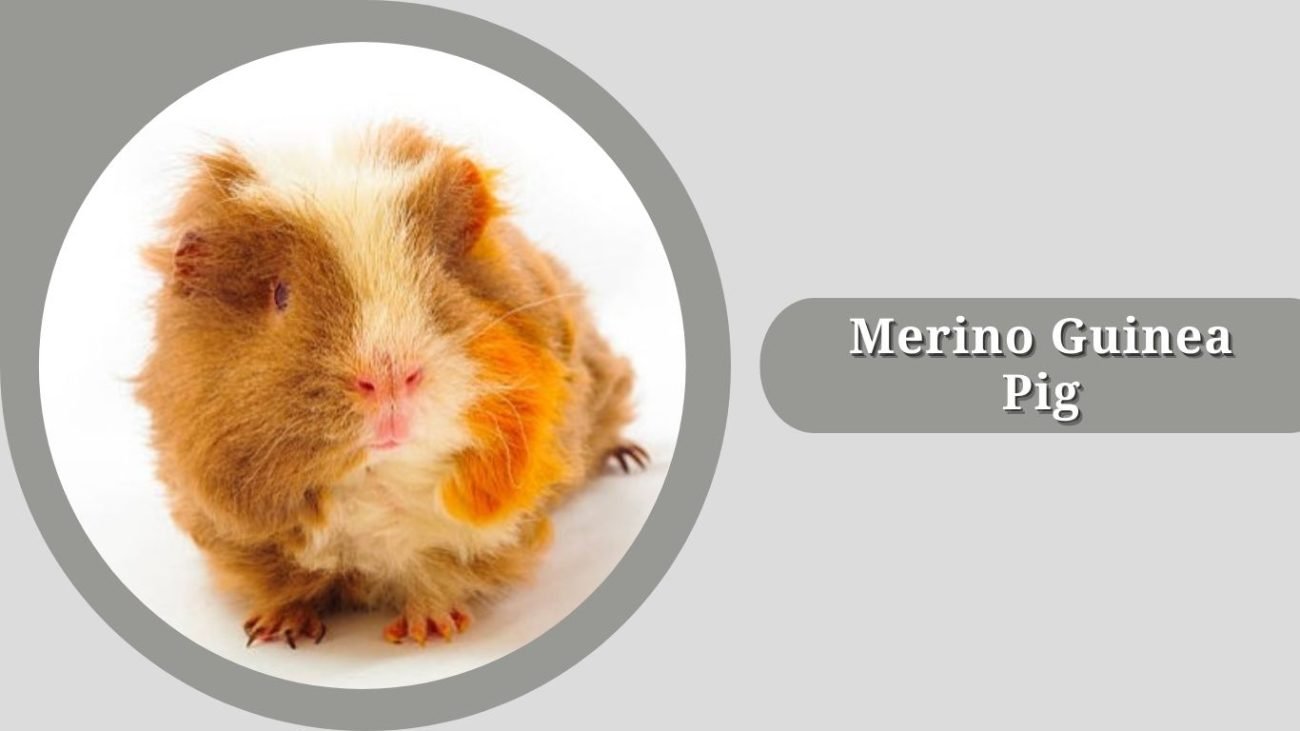
The Merino guinea pig is a long-haired breed known for its dense, curly coat that forms soft, wool-like waves across the body. It is highly prized for its striking appearance and gentle temperament. Merinos are friendly, affectionate, and do best with consistent grooming to keep their curls healthy and untangled.
Identification
- Long, dense, curly coat covering the body
- Soft, plush, and wool-like fur texture
- Rounded head with bright, expressive eyes
- Compact, well-proportioned body
- Comes in a variety of colors and patterns
Habitat
Merino guinea pigs need spacious, clean, and dry enclosures with soft bedding to prevent coat damage. Regular grooming is essential to maintain their curls. Their cage should be draft-free, well-ventilated, and include hideouts and space for gentle exercise.
Behaviors
This breed is calm, social, and affectionate. Merino guinea pigs enjoy human interaction and can bond closely with other guinea pigs. They are curious and playful, often expressing happiness through soft squeaks and light “popcorn” jumps.
Diet and Lifecycle
Merinos require unlimited grass hay, fresh vegetables high in vitamin C, and a controlled portion of quality pellets. Fresh water must always be accessible. With proper care and grooming, they typically live 5 to 7 years, remaining active and affectionate throughout their life.
15. Rex Guinea Pig
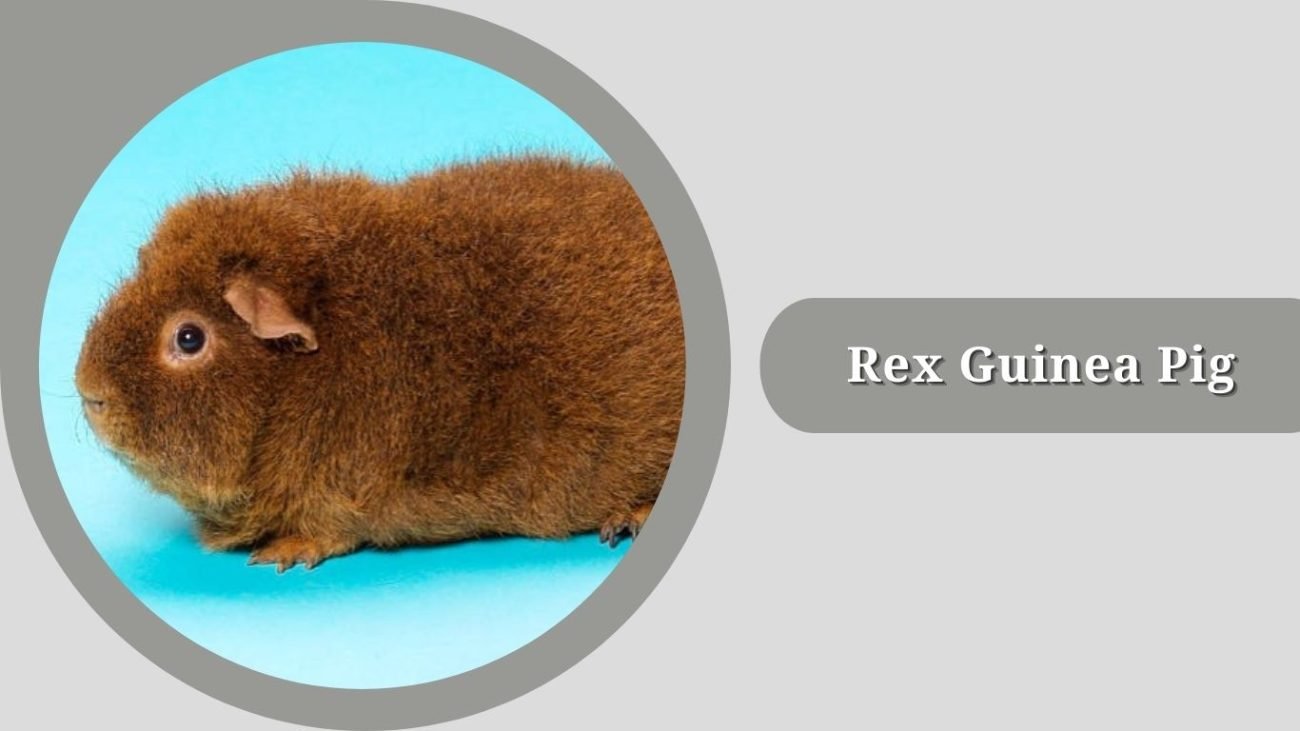
The Rex guinea pig is a short-haired breed recognized for its dense, plush, and curly coat that stands upright, giving it a soft, velvety texture. Its coat is low-maintenance compared to long-haired breeds, making it ideal for pet owners who want a unique appearance without intensive grooming. Rex guinea pigs are friendly, curious, and affectionate.
Identification
- Short, dense, curly coat with a velvety feel
- Upright fur that covers the body evenly
- Rounded head with bright, alert eyes
- Compact, sturdy body
- Found in a wide range of colors and patterns
Habitat
Rex guinea pigs thrive in clean, spacious cages with solid flooring and soft bedding. Their environment should be dry, well-ventilated, and free from drafts. Providing hideouts, chew toys, and open space encourages healthy movement and mental stimulation.
Behaviors
This breed is social, friendly, and curious. Rex guinea pigs enjoy gentle handling and often explore their surroundings actively. They communicate through soft squeaks, purrs, and occasional “popcorn” jumps when happy or excited.
Diet and Lifecycle
Their diet should include unlimited grass hay, fresh vegetables rich in vitamin C, and a moderate amount of high-quality pellets. Fresh water must always be available. With proper care, Rex guinea pigs usually live 5 to 7 years and remain affectionate, playful companions throughout their lives.
FAQs
What is the easiest guinea pig breed for beginners?
The American Guinea Pig is considered the easiest breed for beginners due to its short coat, calm temperament, and low-maintenance care requirements. Its friendly and adaptable nature makes it ideal for families and first-time guinea pig owners.
How often should long-haired guinea pigs be groomed?
Long-haired breeds like the Peruvian, Silkie, and Alpaca require daily or at least several-times-a-week grooming to prevent tangles, mats, and dirt accumulation. Regular brushing also helps maintain skin health and a clean coat.
Can hairless guinea pigs like Skinny or Baldwin stay with other guinea pigs?
Yes, hairless guinea pigs are social and can live with other guinea pigs. However, extra care is needed to ensure they stay warm, avoid rough play, and are protected from sun exposure or cold drafts.
What is the average lifespan of guinea pigs?
Most guinea pig breeds, including both short-haired and long-haired varieties, live between 5 and 7 years with proper diet, habitat, and care. Some may live slightly longer with optimal conditions.
What diet is recommended for all guinea pig breeds?
All guinea pigs require unlimited grass hay, fresh vegetables rich in vitamin C, and a controlled portion of high-quality pellets. Fresh water must always be available, and occasional treats should be given sparingly.


