Tortoiseshell cats are not a separate breed, but a striking coat pattern found in domestic cats of the species Felis catus. Instead of solid blocks of color, tortoiseshell coats display a rich, blended mix of dark and warm tones arranged in marbled, streaked, or flame-like patterns. From classic black-and-orange torties to rare pastel, smoke, and tabby-based variations, tortoiseshell cats appear in many forms across different breeds. This guide explores all major types of tortoiseshell cats, highlighting their unique visual variations and color-based classifications.
1. Classic Tortoiseshell Cat (Black & Orange Tortie)

The classic tortoiseshell cat, often called a “tortie,” is one of the most distinctive coat patterns in domestic cats. Instead of having clear white areas like calicos, classic tortoiseshells show a rich blend of black and orange (or red) across the body. The colors appear in mottled, marbled, or flame-like patches that intermix rather than forming large, clean blocks. This pattern belongs to the domestic cat species Felis catus and can appear in many different breeds.
Identification
- No large white patches; coat is a mix of black and orange
- Colors are blended and interwoven, not clearly separated
- Pattern looks marbled, speckled, or streaked
- Each cat has a completely unique color layout
- Coat can be short, medium, or long
- Most individuals are female due to coat-color genetics
Coat Pattern and Visual Appearance
Classic tortoiseshell coats are famous for their complex, mosaic-like look. Some cats show fine peppering of color, while others have bold streaks of orange running through darker fur. Small areas of cream or brown may also appear due to natural shade variation. Unlike calicos, any white is minimal or completely absent. From a distance, a tortie may look dark overall, but close up, the intricate blending of colors becomes very noticeable.
Temperament and General Traits
Tortoiseshell cats are often associated with a strong, expressive personality, sometimes called “tortitude.” While this idea is popular among cat owners, there is no scientific proof that coat pattern determines temperament. A classic tortoiseshell’s behavior depends on breed, genetics, and upbringing. Many are described as alert, confident, and people-aware, but these traits vary widely between individuals.
Distribution and Common Breeds
Classic tortoiseshell coloring is found worldwide and appears in a wide range of breeds. It is especially common in Domestic Shorthair and Domestic Longhair cats but is also seen in Persian, British Shorthair, Maine Coon, Cornish Rex, and Oriental Shorthair breeds. Any breed capable of producing black and orange pigment can show the classic tortoiseshell pattern.
2. Dilute Tortoiseshell Cat (Blue & Cream Tortie)
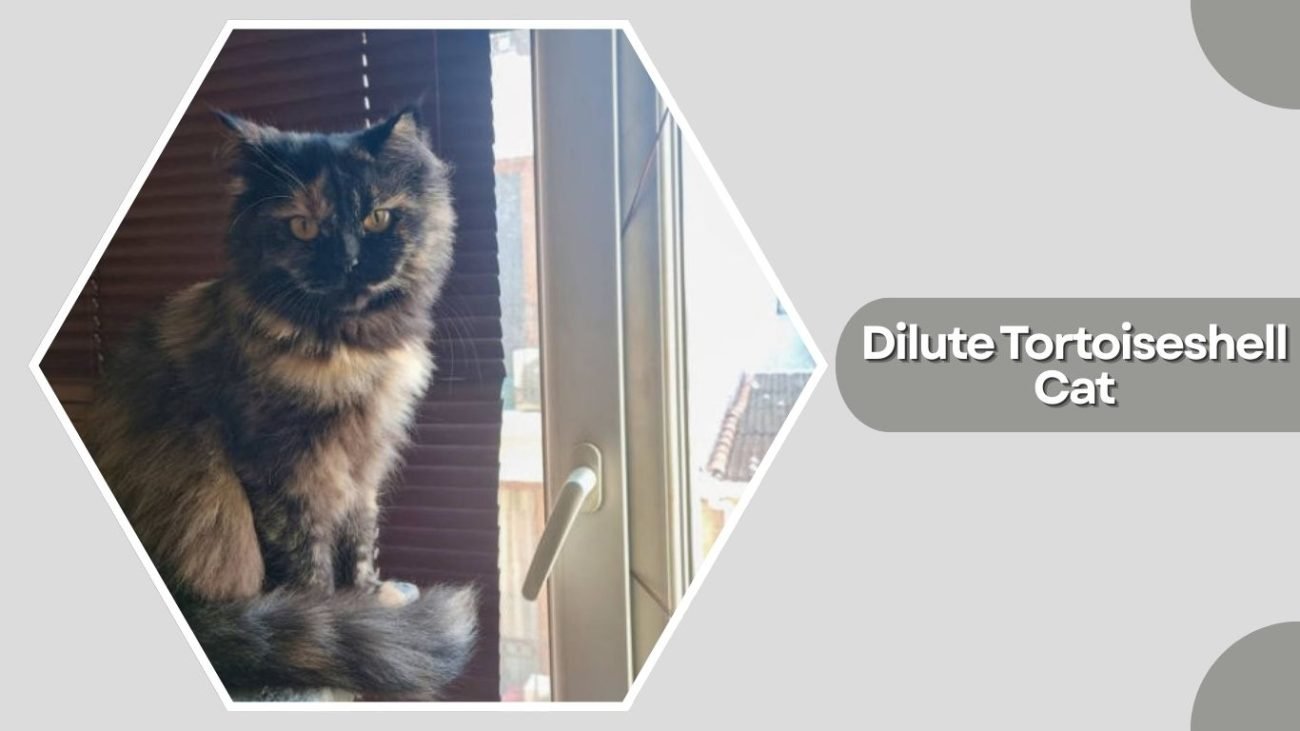
The dilute tortoiseshell is a softer, pastel version of the classic tortie pattern. Instead of deep black and bright orange, the coat shows blue-gray and cream tones that blend together across the body. This lighter look is created by a dilution gene that reduces pigment intensity. Like all tortoiseshell cats, this pattern belongs to the domestic cat species Felis catus and can appear in many breeds.
Identification
- No large white patches; coat is a mix of blue-gray and cream
- Colors appear soft, smoky, or pastel
- Pattern is blended, not in solid blocks
- Coat often looks lighter overall than classic torties
- Fur length varies by breed
- Most individuals are female
Coat Pattern and Visual Appearance
Dilute tortoiseshells have the same marbled or flame-like pattern as classic torties, but the colors are much gentler. Black pigment becomes blue-gray, and orange becomes cream. Some areas may appear silvery, beige, or frosted depending on lighting. From afar, dilute torties may look almost single-colored, but up close their subtle patchwork becomes clear and detailed.
Temperament and General Traits
There is no unique temperament proven for dilute tortoiseshells. Personality is shaped by breed, genetics, and social experience. Many owners describe dilute torties as gentle or affectionate, but these impressions vary by individual cat. Coat color alone does not predict behavior.
Distribution and Common Breeds
Dilute tortoiseshells are found worldwide but are less common than classic torties because the dilution gene must also be present. They appear in breeds such as British Shorthair, Persian, Maine Coon, Scottish Fold, Russian Blue mixes, and Domestic Shorthair cats.
3. Torbie (Tortoiseshell Tabby Cat)

A torbie is a tortoiseshell cat that also carries the tabby pattern gene, causing visible stripes, swirls, or spots within the black and orange areas. Instead of a purely mottled coat, torbies show structured tabby markings mixed with tortoiseshell coloring. This pattern belongs to the domestic species Felis catus and combines two major coat types in one cat.
Identification
- Blended black and orange with visible tabby striping
- Clear “M” marking often present on the forehead
- Coat may show mackerel, classic, or spotted tabby patterns
- No large white areas (unless torbie & white)
- Fur can be short or long
- Most are female
Coat Pattern and Visual Appearance
In torbies, the tortoiseshell colors are arranged in tabby form rather than random marbling. You may see striped orange legs, swirled dark patches, or spotted sections across the body. This gives torbies a more organized, patterned look compared to classic torties. The mix of warm and dark tones with tabby lines makes torbies one of the most visually complex tortoiseshell types.
Temperament and General Traits
Torbie temperament is not determined by coat pattern. Their behavior depends on breed genetics and environment. Many torbie owners describe them as energetic, curious, or expressive, but these are individual traits rather than pattern-based rules.
Distribution and Common Breeds
Torbies are found worldwide and are especially common among Domestic Shorthair and Domestic Longhair cats. They also appear in breeds such as Maine Coon, Bengal, American Shorthair, British Shorthair, and Oriental Shorthair.
4. Chocolate Tortoiseshell Cat

The chocolate tortoiseshell is a warmer-toned tortie variation where the dark areas are rich chocolate brown instead of black, mixed with shades of orange or red. This coloration is caused by a genetic modification of black pigment, producing a softer, milk-chocolate look. Like all tortoiseshells, this pattern belongs to the domestic cat species Felis catus and appears in only certain breeds.
Identification
- No large white patches; coat blends brown and orange tones
- Dark areas appear chocolate brown rather than jet black
- Colors are marbled, streaked, or flame-like
- Overall look is warmer and softer than classic torties
- Fur length varies by breed
- Most individuals are female
Coat Pattern and Visual Appearance
Chocolate tortoiseshells show the same interwoven, mottled layout as classic torties, but the darker pigment is lighter and warmer. The coat may include shades of cinnamon, copper, or caramel alongside orange. In bright light, chocolate torties often appear glossy and rich, with a dessert-like color palette that sets them apart from darker tortoiseshell cats.
Temperament and General Traits
There is no specific temperament linked to chocolate tortoiseshell coloring. Personality is shaped by breed background, early socialization, and environment. Some may be affectionate and relaxed, while others are highly active and vocal. The tortoiseshell pattern itself does not determine behavior.
Distribution and Common Breeds
Chocolate tortoiseshells are less common than black-based torties because fewer breeds carry the chocolate gene. They are most often seen in Oriental Shorthair, Siamese-related breeds, Persian, and British Shorthair lines, as well as selective domestic breeding.
5. Lilac Tortoiseshell Cat (Lavender-Cream Tortie)
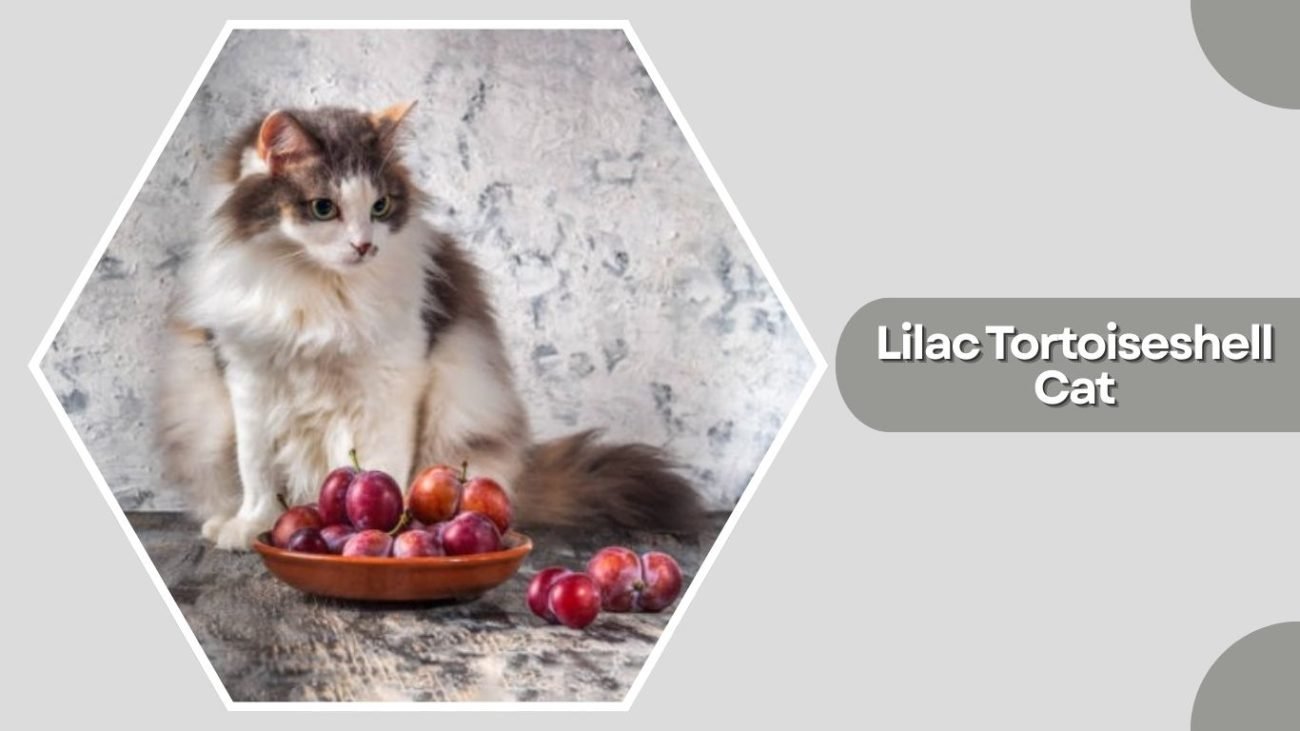
The lilac tortoiseshell is a very soft, pale tortie variation where the dark pigment appears light lavender-gray, mixed with delicate cream tones. Lilac is a diluted form of chocolate, making this one of the lightest and rarest tortoiseshell color types. This pattern belongs to the domestic cat species Felis catus.
Identification
- Blended pale lavender-gray and cream coloring
- Very soft, pastel overall appearance
- No large white areas in true lilac torties
- Pattern is mottled and gently mixed
- Coat can be short or long
- Most individuals are female
Coat Pattern and Visual Appearance
Lilac tortoiseshells have a powdered, misty look. The darker pigment appears silvery-pink or lavender-beige rather than gray or black. Cream patches may be subtle, sometimes only visible in certain lighting. Because the contrast is low, these cats often look almost single-colored from afar, with their tortie pattern becoming clear only up close.
Temperament and General Traits
Lilac tortoiseshells do not have a special temperament tied to color. Their behavior depends on breed genetics and upbringing. Some may be quiet and gentle, others playful and demanding. Personality varies by the individual, not by the coat shade.
Distribution and Common Breeds
Lilac tortoiseshells are relatively rare and usually appear in breeds where both the chocolate and dilution genes exist, such as Oriental Shorthair, Persian, British Shorthair, and some Siamese-related lines, as well as selectively bred domestic cats.
6. Cinnamon Tortoiseshell Cat

The cinnamon tortoiseshell is a rare tortie variation where the dark pigment appears light reddish-brown or cinnamon instead of black. This warm, spicy tone mixes with orange or red areas, creating a lighter, glowing version of the classic tortoiseshell pattern. Like all tortoiseshell cats, this variation belongs to the domestic species Felis catus and is mostly seen in specific pedigreed lines.
Identification
- No large white patches; coat blends cinnamon-brown and orange
- Dark areas look reddish, sandy, or coppery
- Colors are mixed, not separated into blocks
- Overall appearance is warm and light compared to classic torties
- Fur length varies by breed
- Most individuals are female
Coat Pattern and Visual Appearance
Cinnamon tortoiseshells have the same marbled and flame-like layout typical of torties, but the darker pigment is much lighter and warmer. The coat may show shades of honey, rust, and apricot, giving the cat a bright, almost glowing look in sunlight. Because cinnamon is genetically uncommon, this tortoiseshell type is rarely seen outside controlled breeding programs.
Temperament and General Traits
There is no known temperament unique to cinnamon tortoiseshell cats. Their personality depends on breed genetics, social experience, and early handling. Some may be affectionate lap cats, while others are energetic and vocal. The coat color itself does not determine behavior.
Distribution and Common Breeds
Cinnamon tortoiseshells are rare and mainly found in breeds such as Oriental Shorthair, Abyssinian lines, and some Rex breeds, as well as in selectively bred domestic cats where the cinnamon gene is present.
7. Fawn Tortoiseshell Cat
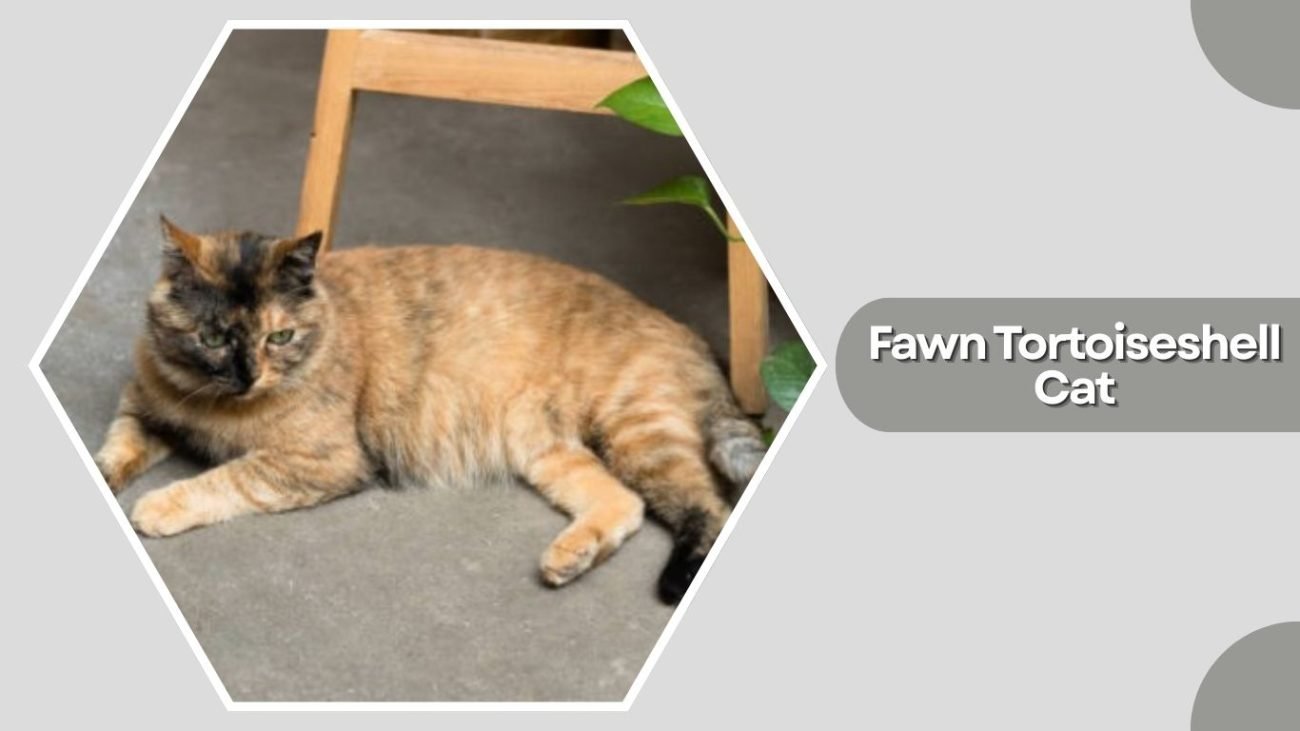
The fawn tortoiseshell is the dilute form of cinnamon tortie coloring. In this variation, the darker areas appear pale beige, fawn, or soft sand, blended with cream tones. This creates one of the lightest and most delicate-looking tortoiseshell patterns. Like all torties, this pattern belongs to the species Felis catus.
Identification
- Blended pale beige/fawn and cream coloring
- Very light, soft, pastel overall appearance
- No large white areas in true fawn torties
- Pattern is mottled and gently mixed
- Coat may be short or long
- Most individuals are female
Coat Pattern and Visual Appearance
Fawn tortoiseshells have extremely subtle contrast. The fawn pigment looks like diluted cinnamon, producing a sandy or champagne tone across the coat. Cream areas blend smoothly into the lighter background, making the pattern appear almost watercolor-like. These cats often look nearly solid-colored until viewed closely.
Temperament and General Traits
Fawn tortoiseshells do not have special temperament traits tied to coat color. Their personalities depend on breed type, genetics, and socialization. Some may be shy and gentle, while others are bold and playful. The pattern itself does not dictate behavior.
Distribution and Common Breeds
Fawn tortoiseshells are among the rarest tortie types. They are most often seen in breeds carrying both cinnamon and dilution genes, such as Oriental Shorthair and related breeds, and in carefully bred domestic lines.
8. Tortoiseshell Smoke

A tortoiseshell smoke cat looks solid-colored at first glance, but when the fur moves, a silvery or white base becomes visible beneath the darker tortoiseshell tips. This effect is caused by the smoke gene, which removes pigment from the lower part of each hair shaft. Combined with tortoiseshell coloring, it creates a dramatic, shimmering coat. The species is Felis catus.
Identification
- Coat appears dark, but white/silver roots show when fur parts
- Black and orange tones sit on top of a pale undercoat
- Pattern is blended, not in large patches
- Smoke effect is strongest on long or medium coats
- Fur length varies by breed
- Most individuals are female
Coat Pattern and Visual Appearance
Tortoiseshell smoke cats often look blackish or dark tortie when resting. In motion, the coat opens to reveal a bright silver or white base, producing a smoky, glowing effect. The tortoiseshell pattern appears mainly on the tips of the hairs, giving the cat a layered look. This variation is especially striking in long-haired cats, where the contrast becomes more dramatic.
Temperament and General Traits
There is no special temperament linked to the smoke effect. Personality depends on breed background, genetics, and environment. Some may be calm and affectionate, others active and vocal. The shimmering appearance does not influence behavior.
Distribution and Common Breeds
Tortoiseshell smoke is most often seen in Persian, Maine Coon, British Shorthair, and Oriental breeds, as well as in selectively bred domestic cats.
9. Dilute Tortoiseshell Smoke
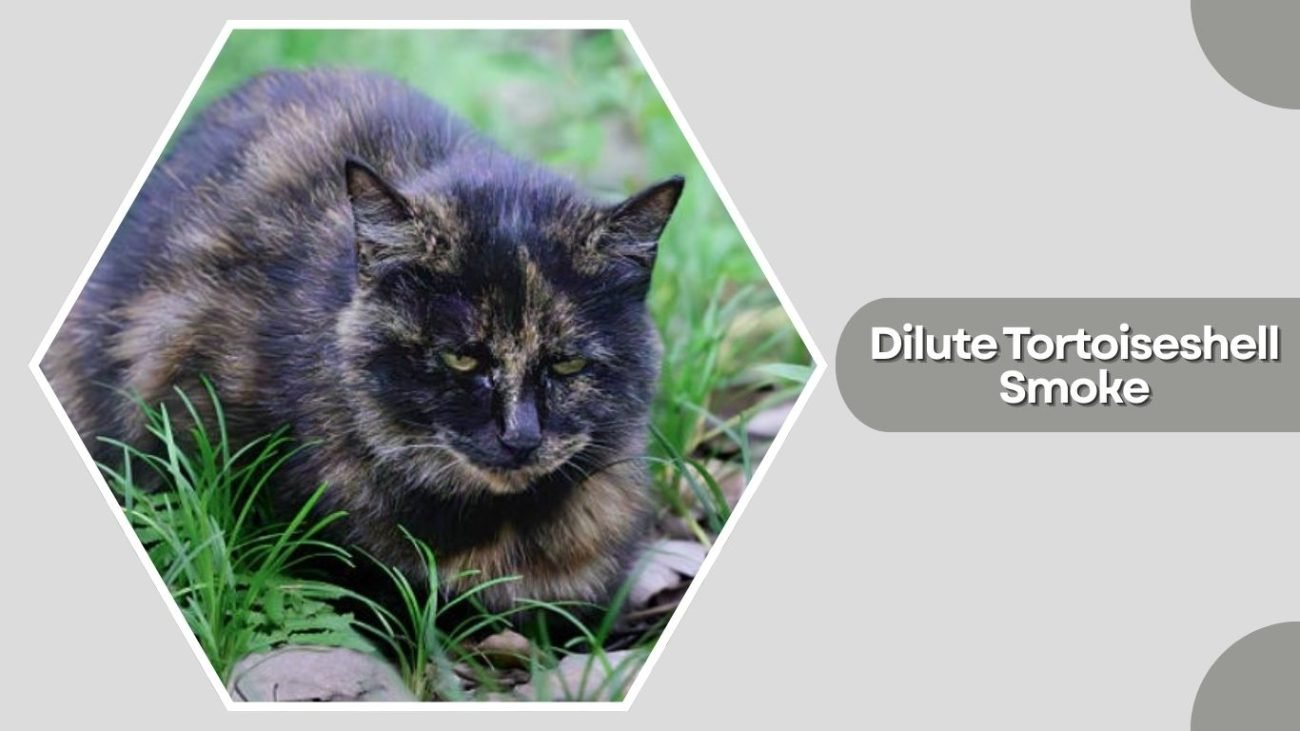
Dilute tortoiseshell smoke combines the smoke gene with diluted tortie coloring. Instead of black and orange tips, the coat shows blue-gray and cream over a pale silver or white base. The result is a soft, misty, glowing appearance. Like all tortoiseshells, this pattern belongs to Felis catus.
Identification
- Blue-gray and cream tips over a silver/white base
- Smoke effect visible when fur moves
- Pattern appears soft and pastel
- No large white patches
- Coat length varies
- Most individuals are female
Coat Pattern and Visual Appearance
Dilute tortoiseshell smoke cats often look light gray or cream from a distance. When the coat parts, a bright, pale underlayer is revealed, creating a cloudy or frosted look. The contrast between pale roots and colored tips gives the coat depth and shimmer, especially noticeable in long-haired cats.
Temperament and General Traits
There is no temperament unique to dilute smoke torties. Their personality is shaped by breed and upbringing. Some may be gentle lap cats, while others are lively and playful. Color effect alone does not determine behavior.
Distribution and Common Breeds
Dilute tortoiseshell smoke cats are uncommon and appear mainly in breeds such as Persian, British Shorthair, Maine Coon, and Oriental Shorthair, along with selectively bred domestic cats.
10. Tortoiseshell with White (Tortie & White)
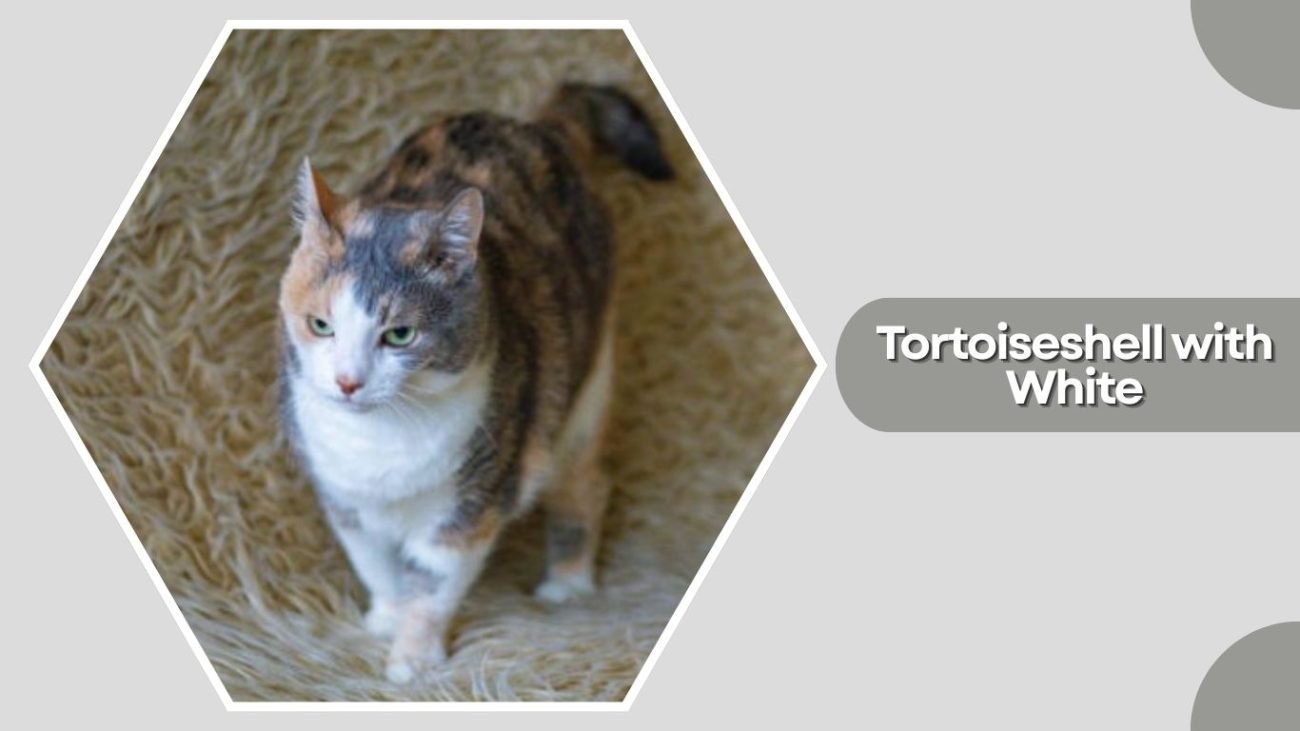
Tortoiseshell-with-white cats combine the classic blended tortie colors with clear white areas on the body. Unlike calicos, the dark and warm colors are still mixed together rather than forming solid blocks, but white appears on the chest, belly, face, or paws. This pattern is often called “tortie and white” and belongs to the domestic species Felis catus.
Identification
- Blended black and orange (or blue and cream) with white areas
- White often appears on chest, paws, belly, or face
- Colored areas remain marbled rather than patchy blocks
- Each cat shows a unique mix of white and tortie coloring
- Coat may be short or long
- Most individuals are female
Coat Pattern and Visual Appearance
In tortie-and-white cats, the white spotting gene interrupts the tortoiseshell pattern, creating bright breaks in the darker coat. Some cats have small white toes or a narrow blaze, while others may have large white sections along the underside or face. The result is a high-contrast look that blends the richness of tortoiseshell with the brightness of white.
Temperament and General Traits
There is no proven personality type associated with tortie-and-white coloring. Behavior depends on genetics, environment, and early handling. Some may be affectionate companions, others independent and bold. The presence of white does not change temperament.
Distribution and Common Breeds
Tortie-and-white cats are found worldwide and are common among mixed-breed domestic cats. They also appear in many breeds, including Persian, Maine Coon, British Shorthair, Cornish Rex, and Exotic Shorthair.
11. Dilute Tortie with White
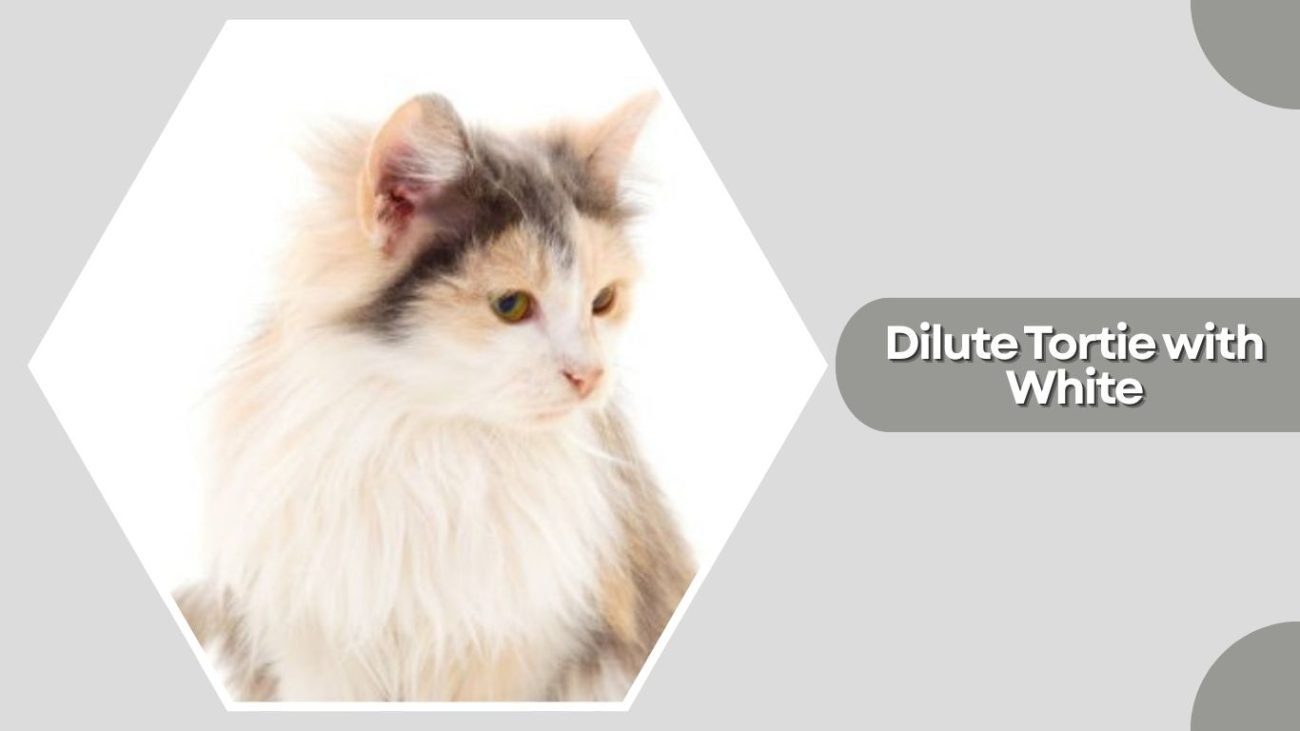
Dilute tortie with white cats show the same pattern as tortie-and-white, but with softened blue-gray and cream tones instead of black and orange. White areas brighten the overall appearance, creating a pastel tricolor blend without the clear blocks seen in calicos. This pattern belongs to Felis catus.
Identification
- Blue-gray and cream blended with white areas
- Pastel, soft overall appearance
- White commonly on chest, paws, belly, or face
- Pattern remains marbled, not in solid blocks
- Fur length varies by breed
- Most individuals are female
Coat Pattern and Visual Appearance
Dilute tortie-and-white cats often look light and airy. The smoke-like blue-gray and cream areas blend into white sections, giving the coat a soft, watercolor effect. Contrast is lower than in classic tortie-and-white, making this variation especially popular among people who prefer gentle color palettes.
Temperament and General Traits
There is no unique temperament associated with dilute tortie-and-white cats. Personality varies by individual, breed influence, and upbringing. Some may be calm and cuddly, others energetic and vocal.
Distribution and Common Breeds
Dilute tortie-and-white cats are less common than dark tortie-and-white types. They appear in breeds such as British Shorthair, Persian, Maine Coon, Scottish Fold, and Domestic Shorthair.
12. Brindled Tortoiseshell
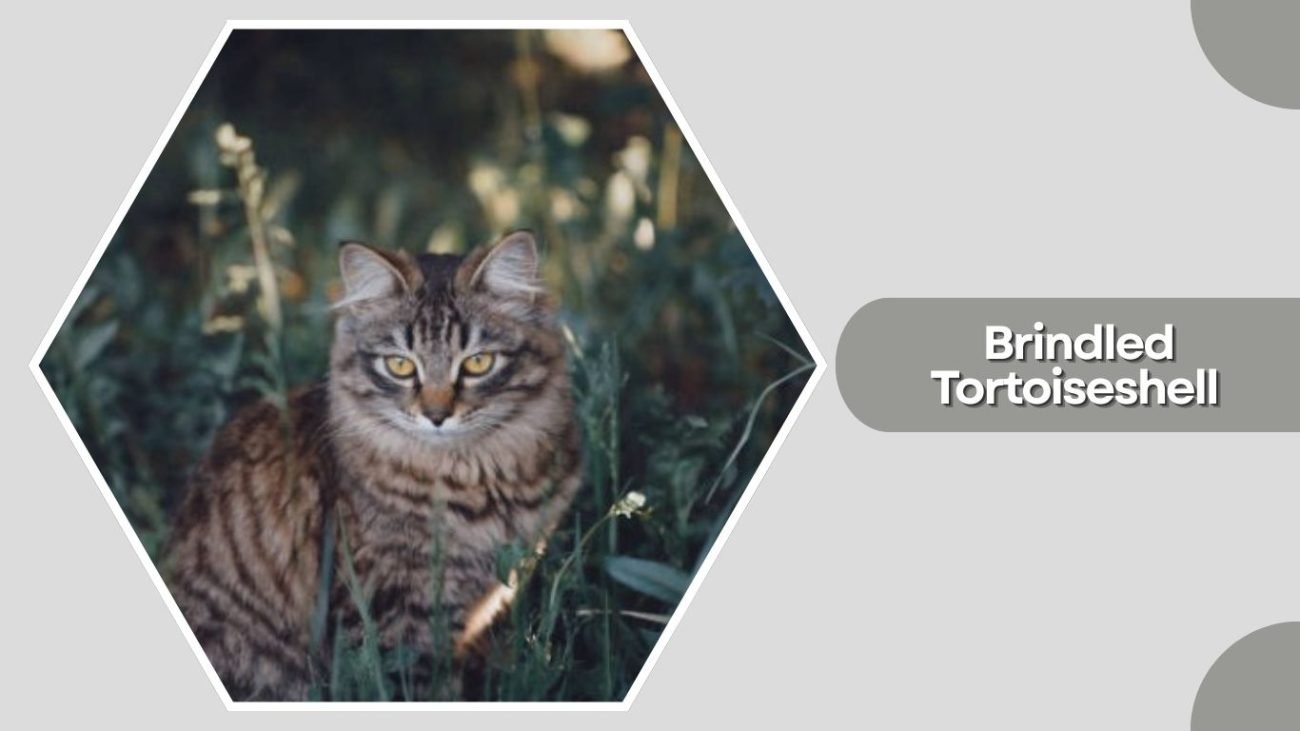
Brindled tortoiseshell refers to a tortie pattern where the black and orange colors form strong streaks or striping, giving the coat a tiger-like or brindle appearance. Instead of fine marbling, the colors appear in longer flames and bands across the body. This variation still belongs to the domestic species Felis catus and is considered a stylistic form of classic tortoiseshell.
Identification
- Black and orange arranged in streaks or bands
- Colors are mixed, not separated into large blocks
- Pattern looks striped or flame-like rather than speckled
- No large white areas in true brindled torties
- Coat length varies
- Most individuals are female
Coat Pattern and Visual Appearance
Brindled tortoiseshells often show long orange flames running through darker fur, especially along the sides and back. The striping is not true tabby patterning, but rather elongated tortoiseshell patches. This gives the cat a dynamic, flowing appearance, as if the colors were brushed through the coat.
Temperament and General Traits
There is no temperament unique to brindled tortoiseshell cats. Their behavior depends on breed genetics and environment. Some may be calm and gentle, others energetic and assertive. The streaked appearance does not influence personality.
Distribution and Common Breeds
Brindled tortoiseshells are found worldwide and appear in many breeds, including Domestic Shorthair, Maine Coon, Persian, and British Shorthair, as well as mixed-breed cats.
13. Chocolate Tortoiseshell with White
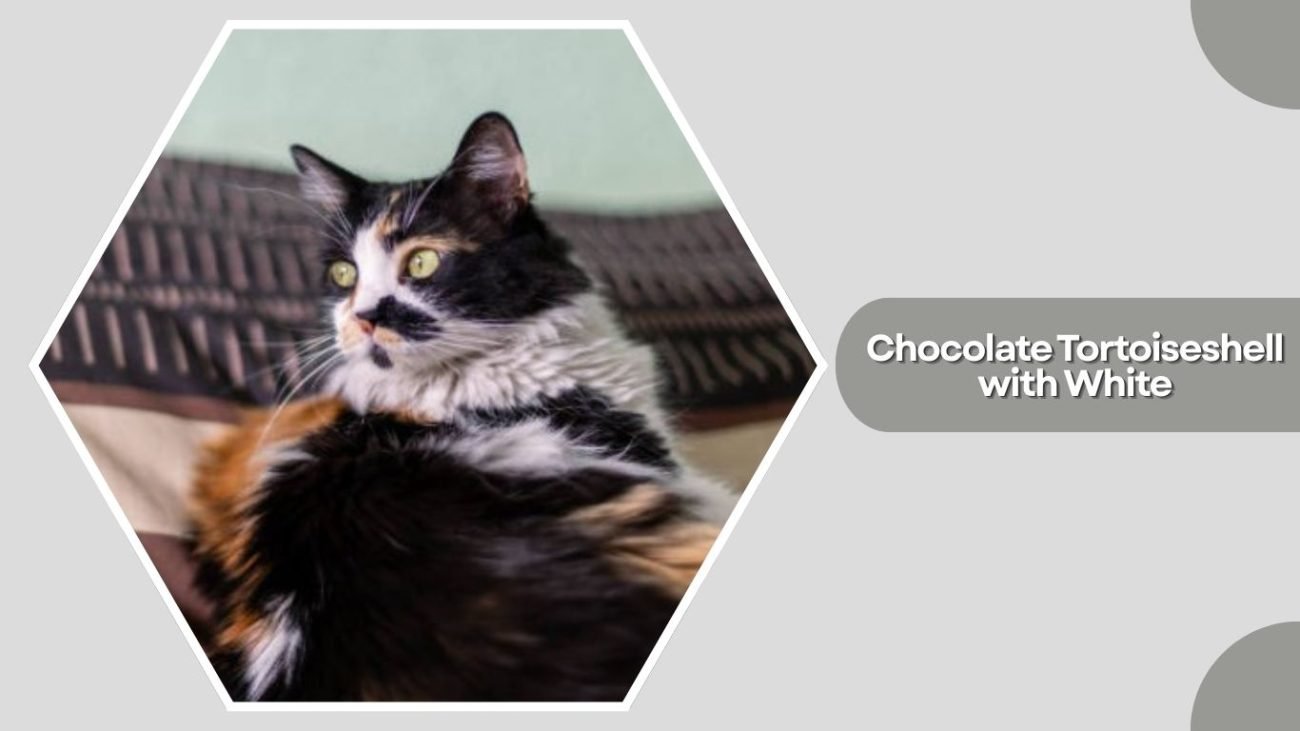
Chocolate tortoiseshell-with-white cats combine warm chocolate-brown and orange blended coloring with clear white areas on the body. The presence of white breaks up the tortie pattern while keeping the marbled color mixing. This pattern belongs to Felis catus and is less common than black-based tortie-and-white.
Identification
- Blended chocolate brown and orange with white patches
- White often on chest, belly, paws, or face
- Pattern is marbled, not in solid blocks
- Overall look is warm and soft
- Fur may be short or long
- Most individuals are female
Coat Pattern and Visual Appearance
These cats show rich, dessert-like tones across the coat, with white creating bright contrast points. The chocolate pigment softens the overall look compared to black-based torties, giving the cat a gentler, warmer appearance. White areas may be small accents or larger body sections.
Temperament and General Traits
Chocolate tortie-and-white cats do not have a special temperament linked to this color. Personality depends on breed background and upbringing. Some may be affectionate lap cats, while others are highly active.
Distribution and Common Breeds
Chocolate tortie-and-white cats are uncommon and are usually seen in breeds such as Oriental Shorthair, Persian, British Shorthair, and some Rex breeds, as well as selectively bred domestic cats.
14. Lilac Tortoiseshell with White
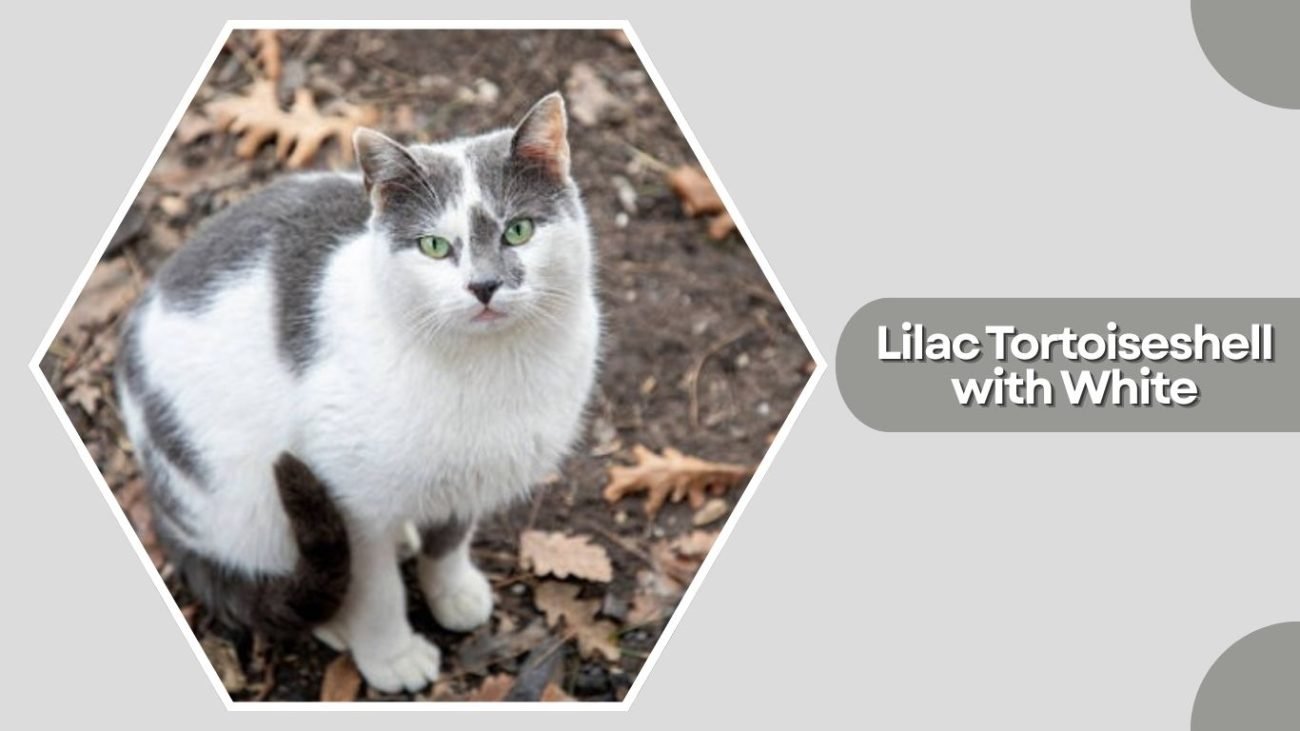
Lilac tortoiseshell-with-white cats combine pale lavender-gray and cream tortie coloring with clear white areas on the coat. This creates one of the softest-looking tortoiseshell variations, with a gentle pastel contrast between the colored sections and white fur. Like all tortoiseshell cats, this pattern belongs to the domestic species Felis catus.
Identification
- Pale lilac-gray and cream blended with white
- Very soft, pastel overall appearance
- White commonly on chest, paws, belly, or face
- Pattern remains marbled rather than blocky
- Coat length varies by breed
- Most individuals are female
Coat Pattern and Visual Appearance
Lilac tortie-and-white cats often look almost frosted. The lilac pigment appears silvery-pink or lavender-beige, while the cream areas are delicate and subtle. White patches brighten the look further, creating a watercolor-like coat. Because contrast is low, the tortie pattern may only be obvious when viewed closely.
Temperament and General Traits
There is no known temperament associated specifically with lilac tortie-and-white coloring. Their behavior depends on genetics, social experience, and early handling. Some may be calm and cuddly, while others are playful and assertive.
Distribution and Common Breeds
Lilac tortie-and-white cats are rare and usually found in breeds carrying both chocolate and dilution genes, such as Persian, British Shorthair, Oriental Shorthair, and some Siamese-related lines.
15. Cinnamon Tortoiseshell with White
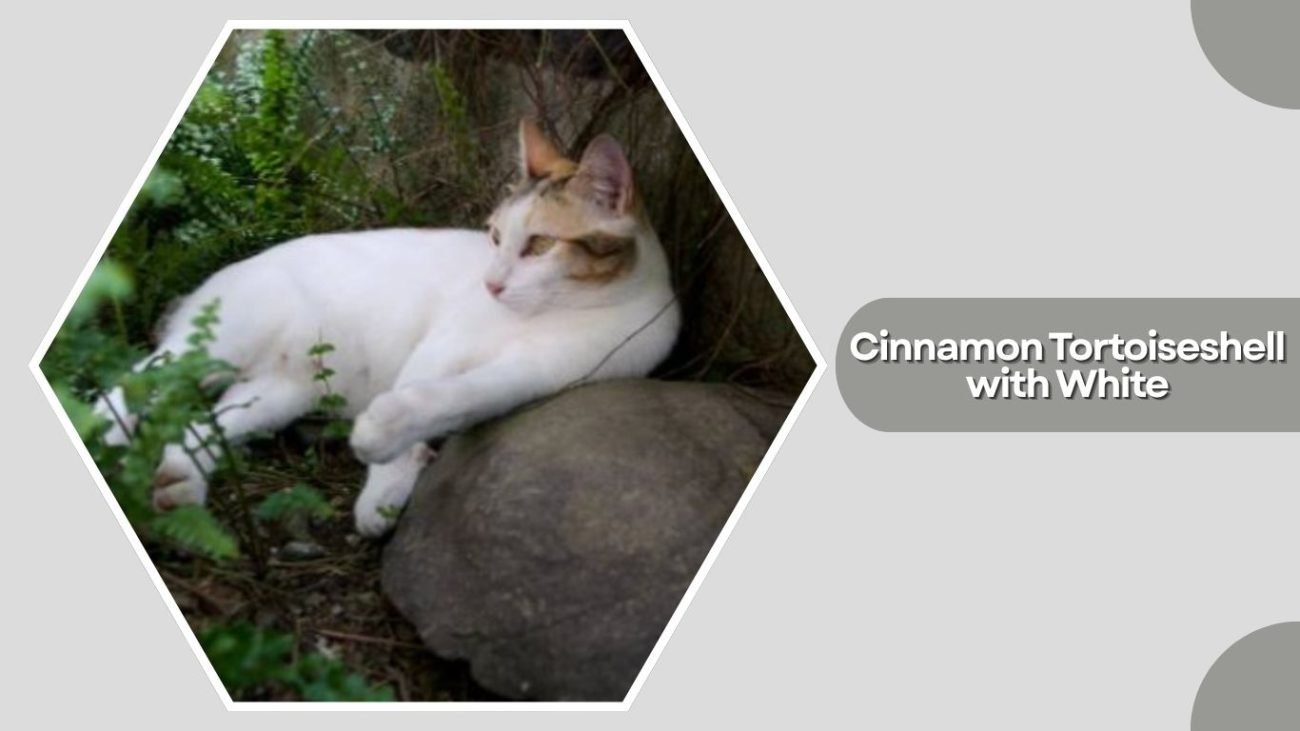
Cinnamon tortoiseshell-with-white cats show light reddish-brown and orange blended coloring along with distinct white areas. The cinnamon pigment gives the coat a warm, coppery glow, while white adds contrast and brightness. This variation belongs to the domestic species Felis catus.
Identification
- Cinnamon-brown and orange blended with white
- Warm, light overall tone
- White often appears on chest, paws, face, or belly
- Pattern is marbled, not block-separated
- Fur length varies
- Most individuals are female
Coat Pattern and Visual Appearance
These cats often appear lighter and warmer than black-based tortie-and-white cats. The cinnamon tones may look copper, honey, or reddish sand, while white creates strong visual breaks. Depending on the amount of white, some individuals may closely resemble calicos, but the blended tortie pattern in the colored areas remains clear.
Temperament and General Traits
There is no special temperament linked to cinnamon tortie-and-white cats. Personality depends on breed background, environment, and upbringing. Some may be affectionate and relaxed, while others are energetic and demanding.
Distribution and Common Breeds
Cinnamon tortie-and-white cats are rare and mostly found in breeds such as Oriental Shorthair, Abyssinian-related lines, and some Rex breeds, as well as selectively bred domestic cats.
16. Fawn Tortoiseshell with White
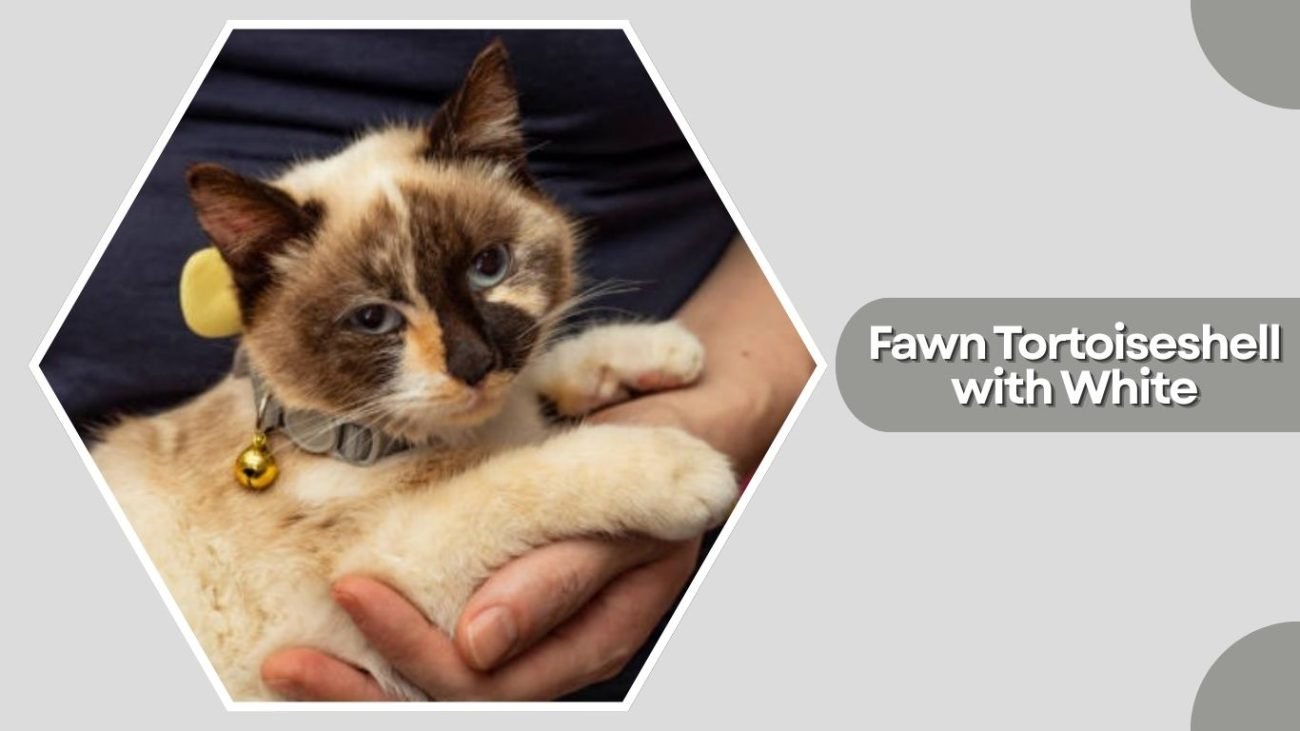
Fawn tortoiseshell-with-white cats combine very pale beige or champagne tones with soft cream coloring and clear white areas. This is the dilute form of cinnamon tortie-and-white, producing one of the lightest and rarest tortoiseshell variations. The overall look is delicate and pastel. Like all torties, this pattern belongs to Felis catus.
Identification
- Pale fawn/beige and cream blended with white
- Very light, pastel overall appearance
- White on chest, belly, face, or paws
- Pattern is mottled and softly mixed
- Coat may be short or long
- Most individuals are female
Coat Pattern and Visual Appearance
Fawn tortie-and-white cats often look almost cream-colored from a distance. Up close, subtle fawn and beige shading appears within the tortie pattern, while white sections brighten the underside and face. The contrast is extremely gentle, making this one of the softest-looking tortoiseshell types.
Temperament and General Traits
There is no temperament unique to fawn tortie-and-white cats. Personality depends on breed, socialization, and life experience. Some may be quiet and gentle, others playful and assertive.
Distribution and Common Breeds
Fawn tortie-and-white cats are very rare. They are mainly seen in breeds carrying cinnamon and dilution genes, such as Oriental Shorthair and related lines, and in selectively bred domestic cats.
17. Torbie with White (Patched Tabby & White)
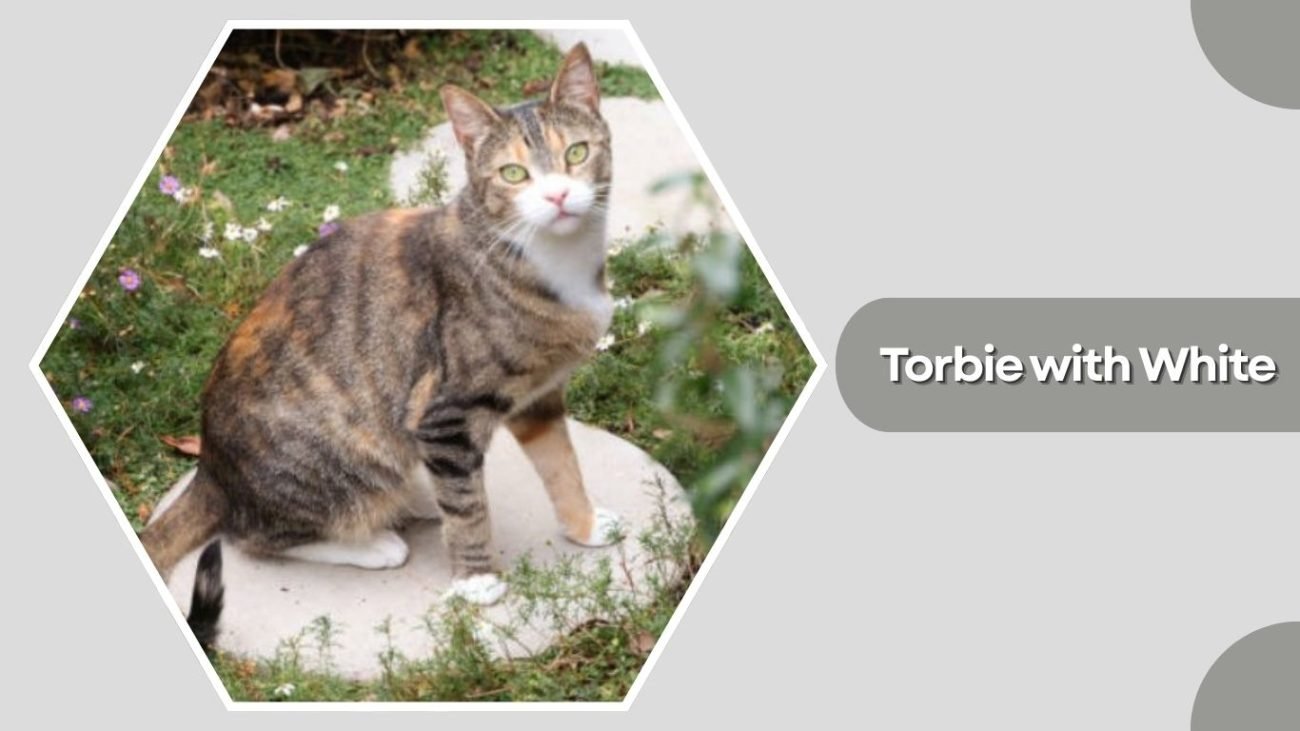
Torbie-with-white cats combine tortoiseshell coloring, tabby striping, and white spotting. The black/orange (or blue/cream) areas show tabby patterns, while white appears on the chest, paws, belly, or face. This creates a highly detailed, multicolored coat. The species remains Felis catus.
Identification
- Blended tortie colors with visible tabby stripes
- White areas on chest, face, paws, or underside
- “M” marking often visible on the forehead
- Pattern appears striped and marbled at the same time
- Fur length varies by breed
- Most individuals are female
Coat Pattern and Visual Appearance
These cats may show orange striped legs, dark swirled patches, and bright white breaks across the coat. The mix of tortoiseshell, tabby, and white spotting genes creates endless pattern possibilities, making each torbie-with-white completely unique in appearance.
Temperament and General Traits
There is no proven temperament linked to torbie-with-white coloring. Their behavior depends on genetics and upbringing, not coat pattern. Some may be energetic and playful, while others are calm and affectionate.
Distribution and Common Breeds
Torbie-with-white cats are found worldwide and are common among Domestic Shorthair and Domestic Longhair cats. They also appear in breeds such as Maine Coon, American Shorthair, British Shorthair, and Bengal.