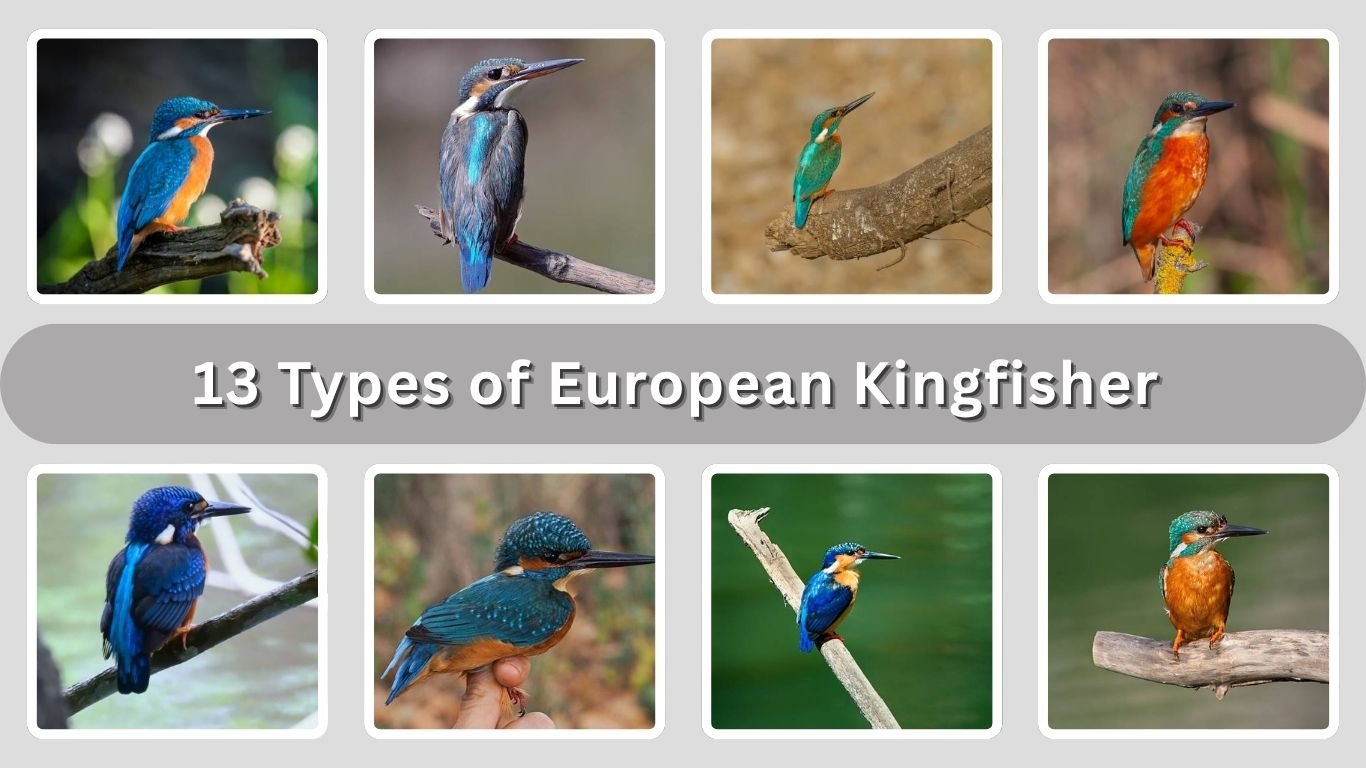
The European Kingfisher (Alcedo atthis) is a small yet striking bird known for its brilliant blue and orange plumage and lightning-fast hunting skills. Found across Europe, Asia, and parts of North Africa, this species is divided into several subspecies, each adapted to its local environment. While they share similar behavior and appearance, subtle differences in size, coloration, and distribution make each type unique. This guide explores 13 recognized subspecies, highlighting their key features and natural habitats.
1. Alcedo atthis atthis

A widespread subspecies of the European Kingfisher, Alcedo atthis atthis is commonly found across much of Europe. It prefers clear, slow-moving rivers, lakes, and streams where it hunts small fish. Known for its vivid coloration and fast flight, this bird is often seen darting low over water.
Identification
- Bright metallic blue upperparts with a slight greenish tint
- Rich orange underparts extending from throat to belly
- White throat patch clearly visible in flight
- Short tail and long, pointed black bill
- Compact body with rapid, direct flight pattern
Habitat and Distribution
This subspecies is widely distributed across continental Europe, particularly in temperate regions. It favors freshwater habitats such as rivers, canals, and lakes with abundant fish and suitable perching spots. It typically avoids polluted or fast-flowing waters, preferring calm environments with overhanging vegetation.
Behavior and Feeding
Alcedo atthis atthis is a solitary and highly territorial bird. It hunts by perching above water and diving swiftly to catch small fish, aquatic insects, and crustaceans. Its flight is fast and low, often just above the water’s surface. It is most active during daylight and relies heavily on keen eyesight for hunting.
Breeding
Breeding usually occurs between spring and summer. The bird nests in burrows dug into riverbanks, where both parents participate in incubation and feeding the chicks. Clutches typically contain several eggs, and multiple broods may be raised in a single season if conditions are favorable.
2. Alcedo atthis ispida
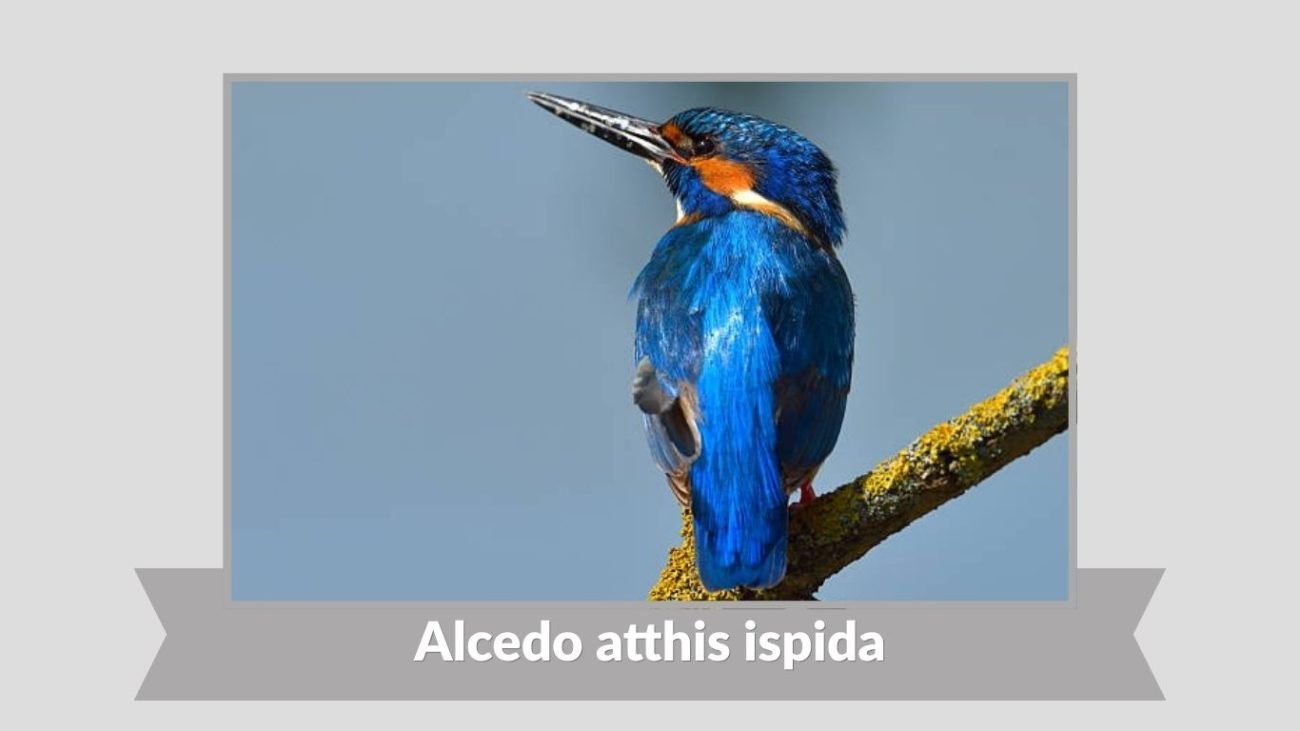
Alcedo atthis ispida is another well-known subspecies of the European Kingfisher, primarily found in parts of Western and Southern Europe, including the British Isles. It closely resembles the nominate subspecies but shows slight regional variations influenced by climate and habitat.
Identification
- Bright blue upperparts with a slightly deeper tone than the nominate form
- Orange underparts, sometimes appearing richer in color
- Distinct white throat patch
- Slightly shorter bill in some individuals
- Compact body with rapid, low flight over water
Habitat and Distribution
This subspecies is commonly found in the United Kingdom, Ireland, and parts of Western Europe. It prefers slow-moving rivers, canals, and lakes with clear water. Dense vegetation along the banks provides ideal perching and nesting sites. It adapts well to mild climates and can also be seen in man-made waterways.
Behavior and Feeding
Like other kingfishers, A. a. ispida is highly territorial and usually solitary. It hunts by diving into water from a perch, targeting small fish and aquatic insects. Its flight is quick and direct, often accompanied by a sharp call. It spends much of its time perched quietly, scanning for prey.
Breeding
Breeding occurs during spring and early summer. The bird digs nesting burrows into soft riverbanks, where eggs are laid and incubated by both parents. The chicks are fed regurgitated fish, and under favorable conditions, this subspecies may raise more than one brood in a season.
3. Alcedo atthis bengalensis
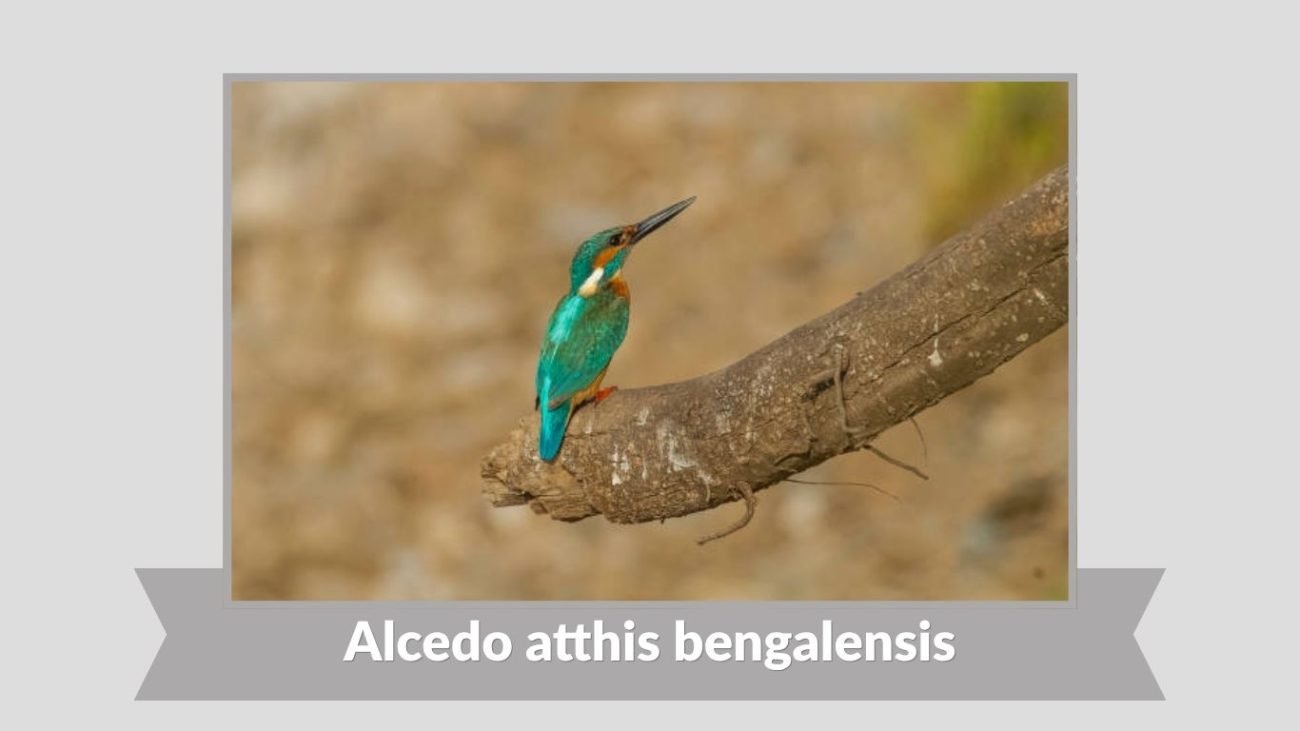
Alcedo atthis bengalensis is a subspecies found across South Asia, including parts of India and Bangladesh. It is well adapted to warmer climates and thrives in a variety of freshwater habitats. This subspecies is often more vibrant in appearance compared to some European forms.
Identification
- Bright turquoise-blue upperparts with a glossy sheen
- Deep orange underparts, often more intense in color
- Clear white throat patch
- Slightly longer and sharper bill
- Small, compact body with swift flight
Habitat and Distribution
This subspecies is widely distributed across the Indian subcontinent. It inhabits rivers, ponds, wetlands, and even rice fields. It is quite adaptable and can tolerate a range of environmental conditions, including human-altered landscapes, as long as food is available.
Behavior and Feeding
Alcedo atthis bengalensis is territorial and prefers solitary life. It hunts by diving from perches into water, catching small fish and aquatic prey. It is active during the day and is often heard before it is seen, thanks to its sharp, high-pitched calls.
Breeding
Breeding usually takes place before or during the monsoon season. The bird excavates burrows in muddy banks for nesting. Both parents share responsibilities of incubation and feeding. Multiple broods may occur if environmental conditions are suitable.
4. Alcedo atthis taprobana
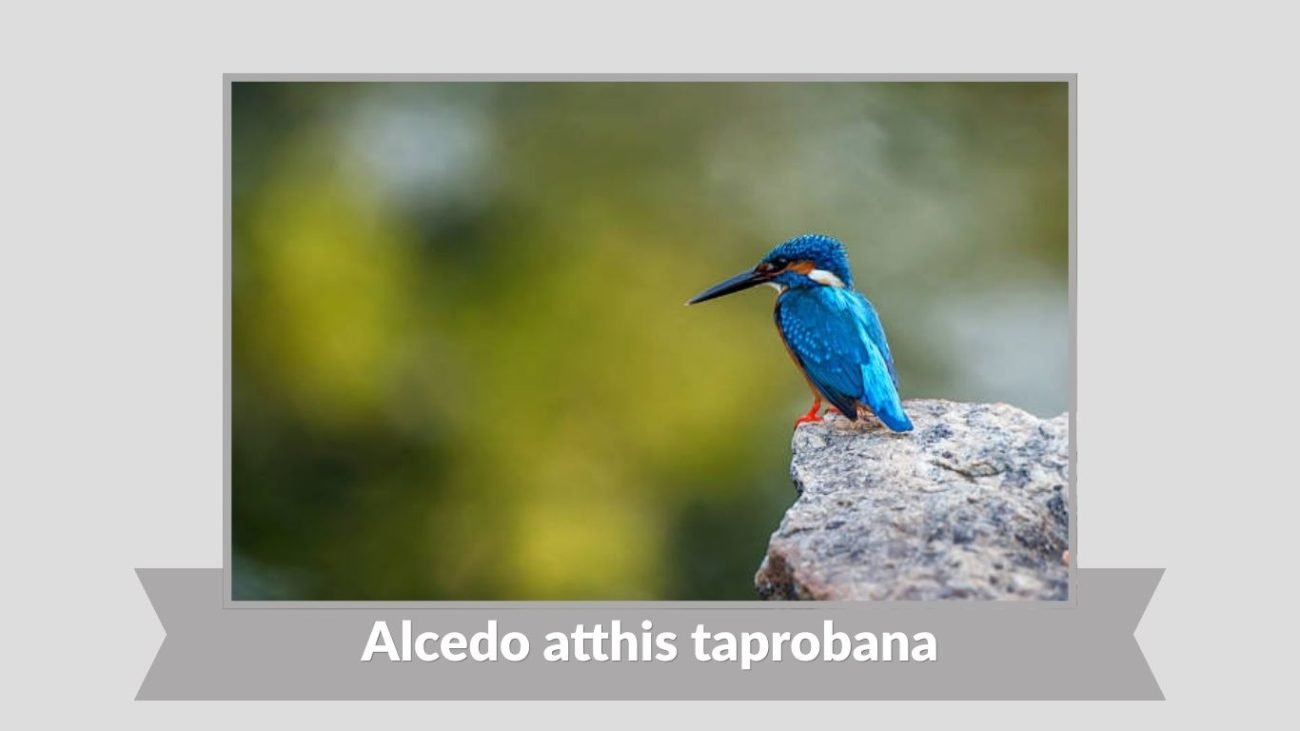
Alcedo atthis taprobana is mainly found in Sri Lanka and nearby regions. It is similar to other subspecies but shows slight differences in coloration and size due to its isolated habitat and tropical environment.
Identification
- Bright blue upperparts with a slightly greener tone
- Rich orange underparts, sometimes darker than other subspecies
- Prominent white throat patch
- Medium-length black bill
- Compact body with fast, direct flight
Habitat and Distribution
This subspecies is largely confined to Sri Lanka. It inhabits rivers, streams, lagoons, and forested wetlands. It prefers undisturbed habitats with clear water and dense vegetation for shelter and nesting.
Behavior and Feeding
Alcedo atthis taprobana is a skilled hunter, diving into water to catch fish and small aquatic creatures. It is territorial and often seen perched quietly before making a sudden dive. Its flight is rapid and close to the water surface.
Breeding
Breeding typically occurs during favorable seasonal conditions. The bird digs nesting tunnels in riverbanks or soft soil near water. Both parents take part in raising the young, feeding them small fish until they are ready to leave the nest.
5. Alcedo atthis floresiana
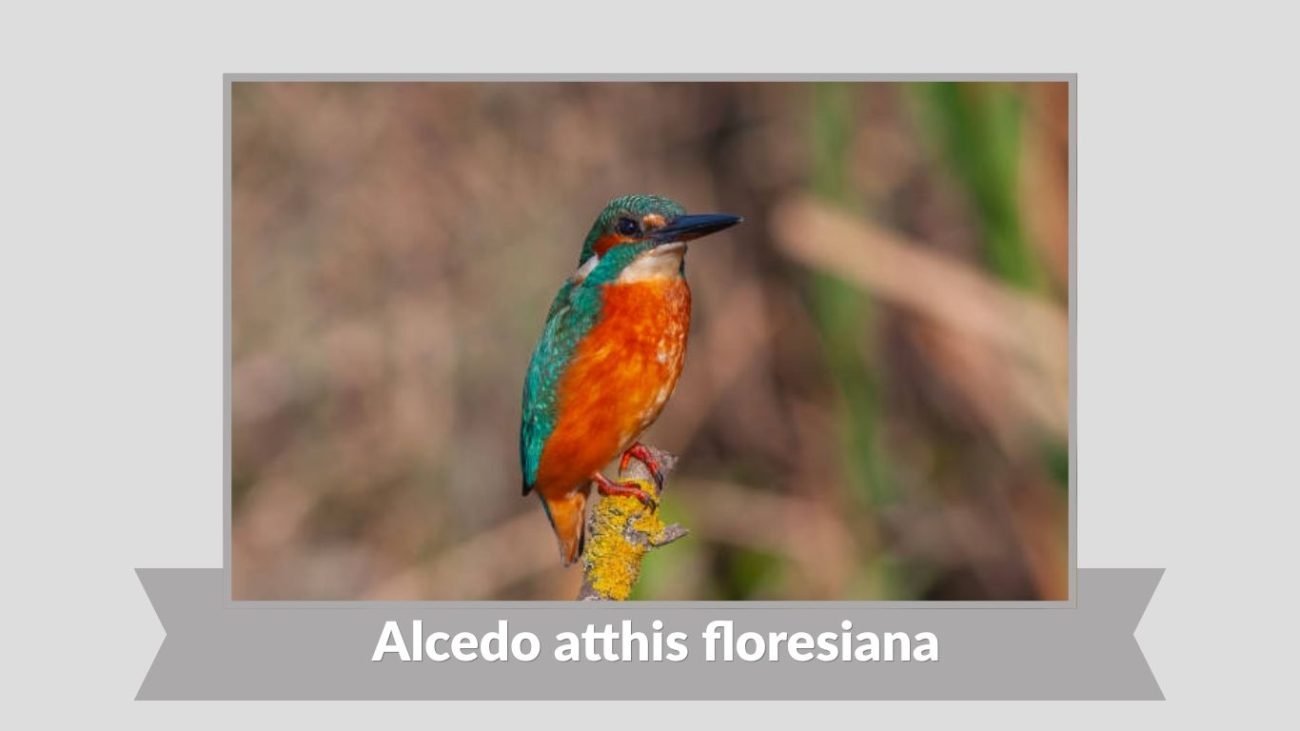
Alcedo atthis floresiana is a subspecies found in parts of Southeast Asia, particularly around the Lesser Sunda Islands. It shows slight regional variation in color intensity and size, adapted to its island environment.
Identification
- Bright blue upperparts with a slightly darker tone
- Orange underparts, moderately vivid
- Noticeable white throat patch
- Slender, pointed black bill
- Small body with quick, low flight
Habitat and Distribution
This subspecies is mainly found on islands such as Flores and nearby regions. It prefers freshwater habitats like streams, rivers, and forest pools. It is often associated with tropical forest edges where water sources are abundant and relatively undisturbed.
Behavior and Feeding
Alcedo atthis floresiana is solitary and territorial. It hunts by watching from a perch before diving into water to catch fish and small aquatic organisms. Its movements are quick and precise, and it is usually active during daylight hours.
Breeding
Breeding habits are similar to other kingfishers. It nests in burrows dug into riverbanks or soft soil. Both parents share duties such as incubating eggs and feeding chicks. The breeding season often aligns with local environmental conditions.
6. Alcedo atthis hispidoides
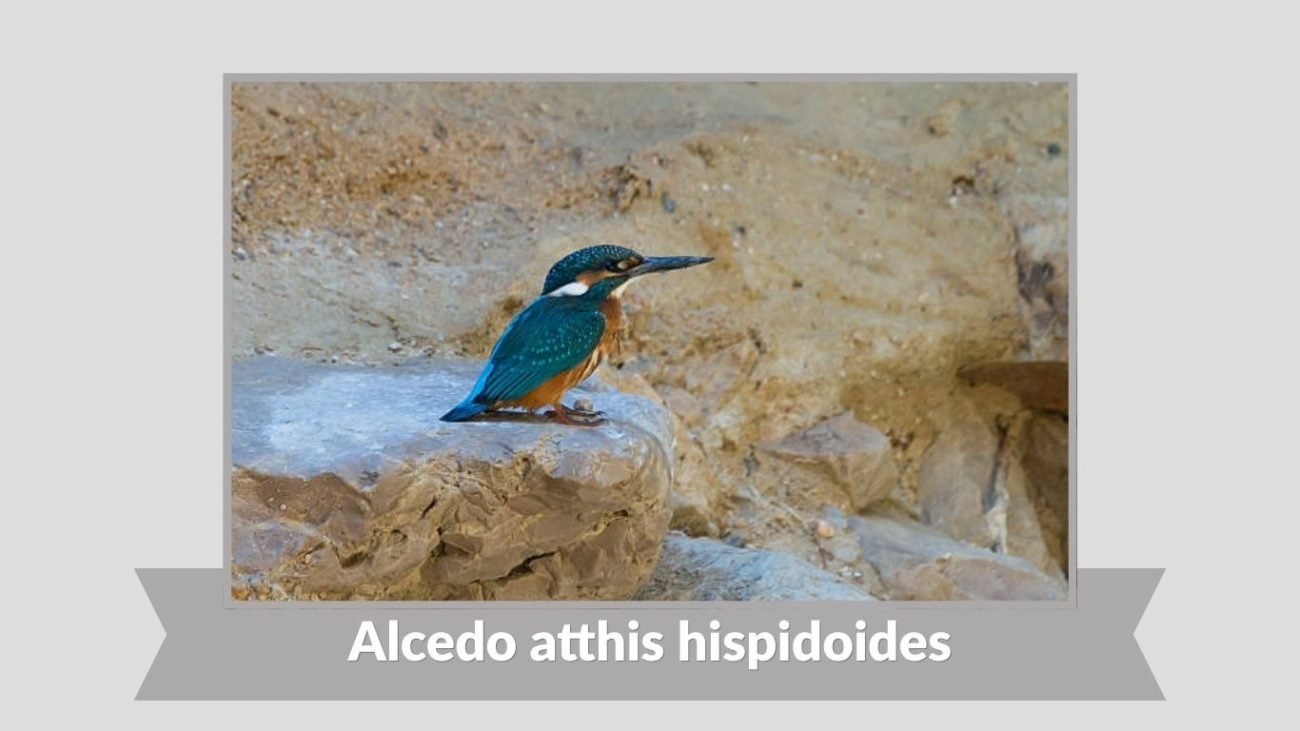
Alcedo atthis hispidoides is distributed across parts of Indonesia and nearby island regions. It is closely related to other tropical subspecies but may show subtle differences in coloration and size.
Identification
- Deep blue upperparts with a slightly glossy appearance
- Bright orange underparts
- Distinct white throat patch
- Medium-length, sharp bill
- Compact build with rapid flight
Habitat and Distribution
This subspecies is found in island habitats across Indonesia. It inhabits rivers, streams, and coastal freshwater areas. It prefers locations with clear water and good visibility for hunting, often near forested zones.
Behavior and Feeding
Alcedo atthis hispidoides is an efficient hunter, diving from perches to catch fish and aquatic insects. It is territorial and usually seen alone. Its flight is fast and straight, often just above the water surface.
Breeding
Breeding occurs in suitable seasons depending on local climate. The bird digs tunnels in soft banks for nesting. Both male and female take part in raising the young, providing them with small fish until they fledge.
7. Alcedo atthis japonica
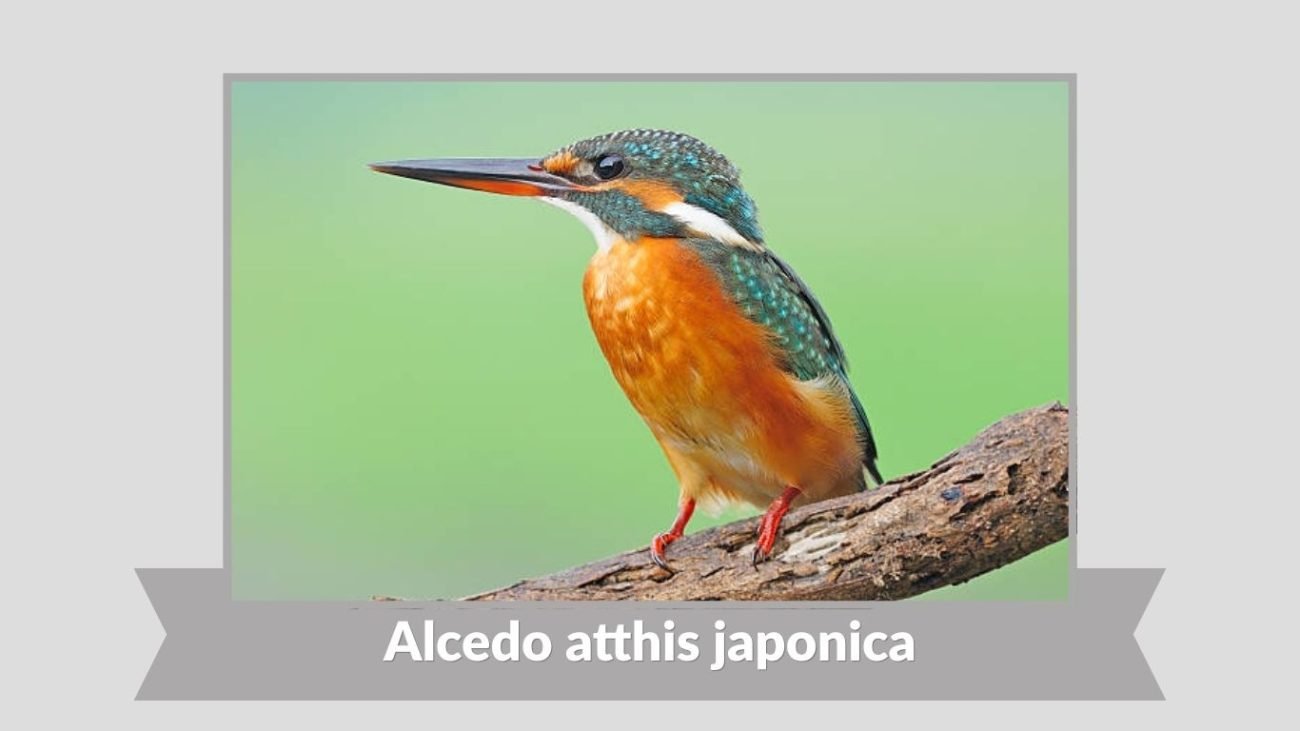
Alcedo atthis japonica is a subspecies commonly found in Japan and nearby East Asian regions. It is well adapted to temperate climates and is often seen near clean, freshwater habitats surrounded by vegetation.
Identification
- Bright blue upperparts with a slightly greenish sheen
- Warm orange underparts
- Clear white throat patch
- Medium-length black bill
- Compact body with fast, direct flight
Habitat and Distribution
This subspecies is mainly distributed across Japan and parts of eastern Asia. It inhabits rivers, streams, ponds, and forested waterways. It prefers clean water bodies with plenty of fish and natural perching sites such as branches or rocks.
Behavior and Feeding
Alcedo atthis japonica is solitary and highly territorial. It hunts by perching quietly and diving swiftly into water to catch small fish. Its flight is rapid and low, often accompanied by sharp calls. It relies on excellent vision for locating prey.
Breeding
Breeding typically occurs in spring. The bird digs burrows into riverbanks where eggs are laid. Both parents share incubation and feeding duties. The chicks are fed small fish and grow quickly under favorable conditions.
8. Alcedo atthis solomonensis
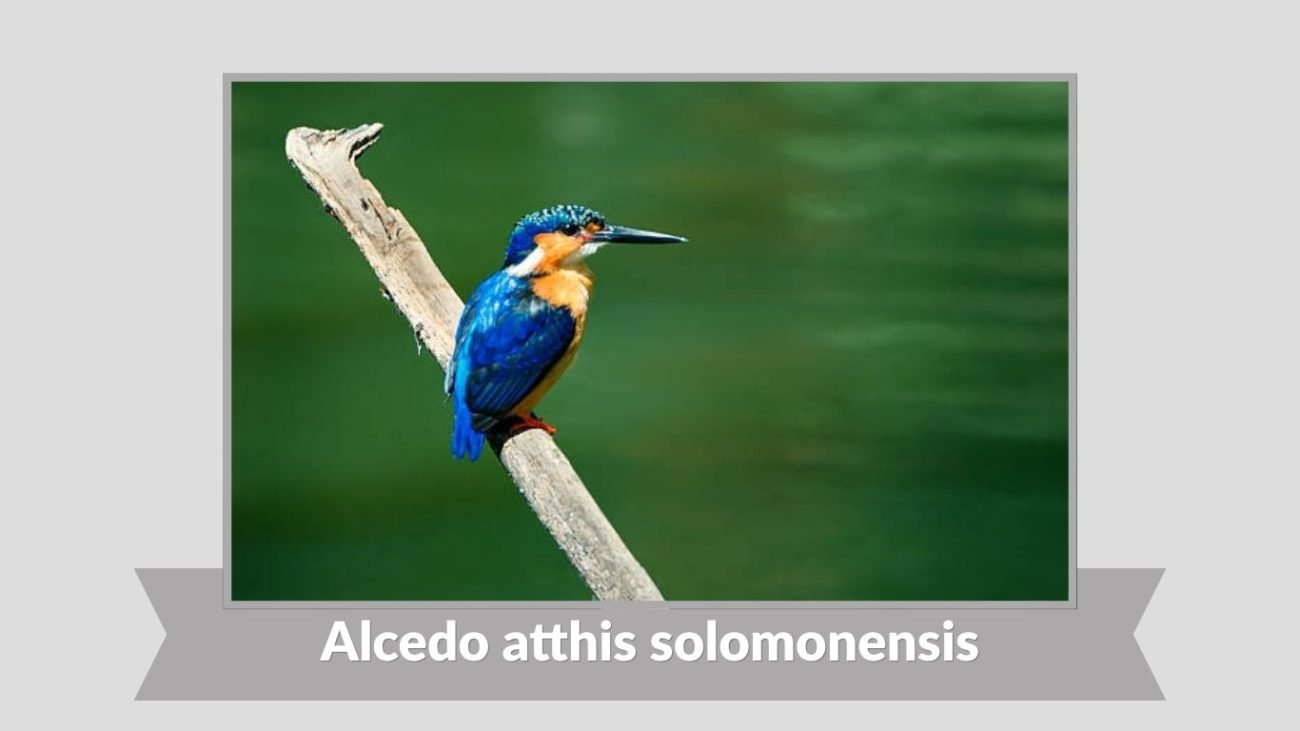
Alcedo atthis solomonensis is found in the Solomon Islands region. This tropical subspecies shows slight adaptations to island environments, including minor differences in coloration and size.
Identification
- Bright blue upperparts with a rich tone
- Deep orange underparts
- Distinct white throat patch
- Sharp, pointed bill
- Small body with quick, agile flight
Habitat and Distribution
This subspecies is native to the Solomon Islands. It inhabits freshwater streams, rivers, and forested wetlands. It prefers undisturbed habitats with dense vegetation and clear water for effective hunting.
Behavior and Feeding
Alcedo atthis solomonensis is a skilled hunter that feeds on small fish and aquatic insects. It typically hunts alone, diving from low perches into water. Its flight is fast and close to the surface, helping it stay hidden from predators.
Breeding
Breeding occurs in suitable seasons depending on rainfall and food availability. The bird nests in burrows dug into soft banks near water. Both parents are involved in raising the young, ensuring regular feeding until they are ready to leave the nest.
9. Alcedo atthis salomonensis
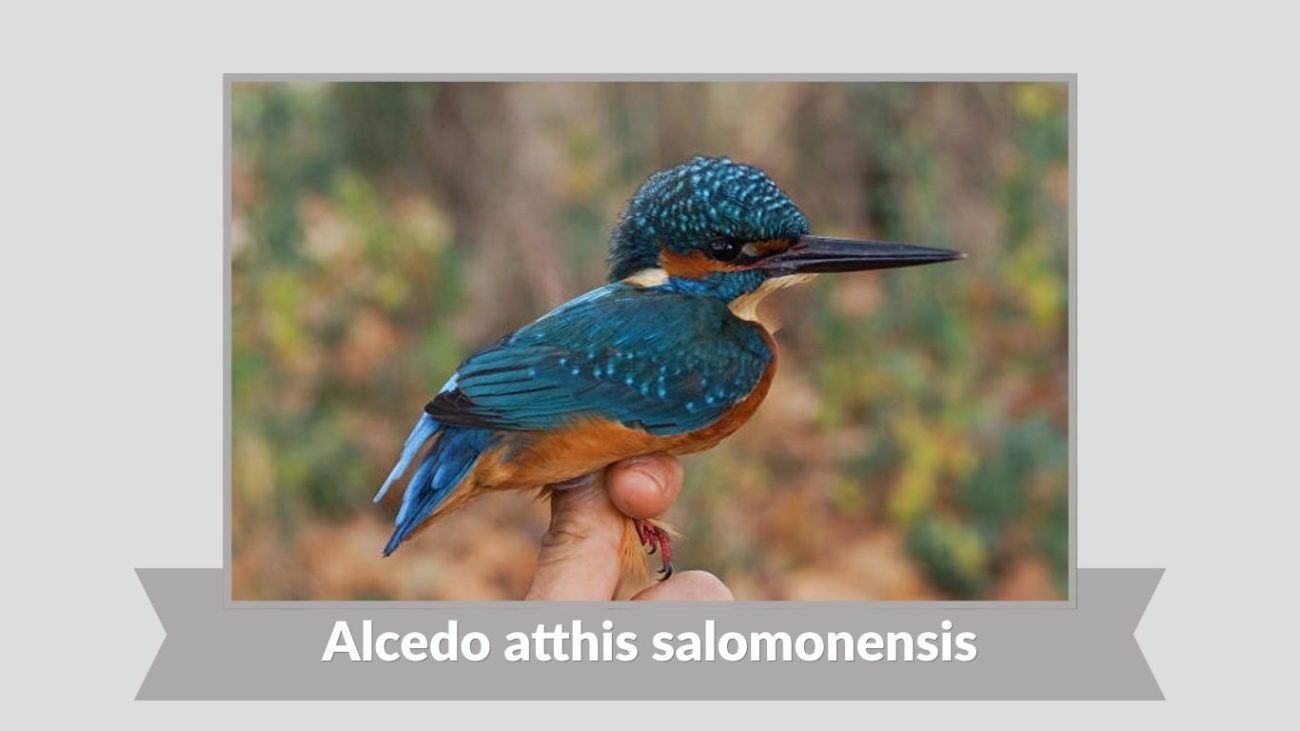
Alcedo atthis salomonensis is another island-associated subspecies found in parts of the Solomon Islands region. It closely resembles related subspecies but shows slight local variation shaped by its isolated habitat.
Identification
- Bright blue upperparts with a slightly deeper shade
- Rich orange underparts
- Clear white throat patch
- Slender, pointed black bill
- Compact body with fast, low flight
Habitat and Distribution
This subspecies is distributed across select islands within the Solomon group. It prefers freshwater habitats such as streams, rivers, and forest pools. Dense vegetation and undisturbed surroundings provide ideal conditions for feeding and nesting.
Behavior and Feeding
Alcedo atthis salomonensis is territorial and usually seen alone. It hunts by perching quietly before diving into water to catch fish and small aquatic creatures. Its flight is quick and direct, often skimming just above the water surface.
Breeding
Breeding depends on local environmental conditions. The bird excavates nesting burrows in soft riverbanks. Both parents share responsibilities such as incubating eggs and feeding chicks until they are strong enough to leave the nest.
10. Alcedo atthis ruficollaris

Alcedo atthis ruficollaris is a subspecies found in parts of Southeast Asia. It is notable for slight differences in neck coloration, which gives it its name.
Identification
- Bright blue upperparts with a glossy finish
- Orange underparts with a slightly richer tone near the neck
- Distinct white throat patch
- Medium-length, sharp bill
- Small, compact body with rapid flight
Habitat and Distribution
This subspecies is found in Southeast Asian regions, inhabiting rivers, streams, and wetlands. It prefers calm, clear waters with nearby vegetation for perching and nesting. It can also be seen in rural water bodies where food is abundant.
Behavior and Feeding
Alcedo atthis ruficollaris is a solitary and territorial bird. It hunts by diving into water from a perch, feeding mainly on small fish and aquatic insects. Its sharp call and fast flight make it noticeable despite its small size.
Breeding
Breeding usually occurs during favorable seasonal periods. The bird digs tunnels in riverbanks for nesting. Both male and female take part in incubation and feeding the chicks, often raising multiple broods if conditions allow.
11. Alcedo atthis pallida
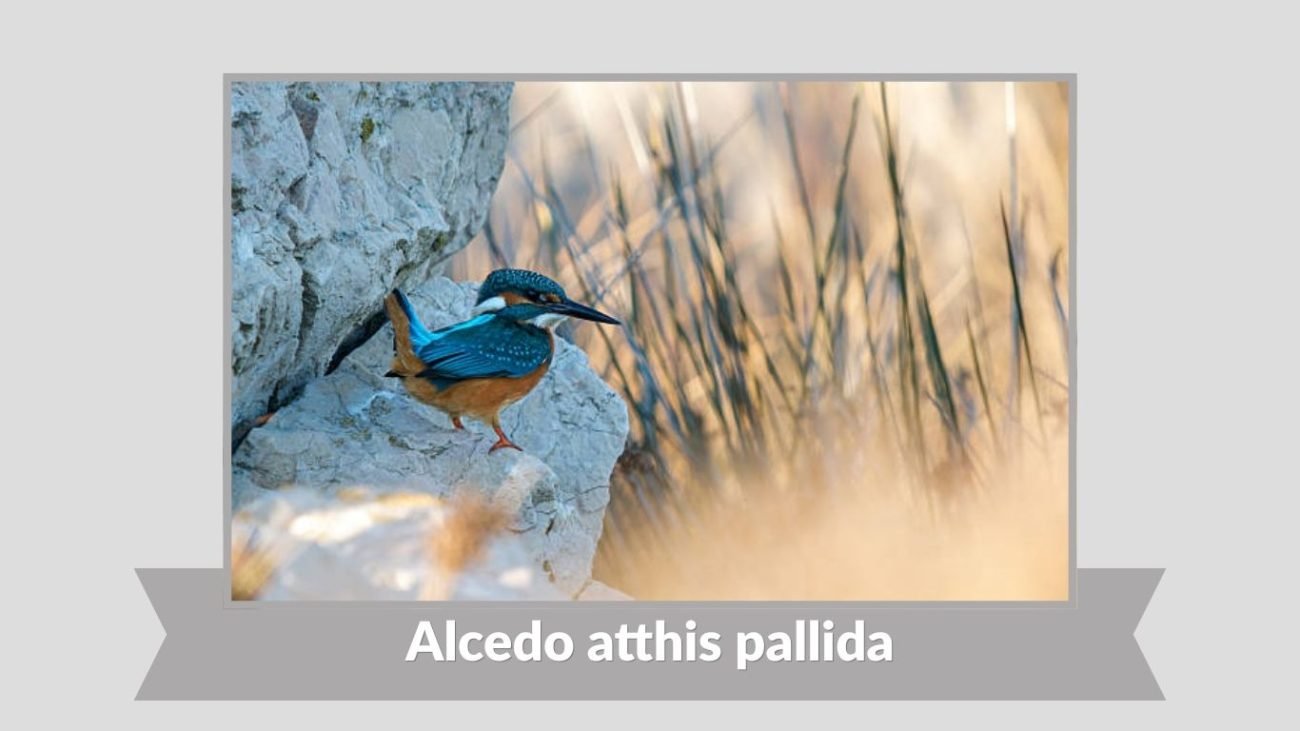
Alcedo atthis pallida is a subspecies known for its slightly paler coloration compared to others. It is found in parts of Southeast Asia, where it inhabits warm, freshwater environments.
Identification
- Paler blue upperparts with a softer tone
- Light orange underparts, less intense than other subspecies
- Clear white throat patch
- Slender black bill
- Small body with quick, low flight
Habitat and Distribution
This subspecies is distributed across certain regions of Southeast Asia. It prefers calm rivers, streams, and wetlands with clear water. It is often found in areas with abundant vegetation, which provides shelter and ideal hunting perches.
Behavior and Feeding
Alcedo atthis pallida is typically solitary and territorial. It hunts by diving from a perch into water, catching small fish and aquatic insects. Its flight is fast and direct, and it often emits sharp calls while moving between perches.
Breeding
Breeding occurs during suitable environmental conditions. The bird nests in burrows dug into soft banks near water. Both parents are involved in incubation and feeding the young until they are ready to fledge.
12. Alcedo atthis pallasii
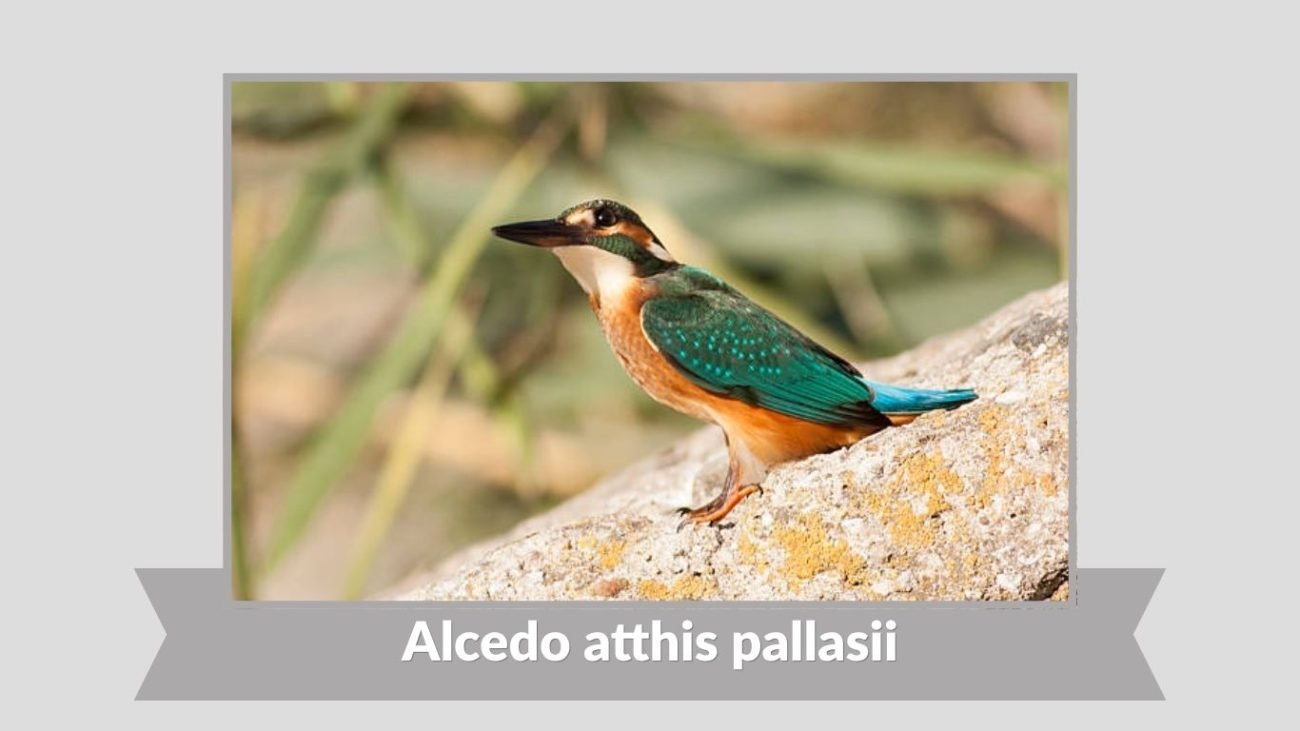
Alcedo atthis pallasii is found in parts of East Asia and nearby regions. It closely resembles other subspecies but may show slight variation in size and coloration.
Identification
- Bright blue upperparts with a slightly deeper shade
- Rich orange underparts
- Distinct white throat patch
- Medium-length pointed bill
- Compact body with swift, direct flight
Habitat and Distribution
This subspecies occurs in parts of East Asia, favoring rivers, streams, and lakes with clear water. It prefers habitats with natural vegetation and minimal disturbance, which support its feeding and nesting behavior.
Behavior and Feeding
Alcedo atthis pallasii is a skilled hunter that feeds mainly on small fish and aquatic organisms. It hunts by diving from low perches and is usually seen alone. Its flight is rapid and low over the water surface.
Breeding
Breeding typically takes place in spring or early summer. The bird digs nesting tunnels in riverbanks. Both parents share responsibilities, including incubating eggs and feeding the chicks until they become independent.
13. Alcedo atthis cantoniensis

Alcedo atthis cantoniensis is a subspecies commonly found in parts of East and Southeast Asia. It is well adapted to warmer climates and is often seen near a variety of freshwater habitats.
Identification
- Bright blue upperparts with a slightly greenish tint
- Deep orange underparts
- Clear white throat patch
- Slender, pointed black bill
- Small, compact body with fast, direct flight
Habitat and Distribution
This subspecies is distributed across southern China and surrounding regions. It inhabits rivers, canals, ponds, and wetlands. It adapts well to both natural and human-modified environments, as long as clean water and food sources are available.
Behavior and Feeding
Alcedo atthis cantoniensis is territorial and usually solitary. It hunts by perching quietly and diving into water to catch small fish and aquatic insects. Its flight is rapid and low, often accompanied by a sharp, high-pitched call.
Breeding
Breeding occurs during favorable seasons, often linked to local climate conditions. The bird nests in burrows dug into soft riverbanks. Both parents participate in incubation and feeding the chicks, ensuring steady growth until they leave the nest.
FAQs
What is the European Kingfisher known for?
The European Kingfisher is best known for its bright blue and orange plumage and its exceptional fishing ability. It dives swiftly into water to catch small fish with great precision. Its fast, low flight over water and sharp call also make it easy to recognize in its natural habitat.
How many subspecies of European Kingfisher are there?
There are around 13 recognized subspecies of the European Kingfisher. These subspecies are spread across Europe, Asia, and nearby regions. Each one shows slight differences in color, size, and distribution, shaped by local environmental conditions.
Where can European Kingfishers be found?
European Kingfishers are found across Europe, Asia, and parts of North Africa. They prefer clean, slow-moving freshwater habitats such as rivers, lakes, streams, and canals. They are often seen perched near water, watching for prey.
What do European Kingfishers eat?
Their diet mainly consists of small fish, but they also eat aquatic insects, crustaceans, and occasionally tadpoles. They hunt by diving into the water from a perch and catching prey with their sharp beak, then returning to a perch to consume it.
Are European Kingfishers endangered?
The European Kingfisher is not globally endangered and is listed as a species of Least Concern. However, local populations can decline due to habitat loss, water pollution, and harsh winters. Conservation of clean waterways is important for their survival.