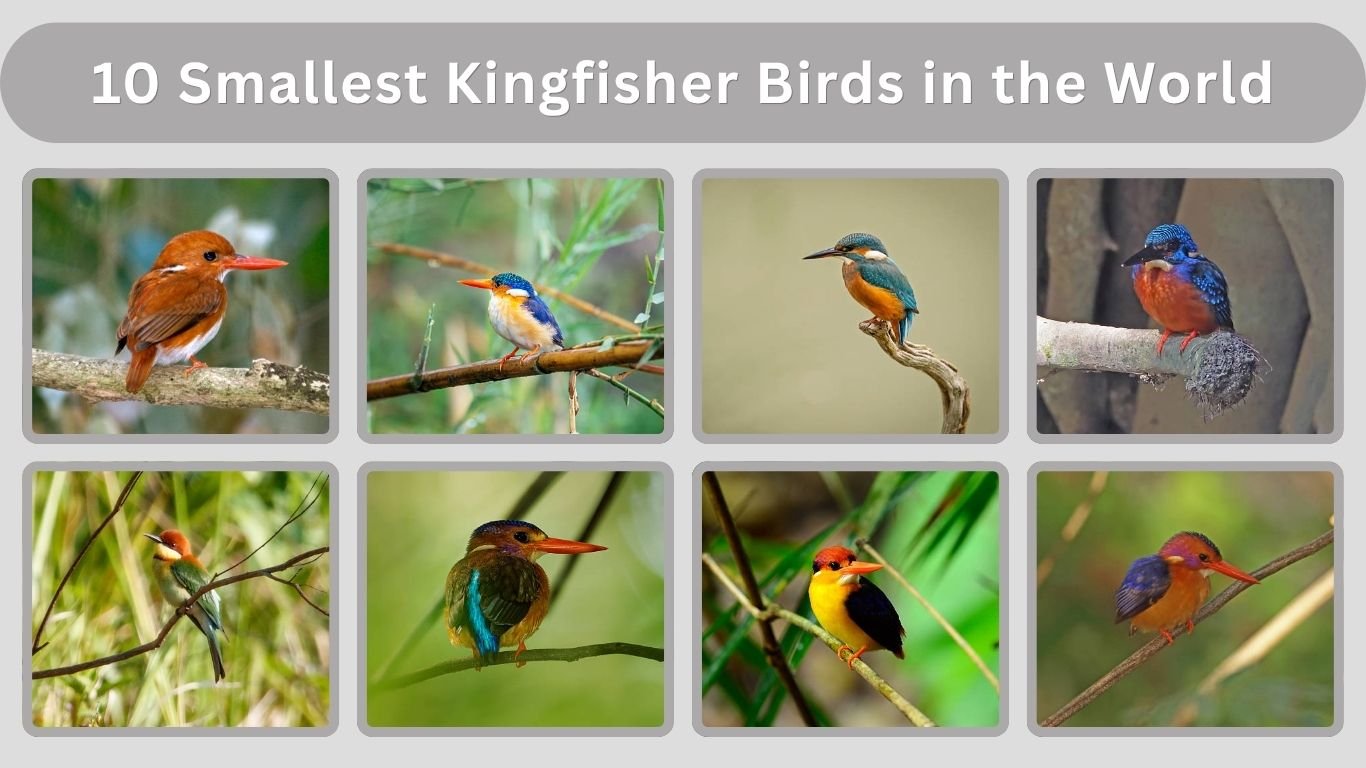
Kingfishers are famous for their bright colors and remarkable hunting skills, but some species stand out for their incredibly small size. These tiny kingfishers are found across Africa, Asia, and Australia, often living in forests, streams, and wetlands. Despite their size, they are agile hunters with unique behaviors and adaptations. This guide highlights 10 of the smallest kingfisher birds, showcasing their diversity and fascinating characteristics.
1. African Dwarf Kingfisher
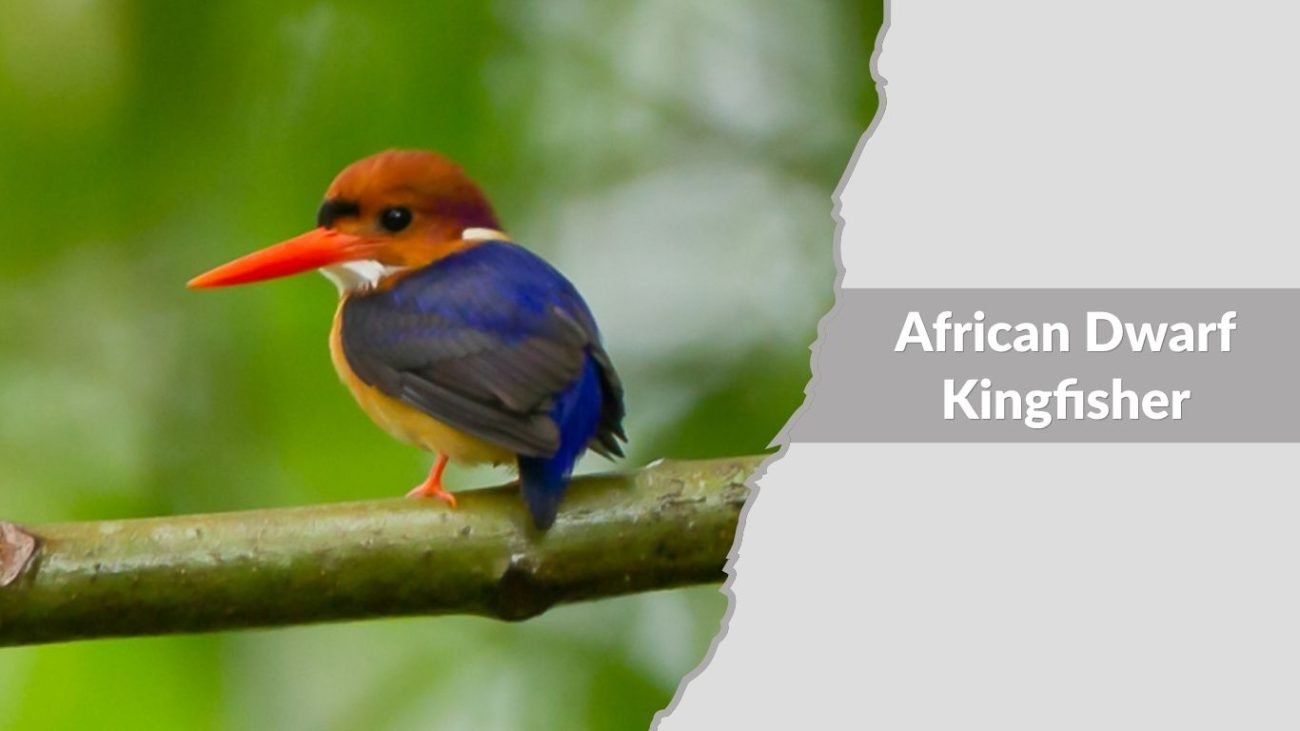
The African Dwarf Kingfisher is one of the smallest and most colorful kingfisher species in the world. Native to sub-Saharan Africa, it lives mostly in dense forests rather than near open water like many other kingfishers. Despite its tiny size, it is known for its bright plumage and quick movements.
Identification
- Bright orange underparts with a rich, warm tone
- Deep blue upperparts with a violet sheen
- White throat and small ear patches
- Short tail and very small, compact body
- Thin, dark bill suited for catching small prey
Size
The African Dwarf Kingfisher is extremely small, typically measuring about 10–11 cm (4–4.3 inches) in length. It weighs around 9–12 grams, making it one of the tiniest kingfishers in existence. Its small size allows it to move quickly through dense forest habitats.
Habitat and Distribution
This species is widely distributed across tropical sub-Saharan Africa. It prefers dense lowland forests, woodland edges, and shaded areas with thick vegetation. Unlike many kingfishers, it is less dependent on water and can often be found far from rivers or lakes.
Behavior and Feeding
The African Dwarf Kingfisher is solitary and often difficult to spot due to its secretive nature. It hunts insects, small invertebrates, and occasionally tiny vertebrates by perching quietly and then making quick, precise movements to capture prey. It is most active during the day but remains hidden within foliage.
2. Oriental Dwarf Kingfisher
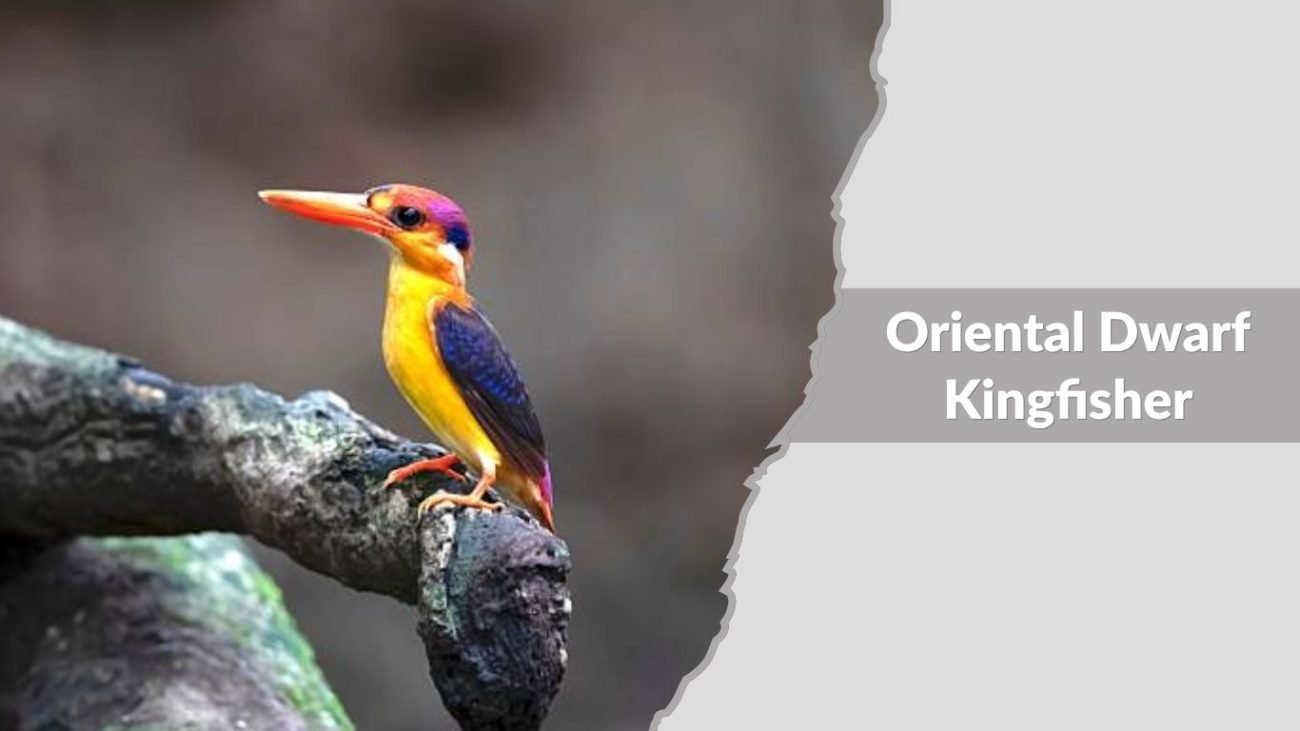
The Oriental Dwarf Kingfisher is a tiny, brilliantly colored bird found across South and Southeast Asia. It is often considered one of the most beautiful kingfishers due to its vibrant mix of colors. Unlike many other species, it is frequently seen in forested areas rather than near open water.
Identification
- Bright orange underparts with intense coloration
- Purple-blue upperparts with a glossy finish
- Yellow bill and feet, making it highly distinctive
- White patch on the side of the neck
- Very small, compact body with short tail
Size
This species measures about 12–13 cm (4.7–5.1 inches) in length and weighs around 14–16 grams. Despite being slightly larger than the African Dwarf Kingfisher, it is still among the smallest kingfishers in the world.
Habitat and Distribution
The Oriental Dwarf Kingfisher is found across India, Bangladesh, Southeast Asia, and parts of Indonesia. It prefers dense forests, shaded streams, and wooded areas with thick undergrowth. It is especially common in tropical and subtropical regions.
Behavior and Feeding
This bird is shy and often remains hidden in dense vegetation. It feeds mainly on insects, small frogs, and other tiny creatures rather than fish. It hunts from low perches and makes quick, darting movements to catch prey on the forest floor or near water edges.
3. Philippine Dwarf Kingfisher
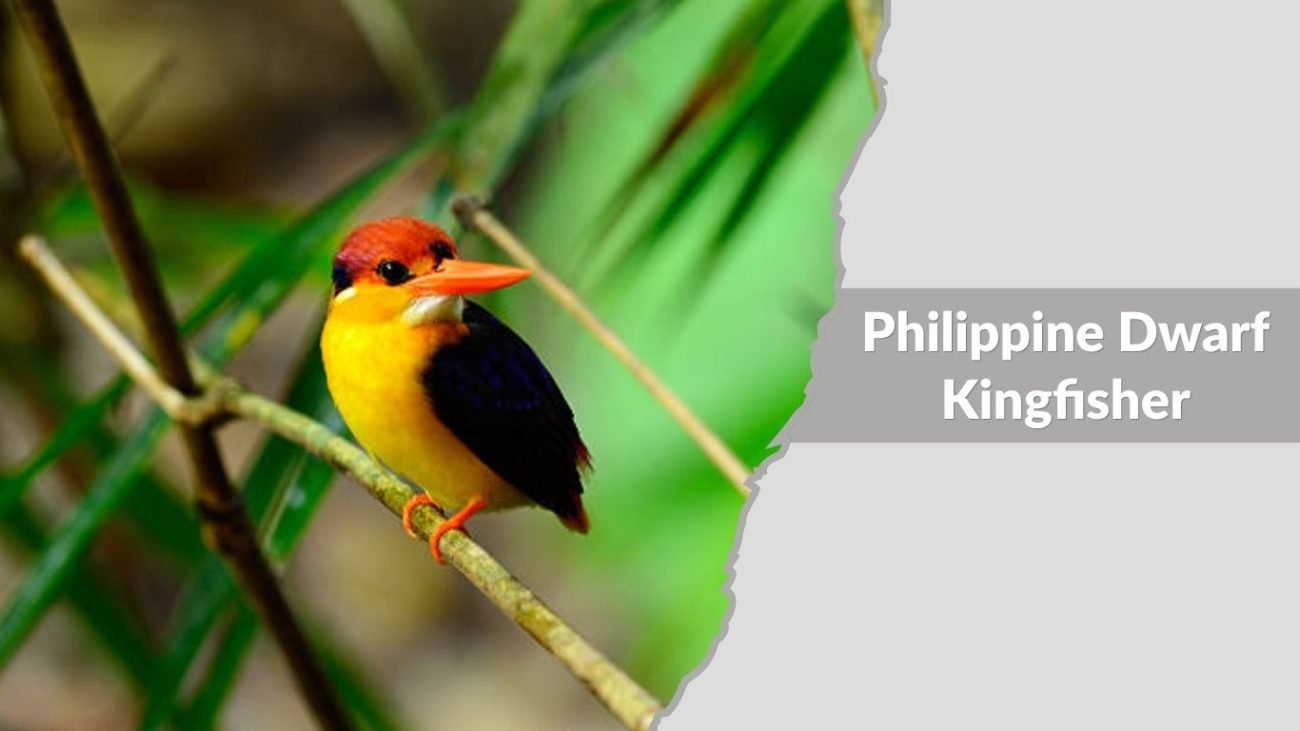
The Philippine Dwarf Kingfisher is a small, ground-dwelling species native to the forests of the Philippines. Unlike many kingfishers, it spends much of its time away from open water, living in dense, lowland forests. Its bright colors and elusive nature make it a unique member of the kingfisher family.
Identification
- Bright orange underparts with a soft, warm tone
- Blue to bluish-purple upperparts
- White throat patch
- Short tail and rounded body
- Strong, relatively short bill adapted for land hunting
Size
This species is very small, measuring around 12–13 cm (4.7–5.1 inches) in length. Its weight typically ranges between 14–18 grams, keeping it among the smallest kingfishers.
Habitat and Distribution
The Philippine Dwarf Kingfisher is endemic to the Philippines, found in lowland and foothill forests. It prefers dense vegetation, forest floors, and shaded areas rather than open waterways. Habitat loss has affected its population in some regions.
Behavior and Feeding
This kingfisher is mostly terrestrial and highly secretive. It feeds on insects, worms, small reptiles, and other invertebrates. Instead of diving into water, it hunts on the forest floor, using quick movements to catch prey among leaf litter and undergrowth.
4. Sulawesi Dwarf Kingfisher
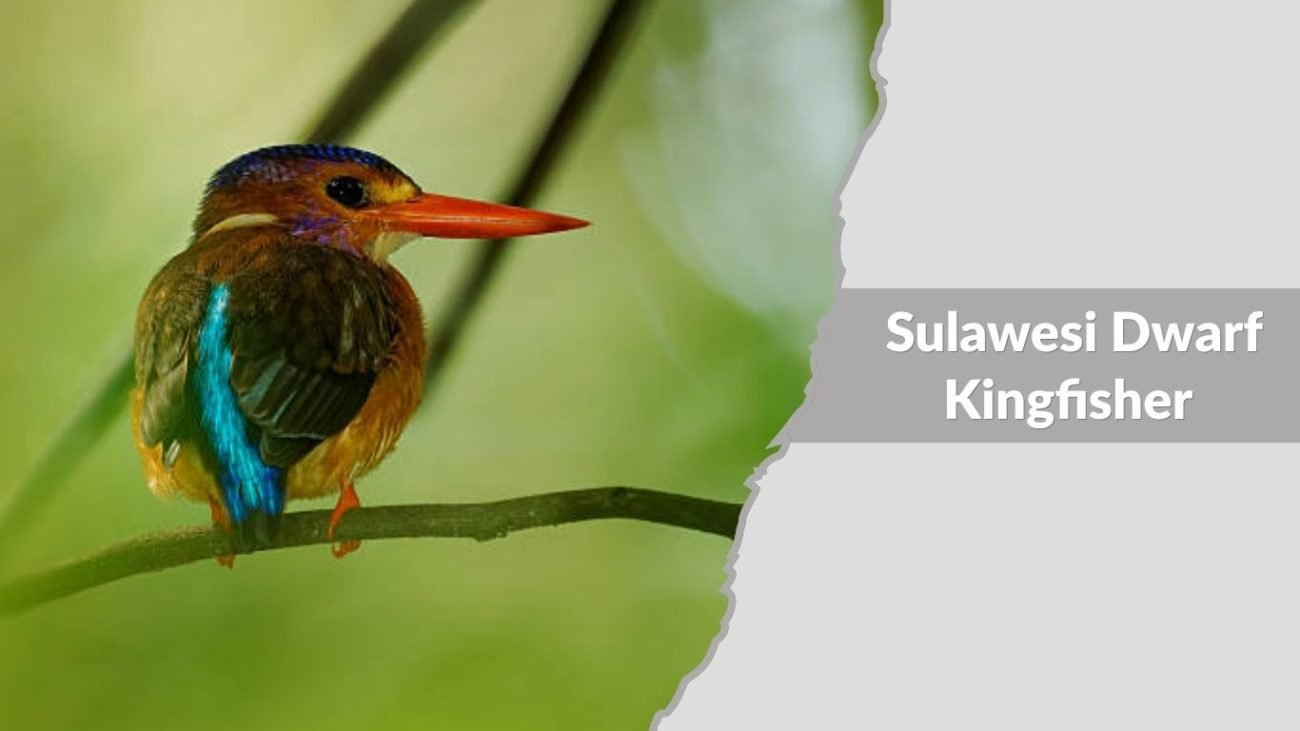
The Sulawesi Dwarf Kingfisher is a small and colorful species native to the Indonesian island of Sulawesi. It is a forest-dwelling bird that differs from typical fish-eating kingfishers by spending much of its time away from water, living in dense vegetation.
Identification
- Bright orange underparts with a rich tone
- Blue upperparts with a slightly darker shade
- White throat patch
- Short tail and compact body
- Sturdy, pointed bill for catching small prey
Size
This species measures about 13 cm (5.1 inches) in length and weighs approximately 14–18 grams. Its small size places it among the tiniest members of the kingfisher family.
Habitat and Distribution
The Sulawesi Dwarf Kingfisher is endemic to Sulawesi, Indonesia. It inhabits lowland and hill forests, particularly areas with dense undergrowth. It prefers shaded forest environments and is rarely seen near open water.
Behavior and Feeding
This bird is shy and difficult to observe. It feeds mainly on insects, spiders, and other small invertebrates. It hunts from low perches or the forest floor, making quick, precise movements to capture prey in leaf litter and dense vegetation.
5. Rufous-backed Dwarf Kingfisher
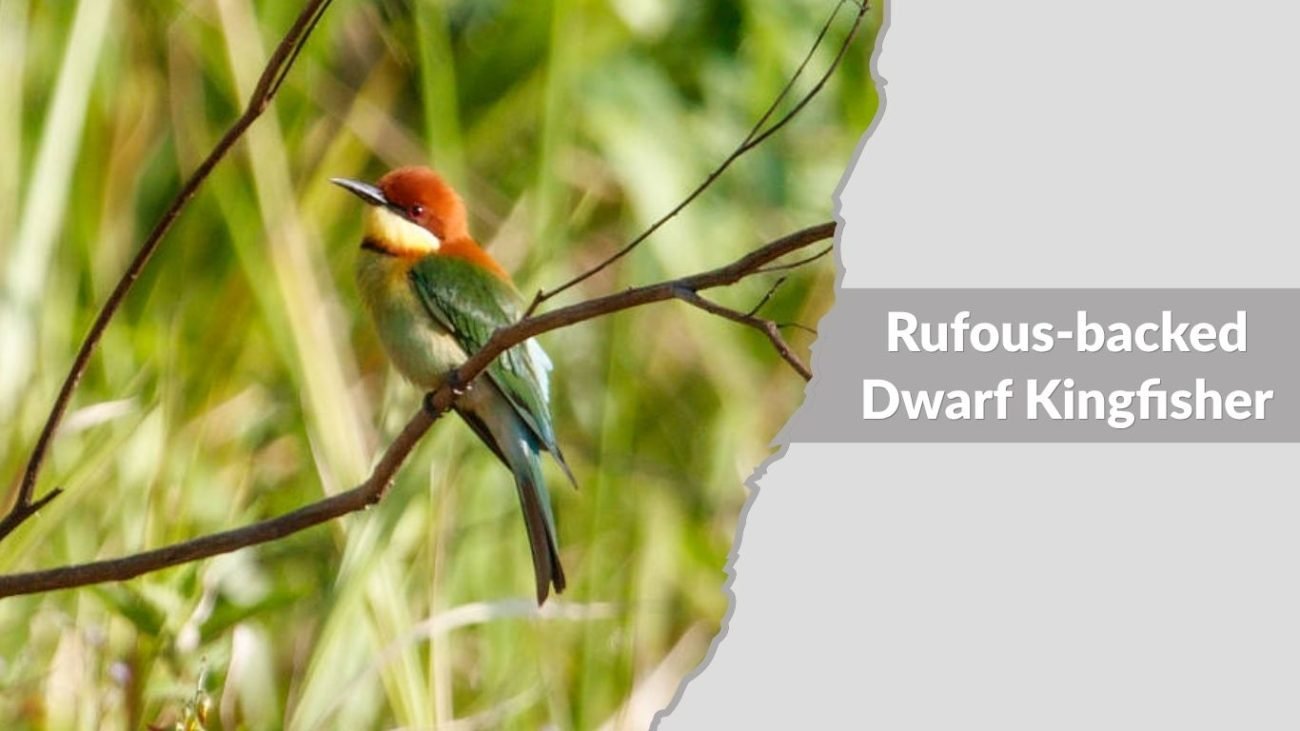
The Rufous-backed Dwarf Kingfisher is a tiny and striking bird found in parts of Southeast Asia. It is known for its warm-toned plumage and preference for dense forest habitats rather than open water, making it quite different from typical kingfishers.
Identification
- Bright orange underparts with a rich hue
- Rufous (reddish-brown) back instead of blue
- White throat patch
- Short tail and compact body
- Slender, pointed bill
Size
This species measures around 12–13 cm (4.7–5.1 inches) in length and weighs approximately 14–16 grams. Its small size makes it one of the tiniest kingfishers in its range.
Habitat and Distribution
The Rufous-backed Dwarf Kingfisher is found in parts of Southeast Asia, including regions of Indonesia. It prefers dense tropical forests, especially areas with thick undergrowth and shaded environments. It is rarely seen near large water bodies.
Behavior and Feeding
This kingfisher is secretive and mostly stays hidden in forest vegetation. It feeds on insects, small invertebrates, and occasionally tiny reptiles. It hunts by making quick, darting movements from low perches or directly from the forest floor.
6. Blue-eared Kingfisher
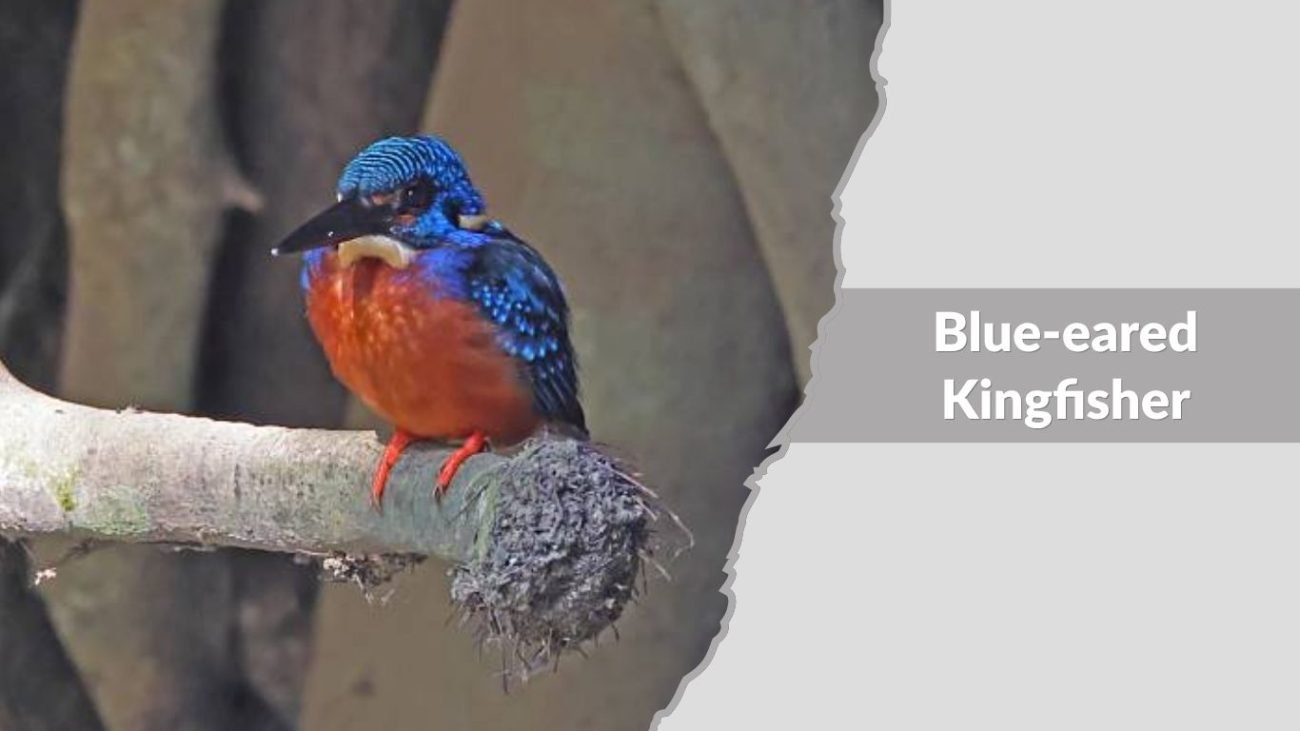
The Blue-eared Kingfisher is a small, vibrant species found in Southeast Asia. It closely resembles the Common Kingfisher but is distinguished by its deeper blue coloration and darker tones. It prefers forested waterways and shaded streams.
Identification
- Deep cobalt-blue upperparts with a glossy shine
- Bright orange underparts
- Dark blue ear coverts (no obvious white ear patch)
- White throat patch
- Slender, pointed black bill
Size
This species measures about 14–16 cm (5.5–6.3 inches) in length and weighs around 14–20 grams. It is slightly larger than dwarf kingfishers but still considered small.
Habitat and Distribution
The Blue-eared Kingfisher is found across Southeast Asia, including countries like Thailand, Malaysia, and Indonesia. It prefers shaded forest streams, rivers, and wetlands with clear, slow-moving water and dense vegetation.
Behavior and Feeding
This bird is solitary and highly territorial. It hunts by perching quietly above water and diving quickly to catch small fish and aquatic insects. Its flight is fast and direct, often staying low over the water surface while moving between perches.
7. Azure Kingfisher
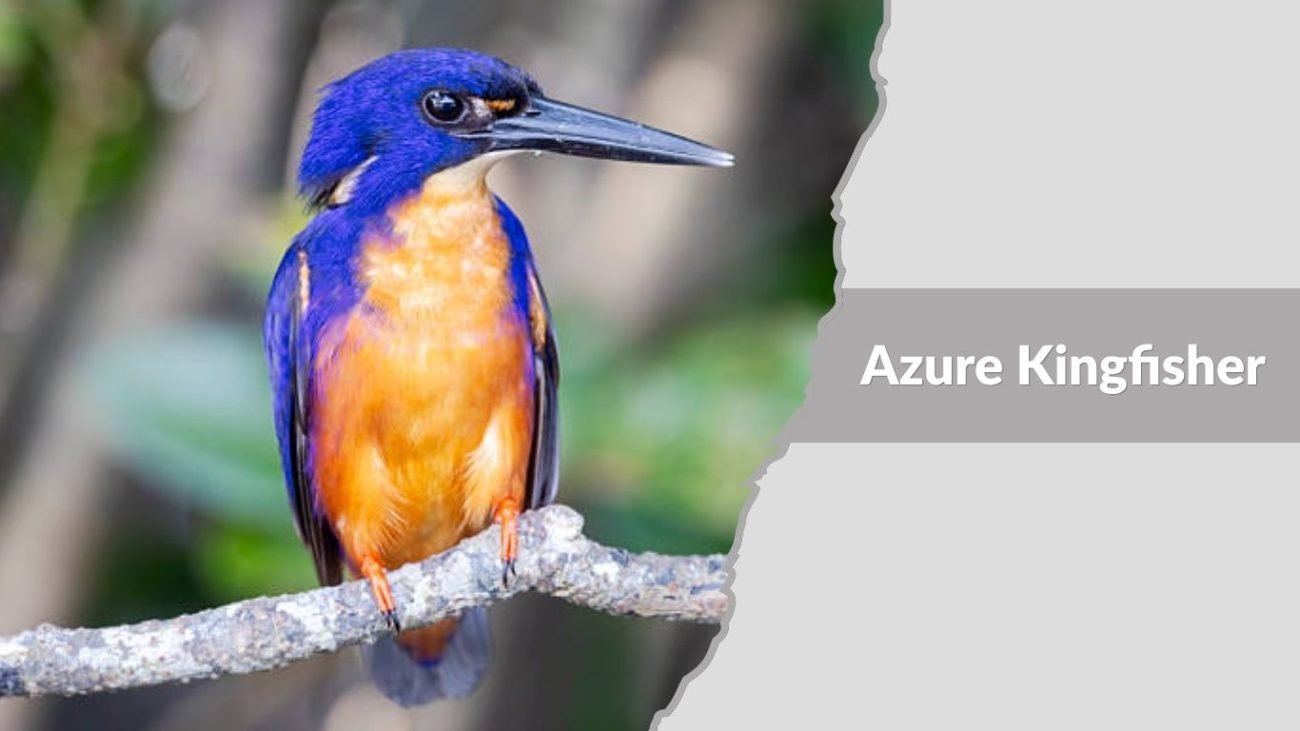
The Azure Kingfisher is a small, brightly colored species found in Australia and parts of New Guinea. It is known for its vivid blue plumage and preference for calm, shaded waterways where it can hunt efficiently.
Identification
- Bright azure-blue upperparts with a vivid sheen
- White to pale orange underparts
- White throat and neck markings
- Short tail and compact body
- Long, sharp black bill
Size
This species measures about 17–19 cm (6.7–7.5 inches) in length and weighs around 25–35 grams. It is slightly larger than many dwarf kingfishers but still considered relatively small.
Habitat and Distribution
The Azure Kingfisher is found in Australia, New Guinea, and nearby islands. It prefers slow-moving rivers, creeks, and mangroves with overhanging vegetation. It is commonly seen in shaded areas with clear water.
Behavior and Feeding
This kingfisher is solitary and quiet. It hunts by perching above water and diving to catch small fish, crustaceans, and aquatic insects. Its flight is low and fast, and it often returns to the same perch after catching prey.
8. Little Kingfisher
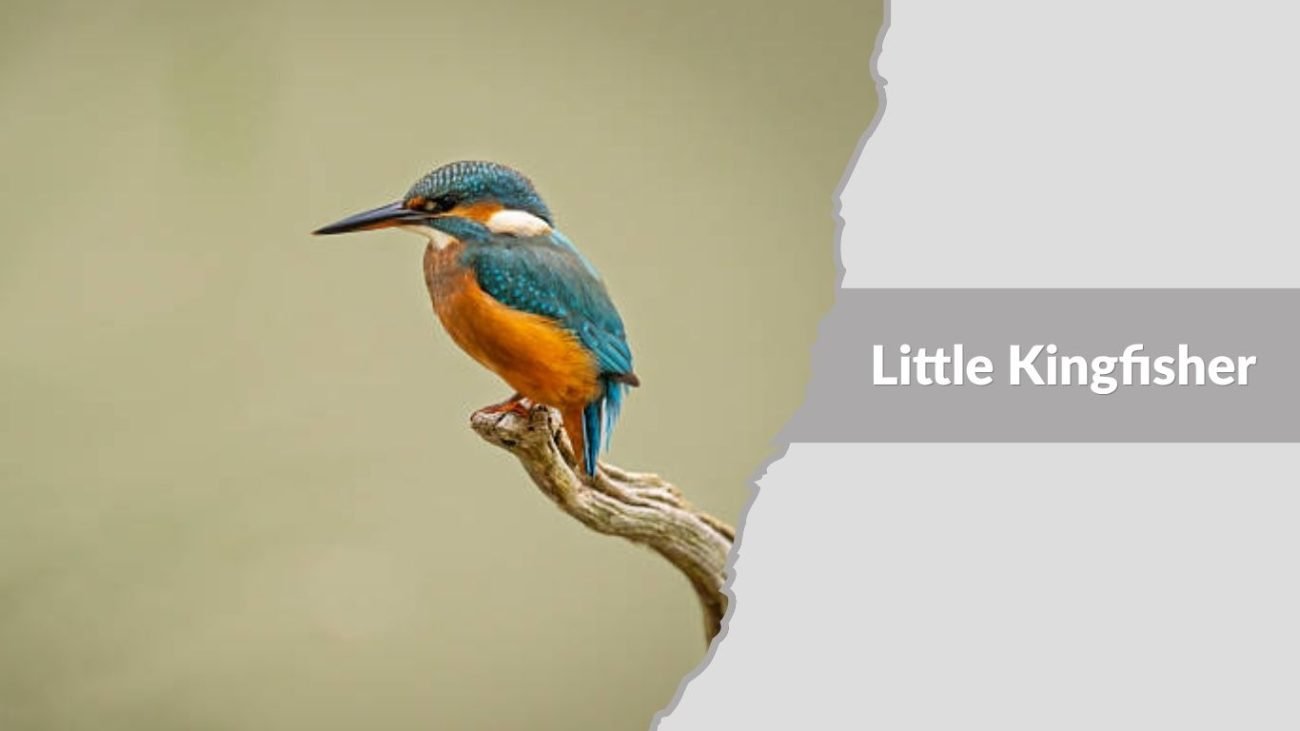
The Little Kingfisher is one of the smallest kingfisher species found in Australia and New Guinea. Despite its name, it is brilliantly colored and highly active, often seen near forest streams and coastal areas.
Identification
- Bright blue upperparts with a slightly electric tone
- White underparts with a bluish tinge on the sides
- Distinct white spot near the ear area
- Very small, compact body
- Thin, pointed black bill
Size
This species measures about 10–13 cm (4–5.1 inches) in length and weighs around 10–16 grams. Its tiny size makes it one of the smallest true kingfishers.
Habitat and Distribution
The Little Kingfisher is found in northern and eastern Australia, as well as New Guinea. It prefers rainforest streams, mangroves, and coastal forests. It is often seen near shallow water bodies with dense vegetation.
Behavior and Feeding
This bird is active and alert, often perching low above water. It feeds mainly on small fish, aquatic insects, and crustaceans. It hunts by making quick dives into water and usually returns to the same perch to consume its catch.
9. Malachite Kingfisher
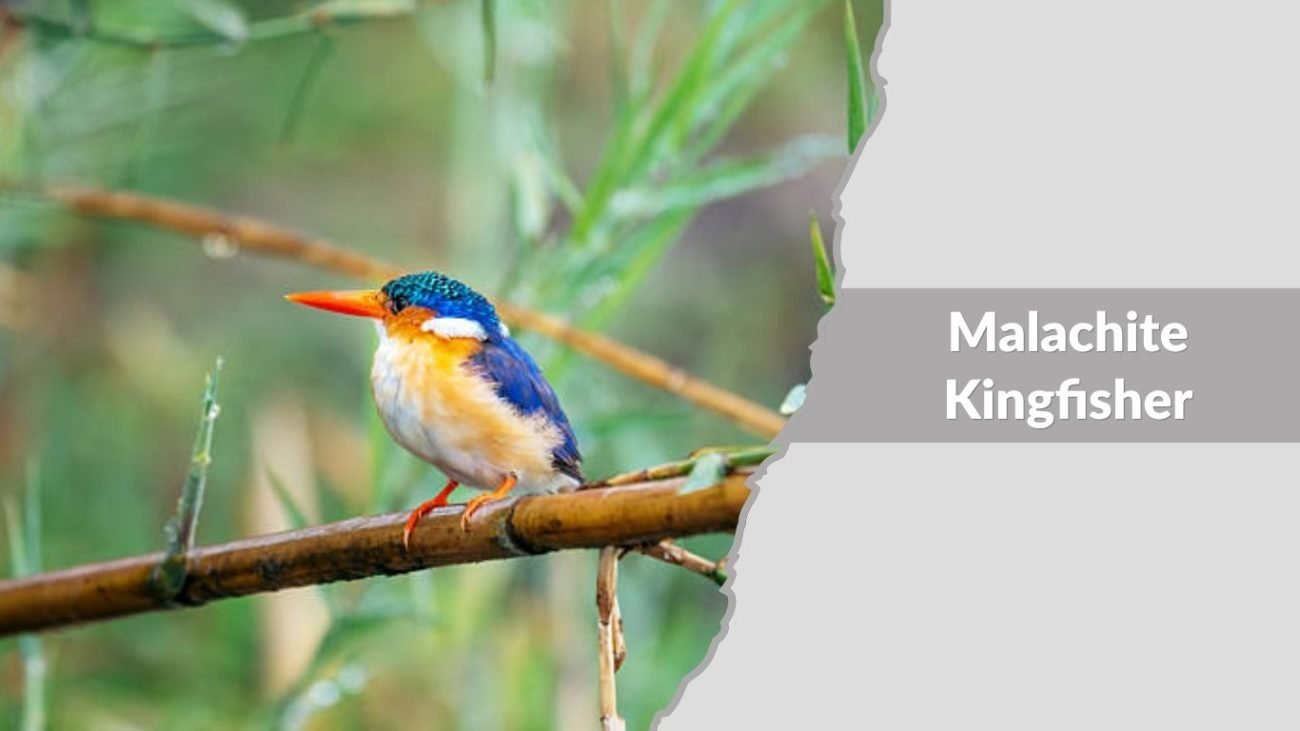
The Malachite Kingfisher is a tiny and brilliantly colored species found across sub-Saharan Africa. It is well known for its vivid blue plumage and active behavior near freshwater habitats.
Identification
- Bright turquoise-blue upperparts with a glossy finish
- Rich orange underparts
- Distinct white throat and neck patch
- Short tail and very small body
- Fine, pointed reddish bill
Size
This species measures about 12–13 cm (4.7–5.1 inches) in length and weighs around 12–15 grams. Its small size places it among the tiniest kingfishers in Africa.
Habitat and Distribution
The Malachite Kingfisher is widely distributed across sub-Saharan Africa. It inhabits rivers, lakes, marshes, and slow-moving streams. It prefers areas with reeds and vegetation that provide good perching and nesting sites.
Behavior and Feeding
This kingfisher is active and often seen perched low over water. It feeds mainly on small fish, aquatic insects, and crustaceans. It hunts by diving quickly into the water and returning to a perch to eat its prey.
10. Madagascar Pygmy Kingfisher
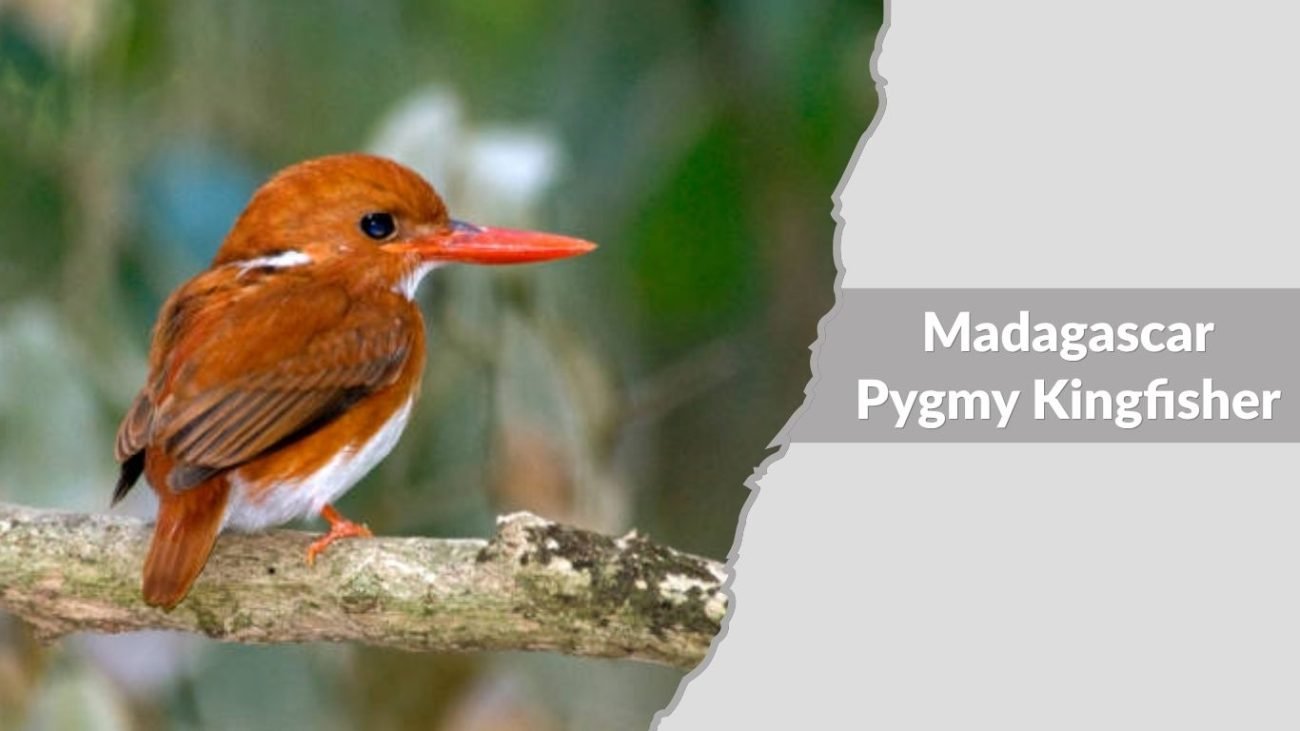
The Madagascar Pygmy Kingfisher is a small and colorful species endemic to Madagascar. It is often found in forested areas rather than open water, making it somewhat different from many other kingfishers.
Identification
- Bright orange underparts with a warm tone
- Blue upperparts with a slight violet sheen
- White throat patch
- Very small, rounded body
- Short, pointed black bill
Size
This species measures about 12–13 cm (4.7–5.1 inches) in length and weighs around 12–16 grams. Its compact size makes it one of the smallest kingfishers on the island.
Habitat and Distribution
The Madagascar Pygmy Kingfisher is found only in Madagascar. It inhabits dry forests, woodland areas, and forest edges. Unlike many kingfishers, it is not always closely tied to water and can be seen in relatively dry habitats.
Behavior and Feeding
This bird is usually solitary and often stays hidden within vegetation. It feeds mainly on insects, small invertebrates, and occasionally tiny reptiles. It hunts from low perches, making quick movements to catch prey on the ground or among foliage.
FAQs
What is the smallest kingfisher in the world?
The African Dwarf Kingfisher is widely considered the smallest kingfisher in the world. It measures around 10–11 cm in length and weighs less than 12 grams. Its tiny size and bright coloration make it both unique and difficult to spot in dense forest habitats.
Where do small kingfishers usually live?
Small kingfishers are found in tropical and subtropical regions across Africa, Asia, and Australia. Many prefer dense forests, shaded streams, or wetlands. Unlike larger species, some of the smallest kingfishers live away from open water and hunt in forest environments.
Do all small kingfishers eat fish?
No, not all small kingfishers eat fish. While some do feed on small fish, many of the smallest species mainly eat insects, spiders, worms, and small invertebrates. Forest-dwelling species often hunt on land rather than diving into water.
Why are some kingfishers so small?
Their small size is an adaptation to their environment. Tiny kingfishers living in forests benefit from being lightweight and agile, allowing them to move easily through dense vegetation and hunt small prey efficiently in tight spaces.
Are small kingfishers rare?
Some small kingfisher species are common, while others are rare or threatened due to habitat loss. Deforestation and environmental changes can impact their populations, especially for species that depend on specific forest habitats.