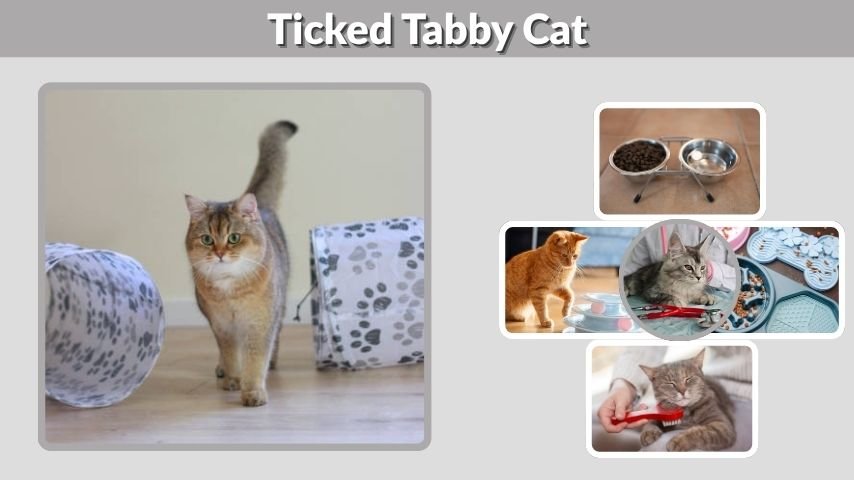
Ticked tabby cats are among the most fascinating felines in the world. Unlike traditional tabby cats that display bold stripes, swirls, or spots, ticked tabbies have a distinctive coat pattern created by individual hairs banded with multiple colors. This gives them a refined, almost wild appearance that attracts cat enthusiasts and breeders alike. From the famous Abyssinian to mixed-breed domestic cats, the ticked pattern can appear in several breeds and color variations. Understanding their appearance, genetics, and personality helps explain why these cats are so admired.
What Is a Ticked Tabby Cat?
A ticked tabby cat is a cat that carries a special tabby coat pattern where each hair contains alternating bands of light and dark color. Instead of displaying prominent stripes across the body, the coat appears evenly textured with a subtle, speckled look. While the body may lack visible markings, most ticked tabbies still retain the classic tabby “M” marking on the forehead.
The ticked pattern is closely associated with the agouti gene, which affects how pigment is distributed along each hair shaft. This unique genetic trait creates a sophisticated coat that often resembles the appearance of small wild cats found in nature.
Understanding the Ticked Pattern
The defining characteristic of a ticked tabby is the banding on each individual hair. Rather than having solid-colored fur, the hairs alternate between lighter and darker shades. When thousands of these hairs cover the body, they create a shimmering appearance.
Because of this pattern, ticked tabbies often appear:
- More uniform than other tabby cats
- Less striped across the body
- Wild and elegant in appearance
- Distinctive under natural sunlight
The Role of the Agouti Gene
The agouti gene controls the ticking effect seen in these cats. It determines how pigment is deposited along the hair shaft, creating alternating color bands. This genetic feature is responsible for the unique texture and visual depth that distinguish ticked tabbies from other tabby patterns.
Although many people think of ticking as a breed trait, it is actually a coat pattern that can occur in multiple breeds and mixed-breed cats.
How Ticked Tabby Cats Differ From Other Tabby Patterns
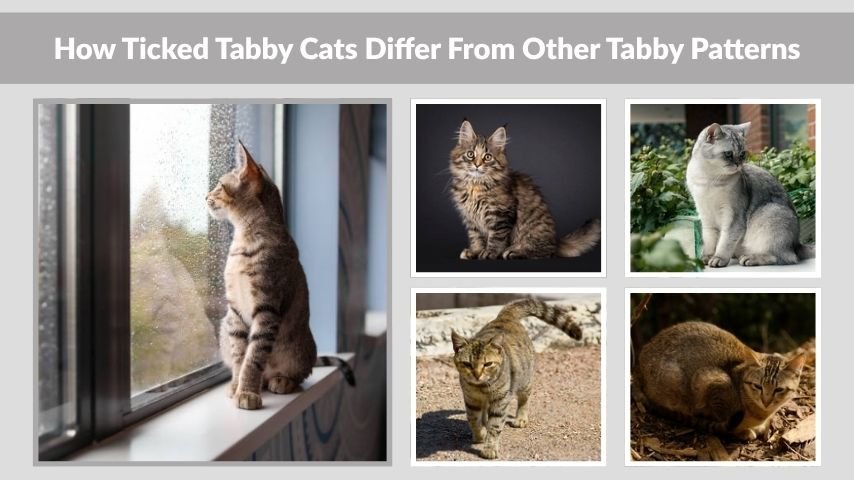
Tabby cats come in several coat patterns, but the ticked variety stands apart because of its subtle appearance. Most tabby patterns rely on visible markings spread across the body. Ticked tabbies, however, achieve their distinctive look through the coloration of individual hairs.
The result is a coat that appears smoother and more refined than that of many other tabbies. Even when body stripes are minimal, facial markings and tail rings are often still visible.
Common Tabby Patterns Compared
The four main tabby patterns include:
- Mackerel Tabby: Narrow vertical stripes resembling a tiger.
- Classic Tabby: Bold swirls and marbled markings on the sides.
- Spotted Tabby: Distinct spots distributed across the body.
- Ticked Tabby: Evenly banded hairs with reduced body striping.
Why Many Cat Lovers Prefer Ticked Tabbies
Ticked tabbies are appreciated for their unusual appearance and elegant coat texture. Their pattern creates a sophisticated look that many owners find more refined than heavily striped tabbies. Because the pattern is less common, it also attracts attention from breeders and cat-show enthusiasts.
Common Colors of Ticked Tabby Cats
Ticked tabby cats appear in a wide range of colors. While the coat pattern remains the same, the underlying color can dramatically change the cat’s overall appearance. Some colors are common, while others are considered highly desirable because of their rarity.
Brown Ticked Tabby Cat
Brown is the most frequently seen ticked tabby color. These cats typically display warm brown fur with darker ticking throughout the coat. Their rich coloration highlights the intricate banding effect and creates a natural, wild-cat appearance.
Silver and Blue Ticked Tabby Cats
Silver ticked tabbies feature pale undercoats combined with darker ticking, creating a striking contrast. Blue ticked tabbies have a softer gray-blue tone that gives them an elegant and refined look. Both color variations are highly popular among cat enthusiasts.
Orange, Red, and Cream Ticked Tabbies
Warmer shades also occur in ticked tabbies and often produce some of the most eye-catching coats.
Popular warm-toned variations include:
- Orange ticked tabby
- Red ticked tabby
- Cream ticked tabby
- Golden ticked tabby
These colors can make the ticking effect appear even more noticeable, especially when viewed in bright natural light.
Cat Breeds That Can Have a Ticked Tabby Pattern
The ticked tabby pattern is most commonly associated with certain purebred cats, but it can also appear in mixed-breed domestic cats. While the coat pattern itself is not limited to one breed, some breeds are especially known for producing ticked kittens.
Abyssinian Cats
The Abyssinian is perhaps the most famous breed associated with ticking. Its coat consists almost entirely of ticked hairs, creating the breed’s signature appearance. Abyssinians are known for their intelligence, athletic ability, and curiosity. Their elegant coat pattern is one of the reasons they remain popular worldwide.
Oriental Shorthairs and Other Breeds
Several other breeds can also display ticked tabby coats, including:
- Oriental Shorthairs
- Asian cats
- Norwegian Forest Cats
- Siberian Cats
- Some Pixie-Bob cats
- Domestic shorthair and longhair cats
The appearance of the ticking may vary from breed to breed depending on coat length, color, and genetics.
Long-Haired Ticked Tabbies
Long-haired breeds with ticked coats often have a softer and more dramatic appearance. The ticking can appear less defined because of the longer fur, but the overall effect remains attractive and distinctive. Norwegian Forest Cats and Siberian Cats are excellent examples of long-haired breeds that may display ticked tabby characteristics.
Ticked Tabby Cat Personality and Temperament
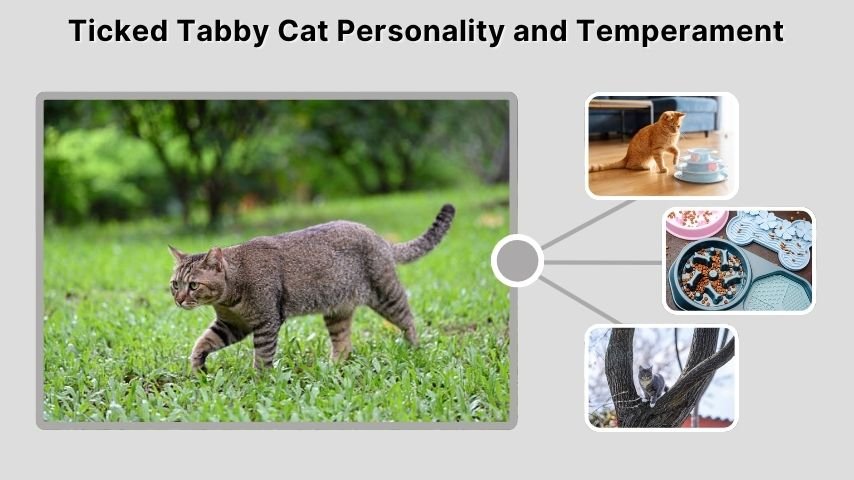
Although coat patterns do not directly determine personality, many breeds commonly associated with ticking are known for their active and intelligent nature. As a result, people often associate ticked tabbies with curiosity, playfulness, and strong bonds with their owners.
These cats typically enjoy exploring their environment and participating in family activities. They thrive when given opportunities to climb, play, and solve interactive puzzles.
Are Ticked Tabby Cats Friendly?
Most ticked tabby cats are affectionate and social. They often enjoy spending time with their owners and may follow family members around the house. While individual personalities vary, many are known for being friendly and outgoing.
Intelligence and Activity Levels
Ticked tabbies are often highly observant and quick learners. Many enjoy:
- Interactive toys
- Puzzle feeders
- Climbing trees and cat towers
- Learning simple commands
- Exploring new environments
Providing mental stimulation can help prevent boredom and encourage healthy behavior.
Are Ticked Tabby Cats Rare?
Ticked tabbies are generally less common than mackerel or classic tabbies. The ticking gene is dominant, but the pattern does not occur as frequently in the general cat population. This relative rarity contributes to the pattern’s popularity among cat enthusiasts.
Because many people are unfamiliar with the pattern, ticked tabbies often attract attention and questions from admirers. Their refined appearance and unusual coat texture make them stand out from more common tabby varieties.
Why the Pattern Is Highly Valued
Several factors contribute to the appeal of ticked tabby cats:
- Unique coat appearance
- Association with prestigious breeds
- Reduced body striping
- Wild and elegant look
- Relative rarity compared to other tabby patterns
These qualities make ticked tabbies especially desirable among breeders and cat-show participants.
Caring for a Ticked Tabby Cat
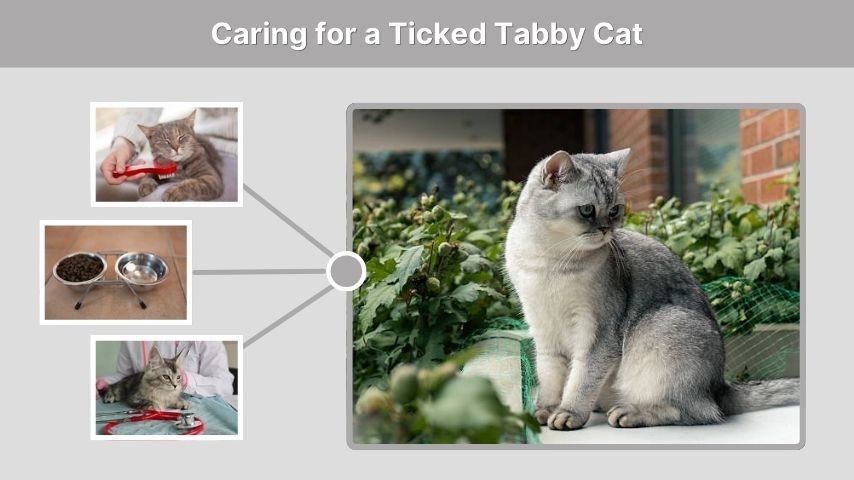
Caring for a ticked tabby cat is similar to caring for any other healthy feline. The specific needs of the cat depend more on its breed, age, and lifestyle than on its coat pattern.
Regular grooming helps maintain coat health and allows owners to check for skin issues or parasites. Short-haired ticked tabbies generally require minimal grooming, while long-haired varieties may need more frequent brushing.
Grooming and Nutrition
A healthy coat begins with proper nutrition. High-quality food rich in protein supports skin and fur health while helping the coat maintain its natural shine.
Routine care should include:
- Regular brushing
- Balanced nutrition
- Fresh water availability
- Routine veterinary visits
- Daily play and exercise
Health Considerations
The ticked tabby pattern itself does not cause health problems. However, individual breeds may have genetic conditions that require attention. Regular veterinary checkups are the best way to ensure long-term health and well-being.
FAQs
What is a ticked tabby cat?
A ticked tabby cat has individual hairs that contain alternating bands of color, creating a speckled or textured appearance rather than obvious body stripes.
Are ticked tabby cats rare?
They are less common than many other tabby patterns, making them relatively rare and highly sought after.
Is an Abyssinian a ticked tabby?
Yes. The Abyssinian is one of the best-known breeds that displays a ticked coat pattern.
Can orange cats be ticked tabbies?
Yes. Orange, red, cream, and golden cats can all display ticking if they inherit the necessary genetic traits.