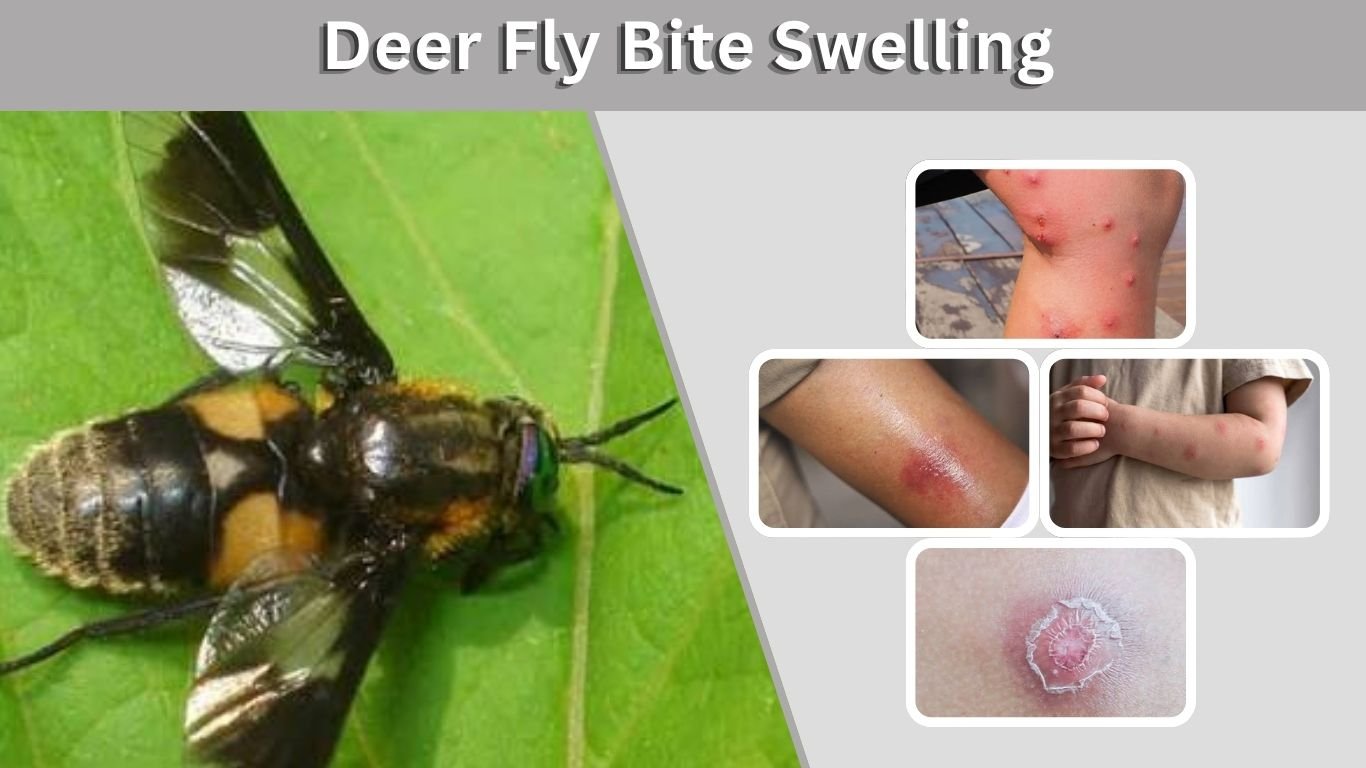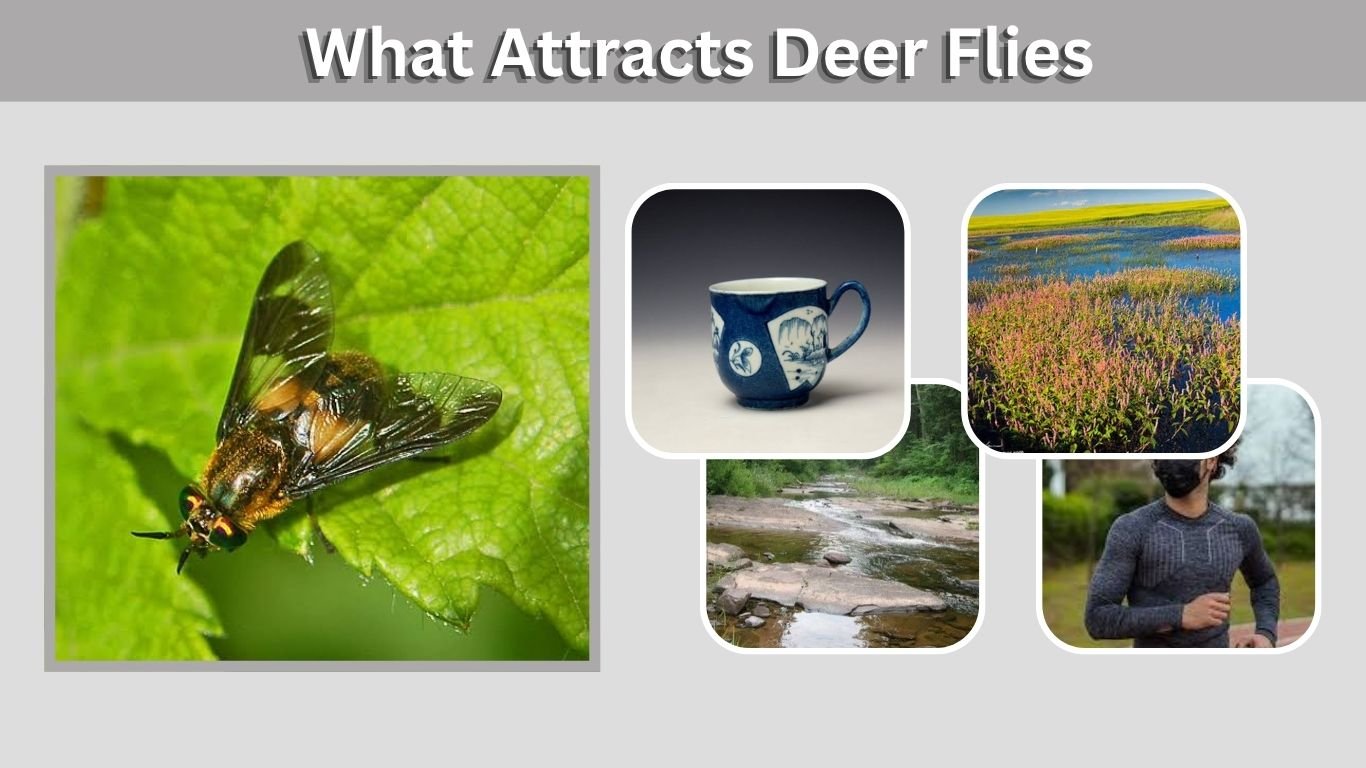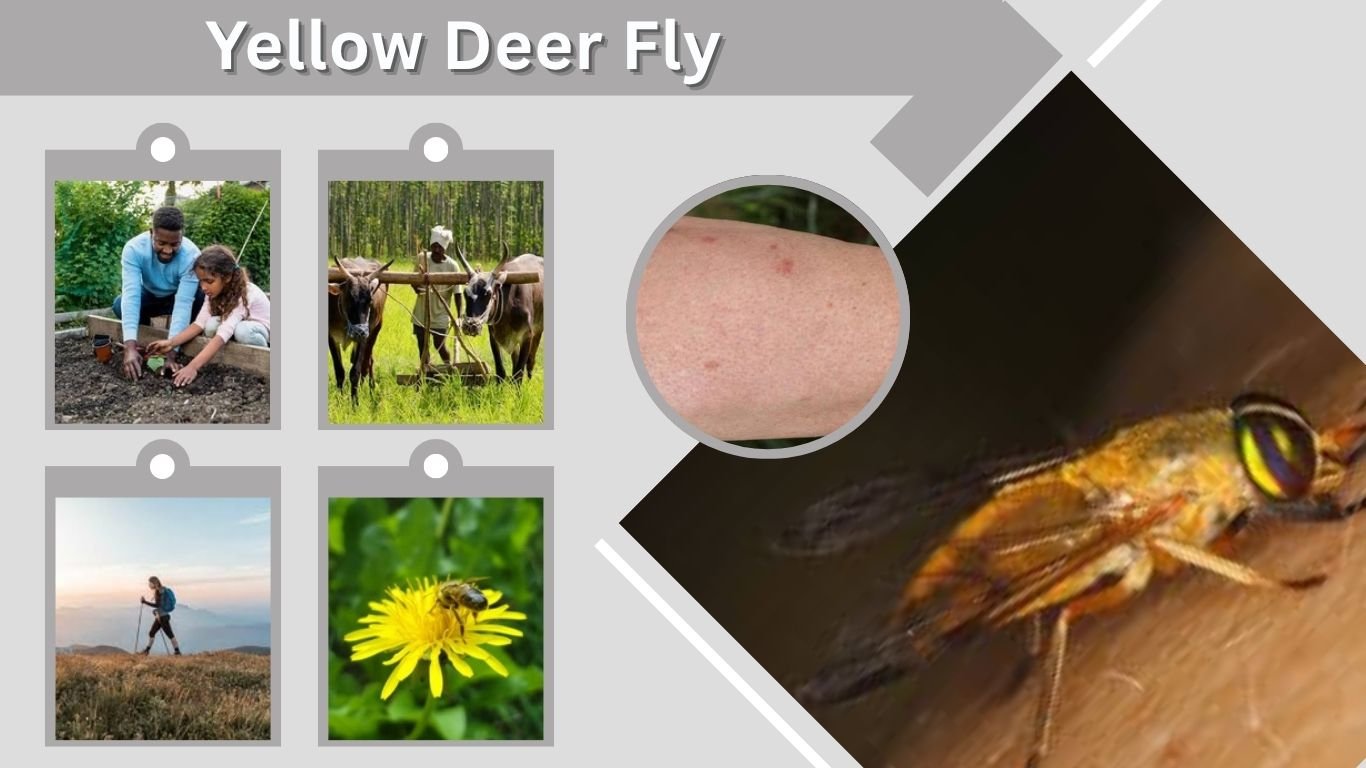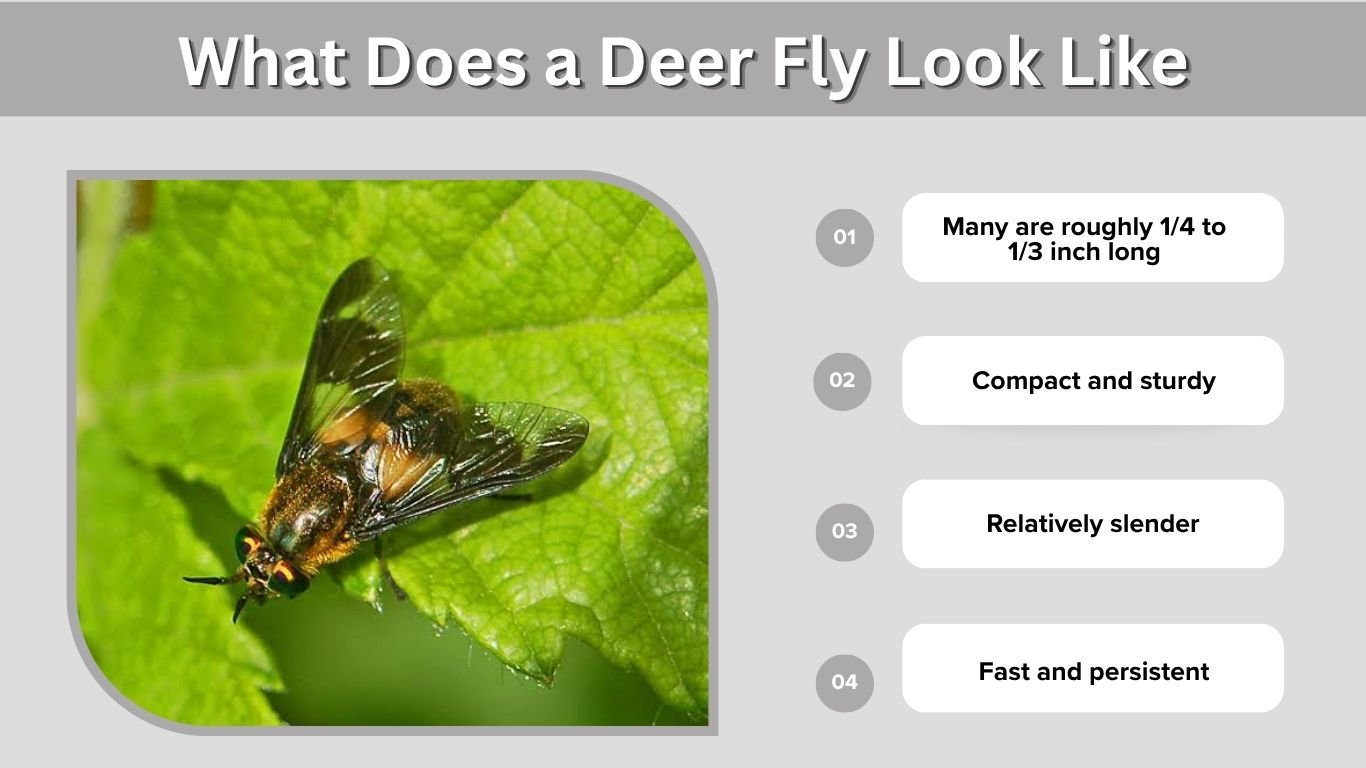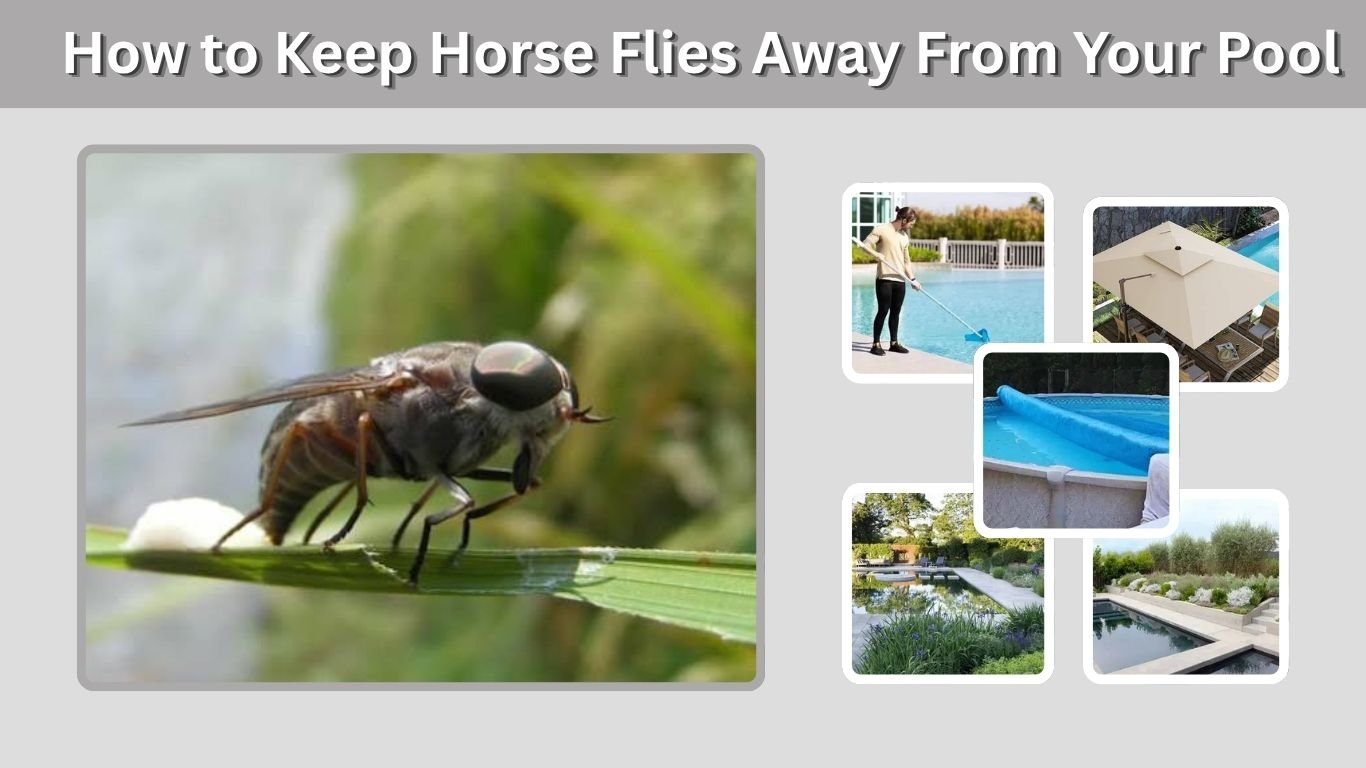
Horse flies around a swimming pool can quickly make outdoor time uncomfortable. They are attracted to reflective water, movement, body heat, carbon dioxide, and dark objects such as pool furniture or clothing. Although eliminating every horse fly may be impossible—especially near wetlands, ponds, or muddy ground—you can greatly reduce their activity. The most effective approach combines horse fly traps, strong outdoor fans, light-colored pool furnishings, vegetation management, personal repellents, and removal of unnecessary standing water. Avoid spraying random insecticides near the pool because pesticide drift can contaminate the water and expose swimmers, pets, and beneficial insects.
Why Are Horse Flies Attracted to Pools?
Horse flies are closely associated with water and moist environments. Females commonly lay eggs on plants near ponds, marshes, streams, lakes, or wet soil, while the larvae develop in water or mud. Adults may travel considerable distances from these breeding areas, so the source may be beyond your property.
A swimming pool attracts horse flies for several additional reasons:
- Sunlight reflects from the water
- Swimmers create movement
- People release heat and carbon dioxide
- Wet skin provides an exposed landing area
- Dark liners and furniture resemble large animals
- Plants surrounding the pool provide resting places
Research has shown that horse flies respond to horizontally polarized light reflected by water. They may approach the surface to drink or investigate it as potential habitat.
Do Horse Flies Breed in Swimming Pools?
Horse flies do not normally establish a breeding population inside a properly maintained, circulating, chlorinated pool. Their immature stages are more commonly found in marshes, muddy shorelines, wet soil, ponds, and similar natural habitats.
The pool may attract adult flies without being the place where they developed. Check for nearby drainage ditches, marshy ground, ponds, livestock areas, and permanently wet sections of the yard.
1. Install Horse Fly Traps
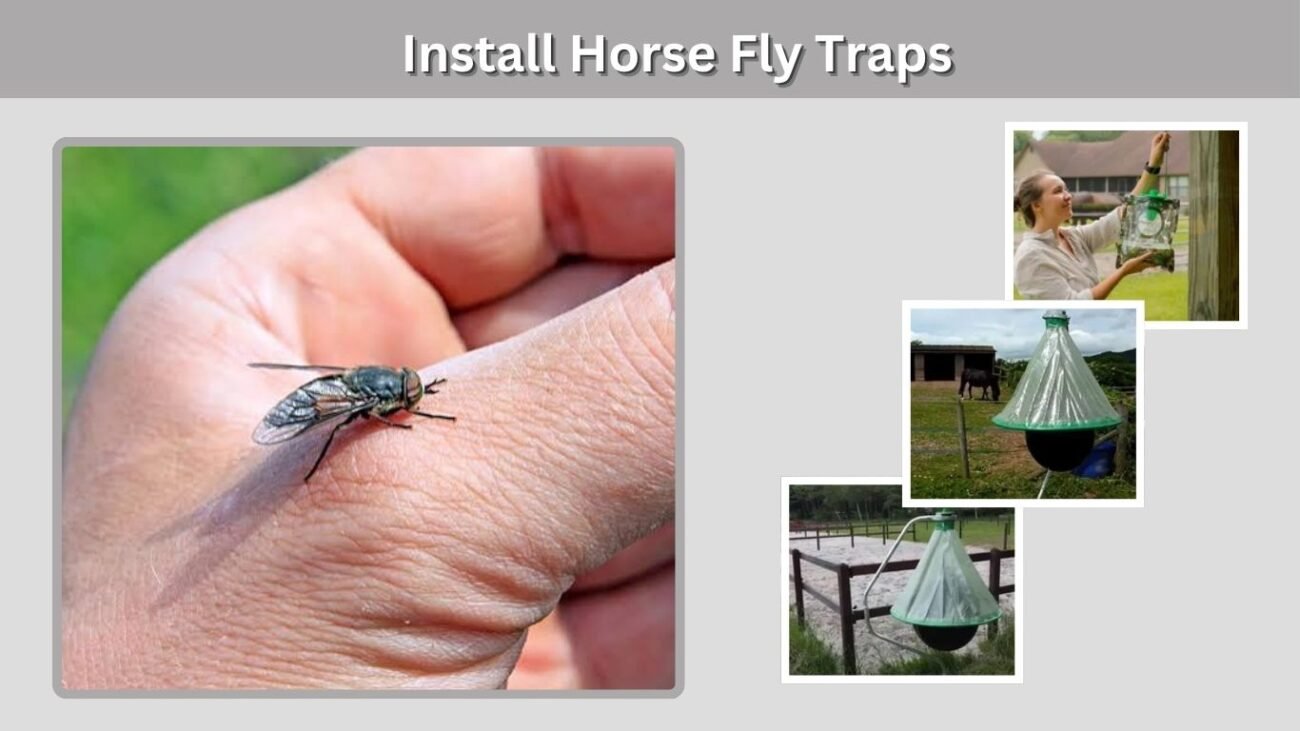
Trapping is one of the most useful nonchemical control methods around a pool. Choose a trap designed specifically for horse flies rather than an ordinary house-fly bait trap.
Horse fly traps usually contain a large black ball or another dark, heat-absorbing surface. The fly mistakes it for a warm animal, lands to obtain blood, and then moves upward into a collection chamber.
Where to Position the Trap
Place traps:
- In a sunny, open location
- Between the pool and the direction flies arrive from
- Away from pool chairs and dining areas
- Beyond the main swimming and walking zone
- Where children and pets cannot disturb them
- Near the property edge facing wetlands or vegetation
Do not place the trap directly beside swimmers. Because it works by attracting flies, poor placement can initially draw them closer to people.
Use more than one trap when the pool area is large or flies approach from several directions. Outdoor traps can reduce numbers, but they may not catch every fly because adults are highly mobile.
2. Use Strong Outdoor Fans
Horse flies are powerful fliers, but strong, continuous airflow makes it difficult for them to hover, land, and remain on a person.
Position outdoor fans so air moves across:
- Poolside seating
- Lounge chairs
- Outdoor dining tables
- Shaded resting areas
- Covered patios
- Pool entrances
Use equipment rated for outdoor environments, and keep electrical connections safely away from water. Fans provide immediate localized relief without attracting additional flies or introducing chemicals near the pool.
They work best while people are sitting outside. Airflow will not protect swimmers in the middle of the pool, but it can create a comfortable retreat around the deck.
3. Choose Light-Colored Pool Furniture

Horse flies use vision to locate large potential hosts and often investigate dark objects. Black, navy, dark brown, and other deep colors absorb heat and create animal-like silhouettes.
Reduce attractive visual targets by selecting:
- White or beige umbrellas
- Light-gray lounge chairs
- Pale furniture covers
- Light-colored towels
- Neutral outdoor cushions
- A lighter-colored pool cover
Cover black grills, inflatables, storage boxes, and equipment when they are not being used. A dark pool liner cannot easily be changed, but reducing other dark objects may make the area less visually attractive.
Swimmers can also wear light-colored clothing or rash guards instead of black or dark-blue swimwear.
4. Remove Unnecessary Standing Water
Draining a swimming pool will not solve a horse fly problem, but eliminating small, neglected water sources can improve overall insect control.
Empty or correct water collecting in:
- Buckets
- Wheelbarrows
- Tarps
- Toys
- Plant saucers
- Clogged gutters
- Old tires
- Poorly draining lawn areas
- Leaking outdoor faucets
Keep the pool water properly treated and circulating. Repair leaks that continuously saturate the soil around pumps, hoses, filters, or outdoor showers.
Large natural wetlands may be impossible and environmentally inappropriate to drain or treat. In those situations, concentrate on traps, barriers, airflow, and personal protection.
5. Manage Vegetation Around the Pool
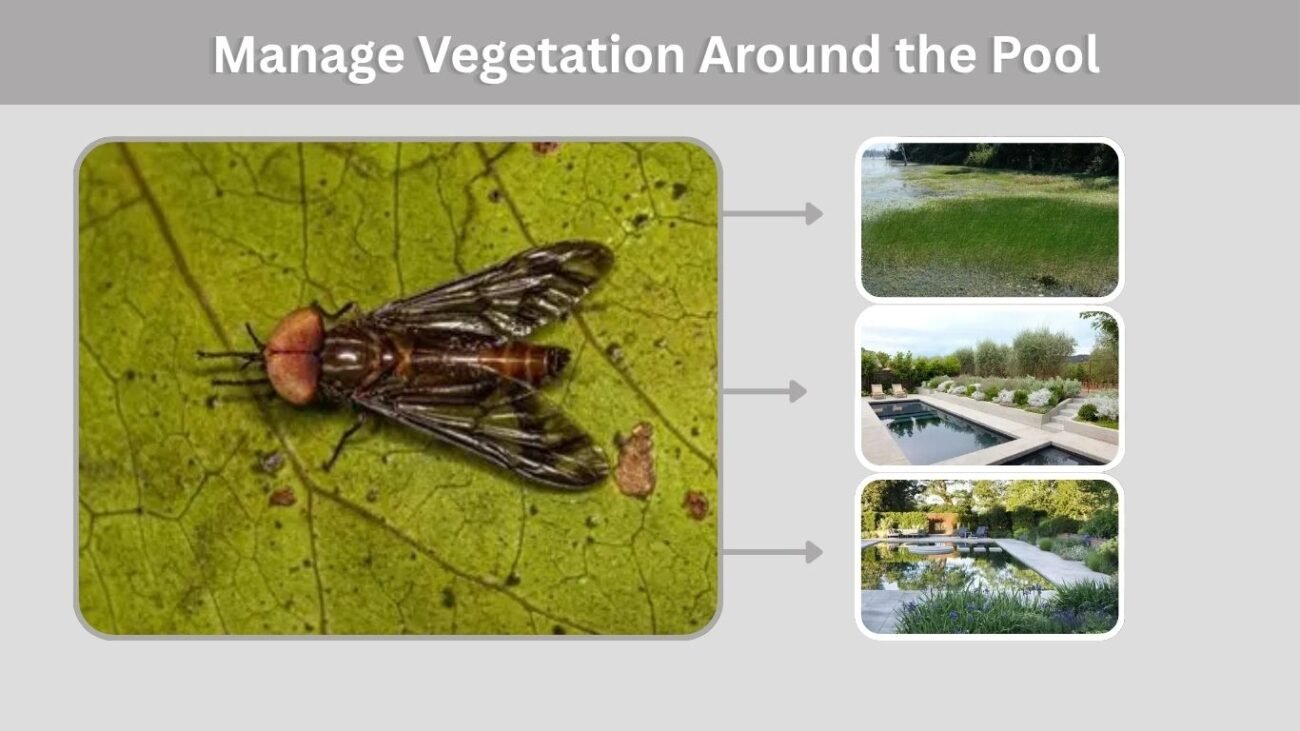
Dense vegetation gives adult horse flies places to rest while waiting for people or animals to move nearby.
Trim excessive growth around the deck, particularly:
- Tall grass
- Thick weeds
- Overgrown shrubs
- Low branches
- Vegetation beside wet soil
- Plants blocking natural airflow
You do not need to remove all landscaping. Instead, maintain open space immediately around the pool and improve air circulation through shrubs.
Dispose of cut vegetation rather than leaving damp piles beside the pool. Also repair drainage problems that keep landscaped areas continuously muddy.
6. Use Personal Insect Repellent
Repellent alone may not completely stop horse flies, but it can provide additional protection when combined with clothing and other control methods. Extension guidance notes that repellents offer some relief but are not completely effective against these persistent flies.
Use a human-labeled insect repellent and follow its directions carefully. Apply it before entering the pool area and reapply only as directed, especially after swimming or towel drying.
Do not use products made exclusively for horses, livestock, yards, or buildings on human skin. Avoid spraying repellent into the face, eyes, open wounds, or underneath clothing.
Light-colored long sleeves, loose trousers, and socks provide stronger protection when you are cleaning or working around the pool rather than swimming.
7. Use Screens and Enclosures
A screened pool enclosure offers one of the strongest physical barriers against horse flies. Inspect existing screens for:
- Torn mesh
- Gaps around doors
- Damaged seals
- Open roof sections
- Spaces around pipes
- Doors that do not close properly
Horse flies are relatively large, so ordinary insect screening can exclude them when properly installed.
For smaller pool areas, screened gazebos or canopy shelters can create a protected seating space. Keep the entrance closed and avoid allowing flies to follow people inside.
8. Cover the Pool When It Is Not in Use
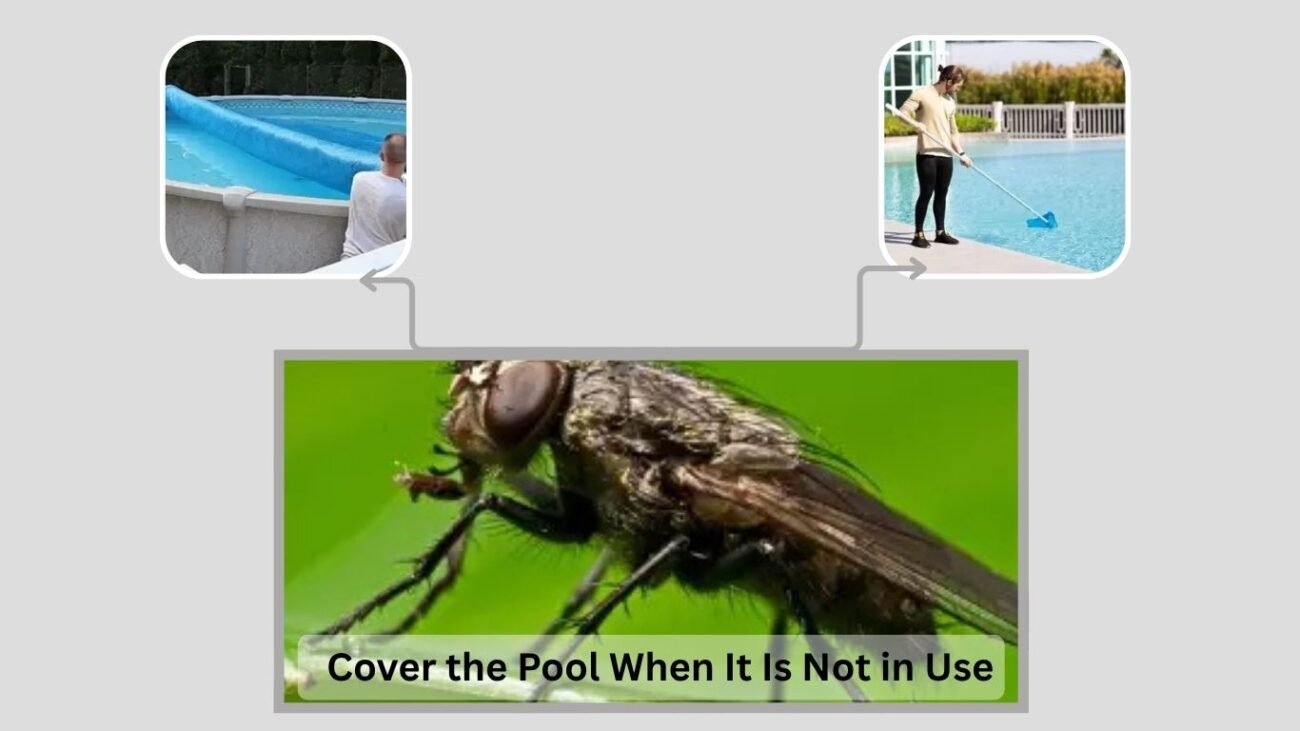
A pool cover reduces the reflective water surface that may attract passing flies. It also keeps insects and debris from falling into the water.
Choose a properly fitted cover designed for your pool. Keep it clean, tight, and free from pockets of standing water.
A cover will not remove horse flies already living nearby, but it may make an unused pool less visually noticeable. Remove or secure floating toys and dark inflatables for the same reason.
Should You Spray Insecticide Around the Pool?
Avoid routine broad spraying unless a suitable product is specifically labeled for the target pest and location. Chemical control of adult horse flies is often disappointing because the insects are strong fliers, spend little time resting on treated surfaces, and may continually arrive from off-site breeding habitats.
The EPA advises following every pesticide label exactly and preventing outdoor sprays from drifting or running into swimming pools. Children, toys, food, and pets should be removed during treatment and kept away for the period stated on the label.
Do not direct automatic misting systems toward a pool. EPA guidance says misting nozzles should face away from swimming pools and other bodies of water because some pesticides can harm aquatic organisms.
Consider a licensed pest-control professional when fly activity is severe. Tell the company that the treatment area surrounds a swimming pool and ask which product, application method, precautions, and re-entry period will be used.
Do Bug Zappers Work on Horse Flies?
Bug zappers may kill an occasional horse fly, but they are usually not the best primary control method. Horse flies locate hosts mainly through movement, contrast, heat, and other animal-associated signals rather than relying only on ultraviolet light.
A dark-ball trap designed for horse flies is generally more targeted. Bug zappers may also kill moths and other harmless or beneficial insects without significantly reducing biting activity around swimmers.
Quick Poolside Control Plan
For the best results, combine several methods:
- Place a horse fly trap beyond the main pool deck.
- Run outdoor fans across chairs and shaded areas.
- Remove dark furniture covers and unused inflatables.
- Trim thick vegetation and correct wet soil.
- Keep the pool circulating and covered when unused.
- Apply human-labeled repellent before outdoor activity.
- Use screens around patios or the entire pool when possible.
- Avoid careless pesticide spraying near the water.
Complete elimination may be unrealistic when the property borders wetlands or ponds. Horse flies can travel from breeding sites located off the property, and broad chemical control is often ineffective.
FAQs
What is the best way to keep horse flies away from a pool?
Combine a horse fly-specific trap with strong outdoor fans, light-colored furniture, trimmed vegetation, personal repellent, and a pool cover. Place traps beyond the seating area so they pull flies away from swimmers rather than toward them.
Why do horse flies attack people in the pool?
Swimmers produce movement, body heat, carbon dioxide, and moisture. The reflective water also attracts horse flies. Once a female selects a person as a potential blood source, it may continue circling and waiting for exposed skin.
Will chlorine kill horse flies?
A horse fly that remains in chlorinated water may drown, but chlorine does not prevent adults from flying over the pool or biting swimmers. Maintaining proper chlorine levels is important for water sanitation, not horse fly control.
Can vinegar keep horse flies away from a pool?
Vinegar is not a dependable area-wide horse fly repellent. Spraying homemade mixtures around the pool may damage surfaces, irritate skin, or contaminate water. Purpose-built traps and physical barriers are more reliable.
How long does horse fly season last?
Timing depends on climate and species. Activity is generally greatest during warm daylight hours in late spring and summer, particularly near wetlands. Numbers usually decline as local adult emergence ends and cooler weather arrives.