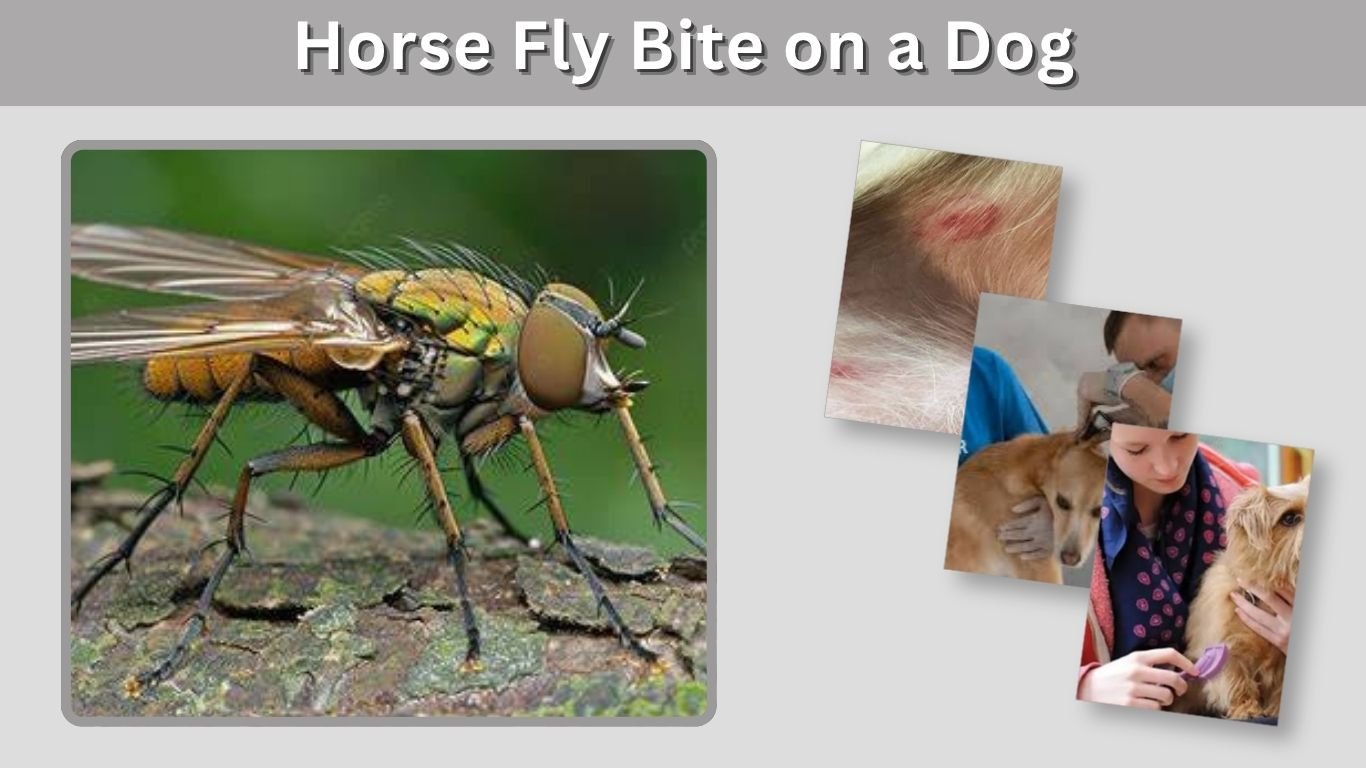
Horse flies can bite dogs, producing a painful skin wound that may bleed, swell, itch, or become irritated. Most isolated bites are uncomfortable rather than dangerous, but multiple bites, infection, or an allergic reaction may require veterinary treatment. Dogs are commonly bitten around their ears, nose, belly, legs, and other areas with thin fur. Move your dog away from the flies, clean the bite gently, apply a cold compress, and prevent licking. Never apply horse fly spray unless its label specifically states that it is safe for dogs.
Do Horse Flies Bite Dogs?
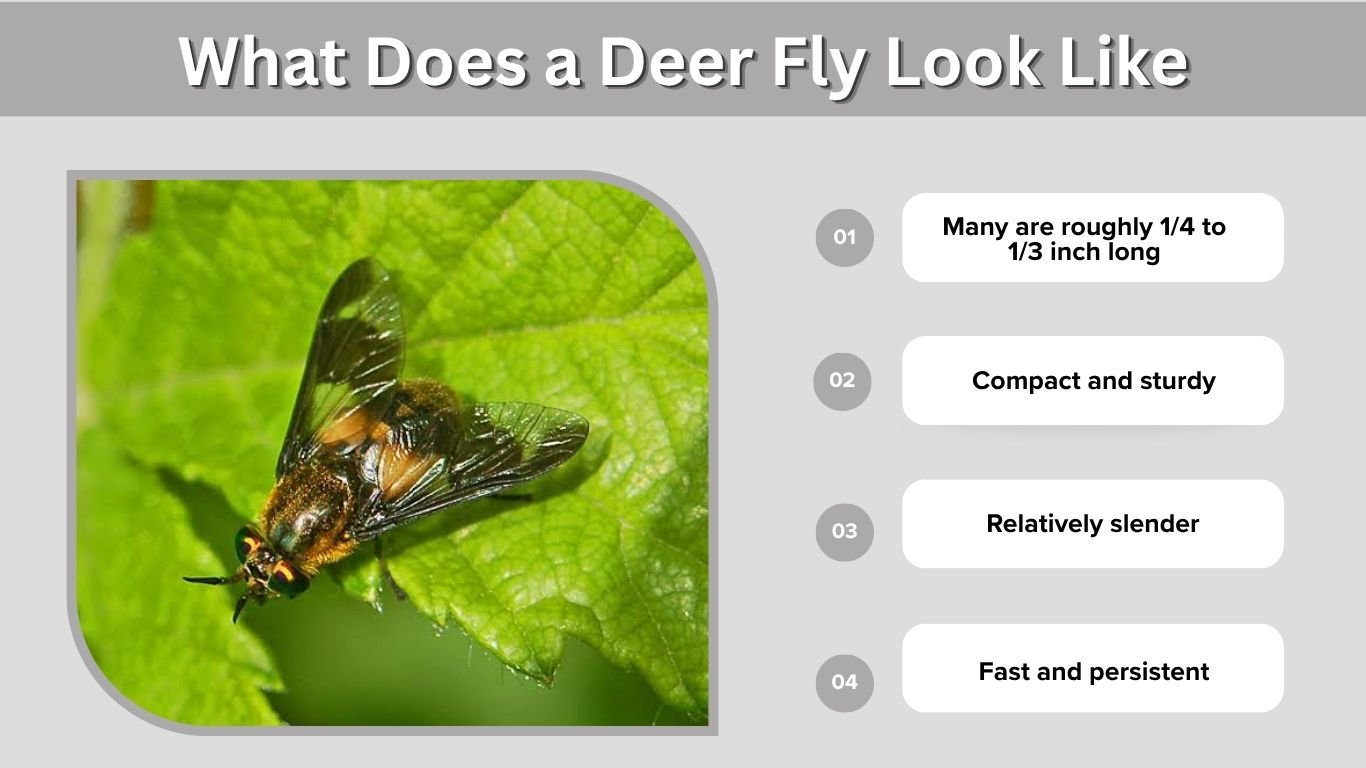
Yes. Horse flies are blood-feeding insects that bite dogs, horses, livestock, wildlife, and people. Female horse flies use cutting mouthparts to damage the skin and feed on the blood that collects at the wound.
The bite can be immediately painful, causing a dog to yelp, jump, snap toward its body, shake its head, or run away. Biting flies are usually a nuisance rather than a serious danger, although their bites can trigger allergic reactions or cause problems when dogs are attacked repeatedly.
Where Do Horse Flies Bite Dogs?
Horse flies often target exposed or thinly covered areas, including:
- Ear edges
- Nose and muzzle
- Around the eyes
- Belly and groin
- Lower legs
- Paws
- Inner thighs
- Areas with thinning hair
- Existing sores or irritated skin
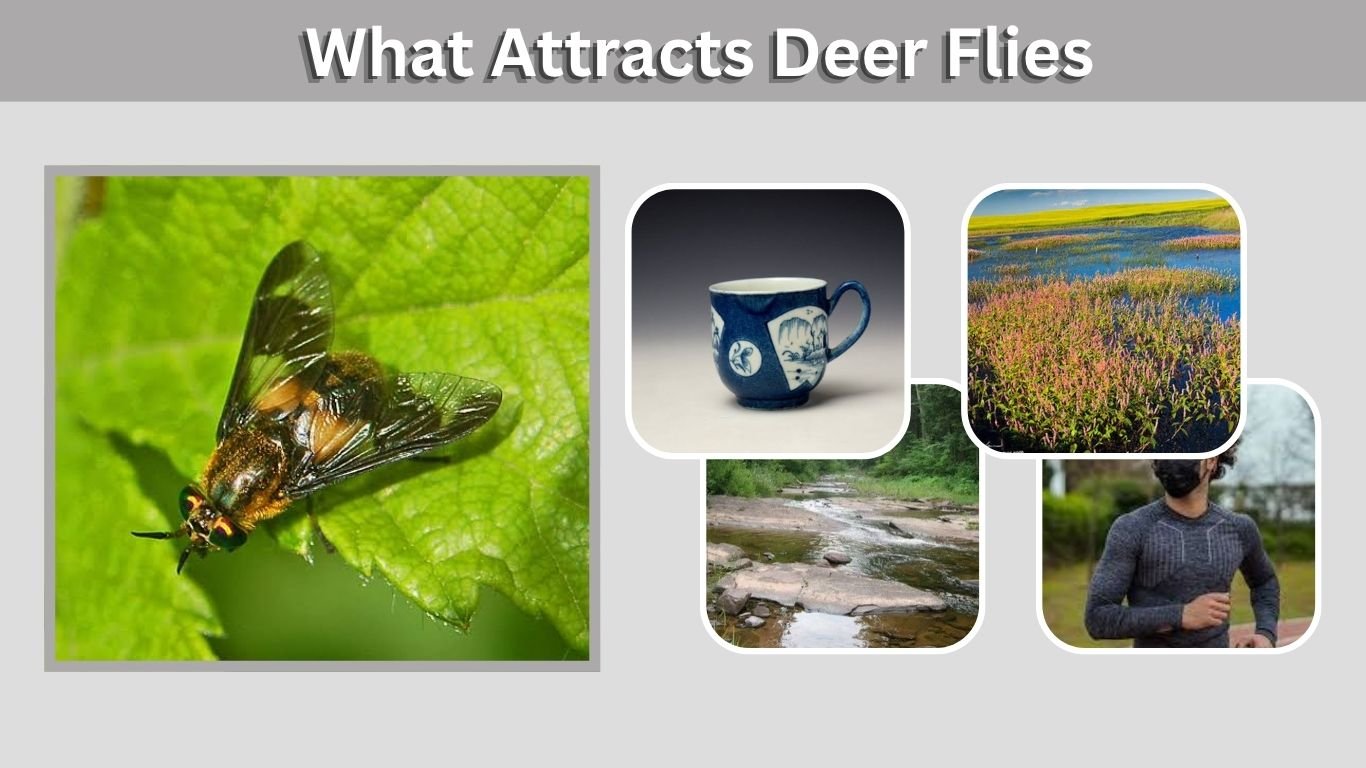
Dogs spending time near livestock, fields, wooded trails, ponds, streams, marshy areas, or other fly habitats may be bitten more frequently.
What Does a Horse Fly Bite Look Like on a Dog?
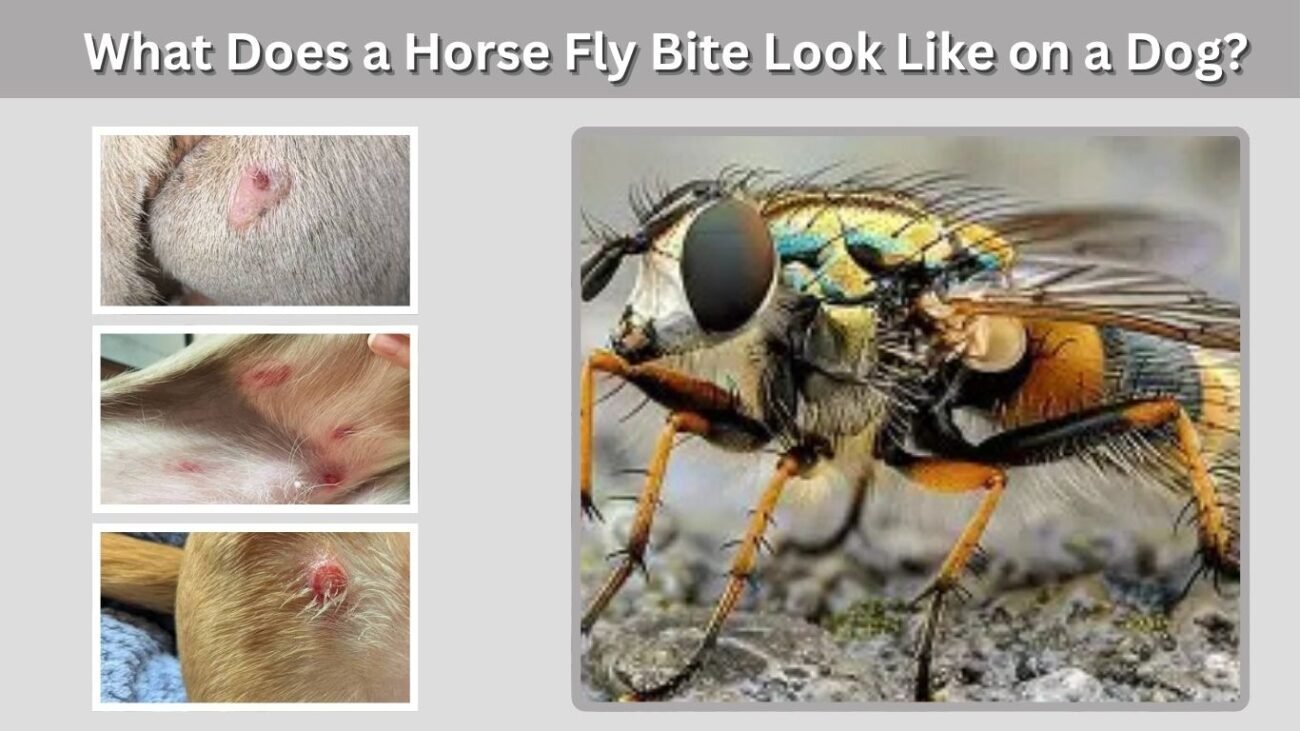
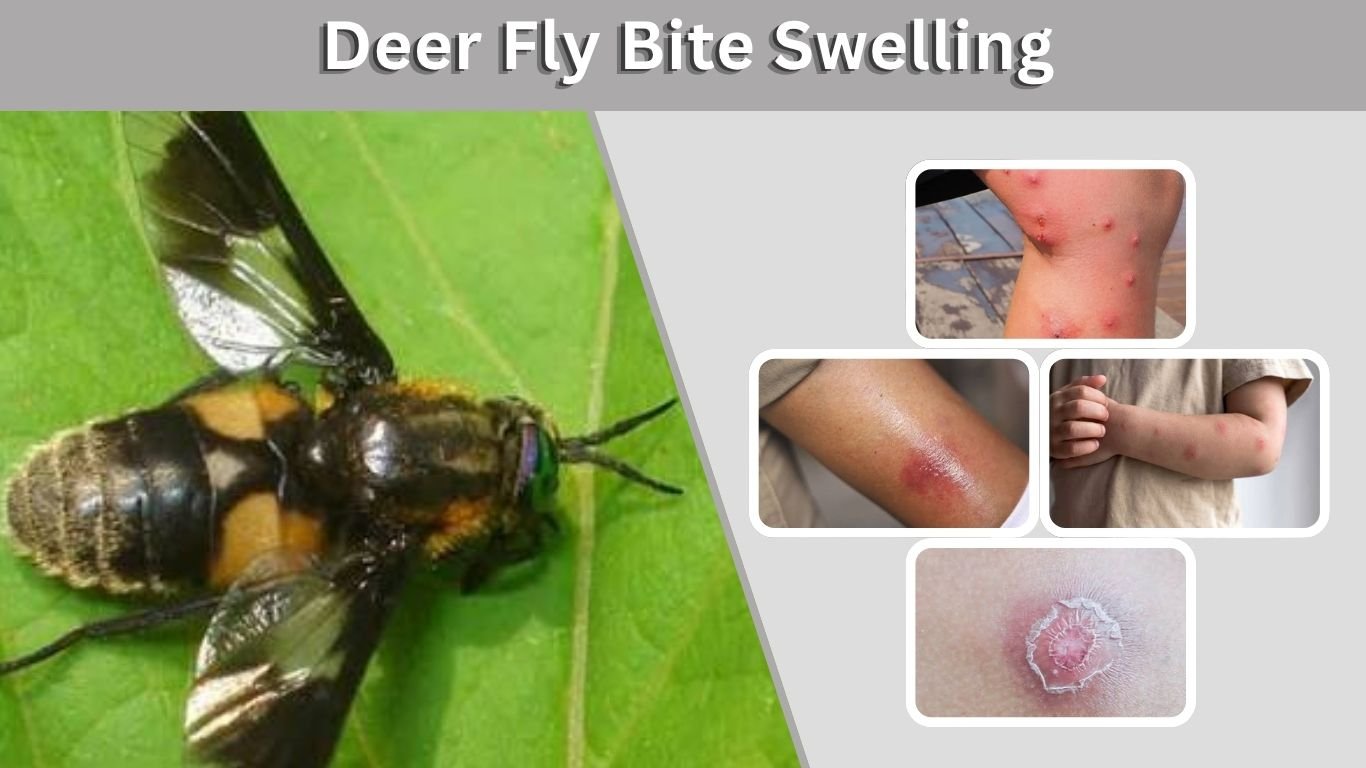
A fresh bite may resemble a small cut, red spot, puncture, or raised bump. Because horse flies damage the skin while feeding, a small amount of bleeding may be visible.
Common Symptoms
- Sudden pain or yelping
- Redness around the bite
- A small bleeding wound
- Localized swelling
- A raised bump or welt
- Itching and scratching
- Licking or chewing the area
- Head shaking when the ear is bitten
- Tenderness when touched
- A small crust or scab later
Swelling and redness are common reactions to insect bites. Some dogs may also develop hives, facial swelling, vomiting, or breathing difficulties during a more serious allergic reaction.
Horse Fly Bite on a Dog’s Ear
Ear tips are particularly vulnerable because they have thin skin and relatively little protective hair. A bite may bleed noticeably, and repeated attacks can produce several crusted sores.
Constant head shaking and scratching can reopen the wounds. Persistent ear-tip injuries should be examined by a veterinarian because other flies, skin infections, allergies, mites, or scratching may cause similar damage.
Horse Fly Bite Near a Dog’s Eye
A bite close to the eye can cause swelling of the eyelid or surrounding tissue. Do not apply insect spray, essential oils, ointment, or disinfectant near the eye unless directed by a veterinarian.
Seek veterinary care if the eye becomes red, cloudy, painful, closed, excessively watery, or visibly injured. Rapid facial swelling can also indicate an allergic reaction.
How to Treat a Horse Fly Bite on a Dog
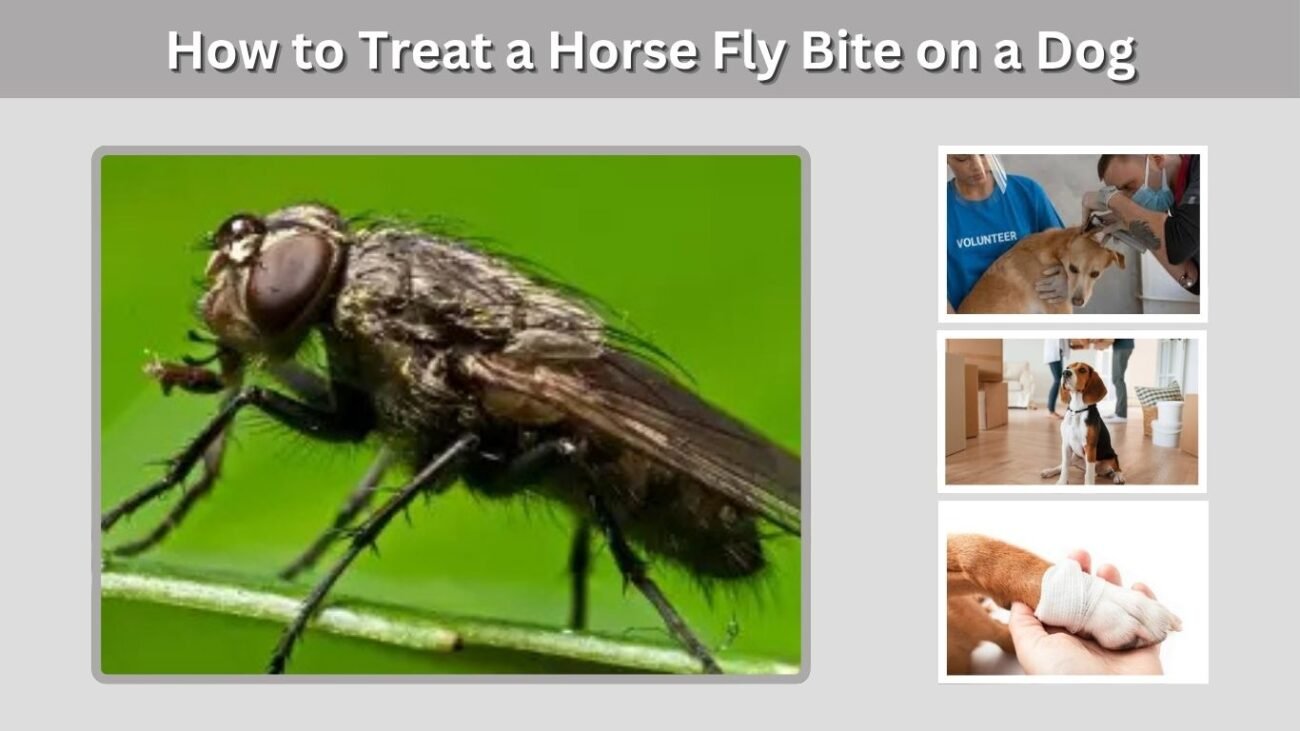
A minor bite can often be managed with simple first aid. Handle your dog gently because even a friendly dog may react defensively when an injury is painful.
1. Move the Dog Indoors
Take your dog away from the area where the flies are active. Continued exposure can lead to additional bites and make the dog anxious or agitated.
2. Examine the Bite
Separate the fur and check for bleeding, swelling, embedded debris, or multiple wounds. Horse flies do not leave a stinger behind, so there is normally nothing to remove.
3. Clean the Area
Rinse the wound gently with clean water or sterile saline. Pat it dry with clean gauze or a soft cloth.
For an open or contaminated wound, ask your veterinarian which pet-safe antiseptic is appropriate. Avoid putting household chemicals or strong disinfectants on the skin.
4. Control Minor Bleeding
Hold clean gauze against the bite with steady pressure. Do not repeatedly lift the gauze to check the wound because this can disrupt clotting.
Contact a veterinarian if bleeding remains heavy or does not stop after several minutes of continuous pressure.
5. Apply a Cold Compress
Wrap an ice pack or frozen food bag in a towel and hold it against the swollen area for approximately 10 minutes. A cool damp towel may be easier to use on the face, belly, or ear. Cold treatment can help reduce localized discomfort and swelling.
6. Prevent Licking and Scratching
Repeated licking introduces bacteria and delays healing. Scratching may reopen the bite and cause a larger wound.
An Elizabethan collar or recovery cone may be needed when the dog will not leave the area alone. VCA recommends preventing repeated licking and scratching because continued trauma can delay healing and contribute to infection.
When Should You Contact a Veterinarian?
Contact your veterinarian when:
- The bite is close to the eye
- Bleeding does not stop
- Several horse flies attacked the dog
- Swelling continues to increase
- The area becomes hot or extremely painful
- Redness spreads beyond the original bite
- Pus, odor, or discharge develops
- The dog becomes lethargic
- The dog refuses food or water
- The wound does not improve
- Your dog has previously had serious insect reactions
A veterinarian may prescribe medication for pain, inflammation, itching, infection, or an allergic response after examining the dog.
Emergency Warning Signs
Seek emergency veterinary care immediately if your dog develops:
- Difficulty breathing or wheezing
- Severe swelling of the face, muzzle, throat, or neck
- Widespread hives
- Excessive drooling
- Vomiting or diarrhea
- Weakness or collapse
- Pale or bluish gums
- Disorientation
- Seizures
Anaphylaxis is an uncommon but potentially life-threatening reaction. It can cause facial swelling, vomiting, diarrhea, breathing difficulty, low blood pressure, and collapse. Immediate veterinary treatment may include epinephrine, oxygen, intravenous fluids, antihistamines, or corticosteroids.
Can You Give a Dog an Antihistamine?
Veterinarians sometimes use antihistamines to treat insect-bite reactions. However, you should contact a veterinarian before giving your dog diphenhydramine or any other medication.
The correct product and amount depend on the dog’s weight, medical history, other medications, and severity of the reaction. Some human products contain additional ingredients that may be unsafe for dogs. Veterinary treatment may also be necessary when swelling or other symptoms are progressing.
Never give a dog ibuprofen, naproxen, acetaminophen, or another human pain reliever unless a veterinarian specifically prescribes it.
Can Horse Fly Spray Be Used on Dogs?
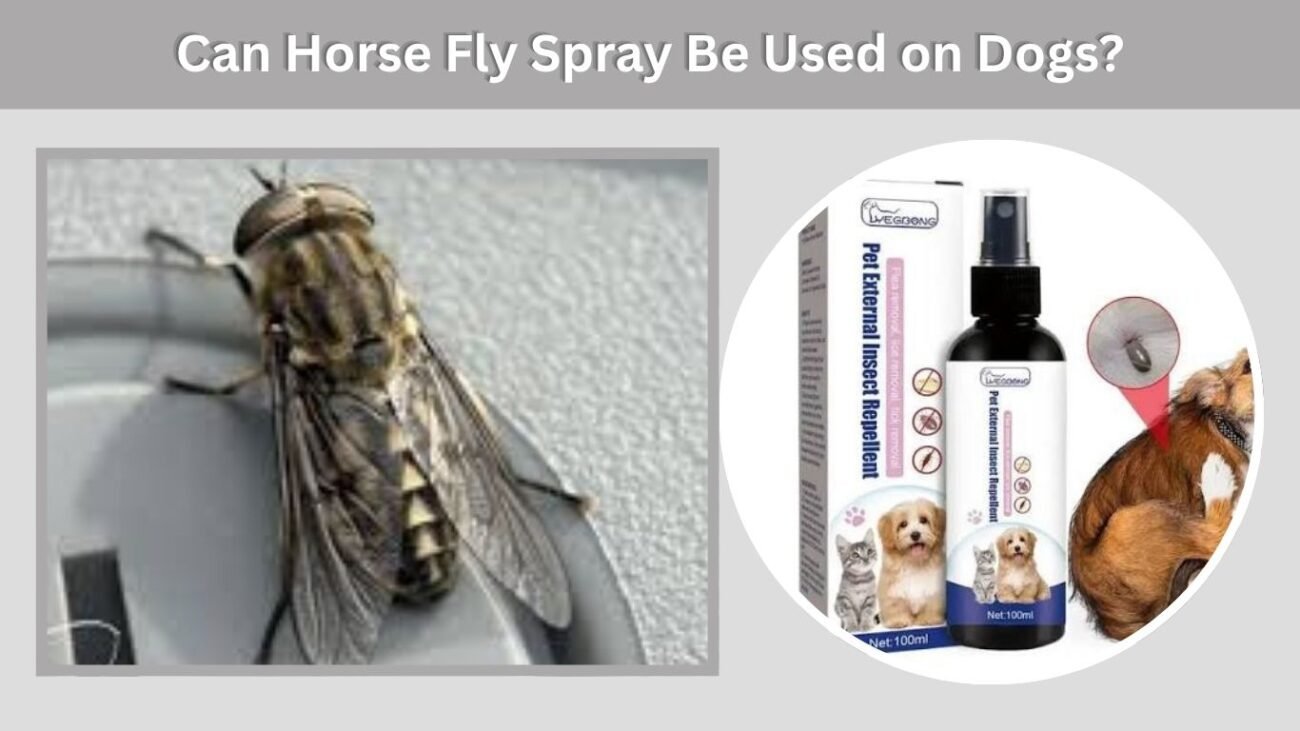
Do not assume that a fly spray made for horses is safe for dogs. Use it only when the product label clearly lists dogs and provides instructions for the dog’s age, size, application location, and frequency.
Horse products may have concentrations or ingredients that have not been approved for direct use on dogs. The EPA advises using pesticide products only on the animal species and weight range stated on the label. Incorrect products or excessive amounts may expose a pet to harmful levels of pesticide.
When applying any dog-approved repellent:
- Follow the exact label amount
- Avoid the eyes, nose, mouth, and genitals
- Do not apply to open wounds
- Prevent the dog from licking wet product
- Keep the original package
- Watch for skin or neurological reactions
- Ask a veterinarian before combining products
If a dog reacts badly to a pesticide, the EPA advises washing it with mild soap and plenty of water, removing a pesticide collar when applicable, and contacting a veterinarian promptly.
Are Natural Horse Fly Repellents Safe for Dogs?
“Natural” does not automatically mean safe. Avoid applying concentrated essential oils or homemade oil mixtures directly to your dog.
Essential oils can be absorbed through the skin or swallowed when a dog licks its coat. Concentrated oils may cause vomiting, diarrhea, depression, unsteadiness, or other health problems. The ASPCA recommends avoiding direct application because safety varies according to the oil, concentration, formulation, and exposure.
A veterinarian can recommend a tested dog-safe product based on your dog’s age, weight, health, and lifestyle.
How to Keep Horse Flies Away From Dogs
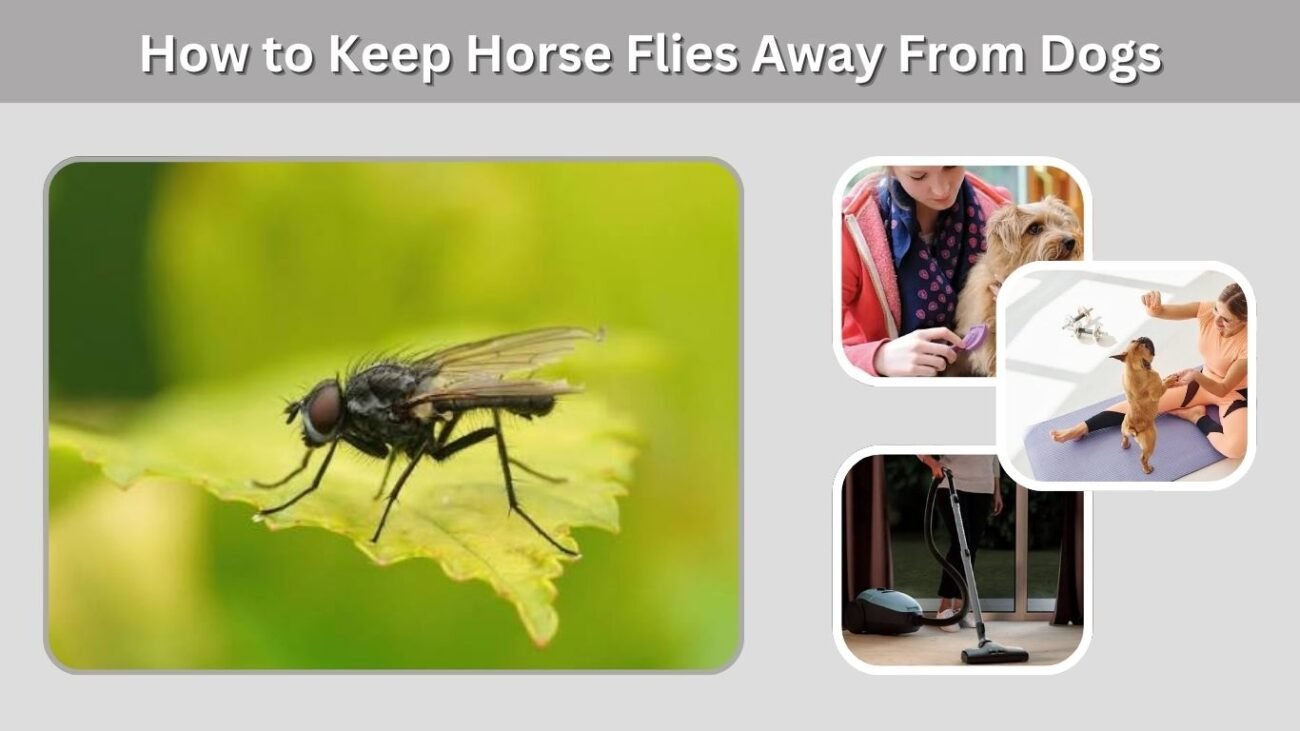
Prevention is especially important for outdoor dogs and pets living near farms, wetlands, wooded areas, or livestock.
Reduce Outdoor Exposure
Horse flies are active during daylight and may be particularly bothersome during warm weather. Bring your dog indoors when flies become numerous and schedule walks for times when activity is lower.
Provide a Protected Resting Area
Give outdoor dogs access to a clean, shaded, screened, or enclosed area. Fans may make it harder for flies to land in kennels, porches, and covered resting areas.
Keep the Dog Clean
Regularly inspect and groom your dog. Clean food residue, feces, urine, blood, skin discharge, and other material that may attract flies.
Check the ears, face, belly, and legs after outdoor activity. Early discovery prevents a small wound from becoming worse through licking or repeated bites.
Maintain the Yard
Remove animal waste, spoiled food, wet bedding, rotting vegetation, and other organic debris. Keep kennels dry and clean water and food bowls regularly.
Use Veterinary-Approved Protection
Ask your veterinarian about dog-labeled repellents, topical products, collars, or protective clothing suitable for your area. A lightweight dog shirt may reduce access to the body, although the face, ears, and legs may remain exposed.
Horse Fly Bite vs. Other Fly Bites
Not every red spot is caused by a horse fly. Black flies may leave multiple small circular marks on the belly, while stable flies commonly attack ear edges and lower legs. Fleas, ticks, mosquitoes, allergies, mites, bacterial infections, and skin irritation can also produce redness or itching.
A veterinarian should examine recurring, spreading, infected, or unexplained skin lesions rather than relying on appearance alone.
FAQs
Are horse flies dangerous to dogs?
A single bite is usually painful but not dangerous. Multiple bites, infection, heavy blood loss in a severe infestation, or an allergic reaction can be more serious and may require veterinary treatment.
How long does a horse fly bite take to heal?
A mild bite may begin improving within a few days. Healing takes longer when the dog repeatedly licks or scratches it. Increasing redness, swelling, pain, discharge, or odor suggests that veterinary attention is needed.
Can I put horse fly spray on my dog?
Only use the spray when the label specifically states that it is approved for dogs. A product labeled exclusively for horses should not be applied to a dog without veterinary guidance.
What should I do when a horse fly bites my dog’s ear?
Move the dog indoors, clean the bite gently, control bleeding with steady pressure, and use a wrapped cold compress. Prevent scratching and contact a veterinarian if bleeding, swelling, or crusted wounds continue.
What happens if my dog eats a horse fly?
Swallowing one fly is less concerning than a severe bite reaction, but monitor the dog for choking, vomiting, drooling, mouth swelling, or distress. Contact a veterinarian if symptoms develop or the fly may have contacted pesticide.