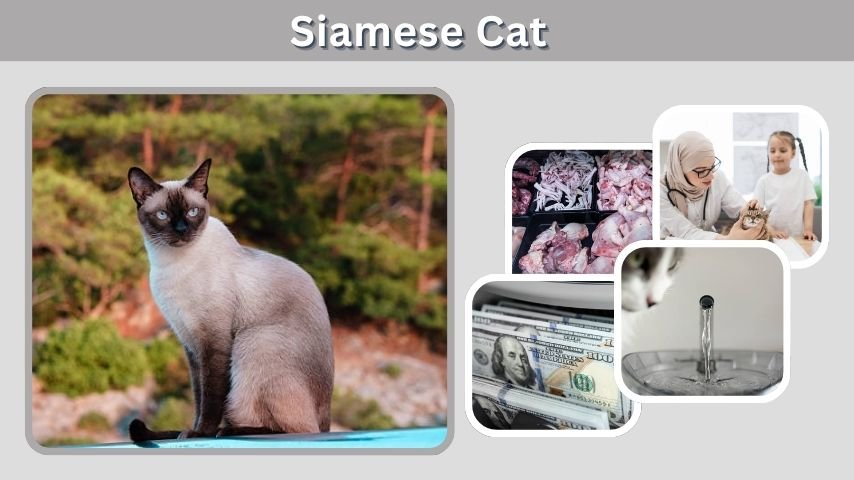
Siamese cats are among the most recognizable and beloved cat breeds in the world. Known for their striking blue eyes, elegant bodies, and vocal personalities, these cats have fascinated pet lovers for generations. Originally from Thailand, Siamese cats are intelligent, affectionate, and highly social companions. Their unique appearance and engaging behavior make them popular among families and individuals alike. Understanding their history, characteristics, and temperament can help prospective owners decide whether a Siamese cat is the right pet for their home.
What Is a Siamese Cat?
The Siamese cat is one of the oldest and most recognizable cat breeds. Originating in Thailand, formerly known as Siam, these cats were once considered sacred and were often associated with royalty. Today, they are admired worldwide for their distinctive appearance and strong personalities. Siamese cats are known for forming close bonds with their owners and often seek constant interaction, making them ideal companions for people who enjoy an active and affectionate pet.
Origins of the Siamese Cat
The Siamese breed traces its roots back hundreds of years to Thailand. Historical records suggest these cats lived in temples and royal households, where they were highly valued. Their unique appearance eventually attracted attention from cat enthusiasts around the world.
How Siamese Cats Became Popular
Siamese cats gained international recognition during the late nineteenth century when they were introduced to Europe and North America. Their elegant appearance and charming personalities quickly made them one of the most sought-after cat breeds.
Physical Characteristics of Siamese Cats
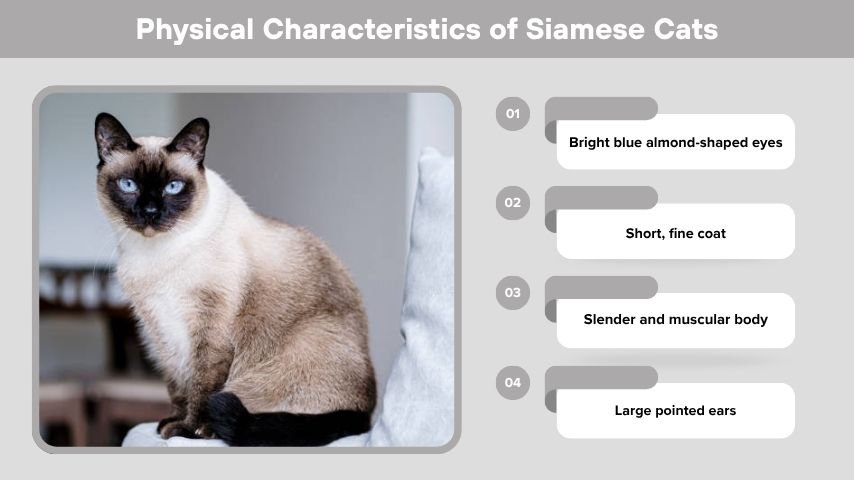
Siamese cats are known for their graceful appearance and distinctive features. Their sleek bodies, short coats, and bright blue eyes make them easy to identify. Although individual cats may vary slightly, most Siamese share common physical traits that contribute to their reputation as one of the most beautiful and elegant feline breeds.
Distinctive Features
Siamese cats are easily recognized by several physical characteristics:
- Bright blue almond-shaped eyes
- Short, fine coat
- Slender and muscular body
- Large pointed ears
- Long, graceful tail
These features create the elegant appearance that has made the breed famous worldwide.
Coat Colors and Patterns
Traditional Siamese cats are known for their color-point pattern, where the ears, face, paws, and tail are darker than the rest of the body. The contrast between the lighter body and darker points creates a striking visual effect.
Size and Weight
Most Siamese cats have a medium-sized frame with a lean, athletic build. They are lightweight yet muscular, allowing them to move with remarkable agility and grace.
Types of Siamese Cats
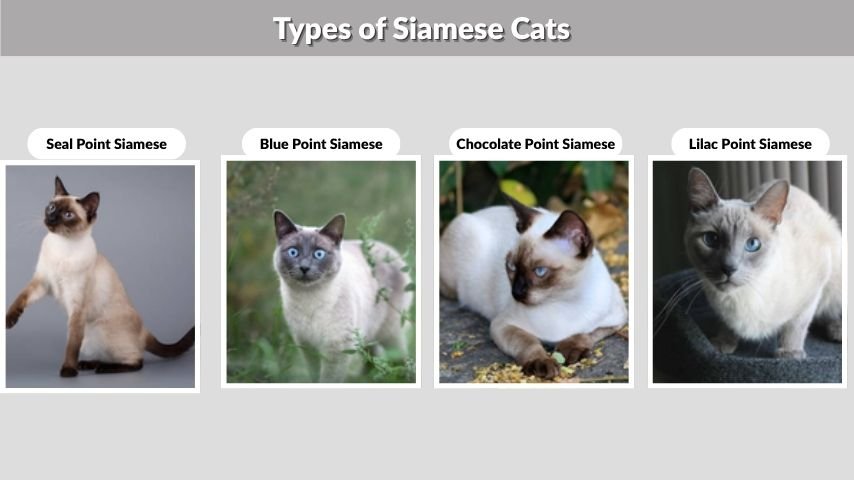
Over time, breeders have developed several variations of the Siamese cat. While these cats share many core characteristics, differences in coloration create unique appearances. Understanding the various types can help potential owners appreciate the diversity found within this popular breed.
Popular Siamese Color Variations
Common Siamese color points include:
- Seal Point Siamese
- Blue Point Siamese
- Chocolate Point Siamese
- Lilac Point Siamese
- Flame Point Siamese
- Lynx Point Siamese
Each variation displays a unique combination of body color and point coloration.
Seal Point Siamese
The Seal Point Siamese is the most traditional variety. It features dark brown points contrasted against a cream-colored body, creating the classic Siamese appearance recognized around the world.
Blue Point Siamese
Blue Point Siamese cats have bluish-gray points and a lighter body color. Their softer coloration gives them an elegant and refined appearance.
Siamese Cat Personality
The Siamese cat is famous for its outgoing and affectionate personality. Unlike some independent breeds, Siamese cats thrive on companionship and interaction. They often become deeply attached to their owners and enjoy being involved in daily activities. Their intelligence and curiosity make them entertaining pets that actively engage with their environment and the people around them.
Why Siamese Cats Are So Vocal
Siamese cats are known for communicating through a wide range of vocalizations. They often “talk” to their owners using distinctive meows and sounds to express needs, seek attention, or simply interact.
Intelligence and Trainability
These cats are highly intelligent and capable of learning commands, routines, and even simple tricks. Their curiosity encourages them to explore new situations and solve problems, making them one of the most trainable cat breeds.
Affection and Loyalty
Siamese cats often form strong emotional bonds with their owners. Many enjoy sitting close to family members, following them around the house, and participating in daily activities. Their affectionate nature makes them excellent companions for people seeking a highly interactive pet.
Siamese Cat Temperament
A Siamese cat’s temperament combines confidence, curiosity, and affection. These cats enjoy social interaction and generally prefer not to be left alone for extended periods. Their energetic and people-oriented nature makes them a good fit for households that can provide regular attention, companionship, and mental stimulation.
Relationship With Owners
Siamese cats are often described as loyal and devoted. They frequently seek companionship and may develop especially strong attachments to one or more family members.
Living With Children and Other Pets
Many Siamese cats adapt well to households with children and other animals. When introduced properly, they can develop positive relationships and enjoy the company of other pets.
Managing Separation Anxiety
Because Siamese cats crave interaction, some may experience loneliness if left alone too often. Providing toys, enrichment activities, and companionship can help reduce stress and boredom.
Siamese Cat Lifespan
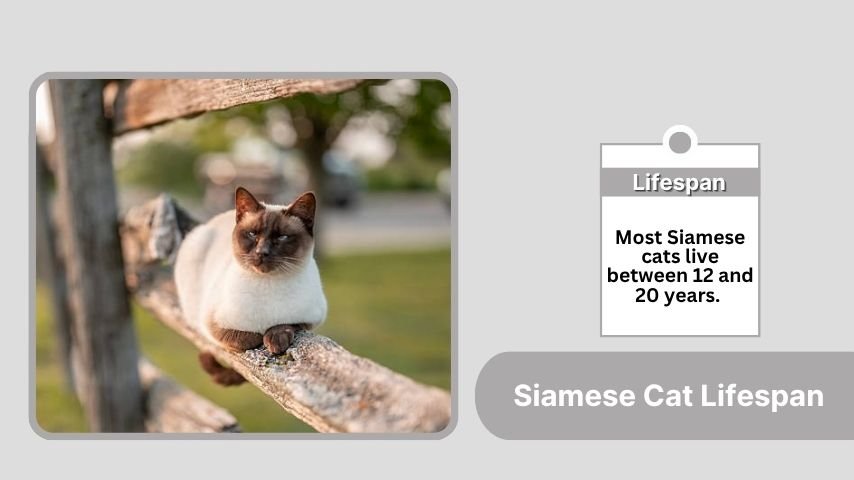
Siamese cats are generally considered a long-lived breed. With proper nutrition, regular veterinary care, and a safe living environment, many Siamese cats enjoy long and healthy lives. Their lifespan often exceeds that of many other cat breeds, making them a rewarding companion for owners seeking a long-term pet. Understanding the factors that influence longevity can help ensure a Siamese cat remains healthy and active throughout its life.
Average Life Expectancy
Most Siamese cats live between 12 and 20 years. Some cats even surpass this range when provided with exceptional care, a nutritious diet, and routine health monitoring.
Factors That Affect Lifespan
Several factors contribute to a longer life:
- High-quality nutrition
- Regular veterinary checkups
- Healthy body weight
- Indoor living conditions
- Mental and physical stimulation
Indoor vs. Outdoor Living
Indoor Siamese cats typically live longer than outdoor cats because they face fewer risks from traffic, predators, diseases, and environmental hazards.
Are Siamese Cats Hypoallergenic?
Many prospective owners wonder whether Siamese cats are suitable for people with allergies. While no cat breed is completely hypoallergenic, Siamese cats are often considered more allergy-friendly than some other breeds. Their short coats produce less shedding, which may reduce the spread of allergens throughout the home. However, individual reactions vary, and spending time around the breed before adoption is always recommended.
Understanding Cat Allergies
Most cat allergies are triggered by proteins found in saliva, skin cells, and dander rather than the fur itself. Even short-haired breeds can produce allergens that affect sensitive individuals.
Why Siamese Cats May Be Better for Allergy Sufferers
Because Siamese cats have short, fine coats and relatively low shedding levels, they may distribute fewer allergens around the home compared to long-haired breeds.
Reducing Allergens in the Home
Regular grooming, cleaning, and air filtration can help minimize allergen exposure and create a more comfortable environment for allergy-sensitive individuals.
Siamese Cat Care Guide
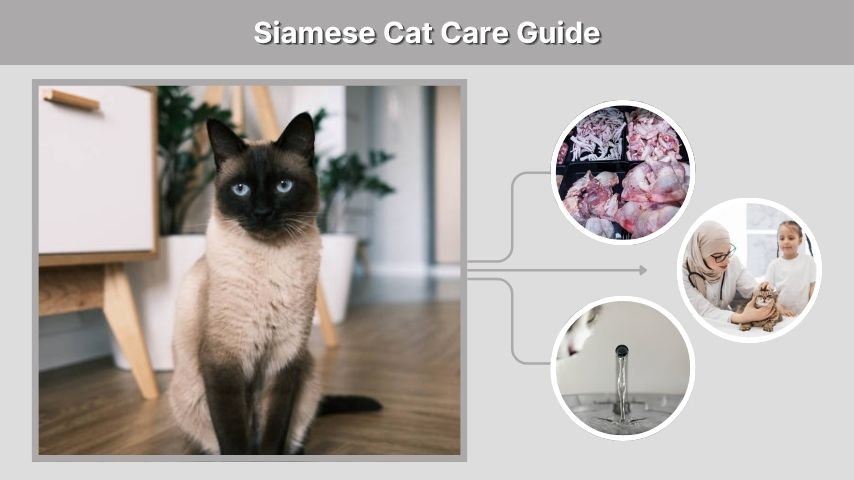
Proper care is essential for maintaining the health and happiness of a Siamese cat. These intelligent and active cats require more than just food and shelter. They benefit from daily interaction, mental stimulation, and consistent healthcare. Establishing good habits early can help prevent behavioral issues and support a long, fulfilling life.
Essential Care Requirements
To keep a Siamese cat healthy, owners should focus on:
- High-quality protein-rich food
- Fresh water available at all times
- Regular grooming sessions
- Daily exercise and playtime
- Routine veterinary care
Grooming Needs
Siamese cats have short coats that are relatively easy to maintain. Weekly brushing is usually sufficient to remove loose hair and keep the coat looking smooth and healthy.
Exercise and Mental Stimulation
These cats are energetic and intelligent, making enrichment activities important. Interactive toys, climbing structures, and puzzle feeders help prevent boredom while encouraging healthy physical activity.
Common Health Problems
Although Siamese cats are generally healthy, they can be predisposed to certain medical conditions. Understanding potential health concerns allows owners to recognize symptoms early and seek veterinary care when necessary. Preventive healthcare remains one of the most effective ways to support long-term wellness.
Dental Disease
Dental problems are among the most common health concerns in Siamese cats. Regular dental care can help prevent plaque buildup and reduce the risk of oral infections.
Respiratory Issues
Some Siamese cats may be prone to respiratory conditions that affect breathing and overall comfort. Routine veterinary examinations can help identify problems before they become serious.
Heart Conditions
Certain inherited heart conditions may occur within the breed. Regular health screenings can improve early detection and treatment outcomes.
Siamese Cat Kittens
Siamese kittens are playful, curious, and highly social from an early age. Their development involves rapid physical growth and important social learning experiences. Providing a nurturing environment helps young kittens grow into confident, well-adjusted adults capable of forming strong relationships with their families.
Early Development
Newborn Siamese kittens are typically born with light-colored coats. Their characteristic point coloration gradually develops during the first weeks and months of life.
Socialization and Training
Early socialization helps kittens become comfortable around people, pets, and new environments. Positive experiences during this period contribute to a balanced temperament later in life.
Preparing Your Home
Before bringing home a Siamese kitten, owners should create a safe environment with food, water, litter boxes, toys, and designated resting areas.
How Much Does a Siamese Cat Cost?

The cost of owning a Siamese cat varies depending on whether the cat is adopted or purchased from a breeder. In addition to acquisition costs, owners should budget for ongoing expenses such as food, veterinary care, grooming supplies, and enrichment items.
Adoption vs. Breeder Costs
Shelters and rescue organizations often provide Siamese cats at lower adoption fees. Cats purchased from reputable breeders generally cost more due to pedigree, health testing, and breeding standards.
Ongoing Ownership Expenses
Long-term ownership costs may include:
- Food and treats
- Veterinary care
- Vaccinations
- Litter and supplies
- Toys and enrichment products
FAQs
Are Siamese Cats Good Family Pets?
Yes. Their affectionate and social nature makes them excellent companions for families, couples, and individuals.
Why Are Siamese Cats So Vocal?
Siamese cats use vocalizations to communicate with their owners and often enjoy participating in conversations throughout the day.
Do Siamese Cats Like to Cuddle?
Many Siamese cats enjoy physical affection and often seek close contact with their favorite people.
Are Siamese Cats High Maintenance?
While grooming needs are minimal, Siamese cats require significant social interaction and mental stimulation to remain happy.
Do Siamese Cats Get Along With Dogs?
When introduced properly, Siamese cats often coexist well with dogs and other household pets.