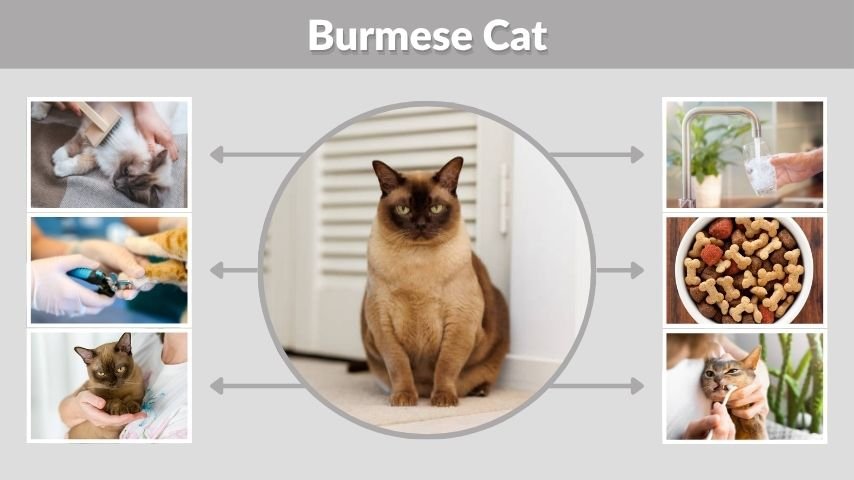
The Burmese cat is a beloved breed known for its affectionate personality, intelligence, and striking appearance. Originally developed from cats brought from Southeast Asia, the breed has gained popularity worldwide for its playful nature and strong bond with humans. Burmese cats are often described as people-oriented companions that enjoy attention and interaction. Their short, silky coats and expressive eyes make them visually appealing, while their social temperament makes them excellent pets for families, singles, and multi-pet households.
What Is a Burmese Cat?
The Burmese cat is a medium-sized domestic cat breed admired for its affectionate nature and elegant appearance. These cats are highly social and often seek companionship from their owners throughout the day. Their playful personalities and adaptability make them one of the most popular cat breeds among pet lovers looking for an interactive and loyal companion.
Origin and History
The modern Burmese cat originated from a cat named Wong Mau, which was brought from Burma (now Myanmar) to the United States in the 1930s. Breeding programs helped establish the characteristics that define the breed today.
Breed Recognition
Major cat organizations worldwide recognize the Burmese cat as a distinct breed. Over the years, breeders have developed different standards, leading to slight variations between American and European Burmese cats.
Why Burmese Cats Are Unique
Burmese cats are often compared to dogs because of their loyalty and desire to remain close to their owners. They enjoy participating in daily activities and are known for following family members around the house.
Physical Characteristics of the Burmese Cat
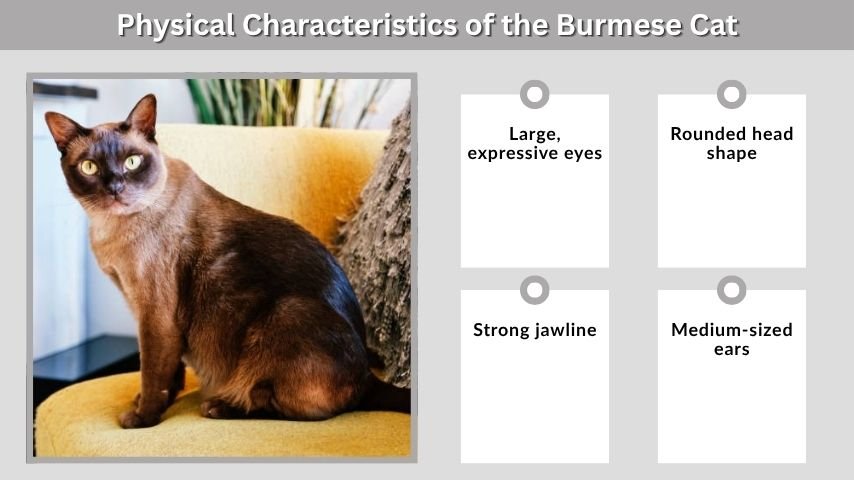
The Burmese cat possesses a distinctive appearance that combines elegance with athleticism. Its muscular body, smooth coat, and expressive eyes contribute to its popularity among cat enthusiasts. Although medium in size, Burmese cats often feel surprisingly heavy due to their solid muscle structure.
Size and Weight
Adult Burmese cats typically weigh between 8 and 12 pounds. Males are generally larger than females, though both sexes maintain a compact and muscular build.
Coat and Appearance
The breed features a short, fine coat that lies close to the body. This coat requires minimal grooming and naturally maintains a glossy appearance.
Eye Color and Facial Features
Notable physical features include:
- Large, expressive eyes
- Rounded head shape
- Strong jawline
- Medium-sized ears
- Muscular body structure
These characteristics create the distinctive look associated with the Burmese breed.
Burmese Cat Colours
One of the most attractive aspects of the Burmese cat is its beautiful coat coloration. While many people associate the breed with a rich brown coat, Burmese cats actually come in several recognized color variations depending on breed standards and regional preferences.
Traditional Sable Burmese
The sable Burmese is the most well-known color variety. It features a deep brown coat with subtle shading that gives the fur a luxurious appearance.
Blue Burmese
Blue Burmese cats display a soft gray-blue coat that appears elegant and refined. This variation remains popular among breeders and cat enthusiasts.
Champagne and Platinum Burmese
Other recognized coat colors include champagne and platinum. These lighter shades provide additional diversity within the breed while maintaining the same affectionate personality traits.
Common Burmese Cat Colours
Popular color varieties include:
- Sable
- Blue
- Champagne
- Platinum
- Chocolate (in some breed standards)
Each color variation shares the same overall breed characteristics and temperament.
Burmese Cat Personality
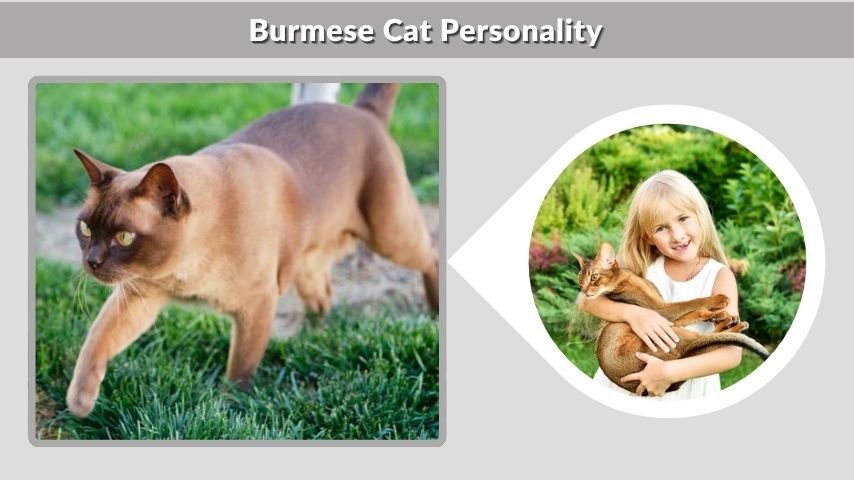
The Burmese cat is widely regarded as one of the most affectionate cat breeds. Its personality often becomes the primary reason owners choose the breed. These cats thrive on human interaction and generally prefer companionship over solitude.
Affectionate Nature
Burmese cats form strong bonds with their families and frequently seek attention. They enjoy cuddling, sitting on laps, and remaining close to their owners throughout the day.
Intelligence and Curiosity
This breed is highly intelligent and enjoys exploring its environment. Burmese cats quickly learn routines, recognize family members, and often figure out how to open cabinets or solve simple puzzle toys.
Social Behavior
Unlike many independent cat breeds, Burmese cats are extremely social. They often greet visitors, interact with children, and adapt well to households with multiple pets.
Compatibility With Families
Burmese cats typically fit well into various living situations because they are:
- Friendly with children
- Comfortable around seniors
- Suitable for apartment living
- Adaptable to multi-pet homes
- Highly interactive with owners
Their social nature makes them ideal companions for households where someone is frequently present.
Burmese Cat Lifespan and Health
Like all cat breeds, Burmese cats require proper care to maintain good health. Understanding common health concerns and lifespan expectations helps owners provide the best possible environment for their pets.
Average Lifespan
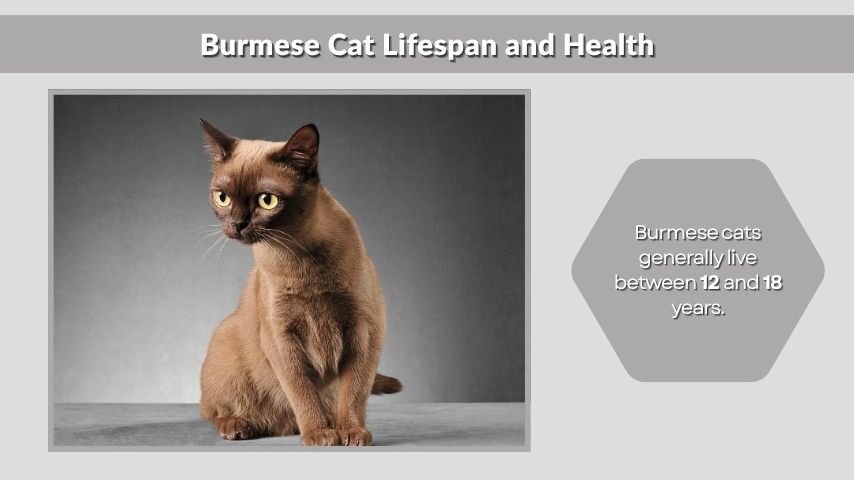
Burmese cats generally live between 12 and 18 years. With proper nutrition, veterinary care, and a safe indoor lifestyle, some individuals may live even longer.
Common Health Issues
Although generally healthy, Burmese cats can occasionally develop hereditary conditions. Regular veterinary examinations help identify and manage potential issues before they become serious.
Preventive Care
Routine vaccinations, balanced nutrition, dental care, and regular exercise contribute significantly to long-term health and overall quality of life.
Burmese Cat Diet and Nutrition

A healthy diet is essential for maintaining the Burmese cat’s energy, coat quality, and long-term wellbeing. Because this breed is active and muscular, it benefits from high-quality food that supports lean body condition, strong immunity, and daily activity levels.
Nutritional Requirements
Burmese cats need a protein-rich diet made from quality animal sources. Balanced cat food should include essential amino acids, healthy fats, vitamins, and minerals.
Recommended Foods
Good food options include wet food, dry food, or a veterinarian-approved combination of both. Fresh water should always be available to support hydration and kidney health.
Foods to Avoid
Some foods can be harmful to Burmese cats, including:
- Chocolate
- Onions
- Garlic
- Alcohol
- Raw dough
- Excess dairy
Grooming and Maintenance
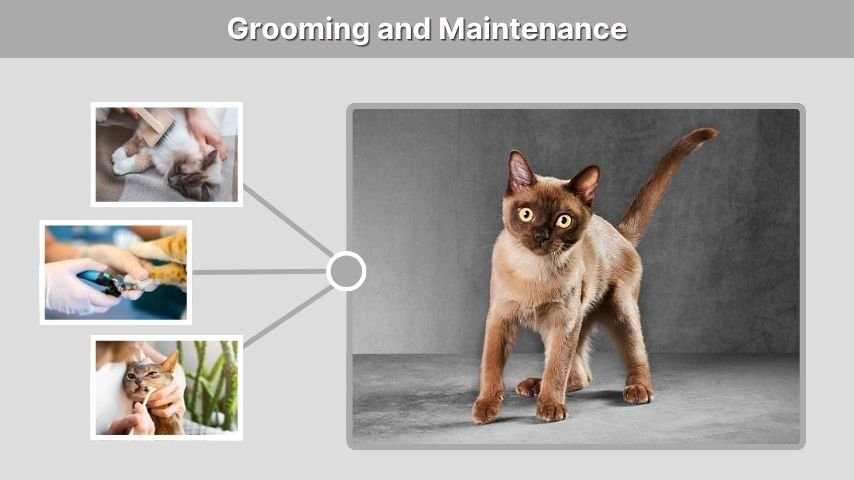
Burmese cats are relatively easy to groom because of their short, smooth coats. They do not require heavy brushing, but regular maintenance still helps keep them clean, comfortable, and healthy.
Coat Care
A weekly brushing is usually enough to remove loose hair and maintain shine. Their coat naturally stays sleek with minimal effort.
Nail Trimming
Regular nail trimming prevents discomfort and protects furniture from scratching. Owners should introduce nail care gradually so the cat becomes comfortable with handling.
Dental Hygiene
Dental care is important for preventing gum disease and bad breath. Brushing the cat’s teeth or using vet-recommended dental products can support oral health.
Burmese Cat Price
The cost of a Burmese cat varies depending on location, breeder reputation, pedigree, age, and health records. Potential owners should consider both the purchase price and long-term care expenses before bringing one home.
Average Burmese Cat Cost
A Burmese kitten from a reputable breeder may cost more than an adopted cat, especially if it has registration papers and health screening.
Factors Affecting Price
Common price factors include:
- Breeder reputation
- Pedigree quality
- Age of the cat
- Coat color
- Health certifications
- Country or region
Burmese Cat Price in Bangladesh
In Bangladesh, Burmese cat prices may vary widely depending on availability, breeder quality, import status, and demand. Buyers should always verify health records before purchasing.
Burmese Cat Adoption
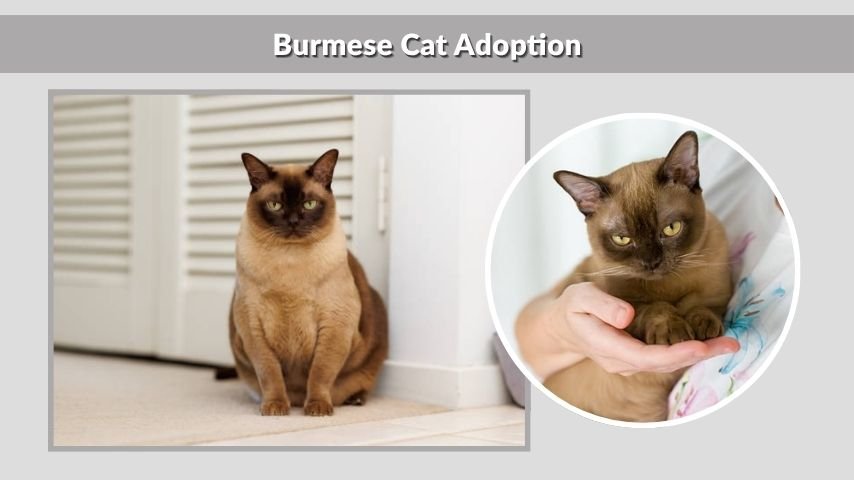
Adoption can be a rewarding way to bring a Burmese cat into your home. While purebred Burmese cats may be less common in shelters, rescue groups and breed-specific organizations sometimes have adults or mixed Burmese cats available.
Benefits of Adoption
Adoption often costs less than buying from a breeder and gives a cat a second chance at a loving home.
Adoption vs Buying
Buying may offer more predictable pedigree and kitten availability, while adoption is usually more affordable and supports animal welfare.
Finding a Responsible Source
Whether adopting or buying, choose a source that prioritizes health, transparency, and proper care. Avoid sellers who cannot provide clear information about the cat’s background.
Pros and Cons of Owning a Burmese Cat
Burmese cats make wonderful companions, but they are not ideal for every household. Their social personality means they need attention, interaction, and mental stimulation.
Advantages
Burmese cats are popular because they are:
- Affectionate and loyal
- Intelligent and playful
- Good with families
- Low-maintenance for grooming
- Adaptable to indoor living
Disadvantages
Potential challenges include:
- They dislike being alone for long periods
- They may demand frequent attention
- They need regular playtime
- They can become bored easily
- They may be costly to buy from breeders
FAQs
How Long Do Burmese Cats Live?
Burmese cats usually live between 12 and 18 years with proper care, nutrition, and regular veterinary checkups.
Are Burmese Cats Good Pets?
Yes. Burmese cats are friendly, affectionate, playful, and highly social, making them excellent pets for many households.
Do Burmese Cats Shed a Lot?
No. Burmese cats have short coats and usually shed less than many long-haired breeds.
Are Burmese Cats Good With Children?
Yes. Their playful and affectionate nature often makes them suitable companions for children when interactions are supervised.
Are Burmese Cats Hypoallergenic?
No cat breed is completely hypoallergenic. Burmese cats may produce fewer visible hairs, but they can still trigger allergies.