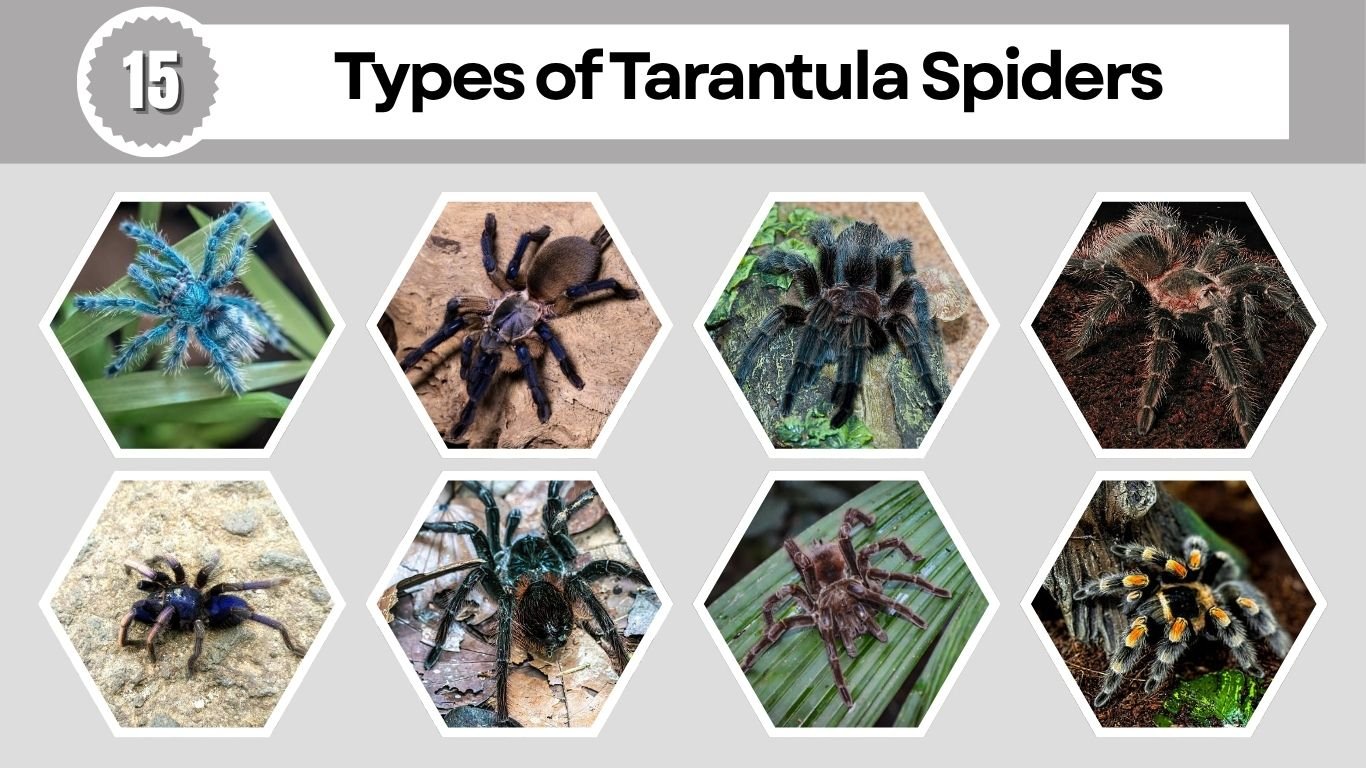
Tarantulas are large, hairy spiders known for their unique colors, behaviors, and habitats. Some species are calm and suitable for beginners, while others are fast, defensive, or better for experienced keepers. From the gentle Chilean rose tarantula to the bold orange baboon tarantula, each type has its own appearance, lifestyle, and interesting traits.
1. Chilean Rose Tarantula
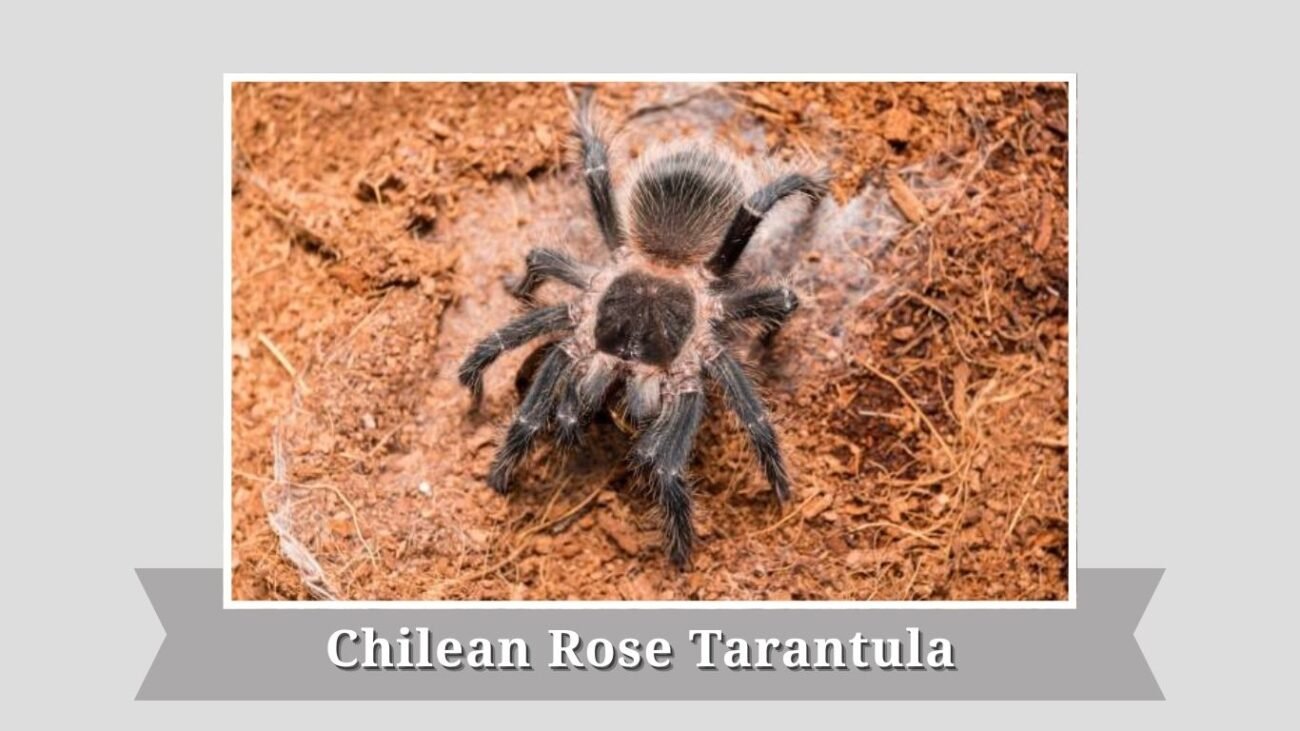
The Chilean rose tarantula is one of the most popular tarantula species among beginners and spider enthusiasts. Known for its calm nature and attractive rose-colored hairs, this tarantula is native to dry regions of Chile, Bolivia, and Argentina. It is often kept as a pet because it is hardy, slow-moving, and easier to care for than many other tarantula species.
Characteristics of Chilean Rose Tarantula
- Medium-sized tarantula with a leg span of about 4 to 5 inches
- Covered with brown, gray, or pinkish rose-colored hairs
- Generally calm and slow-moving
- Females can live for 15 to 20 years
- Males usually have a much shorter lifespan
- Uses urticating hairs as a defense when threatened
Habitat and Natural Range
The Chilean rose tarantula is commonly found in dry scrublands and desert-like areas. It prefers warm, low-humidity environments and often hides under rocks, logs, or inside burrows during the day. In the wild, it comes out mostly at night to search for food and avoid extreme daytime heat.
Diet and Feeding Habits
This tarantula mainly eats insects such as crickets, roaches, grasshoppers, and mealworms. In the wild, it may also catch small invertebrates that come near its hiding place. It is an ambush predator, meaning it waits patiently and attacks when prey gets close.
Behavior and Temperament
The Chilean rose tarantula is famous for its gentle temperament. It is usually not aggressive, but it may become defensive if handled roughly or disturbed too often. When stressed, it may kick irritating hairs from its abdomen. Because of its calm behavior, it is often recommended for beginners.
2. Mexican Red-Knee Tarantula
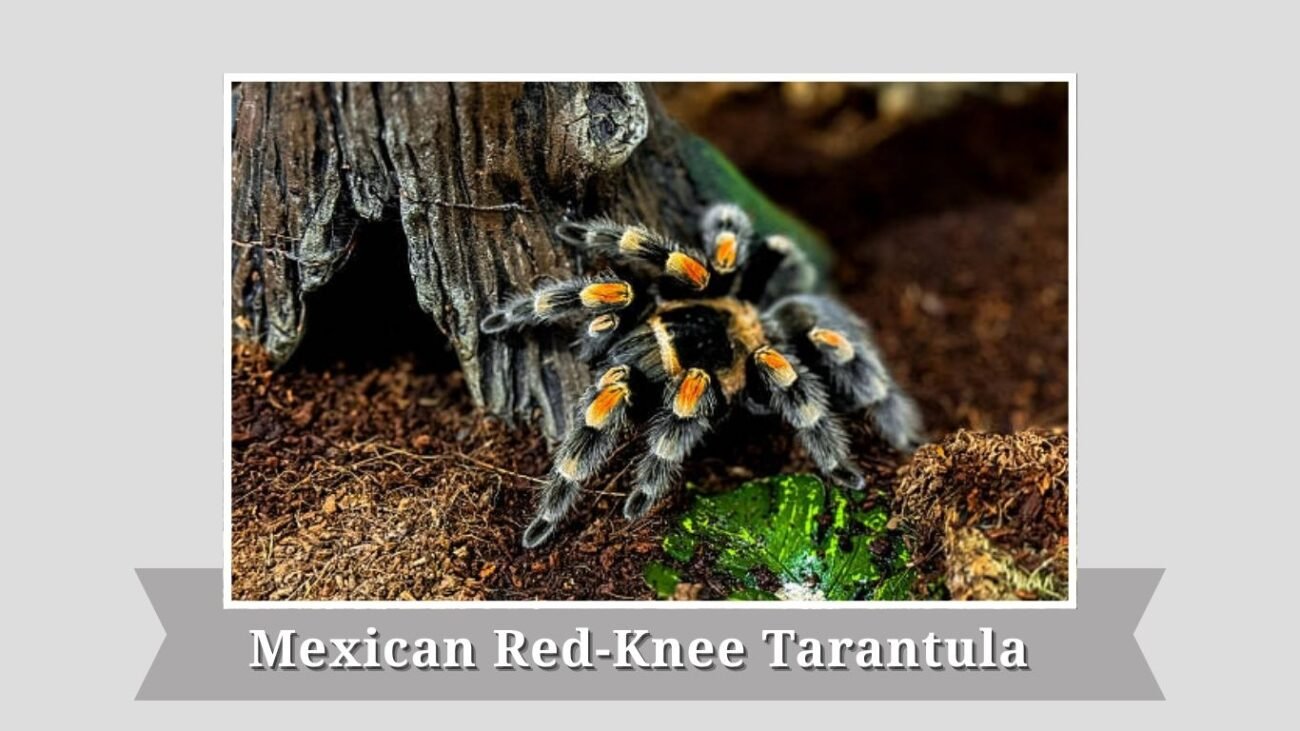
The Mexican red-knee tarantula is one of the most recognizable tarantula species in the world. It is famous for its dark body and bright orange-red bands on its legs. Native to Mexico, this tarantula is popular among beginners because of its calm nature, long lifespan, and beautiful appearance.
Characteristics of Mexican Red-Knee Tarantula
- Medium-sized tarantula with a leg span of around 5 to 6 inches
- Black body with orange-red markings on the knees
- Slow-growing but long-lived species
- Females can live for more than 20 years
- Generally calm and easy to observe
- Uses urticating hairs when it feels threatened
Habitat and Natural Range
The Mexican red-knee tarantula is found in dry forests, scrublands, and desert-like areas of Mexico. It usually lives in burrows or hidden spaces under rocks and tree roots. These shelters help protect it from predators and hot daytime temperatures.
Diet and Feeding Habits
This tarantula mainly feeds on insects such as crickets, roaches, beetles, and grasshoppers. It waits quietly near its hiding place and attacks when prey comes close. Like most tarantulas, it uses venom to subdue its food before eating.
Behavior and Temperament
The Mexican red-knee tarantula is known for being calm and slow-moving. It is not usually aggressive, but it can become defensive if disturbed. When stressed, it may raise its front legs or kick irritating hairs from its abdomen.
3. Brazilian Black Tarantula
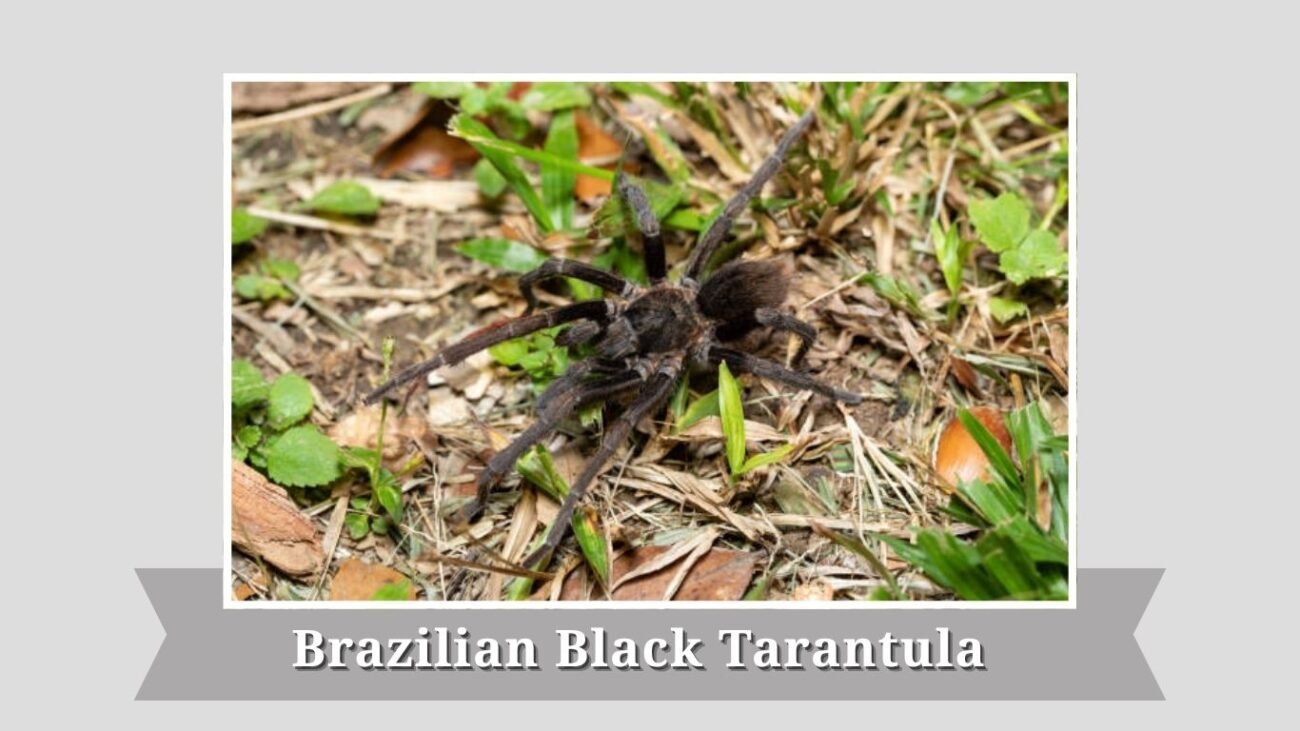
The Brazilian black tarantula is admired for its smooth, deep-black appearance and gentle personality. It is a slow-growing species, but its peaceful nature makes it a favorite among tarantula keepers. This tarantula is native to grasslands and scrub areas of Brazil and Uruguay.
Characteristics of Brazilian Black Tarantula
- Large tarantula with a leg span of about 6 to 7 inches
- Entire body is covered in velvety black hairs
- Known for its calm and gentle temperament
- Females can live for 20 years or more
- Slow-growing compared to many other species
- Strong body and heavy build
Habitat and Natural Range
The Brazilian black tarantula lives in warm grasslands, open fields, and scrubland areas. It often stays in burrows or natural hiding places during the day. These shelters help it stay safe from predators and avoid harsh weather conditions.
Diet and Feeding Habits
This tarantula eats crickets, roaches, worms, beetles, and other small insects. Larger adults may occasionally eat small prey in the wild. It is an ambush hunter, waiting patiently before making a quick strike.
Behavior and Temperament
The Brazilian black tarantula is often described as one of the calmest tarantulas. It usually moves slowly and rarely shows aggression. However, it should still be treated with care because stress can cause defensive behavior.
4. Goliath Birdeater
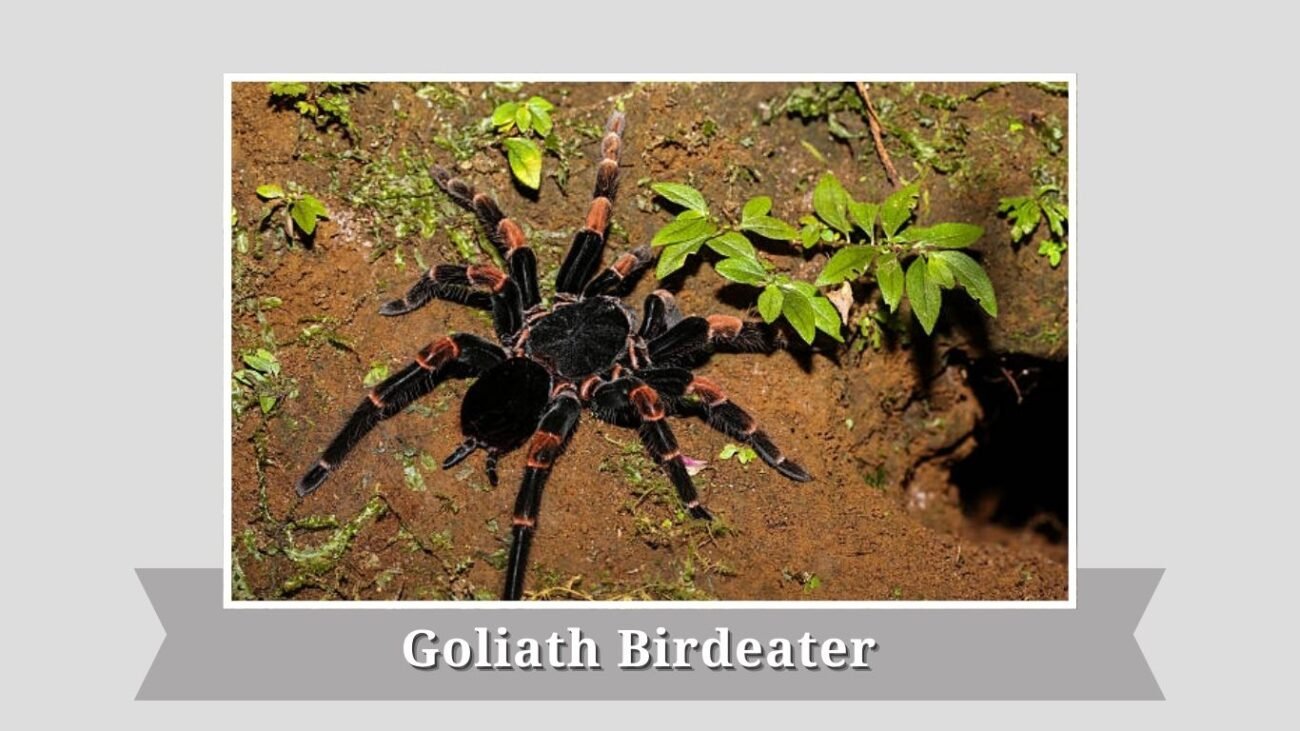
The Goliath birdeater is one of the largest tarantulas in the world. Despite its name, it does not commonly eat birds, though it is powerful enough to catch small animals. Native to northern South America, this huge spider is known for its size, strength, and impressive appearance.
Characteristics of Goliath Birdeater
- One of the largest tarantulas by body mass
- Leg span can reach up to 11 inches
- Brown, hairy body with a heavy build
- Females can live around 15 to 25 years
- Produces a hissing sound by rubbing body parts together
- Has strong fangs and urticating hairs
Habitat and Natural Range
The Goliath birdeater lives in rainforests of countries such as Venezuela, Brazil, Guyana, and Suriname. It prefers humid environments and often stays in deep burrows on the forest floor. These burrows provide safety and moisture.
Diet and Feeding Habits
This tarantula eats insects, worms, frogs, lizards, and small rodents. Although it may occasionally catch small birds, they are not a regular part of its diet. It relies on strength and speed to overpower prey.
Behavior and Temperament
The Goliath birdeater can be defensive when disturbed. It may hiss, raise its legs, or release irritating hairs. Because of its size and defensive nature, it is better suited for experienced keepers rather than beginners.
5. Greenbottle Blue Tarantula
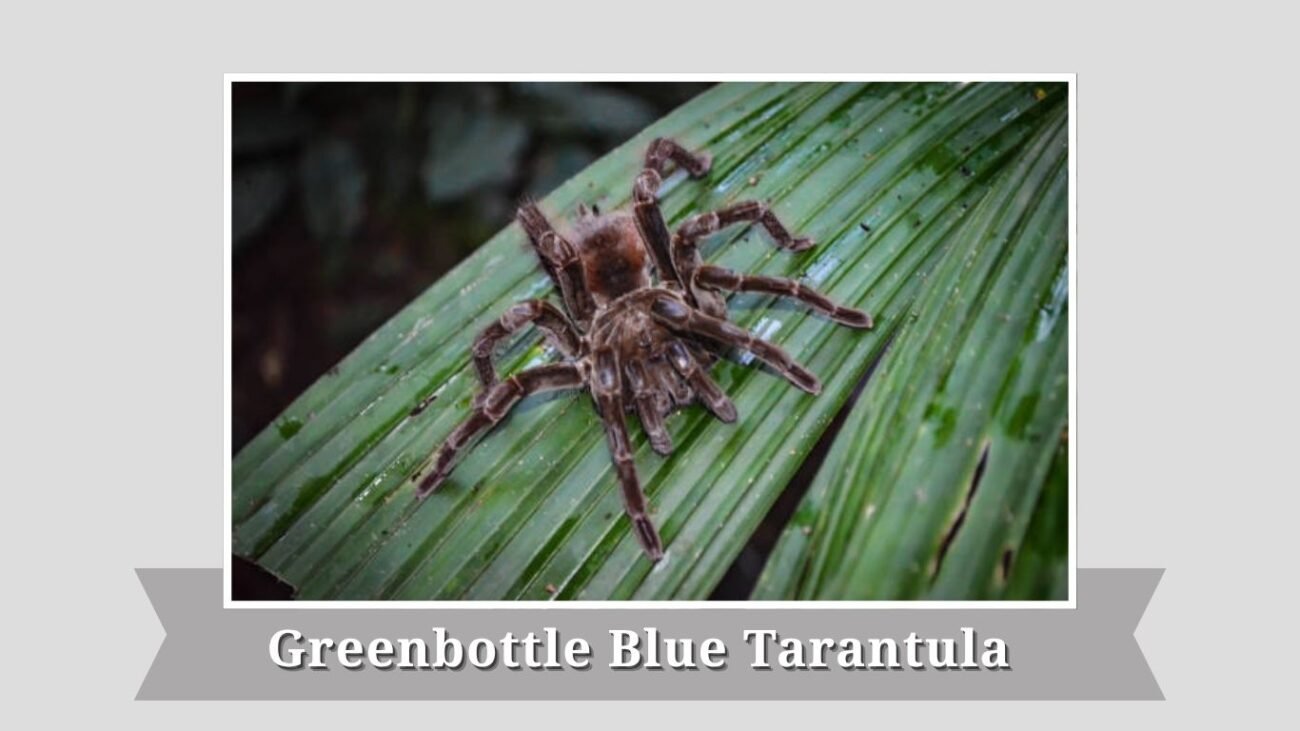
The greenbottle blue tarantula is famous for its bright colors and heavy webbing. It has metallic blue legs, an orange abdomen, and a greenish body. Native to Venezuela, this species is popular because it is active, beautiful, and interesting to watch.
Characteristics of Greenbottle Blue Tarantula
- Medium-sized tarantula with a leg span of around 5 to 6 inches
- Bright blue legs with an orange abdomen
- Greenish-blue body coloration
- Known for producing lots of webbing
- Fast-moving compared to calmer species
- Females can live around 12 to 15 years
Habitat and Natural Range
The greenbottle blue tarantula comes from dry scrublands and desert-like areas of northern Venezuela. It often builds thick webs around its hiding place. These webs help it detect prey, create shelter, and feel secure.
Diet and Feeding Habits
This tarantula feeds on crickets, roaches, mealworms, and other small insects. It is usually a strong eater and quickly reacts when prey touches its web. Its webbing helps alert it to movement nearby.
Behavior and Temperament
The greenbottle blue tarantula is active and entertaining to observe. It is not usually highly aggressive, but it can be quick and nervous. Because of its speed, it is better for watching than frequent handling.
6. Antilles Pinktoe Tarantula
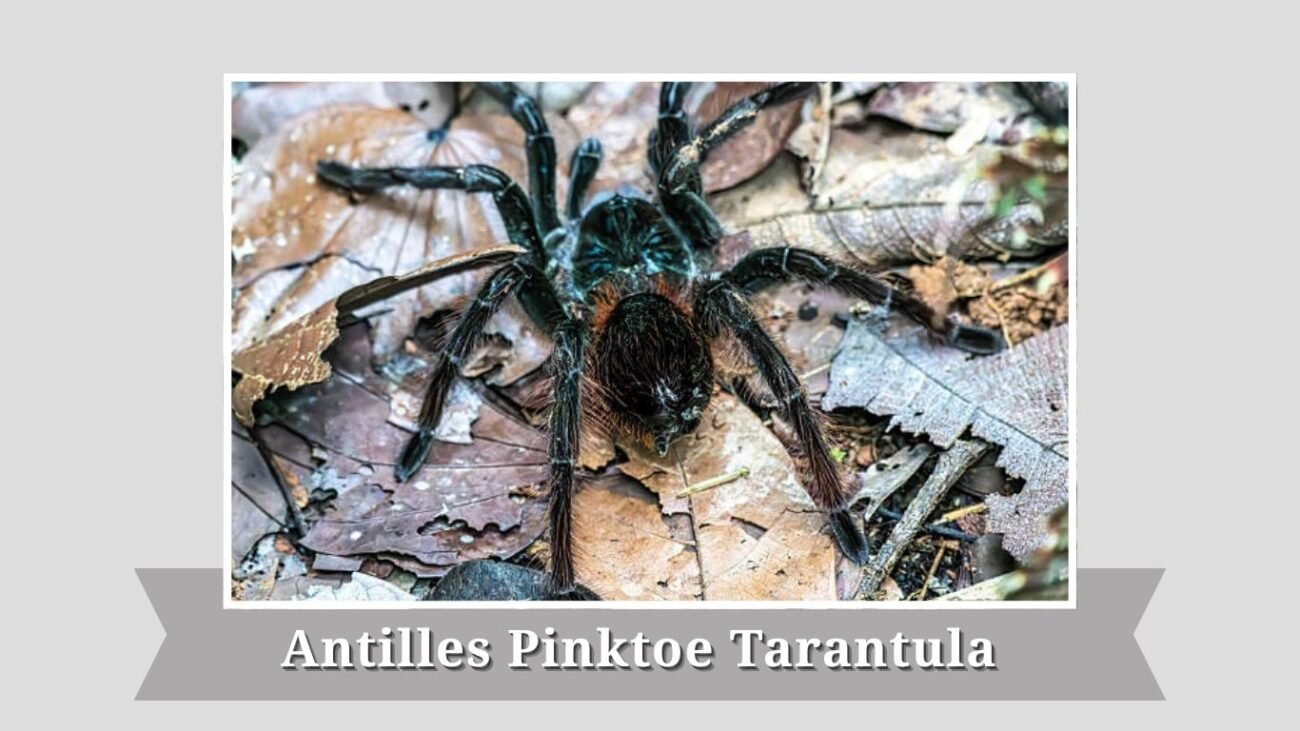
The Antilles pinktoe tarantula is a colorful and attractive tree-dwelling tarantula. It is known for its metallic green, blue, and purple tones, along with pinkish toe tips. Native to the Caribbean island of Martinique, this tarantula is popular among keepers because of its beauty and active climbing behavior.
Characteristics of Antilles Pinktoe Tarantula
- Medium-sized tarantula with a leg span of around 5 to 6 inches
- Bright metallic colors, especially as an adult
- Pinkish tips on the feet
- Arboreal species that prefers climbing
- Faster than many ground-dwelling tarantulas
- Females can live around 10 to 12 years
Habitat and Natural Range
The Antilles pinktoe tarantula lives in warm, humid forest areas. Since it is arboreal, it spends much of its time in trees, plants, and elevated hiding places. In the wild, it builds silk retreats in branches, bark crevices, or other protected spaces above the ground.
Diet and Feeding Habits
This tarantula mainly feeds on insects such as crickets, roaches, moths, and flies. Because it lives in trees, it often catches prey that climbs or flies near its webbed retreat. It uses speed and surprise to capture food quickly.
Behavior and Temperament
The Antilles pinktoe tarantula is usually not very aggressive, but it can be quick and jumpy. It may run or leap when frightened instead of attacking. Because of its speed and climbing nature, it is better suited for careful observation than frequent handling.
7. Costa Rican Zebra Tarantula
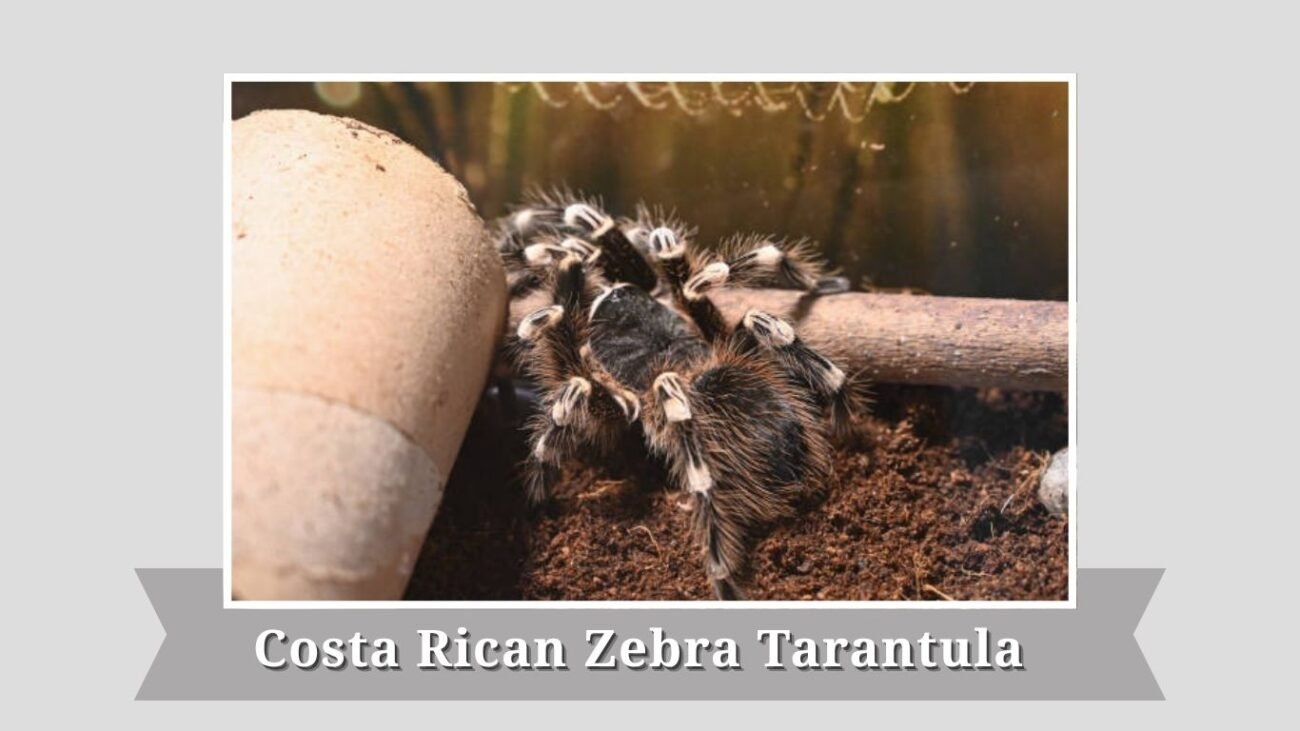
The Costa Rican zebra tarantula is a striking species known for its dark body and pale stripe-like markings on the legs. It is native to Central America and is often admired for its bold pattern. Although beautiful, it can be nervous and fast-moving, so it needs gentle care.
Characteristics of Costa Rican Zebra Tarantula
- Medium-sized tarantula with a leg span of about 4 to 5 inches
- Dark body with light zebra-like stripes on the legs
- Fast-moving and alert
- Often stays hidden during the day
- Females can live around 15 to 20 years
- Uses urticating hairs when threatened
Habitat and Natural Range
The Costa Rican zebra tarantula is found in grasslands, scrub forests, and dry tropical areas of Costa Rica and nearby regions. It usually lives in burrows or sheltered spaces under rocks and roots. These hiding places protect it from heat, dryness, and predators.
Diet and Feeding Habits
This tarantula eats crickets, roaches, beetles, grasshoppers, and other small insects. It waits near its burrow entrance and strikes when prey comes close. Like many tarantulas, it depends on patience, vibration detection, and a quick attack.
Behavior and Temperament
The Costa Rican zebra tarantula is usually defensive rather than aggressive. It may run quickly when disturbed and can kick urticating hairs if stressed. Because it is nervous and fast, it is not the best choice for frequent handling.
8. Cobalt Blue Tarantula
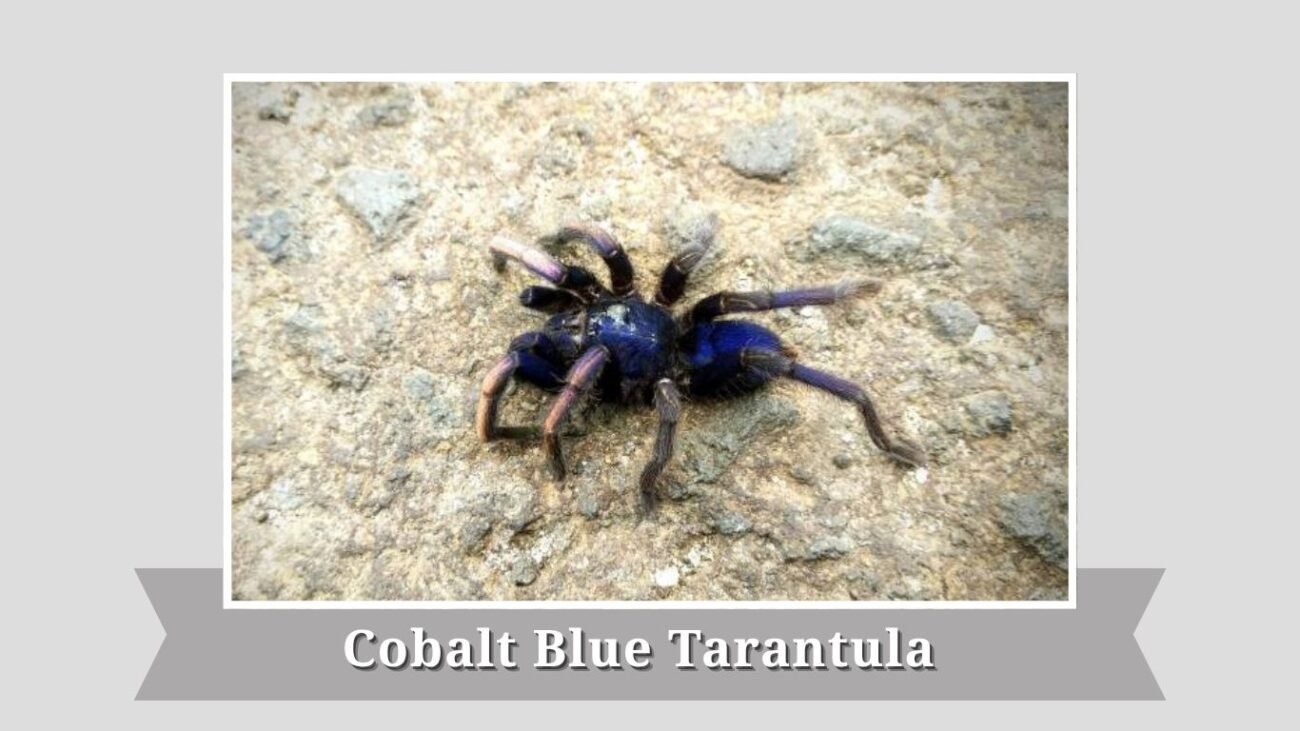
The cobalt blue tarantula is famous for its deep metallic blue legs and secretive lifestyle. It is native to parts of Southeast Asia and is usually found in deep burrows. This species is admired for its color, but it is also known for being fast and defensive.
Characteristics of Cobalt Blue Tarantula
- Medium-sized tarantula with a leg span of around 5 inches
- Bright metallic blue legs
- Brown or grayish body
- Strong burrowing behavior
- Fast and defensive when disturbed
- Females can live around 15 years or more
Habitat and Natural Range
The cobalt blue tarantula naturally lives in tropical forests and humid areas of countries such as Thailand, Myanmar, and nearby regions. It spends most of its life inside deep burrows. These burrows help keep the spider safe, hidden, and protected from changes in temperature.
Diet and Feeding Habits
This tarantula feeds on crickets, roaches, beetles, and other insects. It usually waits inside its burrow and senses prey through vibrations. When food comes near the entrance, it rushes out quickly to capture it.
Behavior and Temperament
The cobalt blue tarantula is not recommended for beginners because it can be very defensive. It may strike or retreat quickly when disturbed. Since it spends much of its time hidden, it is mainly kept for its beauty rather than handling.
9. Salmon Pink Birdeater
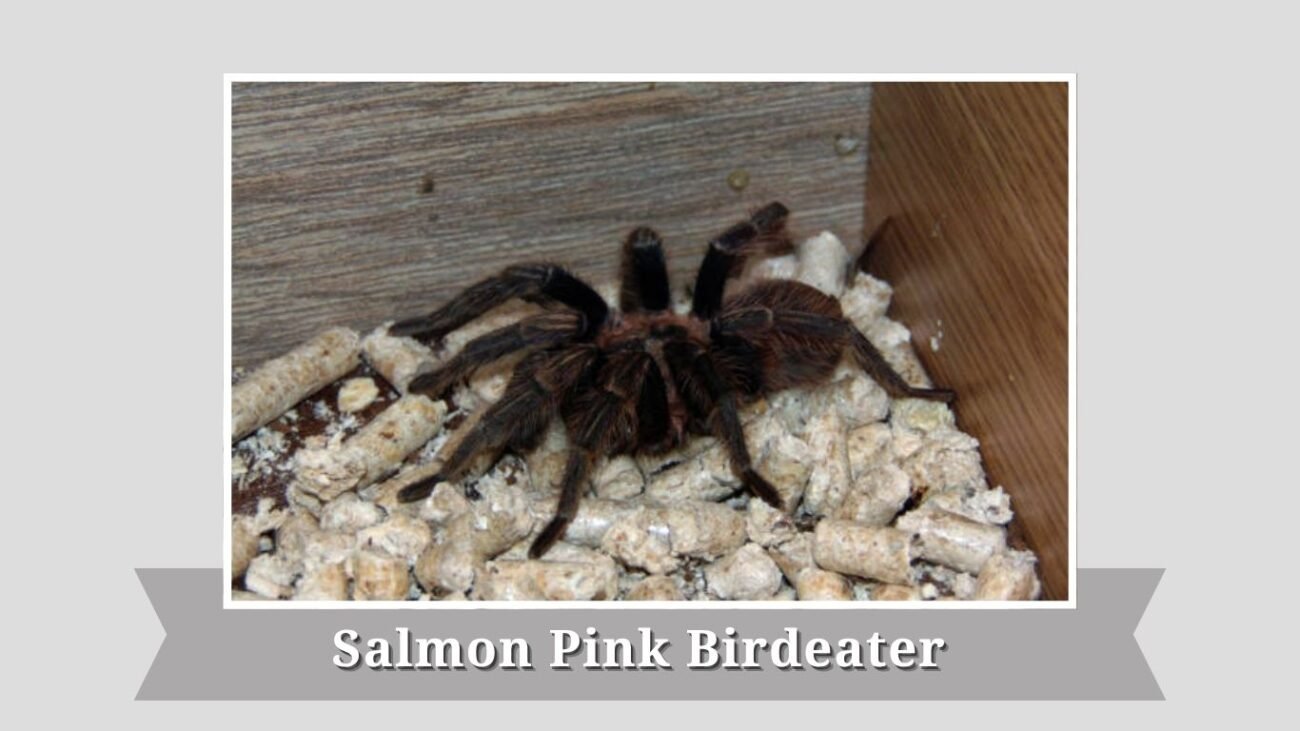
The salmon pink birdeater is a large tarantula from Brazil, known for its impressive size and pinkish hairs. It grows quickly and has a strong feeding response. Although its name sounds dramatic, it mainly eats insects and other small animals rather than birds.
Characteristics of Salmon Pink Birdeater
- Large tarantula with a leg span of around 8 to 10 inches
- Brown body with salmon-pink hairs
- Fast-growing compared to many tarantulas
- Strong appetite and feeding response
- Females can live around 15 years
- Uses urticating hairs as a defense
Habitat and Natural Range
The salmon pink birdeater is native to tropical and subtropical areas of Brazil. It usually lives on the ground and may use burrows, logs, or natural shelters for protection. It prefers warm environments with enough moisture to support its active lifestyle.
Diet and Feeding Habits
This tarantula eats crickets, roaches, grasshoppers, worms, and other insects. Larger individuals may also catch small lizards, frogs, or rodents in the wild. It is a powerful ambush predator that reacts quickly when prey comes nearby.
Behavior and Temperament
The salmon pink birdeater can be bold and defensive, especially when disturbed. It may kick hairs or raise its front legs as a warning. Because of its size and strength, it should be handled with caution and is better for experienced keepers.
10. Curlyhair Tarantula
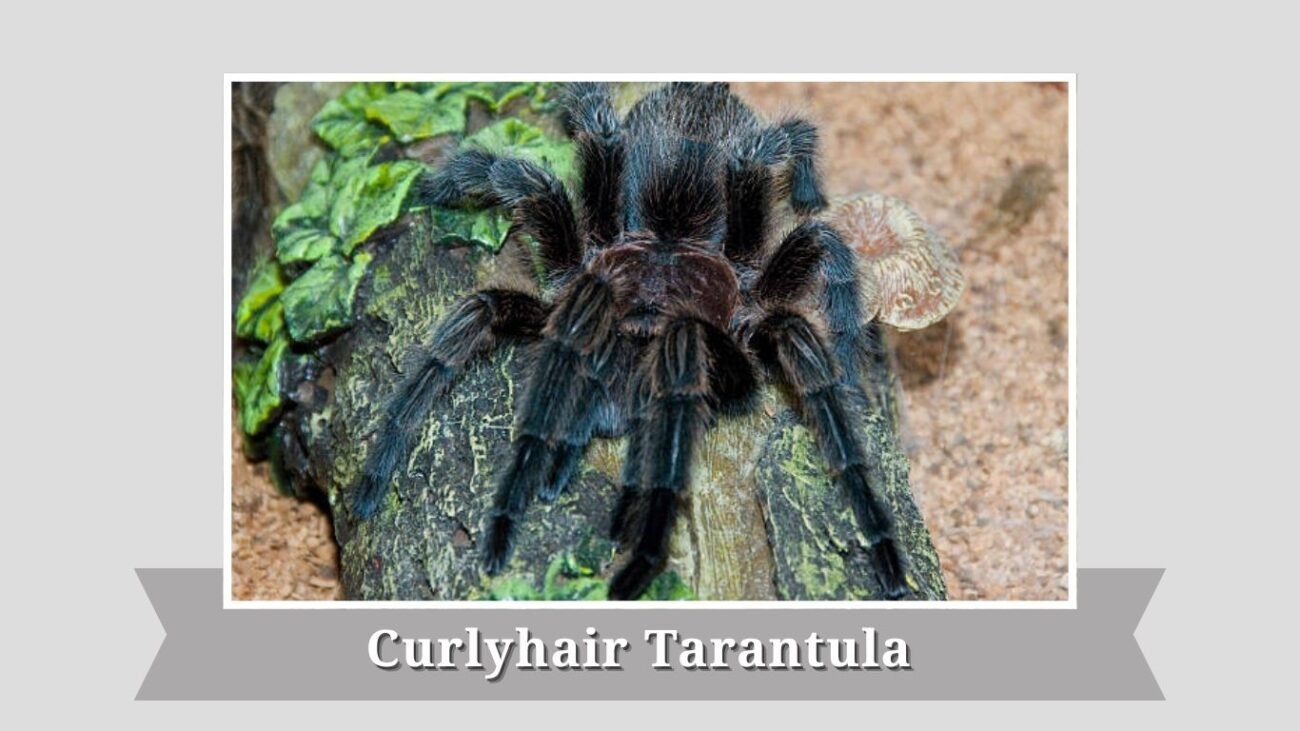
The curlyhair tarantula is a popular species known for its fuzzy body and calm personality. Its body is covered with curled hairs that give it a unique and soft-looking appearance. Native to Central America, this tarantula is often recommended for beginners because it is hardy, slow-moving, and easy to care for.
Characteristics of Curlyhair Tarantula
- Medium-sized tarantula with a leg span of around 5 to 6 inches
- Covered with curly brown or golden hairs
- Calm and slow-moving in most situations
- Strong and hardy species
- Females can live around 15 to 20 years
- Uses urticating hairs when stressed
Habitat and Natural Range
The curlyhair tarantula is found in tropical and semi-tropical areas of Central America, especially in places like Honduras, Nicaragua, and Costa Rica. It usually lives in burrows or sheltered spaces near roots, rocks, and fallen logs. These hiding places help it stay safe and comfortable.
Diet and Feeding Habits
This tarantula mainly eats insects such as crickets, roaches, beetles, and mealworms. It waits patiently near its hiding place and attacks when prey comes close. In captivity, it is usually a good eater and does not require difficult feeding care.
Behavior and Temperament
The curlyhair tarantula is known for being gentle and easy to observe. It usually moves slowly and rarely acts aggressively. However, it may become defensive if handled too much or disturbed suddenly. Because of its calm nature, it is a good choice for beginners.
11. Indian Ornamental Tarantula
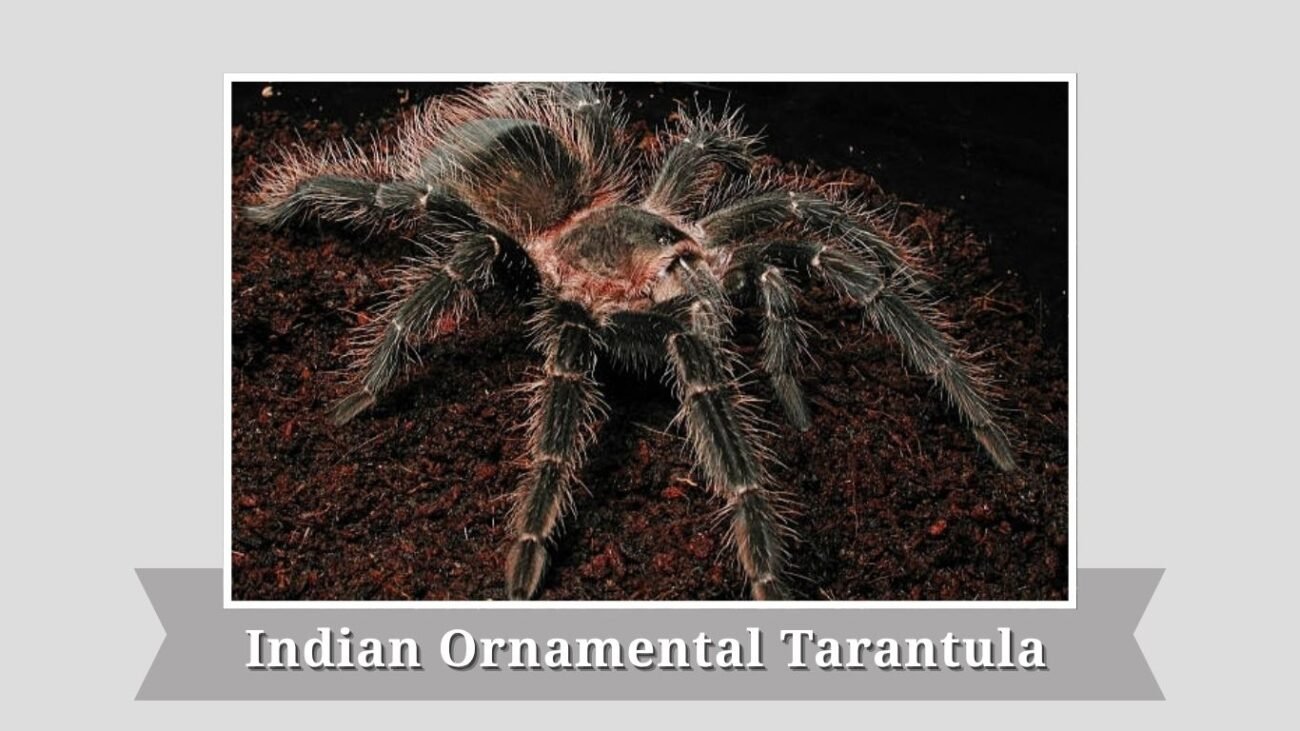
The Indian ornamental tarantula is a beautiful tree-dwelling species known for its bold patterns and fast movement. It has a striking body with white, black, gray, and yellow markings. Native to India, this tarantula is admired for its appearance but is better suited for experienced keepers.
Characteristics of Indian Ornamental Tarantula
- Medium to large tarantula with a leg span of around 6 to 7 inches
- Beautiful black, white, gray, and yellow markings
- Arboreal species that prefers climbing
- Very fast and alert
- Females can live around 10 to 12 years
- Strong venom compared to many beginner species
Habitat and Natural Range
The Indian ornamental tarantula lives in forests and wooded areas of India. It spends much of its time in trees, where it hides in bark cracks, hollow spaces, or silk retreats. Its natural environment is warm and humid, giving it good conditions for climbing and hunting.
Diet and Feeding Habits
This tarantula feeds on insects such as crickets, roaches, moths, and other small invertebrates. Since it is a tree-dwelling species, it often catches prey on branches or near its webbed shelter. It uses speed and surprise to capture food quickly.
Behavior and Temperament
The Indian ornamental tarantula is not usually kept for handling because it is fast and defensive. When disturbed, it may run, hide, or give a threat posture. Its speed and stronger venom make it more suitable for experienced tarantula keepers.
12. Pinktoe Tarantula
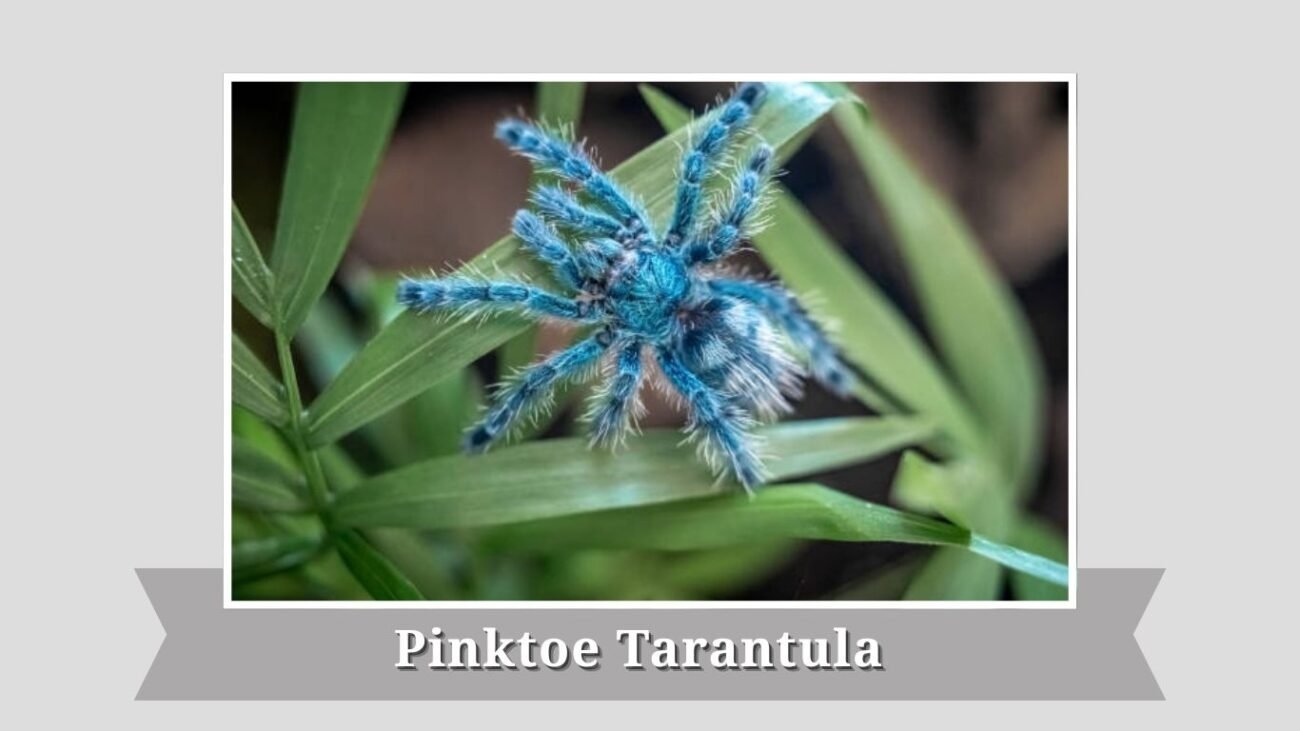
The pinktoe tarantula is a well-known arboreal species recognized by its dark body and pinkish toe tips. It is native to tropical areas of South America and the Caribbean. This tarantula is popular because it is attractive, active, and often calmer than many other tree-dwelling species.
Characteristics of Pinktoe Tarantula
- Medium-sized tarantula with a leg span of around 4 to 5 inches
- Dark body with pink or light-colored toe tips
- Arboreal species that enjoys climbing
- Builds silk retreats above the ground
- Females can live around 8 to 12 years
- Can jump or move quickly when frightened
Habitat and Natural Range
The pinktoe tarantula lives in warm, humid forests. It spends most of its time in trees, plants, and high hiding places instead of on the ground. In the wild, it creates webbed shelters in branches, leaves, or bark openings to rest and stay protected.
Diet and Feeding Habits
This tarantula eats crickets, roaches, flies, moths, and other small insects. Because it lives above the ground, it often catches prey that climbs or flies near its shelter. It uses its speed and webbing to detect movement and capture food.
Behavior and Temperament
The pinktoe tarantula is usually calm but can be quick and jumpy. It may try to escape when stressed rather than act aggressively. Because it climbs well, it should be observed carefully and kept in a secure enclosure.
13. Mexican Fireleg Tarantula
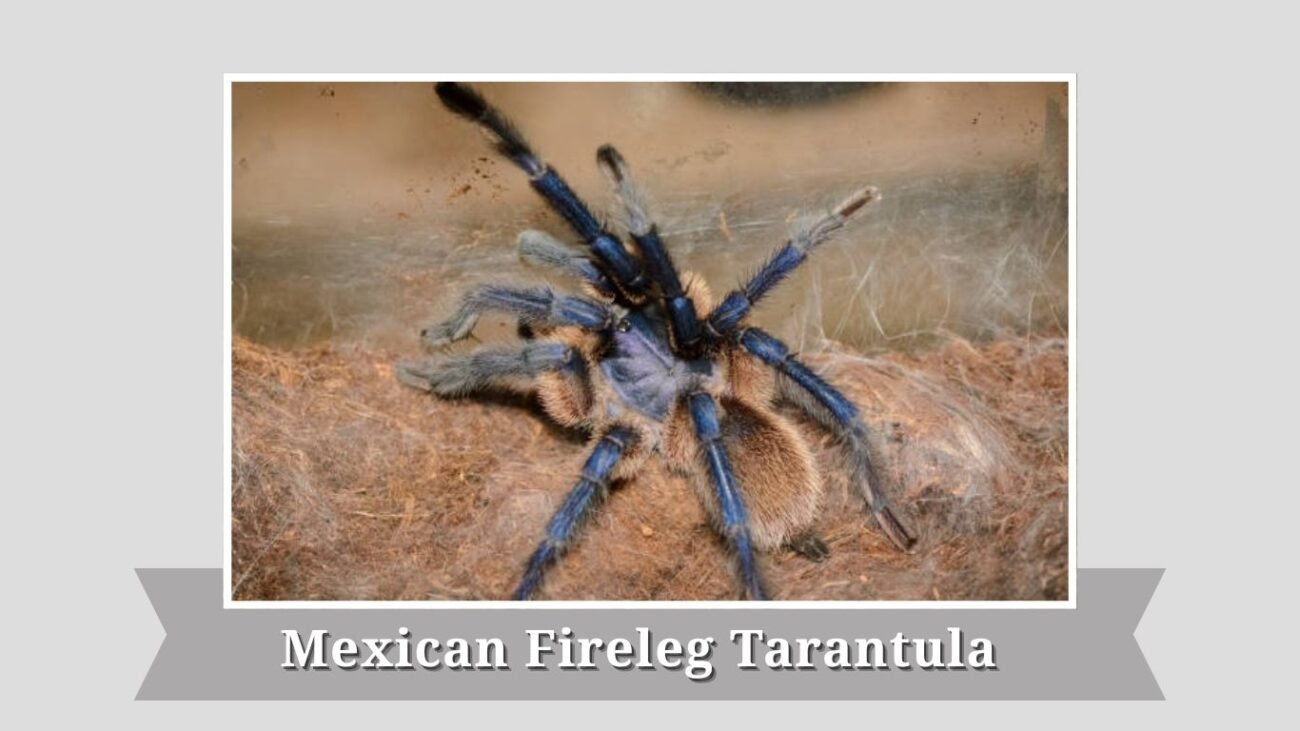
The Mexican fireleg tarantula is a colorful species known for its bright red-orange leg markings. It has a dark body with fiery colors that make it very attractive. Native to Mexico, this tarantula is popular among hobbyists because of its beauty, calm nature, and long lifespan.
Characteristics of Mexican Fireleg Tarantula
- Medium-sized tarantula with a leg span of around 5 to 6 inches
- Dark body with bright red-orange legs
- Slow-growing and long-lived
- Generally calm but can be defensive
- Females can live for more than 20 years
- Uses urticating hairs when threatened
Habitat and Natural Range
The Mexican fireleg tarantula is found in dry forests and scrubland areas of Mexico. It usually lives in burrows or hidden spaces under rocks and roots. These shelters help protect it from predators, sunlight, and dry outdoor conditions.
Diet and Feeding Habits
This tarantula mainly eats insects such as crickets, roaches, grasshoppers, and beetles. It waits quietly near its shelter and attacks when prey comes close. Like other tarantulas, it uses venom to control its prey before feeding.
Behavior and Temperament
The Mexican fireleg tarantula is usually calm and slow-moving, but it may kick urticating hairs when stressed. It is more of a display tarantula than a handling pet. With gentle care, it can be an excellent species for observation.
14. Skeleton Tarantula
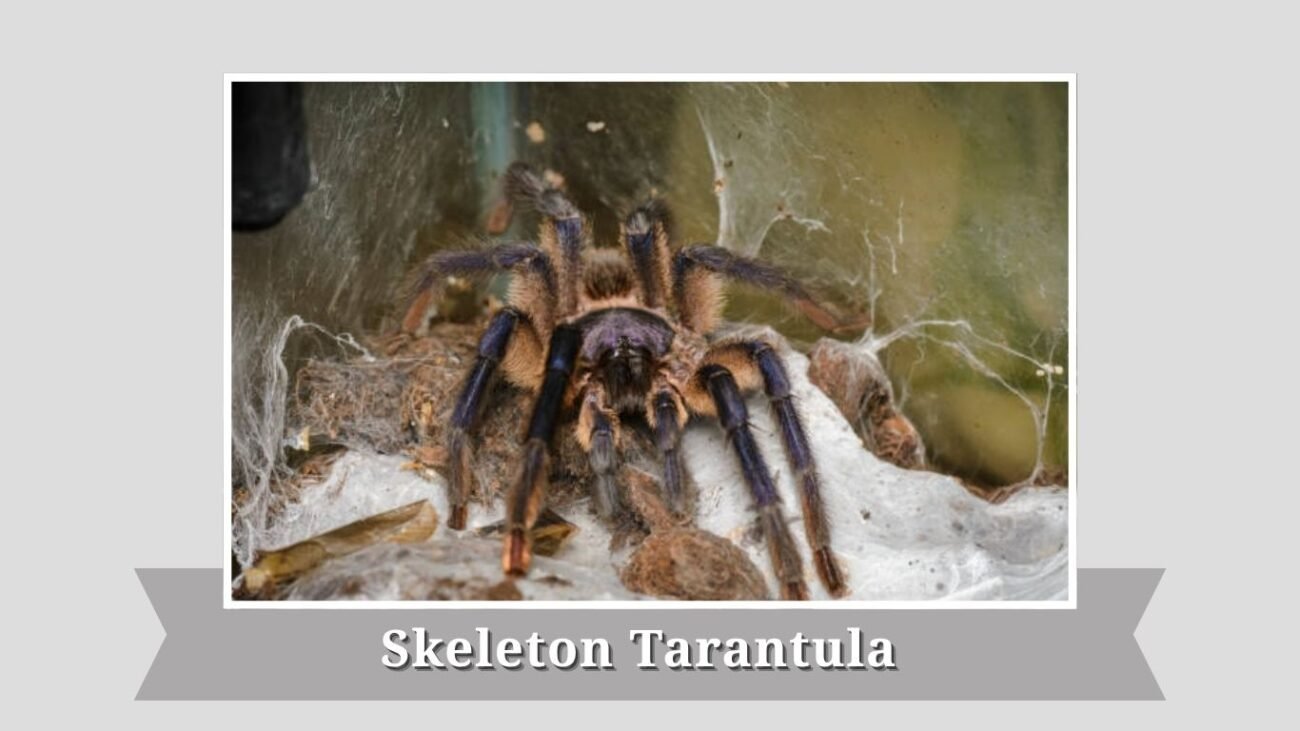
The skeleton tarantula is a striking species known for its unusual leg pattern. Its dark body and pale markings make the legs look almost like bones, which is how it gets its common name. Native to South America, this tarantula is admired for its appearance but is usually better suited for observation than handling.
Characteristics of Skeleton Tarantula
- Medium-sized tarantula with a leg span of around 4 to 5 inches
- Dark body with pale, bone-like markings on the legs
- Strong burrowing behavior
- Fast and defensive when disturbed
- Females can live around 10 to 15 years
- Uses speed and hiding as its main defense
Habitat and Natural Range
The skeleton tarantula is found in warm tropical areas of South America, especially in forested regions. It usually lives in burrows, where it spends much of its time hidden. These burrows help protect it from predators, harsh weather, and sudden changes in temperature.
Diet and Feeding Habits
This tarantula mainly feeds on insects such as crickets, roaches, beetles, and worms. It waits near the entrance of its burrow and reacts quickly when prey comes close. Like many tarantulas, it uses venom to subdue its food before eating.
Behavior and Temperament
The skeleton tarantula is usually nervous and quick-moving. It may retreat into its burrow when disturbed, but it can also become defensive if it feels trapped. Because of its speed and defensive nature, it is not usually recommended for frequent handling.
15. Orange Baboon Tarantula
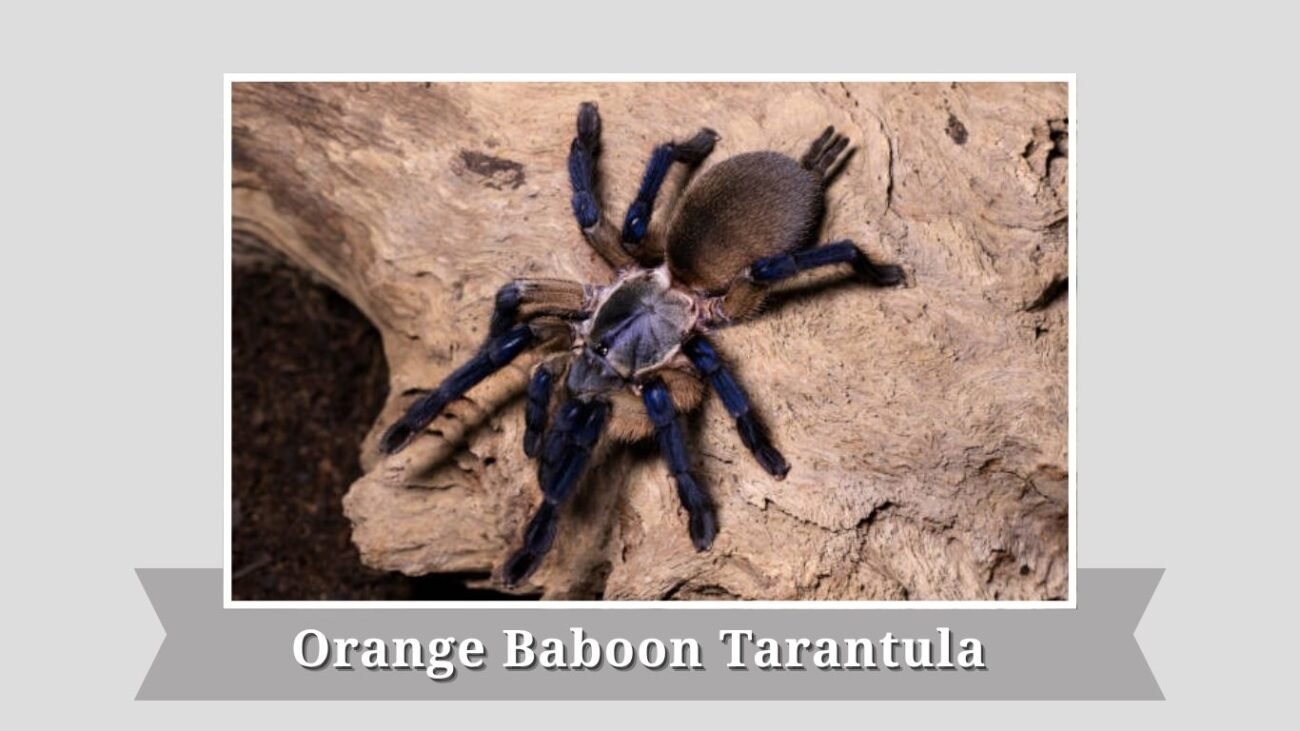
The orange baboon tarantula is a bold and colorful species known for its bright orange body and strong defensive behavior. Native to parts of Africa, it is a hardy and active tarantula. Although beautiful, it is not recommended for beginners because it can move quickly and react aggressively when threatened.
Characteristics of Orange Baboon Tarantula
- Medium-sized tarantula with a leg span of around 5 to 6 inches
- Bright orange or rusty-orange body color
- Very fast and defensive
- Builds heavy webs around its hiding place
- Females can live around 10 to 15 years
- Has stronger venom than many beginner species
Habitat and Natural Range
The orange baboon tarantula lives in dry and semi-dry regions of Africa. It often creates burrows or webbed shelters near rocks, roots, and ground openings. Its webbing helps it feel secure and detect movement from prey or possible threats nearby.
Diet and Feeding Habits
This tarantula eats crickets, roaches, grasshoppers, beetles, and other insects. It has a strong feeding response and often attacks prey quickly. In the wild, it depends on speed, web vibrations, and surprise to capture food successfully.
Behavior and Temperament
The orange baboon tarantula is known for being highly defensive. When disturbed, it may raise its front legs, strike, or rush away quickly. Because of its speed and temperament, it is best kept by experienced tarantula keepers and observed without handling.
FAQs
Are tarantulas dangerous to humans?
Most tarantulas are not dangerous to humans. Their venom is usually mild, similar to a bee sting for many people. However, some species can bite if threatened, and their urticating hairs may irritate the skin or eyes. It is always best to observe them carefully and avoid unnecessary handling.
What do tarantulas eat?
Tarantulas mainly eat insects such as crickets, roaches, grasshoppers, beetles, and mealworms. Larger species may also catch small frogs, lizards, or rodents in the wild. They are ambush predators, so they usually wait quietly and attack when prey comes close.
Which tarantula is best for beginners?
Beginner-friendly tarantulas include the Chilean rose tarantula, Mexican red-knee tarantula, Brazilian black tarantula, and curlyhair tarantula. These species are generally calm, hardy, and slower-moving than many others. Still, every tarantula should be treated with care and respect.
How long do tarantulas live?
Tarantula lifespan depends on the species and sex. Females usually live much longer than males, often reaching 10 to 25 years in some species. Males usually live only a few years after maturity. Proper habitat, feeding, and care can help them live healthier lives.
Do tarantulas make good pets?
Tarantulas can make interesting pets for people who enjoy observing animals rather than handling them. They need proper temperature, humidity, hiding places, and food. Some species are calm and easy to keep, while others are fast or defensive and better for experienced keepers.