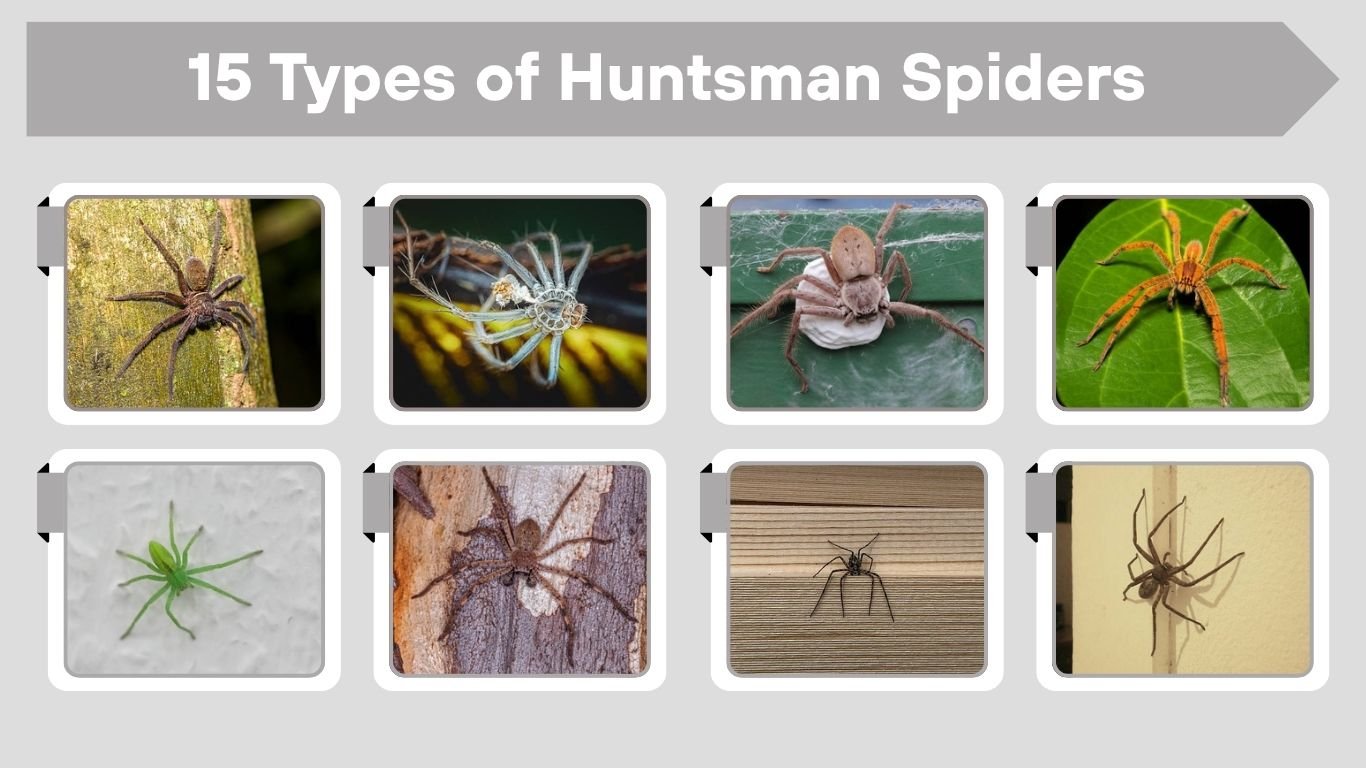
Huntsman spiders are fast-moving spiders known for their long legs, flat bodies, and sideways leg position. Many species live under bark, in forests, gardens, caves, or even inside homes. Although they may look frightening, most huntsman spiders prefer to escape rather than attack. Each type has unique colors, habitats, and identification features.
1. Giant Huntsman Spider
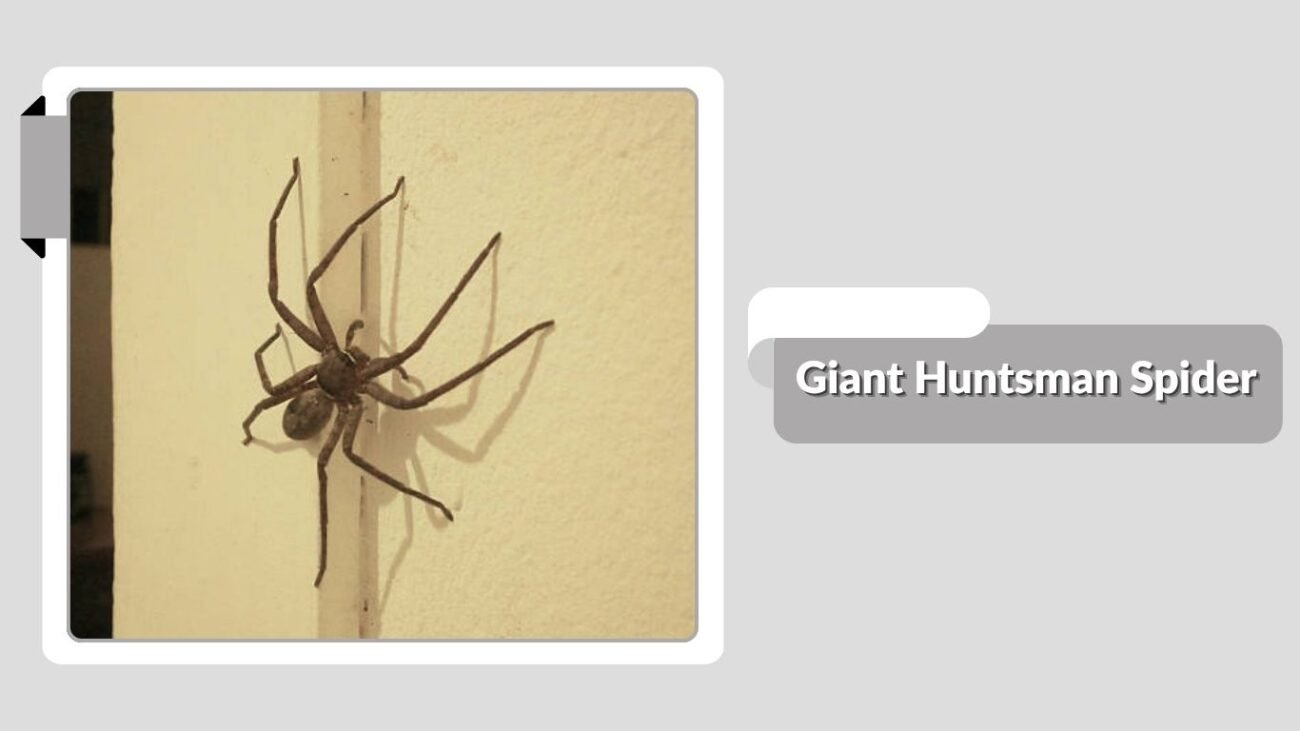
The giant huntsman spider is one of the largest huntsman spiders in the world by leg span. It is best known for its long legs, flat body, and fast movement. This spider belongs to the huntsman family and is usually found in warm, hidden places such as caves, tree bark, wall cracks, and dark corners.
Characteristics of Giant Huntsman Spider
- Very large leg span compared to many other spiders
- Long, thin, and sideways-spreading legs
- Flat body that helps it hide in narrow spaces
- Brown or yellowish-brown body color
- Fast-moving hunter
- Does not build webs to catch prey
Habitat and Natural Range
The giant huntsman spider is mostly found in Laos and nearby regions of Southeast Asia. It often lives in caves and other dark, sheltered areas. Its flat body allows it to squeeze into tight cracks and hidden spaces during the day.
Diet and Hunting Style
This spider mainly feeds on insects, cockroaches, crickets, moths, and other small arthropods. Instead of using a web, it actively hunts its prey. It relies on speed, strong legs, and quick reactions to catch food.
Behavior and Identification
The giant huntsman spider may look frightening because of its size, but it usually avoids humans. It can run very fast when disturbed and prefers escaping over biting. Its huge leg span, flattened body, and sideways leg position help identify it easily.
2. Brown Huntsman Spider
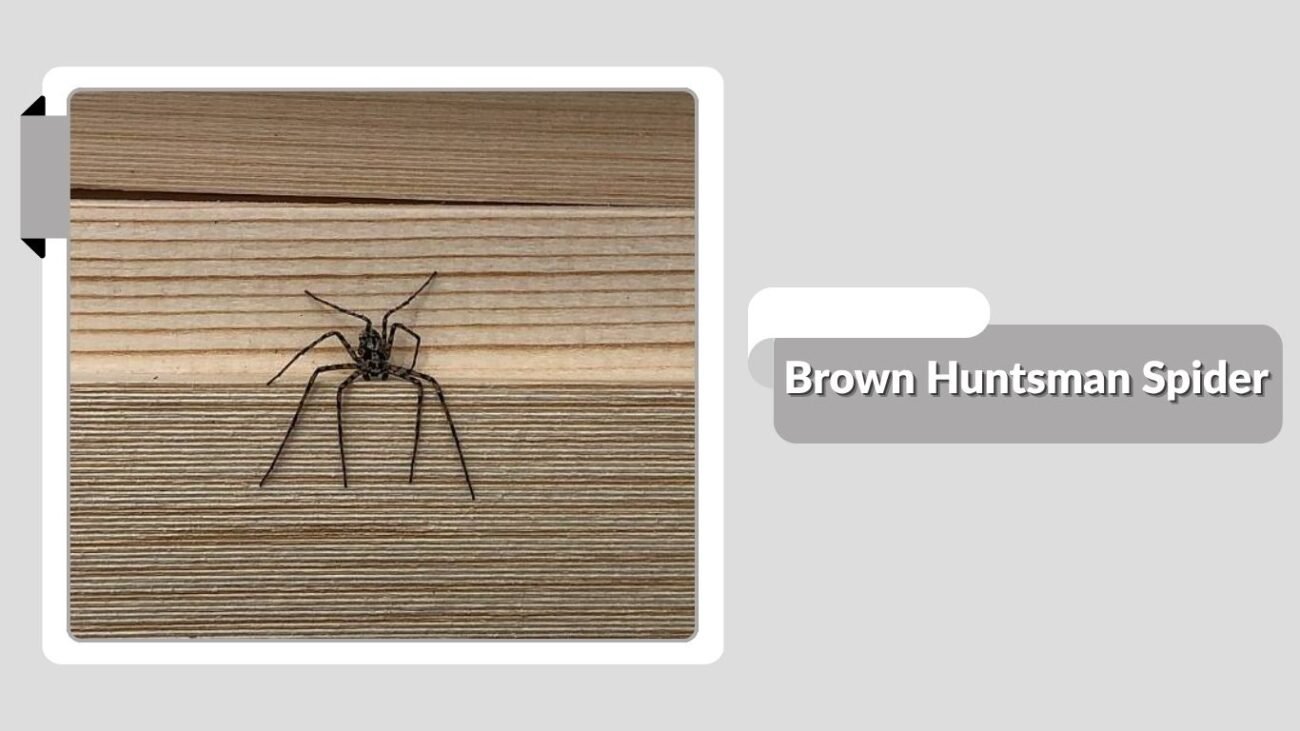
The brown huntsman spider is one of the most common huntsman spiders found in homes, gardens, sheds, and tree bark. It has a flat body, long legs, and a brownish color that helps it blend into wooden surfaces and dry leaves. This spider is fast-moving but usually avoids people.
Characteristics of Brown Huntsman Spider
- Medium to large spider with long legs
- Brown or grayish-brown body color
- Flat body shape for hiding in cracks
- Legs spread sideways like many huntsman spiders
- Fast runner when disturbed
- Does not use webs to catch prey
Habitat and Natural Range
The brown huntsman spider is commonly found in warm regions, especially in Australia and nearby areas. It hides under bark, rocks, logs, and inside buildings. During the day, it usually stays in dark and quiet spaces, then becomes more active at night.
Diet and Hunting Style
This spider eats insects such as cockroaches, moths, beetles, flies, and crickets. Instead of trapping prey in a web, it hunts by chasing and grabbing its food. Its speed helps it catch insects quickly.
Behavior and Identification
The brown huntsman spider may look scary because of its size and speed, but it is not usually aggressive. It often runs away when disturbed. Its brown color, flat body, sideways legs, and quick movement make it easy to identify.
3. Banded Huntsman Spider
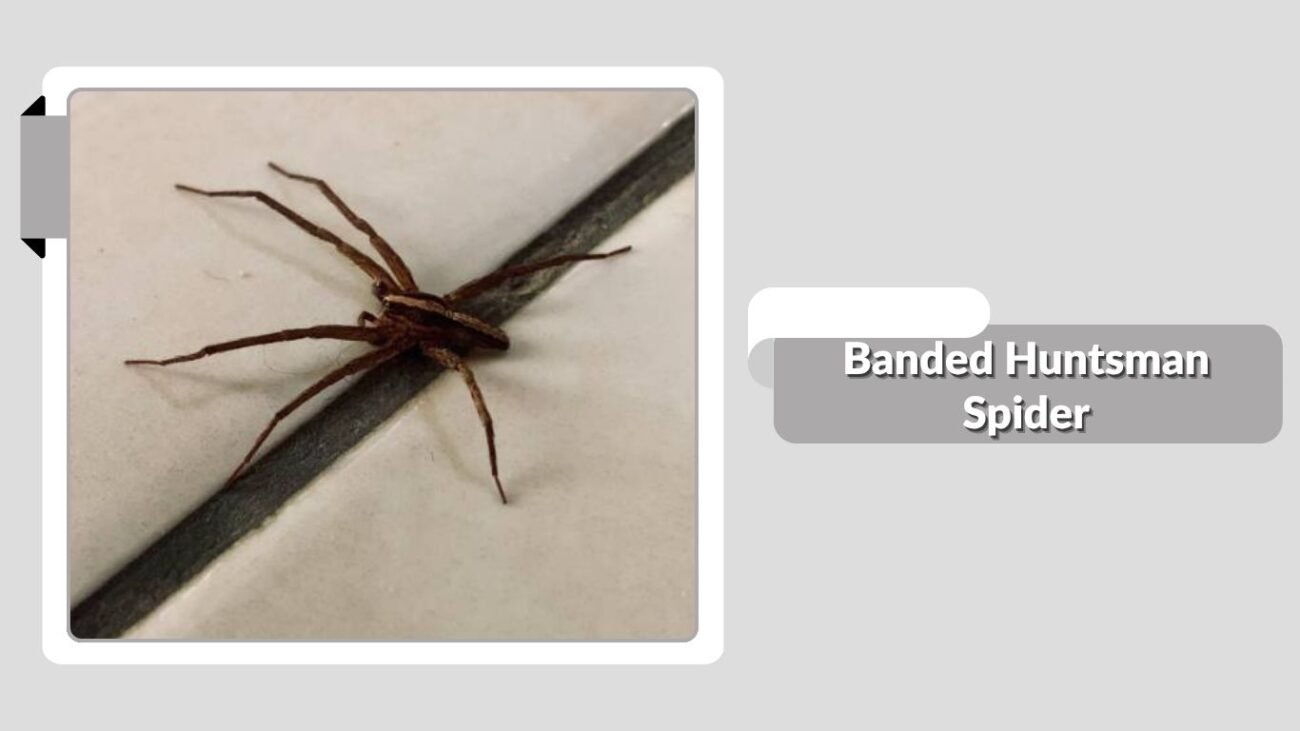
The banded huntsman spider is recognized by the clear bands or stripes on its legs. These markings help separate it from many plain-colored huntsman spiders. It is usually active at night and can be found hiding in bark, rocks, wall gaps, and other narrow spaces during the day.
Characteristics of Banded Huntsman Spider
- Long legs with visible dark bands
- Flattened body shape
- Brown, tan, or grayish body color
- Fast-moving hunter
- Good at hiding in narrow spaces
- Does not build prey-catching webs
Habitat and Natural Range
The banded huntsman spider is often found in warm outdoor environments. It may live under loose bark, inside cracks, under stones, or around houses and sheds. Its flat body helps it stay hidden during daylight hours.
Diet and Hunting Style
This spider feeds on insects such as moths, beetles, roaches, and crickets. It hunts actively instead of waiting in a web. At night, it moves around searching for prey and uses its speed to catch insects.
Behavior and Identification
The banded huntsman spider is usually shy and tries to escape when disturbed. Its most noticeable feature is the banded pattern on the legs. The flat body, sideways leg position, and fast running style also help with identification.
4. Green Huntsman Spider
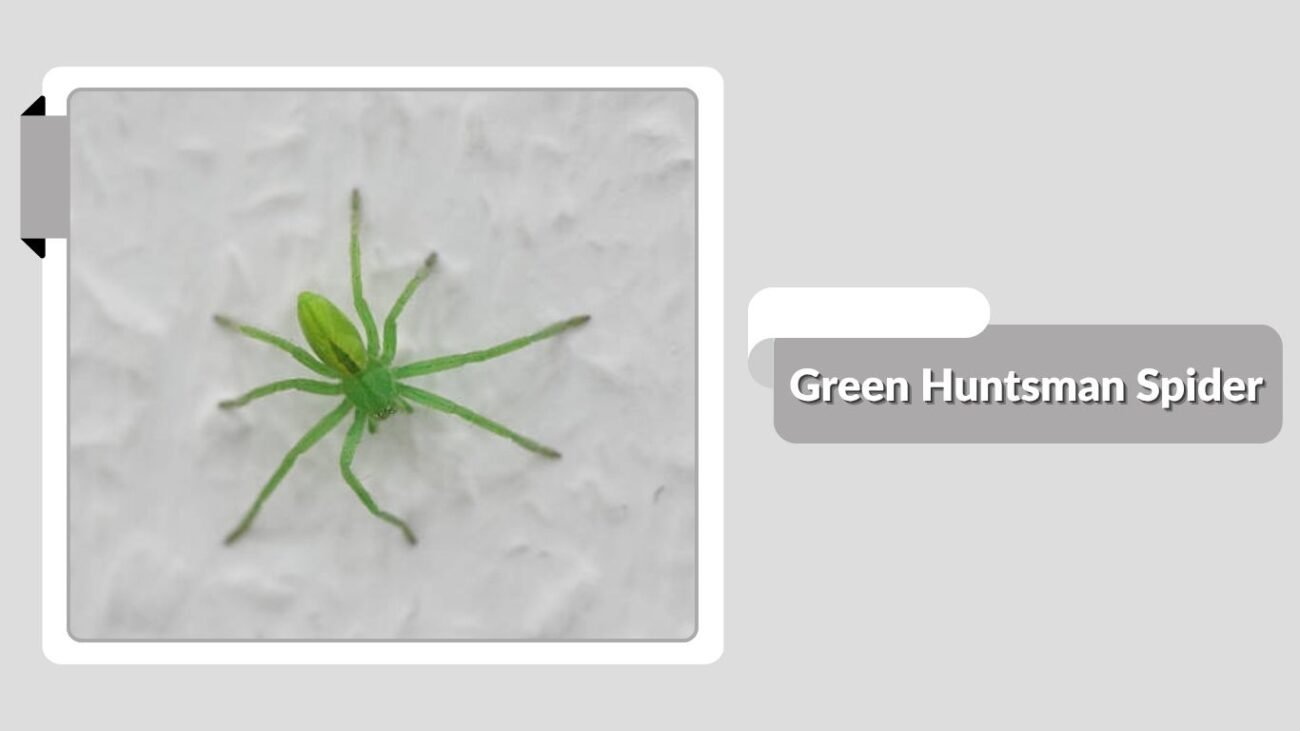
The green huntsman spider is a beautiful species known for its green body color. This color helps it blend into leaves, plants, and other green surroundings. Unlike many brown huntsman spiders, the green huntsman is easier to recognize because of its fresh green appearance.
Characteristics of Green Huntsman Spider
- Green body color
- Long legs with a huntsman-like spread
- Medium-sized spider
- Excellent camouflage among plants
- Active hunter
- Does not rely on webs for catching prey
Habitat and Natural Range
The green huntsman spider is commonly found in grassy areas, shrubs, gardens, and woodland edges. It prefers places with plants where its green color can help it hide from predators and prey. It may rest on leaves or stems during the day.
Diet and Hunting Style
This spider mainly eats small insects, flies, moths, and other arthropods. It hunts by moving through vegetation and catching prey directly. Its color helps it stay hidden until it is close enough to strike.
Behavior and Identification
The green huntsman spider is usually not aggressive toward humans. It may run away quickly if disturbed. Its green body, long legs, and plant-based habitat make it easier to identify than many brown huntsman species.
5. Pantropical Huntsman Spider
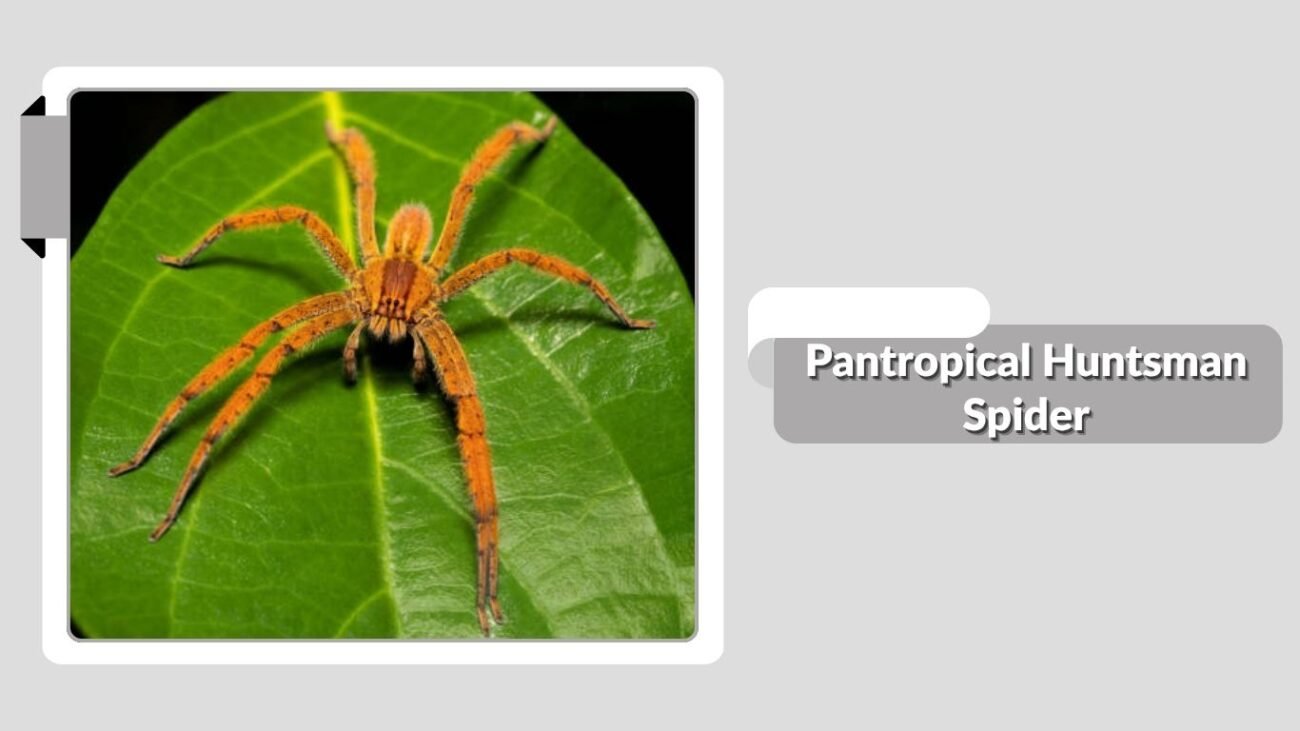
The pantropical huntsman spider is a widespread species found in many warm parts of the world. It is often seen around homes, gardens, warehouses, and tropical outdoor areas. This spider is known for its flat body, long legs, and ability to hide in small spaces.
Characteristics of Pantropical Huntsman Spider
- Medium to large huntsman spider
- Brown or tan body color
- Long sideways-facing legs
- Flat body for squeezing into cracks
- Common in tropical and subtropical areas
- Active hunter that does not use prey webs
Habitat and Natural Range
The pantropical huntsman spider lives in warm regions across many countries. It may be found under bark, inside buildings, near gardens, and around storage areas. Its wide distribution makes it one of the better-known huntsman spiders.
Diet and Hunting Style
This spider eats cockroaches, crickets, moths, flies, and other insects. It hunts at night and depends on speed rather than webs. Because it often eats household pests, it can be helpful in controlling insects.
Behavior and Identification
The pantropical huntsman spider is usually shy and avoids humans. It may run very fast when frightened. Its flat body, long legs, brown color, and presence in warm indoor or outdoor spaces are useful identification signs.
6. Badge Huntsman Spider
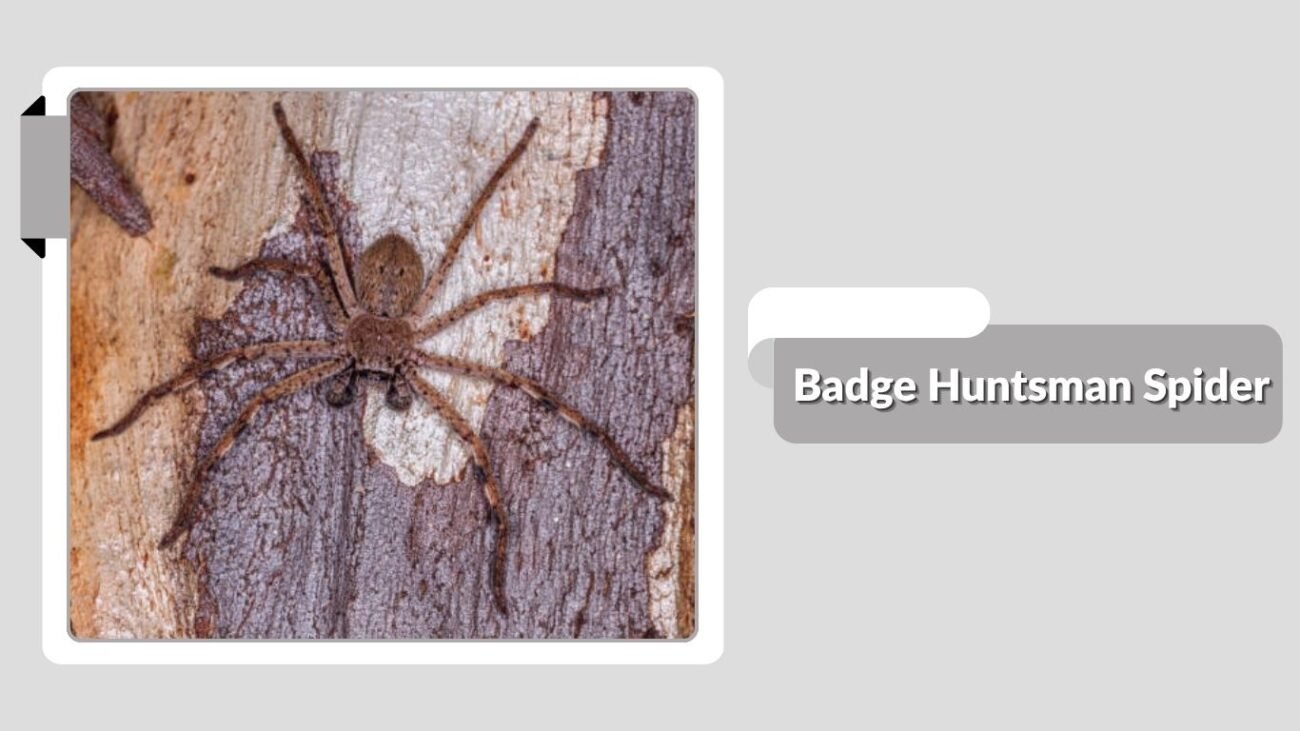
The badge huntsman spider is named for the badge-like marking often seen on the underside of its abdomen. It is a large huntsman spider with strong legs and a flattened body. This spider is often found in Australia and is known for its bold appearance.
Characteristics of Badge Huntsman Spider
- Large huntsman spider with long legs
- Brown or reddish-brown body color
- Badge-like marking under the abdomen
- Flattened body shape
- Fast and strong hunter
- May appear defensive when threatened
Habitat and Natural Range
The badge huntsman spider is commonly found in Australia, especially in forests, gardens, and dry outdoor areas. It hides under bark, logs, rocks, and other sheltered places. Like other huntsman spiders, it prefers dark hiding spots during the day.
Diet and Hunting Style
This spider feeds on insects such as cockroaches, beetles, moths, and crickets. It does not build a web to trap food. Instead, it moves quickly and catches prey with its strong legs.
Behavior and Identification
The badge huntsman spider can be more defensive than some other huntsman spiders, especially if cornered. Its badge-like abdominal marking is an important identification feature. Its large size, brown color, and sideways legs also help identify it.
7. Social Huntsman Spider
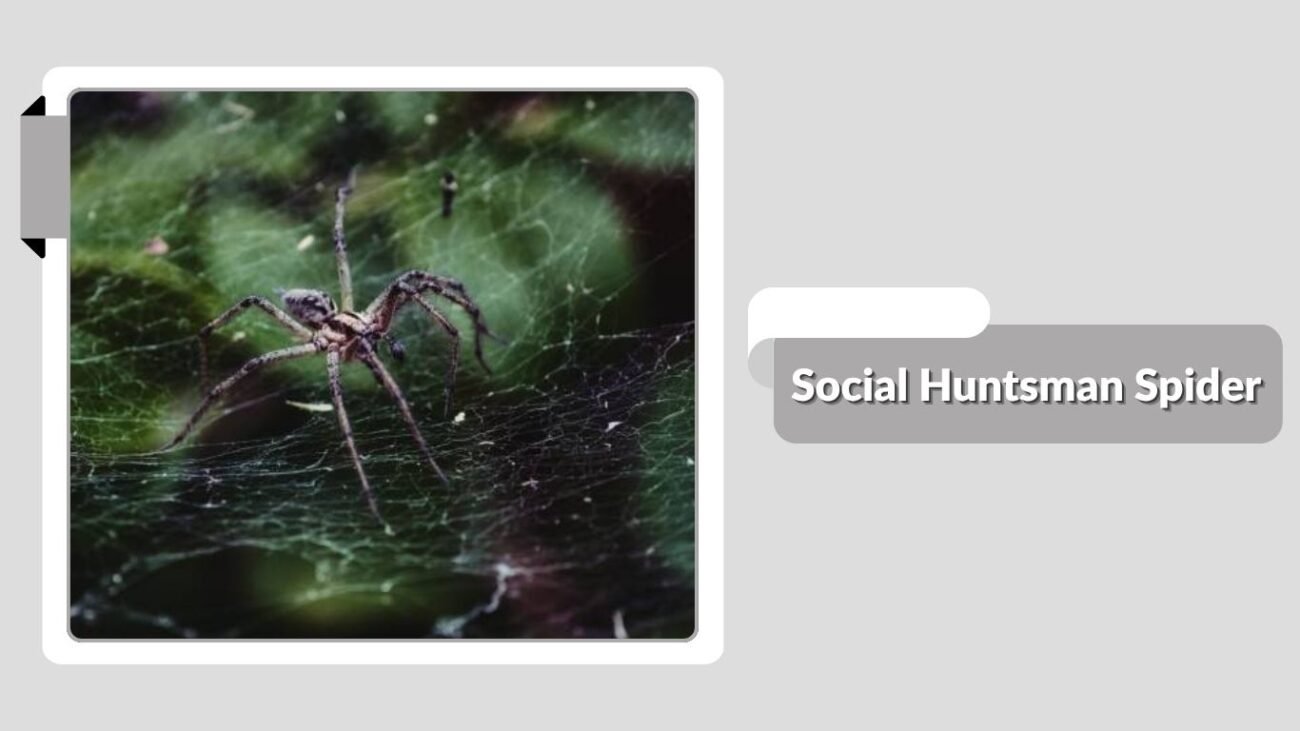
The social huntsman spider is unusual because it can live in groups, unlike many spiders that prefer to stay alone. It has a flat body, long legs, and a brownish color that helps it hide under bark and in tree spaces. This spider is interesting because of its cooperative lifestyle and shared shelters.
Characteristics of Social Huntsman Spider
- Medium to large huntsman spider
- Brown or grayish-brown body color
- Long legs that spread sideways
- Flat body for hiding under bark
- Can live in groups with other spiders
- Hunts prey without using a catching web
Habitat and Natural Range
The social huntsman spider is commonly found in Australia, especially under loose bark and in tree trunks. Its flat body helps it fit into narrow spaces where several spiders may share the same shelter. These areas provide protection from predators and weather.
Diet and Hunting Style
This spider feeds on insects such as moths, beetles, roaches, and crickets. It does not spin webs to catch prey. Instead, it moves quickly at night and uses its speed and strong legs to grab insects directly.
Behavior and Identification
The social huntsman spider is best identified by its group-living behavior. While many spiders avoid each other, this species may share shelter with others. Its brown body, flattened shape, long sideways legs, and bark habitat also help with identification.
8. Golden Huntsman Spider
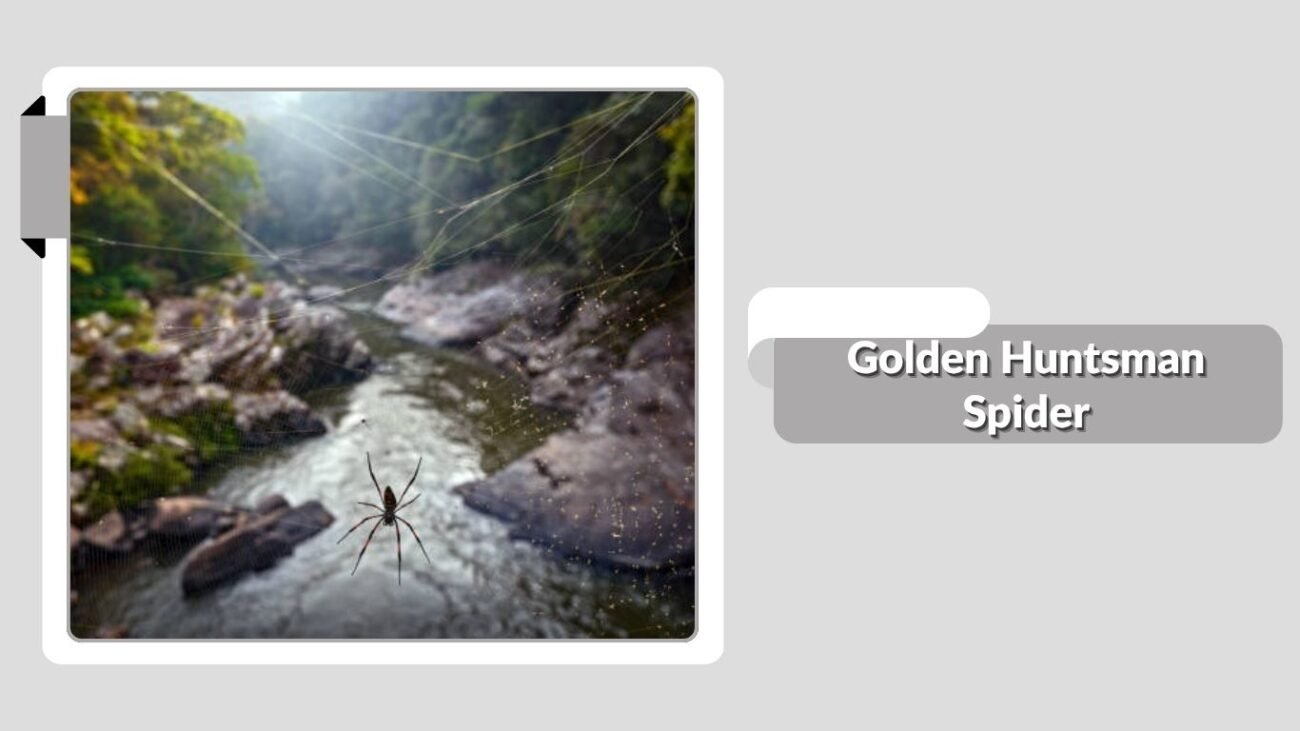
The golden huntsman spider is known for its warm golden-brown color and long, curved legs. Its body shape helps it move quickly and hide in narrow spaces. This spider is often found in warm outdoor areas where it hunts insects at night.
Characteristics of Golden Huntsman Spider
- Golden-brown or yellowish-brown body color
- Long legs with a sideways spread
- Flattened body shape
- Fast-moving hunter
- Often active at night
- Does not use a web to trap prey
Habitat and Natural Range
The golden huntsman spider usually lives in warm regions with trees, shrubs, rocks, and sheltered cracks. It may hide under bark, inside wall spaces, or beneath natural debris during the day. Its color helps it blend with dry leaves and wood.
Diet and Hunting Style
This spider mainly eats insects such as cockroaches, moths, beetles, flies, and crickets. It hunts by walking or running after prey instead of trapping it in silk. Its speed and wide legs help it catch moving insects quickly.
Behavior and Identification
The golden huntsman spider is usually shy around humans and prefers to escape when disturbed. Its golden-brown color, flat body, and long sideways legs are useful identification signs. It may appear suddenly at night while searching for food.
9. Flat Huntsman Spider
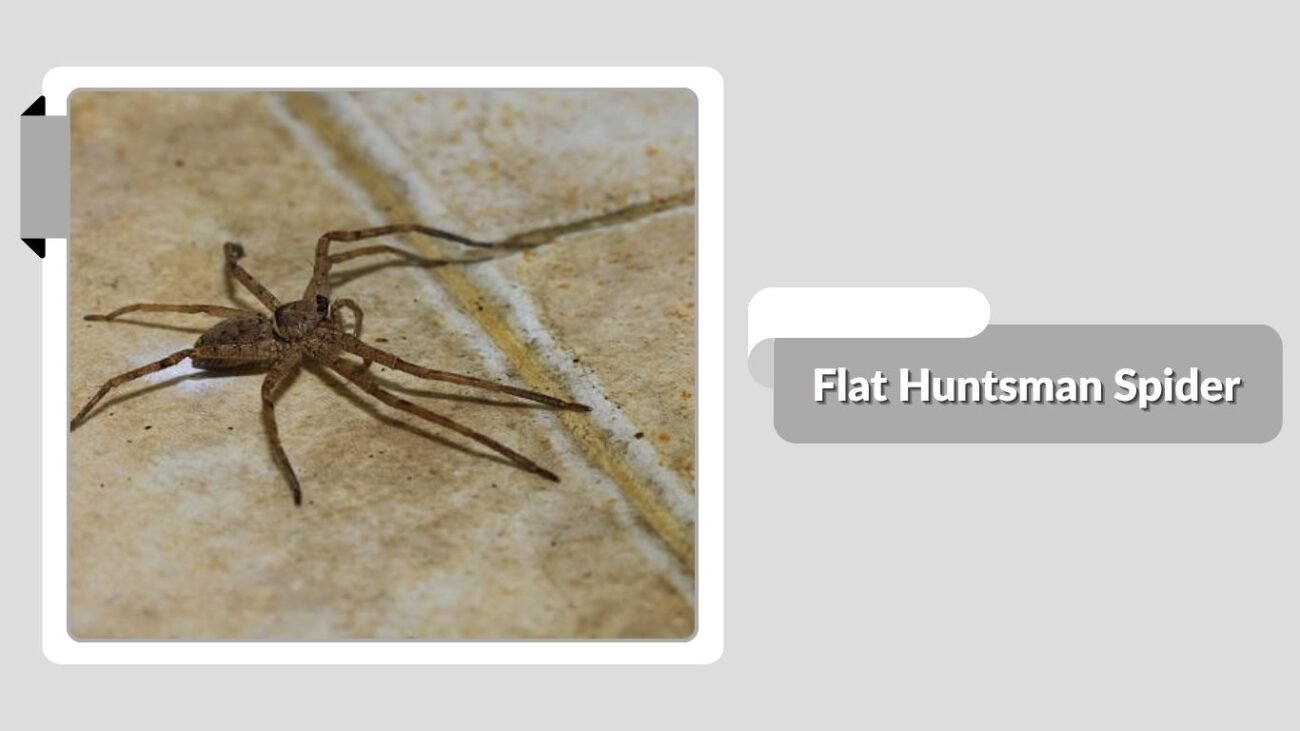
The flat huntsman spider is named for its very flattened body, which allows it to squeeze into tight cracks and narrow hiding places. It has long legs that extend sideways and a body color that often blends with bark, rocks, or walls. This spider is a skilled nocturnal hunter.
Characteristics of Flat Huntsman Spider
- Very flat body shape
- Long sideways-facing legs
- Brown, gray, or tan body color
- Excellent at hiding in cracks
- Fast runner when disturbed
- Hunts prey without a web
Habitat and Natural Range
The flat huntsman spider is found in warm areas where there are plenty of hiding spaces. It may live under loose bark, inside rock gaps, behind walls, or in tree crevices. During the day, it stays hidden and becomes more active at night.
Diet and Hunting Style
This spider eats insects such as roaches, crickets, moths, beetles, and flies. It relies on speed and surprise to capture prey. Instead of making a web trap, it actively searches or waits in hiding before rushing out to attack.
Behavior and Identification
The flat huntsman spider is usually not aggressive, but it can move very quickly if disturbed. Its extremely flattened body is the main identification feature. The sideways leg position and ability to hide in narrow spaces also help separate it from many other spiders.
10. Cane Huntsman Spider
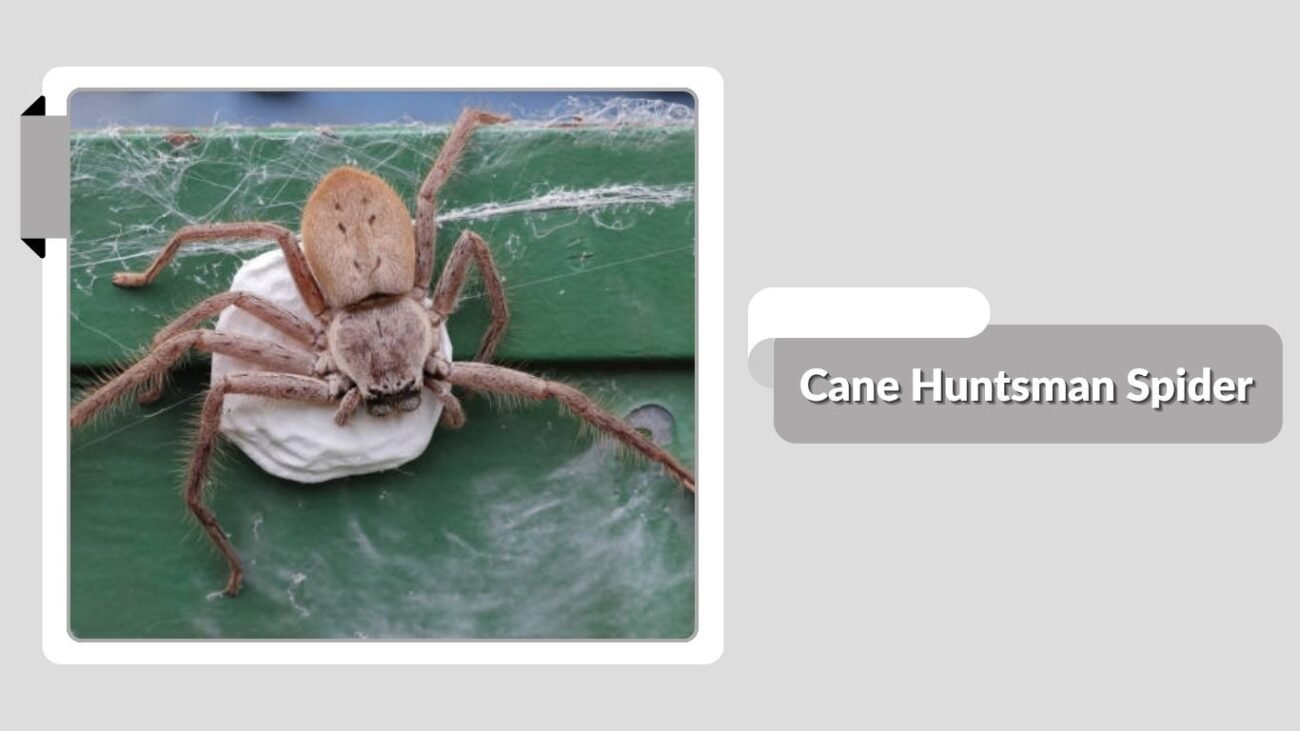
The cane huntsman spider is a large, fast spider often found in warm tropical places. It is sometimes seen around banana plants, sugarcane fields, gardens, and buildings. Like other huntsman spiders, it has a flat body and long legs that spread outward from the sides.
Characteristics of Cane Huntsman Spider
- Large huntsman spider with long legs
- Brown or tan body color
- Flat body for hiding in tight spaces
- Common in tropical and subtropical areas
- Fast hunter
- Does not build webs to catch prey
Habitat and Natural Range
The cane huntsman spider is often associated with tropical plants, farms, gardens, and outdoor shelters. It may hide under leaves, bark, logs, or inside buildings during the day. Warm and humid environments provide good conditions for this spider.
Diet and Hunting Style
This spider feeds on cockroaches, beetles, crickets, moths, flies, and other insects. It hunts at night and uses speed to chase prey. Because it eats many pest insects, it may be considered useful around homes and farms.
Behavior and Identification
The cane huntsman spider may surprise people because it can appear indoors or around plants. It usually avoids humans and runs away when disturbed. Its large size, brown color, flat body, and tropical habitat help with identification.
11. Australian Huntsman Spider
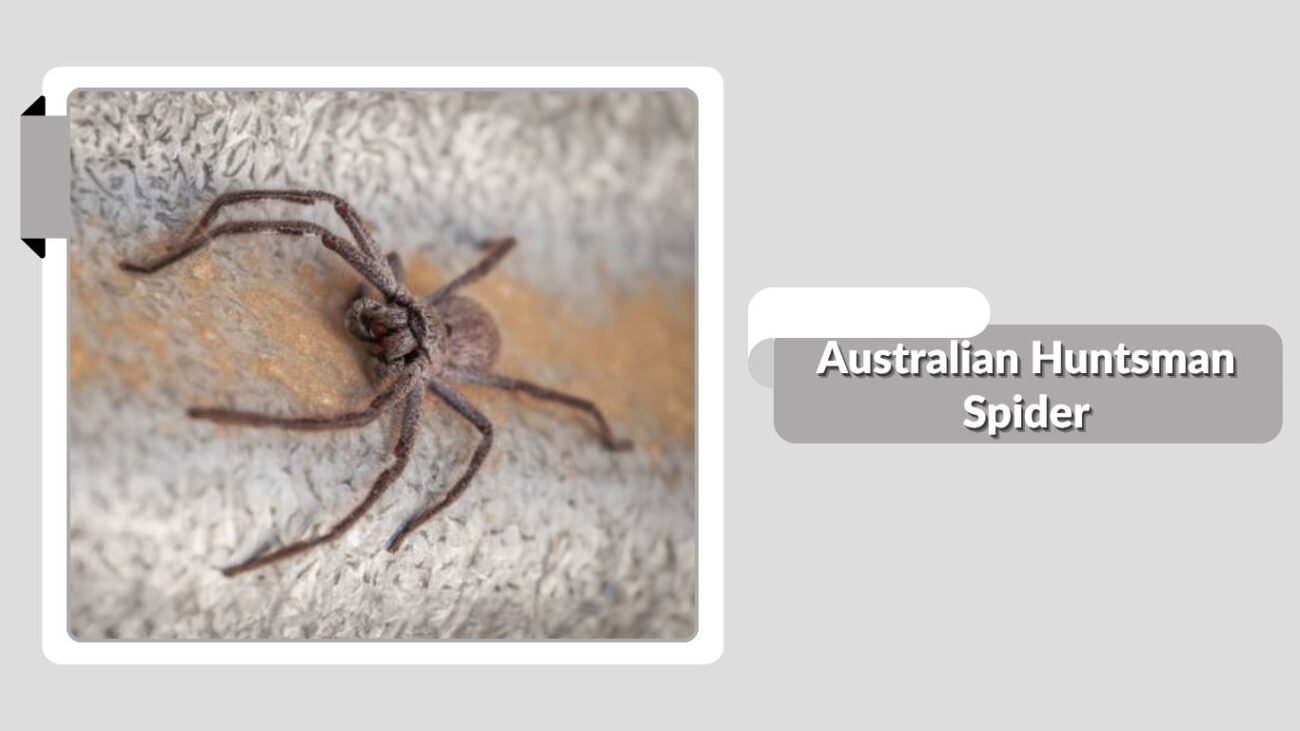
The Australian huntsman spider is one of the most familiar huntsman spiders, often seen in homes, gardens, garages, and tree bark. It is known for its large size, long legs, and fast movement. Although it can look frightening, it usually avoids humans and helps control household insects.
Characteristics of Australian Huntsman Spider
- Large spider with long, sideways-spreading legs
- Brown, gray, or tan body color
- Flattened body shape
- Fast-moving nocturnal hunter
- Commonly found around homes and gardens
- Does not use webs to trap prey
Habitat and Natural Range
The Australian huntsman spider is widely found across Australia in forests, gardens, sheds, garages, and houses. It often hides under bark, behind curtains, in wall cracks, or under outdoor objects. These dark places help it rest safely during the day.
Diet and Hunting Style
This spider mainly eats cockroaches, moths, beetles, crickets, flies, and other insects. It hunts actively at night instead of waiting in a web. Its speed allows it to catch prey quickly, making it useful for natural pest control.
Behavior and Identification
The Australian huntsman spider is usually shy and not aggressive. When disturbed, it often runs away rather than bites. Its large flat body, long sideways legs, brownish color, and habit of appearing indoors are key identification signs.
12. Tropical Huntsman Spider
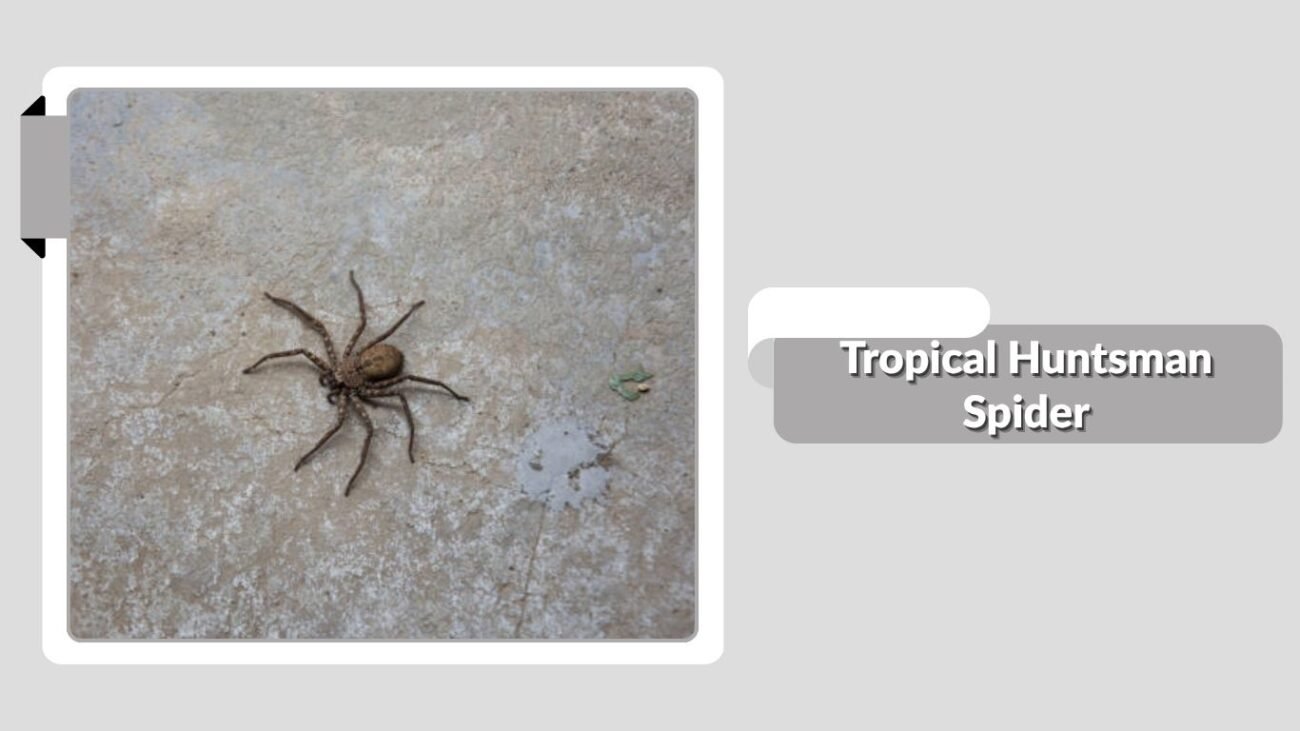
The tropical huntsman spider is a warm-climate spider known for its long legs, flat body, and quick movement. It is often found in tropical forests, gardens, houses, and sheltered outdoor spaces. Like other huntsman spiders, it does not use a web to trap prey but hunts insects directly.
Characteristics of Tropical Huntsman Spider
- Medium to large spider with long legs
- Brown, tan, or grayish body color
- Flattened body for hiding in narrow spaces
- Fast-moving active hunter
- Common in warm and humid regions
- Does not build prey-catching webs
Habitat and Natural Range
The tropical huntsman spider lives in warm, humid areas with trees, plants, rocks, and buildings. It may hide under bark, inside cracks, behind leaves, or in dark corners during the day. At night, it becomes more active and moves around searching for food.
Diet and Hunting Style
This spider feeds on insects such as cockroaches, crickets, beetles, moths, and flies. It relies on speed and surprise rather than sticky webs. Its long legs help it move quickly over walls, plants, and tree surfaces while hunting.
Behavior and Identification
The tropical huntsman spider usually avoids humans and runs away when disturbed. Its flat body, sideways legs, brownish color, and tropical habitat are useful identification signs. It may enter homes while searching for insects or shelter.
13. Jungle Huntsman Spider
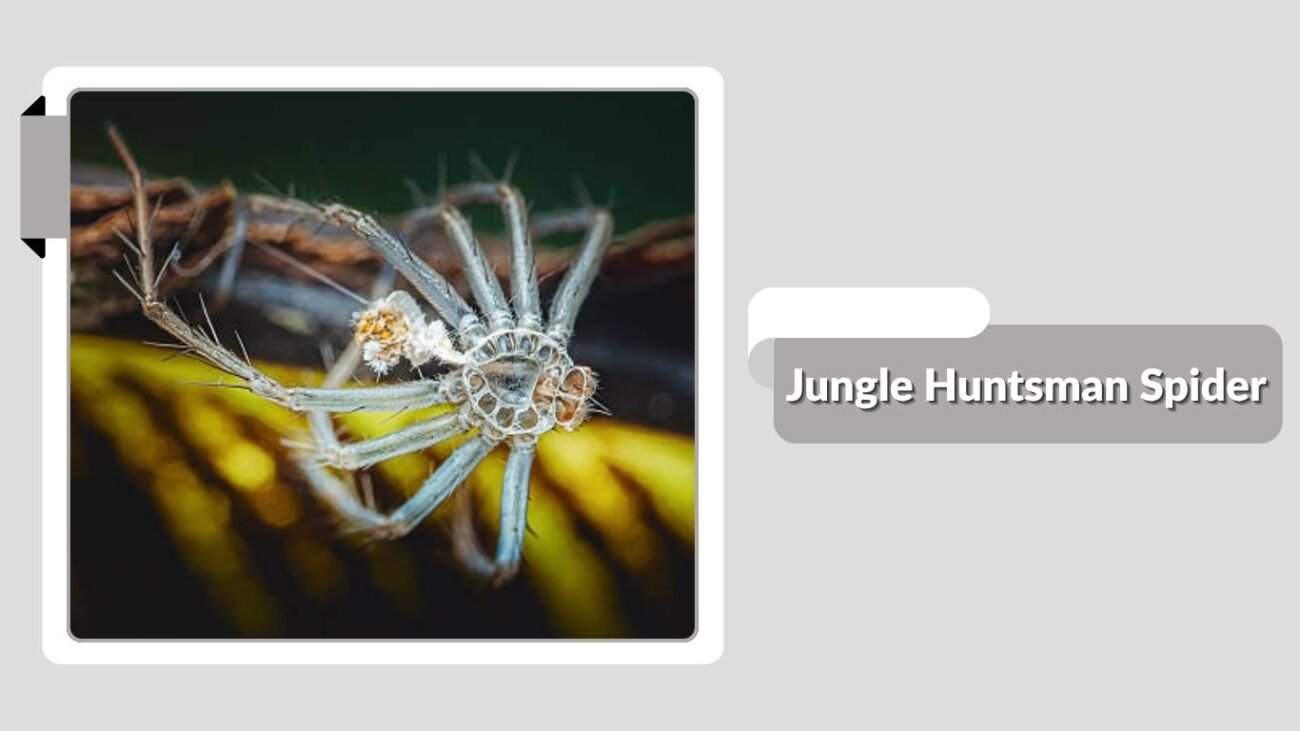
The jungle huntsman spider is a forest-dwelling spider that lives in dense, warm environments. It has long legs, a flattened body, and natural colors that help it blend into tree bark, leaves, and forest floors. This spider is an active hunter and is usually seen at night.
Characteristics of Jungle Huntsman Spider
- Long legs with a sideways-spreading shape
- Brown, gray, or tan body color
- Flat body for hiding under bark
- Good camouflage in forest habitats
- Fast nocturnal hunter
- Does not use webs to catch prey
Habitat and Natural Range
The jungle huntsman spider is commonly found in forests, rainforests, wooded areas, and thick vegetation. It hides under bark, inside tree holes, behind leaves, and in natural cracks during daylight. These places help protect it from predators and harsh weather.
Diet and Hunting Style
This spider mainly eats insects such as beetles, moths, roaches, crickets, and flies. It hunts by moving through trees, plants, and ground cover. When prey comes close, it uses speed and strong legs to capture it quickly.
Behavior and Identification
The jungle huntsman spider is usually shy and prefers hiding from people. It can move very fast when disturbed. Its forest habitat, flat body, long sideways legs, and bark-like coloring help identify it from many other spiders.
14. Rainforest Huntsman Spider
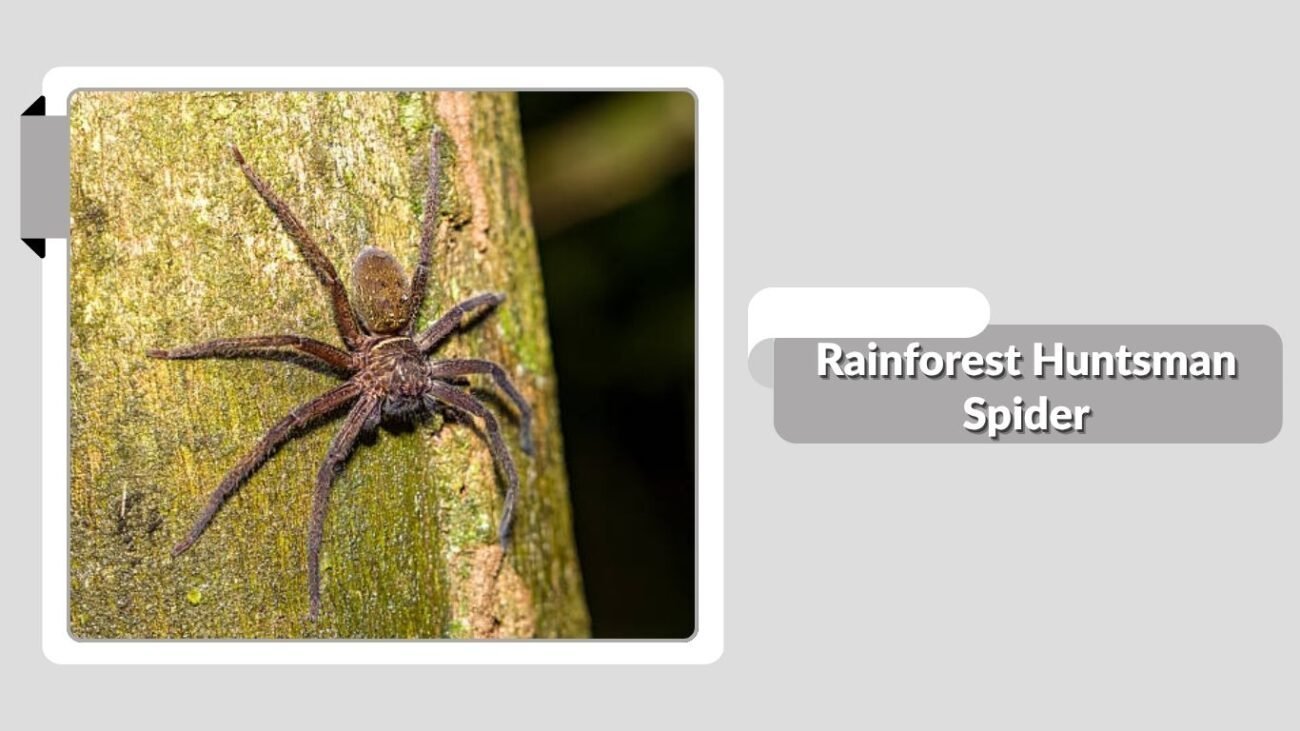
The rainforest huntsman spider is adapted to moist, shaded forest environments. It is usually found around tree trunks, leaves, logs, and dark forest shelters. With its long legs and flat body, it can move quickly across surfaces and hide easily in narrow spaces.
Characteristics of Rainforest Huntsman Spider
- Medium to large huntsman spider
- Long, sideways-facing legs
- Brown, tan, or mottled body color
- Flat body for squeezing into cracks
- Common in humid forest areas
- Active hunter instead of web trapper
Habitat and Natural Range
The rainforest huntsman spider lives in humid rainforest areas with plenty of trees and plant cover. It may hide beneath bark, inside logs, behind broad leaves, or in tree crevices. The moist environment supports many insects, giving this spider a good food supply.
Diet and Hunting Style
This spider eats insects such as moths, beetles, flies, roaches, and crickets. It hunts mainly at night and depends on speed rather than a web. Its ability to climb helps it catch prey on tree trunks, leaves, and forest surfaces.
Behavior and Identification
The rainforest huntsman spider is usually not aggressive toward humans. It may run quickly into cover if disturbed. Its rainforest habitat, long legs, flattened body, and brown or mottled coloring make it easier to recognize.
15. Malaysian Huntsman Spider
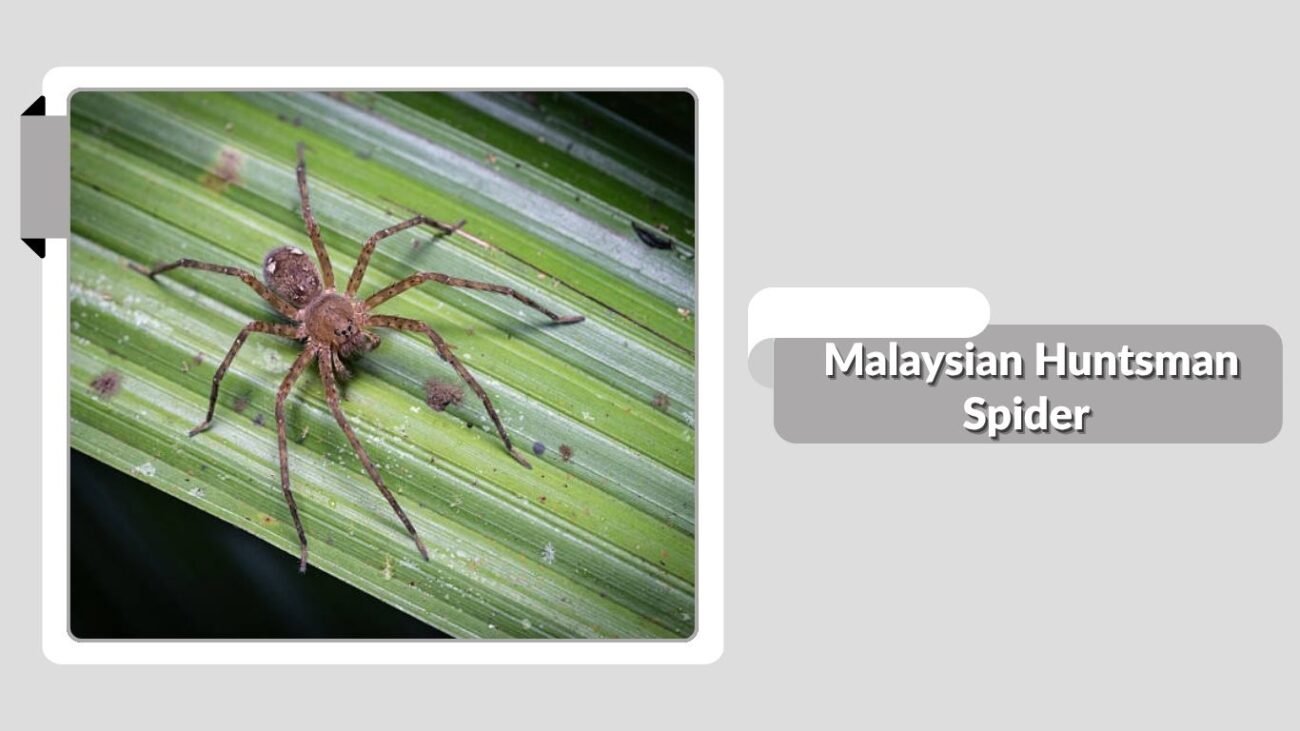
The Malaysian huntsman spider is a tropical species found in warm and humid environments. It has the typical huntsman shape, with a flat body and long legs that spread sideways. This spider is usually active at night and hides in dark, sheltered places during the day.
Characteristics of Malaysian Huntsman Spider
- Medium to large spider with long legs
- Brown, tan, or yellowish-brown body color
- Flattened body shape
- Fast-moving nocturnal hunter
- Common in tropical Southeast Asian habitats
- Does not spin webs to trap prey
Habitat and Natural Range
The Malaysian huntsman spider is found in Malaysia and nearby tropical regions. It may live in forests, gardens, plantations, tree bark, rock gaps, and sometimes inside buildings. Its flat body helps it hide in narrow cracks and shaded spaces.
Diet and Hunting Style
This spider feeds on insects such as cockroaches, crickets, beetles, moths, and flies. It searches for prey at night and catches food with quick movements. Like other huntsman spiders, it uses speed and strength instead of a catching web.
Behavior and Identification
The Malaysian huntsman spider usually avoids humans and escapes when disturbed. It can look intimidating because of its size and speed, but it is mainly interested in hunting insects. Its tropical range, flat body, long sideways legs, and brown color help with identification.
FAQs
Are huntsman spiders dangerous to humans?
Huntsman spiders are not usually dangerous to humans. They may bite if handled roughly or trapped, but most bites are mild and mainly cause local pain or swelling. These spiders usually prefer to run away instead of attacking, so it is best to leave them undisturbed.
Why are huntsman spiders often found inside homes?
Huntsman spiders may enter homes while searching for insects, shelter, or warm hiding places. They often hide behind curtains, furniture, wall cracks, garages, and sheds. Since they eat pests like cockroaches and moths, they can sometimes help control insects indoors.
How can you identify a huntsman spider?
A huntsman spider can often be identified by its flat body, long legs, and sideways leg position. Many species are brown, gray, tan, or mottled, helping them blend with bark or walls. They are also known for fast movement and active hunting instead of web trapping.
What do huntsman spiders eat?
Huntsman spiders mainly eat insects such as cockroaches, crickets, moths, beetles, flies, and other small arthropods. They do not use webs to catch prey. Instead, they chase or ambush insects using speed, strong legs, and quick reactions.
Should I remove huntsman spiders from my house?
You can remove a huntsman spider if it makes you uncomfortable, but it is better to do it safely without harming it. Use a container and paper to move it outside. Avoid touching it directly, because it may bite if frightened or trapped.