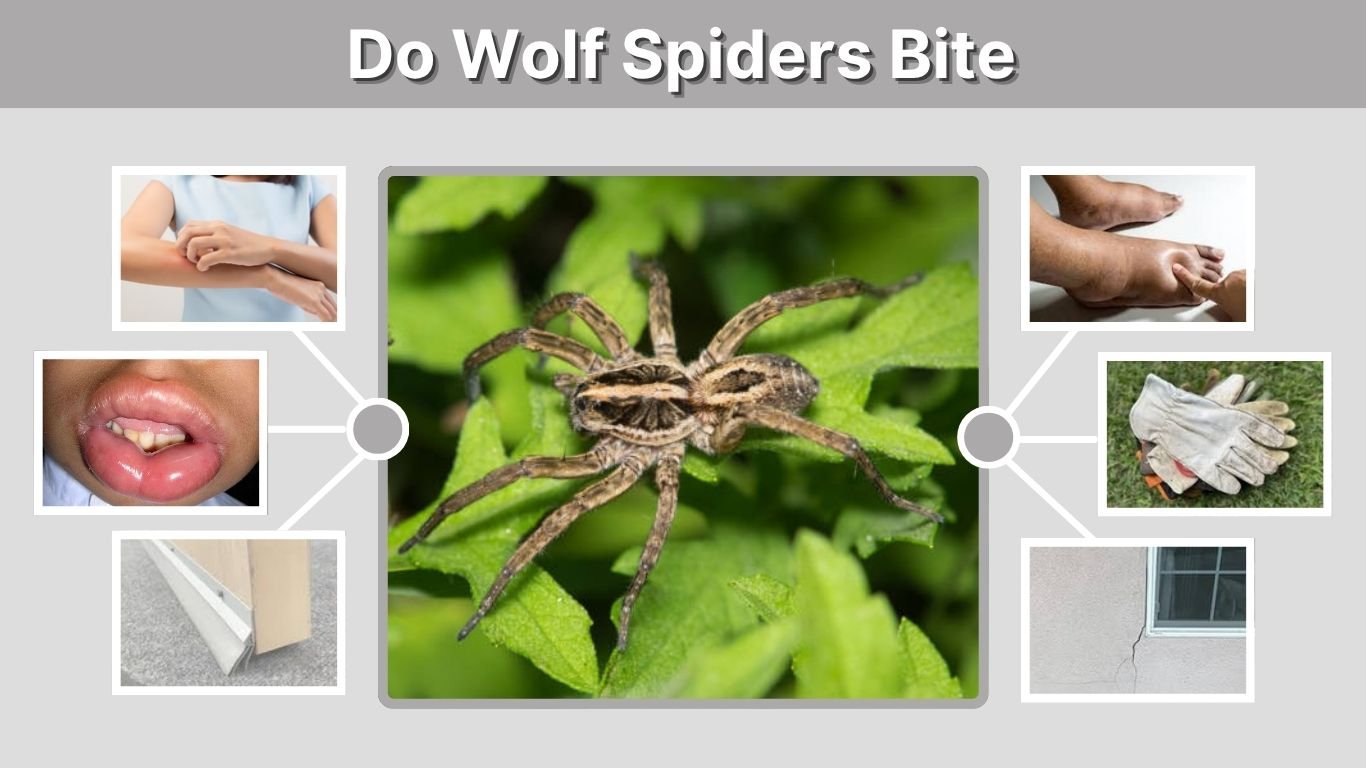
Wolf spiders can bite, but they usually do so only when they feel trapped, pressed against the skin, or handled. Their bites may look alarming because wolf spiders are large and fast-moving, but most bites are mild and can be treated at home. Knowing what a wolf spider bite looks like, how it feels, and when to seek medical help can prevent unnecessary worry.
Do Wolf Spiders Bite Humans?
Yes, wolf spiders can bite humans. However, they are not aggressive spiders that actively chase people to bite them. A bite usually happens by accident, such as when someone reaches into a pile of leaves, picks up stored items, puts on clothing or shoes where a spider is hiding, or presses the spider against the skin.
Wolf spiders are hunters. Unlike web-building spiders, they roam around looking for insects. This is why people sometimes find them in garages, basements, sheds, gardens, closets, or near doors and windows. Their size and speed can make them look dangerous, but a wolf spider bite is usually not considered a serious medical emergency.
Why Do Wolf Spiders Bite?
Wolf spiders bite mainly as a defense response. They may bite if they are:
- Picked up or handled
- Trapped inside clothing, gloves, towels, or shoes
- Pressed against the skin while someone is sleeping or moving items
- Accidentally disturbed in outdoor hiding spots
- Protecting themselves when they cannot escape
In most cases, the spider would rather run away than bite.
Are Wolf Spider Bites Poisonous?
Wolf spiders are venomous, but that does not mean they are poisonous in the way many people imagine. Venom is used to subdue prey, while poison harms when touched or swallowed. Wolf spider venom is not usually dangerous to humans. For most people, the bite causes a local skin reaction similar to a mild bee sting or common insect bite.
What Do Wolf Spider Bites Look Like?
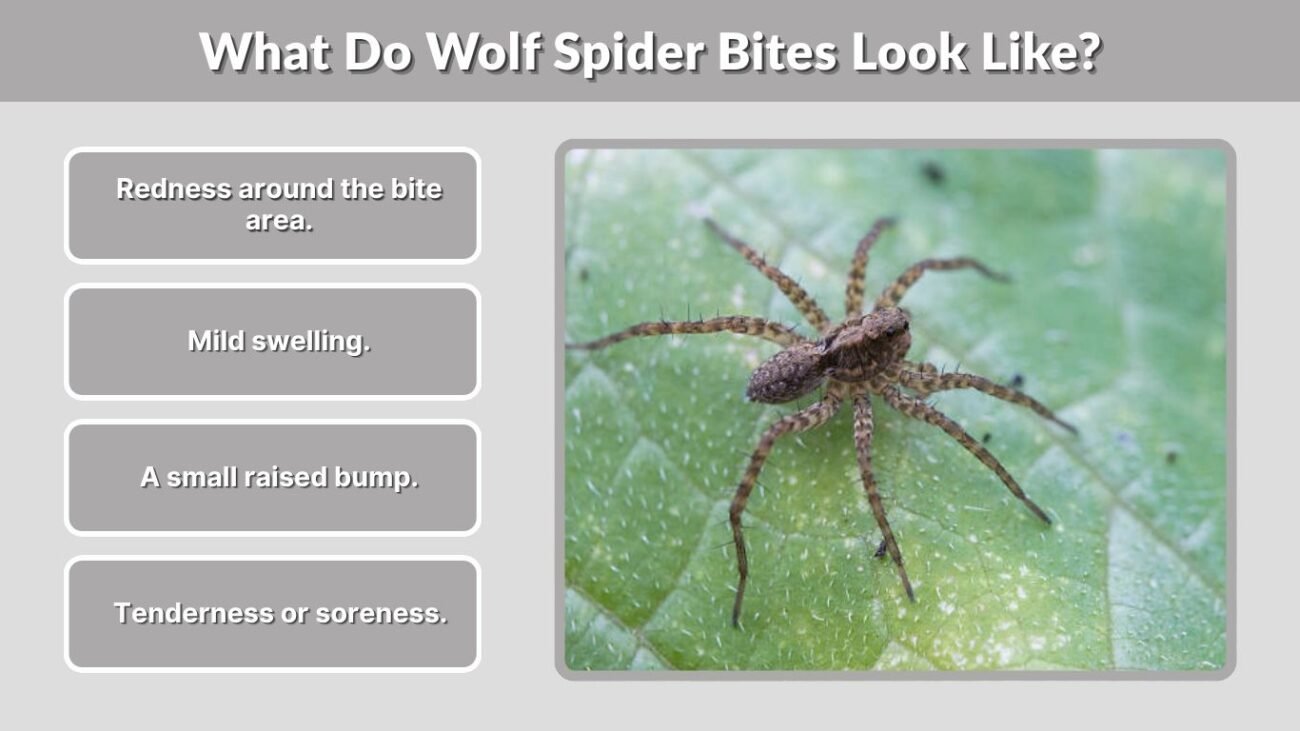
A wolf spider bite can be difficult to identify just by looking at the skin. Many insect bites, skin irritations, and minor infections can look similar. Unless you actually saw the spider bite you, it is hard to say for certain that the mark came from a wolf spider.
Still, a typical wolf spider bite may appear as a small red or irritated bump. The area may be tender, swollen, itchy, or slightly warm. Some people may notice two tiny puncture marks, but these are not always visible.
Common Appearance of a Wolf Spider Bite
A mild wolf spider bite may include:
- Redness around the bite area
- Mild swelling
- A small raised bump
- Tenderness or soreness
- Itching
- Slight warmth around the skin
- Two small fang marks in some cases
The bite usually stays localized. That means the reaction remains around the bite area instead of spreading widely across the body.
Do Wolf Spider Bites Blister?
A wolf spider bite may occasionally develop a small blister, especially if the skin is irritated, scratched, or sensitive. However, large blisters, spreading wounds, pus, blackening skin, or an open sore are not typical signs of a simple wolf spider bite. These symptoms may suggest infection, another type of bite, or a different skin condition that needs medical attention.
Do Wolf Spider Bites Hurt?
Yes, a wolf spider bite can hurt. Many people describe the pain as a sharp sting, pinch, or burning sensation. The discomfort is usually strongest at the time of the bite and may ease over the next few hours.
Pain levels vary from person to person. Some people barely feel the bite, while others notice soreness for a day or two.
How Bad Do Wolf Spider Bites Hurt?
Most wolf spider bites cause mild to moderate pain. The pain is usually not severe unless the bite area becomes irritated, infected, or the person has a stronger reaction. Compared with medically significant spider bites, wolf spider bites are usually much less concerning.
| Symptom | What Is Common | When to Be Concerned |
| Pain | Mild sting, soreness, or burning | Severe pain that keeps getting worse |
| Redness | Small red area around the bite | Redness spreading quickly |
| Swelling | Mild swelling near the bite | Major swelling, especially on face or throat |
| Itching | Mild to moderate itching | Intense itching with hives or breathing trouble |
| Skin damage | Small bump or irritation | Black skin, open sore, pus, or spreading wound |
Do You Feel a Wolf Spider Bite Right Away?
Many people do feel the bite when it happens. It may feel like a sudden pinprick or sting. However, some people may not notice it immediately, especially if they are asleep, distracted, or outdoors. Later, they may find a red, itchy, or sore bump and assume it was a spider bite.
What Does a Wolf Spider Bite Do to You?
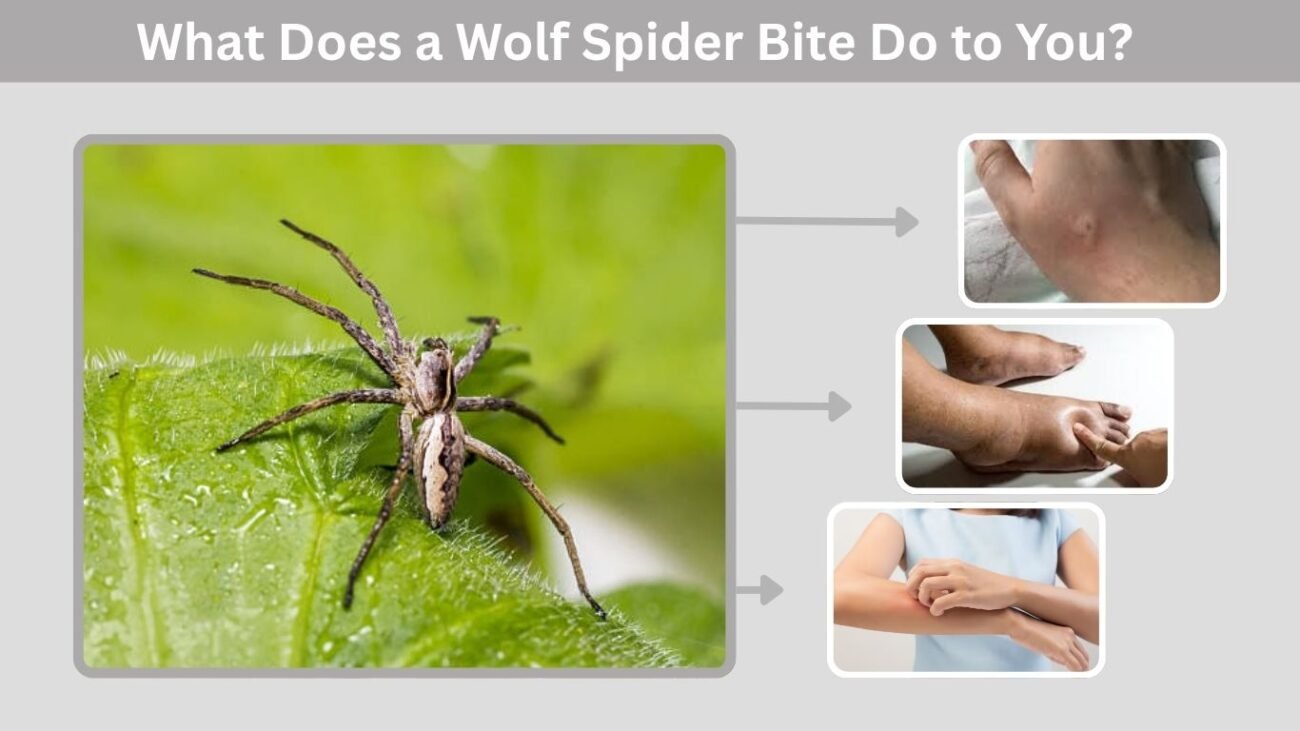
For most people, a wolf spider bite causes only a small local reaction. The bite may hurt, itch, swell, or become red. These symptoms usually improve with basic care.
A wolf spider bite does not usually cause serious illness. It also does not usually cause major tissue damage. Most symptoms are limited to the skin around the bite.
Possible Symptoms
Common wolf spider bite symptoms include:
- A sharp sting or mild pain
- Redness
- Swelling
- Itching
- Tenderness
- A small bump
- Minor warmth around the bite
- Temporary skin irritation
Rarely, someone may have a stronger allergic reaction. This is not common, but it can happen with many types of bites and stings.
Can a Wolf Spider Bite Make You Sick?
Most people do not feel sick after a wolf spider bite. If you develop fever, chills, nausea, dizziness, spreading rash, or swollen lymph nodes, the issue may be more than a simple bite reaction. It could be an infection, allergic reaction, or another condition.
Seek medical advice if symptoms feel unusual, severe, or continue to worsen.
Do Wolf Spider Bites Cause Necrosis?
Wolf spider bites are often blamed for necrosis, which means tissue death. However, this is not typical of wolf spider bites. Necrotic wounds are more commonly associated with certain other spiders, such as brown recluse spiders, or with infections and other skin conditions.
If a bite-like mark turns black, becomes an open ulcer, spreads rapidly, or produces pus, do not assume it is a normal wolf spider bite. A healthcare provider should examine it.
Signs That Are Not Typical
The following symptoms are not typical of a simple wolf spider bite:
- Skin turning black or blue
- A growing open sore
- Pus or drainage
- Severe spreading redness
- Fever or chills
- Red streaks moving away from the bite
- Increasing pain after the first day
- Numbness or major swelling
These symptoms may point to infection, a different spider bite, or another medical problem.
How Long Do Wolf Spider Bites Last?
A mild wolf spider bite often improves within a few days. Redness, swelling, and itching may last longer depending on skin sensitivity and whether the bite is scratched or irritated.
Most mild bites follow a simple pattern: discomfort at first, mild swelling and redness, then gradual improvement. If the bite looks worse after two or three days, or if symptoms continue for more than a week without improvement, it is a good idea to get medical advice.
Typical Healing Timeline
A general healing timeline may look like this:
- First few minutes: Sharp sting, pinch, or burning feeling
- First few hours: Redness, swelling, tenderness, or itching
- Day 1 to 2: Symptoms may be most noticeable
- Day 3 onward: Redness and swelling should begin to fade
- Within a week: Most mild bites improve significantly
This timeline can vary. Scratching the bite, sensitive skin, or secondary infection may make symptoms last longer.
How Do You Treat a Wolf Spider Bite?
Most wolf spider bites can be treated at home with simple first aid. The goal is to clean the area, reduce swelling, manage pain or itching, and watch for signs of infection.
First Aid Steps
If you think a wolf spider bit you:
- Wash the bite area with soap and water.
- Apply a cool compress for 10 to 15 minutes.
- Keep the bite clean and dry.
- Avoid scratching the area.
- Use an over-the-counter pain reliever if needed.
- Apply an anti-itch cream or take an antihistamine if itching is bothersome.
- Cover the bite with a clean bandage if clothing rubs against it.
Cold compresses can help reduce swelling and pain. Keeping the area clean also lowers the risk of infection.
What to Do for Itching
Wolf spider bites can itch as the skin reacts and heals. To get relief:
- Use a cold compress
- Avoid scratching
- Apply hydrocortisone cream if appropriate
- Consider an oral antihistamine for stronger itching
- Keep fingernails short to avoid breaking the skin
Scratching can make the bite worse and may introduce bacteria into the skin.
What Not to Do
Avoid home remedies that can irritate the skin or delay healing. Do not cut the bite, squeeze it, apply harsh chemicals, or try to “draw out” venom. These methods can damage the skin and increase infection risk.
When Should You See a Doctor?
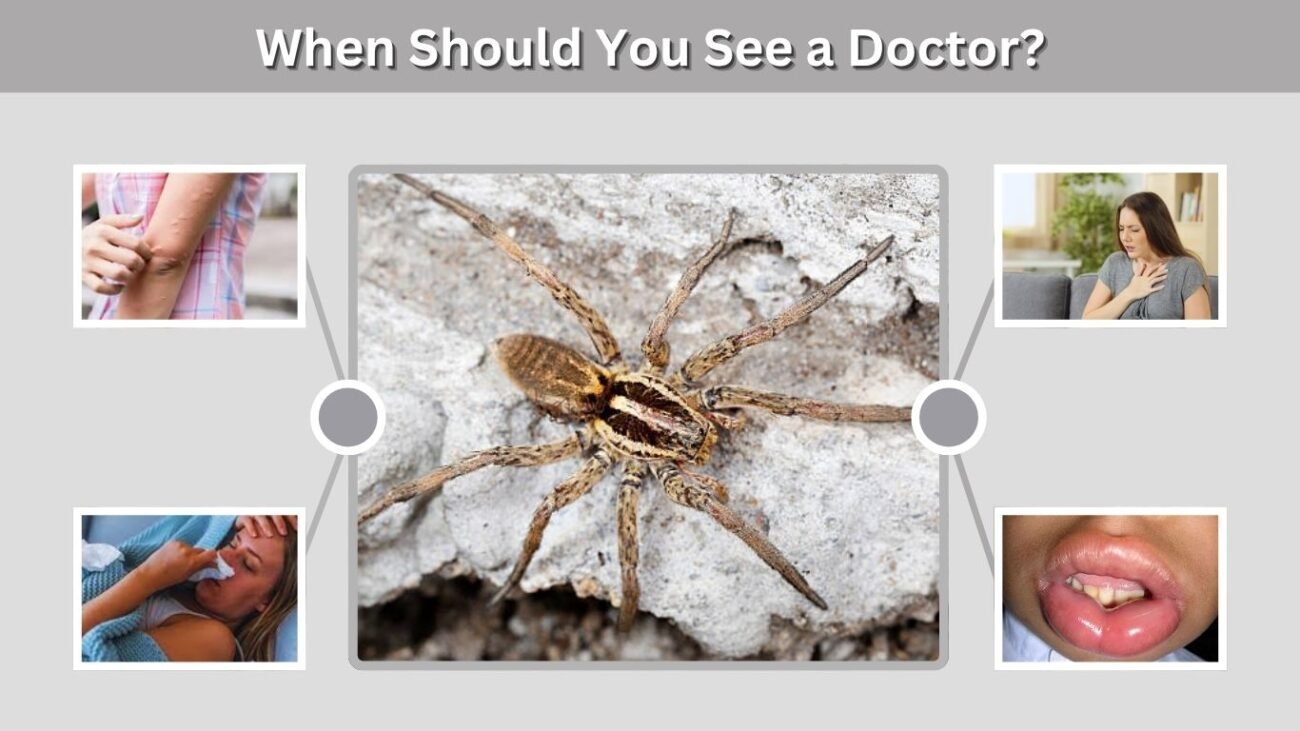
Most wolf spider bites do not require medical treatment. However, some symptoms should be checked by a healthcare professional, especially if the bite is worsening instead of improving.
Get Medical Help If You Notice:
- Trouble breathing
- Swelling of the lips, tongue, face, or throat
- Dizziness or fainting
- Hives or widespread rash
- Severe pain
- Fever or chills
- Pus or drainage
- Red streaks spreading from the bite
- Skin turning black, purple, or open
- Symptoms that keep worsening after 24 to 48 hours
Breathing trouble, facial swelling, or fainting may be signs of a serious allergic reaction and should be treated as urgent.
Children, Older Adults, and Sensitive Individuals
Children, older adults, and people with weakened immune systems should be monitored more carefully. Even a mild bite can become more concerning if the person is more vulnerable to infection or allergic reactions.
Wolf Spider Bite vs Other Bug Bites
Wolf spider bites can look like mosquito bites, ant bites, bee stings, flea bites, or skin infections. This makes identification tricky.
If you did not see the spider bite you, consider other possible causes. A painful, swollen bump may not always be a spider bite. Ingrown hairs, boils, allergic skin reactions, and bacterial infections can all look similar.
How to Tell the Difference
A wolf spider bite is more likely if:
- You saw a wolf spider on your skin
- The bite happened after handling stored items, firewood, leaves, or outdoor gear
- You felt a sharp sting and later saw a small red bump
- Symptoms remain mild and localized
A different cause may be more likely if:
- There are many bites in a line or cluster
- The wound is draining pus
- The sore keeps growing
- You have a fever
- The skin becomes black or ulcerated
- The rash spreads over a large area
When in doubt, focus less on naming the spider and more on how the skin is behaving.
How to Prevent Wolf Spider Bites
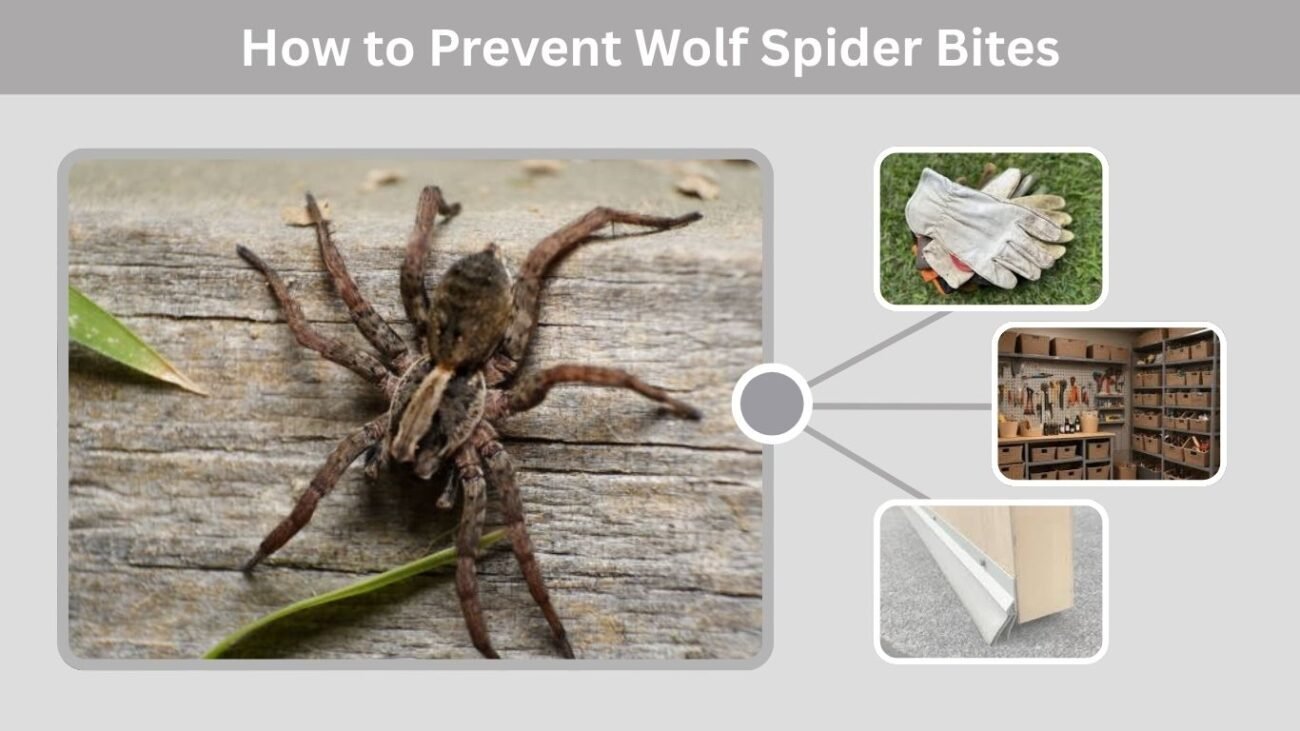
Wolf spiders often enter homes while searching for food or shelter. Reducing hiding places and avoiding accidental contact can lower the chance of being bitten.
Indoor Prevention Tips
To prevent wolf spiders indoors:
- Shake out shoes, gloves, towels, and clothing before use
- Reduce clutter in basements, closets, garages, and storage rooms
- Seal cracks around doors, windows, and foundations
- Use door sweeps where gaps exist
- Vacuum corners and storage areas regularly
- Store boxes off the floor when possible
Wolf spiders do not usually infest homes in large numbers like some pests, but they may wander indoors.
Outdoor Prevention Tips
When working outside:
- Wear gloves when moving leaves, firewood, stones, or stored items
- Keep grass trimmed near the house
- Move firewood away from exterior walls
- Remove piles of leaves and debris
- Wear shoes outdoors, especially at night
- Be careful around sheds, garages, and garden equipment
These steps reduce accidental contact with spiders and other biting insects.
FAQs
Do wolf spiders bite?
Yes, wolf spiders can bite, but they usually bite only when trapped, touched, or pressed against the skin. They are not aggressive toward humans. Most bites are mild and cause temporary redness, swelling, itching, or soreness.
What do wolf spider bites look like?
A wolf spider bite usually looks like a small red bump with mild swelling. It may be itchy, tender, or warm. Sometimes two tiny puncture marks are visible, but not always. Many other bug bites and skin irritations can look similar.
Do wolf spider bites hurt?
Yes, wolf spider bites can hurt. The bite may feel like a sharp sting, pinch, or burning sensation. For most people, the pain is mild to moderate and improves within a few hours or days.
How do you treat a wolf spider bite?
Wash the area with soap and water, apply a cool compress, keep it clean, and avoid scratching. Over-the-counter pain relievers, antihistamines, or anti-itch cream may help. Seek medical care if symptoms worsen or signs of infection appear.
What should you do if a wolf spider bites you?
Stay calm, clean the bite, use a cold compress, and monitor the area. Most bites heal with home care. Get medical help if you have trouble breathing, severe swelling, fever, pus, spreading redness, or skin that turns black or forms an open sore.