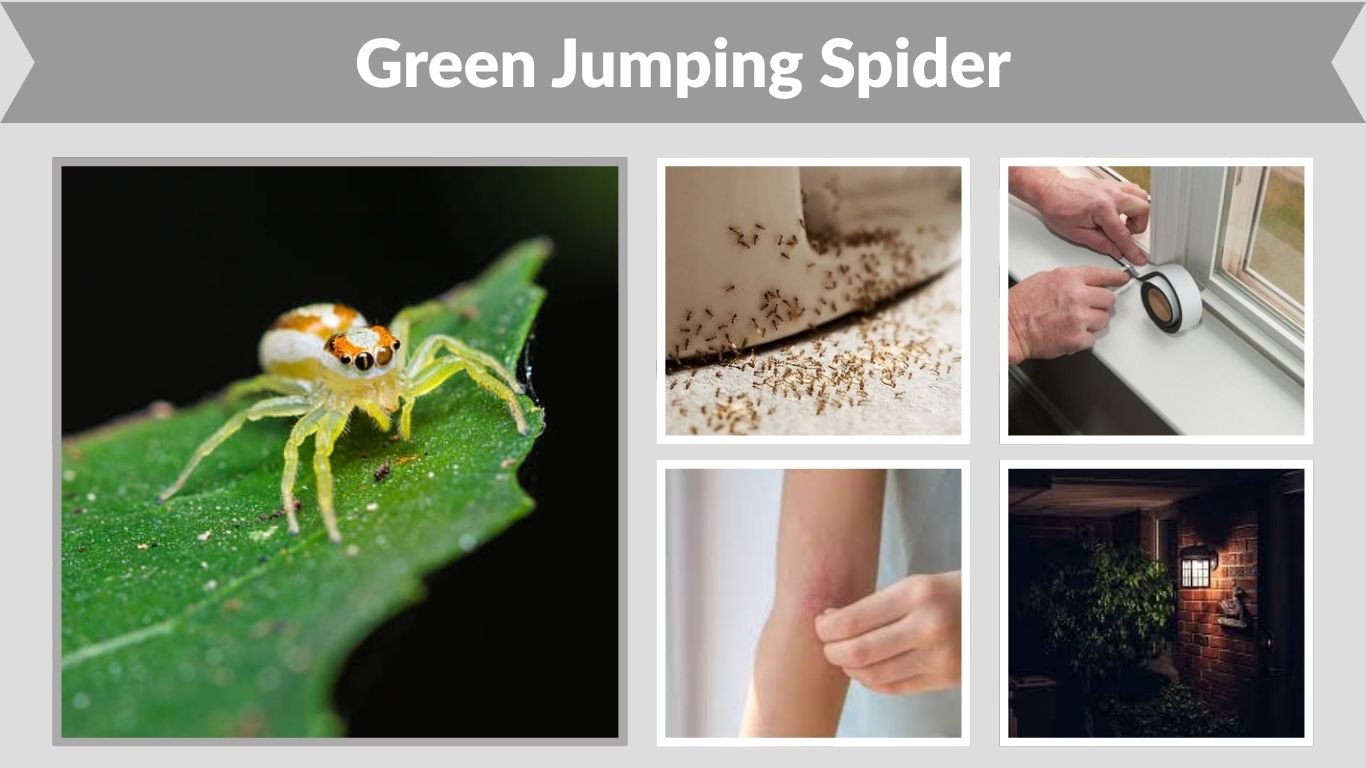
A green jumping spider can look surprising because most people expect jumping spiders to be black, brown, or patterned with white spots. Some green jumping spiders are truly pale green, while others are black spiders with metallic green mouthparts that people describe as “green fangs.” In most cases, these spiders are not dangerous to humans and are helpful predators of small insects around gardens, trees, shrubs, and homes.
What Is a Green Jumping Spider?
A green jumping spider is usually a jumping spider with a green body, green eyes, or green-looking mouthparts. The term may refer to several spiders, but one of the best-known examples is the magnolia green jumping spider, also called the magnolia green jumper. Its scientific name is Lyssomanes viridis.
Unlike many stocky jumping spiders, the magnolia green jumping spider has a slender, delicate body and long legs. It is often pale green or translucent green, which helps it blend in with leaves. This camouflage makes it easier for the spider to hide from predators and ambush small prey.
Another common reason people search for green jumping spiders is the bold jumping spider. This spider is usually black with white markings, but it can have shiny green or blue mouthparts. These are not actual green teeth, but mouthparts called chelicerae.
How to Identify a Green Jumping Spider
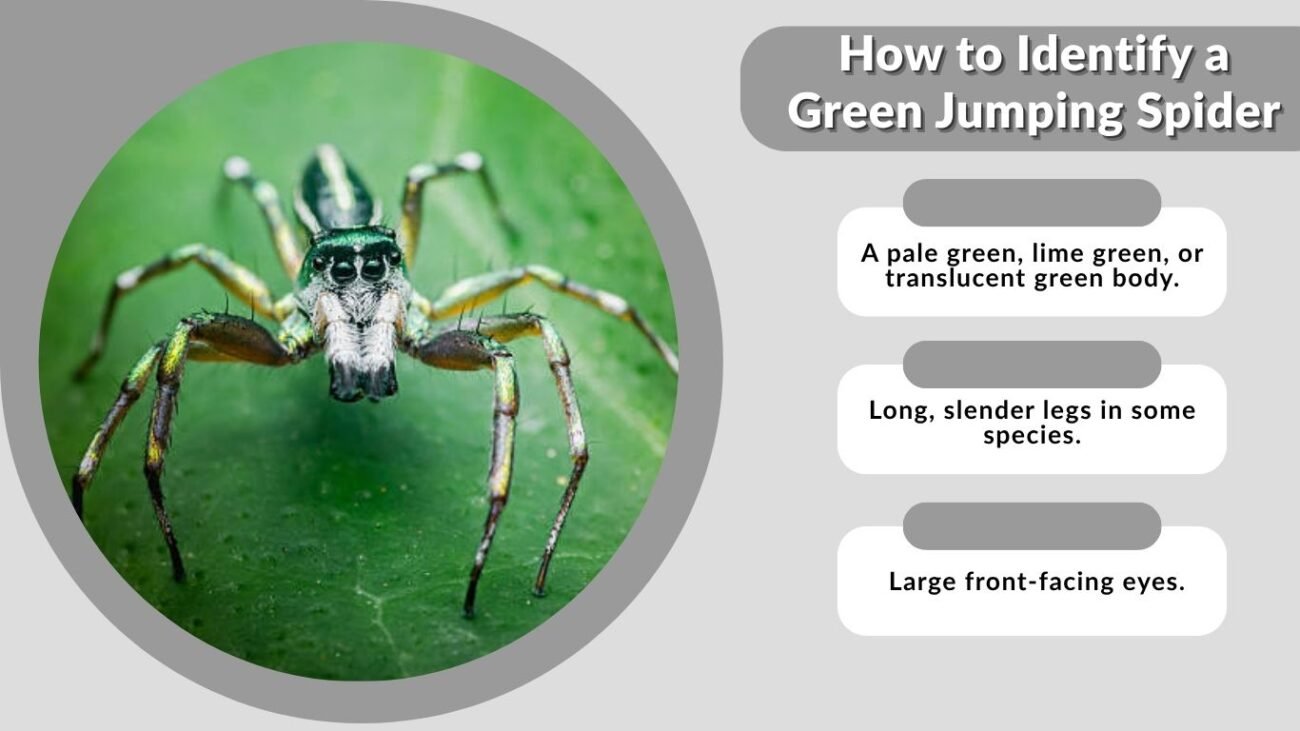
Green jumping spiders are usually identified by color, body shape, eye pattern, and movement. Like other jumping spiders, they rely on vision and movement instead of large prey-catching webs.
Common Identification Features
A green jumping spider may have:
- A pale green, lime green, or translucent green body
- Long, slender legs in some species
- Large front-facing eyes
- Quick, careful movement
- Short jumping behavior
- A habit of staying on leaves or shrubs
- Green, blue, or metallic mouthparts in darker species
- Small size compared with many house spiders
If the spider has a compact body, large front eyes, and jumps in short controlled movements, it is likely a jumping spider. If it is bright green but has very long spiny legs and does not look like a jumper, it may be a green lynx spider instead.
Magnolia Green Jumping Spider
The magnolia green jumping spider is one of the most common spiders people mean when they search for a green jumping spider. It is a delicate, pale green jumping spider often found on broad leaves, especially magnolia leaves. It may also appear on shrubs, garden plants, trees, and low vegetation.
What Does It Look Like?
The magnolia green jumping spider usually has a light green or translucent green body. Its legs are long and thin compared with the stockier body shape of many jumping spiders. Some individuals may have small red, orange, yellow, or white markings near the head.
This spider can be hard to notice because its color blends well with leaves. If you see a tiny green jumping spider sitting flat against a leaf, it may be a magnolia green jumper.
Where Is It Found?
The magnolia green jumper is mainly associated with the southeastern United States. It is commonly noticed in warm, leafy habitats, including gardens, wooded areas, shrubs, and trees. It is especially linked with magnolia trees, but it can also be found on other plants.
Green Jumping Spider Size
Most green jumping spiders are small. Magnolia green jumping spiders are usually only a few millimeters long, though their long legs can make them look larger. Females are generally a little larger than males, and males may look slimmer.
| Feature | Magnolia Green Jumping Spider | Black Jumping Spider With Green Fangs |
|---|---|---|
| Main color | Pale green or translucent green | Usually black with white markings |
| Green feature | Body and legs | Metallic mouthparts |
| Body shape | Slender with longer legs | Compact and fuzzy |
| Common location | Leaves, shrubs, trees | Walls, fences, gardens, homes |
| Common concern | Is it poisonous? | Are the green fangs dangerous? |
Jumping Spider With Green Fangs
Many people search for “jumping spider with green fangs,” “green fanged jumping spider,” or “black jumping spider with green fangs.” In many cases, they are seeing a bold jumping spider or a related species.
The green parts are usually not the fangs themselves. They are chelicerae, which are mouthparts near the fangs. These mouthparts can look metallic green, teal, blue, or purple depending on the light.
Are Green Fangs Dangerous?
Green mouthparts do not mean the spider is dangerous. The color is caused by iridescence, not stronger venom. Bold jumping spiders with green chelicerae may look intimidating, but they are generally not considered harmful to humans.
A spider with green fangs may bite if trapped or handled roughly, but it usually prefers to jump away or hide.
Green Jumping Spider Eyes
Some searches mention a “green eyed jumping spider” or “jumping spider green eyes.” Jumping spiders have excellent eyesight, and their eyes can appear different colors depending on light, angle, and reflection.
A spider’s eyes may look green, dark, shiny, or reflective in photos. This does not always mean the spider is a different species. Camera flash, sunlight, and close-up photography can make the eyes appear brighter than they look in normal conditions.
Is a Green Jumping Spider Poisonous?
A green jumping spider is not considered poisonous to humans. The more accurate word is venomous, because spiders use venom to subdue prey. However, this venom is designed for tiny insects and is not usually a serious threat to people.
Most jumping spiders are shy around humans. They may turn toward movement because they have strong vision, but this behavior is not aggression. They are usually watching their surroundings and deciding whether to move away.
Green Jumping Spider Bite
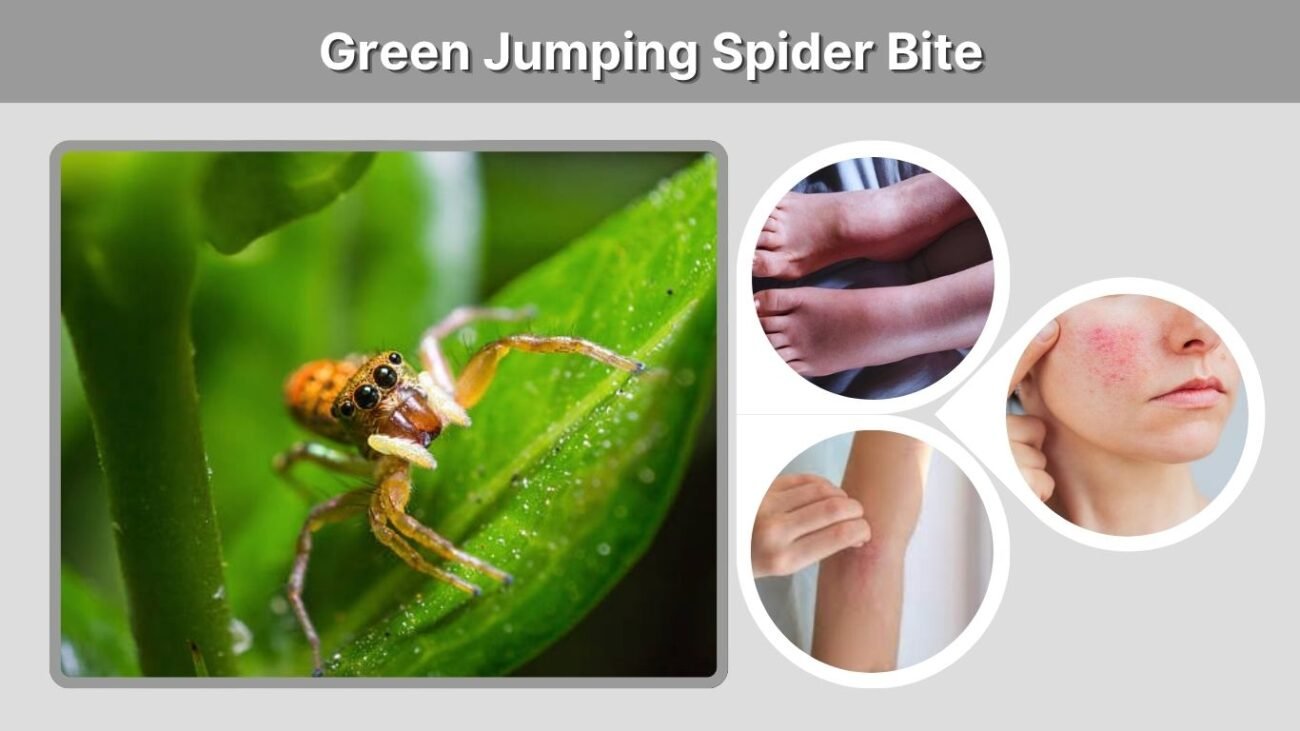
A green jumping spider can bite, but bites are uncommon. Most bites happen when the spider is pressed against the skin, trapped in clothing, or handled roughly. These spiders do not seek out people to bite.
Possible Bite Symptoms
A mild bite may cause:
- Slight pain or stinging
- Redness
- Mild swelling
- Itching
- Tenderness
- A small raised bump
These symptoms are usually similar to a minor insect bite. Many skin irritations are also mistaken for spider bites, especially when no spider was seen biting.
What to Do After a Bite
If you think a green jumping spider bit you, wash the area with soap and water. Apply a cold compress to reduce swelling and avoid scratching the bite. Most mild reactions improve with simple care.
Seek medical advice if symptoms worsen, spread, become very painful, or do not improve. Get urgent medical help if you have trouble breathing, dizziness, facial swelling, fever, or signs of a serious allergic reaction.
Green Jumping Spider Habitat
Green jumping spiders are usually found in places where their color helps them blend in. A pale green spider often lives among leaves, while a black jumping spider with green mouthparts may be found on walls, fences, plants, and outdoor structures.
Common Outdoor Locations
You may find green jumping spiders around:
- Magnolia trees
- Shrubs
- Garden plants
- Broad leaves
- Low vegetation
- Wooded edges
- Fences
- Porch plants
- Citrus or ornamental plants
- Warm, humid outdoor areas
They are active hunters and usually appear during the day. They may rest on leaves and wait for small insects to come close.
Do They Come Indoors?
Green jumping spiders may occasionally enter homes, but they are not indoor pests. If one appears inside, it likely wandered in by accident or followed small insects near windows or houseplants.
A single green jumping spider indoors usually does not mean there is an infestation. It can be gently relocated outside.
What Do Green Jumping Spiders Eat?
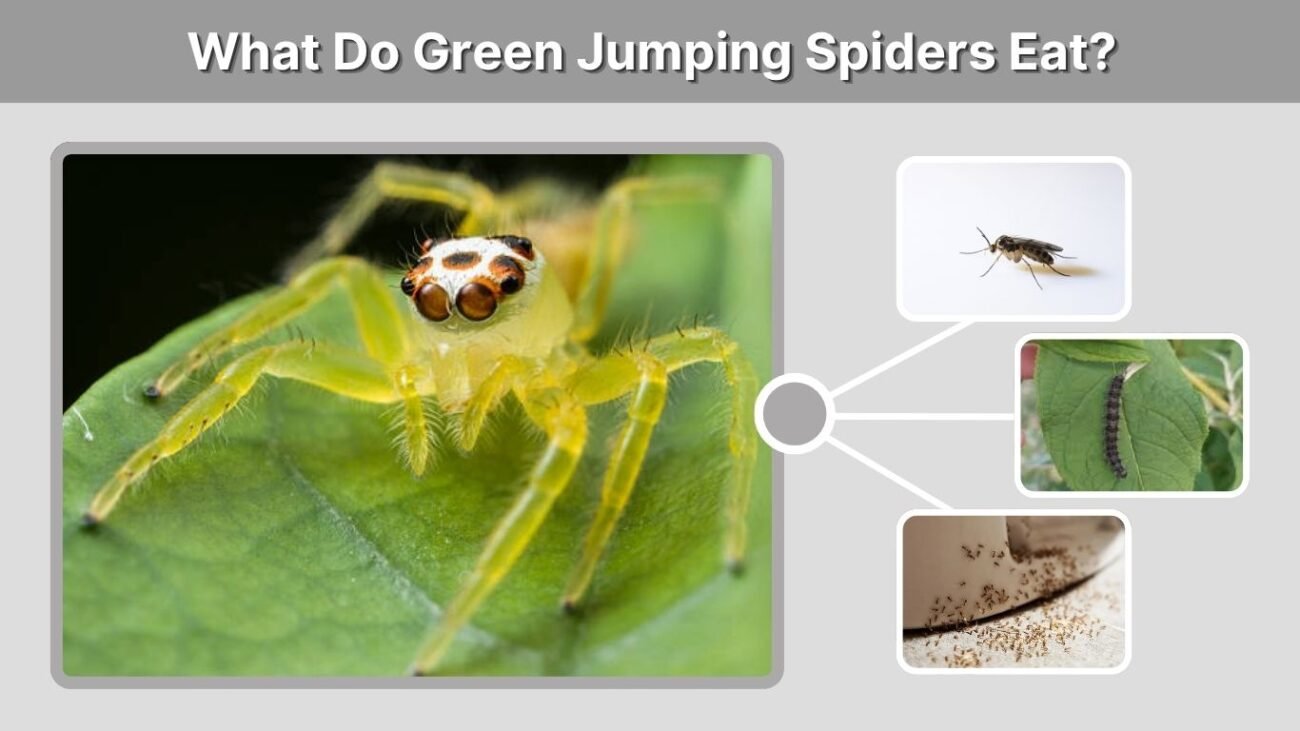
Green jumping spiders eat small insects and other tiny arthropods. They are beneficial predators in gardens because they help reduce pest insects naturally.
Common Food Sources
They may eat:
- Small flies
- Gnats
- Aphids
- Mosquitoes
- Tiny moths
- Small caterpillars
- Mites
- Small ants
- Other tiny spiders
Instead of building a sticky web, they stalk prey with their eyes. Once they are close enough, they leap forward and grab it.
Do Green Jumping Spiders Make Webs?
Green jumping spiders produce silk, but they do not build large webs to trap prey. They use silk for practical purposes, such as resting, molting, egg sacs, and safety lines.
A green jumping spider may create a small silk retreat on the underside of a leaf. Females may also guard eggs in a protected silk shelter. This is normal behavior and not a sign of a harmful infestation.
Magnolia Green Jumping Spider Male and Female
Male and female magnolia green jumping spiders may look slightly different. Females are generally larger, while males are often slimmer. Females may spend more time around egg sacs or silk retreats, especially during the breeding season.
A female may lay eggs on the underside of leaves and protect them until they hatch. Young spiderlings are tiny and may stay near plants where very small prey is available.
Green Jumping Spider vs Green Lynx Spider
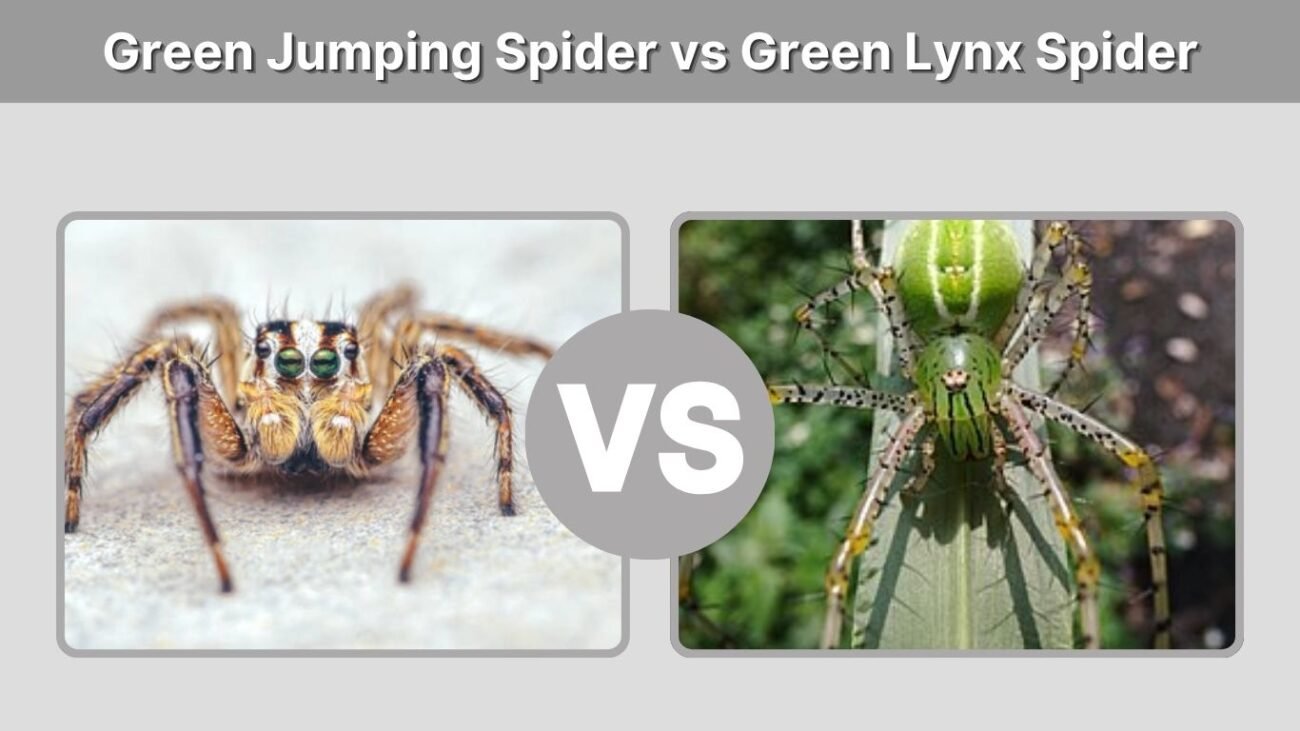
Some people confuse green jumping spiders with green lynx spiders because both can be green and found on plants. However, they are different spiders.
A green jumping spider usually has large front-facing eyes, a smaller body, and short jumping movements. A green lynx spider is often larger, has longer spiny legs, and may look more stretched out. Green lynx spiders are also active hunters, but they do not have the same typical jumping spider face.
If the spider looks small, alert, and has large forward-facing eyes, it is more likely to be a jumping spider.
Green Jumping Spider as a Pet
Some people search for “green jumping spider for sale” or “magnolia green jumping spider for sale.” While some jumping spiders are kept as pets, green species may be more delicate than common pet species like regal or bold jumping spiders.
Before Keeping One
Before keeping a green jumping spider, consider:
- Whether the spider is captive-bred or wild-caught
- Its exact species
- Its size and feeding needs
- Proper humidity and ventilation
- A secure enclosure
- Suitable small prey
- Stress from handling or shipping
A magnolia green jumping spider is best for careful observation rather than frequent handling. Because it is small and delicate, beginners may find sturdier jumping spider species easier to care for.
What to Do If You Find a Green Jumping Spider
If you find a green jumping spider outside, it is usually best to leave it alone. It helps control small insects and does not damage plants. If it is indoors, you can move it outside safely.
Safe Removal Method
To relocate it:
- Place a cup or small container gently over the spider
- Slide a piece of paper underneath
- Carry it outside carefully
- Release it on a shrub, tree, or garden plant
- Avoid squeezing or handling it directly
This method protects both you and the spider.
How to Prevent Green Jumping Spiders Indoors
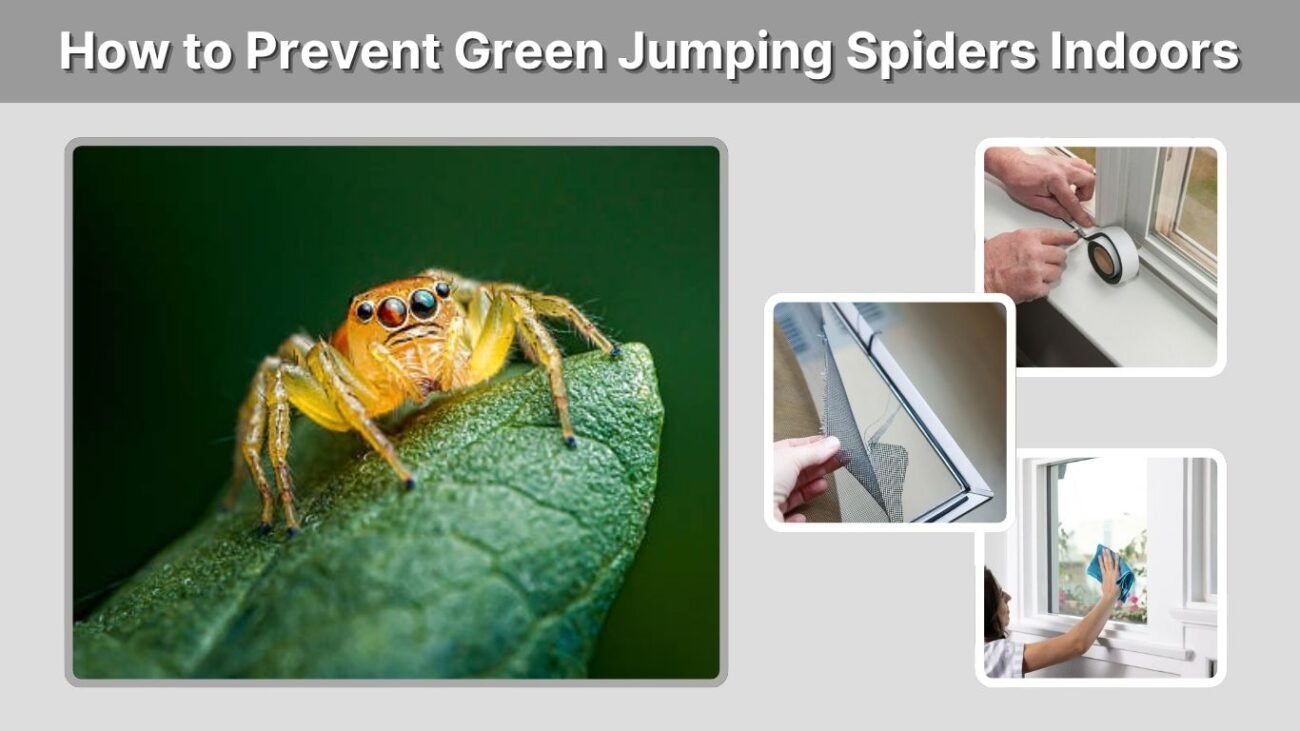
Green jumping spiders do not usually infest homes. Still, you can reduce indoor sightings by limiting entry points and small insects.
Helpful steps include:
- Repair damaged window screens
- Seal gaps around doors and windows
- Check houseplants before bringing them indoors
- Reduce gnats and small flies
- Keep porch lights off when not needed
- Vacuum windowsills and corners
- Trim dense plants away from exterior walls
Chemical control is usually unnecessary for an occasional jumping spider.
FAQs
Are green jumping spiders poisonous?
Green jumping spiders are not considered poisonous or dangerous to humans. They are technically venomous because they use venom to catch small prey, but bites are uncommon and usually mild. Most green jumping spiders avoid people and move away when disturbed.
What is a magnolia green jumping spider?
The magnolia green jumping spider is a pale green jumping spider often found on leaves, shrubs, and magnolia trees. It is known for its delicate body, long legs, and green camouflage. It hunts small insects and is generally harmless to people.
Why does a jumping spider have green fangs?
The green “fangs” are usually metallic mouthparts called chelicerae. They can look green, blue, or teal depending on the light. This color is normal in some jumping spiders and does not mean the spider is especially dangerous.
Do green jumping spiders bite?
Green jumping spiders can bite, but bites are rare. They usually bite only if trapped, squeezed, or handled roughly. A bite may cause mild redness, swelling, itching, or tenderness, similar to a small insect bite.
Can I keep a green jumping spider as a pet?
Some people keep green jumping spiders, but they can be delicate. They need a secure ventilated enclosure, small live prey, climbing space, and careful humidity. Beginners may find common captive-bred jumping spiders easier to care for.