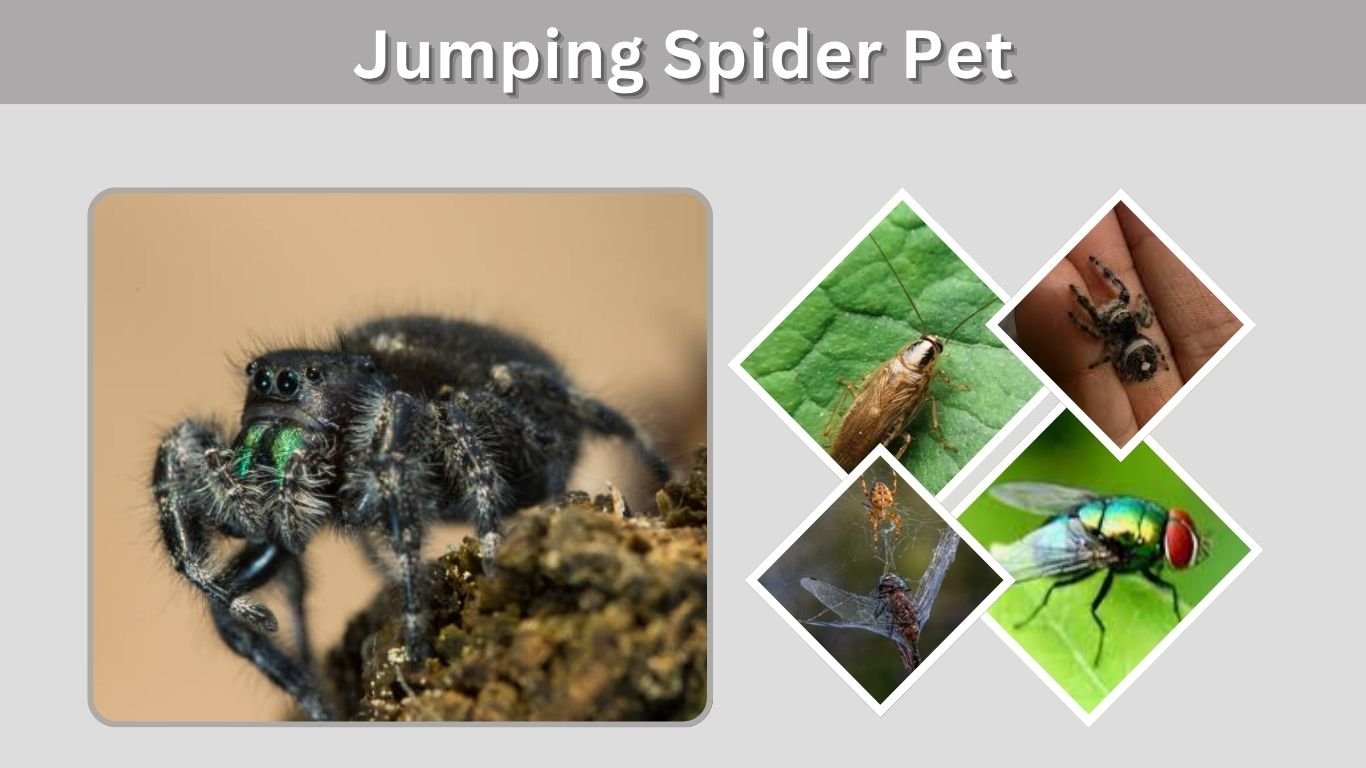
A jumping spider can be a fascinating pet for beginners who want a small, quiet, and low-maintenance animal to observe. These tiny spiders are known for their big eyes, curious behavior, and active hunting style. You can keep a jumping spider as a pet, but it still needs the right enclosure, safe humidity, live food, and gentle handling. A good setup helps your spider stay healthy, molt safely, and live comfortably.
Can You Have a Jumping Spider as a Pet?
Yes, you can have a jumping spider as a pet. Jumping spiders are popular among invertebrate keepers because they are small, alert, and easier to house than many larger spiders. They do not need a large cage, daily walking, grooming, or constant attention. They are also more interactive-looking than many other spiders because they turn toward movement and seem to watch their surroundings.
However, a jumping spider is still a delicate arachnid, not a toy. It should be handled carefully and only when necessary. Most owners enjoy watching their spider climb, hunt, build silk retreats, and explore its enclosure.
Is a Jumping Spider a Good Pet?
A jumping spider can be a good pet if you want something small, quiet, and interesting to observe. It may not be the right pet if you want an animal you can cuddle, hold often, or train like a mammal.
Jumping spiders are best for people who enjoy:
- Small exotic pets
- Observing natural behavior
- Feeding live insects
- Building miniature enclosures
- Low-space pets
- Short daily care routines
- Gentle, hands-off handling
They are not ideal for very young children unless an adult handles all feeding, cleaning, and enclosure maintenance.
Best Jumping Spider Species for Pets
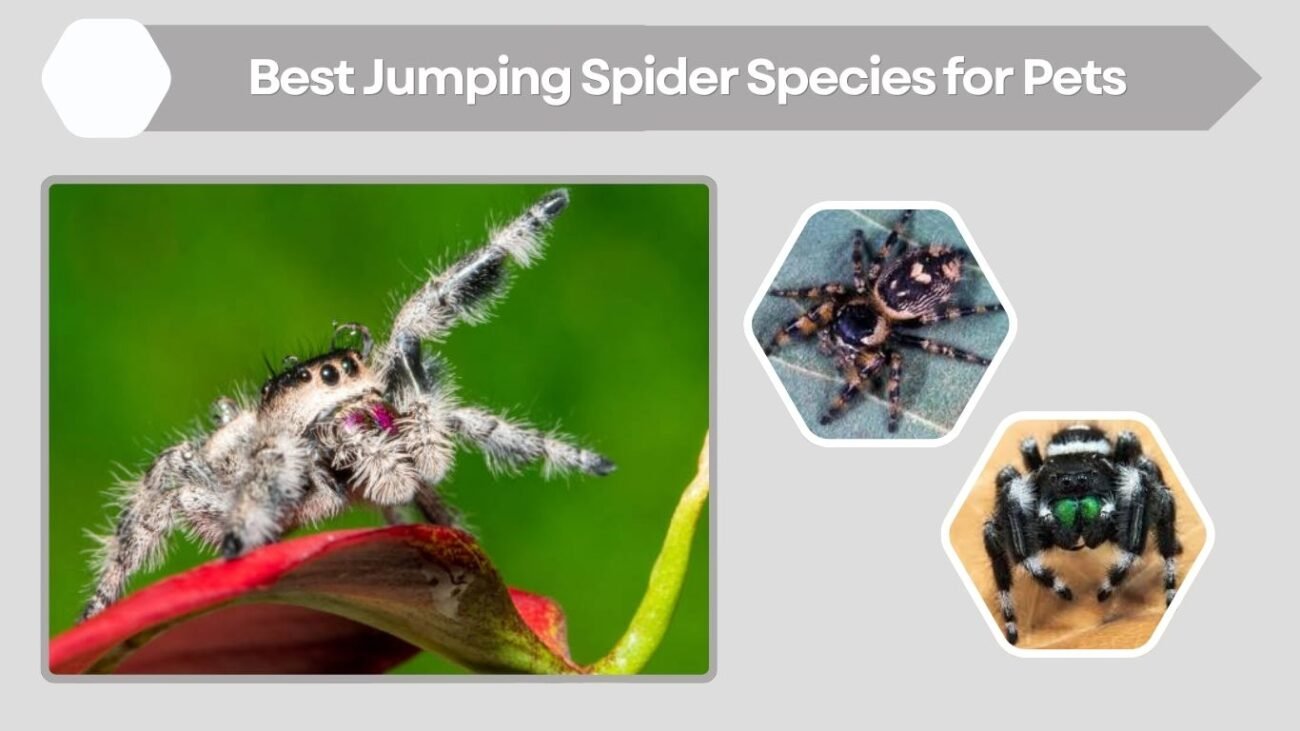
The best jumping spider species for pets are usually hardy, captive-bred, and commonly available. Regal jumping spiders and bold jumping spiders are two of the most popular choices. They are large enough to observe easily and are often considered good beginner species.
Regal Jumping Spider Pet
The regal jumping spider is one of the most popular pet jumping spiders. It is often larger than many other jumping spider species, which makes it easier to see and feed. Females may be gray, orange, or patterned, while males are often darker with white markings.
Regal jumping spiders are commonly chosen because they are attractive, active, and widely available from breeders. They still need a secure enclosure, good ventilation, climbing space, and appropriately sized prey.
Bold Jumping Spider Pet
The bold jumping spider, also called the daring jumping spider, is another common pet species. It is usually black with white markings and may have metallic green or blue chelicerae, which are the mouthpart areas on the front of the face.
Bold jumping spiders are found in many parts of North America and are often kept by beginners. They are active hunters and can be fun to watch, but wild-caught individuals may carry risks such as age uncertainty, parasites, or stress.
Other Jumping Spiders People Ask About
Some people also search for zebra jumping spiders, peacock jumping spiders, blue jumping spiders, giant jumping spiders, or large jumping spiders as pets. Not all of these are practical or commonly available. Some species are too small, difficult to source, sensitive, protected, or not suitable for beginners.
If this is your first spider, choose a common captive-bred species from a responsible breeder rather than chasing rare colors or unusual species.
Jumping Spider Pet Enclosure
A jumping spider pet enclosure should be small, secure, well-ventilated, and taller than it is wide. Jumping spiders like to climb and often build silk retreats near the top of the enclosure. A front-opening or side-opening enclosure is often better than a top-opening one because it reduces the chance of destroying the spider’s web hammock during feeding or cleaning.
The enclosure should not be too large. A spider in a very large terrarium may struggle to find food, especially if it is young. The enclosure should also have tiny ventilation holes that allow airflow without letting the spider or feeder insects escape.
Basic Enclosure Setup
A good jumping spider habitat usually includes:
- Secure lid or door
- Cross ventilation
- Climbing surfaces
- Small branches, cork bark, or artificial plants
- A few anchor points near the top
- Paper towel, moss, or light substrate at the bottom
- A small misting area for drinking droplets
- No sharp decorations
- No large water dish
Do not use decorations with sticky glue, strong paint fumes, loose fibers, or sharp edges. A painted pet jumping spider hut may look cute, but it should be safe, fully dry, non-toxic, and easy to clean before being placed in the enclosure.
Jumping Spider Pet Habitat Requirements
Jumping spiders need a habitat that supports climbing, hiding, hunting, and molting. Most species do well at normal room temperatures, but exact needs can vary by species. Avoid placing the enclosure in direct sunlight because small enclosures can overheat quickly.
Humidity should be moderate, not soaking wet. Light misting on one side of the enclosure can provide drinking droplets. Too much moisture can lead to mold, while too little moisture may cause dehydration or molting problems.
| Care Area | Beginner Recommendation |
| Enclosure style | Small, secure, vertical or arboreal setup |
| Ventilation | Cross ventilation with escape-proof holes |
| Temperature | Stable room temperature, avoid extremes |
| Humidity | Light misting, avoid soaking the enclosure |
| Feeding | Small live insects sized to the spider |
| Handling | Gentle and limited |
| Cleaning | Remove old prey and mold quickly |
| Best species | Regal or bold jumping spider |
Lighting and Placement
Jumping spiders are active during the day and use their excellent vision to hunt. They benefit from a normal day and night cycle. You do not usually need special reptile lighting, but the enclosure should be in a bright room away from direct sun, drafts, heaters, and air conditioners.
Place the enclosure somewhere stable where it will not be knocked over. Avoid areas where pets, toddlers, or curious hands can open it.
What to Feed a Pet Jumping Spider
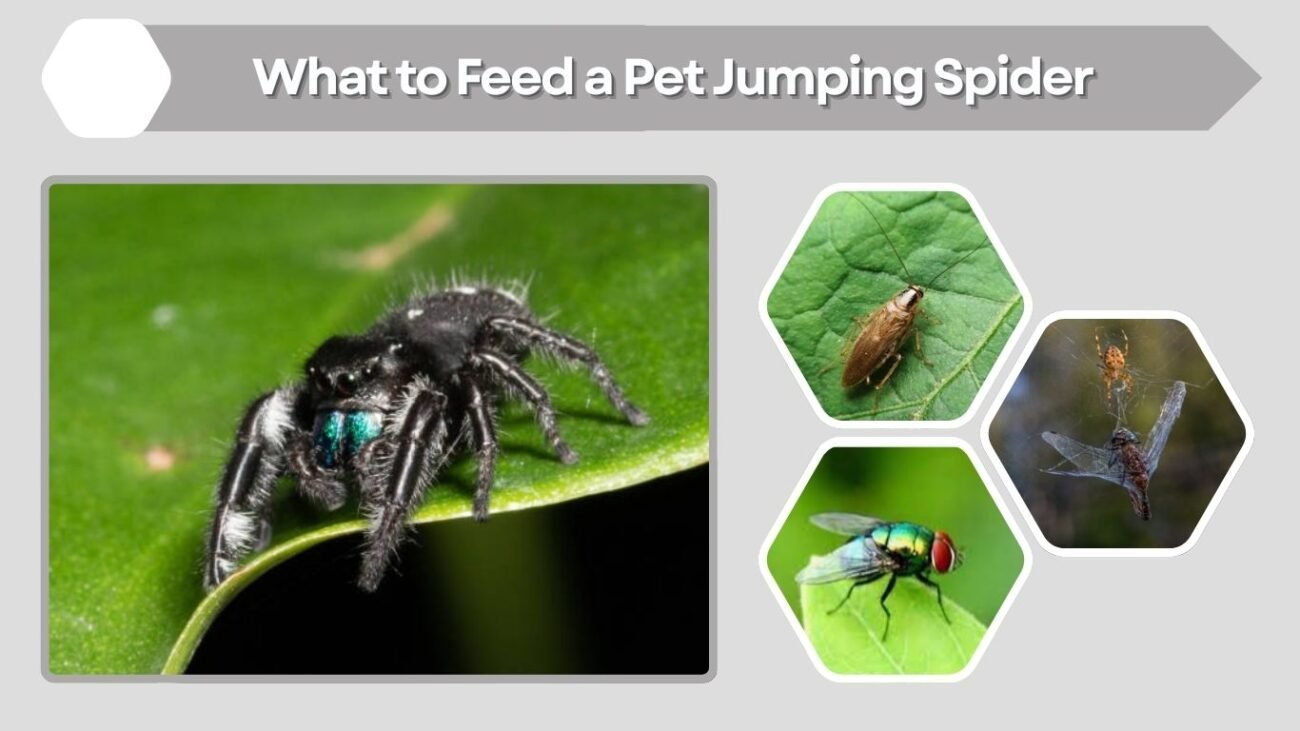
Pet jumping spiders eat live prey. Common foods include fruit flies for tiny spiderlings, small crickets, flies, small roaches, and other appropriately sized feeder insects. The prey should be smaller than or close to the spider’s body size, especially for young spiders.
Do not feed wild insects from areas treated with pesticides. Wild prey may carry parasites, chemicals, or injuries. Store-bought or captive-bred feeders are safer.
Feeding Tips
Follow these feeding basics:
- Feed small prey to young spiders
- Remove uneaten prey after a reasonable time
- Do not leave crickets in during molting
- Offer food every few days depending on age and appetite
- Watch the abdomen size to avoid overfeeding
- Provide water through light misting, not a deep dish
A jumping spider with a round, full abdomen may not need more food immediately. A spider with a smaller abdomen may be ready to eat. Feeding needs change with age, temperature, and molting cycle.
Pet Jumping Spider Lifespan
A pet jumping spider usually has a short lifespan compared with many traditional pets. Many live around one to two years, depending on species, sex, age when purchased, and care. Females often live longer than males.
Because their lives are short, buying a mature adult means you may have less time with the spider. If lifespan matters to you, ask the breeder about the spider’s age or instar, which is its growth stage.
Signs of Aging
Older jumping spiders may move more slowly, eat less often, miss jumps, or spend more time resting. This can be normal aging, especially in adult males. A comfortable enclosure, safe hydration, and stress-free care are important during this stage.
How to Care for a Jumping Spider as a Pet
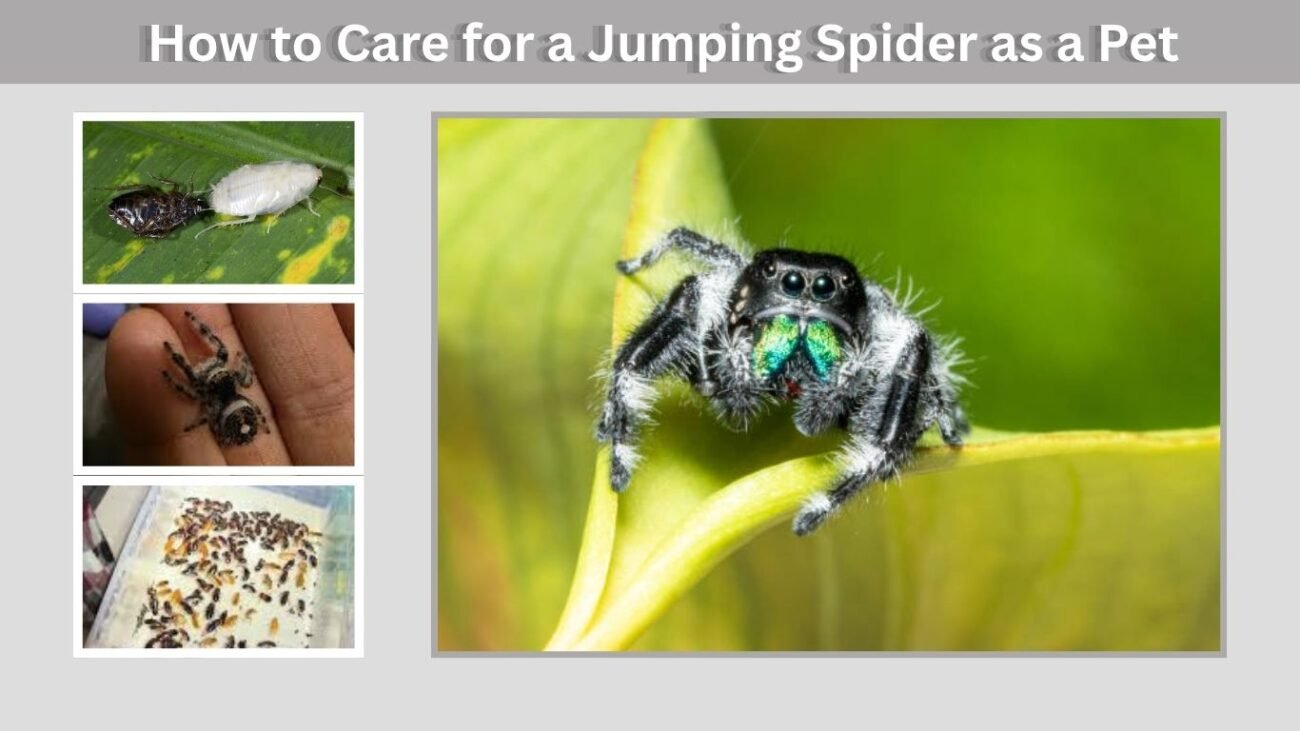
Daily care is simple, but consistency matters. Check the enclosure, look for mold, confirm the spider is active, and make sure it has access to water droplets from light misting. Feeding does not usually need to happen every day.
Simple Care Routine
A beginner routine may look like this:
- Check the spider once daily
- Mist lightly as needed
- Feed suitable live prey every few days
- Remove uneaten prey
- Remove old molts and dead insects
- Watch for signs of stress or dehydration
- Avoid disturbing the spider during molting
Do not over-clean the enclosure. Jumping spiders use silk lines and retreats to feel secure. Removing everything too often can stress the spider.
Molting and Why It Matters
Molting is when a jumping spider sheds its old exoskeleton to grow. During this time, the spider may hide in a silk retreat and stop eating. This is normal. Do not disturb, handle, or feed it during a molt.
Live prey can injure a molting spider, especially crickets. If your spider seals itself inside a web hammock and refuses food, remove feeder insects and wait.
Signs Your Spider May Be Molting
Common signs include:
- Refusing food
- Staying in its silk retreat
- Less movement than usual
- Duller color
- Webbing more heavily
- Hiding for several days
After molting, wait until the spider hardens before feeding again. Young spiders molt more often than adults.
Can You Pet a Jumping Spider?
You can sometimes allow a jumping spider to walk on your hand, but you should not pet it the way you would pet a cat or dog. Their bodies are tiny and delicate. A fall, squeeze, or sudden movement can injure them.
If you handle your spider, do it close to a soft surface and never force it. Let the spider choose to walk onto your hand. Wash your hands first and avoid lotions, perfumes, soap residue, or chemicals.
Safe Handling Rules
Use these rules:
- Handle only when calm and focused
- Keep your hands low over a table or soft surface
- Never grab the spider
- Avoid sudden movements
- Do not handle during premolt or after molting
- Keep pets and children away during handling
- Stop if the spider seems stressed
Handling should be occasional, not required. Many jumping spiders are happiest being observed inside their enclosure.
Can You Keep a Wild Jumping Spider as a Pet?
You can keep a wild jumping spider as a pet in some places, but it is not always the best option. Wild spiders may be older than they look, stressed by captivity, already gravid, or exposed to pesticides. Local rules may also limit collection of wildlife.
If you catch a local jumping spider, never release it in a different area later. Also, never release a captive-bred or nonnative jumping spider outdoors. It may not survive, and it could create ecological problems.
Captive-Bred vs Wild-Caught
Captive-bred jumping spiders are usually better for beginners because their age, species, and care history are clearer. They are also less likely to carry parasites or pesticide exposure. Wild-caught spiders may be fine for experienced keepers who understand local species and ethical collection.
Jumping Spider Pet Price and Cost
The cost of a pet jumping spider depends on species, age, color, breeder, location, and enclosure setup. The spider itself may cost less than the full setup. Enclosure, decorations, feeders, misting bottles, and shipping can add to the total.
Typical Cost Categories
| Item | What to Expect |
| Spider | Varies by species, age, sex, and color |
| Enclosure | Small but secure enclosure needed |
| Decor | Cork bark, plants, hides, climbing items |
| Food | Ongoing cost for live feeder insects |
| Shipping | Can be significant for live animals |
| Supplies | Mist bottle, feeding tools, cleaning tools |
When comparing jumping spider pets for sale, do not choose only by the lowest price. A healthy captive-bred spider from a responsible seller is usually worth more than a poorly shipped or misidentified spider.
Jumping Spider Pet for Sale: Buying Tips
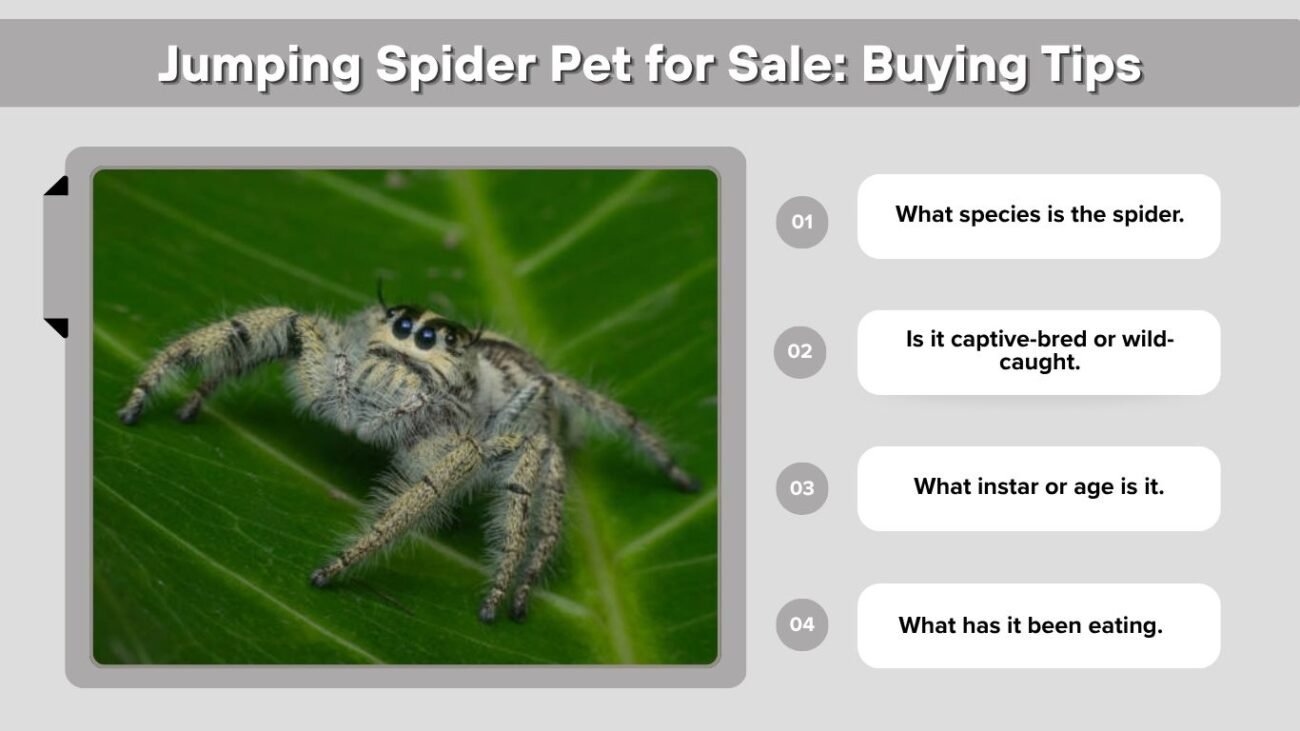
If you want to buy a jumping spider pet, look for a responsible breeder or reputable invertebrate seller. Ask about the species, age, sex, feeding history, and shipping conditions. Avoid sellers who cannot identify the spider or provide basic care information.
Questions to Ask Before Buying
Ask the seller:
- What species is the spider?
- Is it captive-bred or wild-caught?
- What instar or age is it?
- What has it been eating?
- When did it last molt?
- Is it male or female?
- What enclosure size do you recommend?
- What is your live arrival policy?
A good seller should care about whether you are prepared, not just whether you can pay.
Common Beginner Mistakes
Jumping spiders are beginner-friendly, but mistakes can still harm them. Most problems come from unsafe enclosures, poor feeding, too much moisture, too little ventilation, or disturbing the spider during molt.
Mistakes to Avoid
Avoid these errors:
- Using an enclosure with gaps that allow escape
- Keeping the enclosure too wet
- Leaving crickets inside during molting
- Feeding prey that is too large
- Placing the enclosure in direct sunlight
- Handling too often
- Destroying the spider’s web retreat
- Buying rare species without care knowledge
- Releasing captive spiders outdoors
A small setup can be easy, but it still needs to be designed carefully.
Cute Jumping Spider Pet Names
Many people enjoy naming their jumping spiders because they have expressive faces and curious behavior. A name is optional, but it can make the experience more personal.
Some cute jumping spider pet names include:
- Pepper
- Bean
- Dot
- Pixel
- Poppy
- Mochi
- Nova
- Pebble
- Ziggy
- Button
- Onyx
- Kiwi
Choose a name based on color, personality, or jumping style.
Is a Jumping Spider Pet Right for You?
A jumping spider is a good pet if you want a small, quiet, low-space animal that is fun to observe. It is not a good choice if you want frequent handling, long lifespan, or a pet that does not require live food.
For the right owner, a jumping spider can be one of the most rewarding beginner invertebrates. Start with a common captive-bred species, set up the enclosure before buying, and learn basic feeding and molting care first.
FAQs
Can you keep a jumping spider as a pet?
Yes, you can keep a jumping spider as a pet. They are small, quiet, and interesting to observe. They need a secure enclosure, climbing space, ventilation, light misting, and live feeder insects. They are delicate, so handling should be gentle and limited.
What is the best jumping spider pet?
Regal jumping spiders and bold jumping spiders are among the best pet jumping spiders for beginners. They are popular because they are larger, active, attractive, and commonly available. Captive-bred spiders are usually better than wild-caught spiders for new keepers.
What do pet jumping spiders eat?
Pet jumping spiders eat live prey such as fruit flies, small crickets, flies, and other small feeder insects. The prey should be appropriately sized for the spider. Uneaten prey should be removed, especially if the spider is molting or hiding.
How long does a pet jumping spider live?
Many pet jumping spiders live around one to two years, depending on species, sex, age, and care. Females often live longer than males. If you buy an adult spider, ask the breeder about its age so you know what to expect.
Can you keep a wild jumping spider as a pet?
You can keep a wild jumping spider in some situations, but captive-bred spiders are usually better for beginners. Wild spiders may be older, stressed, gravid, or exposed to pesticides. Never release a nonnative or captive-bred spider outdoors.