A barn owl can live for several years in the wild, although many die before reaching adulthood. Individuals that survive their dangerous first year often live much longer, while captive barn owls may survive for about two decades with specialist care. These pale, heart-faced birds also possess exceptional hearing, low-light vision, silent flight, and remarkable neck flexibility. This guide explains barn owl lifespan, size, speed, hunting abilities, prey limits, behavior in rain, and whether one can legally or responsibly be kept as a pet.
How Long Can a Barn Owl Live?
A barn owl’s potential lifespan is much longer than its average life expectancy. High juvenile mortality greatly lowers the average because many young owls die from starvation, severe weather, vehicle collisions, poisoning, or difficulty finding suitable hunting habitat.
Lifespan in the Wild
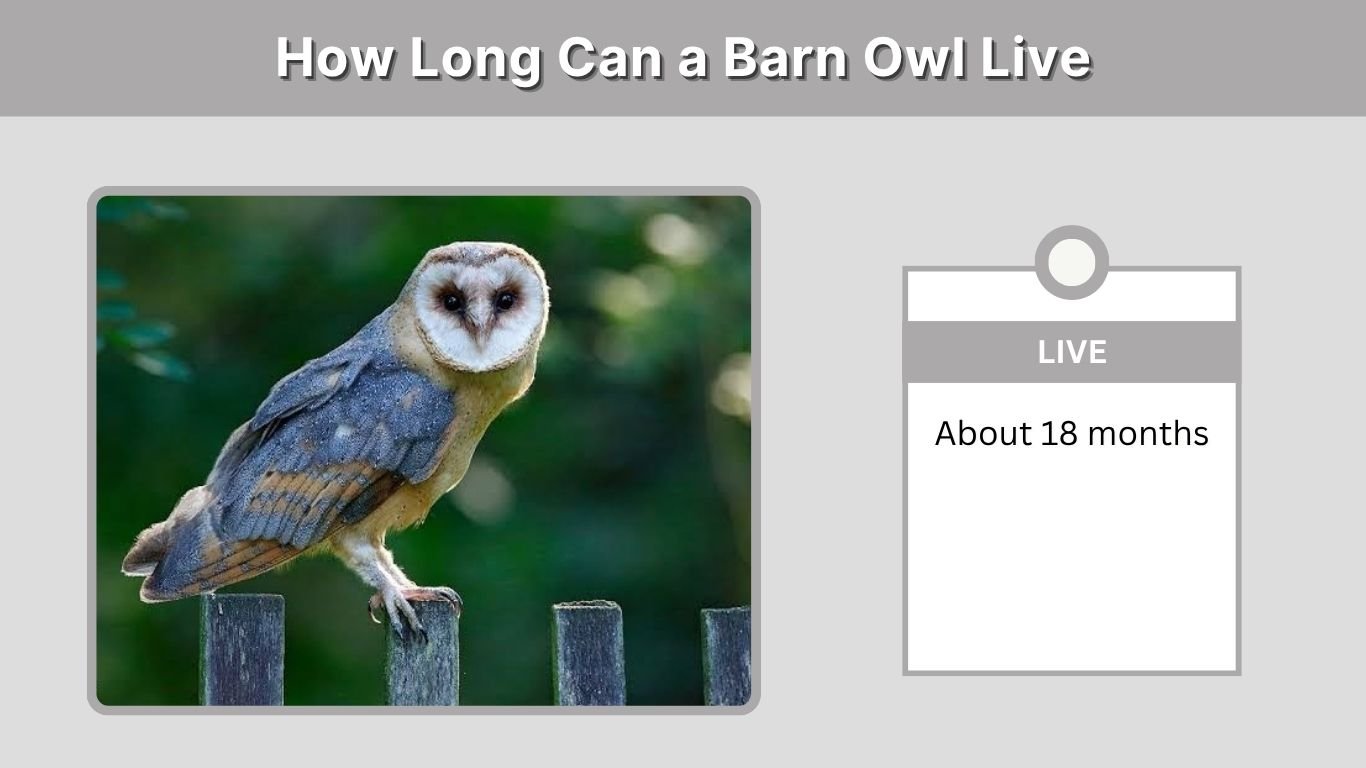
British ringing data indicate an average life expectancy of only about 18 months when first-year deaths are included. When birds that die during their first year are excluded, average life expectancy rises to roughly four years.
Exceptional barn owls can live much longer. The oldest recorded British individual reached 18 years, while a European longevity record reached 30 years. Such ages are unusual rather than typical.
Lifespan in Captivity
Captive barn owls may live for approximately 20 years when housed correctly and provided with proper food, veterinary attention, exercise, enrichment, and experienced handling.
Their long potential lifespan makes ownership a serious commitment. Rehoming an unwanted captive owl can be extremely difficult because sanctuaries and rescue centers often have limited space.
| Living condition | Approximate lifespan |
| Average wild lifespan with juvenile deaths included | About 18 months |
| Average after surviving the first year | Around 4 years |
| Exceptional wild individuals | 18–30 years |
| Captivity with specialist care | Around 20 years |
How Big Can a Barn Owl Get?
Barn owls are medium-sized owls with relatively lightweight bodies and unusually broad wings.
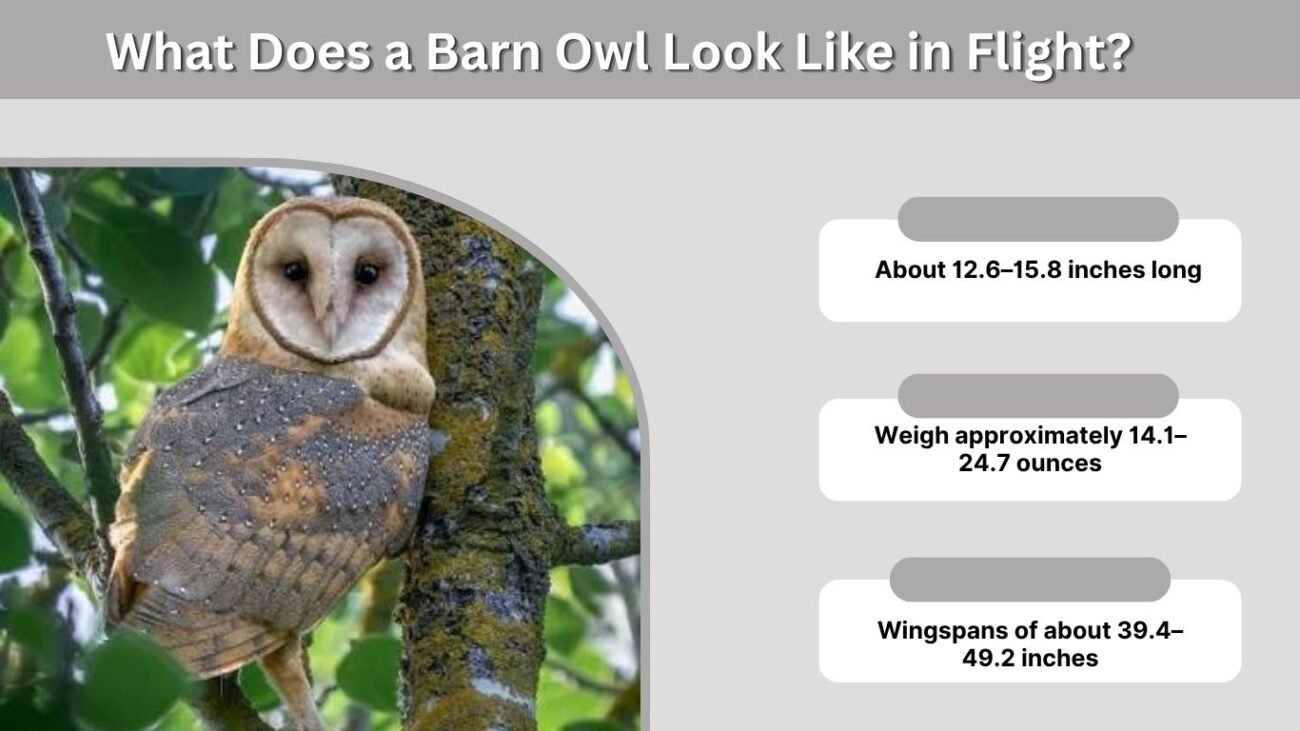
American Barn Owls commonly measure about 12.6–15.8 inches long, weigh approximately 14.1–24.7 ounces, and have wingspans of about 39.4–49.2 inches. Females are generally larger and heavier than males.
Their large wings make them appear bigger in flight than when perched. This broad wing area supports slow, controlled hunting close to the ground.
How Fast Can a Barn Owl Fly?
Barn owls are designed for stealth rather than extreme speed. Tracking research recorded average hunting speeds of about 4.9 metres per second, or approximately 11 miles per hour. Commuting flights between locations averaged around 6.6 metres per second, or nearly 15 miles per hour.
Individual flights can be slower or faster depending on wind, terrain, hunting behavior, and whether the bird is pursuing prey or simply travelling.
Their low wing loading allows them to fly very slowly without stalling. Soft feathers and comb-like structures along the wing edges reduce flight noise, helping the owl hear prey and approach without warning it.
Can Barn Owls Fly in the Rain?
Barn owls can fly in light rain, but they generally avoid hunting during heavy or persistent rainfall.
Their feathers are exceptionally soft but are not particularly waterproof. Wet feathers create more noise, reduce insulation, and make silent, efficient hunting more difficult. Heavy rain also masks the tiny rustling sounds produced by mice and voles.
A sheltered owl may wait inside a barn, hollow tree, nest box, or other roost until conditions improve. Long periods of wet weather can be dangerous because the bird may struggle to catch enough food.
Can Barn Owls See in the Dark?
Barn owls possess excellent low-light vision, but they cannot literally see when no light is present. Their large, light-sensitive eyes help them navigate and identify movement at night.
In complete darkness, they can locate and capture prey through hearing alone. Their heart-shaped facial disc collects sound and directs it toward asymmetrically positioned ears, allowing the brain to calculate the direction and height of a noise with exceptional accuracy.
How Far Away Can a Barn Owl Hear a Mouse?
There is no single scientifically established distance at which every barn owl can hear a mouse. Hearing range varies with vegetation, wind, rain, background noise, prey movement, and the owl’s position.
What is well established is that barn owls can detect tiny mammals moving beneath long grass and capture prey in complete darkness using sound alone. Claims that they can hear a mouse’s heartbeat from a precise distance should be treated cautiously unless supported by controlled research.
How Far Can a Barn Owl Turn Its Head?
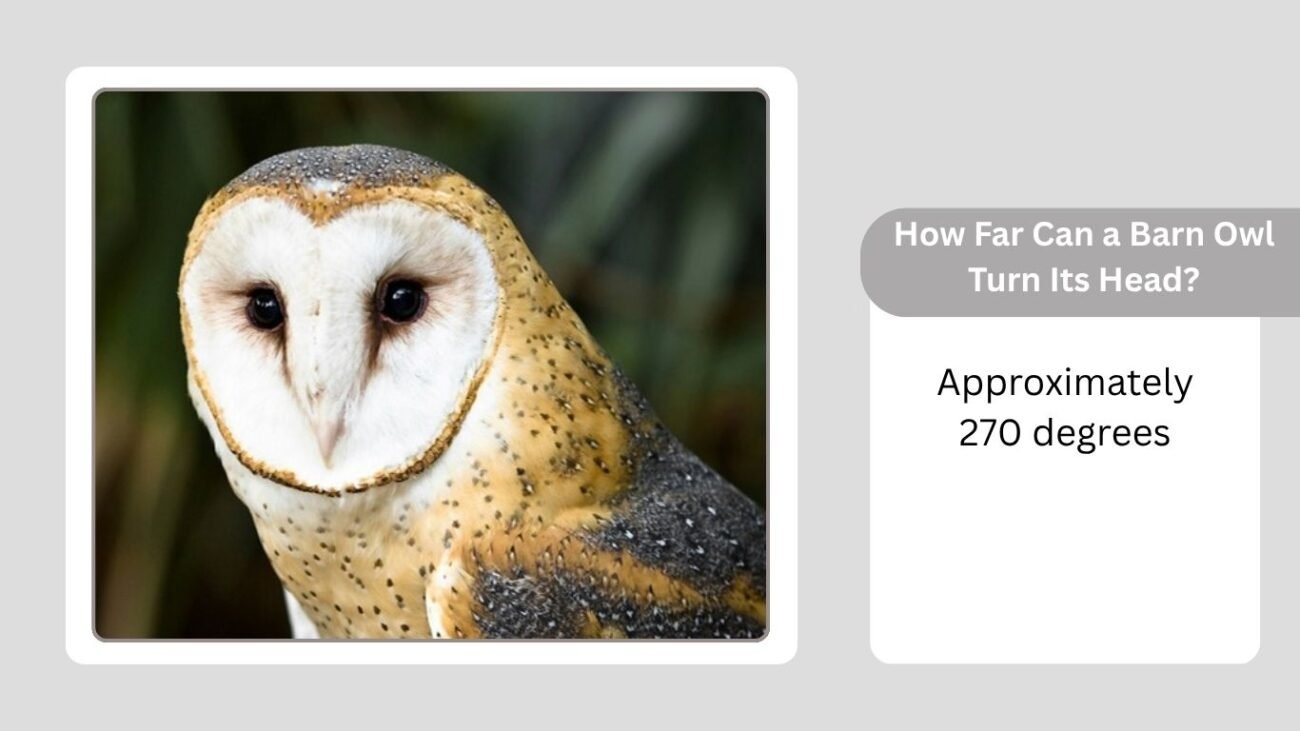
A barn owl cannot rotate its head a complete 360 degrees. Like other owls, it can turn its head as much as approximately 270 degrees.
This flexibility compensates for the limited movement of its large eyes. Instead of shifting its eyes far from side to side, the owl rotates its head to scan the surrounding area and track potential prey.
Can a Barn Owl Eat or Kill a Cat?
A barn owl does not normally eat cats. Its usual prey consists of mice, voles, shrews, small rats, and other animals that are much smaller than an adult cat.
A healthy cat is too large and dangerous for a barn owl to overpower or carry. Even a small kitten would be unusual prey, and the owl would be more likely to avoid it.
Barn owls may defend themselves with their talons when cornered or protecting a nest, but they do not actively hunt domestic cats.
Can a Barn Owl Kill a Small Dog?
Barn owls do not normally attack or kill dogs. Their lightweight bodies and relatively small feet are adapted for catching rodents rather than carrying pets.
Very small dogs should still be supervised outdoors because many hazards exist, including larger raptors, mammals, traffic, and other dogs. However, a barn owl is not a realistic threat to an ordinary healthy dog.
How Much Weight Can a Barn Owl Carry?
There is no dependable fixed lifting capacity that applies to every barn owl. Age, sex, wind, flight angle, and prey shape all affect what a bird can move.
Barn owls normally carry small rodents weighing far less than the owl itself. If prey is unusually heavy, the owl may eat it on the ground rather than attempting to fly away with it.
Can Barn Owls Swim?
Barn owls are not swimming birds. An owl that accidentally lands in water may flap and paddle toward the edge, but its soft feathers can quickly become waterlogged.
Because its plumage is not highly waterproof, deep water, livestock troughs, swimming pools, and steep-sided containers can be dangerous. An exhausted owl may be unable to climb out.
Can You Have a Barn Owl as a Pet?
Barn owls are wild predators rather than domesticated pets. They require a large aviary, whole-animal food, specialist veterinary care, safe flying space, and daily management of pellets, droppings, feathers, and food remains.
They are largely nocturnal, can be noisy, possess sharp talons, and may become stressed or develop welfare problems when kept in unsuitable conditions.
Barn Owl Ownership in the United States
In the United States, barn owls are protected under federal migratory-bird regulations. Taking, possessing, buying, selling, transporting, or trading a protected migratory bird generally requires appropriate authorization.
Federal permits are issued for qualified purposes such as rehabilitation, research, education, and other approved activities—not ordinary pet ownership. State and local rules may add further restrictions.
Can You Own a Barn Owl in California?
California does not issue restricted-species permits simply so someone can keep a wild animal as a pet. Permits are limited to qualified purposes such as research, public education, exhibition, or shelter.
Possessing native wildlife may also require both state and federal authorization. Therefore, keeping a barn owl as an ordinary household pet in California is not legally available.
Can You Own a Barn Owl in the UK?
UK rules differ from those in the United States. In England, legally captive-bred barn owls may be sold when applicable documentation and licensing conditions are satisfied. Wild barn owls, their eggs, and active nests remain protected, and taking a bird from nature is illegal.
A captive-bred bird should come with clear proof of lawful origin and any required certification. Buyers must also meet animal-welfare and captive-bird requirements.
Where Can Barn Owls Be Found?
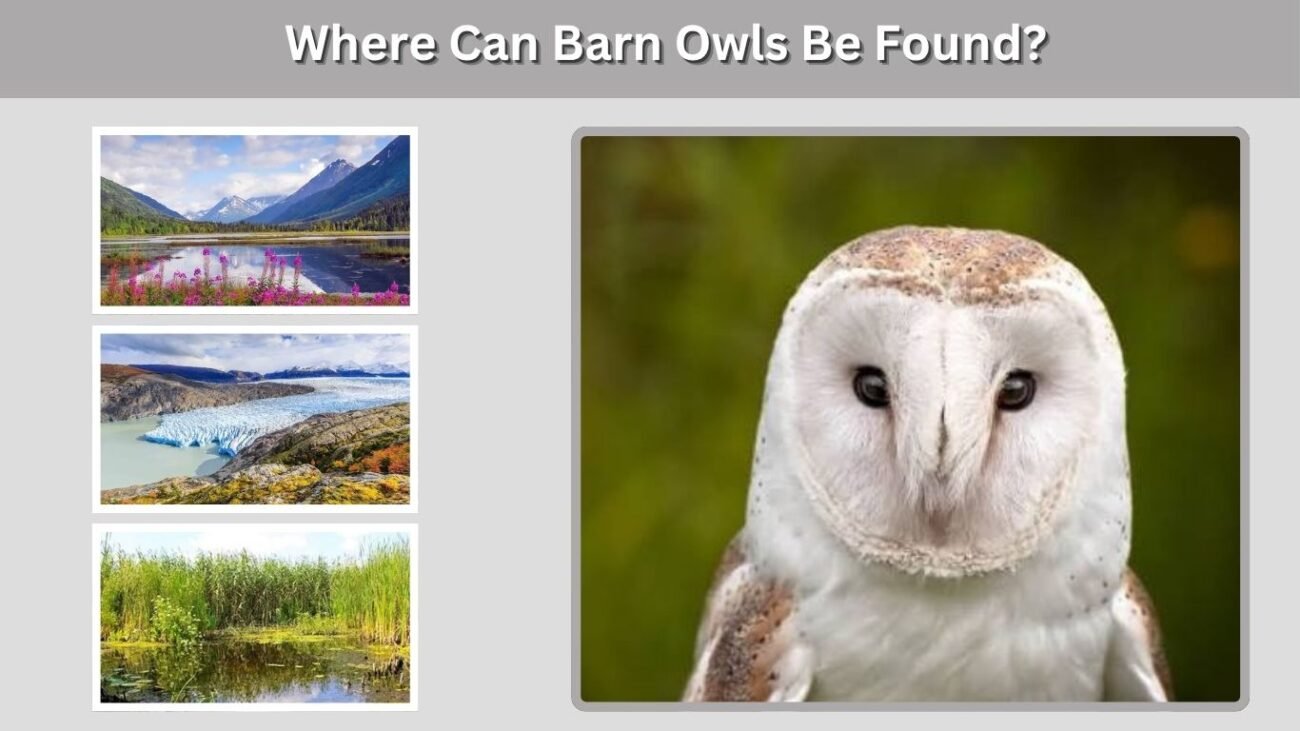
Barn owls occupy open landscapes where rodents are abundant, including farmland, rough grassland, marshes, desert edges, orchards, and open woodland.
They occur across much of the Americas, Europe, Africa, Asia, and Australia, although modern taxonomy separates some regional populations into different barn owl species. In Canada, populations are limited and face serious conservation concerns, particularly because of habitat loss and road mortality.
FAQs
Can barn owls see during the day?
Yes. Barn owls can see in daylight, and their eyes function well in both dim and bright conditions. However, sudden exposure to intense light after darkness may temporarily affect their vision. Most hunting takes place from dusk through the night.
Can barn owls move their eyes?
Their large eyes have very limited movement within the sockets. Barn owls compensate by turning and tilting their heads. This helps them examine their surroundings, judge distance, and follow moving animals.
Do barn owls hoot?
Barn owls do not produce the familiar hooting calls associated with many woodland owls. Their most recognizable sound is a long, harsh screech. They may also hiss, snore, chatter, and make clicking sounds.
Can barn owls hover?
Yes. Their broad wings and lightweight bodies allow them to hover briefly when conditions provide enough lift. They may hover while examining grass below or preparing to strike at prey.
Can a barn owl kill a human?
A barn owl is far too small to kill a healthy adult human. It normally avoids people. However, its talons can cause injury if the bird is captured, cornered, handled improperly, or defending its nest.