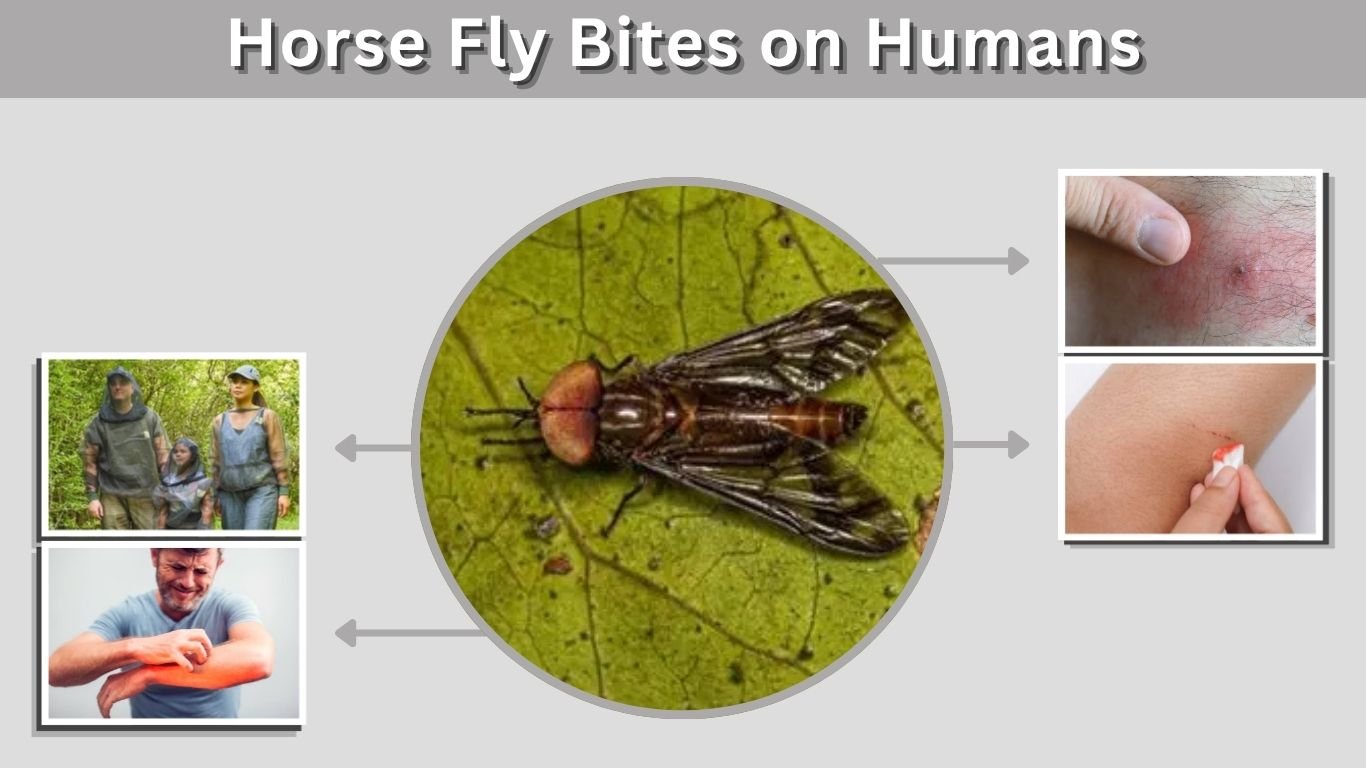
Horse flies can bite humans, causing sudden pain, redness, swelling, itching, and sometimes minor bleeding. Unlike mosquitoes, horse flies use cutting mouthparts to open the skin before feeding, so their bites often feel sharper and leave a larger wound. Most bites improve within several days with cleaning, a cold compress, and protection from scratching. However, medical attention may be necessary if the swelling becomes severe, the wound appears infected, or symptoms of a serious allergic reaction develop.
Do Horse Flies Bite Humans?
Yes. Female horse flies bite humans and other mammals because they need a blood meal to support egg development. Males feed mainly on nectar and other plant sugars and do not normally bite.
Horse flies are persistent daytime insects commonly encountered around wetlands, ponds, streams, farms, woodland edges, beaches, and fields. A female may continue circling and attempting to land until she gets an opportunity to feed.
Why Are Horse Fly Bites So Painful?
Horse flies do not insert a thin needle-like mouthpart like mosquitoes. Their scissor-like mouthparts cut or tear the skin, causing blood to pool at the surface. The fly then laps up the blood while its saliva helps prevent clotting.
This feeding method can cause immediate pain, a burning sensation, visible bleeding, and considerable inflammation. Most people notice the bite as it happens and quickly brush the fly away.
What Does a Horse Fly Bite Look Like?
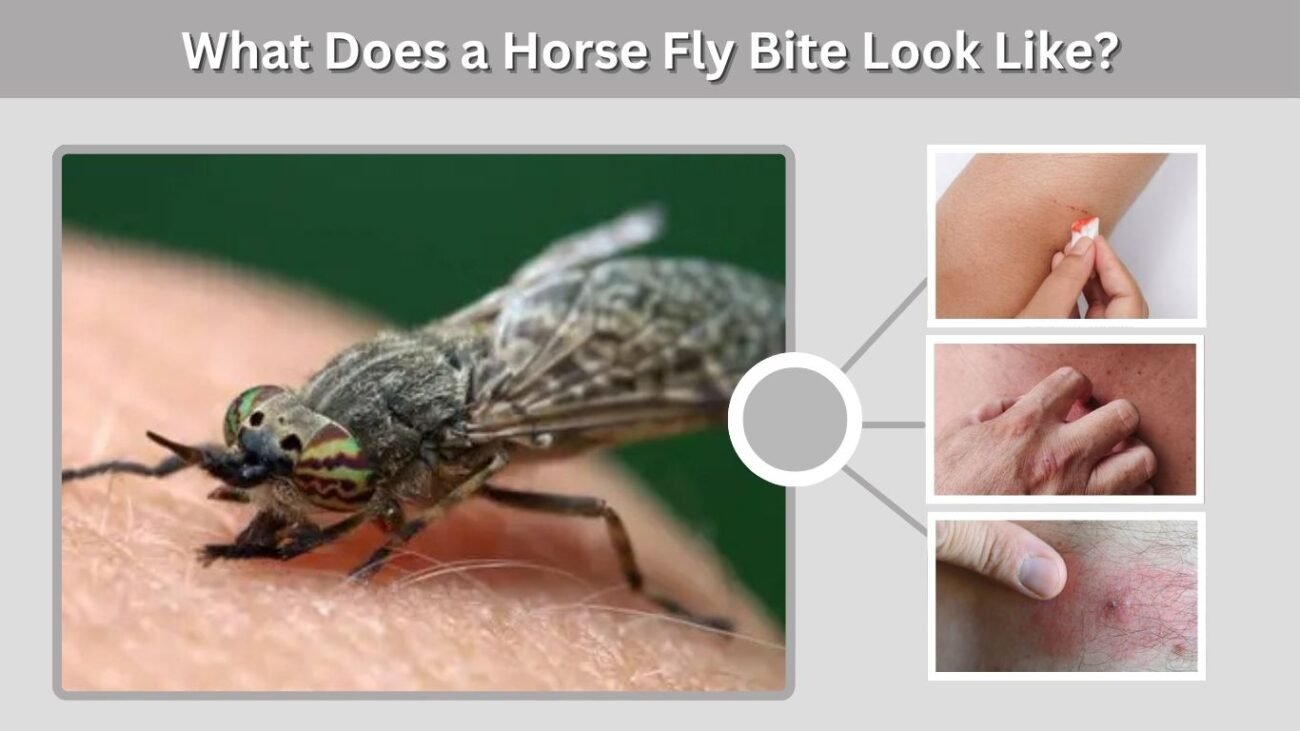
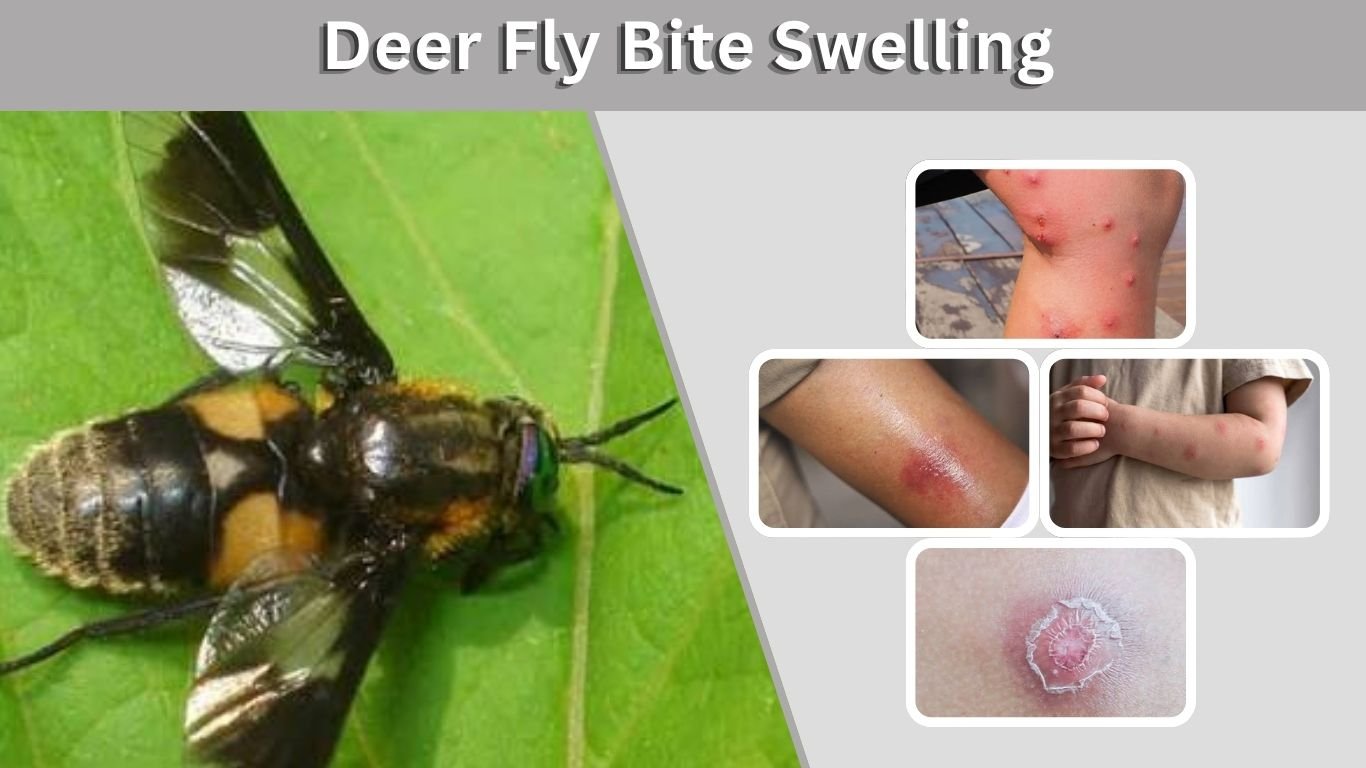
A horse fly bite commonly appears as a red, raised, painful bump. A small central cut or bleeding spot may be visible because the fly physically damages the skin.
Common Symptoms
- Immediate sharp or burning pain
- A red, raised bump or welt
- Swelling around the bite
- Itching or tenderness
- Minor bleeding
- Warmth around the area
- A small scab as the wound heals
- A larger localized reaction in sensitive people
Localized swelling may expand for several hours before gradually improving over the following days. A large reaction does not automatically mean the bite is infected, but rapidly worsening symptoms should be assessed.
| Reaction | Common signs | Recommended action |
| Mild | Small red bump, pain, itching | Clean and monitor |
| Large local reaction | Significant swelling and redness | Ask a pharmacist or clinician for advice |
| Infection | Increasing pain, heat, pus, red streaks | Seek medical care |
| Severe allergy | Breathing trouble, throat swelling, faintness | Get emergency help |
How to Treat a Horse Fly Bite
Most uncomplicated horse fly bites can be treated at home. The main goals are to clean the broken skin, reduce swelling, and prevent scratching.
1. Wash the Bite
Clean the area gently with soap and water. This removes dirt and reduces the chance of bacteria entering the wound.
Horse flies do not leave a stinger, so there is normally nothing to scrape or pull from the skin.
2. Control Bleeding
When the bite is bleeding, hold clean gauze or a clean cloth against it with steady pressure. Avoid repeatedly lifting the cloth, as this may interrupt clotting.
3. Apply a Cold Compress
Place an ice pack wrapped in a towel over the bite for approximately 10–20 minutes. Cold treatment can reduce pain, redness, and swelling. Never place ice directly against bare skin.
4. Avoid Scratching
Scratching can break the skin further and introduce bacteria from the fingernails. Keep the area clean and consider covering it with a light dressing when clothing repeatedly rubs against it.
5. Ask About Symptom Relief
A pharmacist or healthcare professional may recommend an antihistamine, pain reliever, soothing cream, or mild steroid cream depending on the symptoms and your health history. Always follow the label and seek professional advice for children, pregnancy, chronic illness, allergies, or medicine interactions.
How Long Does a Horse Fly Bite Last?
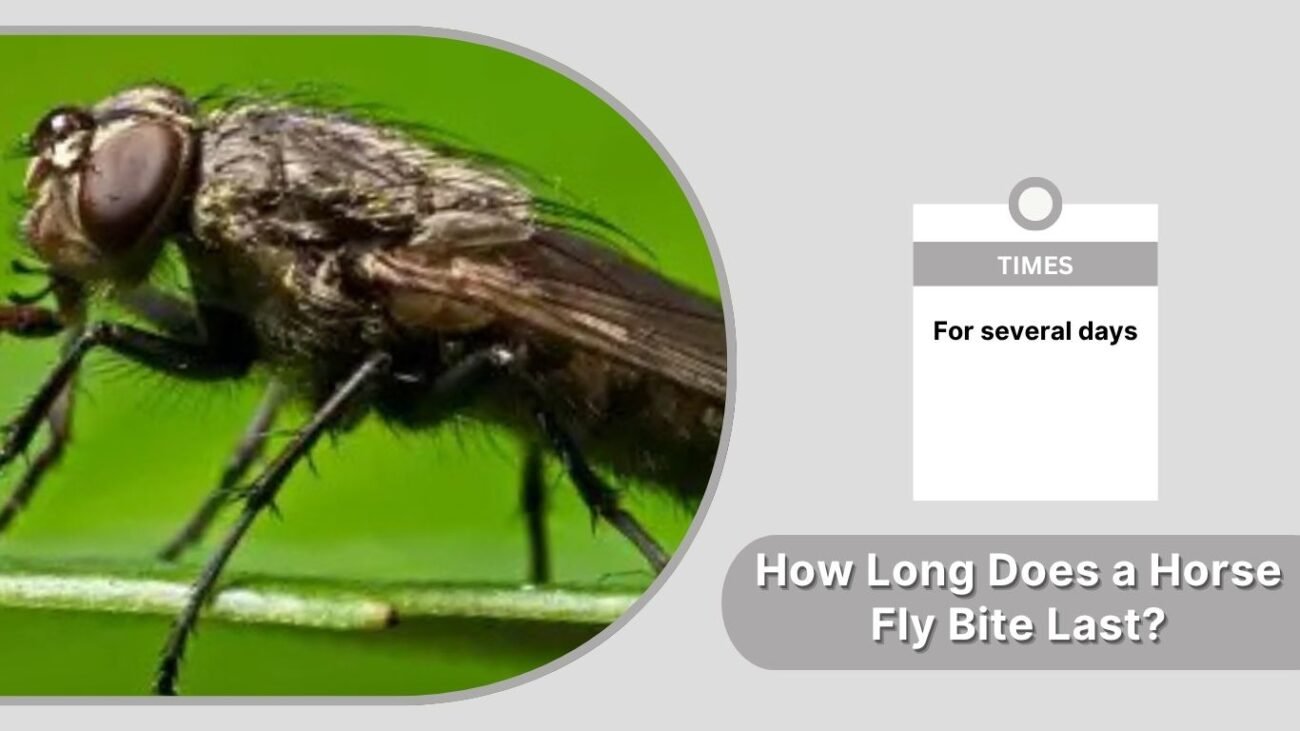
Pain may decrease within several hours, while redness, itching, or swelling can remain for several days. Larger local reactions may take longer to settle.
The bite should generally become less painful and swollen over time. A wound that becomes hotter, more painful, increasingly red, or begins producing discharge may be infected rather than simply healing.
Signs of an Infected Horse Fly Bite
Any break in the skin can become infected, especially after repeated scratching. Seek medical advice when you notice:
- Redness spreading away from the wound
- Increasing swelling or pain
- Skin that feels unusually warm
- Pus or cloudy drainage
- Red streaks extending from the bite
- A fluid-filled blister
- Swollen lymph nodes
- Fever or chills
- Unusual tiredness
Skin infections may require antibiotics prescribed by a healthcare professional.
Can Horse Fly Bites Cause an Allergic Reaction?
Yes. Some people develop a large localized allergic reaction, while severe whole-body reactions are uncommon but possible. Horse fly bites have been associated with anaphylaxis in rare cases.
Get emergency medical help immediately for:
- Difficulty breathing or wheezing
- Swelling of the lips, mouth, tongue, or throat
- Trouble swallowing or speaking
- Severe dizziness or fainting
- Confusion or collapse
- Pale, cold, or clammy skin
- Widespread hives with other symptoms
Anaphylaxis requires urgent treatment and should never be managed only with home remedies.
Are Horse Flies Dangerous to Humans?
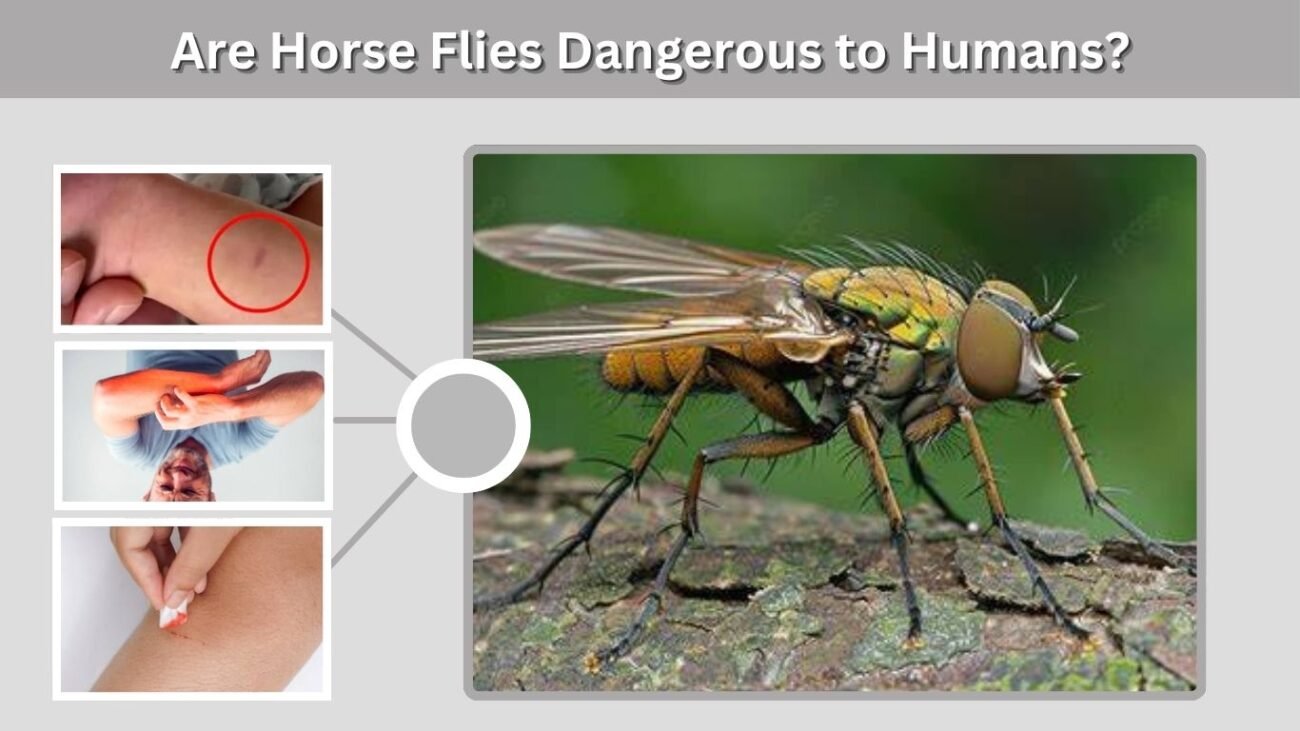
Most bites cause only localized pain, itching, and inflammation. The main risks are secondary bacterial infection from the open wound and, rarely, a severe allergic reaction.
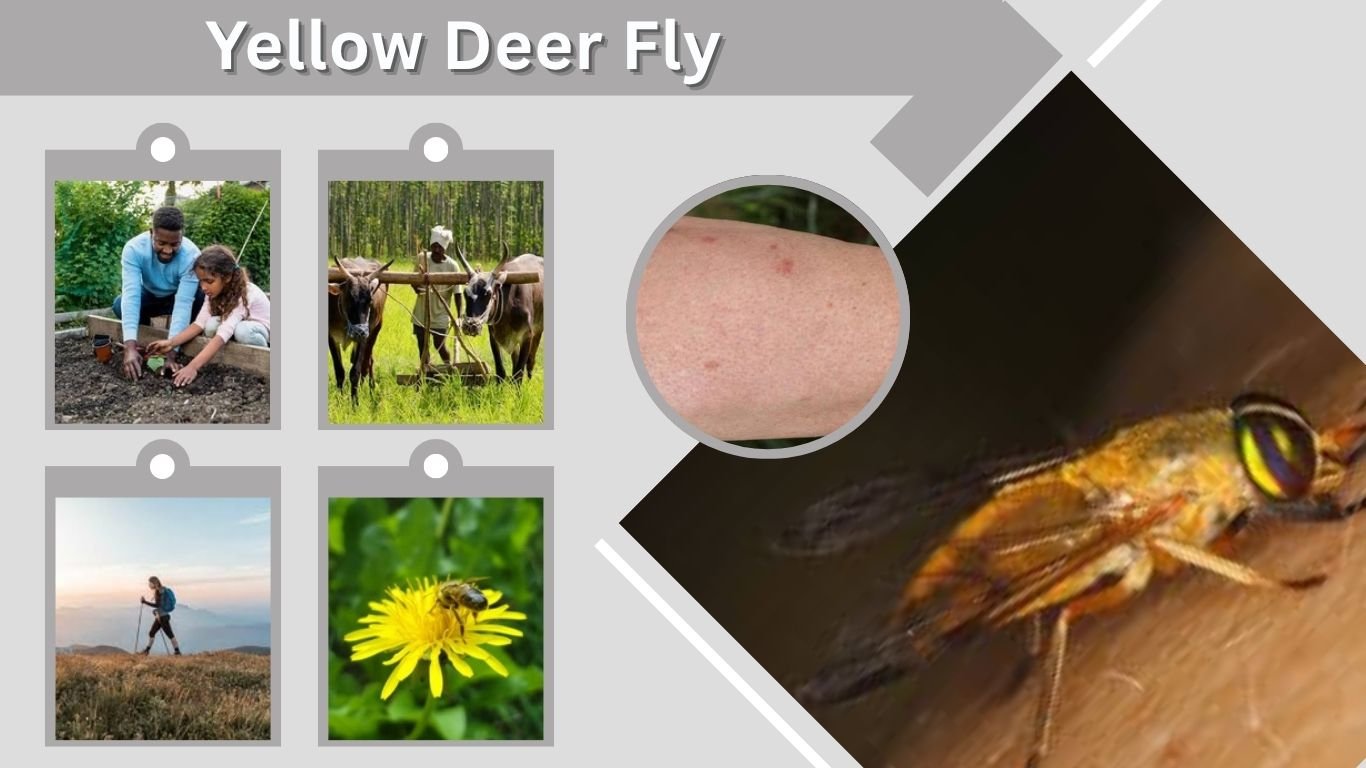
Disease transmission from horse flies is uncommon in most regions. Some members of the horse-fly family can mechanically carry pathogens between hosts. In the United States, deer flies are the better-established fly vectors of tularemia, although investigations have occasionally associated other horse flies with transmission.
Contact a healthcare professional after a fly bite if you develop fever, a persistent skin ulcer, or swollen lymph nodes, especially following outdoor activity in an area where tularemia occurs.
Do Horse Flies Lay Eggs in Humans?
No. Ordinary horse flies do not lay their eggs in human skin. Females usually place egg masses on vegetation near water or damp habitats, where the larvae later develop in wet soil or aquatic environments.
Horse flies should not be confused with botflies and other species capable of causing myiasis, a condition involving fly larvae in human or animal tissue. These are different groups of flies with different life cycles.
What Attracts Horse Flies to Humans?
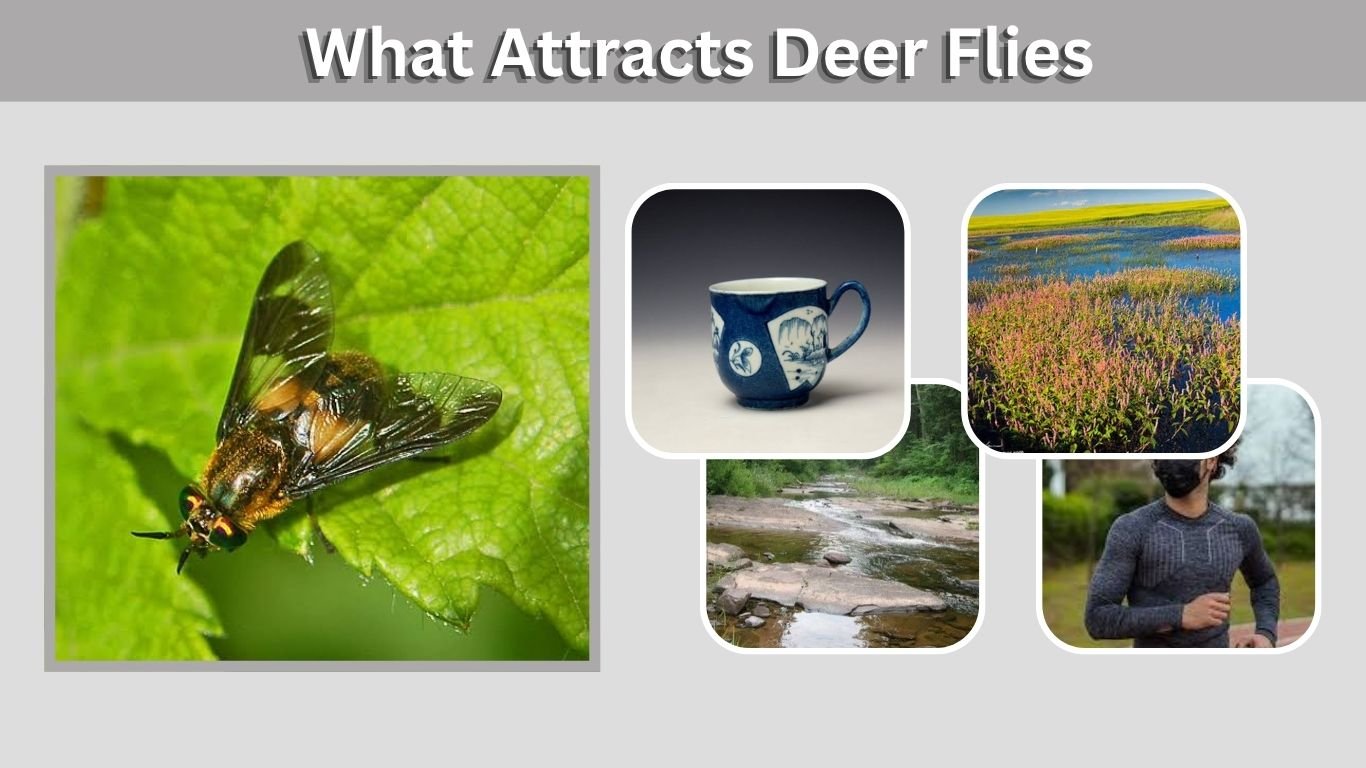
Horse flies locate potential hosts using several visual and chemical signals.
Common Attractants
- Carbon dioxide from breathing
- Body heat
- Movement
- Perspiration and moisture
- Dark clothing
- Large shapes that contrast with their surroundings
- Shiny or reflective surfaces
These flies are strongly visual hunters and may repeatedly circle a moving person before landing. Dark moving objects can be especially attractive.
Best Horse Fly Protection for Humans
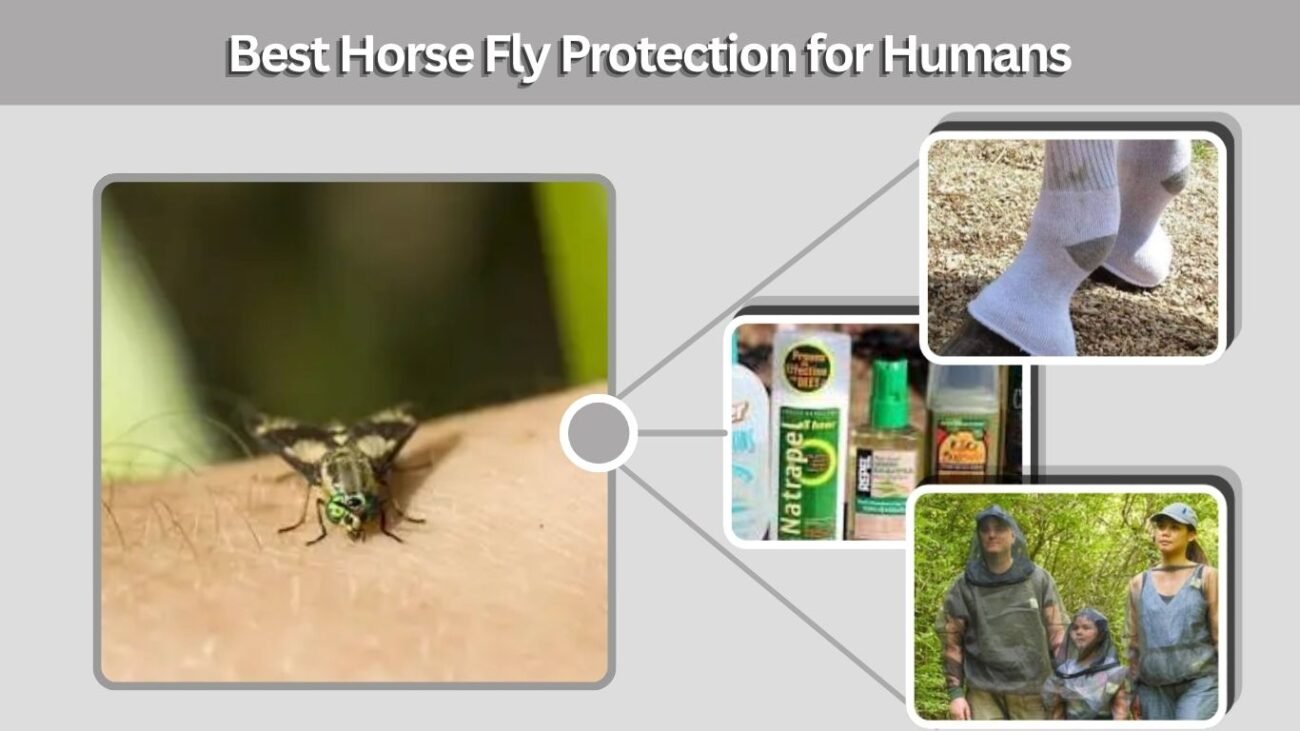
No single method prevents every bite. Combining clothing, timing, and a properly labeled repellent offers better protection than relying on one approach.
Wear Protective Clothing
Wear long sleeves, long trousers, closed shoes, and socks when horse flies are active. Light-colored clothing may attract fewer flies than dark clothing, although complete protection is not guaranteed.
Use Human-Labeled Repellent
Choose an EPA-registered skin repellent and follow its label. Registered active ingredients include DEET, picaridin, IR3535, oil of lemon eucalyptus, PMD, and 2-undecanone. Repellent performance against horse flies can vary, so clothing and avoidance remain important.
Do not apply livestock or horse fly spray to human skin unless the product label specifically permits human use. Products intended for animals may contain unsuitable ingredients or concentrations.
Reduce Exposure
Horse flies are mainly active in daylight and are particularly troublesome around warm, sunny, humid locations near water. Leave the area when numerous flies begin circling, and use screened shelters or enclosed spaces for relief.
Fans can make landing more difficult in patios and other protected areas because horse flies are strong fliers but may struggle in concentrated airflow.
Are Homemade Repellents Safe?
Homemade repellents made with essential oils, vinegar, or other ingredients may provide inconsistent protection and can irritate the skin. Concentrated essential oils should never be applied without understanding safe dilution and possible allergy risks.
A tested, human-labeled repellent is a more dependable choice. Avoid spraying any product into the eyes, mouth, open wounds, or beneath clothing, and wash treated skin after returning indoors.
FAQs
Why do horse flies bite humans?
Female horse flies need protein from blood to produce eggs. Humans are not their only targets, but movement, body heat, carbon dioxide, and exposed skin can attract them.
What immediately helps a horse fly bite?
Wash the wound, control any bleeding, and apply a wrapped cold compress. Avoid scratching. A pharmacist can recommend appropriate treatment when itching or swelling is uncomfortable.
Can horse flies transmit diseases to humans?
Disease transmission is uncommon, but some related biting flies can mechanically carry pathogens. Deer flies are recognized vectors of tularemia in parts of the United States.
What is the best repellent for horse flies?
Use an EPA-registered, human-labeled repellent containing an approved active ingredient and follow its instructions. Combine it with long, light-colored clothing because horse fly response to repellents can vary.
When should you see a doctor?
Seek medical help for spreading redness, pus, worsening pain, fever, an ulcer, or swollen lymph nodes. Breathing difficulty, throat swelling, fainting, or collapse requires immediate emergency assistance.