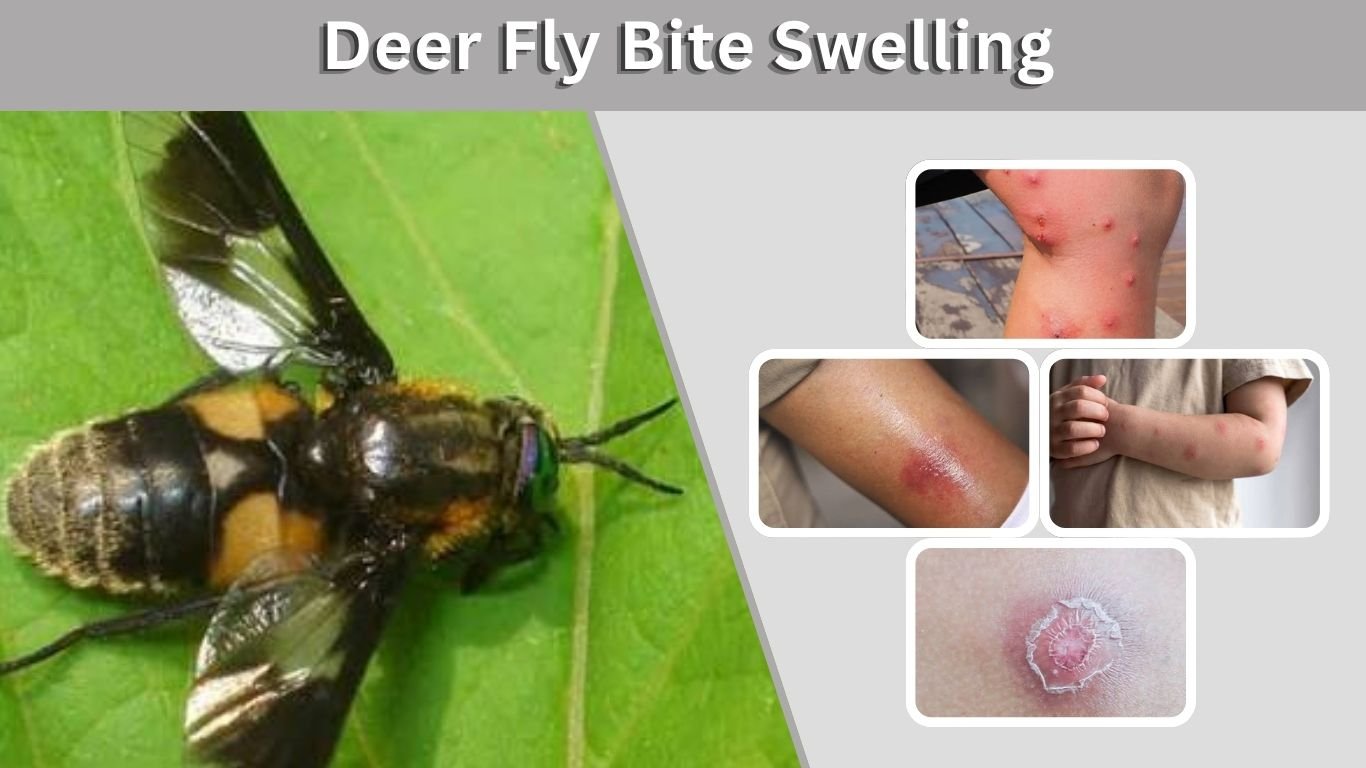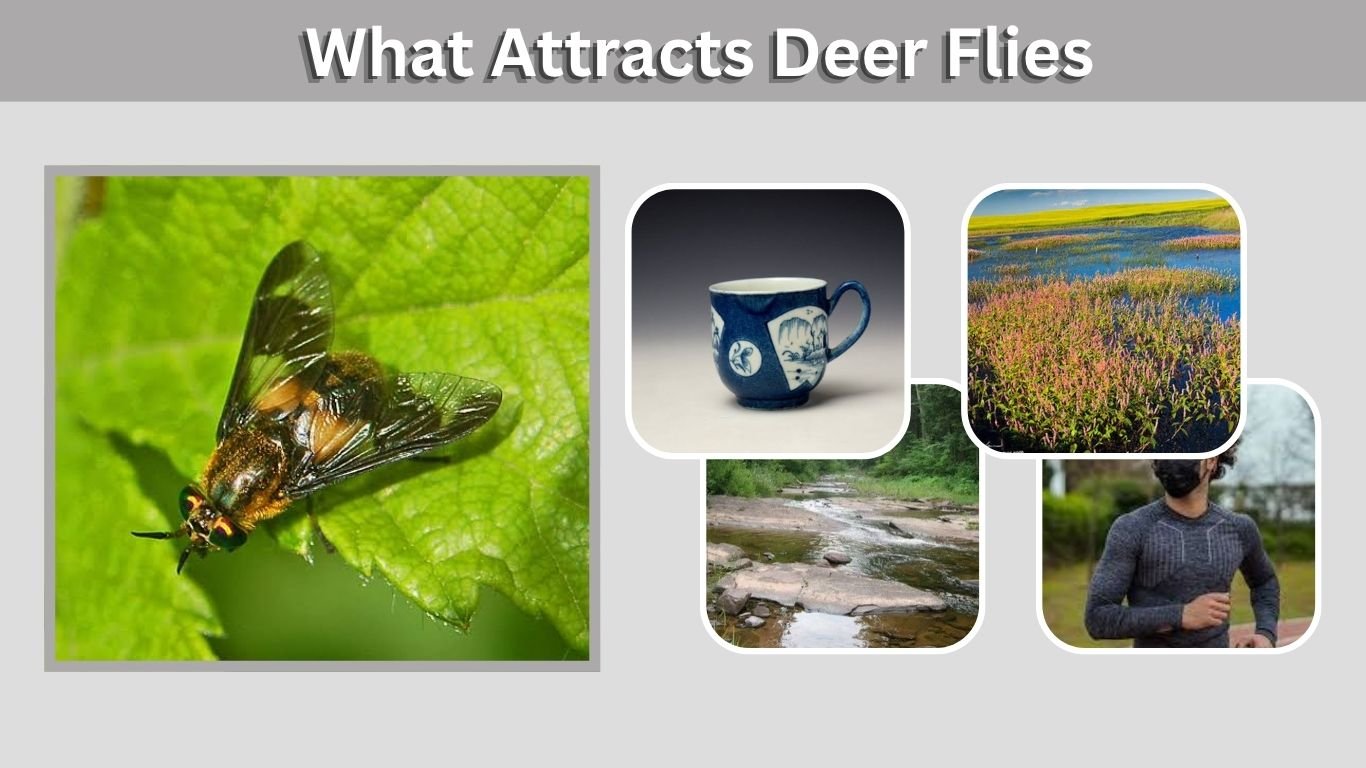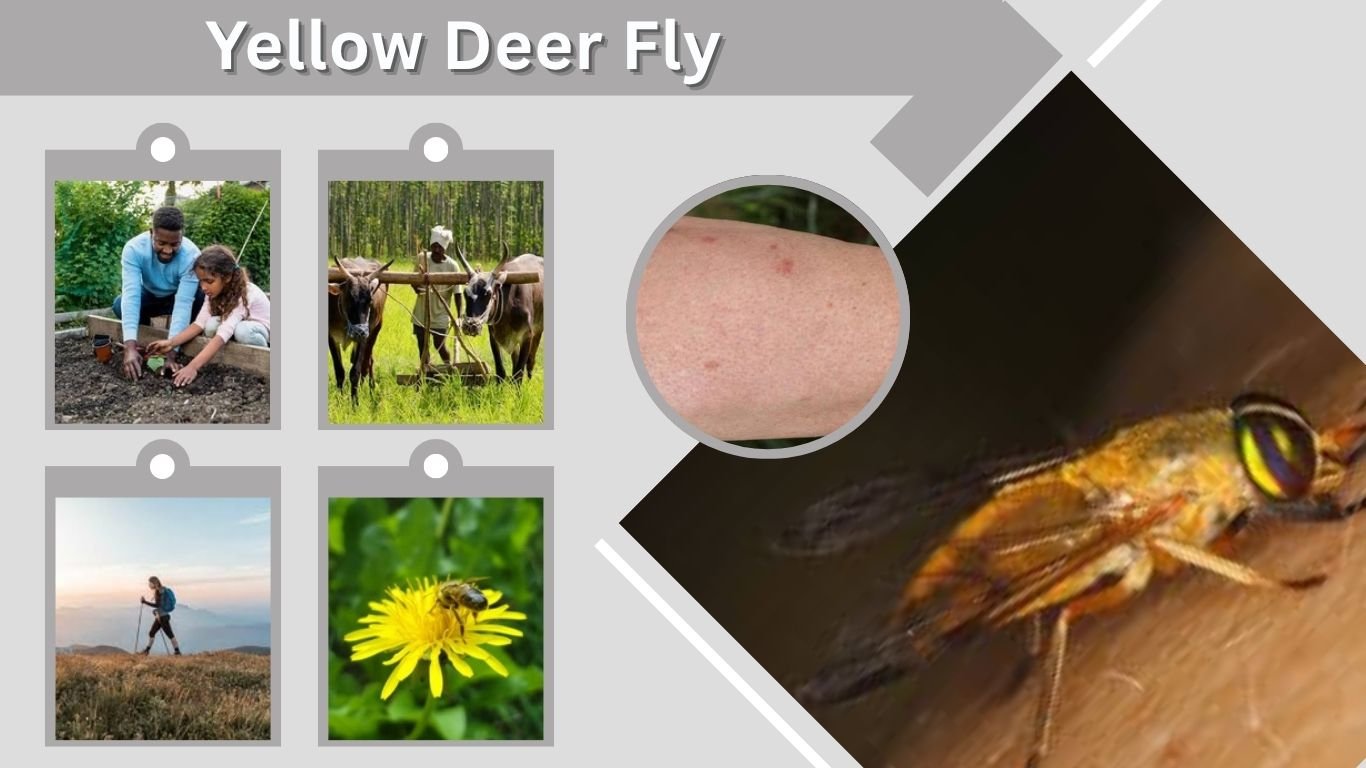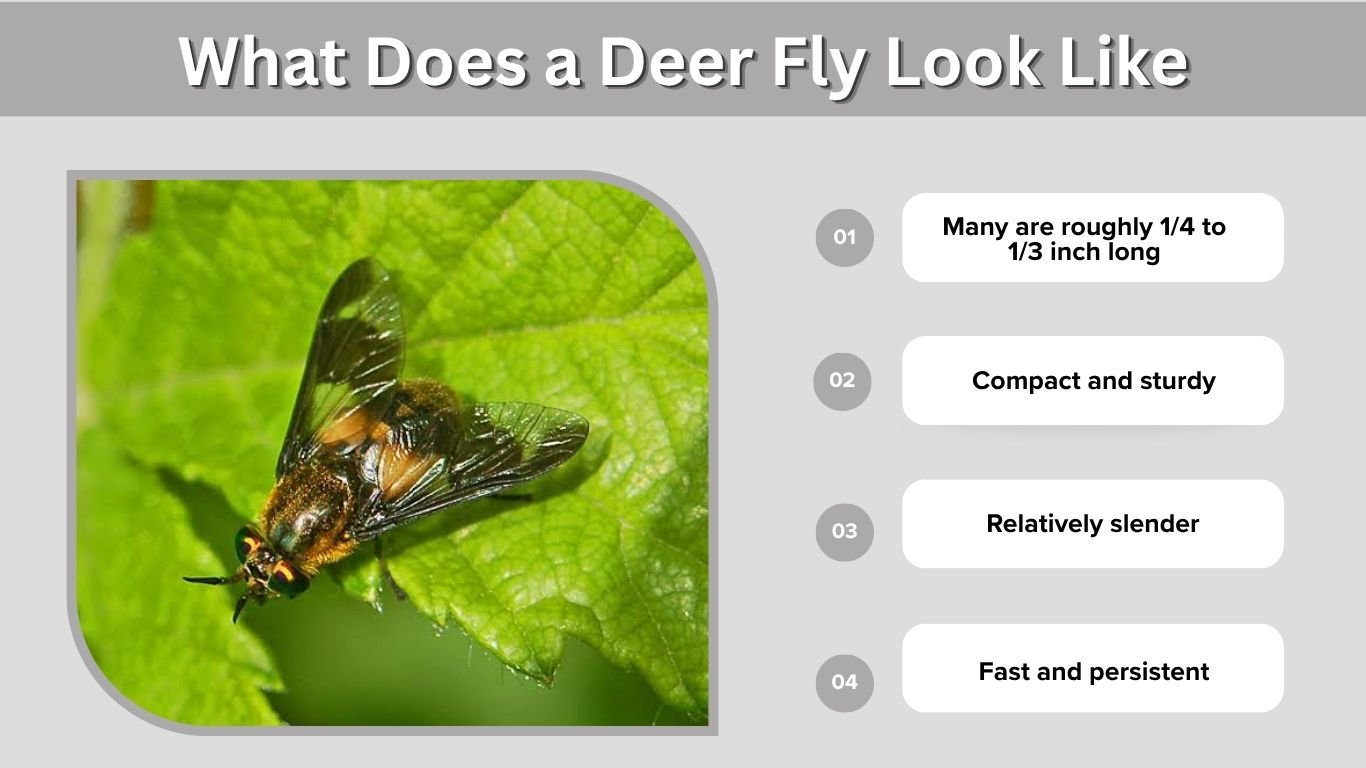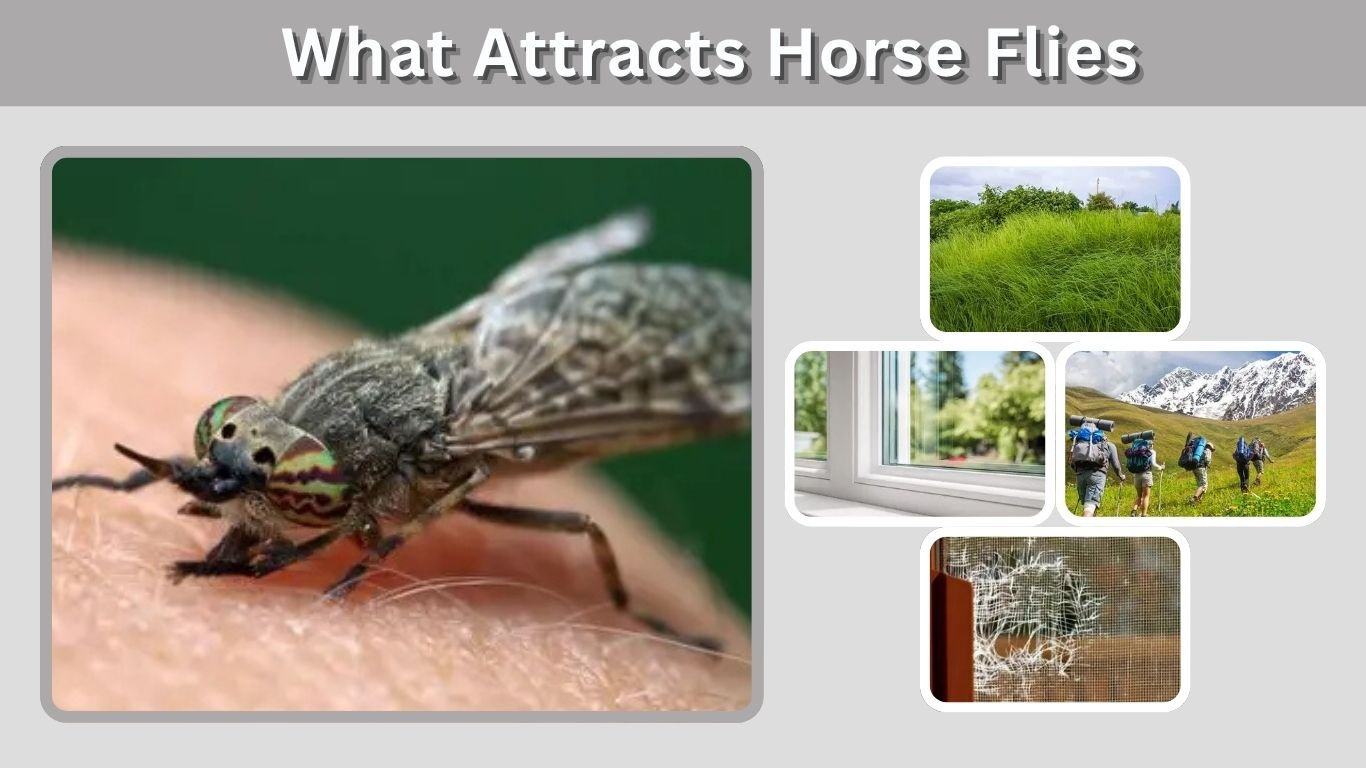
Horse flies are mainly attracted to large moving objects, dark colors, body heat, carbon dioxide, water, and the visual outline of animals or people. Female horse flies seek blood to produce eggs, while males feed primarily on nectar. Their strong eyesight helps them locate potential hosts during daylight, especially around wetlands, fields, farms, woodland edges, pools, lakes, and streams. Understanding these attractants can help explain why horse flies repeatedly circle certain people, animals, vehicles, and swimming areas.
What Are Horse Flies Most Attracted To?
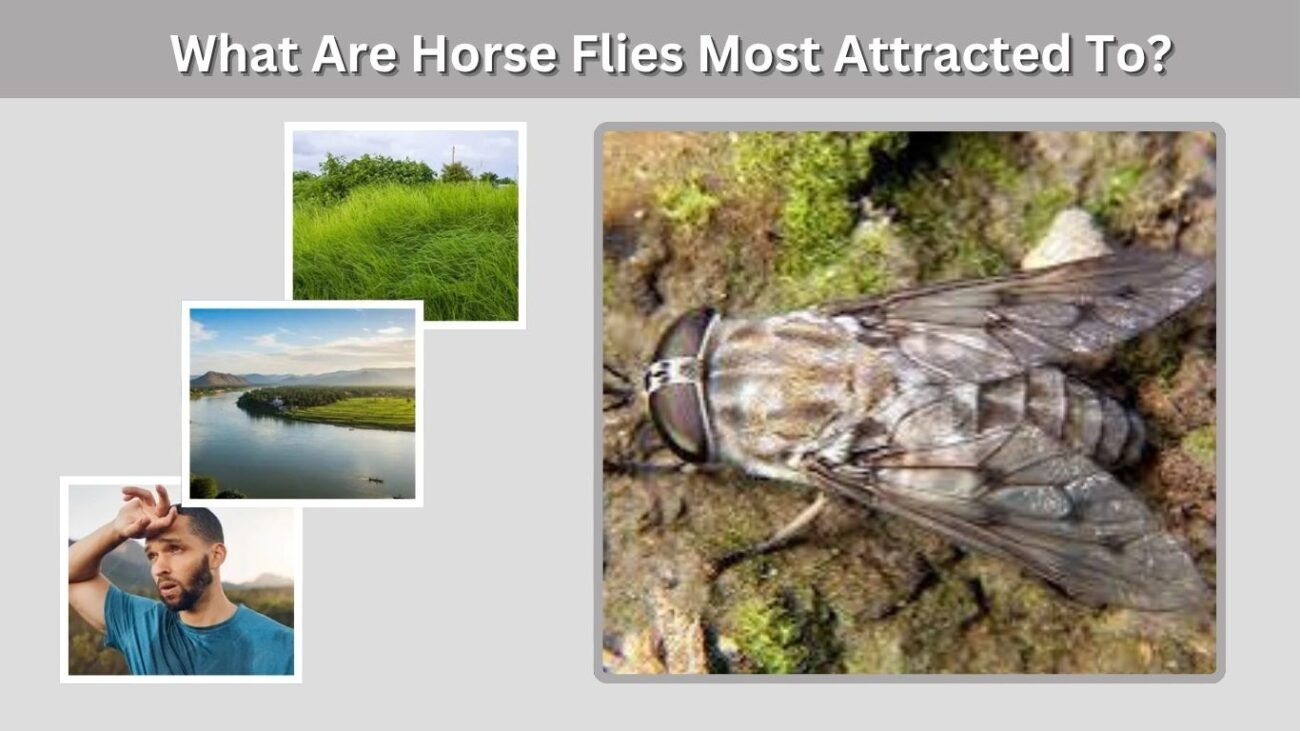
Horse flies combine visual and chemical signals when searching for hosts. Movement and dark shapes may attract them from a distance, while carbon dioxide, body heat, and other close-range cues help them determine whether the object is a living animal.
| Attractant | Why it attracts horse flies |
| Movement | Suggests a living animal |
| Dark colors | Create a strong host-like silhouette |
| Carbon dioxide | Indicates a breathing mammal |
| Body heat | Helps identify a warm-blooded host |
| Water | Used for drinking, mating, and reproduction |
| Reflective surfaces | Can resemble water or a dark animal |
| Large body shapes | Resemble livestock, wildlife, or people |
| Sweat and moisture | May strengthen close-range host cues |
Horse flies are powerful daytime fliers that can pursue livestock, wildlife, dogs, and people after detecting a suitable target.
1. Movement
Movement is one of the strongest horse fly attractants. A walking person, running dog, grazing horse, moving vehicle, or swaying dark object may quickly gain their attention.
Horse flies commonly wait in vegetation near wetlands, stream banks, woodland edges, and trails. When a large moving object passes, they may fly toward it, circle repeatedly, and attempt to land. Swatting wildly or running may sometimes encourage continued pursuit because it creates more movement.
This attraction is used in some horse fly traps. Manning-style traps contain a large, dark ball that moves in the wind and resembles an animal. Flies approach the ball and are directed into a collection chamber after failing to find a blood meal.
2. Dark Colors
Horse flies are strongly attracted to large, dark surfaces. Black, dark blue, dark brown, and other deep colors can create a clear silhouette against bright sky, grass, water, or vegetation.
Research shows that black surfaces can be especially attractive to horse flies because of their brightness, temperature, and reflected-light characteristics. Large areas of solid dark color are generally more attractive than sharply contrasting striped patterns.
Are Horse Flies Attracted to Black?
Yes. Black clothing, dark horses, black vehicles, and dark trap surfaces may attract more attention than lighter objects.
Wearing white, beige, khaki, light gray, or other pale clothing may reduce visual attraction, although it cannot guarantee protection. Long sleeves and trousers also create a physical barrier against bites.
Are Horse Flies Attracted to Blue?
Dark blue can attract horse flies, especially when it creates a large solid shape. However, the object’s brightness, movement, contrast, heat, and reflectivity may be as important as the specific color itself.
A dark blue shirt moving through a bright outdoor landscape may therefore be more noticeable than a pale blue shirt.
3. Carbon Dioxide
People, horses, cattle, dogs, deer, and other mammals release carbon dioxide every time they breathe. Horse flies can use this gas as evidence that a potential blood source is nearby.
Carbon dioxide works together with movement and visual contrast. A large dark object that moves and produces carbon dioxide provides several signals associated with a living host.
Exercise may increase attraction because a person or animal breathes more heavily, moves more, and produces more heat.
4. Body Heat
Warm-blooded animals produce heat that can help biting flies locate suitable feeding areas. A person exercising outdoors or a horse standing in direct sunlight may appear more attractive than a cool, motionless object.
Heat alone is unlikely to draw horse flies over a long distance. However, it may become useful after the fly has already approached because of movement, shape, carbon dioxide, or color.
Dark surfaces also become warmer in sunlight, which may help explain why black clothing, dark animals, and dark vehicles receive so much attention.
5. Sweat and Moisture
Horse flies may be more persistent around sweaty people and animals. Sweat adds moisture and body odor while also indicating that the host is warm and active.
Sweat is unlikely to be the only attractant. A combination of movement, carbon dioxide, body heat, dark clothing, and exposed skin usually provides a stronger explanation.
There is no reliable evidence that horse flies consistently choose people according to blood type. Differences between people are more likely connected to clothing, movement, body temperature, location, perspiration, and the amount of exposed skin.
Why Are Horse Flies Attracted to Horses?
Horses provide almost every signal a female horse fly uses to find a blood meal. They are large, warm, mobile animals that release carbon dioxide and body odors.
A horse’s movements, dark coat, sweat, and exposed skin around the legs, belly, chest, neck, and face can make it easy to locate. Horse flies often circle an animal repeatedly and return quickly after being disturbed.
Only females take blood meals. Males primarily consume flower nectar and other plant sugars.
Why Do Some Horses Attract More Flies?
One horse may experience more attacks because it has:
- A darker coat
- Higher body temperature
- More perspiration
- Greater movement
- Less protective hair
- A position closer to water or vegetation
- Previous wounds or irritated skin
A dark horse standing in sunlight may offer a more noticeable visual target than a light-colored horse resting in shade.
Why Are Horse Flies Attracted to Humans?
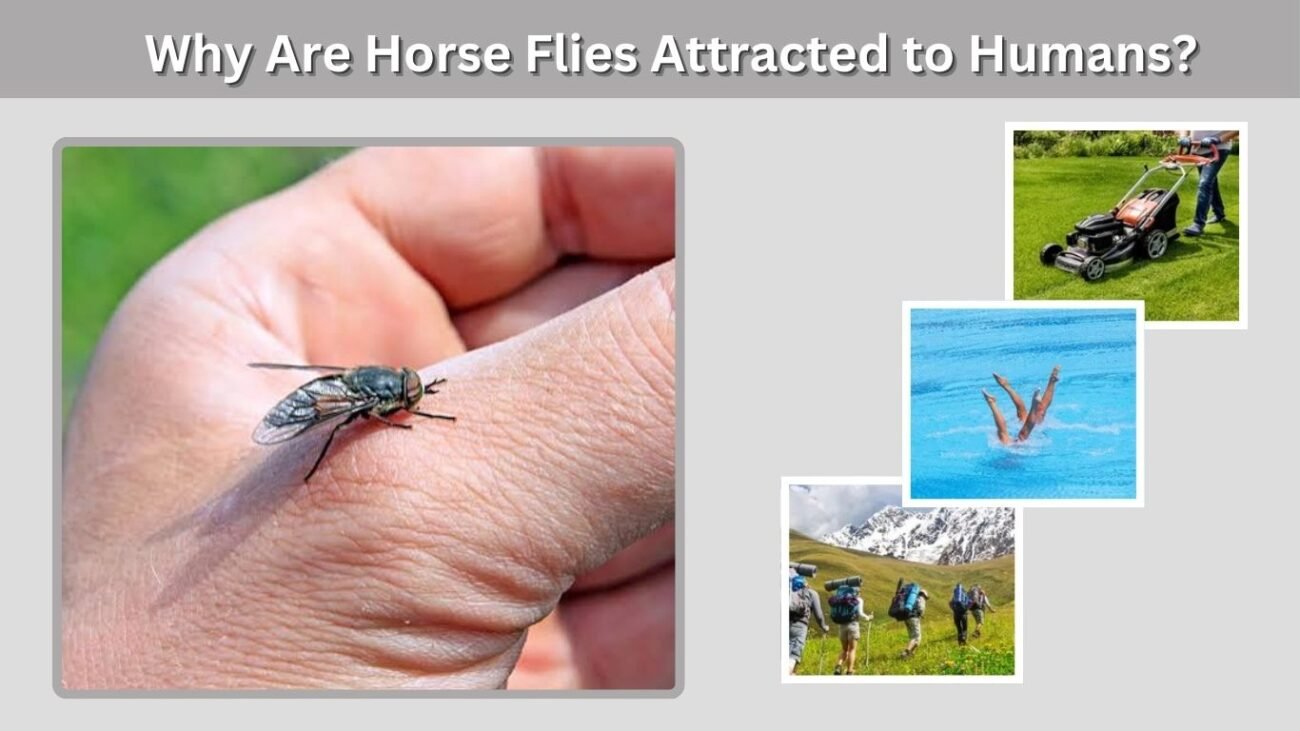
Horse flies do not specifically prefer humans over other mammals. They approach people because humans produce the same general host signals as livestock and wildlife.
You may attract more horse flies while hiking, swimming, gardening, mowing, or exercising because you are moving, warm, breathing heavily, and exposing more skin.
Dark clothing can increase visibility, while waving your arms may encourage the fly to continue following. Horse flies are particularly persistent once they have selected a potential host.
Why Are Horse Flies Attracted to Water and Pools?
Horse flies are closely associated with water. Their larvae commonly develop in moist soil, mud, ponds, marshes, lakes, and other wet environments. Adult flies also visit water to drink, mate, rest near potential hosts, and locate suitable egg-laying habitat.
Their eyes can detect horizontally polarized light reflected from water. Research has documented horse flies approaching water surfaces and briefly touching them to collect droplets while flying.
Why Do Horse Flies Circle Swimming Pools?
A swimming pool produces several attractive signals:
- A large reflective water surface
- Movement from swimmers
- Warm human bodies
- Carbon dioxide from breathing
- Dark pool liners or nearby furniture
- Moisture and sunlight
The chlorine itself is not established as the main attractant. The reflective water, people, heat, and movement provide a more evidence-based explanation.
Why Are Horse Flies Attracted to Cars?
Dark and shiny vehicles may resemble large animal shapes or reflective water surfaces. Black, dark blue, and dark red cars also become warm in sunlight.
Horse flies may circle, strike, or repeatedly land on the vehicle even though it provides no food. Polarized light reflected from shiny dark surfaces can help explain why horse flies sometimes investigate cars, solar panels, glass, and other manufactured objects.
A moving car may initially attract attention through size and motion. After it stops, heat and reflected light may keep the flies nearby.
What Attracts Horse Flies in a Home?
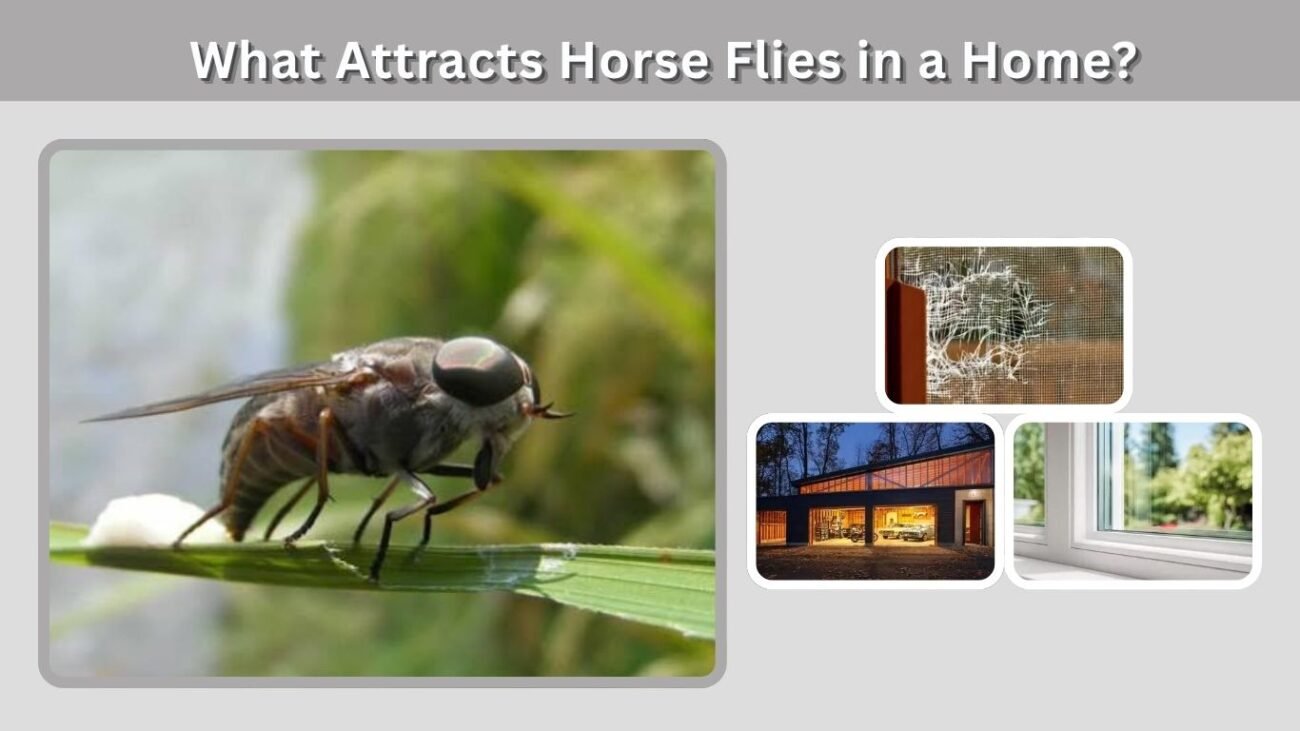
Horse flies are mainly outdoor insects and rarely become serious indoor pests. When one appears inside, it usually entered accidentally through an open door, damaged screen, garage, or window.
They do not normally reproduce in carpets, drains, garbage cans, or indoor food. Their immature stages develop in moist or aquatic outdoor environments.
A horse fly near a window is usually attempting to return outdoors. Bright windows may guide trapped flies toward the light rather than serving as the original reason they entered.
Are Horse Flies Attracted to Household Lights?
Horse flies are daytime visual hunters, not strongly nocturnal insects like many moths. They may fly toward a bright window or light after becoming trapped indoors, but outdoor lighting is not their primary host-finding signal.
Bug zappers may catch occasional individuals, but they are generally less dependable than traps designed around dark moving targets.
Does Manure Attract Horse Flies?
Horse manure strongly attracts and supports house flies, stable flies, and several other nuisance-fly species. However, horse fly larvae generally develop in wet soil, marshes, ponds, stream edges, and similar moist environments rather than directly inside fresh manure.
A poorly maintained stable may still have many horse flies because it contains horses, movement, warmth, water, and nearby damp habitats. Manure control remains important, but it may not eliminate horse flies arriving from surrounding wetlands.
How to Avoid Attracting Horse Flies
Reducing every attractant is impossible, but several changes can make you a less obvious target.
Wear Light-Colored Clothing
Choose pale shirts, trousers, and hats instead of solid black or dark blue clothing. Cover exposed skin when walking near wetlands, farms, or wooded areas.
Reduce Activity Near Breeding Areas
Horse flies are often abundant near marshes, ponds, streams, damp woodland, and muddy areas. Avoid these locations during periods of heavy activity when practical.
Use an Appropriate Repellent
Human-labeled repellents can provide limited protection, but horse flies may be less responsive to repellents than mosquitoes. Combine repellent with protective clothing rather than relying on spray alone.
Provide Shelter for Animals
Horses, dogs, and livestock should have access to shaded barns, sheds, screened areas, or other protected spaces. Fans can make landing more difficult and give animals relief during periods of intense fly activity.
Position Traps Carefully
Place dark-object horse fly traps away from patios, pools, entrances, kennels, and animal resting areas. A trap placed beside people may draw flies toward the same area it is supposed to protect.
FAQs
What smell attracts horse flies?
Horse flies use several host cues, and there is no single proven scent that attracts them in every situation. Body odors, sweat, and exhaled carbon dioxide may contribute, but visual movement and dark shapes are particularly important.
Are horse flies attracted to certain blood types?
There is no strong evidence showing that horse flies reliably prefer one human blood type. Clothing color, movement, heat, carbon dioxide, sweat, habitat, and exposed skin are more practical explanations.
What color attracts horse flies most?
Black and other dark colors are generally the most attractive because they create strong, warm, host-like shapes. Light-colored clothing may reduce visual attraction but cannot prevent every attack.
Does killing a horse fly attract more?
Killing one horse fly is not known to release a special signal that summons others. However, swatting and rapid movement may make you more visible to additional flies already nearby.
What is the best way to stop attracting horse flies?
Wear light-colored protective clothing, avoid wet habitats during peak activity, use a human-labeled repellent, limit rapid movement, and enter a screened or enclosed area when flies become numerous.