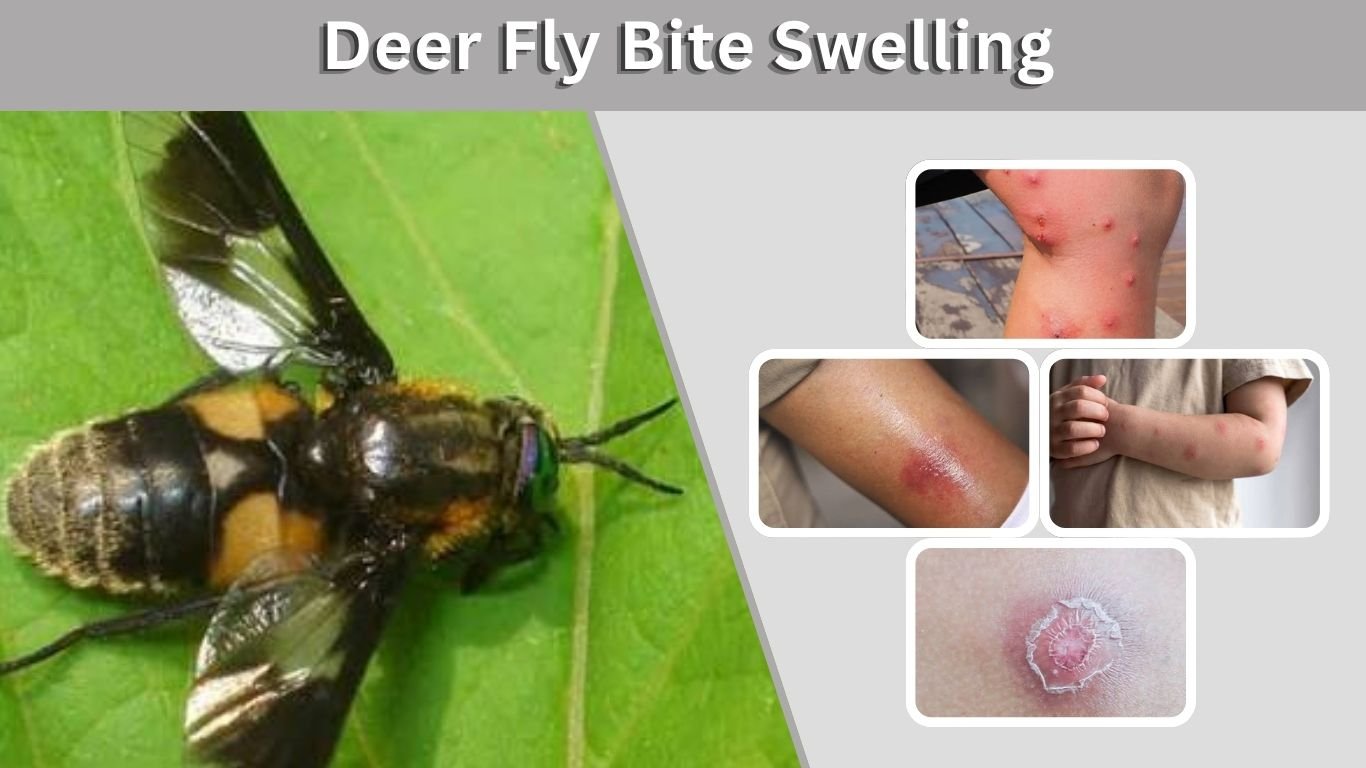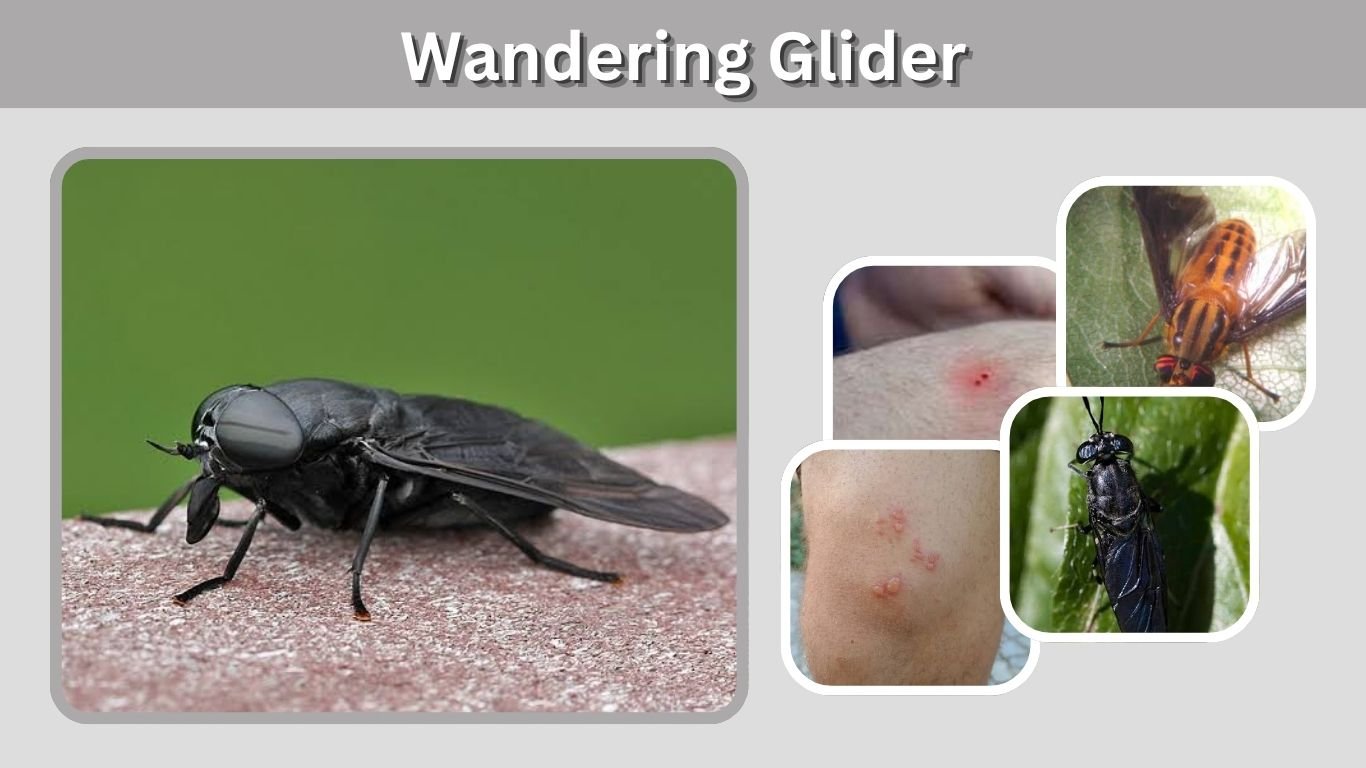
The black horsefly usually refers to Tabanus atratus, one of North America’s largest and darkest horse flies. It has a heavy black body, smoky-black wings, enormous compound eyes, and strong flight. Female black horseflies can inflict painful bites when seeking blood, while males feed mainly on nectar and pollen. Similar-looking black, white, or yellow flies may belong to other horse-fly species, deer flies, black flies, robber flies, or harmless flower flies.
Black Horsefly Quick Facts
Tabanus atratus is a valid species in the horse-and-deer-fly family Tabanidae. Its scientific name refers to its almost entirely black appearance.
| Feature | Description |
| Common name | Black horsefly or black horse fly |
| Scientific name | Tabanus atratus |
| Family | Tabanidae |
| Adult size | About 20–28 mm |
| Main color | Black to brownish-purple |
| Wings | Dark, smoky, or nearly black |
| Female diet | Blood and plant sugars |
| Male diet | Nectar and pollen |
| Habitat | Wetlands, ponds, ditches, farms, and woodland edges |
| Human risk | Painful female bite |
How to Identify a Black Horsefly
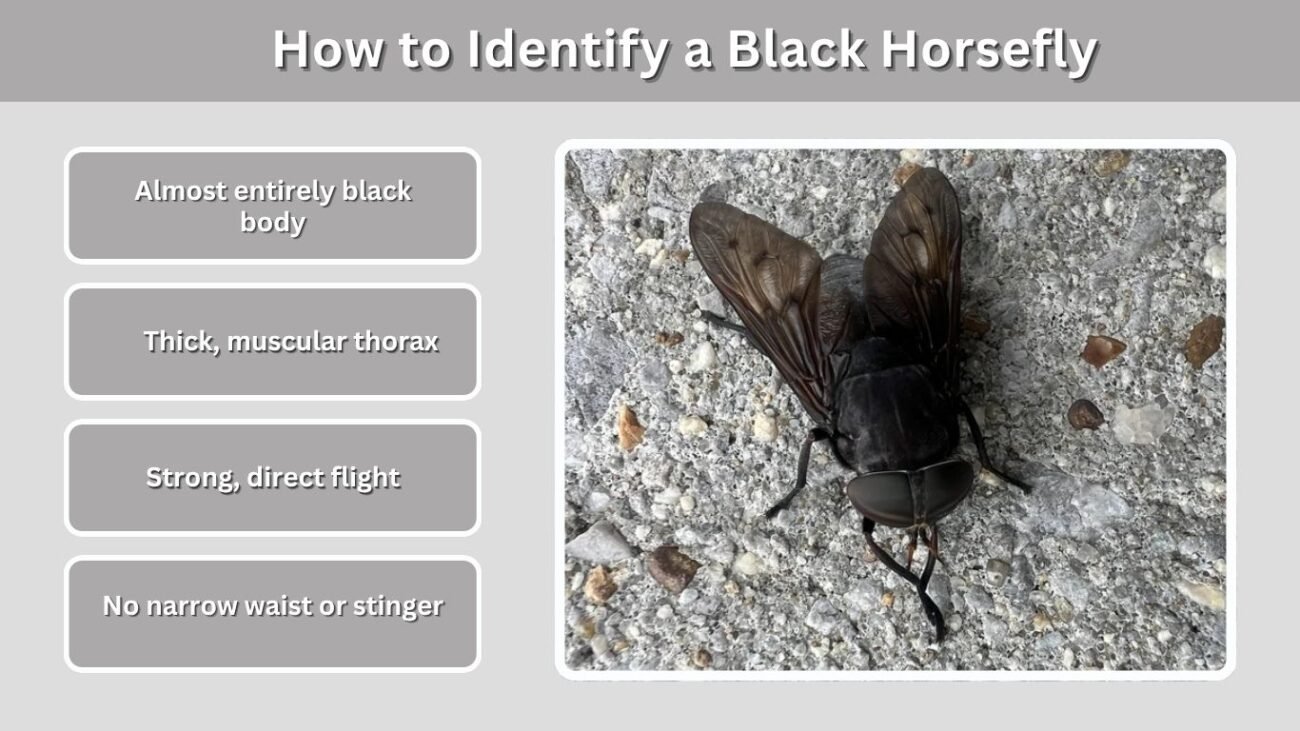
The black horsefly is a thick-bodied fly with a broad head and large wings. Unlike a black soldier fly, it has a more powerful body, prominent eyes, and mouthparts adapted for cutting or feeding.
Main Identification Features
- Almost entirely black body
- Smoky brown, purple-black, or black wings
- Large metallic or grayish compound eyes
- Thick, muscular thorax
- Broad abdomen covered with short dark hairs
- Strong, direct flight
- Short antennae projecting from the head
- Adult length commonly exceeding ¾ inch
- No narrow waist or stinger
Fresh individuals may appear glossy black, while sunlight can reveal brown or purple tones. The wings are darker than those of most other horse flies.
How Big Is a Black Horsefly?
Adult Tabanus atratus usually measures approximately 20–28 millimeters, or about 0.8–1.1 inches, in body length. Some photographed individuals may appear even larger when the wings, legs, or viewing angle are included.
| Insect | Approximate size |
| Black horsefly | 20–28 mm |
| Typical horse fly | About 10–29 mm |
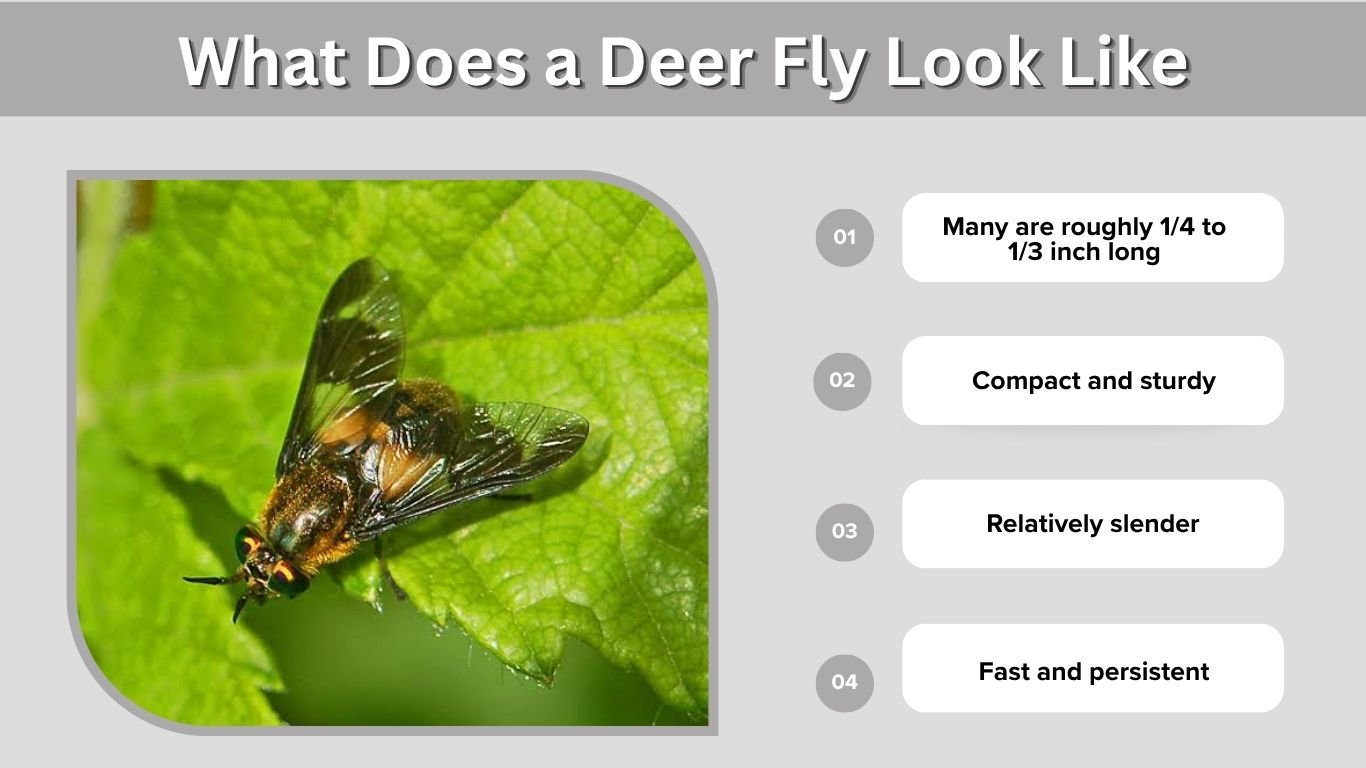
| Deer fly | About 6–13 mm |
| Black fly or buffalo gnat | Often around 1–5 mm |
| House fly | About 6–7 mm |
A large black fly close to one inch long is more likely to be a horse fly than a deer fly, black fly, or house fly. Horse flies are generally larger, heavier, and more powerful fliers than these insects.
Male vs Female Black Horsefly
Male and female black horseflies can look similar, but the eyes provide a useful distinction.
Female Black Horsefly
A female’s compound eyes are separated by a visible strip on top of the head. She possesses blade-like mouthparts that cut the skin, allowing her to lap up blood. Blood provides nutrients needed for egg development.
Male Black Horsefly
A male’s enormous eyes meet or nearly meet along the top of the head. Males do not take blood meals and instead feed primarily on nectar and pollen. They are often encountered near flowers rather than circling livestock or people.
| Feature | Female | Male |
| Eyes | Separated | Touch or nearly touch |
| Drinks blood | Yes | No |
| Can bite humans | Yes | No |
| Plant feeding | Yes | Yes |
| Main role of blood meal | Supports egg production | Not applicable |
Do Black Horseflies Bite?
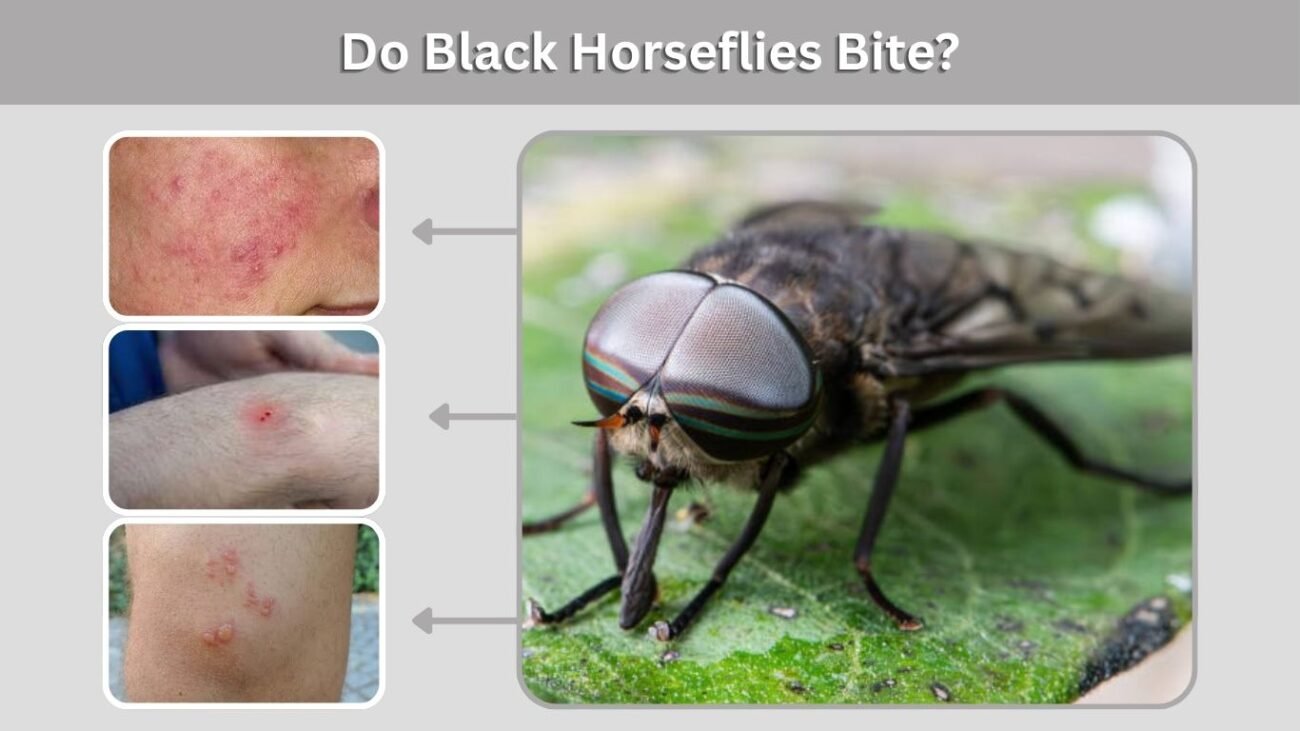
Female black horseflies can bite mammals, including cattle, horses, wildlife, and occasionally humans. Their mouthparts cut rather than simply puncture the skin, so the bite can feel immediately sharp and painful. A small amount of bleeding may occur at the site.
Common reactions include:
- Immediate pain or burning
- A red or darker raised bump
- Local swelling
- Itching or tenderness
- A central cut or bleeding point
- A small scab after the bite
Black horseflies do not sting and are not venomous. The reaction comes from the physical wound and substances introduced while the fly feeds.
Are Black Horseflies Dangerous?
A single bite is usually painful rather than life-threatening. However, extensive swelling, skin infection, or a serious allergic reaction can occasionally follow an insect bite.
Wash the wound with soap and water and apply a cloth-wrapped cold pack if it is swollen. Avoid scratching because broken skin can become infected. Seek urgent help for breathing difficulty, faintness, widespread hives, or swelling of the face, tongue, mouth, or throat.
Horse and deer flies can also affect livestock by causing pain, blood loss, interrupted feeding, and stress. Tabanid flies are important mechanical transmitters of equine infectious anemia between horses when contaminated mouthparts move quickly between animals.
Black Horsefly in Florida
The black horsefly occurs across much of eastern North America, with its documented range extending from southeastern Canada through Florida and Texas and into northern Mexico. It is therefore a possible identification for a large, completely black fly encountered in Florida.
Florida has numerous horse-fly species, however. A dark fly should not be identified as Tabanus atratus from color alone. Wing pattern, eye structure, size, antenna shape, and photographs from several angles provide stronger evidence.
Large Black Horse Flies in Texas
Tabanus atratus reaches Texas, but another large western species may cause confusion.
Western Horse Fly
The western horse fly, Tabanus punctifer, occurs from western Canada through California and eastward into Kansas and Texas. Females measure approximately 19–22 millimeters and have a dark abdomen, brown wings, and creamy hair across part of the thorax.
Unlike the nearly uniform black horsefly, the western horse fly often looks black, brown, and cream or black and white.
Black and White Horsefly
A black and white horse fly is not necessarily Tabanus atratus. One possibility is Tabanus stygius. Fresh females of this species are predominantly black but have contrasting white hairs across the thorax. These pale hairs may wear away with age, leaving the fly looking gray and black.
Another possibility is the western horse fly, whose creamy thoracic hairs contrast with its black abdomen and dark wings. Geographic location is especially helpful when distinguishing these species.
Black and Yellow Horsefly
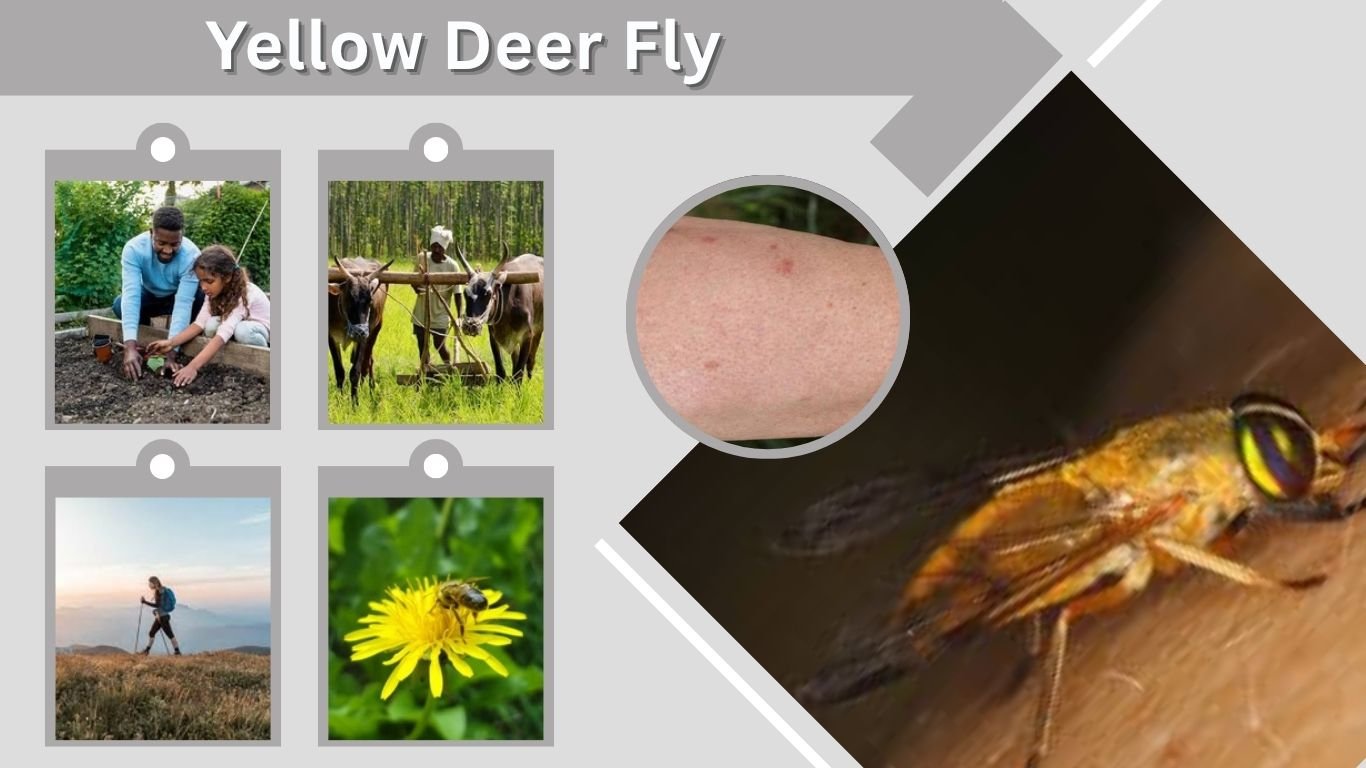
The true black horsefly is generally uniformly dark rather than boldly yellow and black. A large black-and-yellow fly could instead be:
- Another horse-fly species
- A deer fly
- A hover fly
- A robber fly
- A narcissus bulb fly
- A bee-mimicking fly
Many harmless flower flies use yellow-and-black patterns that resemble bees or wasps. Look for large horse-fly eyes, cutting mouthparts, a broad head, and patterned wings before assuming that a black-and-yellow fly is a biting horse fly.
Black Horsefly vs Deer Fly vs Black Fly
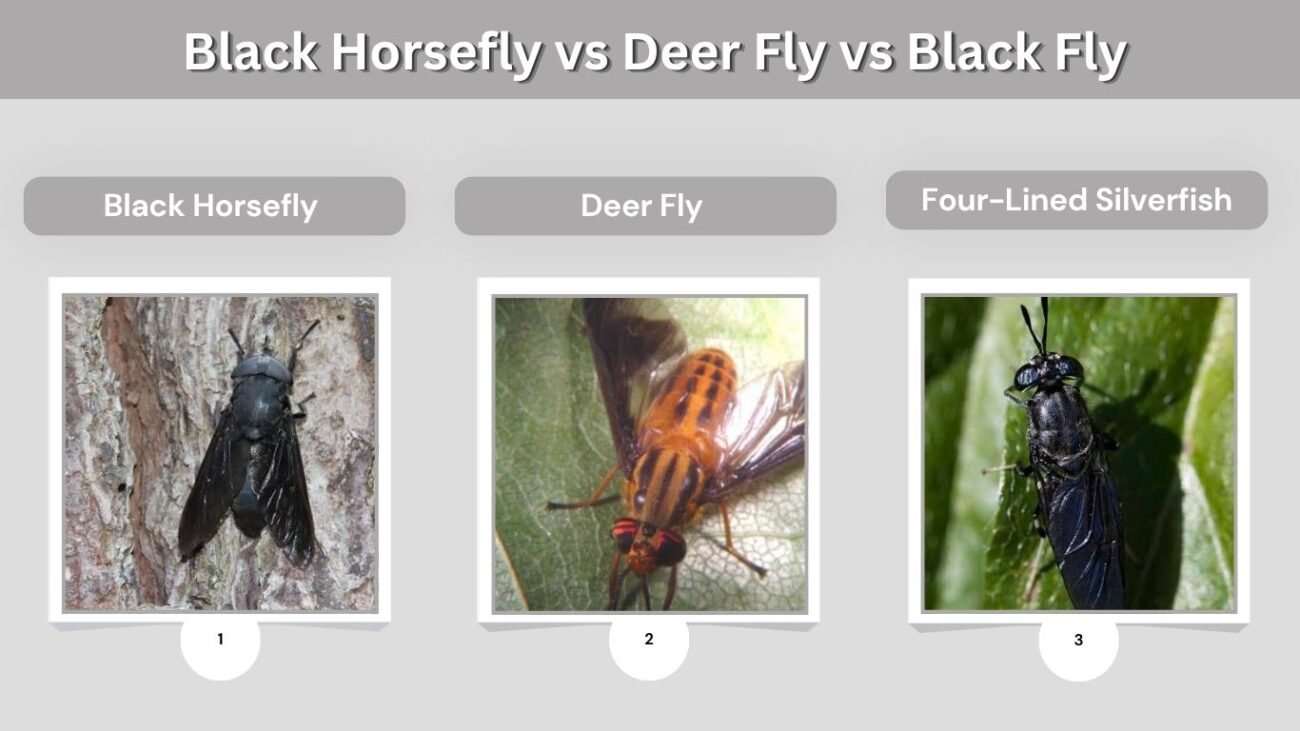
Although their names overlap, these are different insects.
| Feature | Black horsefly | Deer fly | Black fly |
| Family | Tabanidae | Tabanidae | Simuliidae |
| Typical size | Large, 20–28 mm | Smaller, 6–13 mm | Tiny, often 1–5 mm |
| Body | Heavy and all black | Compact, often patterned | Small and hump-backed |
| Wings | Dark or smoky | Usually dark-patterned | Broad and clear |
| Eyes | Very large | Often spotted or patterned | Less conspicuous |
| Female bites | Yes | Yes | Yes |
| Larval habitat | Wet soil and water margins | Wetlands and mud | Flowing streams |
Deer flies are usually smaller and have noticeable dark wing patterns. Black flies are tiny, hump-backed insects that may swarm around the head and develop in moving water.
Habitat and Life Cycle
Black horseflies occupy many habitats but require moist environments for reproduction. Females place egg masses on vegetation above water or wet ground. The larvae develop along pond and ditch margins, where they prey on small invertebrates.
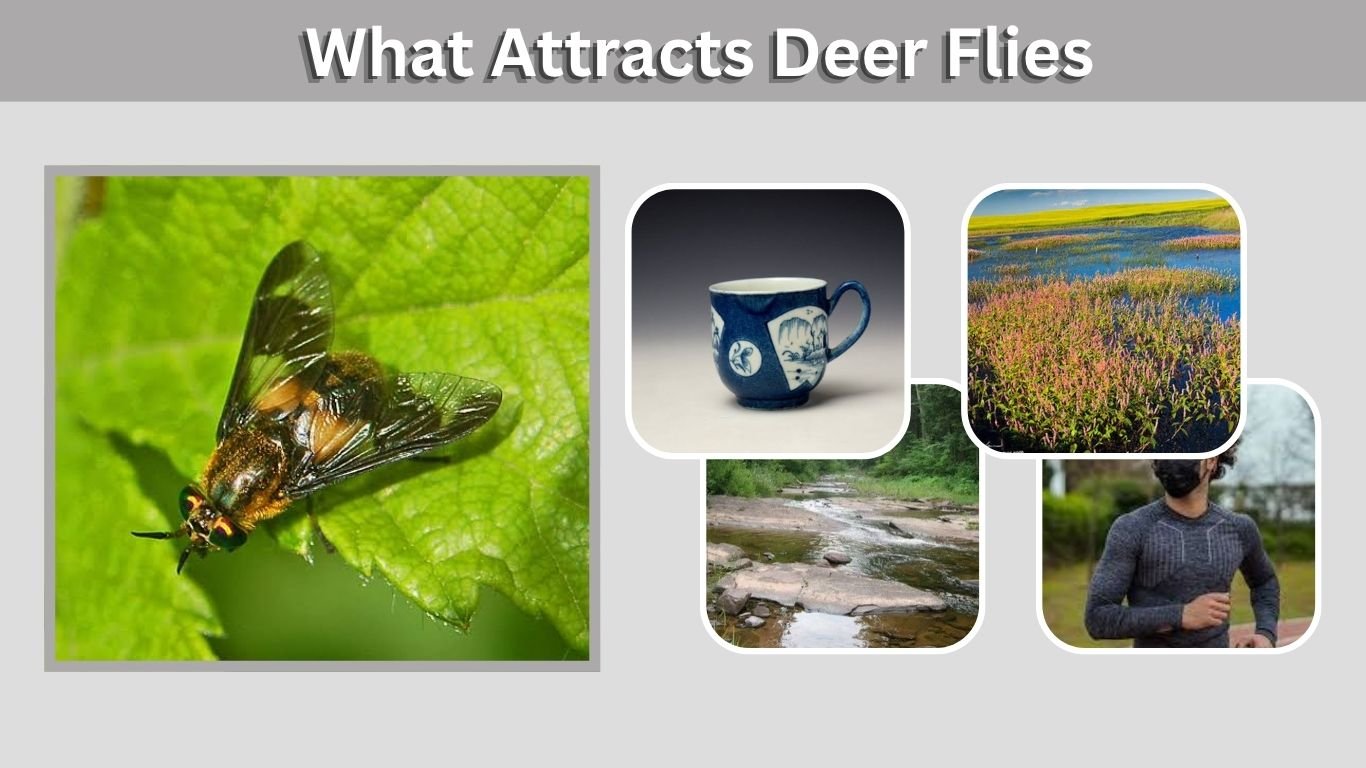
Development may take around two years in Tabanus atratus. After pupating in mud or nearby soil, adults emerge and become active during warm weather. Horse flies are strong daytime fliers and often investigate dark, moving objects that resemble large animal hosts.
How to Avoid Black Horsefly Bites
Wear long sleeves, long trousers, socks, and a hat when horseflies are active. Light-colored clothing may be less visually attractive than large dark surfaces. A repellent labeled for biting flies may provide temporary protection, but complete control is difficult because horseflies can travel several miles from breeding areas.
Dark-ball and box-style traps can reduce horse and deer flies in limited areas. Position traps between activity areas and nearby wetlands, woods, or livestock fields rather than directly beside patios or doorways.
FAQs
Is a black horsefly the same as a black fly?
No. A black horsefly is a large member of the family Tabanidae. Black flies belong to Simuliidae and are tiny, hump-backed insects associated with flowing streams.
Can a black horsefly bite humans?
Female black horseflies can bite humans, although they commonly attack large mammals. Males cannot bite because they lack the female’s blood-feeding mouthparts.
How can you tell a male from a female black horsefly?
Look at the top of the head. A male’s compound eyes touch or nearly touch, while a female has a clear space separating her eyes.
What is a large black fly in Florida?
It may be Tabanus atratus, which occurs in Florida. Other horse flies, robber flies, black soldier flies, and large flower flies can appear similar, so photographs and body details are necessary.
What is the difference between a black horsefly and a black deer fly?
A black horsefly is much larger and usually has uniformly dark wings. A black deer fly is smaller and more likely to have patterned wings and spotted or patterned eyes.