Birdwatching becomes even more exciting when you encounter tiny birds dressed in bold black and white patterns. From the playful Black-capped Chickadee to the striking Black-throated Bushtit, these little birds stand out with their charm and energy. Found across forests, gardens, and even backyards, they bring life to their surroundings. In this article, we’ll explore ten fascinating tiny black-and-white birds you can easily recognize and enjoy.
1. Black-capped Chickadee
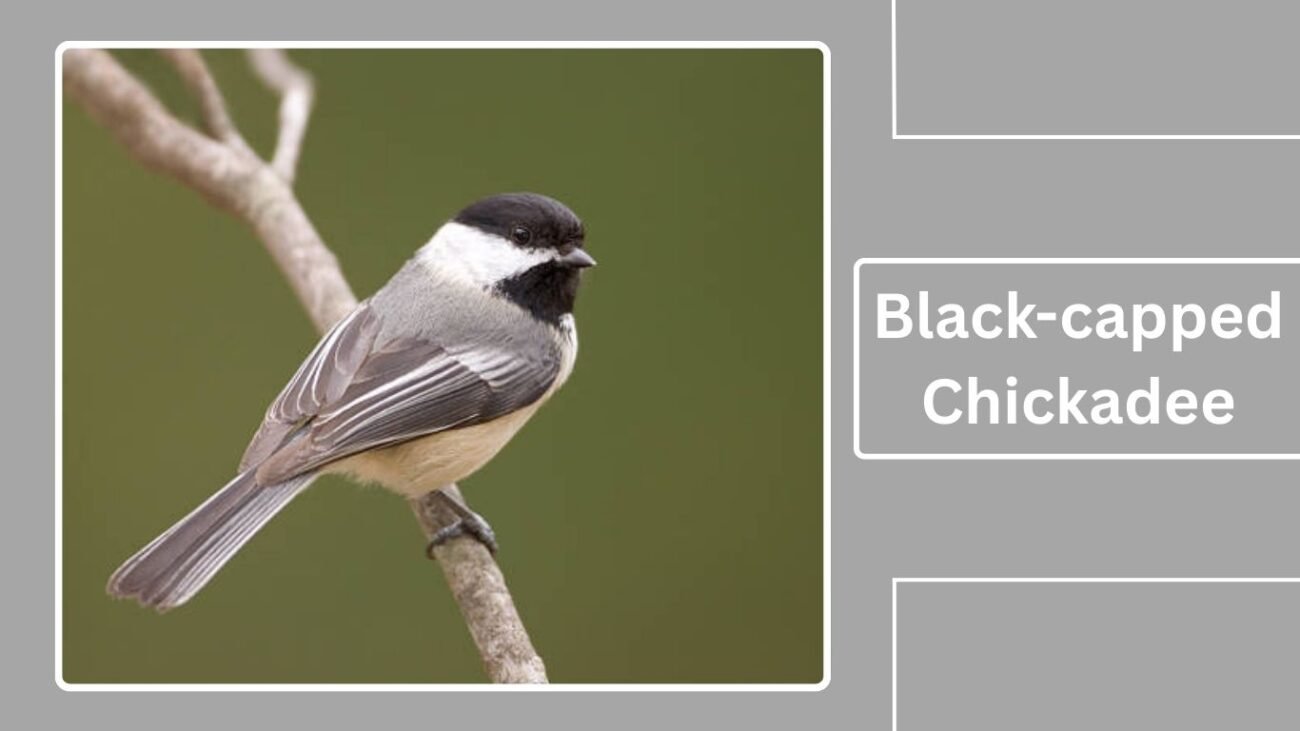
The Black-capped Chickadee is one of the tiniest black and white birds, admired for its bold personality and cheerful “chick-a-dee-dee” call. Despite its small size, this bird is hardy and survives harsh winters across North America, making it a favorite visitor at backyard feeders.
Identification
- Size: 4.7–5.9 inches (12–15 cm)
- Plumage: Black cap and bib, white cheeks, gray back, and whitish underparts
- Wings: Gray with white edges
- Tail: Long, narrow, edged in white
- Bill: Short and dark
Habitat
They are commonly found in mixed and deciduous forests, as well as suburban gardens, parks, and wooded backyards.
Behavior
Chickadees are curious and energetic, often hanging upside down on branches. They cache seeds and insects in hidden spots to retrieve later.
Diet
Their diet includes insects, spiders, seeds, and berries. At feeders, they are fond of sunflower seeds, peanuts, and suet.
2. Black-and-white Warbler
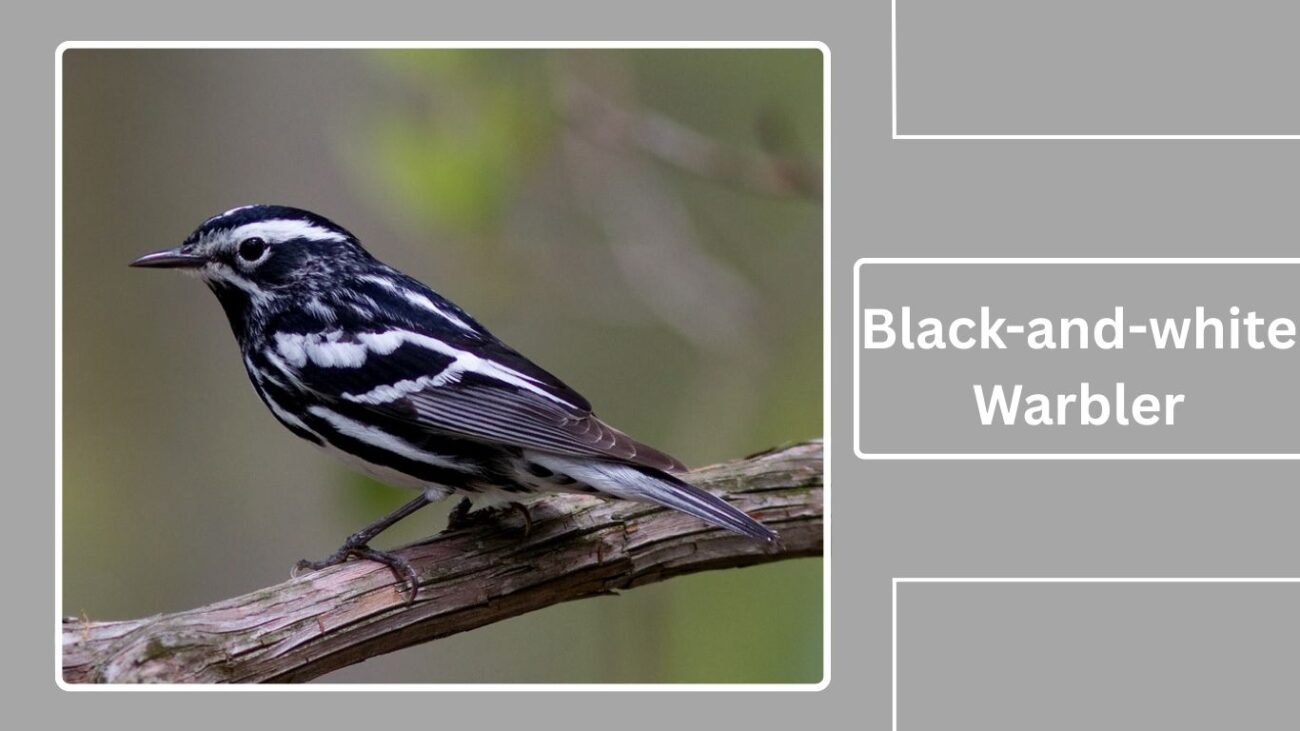
The Black-and-white Warbler is a strikingly patterned tiny bird, easily recognized by its zebra-like stripes. Unlike most warblers, it creeps along tree trunks and branches in search of insects, behaving more like a nuthatch. Its bold black-and-white plumage makes it stand out even in dense woodlands.
Identification
- Size: 4.3–5.1 inches (11–13 cm)
- Plumage: Bold black and white stripes across the head, back, and underparts
- Wings: Black with white streaks
- Tail: Short, black with white edges
- Bill: Thin and slightly curved
Habitat
They prefer mature forests, especially deciduous and mixed woodlands, and are often seen during migration in parks and gardens.
Behavior
This bird forages by creeping up and down tree trunks, probing bark for insects. It is known for its buzzy, high-pitched song that sounds like “wee-see, wee-see.”
Diet
The diet mainly consists of caterpillars, beetles, spiders, and other small insects, which they skillfully extract from bark crevices.
3. White Wagtail
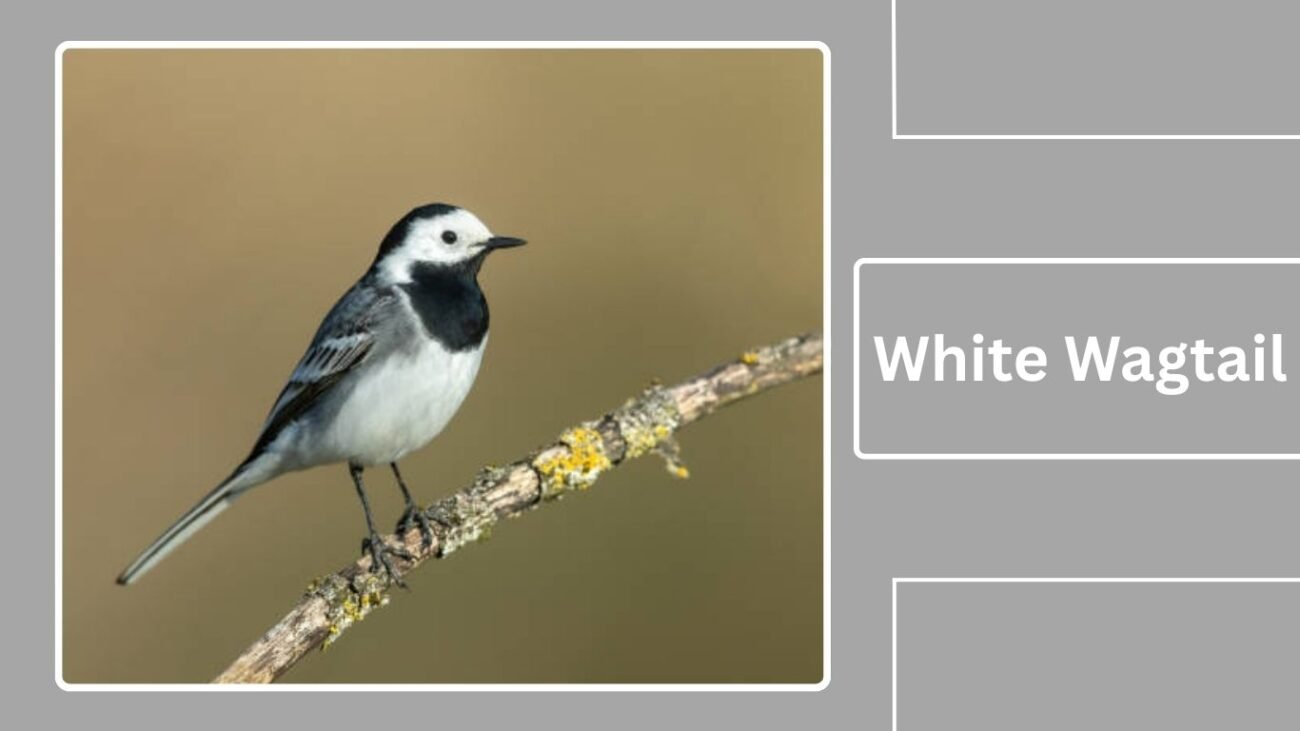
The White Wagtail is a tiny, elegant black-and-white bird famous for its constant tail-wagging habit. Found across Europe, Asia, and parts of North Africa, it is often seen darting around open areas near water or human settlements. Its graceful movements and contrasting plumage make it a delight to spot.
Identification
- Size: 6.5–7.5 inches (16–19 cm)
- Plumage: White face and underparts, black throat and crown, gray back
- Wings: Black with white bars
- Tail: Long, black with white edges, constantly wagged
- Bill: Thin and pointed
Habitat
They prefer open areas such as riverbanks, meadows, farmlands, and urban parks. They are also commonly seen around water bodies and grassy fields.
Behavior
White Wagtails are known for their characteristic tail-wagging while walking or running. They are ground feeders, often chasing insects in short, quick flights.
Diet
They mainly eat small insects such as flies, beetles, and midges, but may also consume small seeds when insects are scarce.
4. Pied Flycatcher
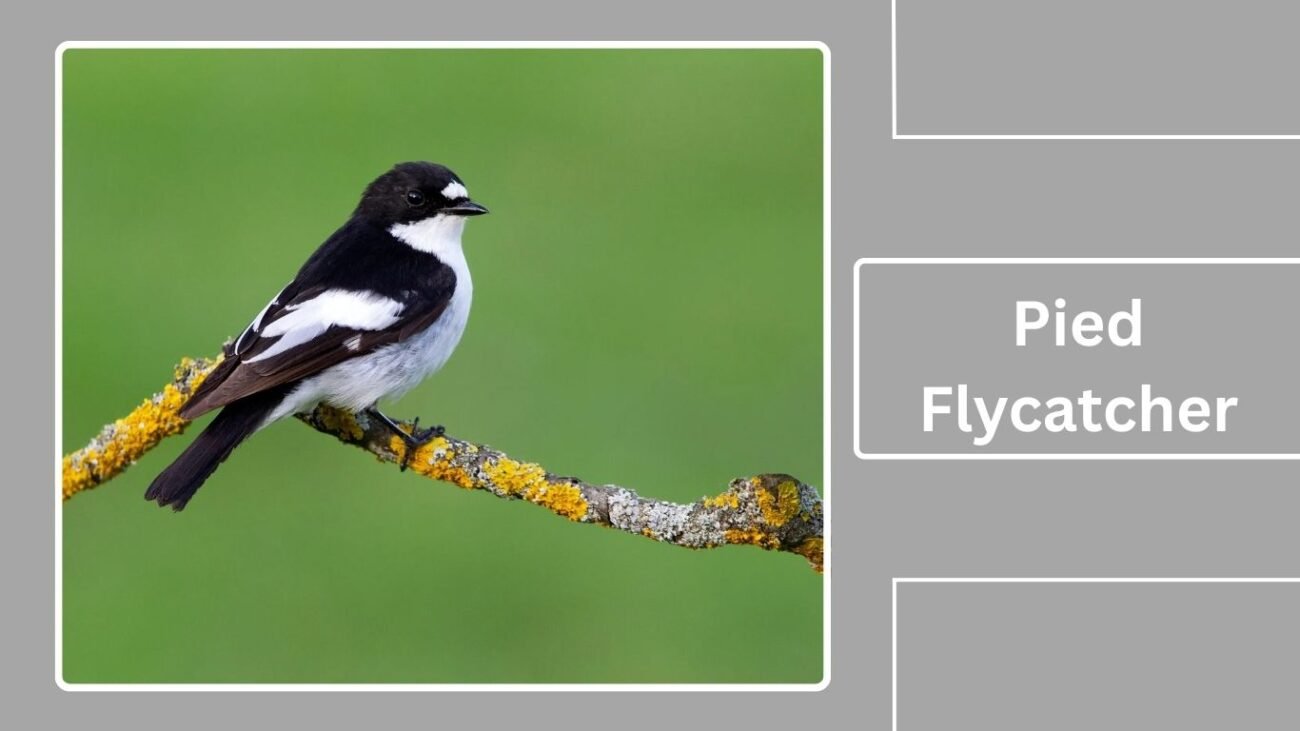
The Pied Flycatcher is a small black-and-white songbird known for its agile flight and insect-catching skills. Males display striking black and white plumage during the breeding season, while females are more subdued in color. They are commonly seen across Europe and western Asia, especially in wooded areas during spring and summer.
Identification
- Size: 4.7–5.1 inches (12–13 cm)
- Plumage: Males are black above with a white belly and a distinctive white wing patch; females are brownish-gray with lighter underparts
- Wings: Black with a white wing patch (males)
- Tail: Blackish with white outer feathers
- Bill: Small, thin, and pointed
Habitat
They prefer deciduous and mixed forests, parks, and gardens, often choosing areas with plenty of tree cover for nesting.
Behavior
Pied Flycatchers are active and agile, often seen darting from perches to snatch flying insects mid-air. During migration, they travel long distances between Europe and Africa.
Diet
Their diet consists mostly of flying insects such as flies, moths, and beetles, supplemented with berries and seeds in autumn.
5. Dark-eyed Junco
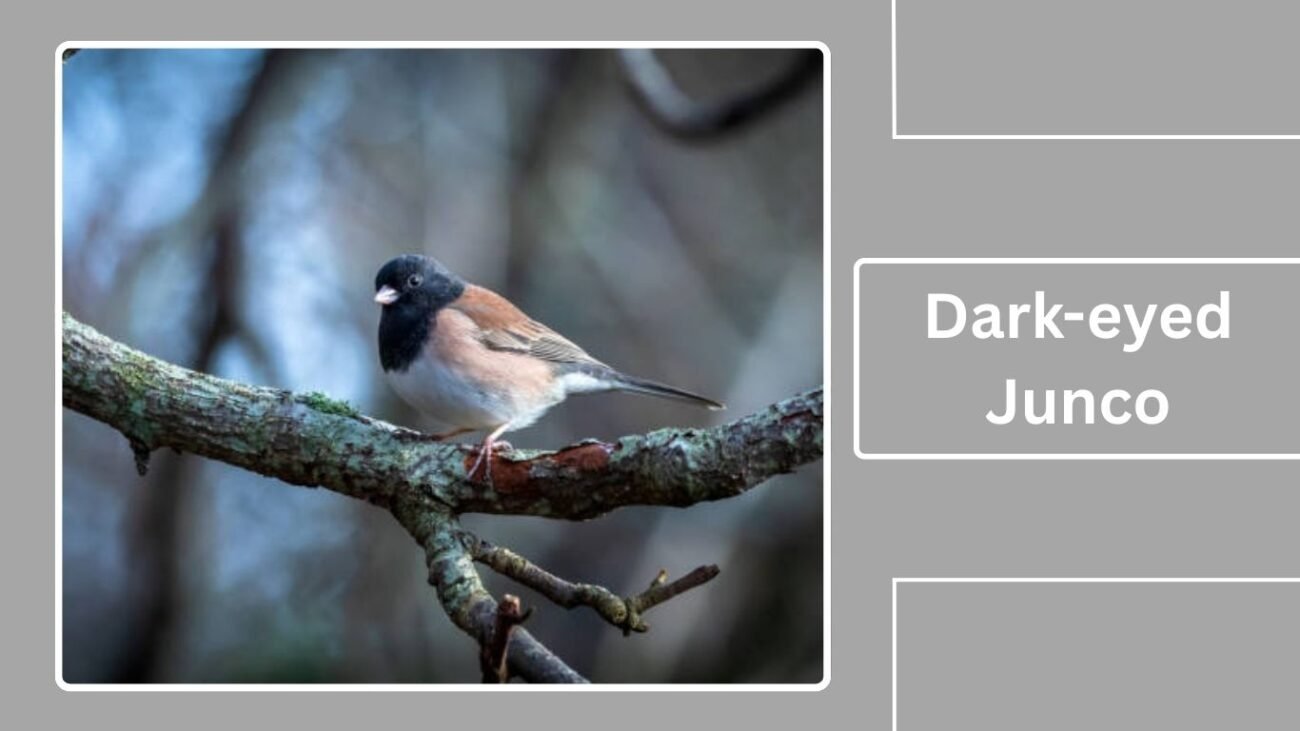
The Dark-eyed Junco is a tiny sparrow-like bird, often called the “snowbird” because it appears in many regions during winter. Its contrasting dark and light plumage makes it easy to recognize, and it is one of the most widespread birds in North America.
Identification
- Size: 5.1–6.9 inches (13–17.5 cm)
- Plumage: Slate-colored (blackish-gray) head, back, and chest with white belly and outer tail feathers
- Wings: Dark gray with subtle edging
- Tail: Long with noticeable white outer feathers, flashes during flight
- Bill: Small, pale pink
Habitat
Juncos thrive in coniferous and mixed forests but are also frequent visitors to gardens, backyards, and open woodlands during the winter months.
Behavior
They forage mostly on the ground, hopping around in flocks. Dark-eyed Juncos are known for their quick, darting movements and their soft, musical trill.
Diet
Their diet includes seeds, grains, and small insects. At feeders, they prefer millet and sunflower seeds scattered on the ground.
6. Little Pied Cormorant
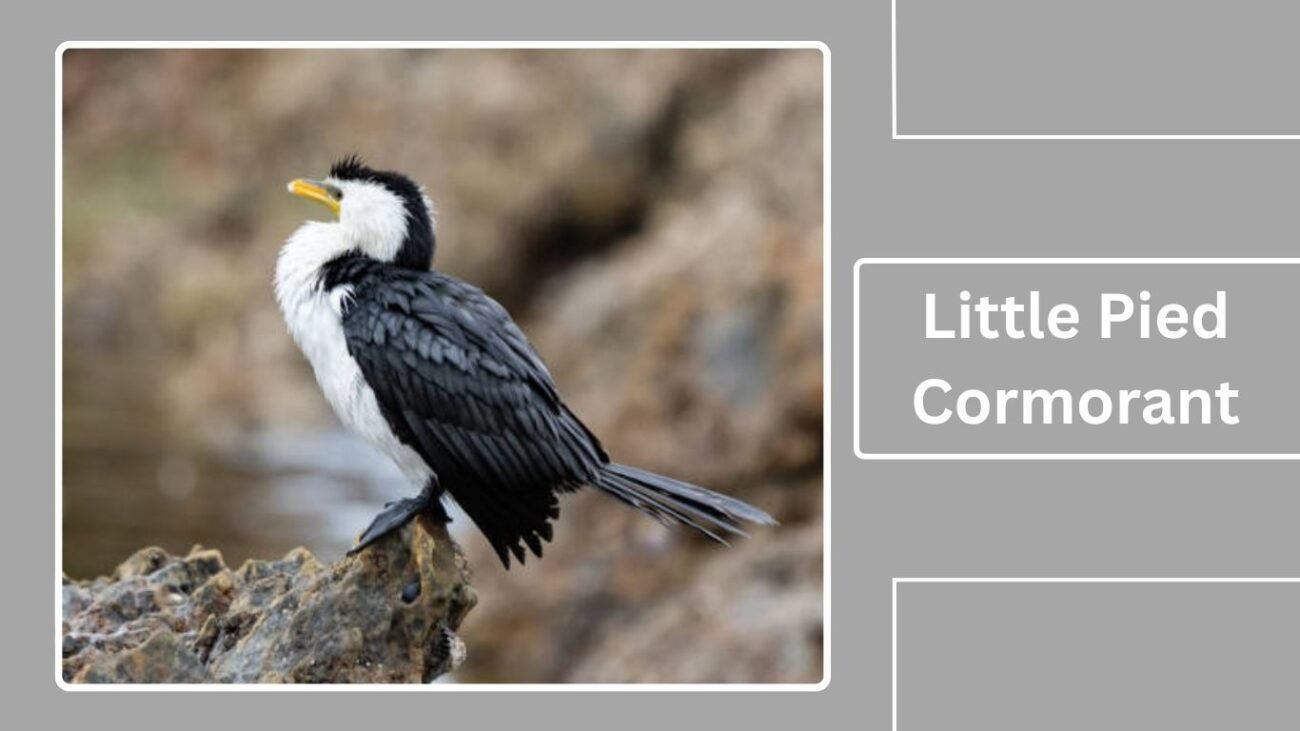
The Little Pied Cormorant is a tiny black-and-white water bird often seen perched near rivers, lakes, and coastal areas. Despite being one of the smaller cormorant species, it is skilled at diving and catching fish underwater. Its sharp contrast of black and white plumage makes it easy to spot.
Identification
- Size: 21–23 inches (53–58 cm)
- Plumage: White face, throat, and underparts; black crown, back, and wings
- Wings: Glossy black with broad shape for diving
- Tail: Short and rounded, entirely black
- Bill: Long, slender, and hooked at the tip
Habitat
They inhabit freshwater lakes, rivers, wetlands, and coastal shorelines, often roosting on logs or rocks near the water.
Behavior
Little Pied Cormorants are excellent swimmers, diving to catch fish and surfacing with their prey. They are often seen spreading their wings to dry after hunting.
Diet
Their diet mainly consists of fish, but they also eat aquatic insects and crustaceans.
7. Magpie-lark
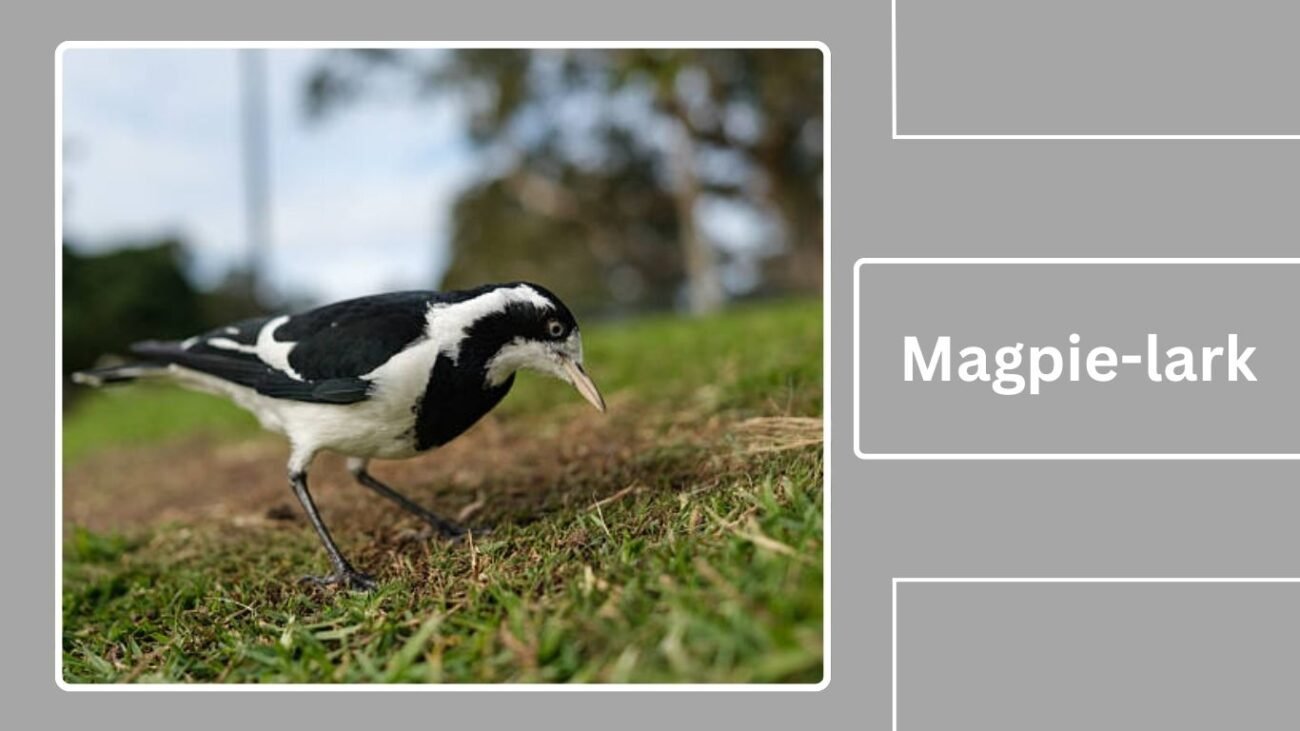
The Magpie-lark, also known as the Peewee or Mudlark, is a small black-and-white bird native to Australia. It is easily recognized by its contrasting plumage and loud, melodious calls. Despite its name, it is not a true magpie but belongs to a different bird family.
Identification
- Size: 9.8–11.8 inches (25–30 cm)
- Plumage: Striking black-and-white pattern; males have a black throat, females a white one
- Wings: Black with bold white patches
- Tail: Black with white edges
- Bill: Short, slender, and pale
Habitat
They are common in open habitats, including farmlands, grasslands, parks, and suburban areas, often near water sources.
Behavior
Magpie-larks are territorial and aggressive when defending their nests. They often build mud nests on branches and rooftops. Their duetting calls are a unique feature, with males and females singing in harmony.
Diet
They mainly eat insects, earthworms, and small invertebrates, foraging on the ground in open spaces.
8. White-throated Fantail
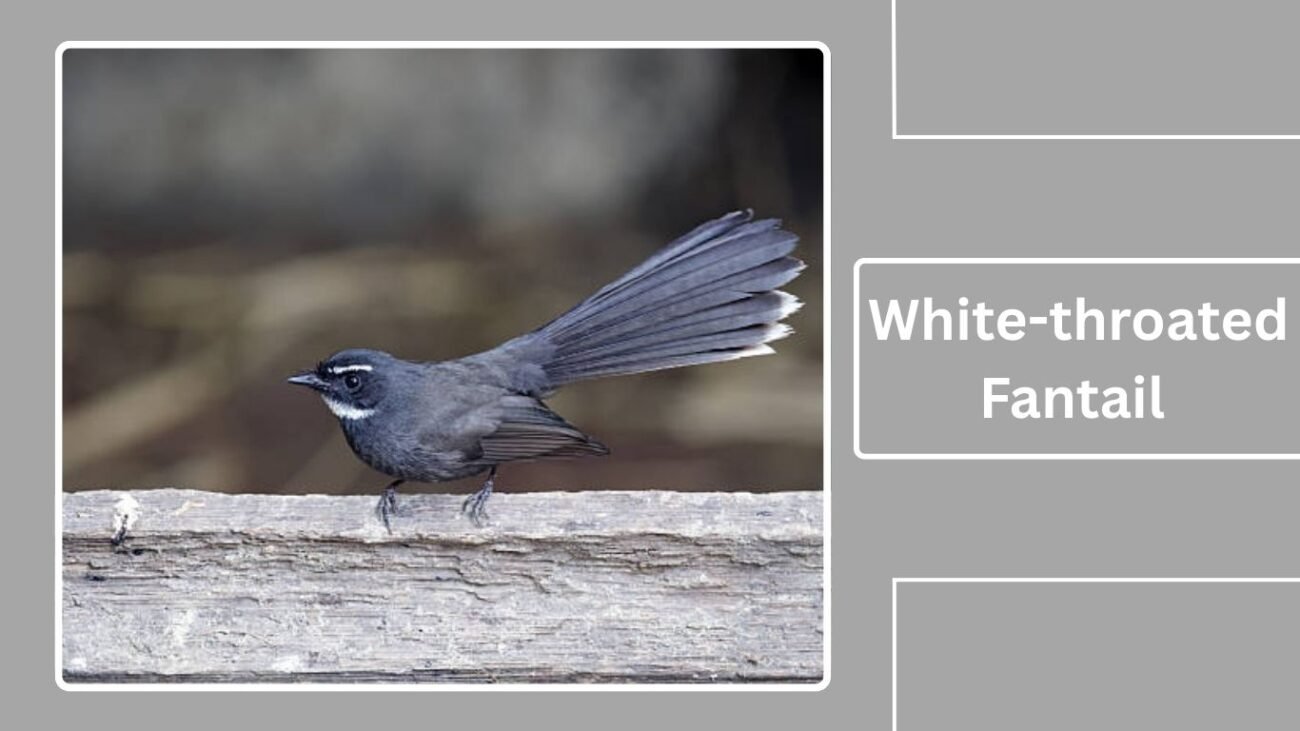
The White-throated Fantail is a tiny, active black-and-white bird known for its constantly fanned tail. Native to South and Southeast Asia, it is admired for its agility and cheerful presence in gardens and forests. Its rapid tail movements make it one of the most energetic little birds to watch.
Identification
- Size: 6.3–7.1 inches (16–18 cm)
- Plumage: Blackish upperparts, white throat, and white-tipped tail
- Wings: Dark with pale edging
- Tail: Long, rounded, with white edges, often spread like a fan
- Bill: Short, thin, and pointed
Habitat
They are found in forests, scrublands, and gardens, often near water sources. They are common in both rural and urban areas.
Behavior
White-throated Fantails are restless and acrobatic, flitting about while spreading and wagging their tails. They are also known for their sweet, whistling songs during the breeding season.
Diet
Their diet mainly consists of small insects such as flies, beetles, and caterpillars, which they catch mid-air or from foliage.
9. Collared Flycatcher
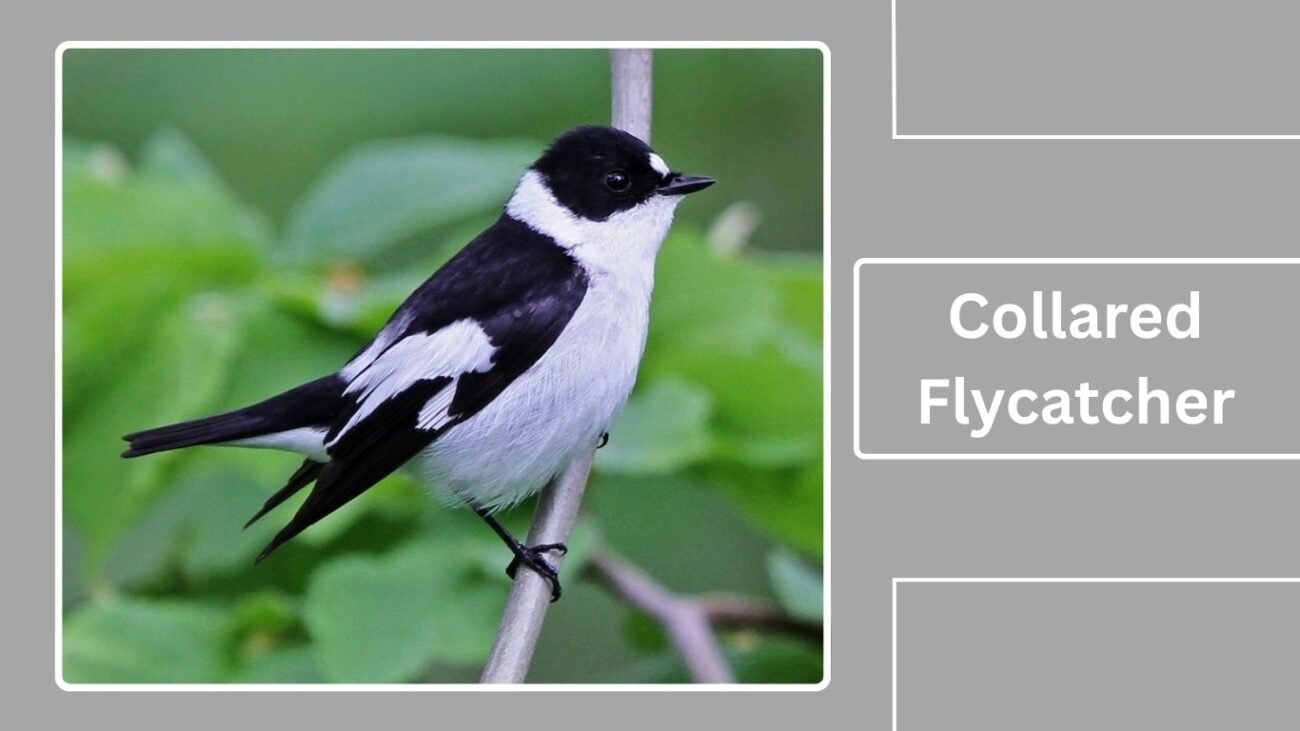
The Collared Flycatcher is a small black-and-white songbird found in parts of Europe and western Asia. Known for its bold plumage and acrobatic insect-hunting skills, this bird is often seen darting out from perches to snatch prey mid-air. Males are especially striking during the breeding season with their sharp black-and-white contrast.
Identification
- Size: 4.7–5.1 inches (12–13 cm)
- Plumage: Males have a glossy black back, white underparts, and a distinct white collar; females are more grayish-brown with paler markings
- Wings: Black with white patches
- Tail: Black with white edges
- Bill: Small, thin, and pointed
Habitat
They prefer deciduous and mixed woodlands, especially areas with plenty of old trees for nesting. During migration, they can also be seen in gardens and open parks.
Behavior
Collared Flycatchers are agile hunters, catching flying insects in mid-air. They are territorial during breeding and often compete with similar flycatcher species.
Diet
Their diet mainly consists of flying insects such as flies, moths, and beetles, occasionally supplemented by berries and seeds.
10. Black-throated Bushtit
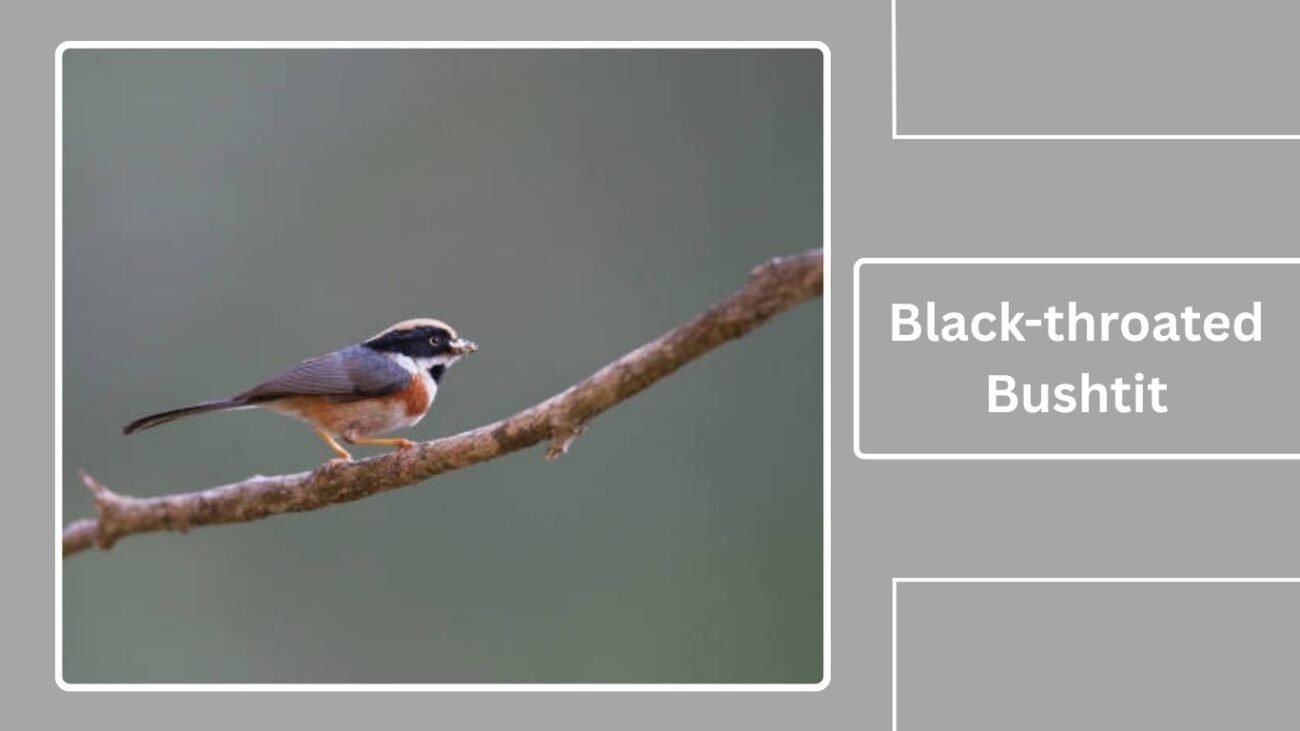
The Black-throated Bushtit, also called the Black-throated Tit, is one of the tiniest black-and-white birds in Asia. Despite its small size, it is strikingly beautiful with its bold facial markings and social behavior. These active little birds are often seen in lively flocks, moving quickly through trees and shrubs.
Identification
- Size: 4–4.5 inches (10–11 cm)
- Plumage: Black throat and mask, white face, grayish back, and buff underparts
- Wings: Gray with pale edges
- Tail: Long and narrow, often carried upright
- Bill: Tiny, short, and dark
Habitat
They are found in forests, woodlands, and gardens across South and East Asia, particularly in hilly and mountainous regions.
Behavior
Black-throated Bushtits are highly social, moving in groups that constantly chatter while foraging. Their quick, restless movements make them fun to watch.
Diet
Their diet mainly includes insects, small caterpillars, and spiders, along with seeds and berries when available.