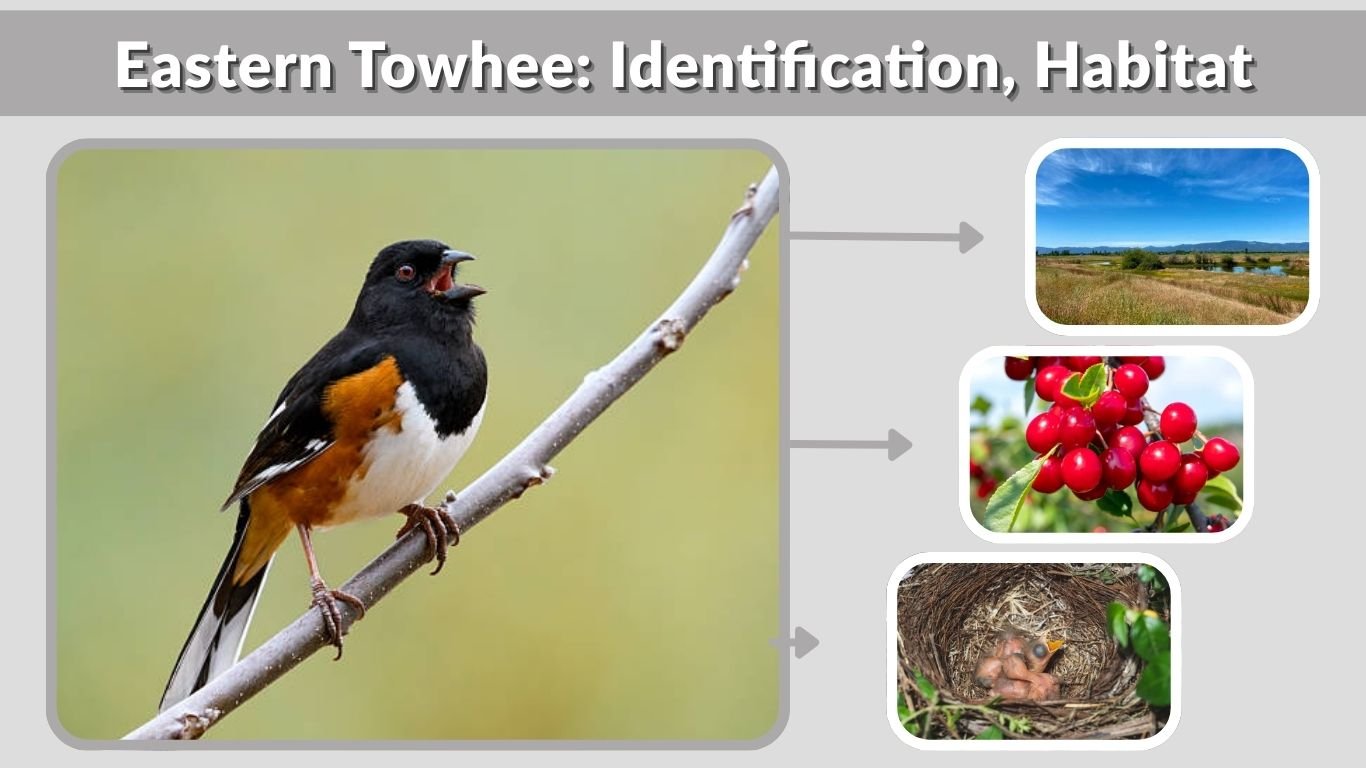
The Eastern Towhee (Pipilo erythrophthalmus) is a striking and recognizable songbird found across much of eastern North America. Known for its bold coloration and distinctive call, this bird often captures the attention of birdwatchers and nature enthusiasts alike. Its famous “drink-your-tea” song echoes through woodlands and thickets, making it easier to hear than to see, as it tends to stay hidden in dense vegetation.
Despite its somewhat secretive nature, the Eastern Towhee is a fascinating species with unique behaviors and ecological importance. From its ground-scratching feeding style to its seasonal movements, this bird offers plenty to observe and learn about. In this guide, we’ll explore how to identify the Eastern Towhee, where it lives, and what makes it such a special part of the North American bird community.
Eastern Towhee Physical Description and Identification
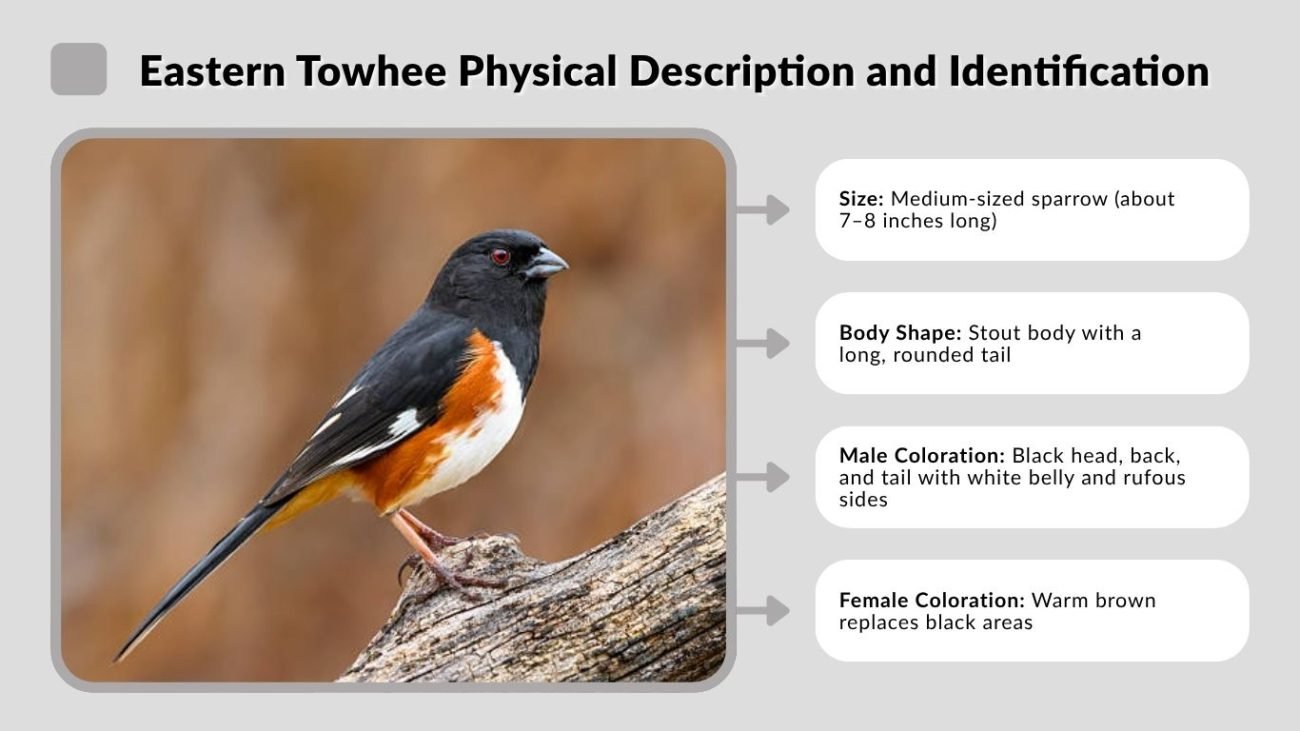
The Eastern Towhee is a visually striking songbird that is relatively easy to identify once you know what to look for. It combines bold color contrasts with unique behavioral traits, making it stand out among other ground-feeding birds. While males and females differ slightly in appearance, both share key features that help birdwatchers quickly recognize them in the wild.
Key Identification Features (Quick List)
- Size: Medium-sized sparrow (about 7–8 inches long)
- Body Shape: Stout body with a long, rounded tail
- Male Coloration: Black head, back, and tail with white belly and rufous sides
- Female Coloration: Warm brown replaces black areas
- Eye Color: Usually bright red (sometimes pale/white)
- Tail Markings: White corners visible in flight
- Bill Type: Thick, conical bill for seed eating
- Behavioral Clue: Distinctive “two-footed scratch” while foraging
- Movement: Often hops on the ground and stays low in dense cover
This combination of physical traits and behaviors makes the Eastern Towhee one of the most recognizable birds in its range, even when it is partially hidden in vegetation.
Eastern Towhee Habitat and Geographic Range
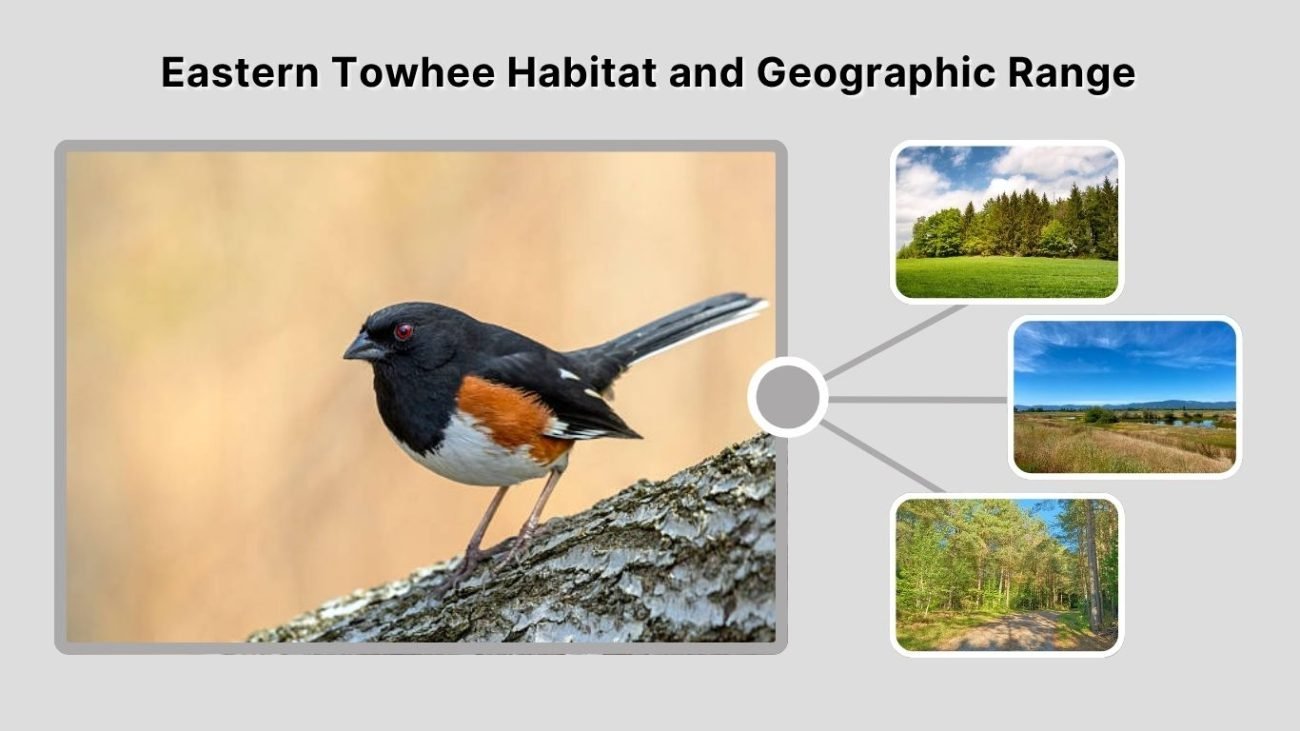
Where Do Eastern Towhees Live?
Eastern Towhees are widely distributed across the eastern United States and extend into parts of southern Canada during the breeding season. In the colder months, many northern populations migrate southward to the southeastern United States, where they spend the winter. However, birds in the southern parts of their range often remain there year-round.
Preferred Habitat Types
This species thrives in areas with dense vegetation. Eastern Towhees are commonly found along forest edges, in shrubby fields, thickets, and overgrown clearings. They prefer habitats that offer plenty of ground cover, which provides both food and protection from predators. In suburban areas, they may also be seen in backyards that feature dense shrubs, hedges, or natural landscaping.
Eastern Towhee Behavior and Lifestyle
Ground Foraging Behavior
The Eastern Towhee is best known for its unique foraging method, often referred to as the “two-footed scratch.” The bird hops forward and then quickly kicks both feet backward, scattering leaves and debris to uncover hidden food. This behavior is usually accompanied by a rustling sound, which can alert observers to the bird’s presence even when it remains out of sight.
Social and Territorial Behavior
Eastern Towhees are generally solitary birds or found in pairs, especially during the breeding season. Males are highly territorial and use their songs to establish and defend their territory from rivals. While they may tolerate other birds outside of breeding season, they tend to maintain a certain level of independence compared to more social species.
Activity Patterns
These birds are diurnal, meaning they are active during the day. However, they are often more easily heard than seen, as they prefer to stay hidden in thick underbrush. Their secretive nature, combined with their loud and clear calls, creates a unique birdwatching experience where sound often guides the search.
Eastern Towhee Diet and Feeding Habits
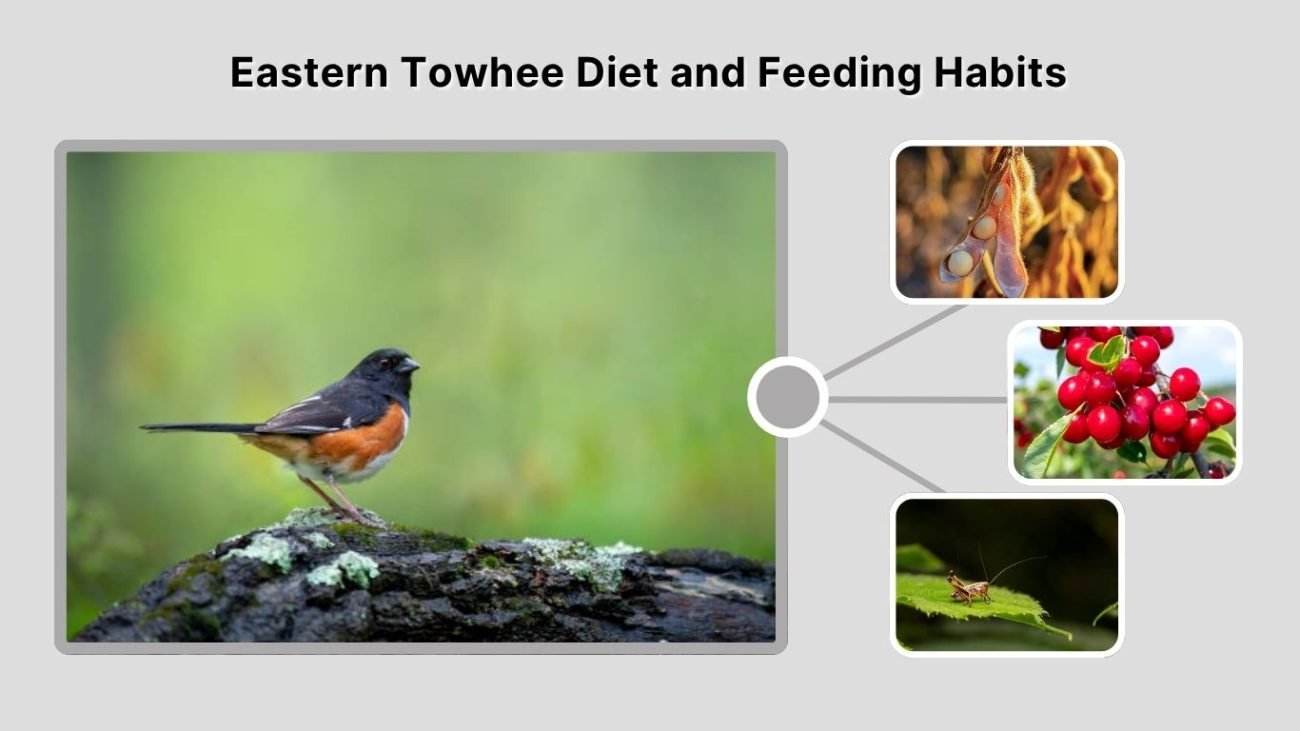
The Eastern Towhee has a varied and adaptable diet. It feeds on seeds, berries, and a wide range of insects, making it an omnivorous species. During the warmer months, insects such as beetles, caterpillars, and grasshoppers make up a significant portion of its diet, providing essential protein for breeding and raising young. In the fall and winter, the bird relies more heavily on seeds and plant material.
This flexible diet allows the Eastern Towhee to thrive in different environments and contributes to its role in the ecosystem. By consuming insects, it helps control pest populations, while its feeding habits also aid in seed dispersal.
Eastern Towhee Call and Song
Common Vocalizations
The Eastern Towhee is well known for its distinctive and memorable vocalizations. Its most famous song is often described as sounding like “drink-your-tea,” a clear and ringing phrase that carries through dense vegetation. This song typically begins with a sharp introductory note followed by a musical trill.
In addition to its song, the Eastern Towhee also produces a short, sharp call often transcribed as “chewink.” This call is frequently heard when the bird is alarmed or communicating with nearby individuals.
Why They Sing
Like many songbirds, Eastern Towhees use their vocalizations primarily for communication. Males sing to attract mates during the breeding season and to establish and defend their territory. A strong, consistent song signals health and fitness to potential partners while also warning rival males to stay away.
Eastern Towhee Breeding and Nesting
Breeding Season
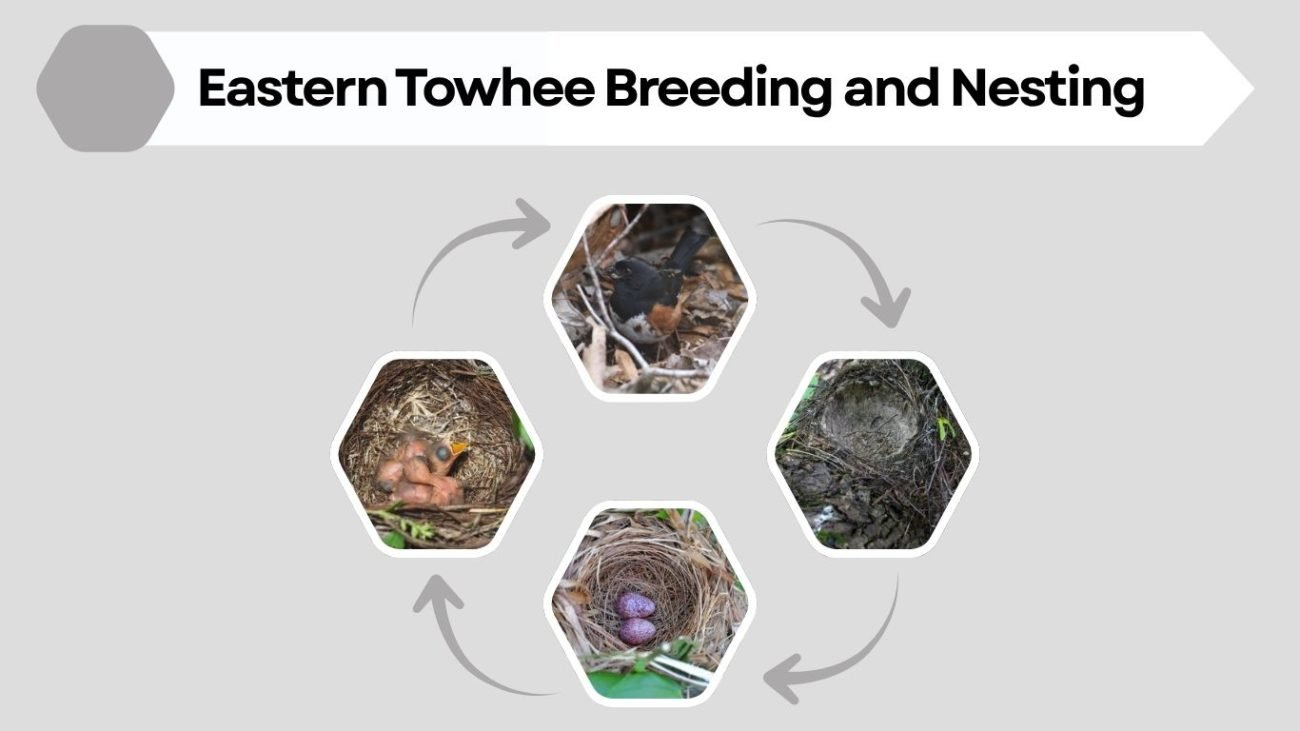
The breeding season for Eastern Towhees typically begins in spring and extends into early summer. During this time, males become especially vocal and visible as they defend their territories and court females.
Nesting Behavior
Eastern Towhees usually build their nests on or very close to the ground, often hidden beneath shrubs, grasses, or leaf litter. The nest is carefully constructed using materials such as leaves, bark, grass, and fine roots. This concealed placement helps protect the eggs and chicks from predators, though ground nesting still carries risks.
Eggs and Chick Development
A typical clutch consists of 2 to 6 eggs, which are pale with small brown markings. The female primarily handles incubation, which lasts about 12 to 13 days. After hatching, both parents participate in feeding the chicks. The young birds grow quickly and usually leave the nest within 10 to 12 days, though they may continue to rely on their parents for some time afterward.
Eastern Towhee Migration Patterns
Migration patterns in Eastern Towhees vary depending on their location. Birds that breed in the northern parts of their range often migrate southward in the fall to avoid harsh winter conditions. These migrating populations typically spend the winter in the southeastern United States.
In contrast, Eastern Towhees living in the southern regions are usually non-migratory and remain in the same area throughout the year. Migration is influenced by factors such as food availability, temperature, and daylight hours.
Eastern Towhee vs Spotted Towhee
Key Differences
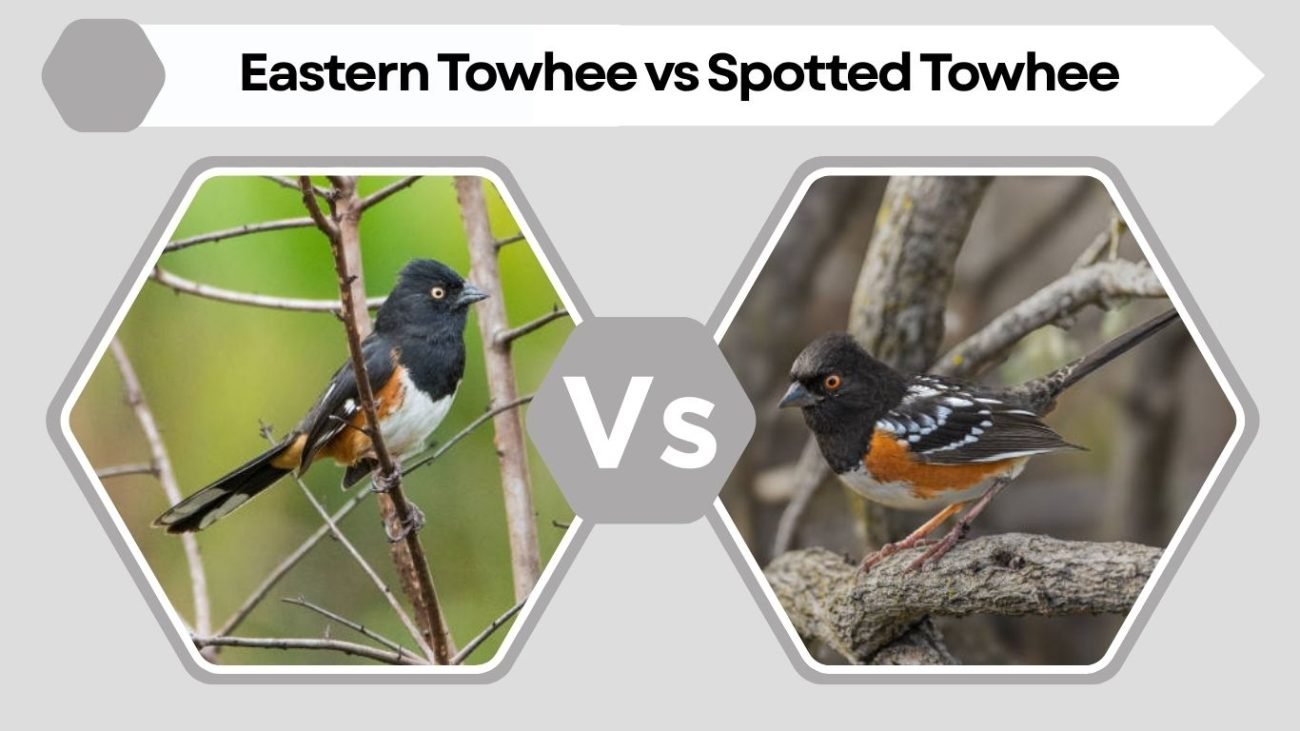
The Eastern Towhee is closely related to the Spotted Towhee, a similar species found in western North America. One of the main differences between the two is their geographic range—Eastern Towhees are found in the east, while Spotted Towhees inhabit the west.
Another key distinction lies in their plumage. Spotted Towhees have noticeable white spots on their wings and back, whereas Eastern Towhees have more solid-colored upperparts without spotting.
Identification Tips
To distinguish between the two species, pay close attention to both location and appearance. If you are in eastern North America and observe a towhee without white spotting, it is most likely an Eastern Towhee. In contrast, a spotted pattern strongly suggests a Spotted Towhee.
How to Attract Eastern Towhees
Attracting Eastern Towhees to your yard can be rewarding, especially for birdwatchers who enjoy observing ground-feeding species. The key is to create an environment that mimics their natural habitat.
Providing dense shrubs, hedges, or brush piles gives them the cover they prefer. Leaving leaf litter on the ground is also beneficial, as it allows them to forage naturally using their scratching behavior. Ground feeders stocked with seeds such as millet or sunflower seeds can further encourage visits.
Additionally, offering a clean water source, such as a birdbath, can make your yard even more appealing. A natural, slightly untidy landscape often works better than a perfectly manicured one when it comes to attracting these birds.
Conservation Status and Threats
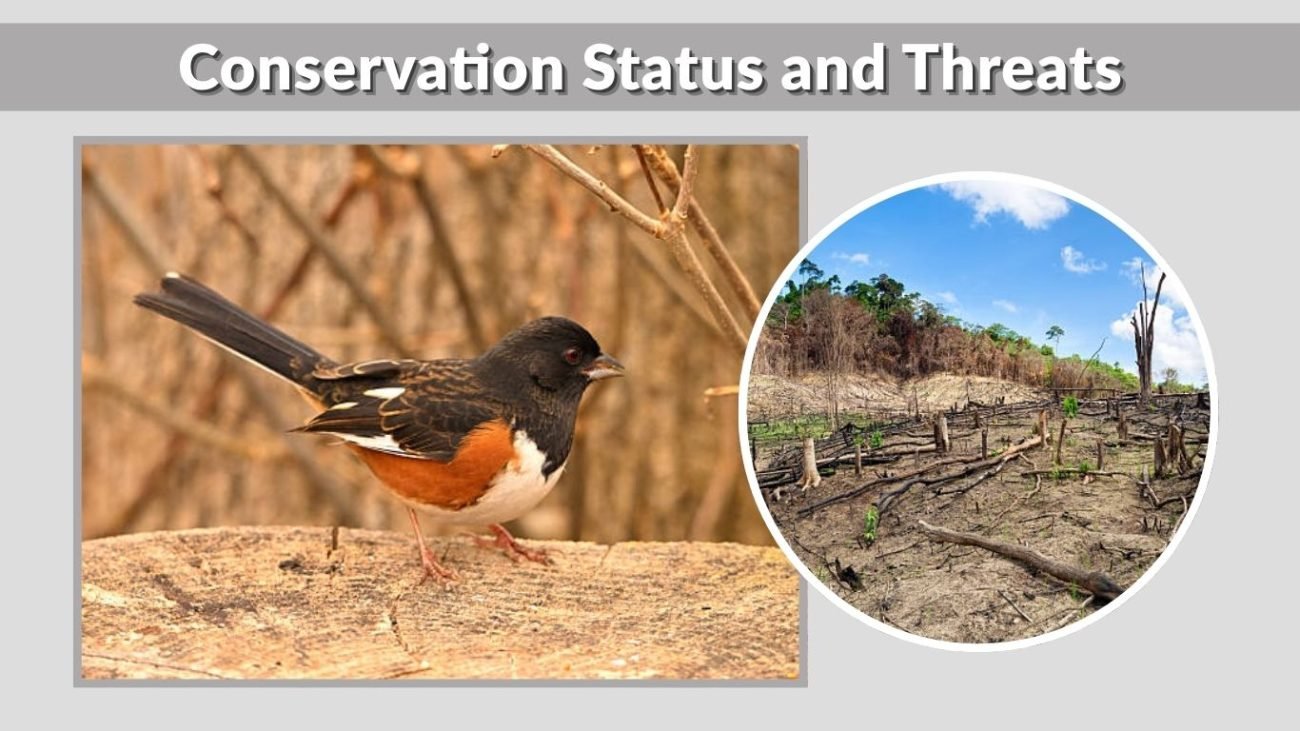
The Eastern Towhee is currently considered a species of relatively low conservation concern, but its population has shown some declines in certain areas. Habitat loss is one of the primary threats, particularly due to urban development and changes in land use that reduce shrubby and brushy environments.
Other challenges include predation, pesticide use, and environmental changes. Conservation efforts focus on preserving and restoring suitable habitats, especially early-successional landscapes that provide the dense cover these birds need.
Interesting Facts About Eastern Towhees
The Eastern Towhee was once grouped together with the Spotted Towhee under the name “Rufous-sided Towhee” before being recognized as a separate species. This change reflects differences in behavior, genetics, and appearance.
Another interesting fact is that while most Eastern Towhees have red eyes, some individuals—especially in certain regions—have pale or white eyes. Additionally, many people hear these birds before they ever see them, thanks to the distinctive rustling sound they make while scratching through leaves.
FAQs
What does an Eastern Towhee eat?
Eastern Towhees have an omnivorous diet that includes seeds, berries, and insects. During the breeding season, they rely more on insects for protein, while in winter they mainly eat seeds and plant material.
How can you identify an Eastern Towhee?
You can identify an Eastern Towhee by its striking coloration—black (male) or brown (female) upperparts, white belly, and reddish sides. It also has red eyes and a long tail with white corners.
Do Eastern Towhees migrate?
Yes, northern populations migrate south during winter, while birds in southern regions are usually year-round residents.
What is the Eastern Towhee’s song?
Their song is commonly described as “drink-your-tea,” along with a sharp “chewink” call used for communication and alerts.
Where do Eastern Towhees build their nests?
Eastern Towhees typically build their nests on or near the ground, hidden in dense vegetation such as shrubs, grasses, or leaf litter.
Conclusion
The Eastern Towhee is a fascinating and distinctive bird that adds both sound and movement to its natural surroundings. With its bold appearance, unique foraging behavior, and memorable song, it remains a favorite among bird enthusiasts.
Understanding its habitat needs and behaviors not only enhances birdwatching experiences but also highlights the importance of preserving natural environments. By maintaining suitable habitats and encouraging biodiversity, we can help ensure that the Eastern Towhee continues to thrive for generations to come.