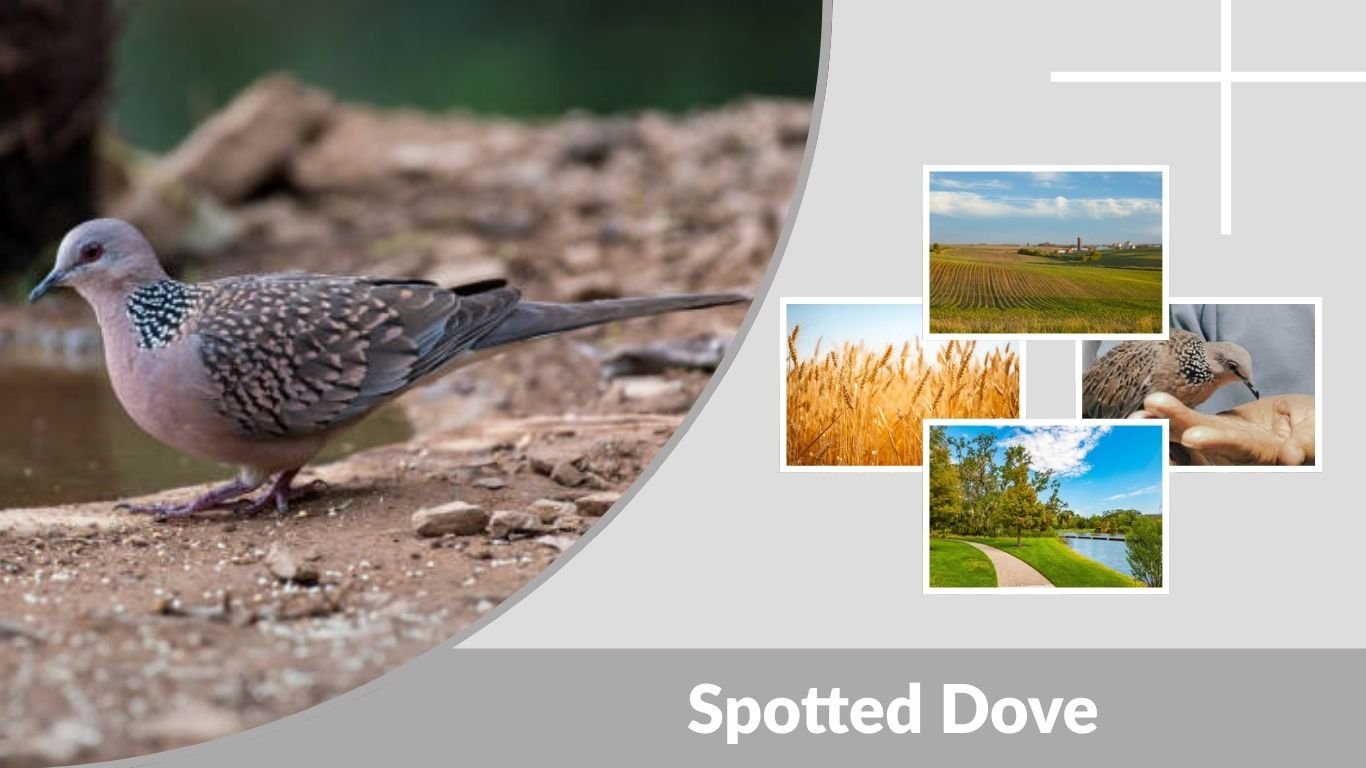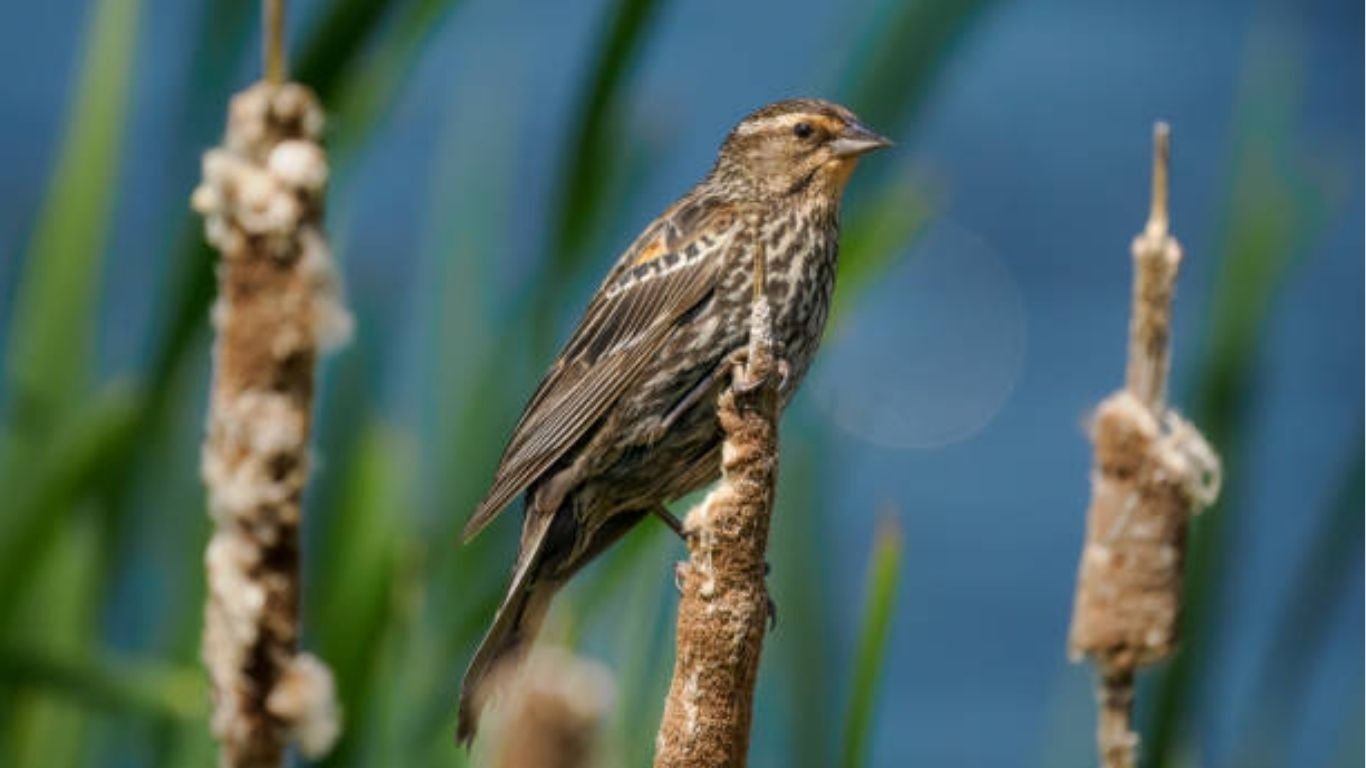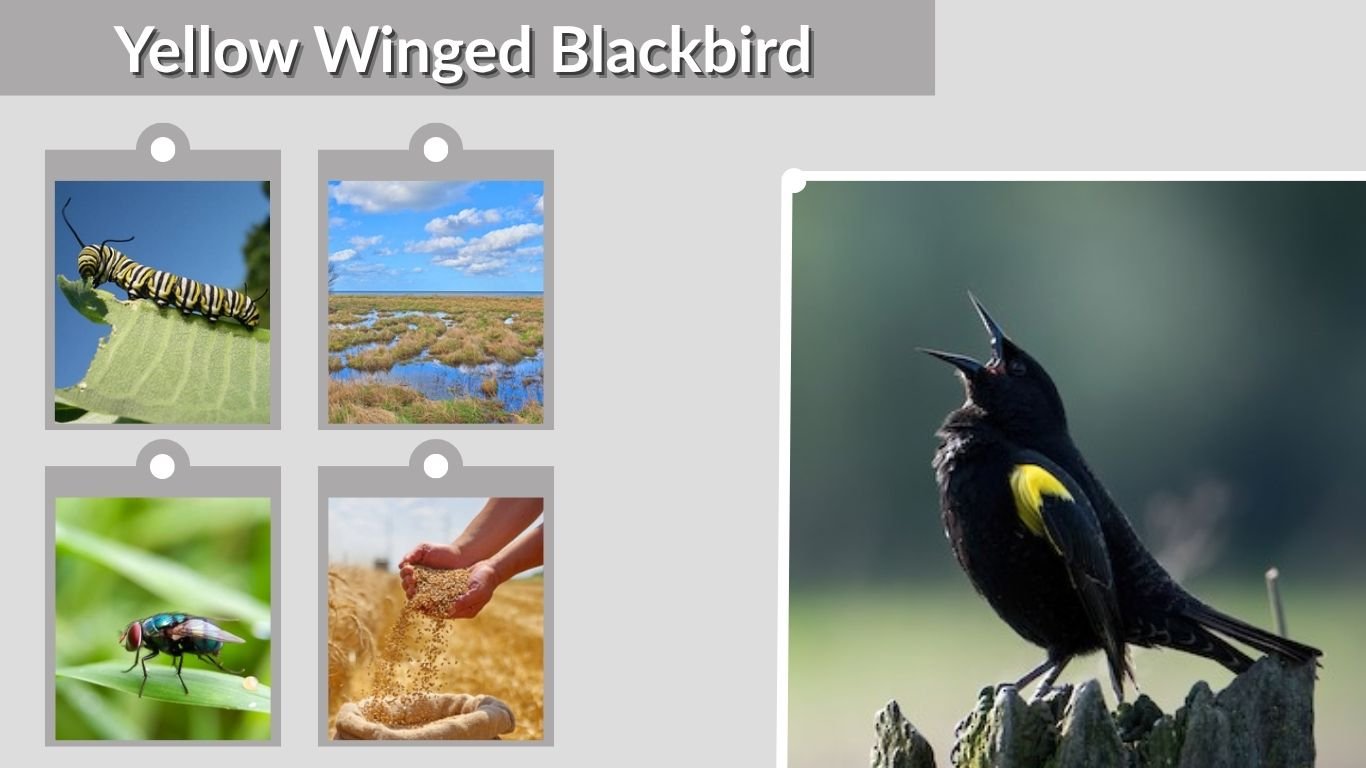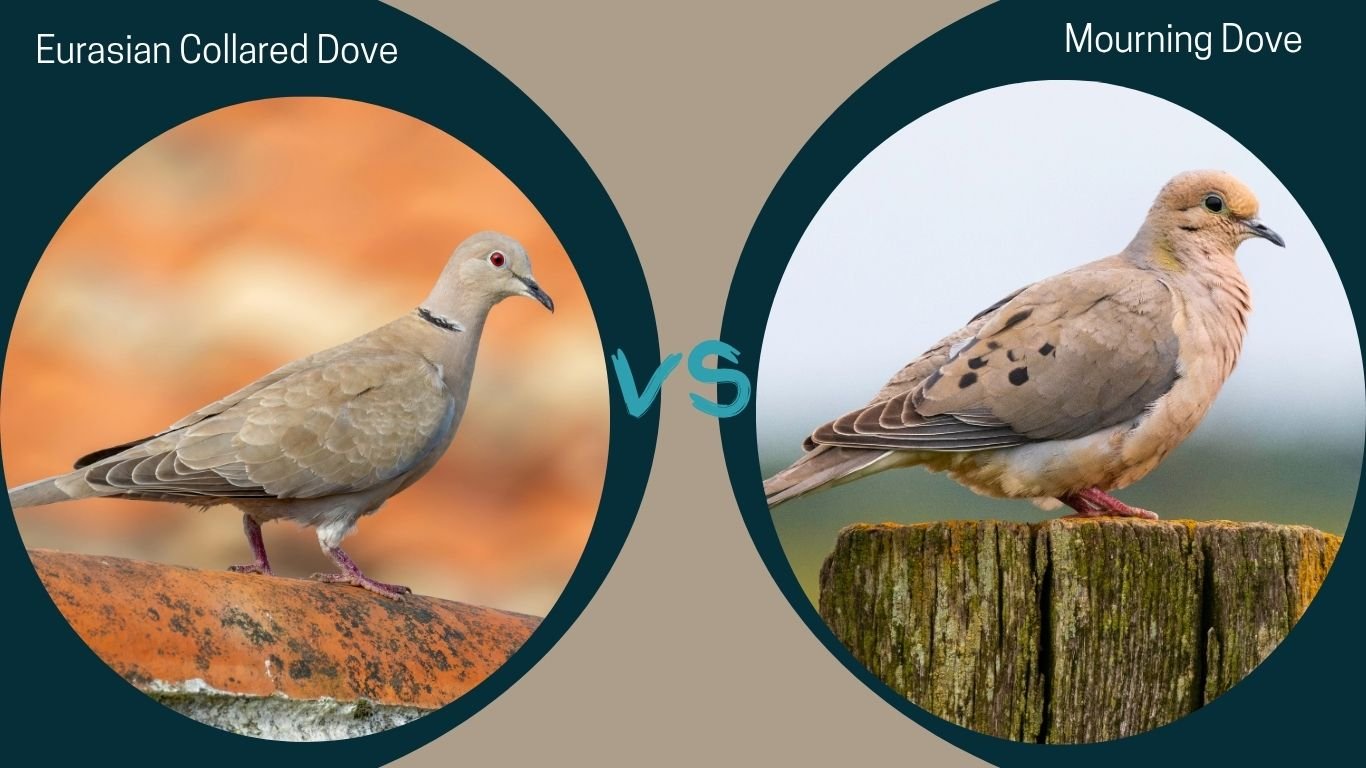
The Eurasian Collared Dove and the Mourning Dove are two of the most common doves seen across backyards, parks, and farmland. Both are slender, soft-colored birds known for their gentle calls and calm presence, but they’re often mistaken for each other. This guide breaks down their key differences—from physical traits to vocalizations—so you can easily tell them apart in the wild or even at your bird feeder.
Physical Appearance
Size and Shape
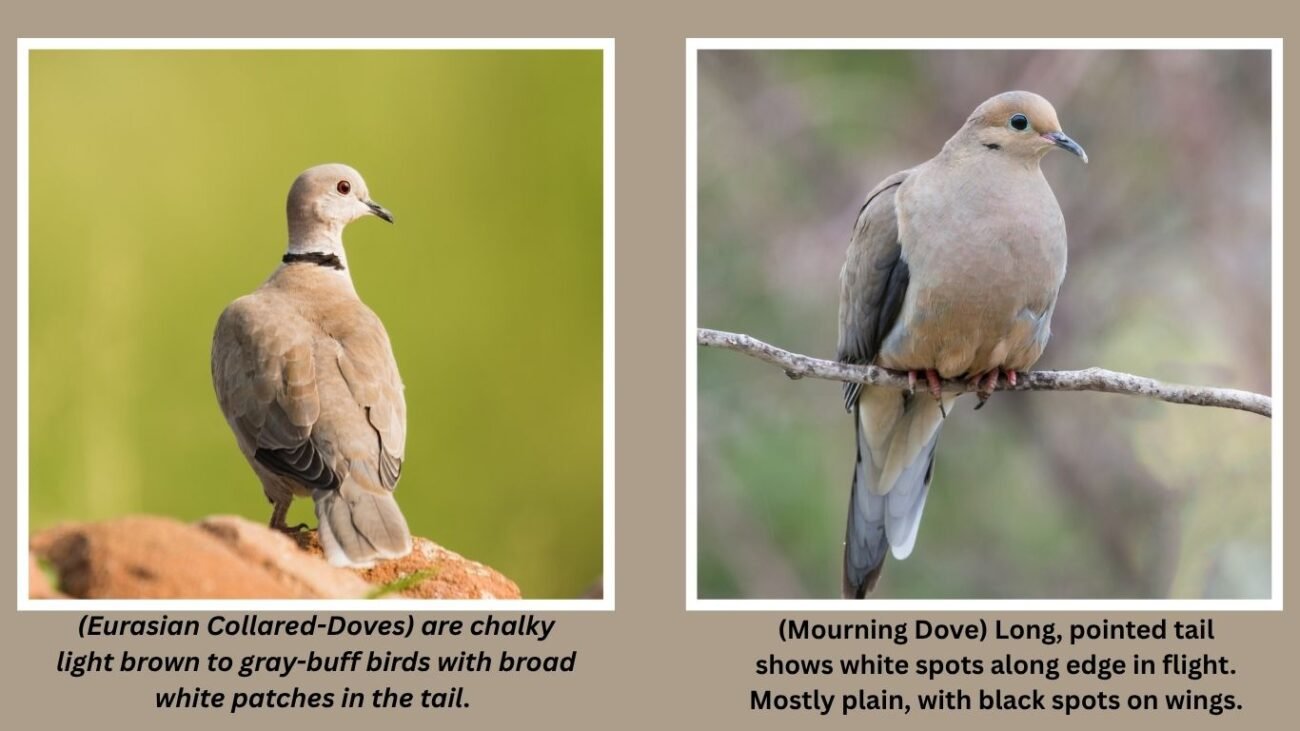
The Eurasian Collared Dove (Streptopelia decaocto) is generally larger and stockier than the Mourning Dove (Zenaida macroura). It typically measures about 12.5 inches in length with a wingspan of up to 18 inches. Mourning Doves, in contrast, are slightly smaller, around 11–12 inches long, with a sleeker body and narrower wings. The Mourning Dove also has a small head and long, tapered tail which makes it look more graceful in flight.
Color and Markings
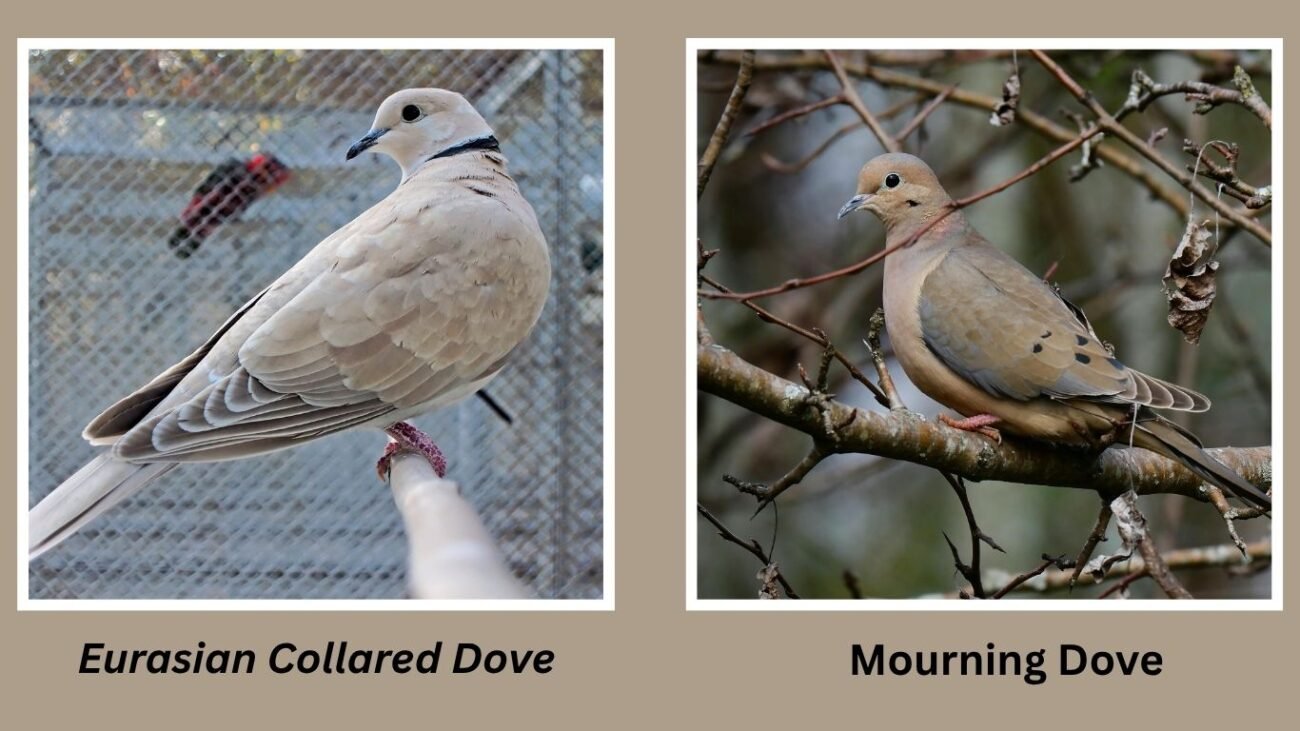
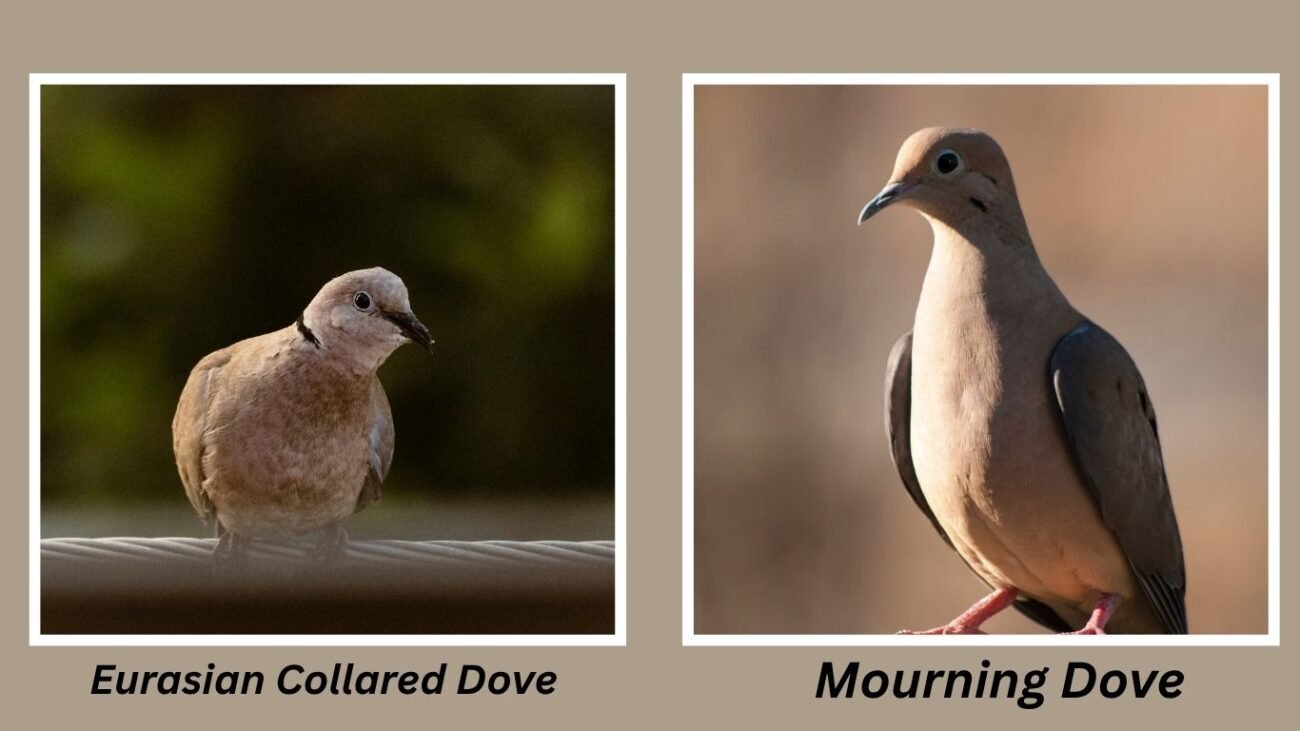
Both doves are light brown to grayish in color, but the Eurasian Collared Dove stands out due to a distinct black “collar” or crescent-shaped band around the back of its neck. Mourning Doves lack this marking and instead have a smoother, more uniform tan to gray coloring. They also display black spots on their wings, which the Eurasian Collared Dove does not.
Tail and Wing Differences
Tail shape is one of the most obvious identifiers. The Eurasian Collared Dove has a square-tipped tail with broad white edges, especially noticeable during flight. The Mourning Dove has a long, pointed tail, edged in white and black, creating a “sharpened” silhouette. The wings of Mourning Doves produce a distinctive whistling noise when taking off, which Collared Doves do not exhibit.
Range and Habitat
Geographic Distribution
The Mourning Dove is native to North America and found in every U.S. state, as well as parts of Central America and the Caribbean. The Eurasian Collared Dove, on the other hand, is an introduced species that originated in Asia and Europe. It arrived in North America in the 1980s and rapidly spread across the continent.
Preferred Environments
Mourning Doves are highly adaptable and prefer open areas such as fields, roadsides, and lightly wooded regions. They are frequently seen on telephone wires or foraging on the ground. Eurasian Collared Doves are often more urban and suburban, found around buildings, grain elevators, farms, and residential yards. They’re slightly more tolerant of human disturbance and may be more visible in city settings.
Behavior

Feeding Habits
Both species feed mostly on seeds and grains. Mourning Doves often forage on the ground in fields or near feeders, eating cracked corn, millet, and sunflower seeds. Eurasian Collared Doves feed in similar ways but are more likely to dominate feeders due to their larger size and bolder behavior.
Flight Style and Movements
Mourning Doves have a swift, darting flight with rapid wingbeats. Their tail feathers spread wide in flight, showing a distinctive point. Eurasian Collared Doves have a more direct and slower flight, appearing steadier with broader wing flaps. They’re also more likely to perch visibly on rooftops and wires for longer periods.
Breeding and Nesting
Both doves build flimsy platform nests made from twigs, usually in trees, shrubs, or human structures. Mourning Doves can raise up to six broods per year, especially in warmer climates. Eurasian Collared Doves also breed year-round in milder zones, often choosing higher ledges or tree branches for nesting. Both species lay two eggs per clutch.
Sound and Vocalization
Eurasian Collared Dove Call
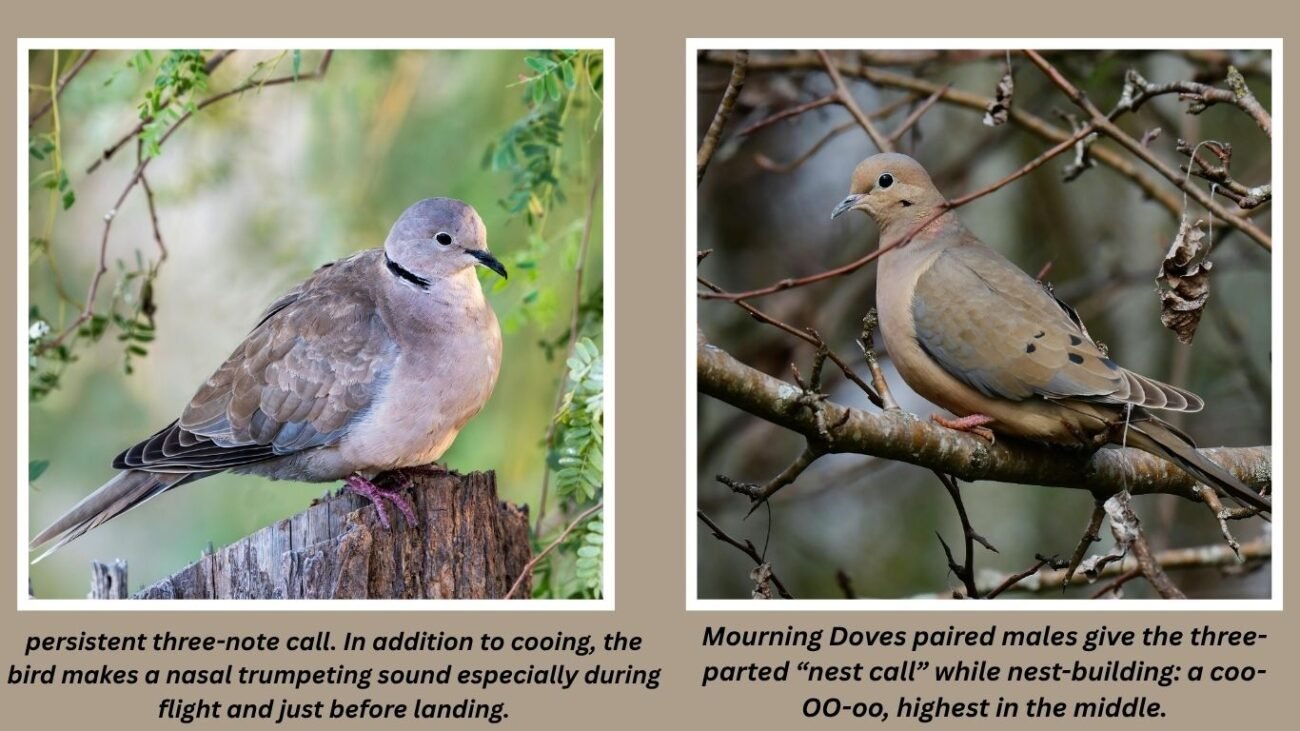
The Eurasian Collared Dove makes a distinct “coo-COO-coo” sound, with a repetitive and slightly mechanical tone. Some compare it to a laugh or chant. It’s deeper and more deliberate than the Mourning Dove’s song. The call is loud, can be repeated several times in succession, and is often heard from rooftops or fence posts.
Mourning Dove Call
Mourning Doves have a soft, sorrowful “cooOOoo-woo-woo-woo”, which gives them their name. The tone is mournful and melodic, usually rising and falling like a sigh. Their wings also make a high-pitched whistle when taking flight, a sound often heard before seeing the bird. This sound comes from their feathers and not their voice.
Human Interaction
Behavior Around People
Eurasian Collared Doves are bolder and more urban-tolerant. They often hang around human structures and feeders without fear. Mourning Doves, though common in residential areas, tend to be more skittish and quick to fly away when approached.
Both species are non-aggressive and peaceful around other birds. However, the Collared Dove may outcompete smaller birds at feeders due to its larger size.
Role in Ecosystem and Culture
Mourning Doves are native and protected game birds in many U.S. states. They are hunted in regulated seasons and hold cultural significance in various traditions and ceremonies. Eurasian Collared Doves, while not native, have established stable populations without significant harm to ecosystems, but in some areas, they’re considered invasive due to their rapid spread and breeding rate.
Quick Comparison Table
| Feature | Eurasian Collared Dove | Mourning Dove |
| Size | Larger, 12.5 in | Slightly smaller, ~12 in |
| Tail Shape | Square-tipped with white edges | Long, pointed with black/white tips |
| Neck Marking | Black crescent collar | No collar |
| Plumage Color | Pale gray to buff | Light brown to gray |
| Wing Sound | Silent in flight | Whistles when taking off |
| Call | Harsh “coo-COO-coo” | Soft “cooOOoo-woo” |
| Habitat | Urban/suburban | Fields, woods, rural areas |
| Range | Introduced, now widespread | Native to North America |
| Feeder Behavior | Bold, dominant | Shy, gentle |
| Status | Invasive in some regions | Game bird; culturally valued |
Conclusion
Though similar at a glance, the Eurasian Collared Dove and Mourning Dove have clear physical and behavioral differences that make identification easier once you know what to look for. From the Collared Dove’s black neck ring and bold city behavior to the Mourning Dove’s soft coos and pointed tail, each bird offers a unique presence. Whether you’re birdwatching in your backyard or exploring a nature trail, recognizing these two species will add depth to your outdoor experience and help you better understand their place in the ecosystem.