The yellow-billed cuckoo is a secretive, long-distance migratory bird known for its soft, croaking calls and important role in insect control. Found across much of the United States during summer, this bird prefers dense riparian habitats and is especially valued in conservation biology. From its unusual nesting habits to its threatened Western population, here are 17 intriguing facts that reveal the life and struggles of this elusive bird.
17 Facts about the Yellow-Billed Cuckoo
1. The Yellow-Billed Cuckoo Has a Distinctive Call
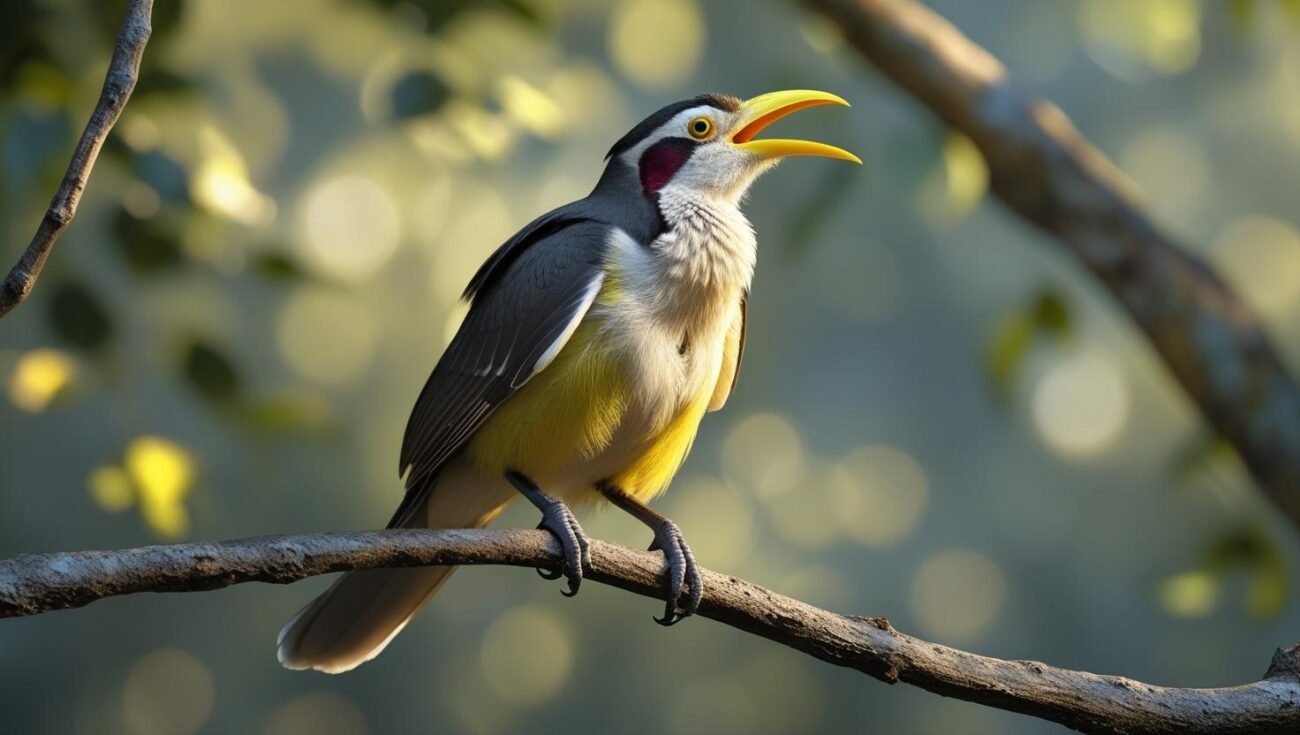
The yellow-billed cuckoo (Coccyzus americanus) is famous for its unique, low-pitched “ka-ka-ka-ka-ka-kow-kow-kowlp-kowlp” call. Often described as soft and hollow-sounding, its call is more frequently heard than the bird is seen, especially during the breeding season. Birders can recognize it by its rhythmic, knocking sequence, often heard in late spring and summer across its range.
2. Found Across a Broad Range in North and Central America
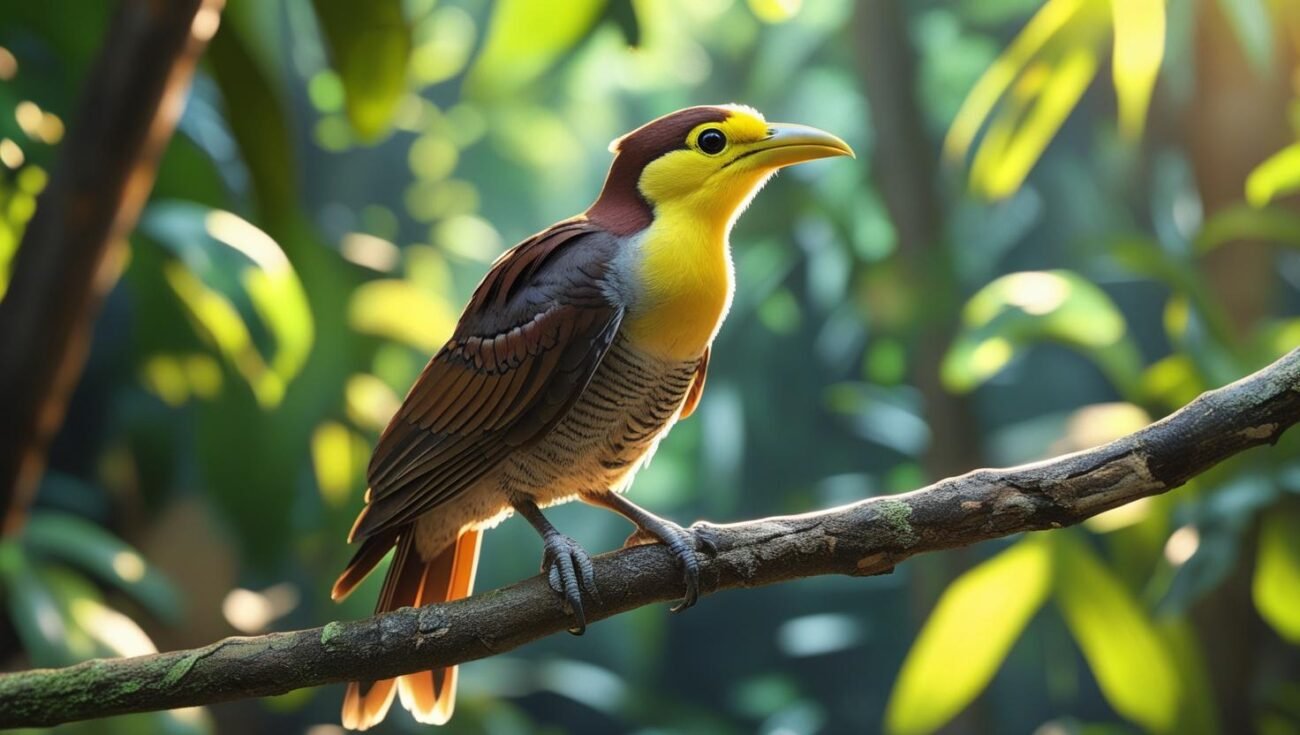
This bird has a large geographic distribution. The yellow-billed cuckoo range includes the eastern and southwestern United States, extending into Mexico, Central America, and even parts of South America during migration. The Western Yellow-Billed Cuckoo, a distinct population segment, has a more restricted range and is listed as threatened under the U.S. Endangered Species Act. Its critical habitat includes parts of California, Arizona, New Mexico, Nevada, and Idaho.
3. It Plays a Role in Caterpillar Control
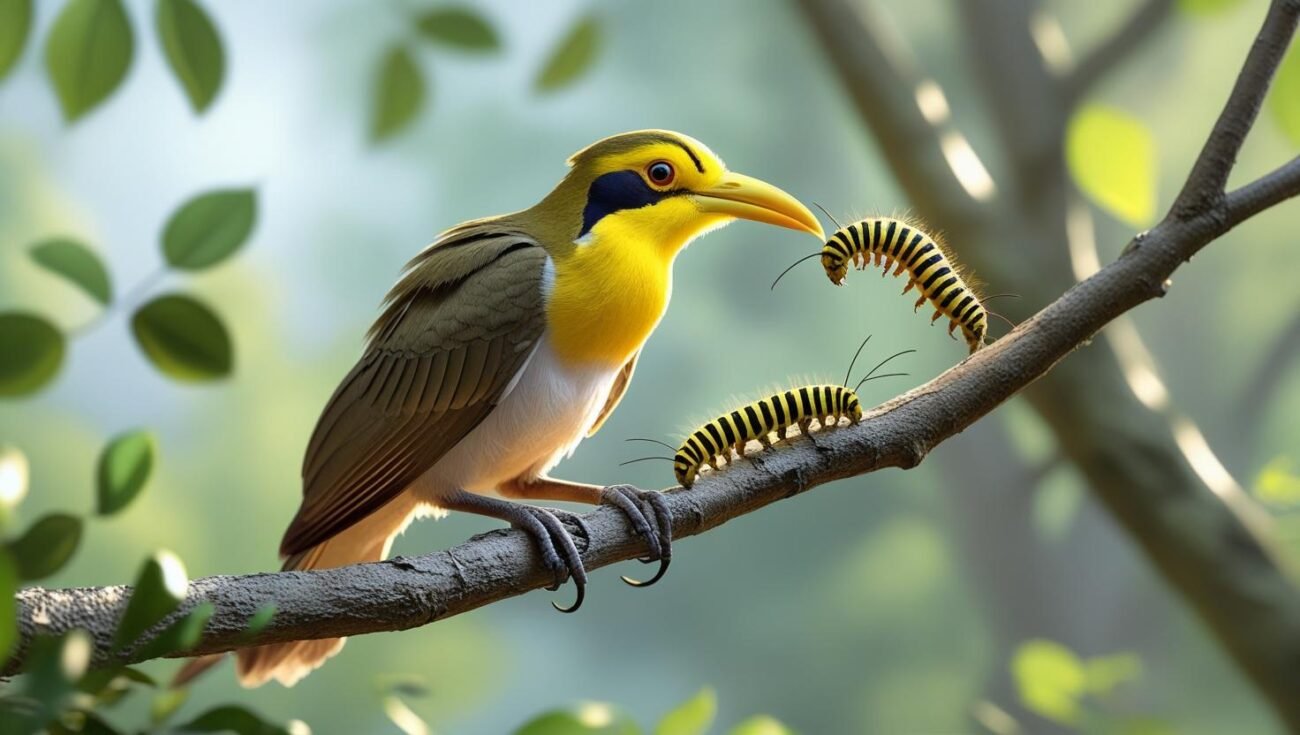
Yellow-billed cuckoos are known for their insect-heavy diet, especially during the breeding season. One of their specialties is feasting on large caterpillars, including tent caterpillars and webworms—species many other birds avoid due to their hairy bodies and chemical defenses. By helping to control caterpillar populations, they benefit forest health and balance the ecosystem.
4. Breeding Season Is Tied to Insect Abundance

The yellow-billed cuckoo has a flexible breeding season that often coincides with outbreaks of caterpillars or cicadas. In many regions, they begin nesting as late as June or July, which is later than most North American songbirds. This timing ensures abundant food for their chicks, which grow quickly and leave the nest in just 7 to 9 days.
5. Western Yellow-Billed Cuckoo Is Threatened
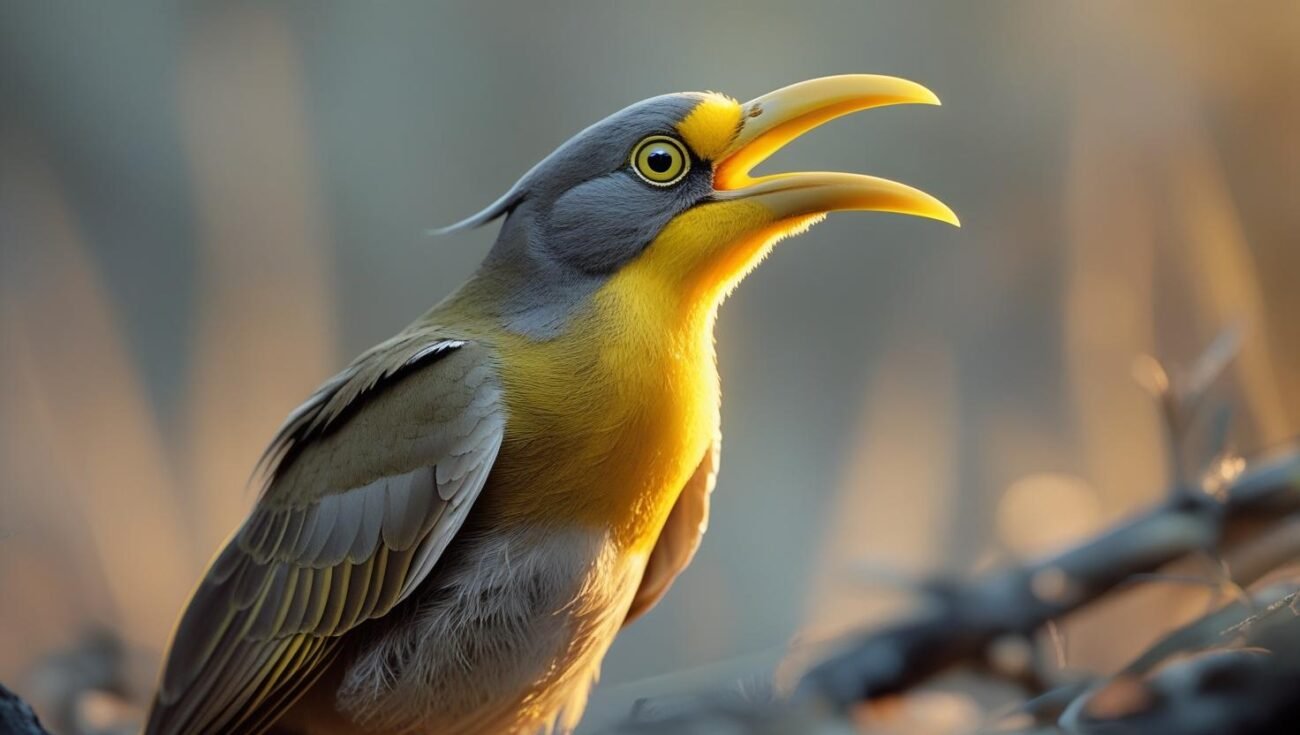
The Western DPS (Distinct Population Segment) of the yellow-billed cuckoo is federally listed as threatened in the U.S. due to habitat loss. This subspecies relies on riparian woodlands—lush habitats along rivers and streams. Agriculture, water diversion, and development have fragmented its range, prompting conservation efforts and designated critical habitat by the USFWS and ECOS.
6. Known as the “Rain Crow”

In southern folklore, the yellow-billed cuckoo is called the “Rain Crow” because its calls often precede thunderstorms. While not a scientifically proven predictor of rain, this nickname reflects the bird’s tendency to call more frequently during humid, pre-storm conditions in the summer months.
11. Calls and Songs Are Key for Identification
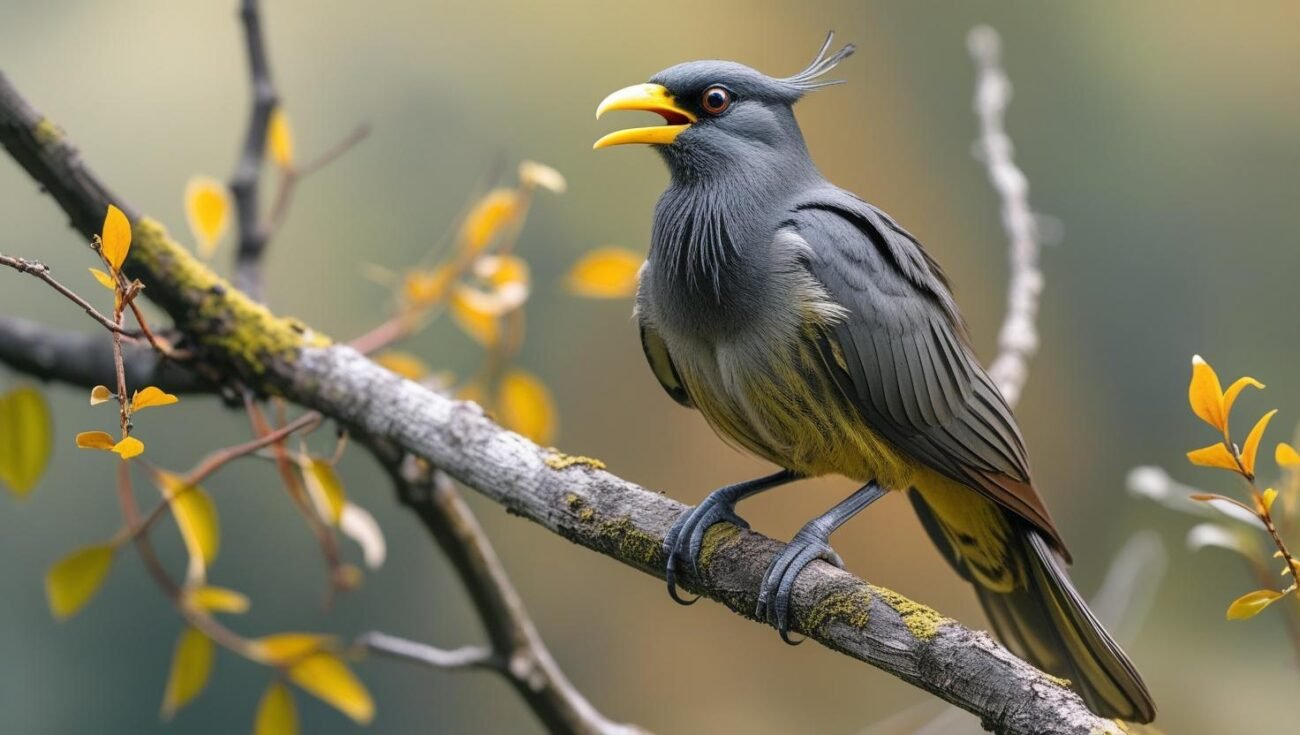
The yellow-billed cuckoo song is a slow, croaking series of “kow-kow-kowlp-kowlp” notes, often mistaken for a frog or distant knocking. They also emit a soft “coo-coo-coo” and a rapid “kek-kek-kek” alarm call. Audio clips and call recordings are essential for researchers and birders conducting surveys or habitat assessments.
12. Habitat Loss Is a Major Threat
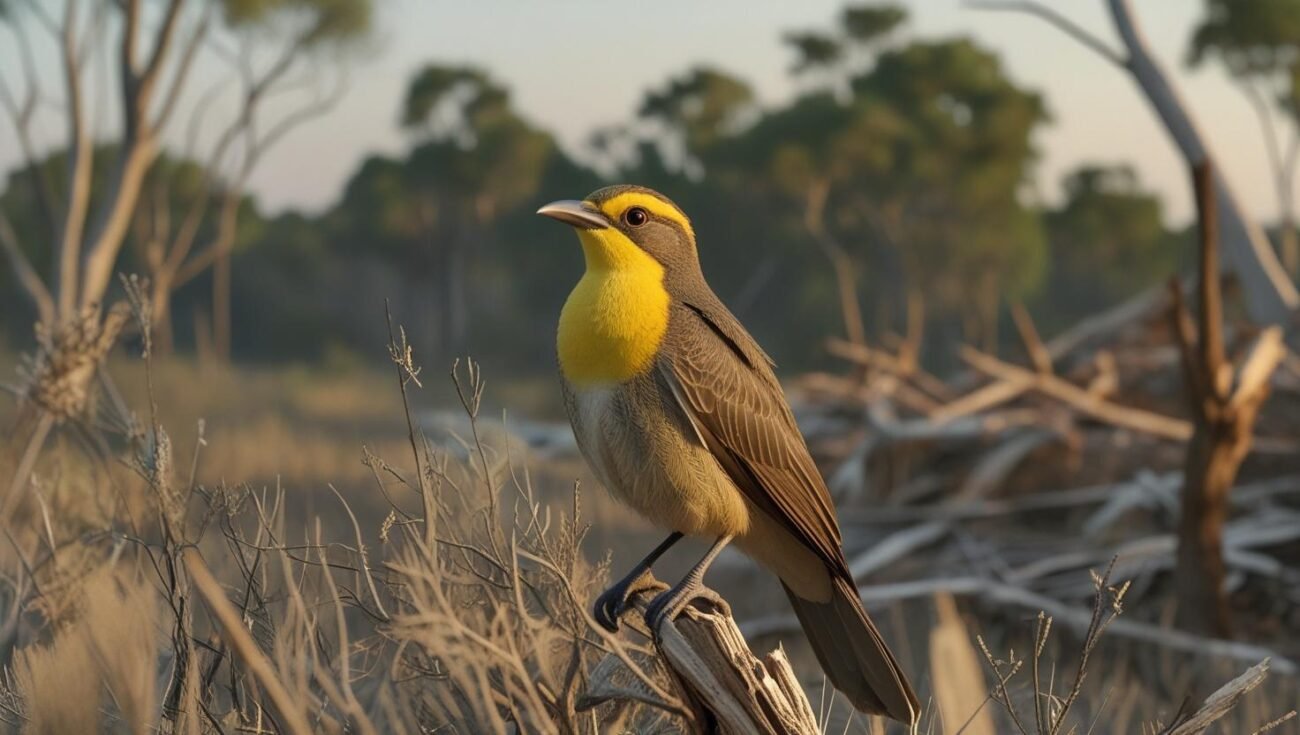
This species depends on dense riparian habitats—willow, cottonwood, and mesquite forests near rivers. Unfortunately, development, water diversion, and agriculture have drastically reduced suitable nesting areas, especially in the West. Multiple agencies, including CDFW, USFWS, and USGS, are working to protect and restore their critical habitat zones.
13. Important Indicator Species
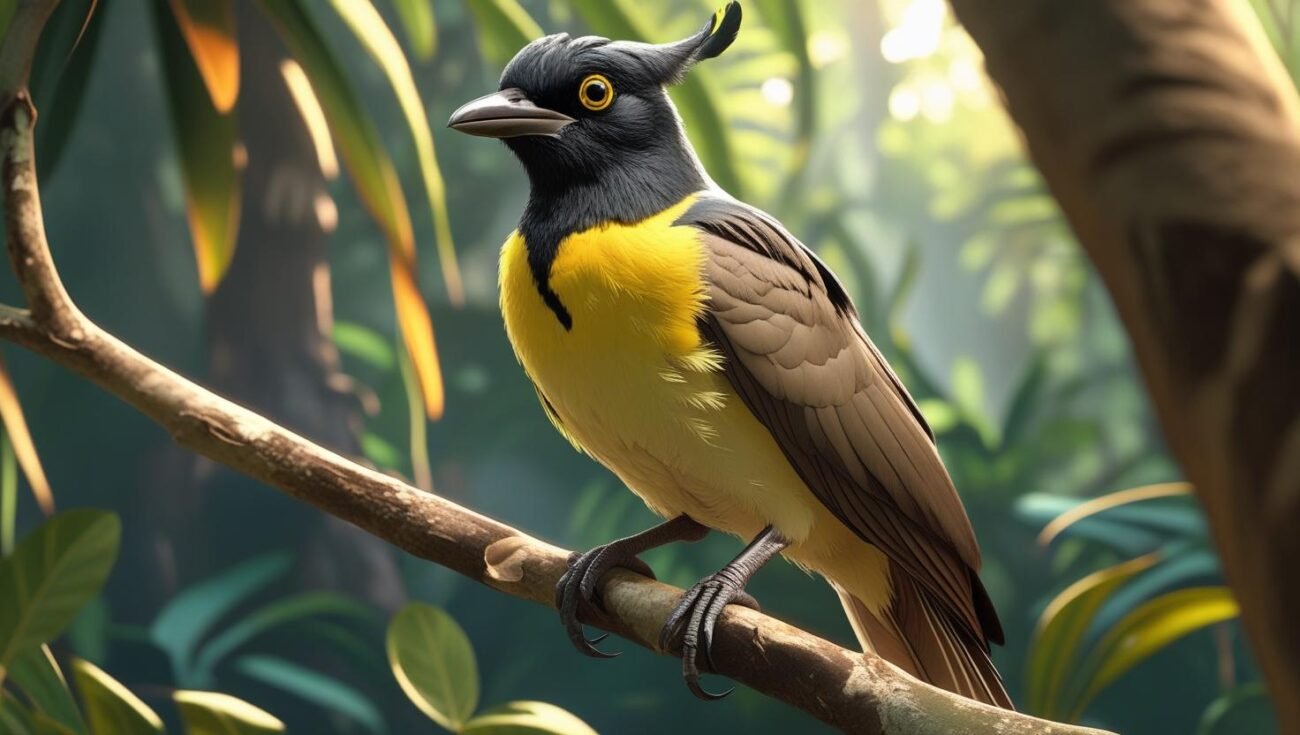
The yellow-billed cuckoo is considered an indicator species for healthy riparian ecosystems. Its presence suggests good vegetation density and insect abundance. Conservationists often monitor its numbers to gauge the effectiveness of river habitat restoration projects across the Southwest and Pacific Northwest.
14. Rare but Regular in Several U.S. States
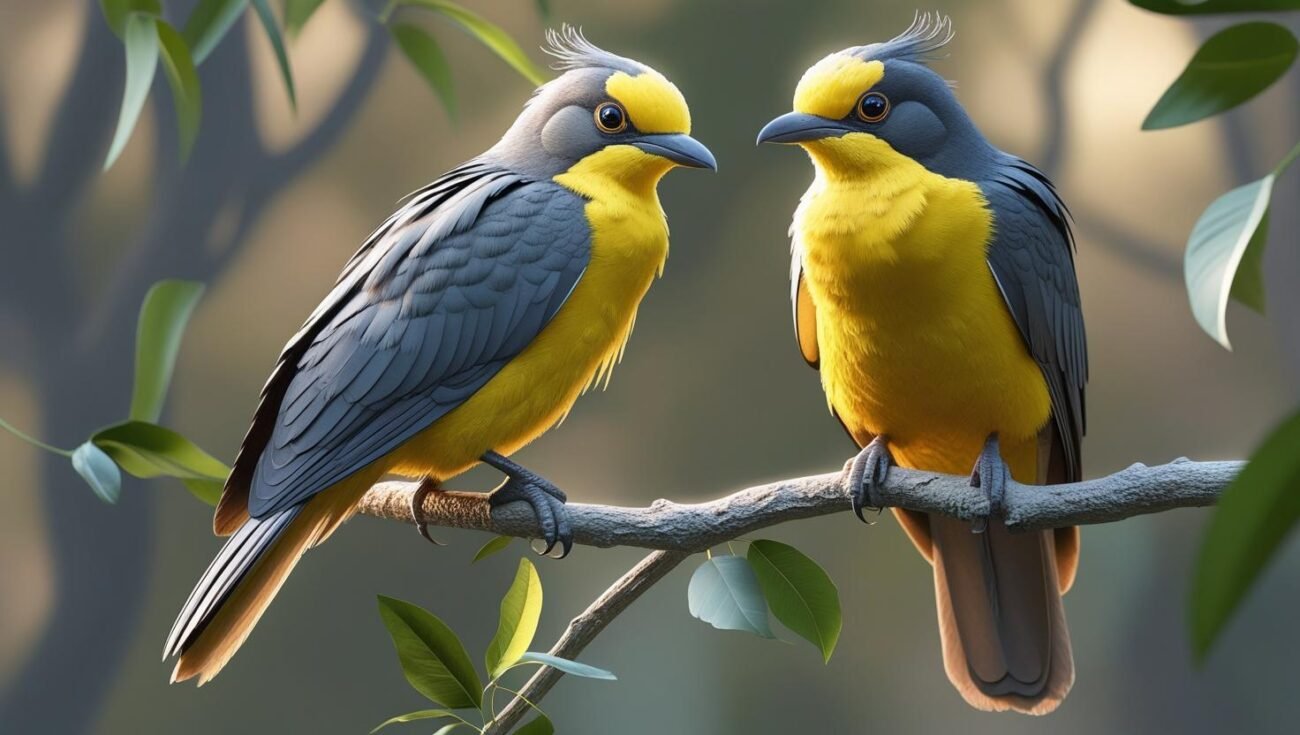
Although their range map covers broad regions, sightings of yellow-billed cuckoos are uncommon in many states. They’re regularly seen in Texas, Florida, Arizona, and California, especially during breeding and migration. Occasional reports also come from Nevada, Idaho, Oregon, and Washington, where habitat is more fragmented.
15. Diet Includes More Than Just Caterpillars
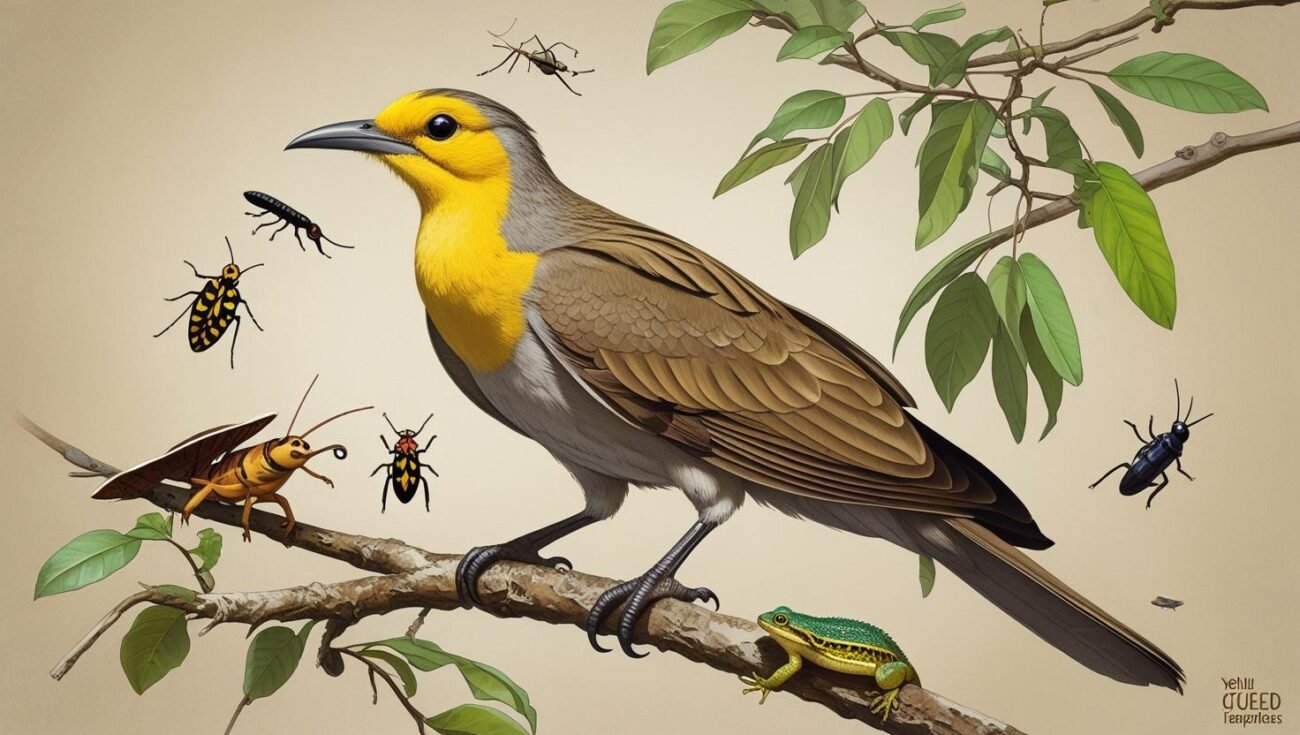
While caterpillars are a favorite, yellow-billed cuckoos also eat grasshoppers, beetles, cicadas, spiders, snails, and even small lizards or frogs. They may also consume fruit such as wild berries. Their ability to handle hairy and toxic insects makes them important predators in forest ecosystems.
16. Scientific Name and Taxonomy
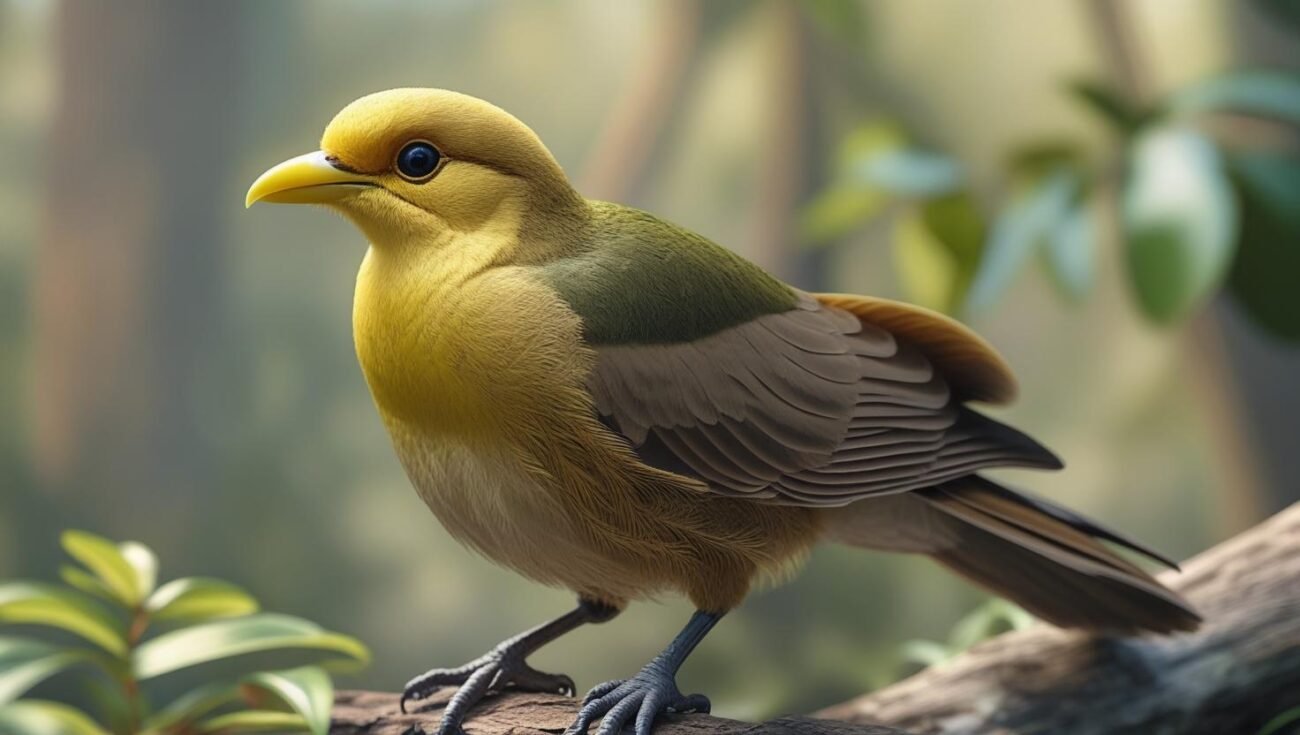
The scientific name of the yellow-billed cuckoo is Coccyzus americanus. It belongs to the Cuculidae family and is closely related to the black-billed cuckoo (Coccyzus erythropthalmus). While they share similar traits, vocalizations, tail markings, and bill color help distinguish them.
17. Conservation Efforts Are Ongoing
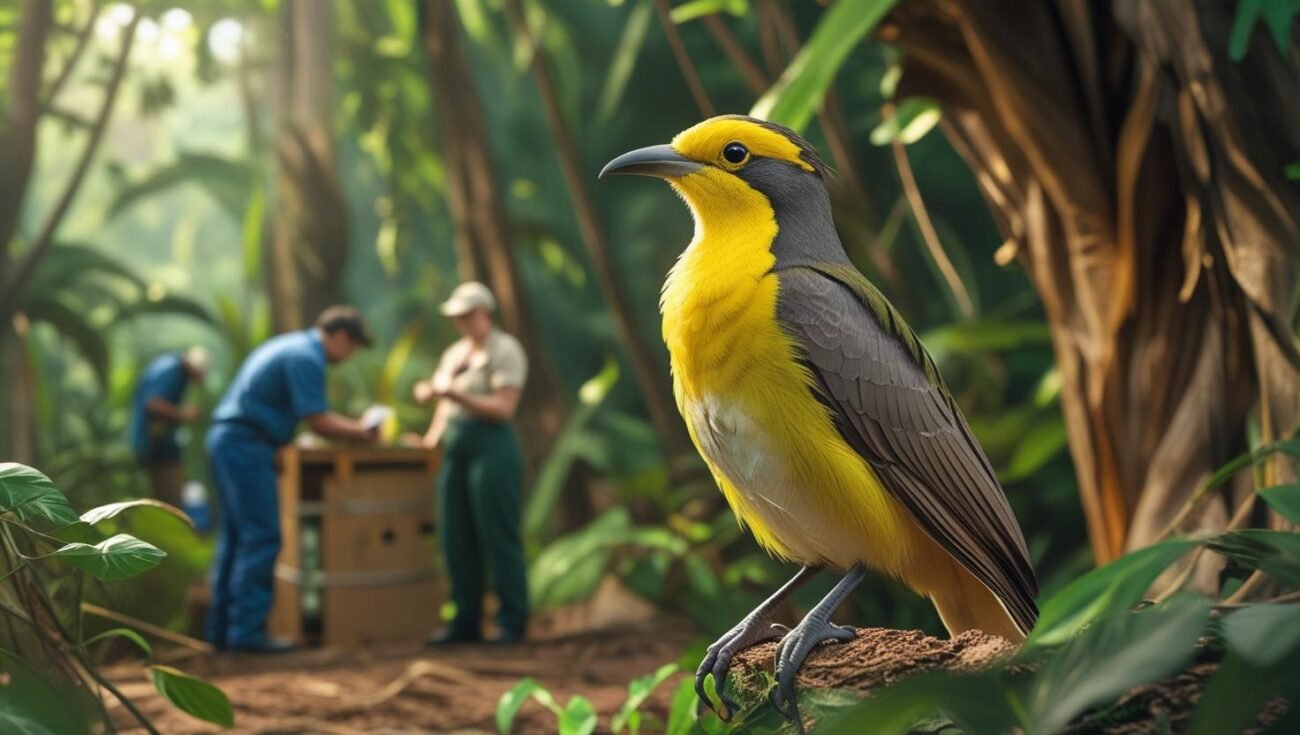
Due to its decline, especially in the West, the yellow-billed cuckoo is the focus of multiple conservation plans. The Western Distinct Population Segment (DPS) is listed as threatened by the U.S. Fish and Wildlife Service (USFWS). Protocol surveys, habitat suitability models, and designated recovery zones are being implemented to help restore its populations.