










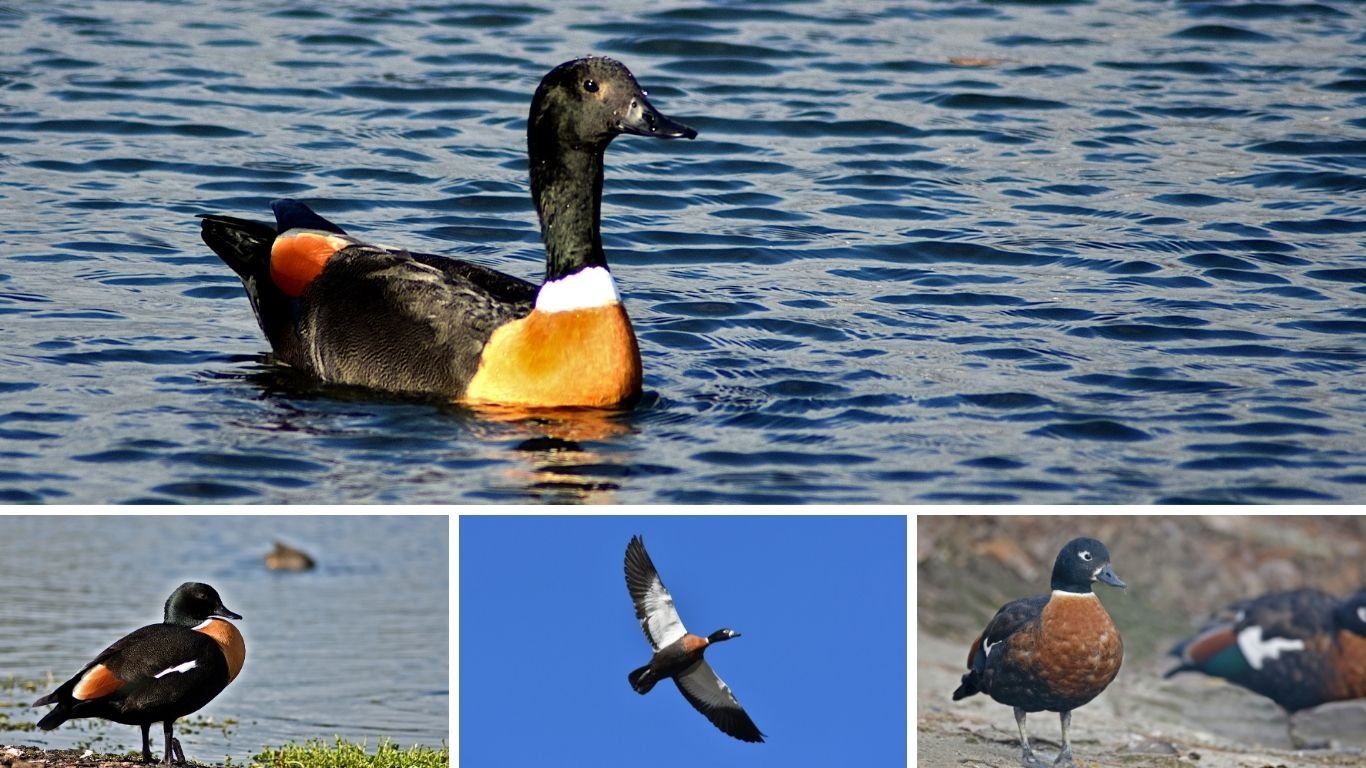
The Australian Shelduck, also known as the Mountain Duck, is one of Australia’s most striking and unique waterfowl. With its bold plumage, loud calls, and interesting behaviors, this bird stands out in both appearance and lifestyle. Whether you’re a birdwatcher or just curious about native wildlife, these 21 fascinating facts will give you a deeper appreciation for this remarkable species found across lakes, wetlands, and open country.
21 Facts
1. Large and Striking Waterfowl
The Australian Shelduck is one of the largest native ducks in Australia. Adults can reach up to 64 cm (25 inches) in length, with long necks and broad wings. Their size and upright posture make them easy to distinguish from other waterfowl, especially when standing on land.
2. Native to Australia
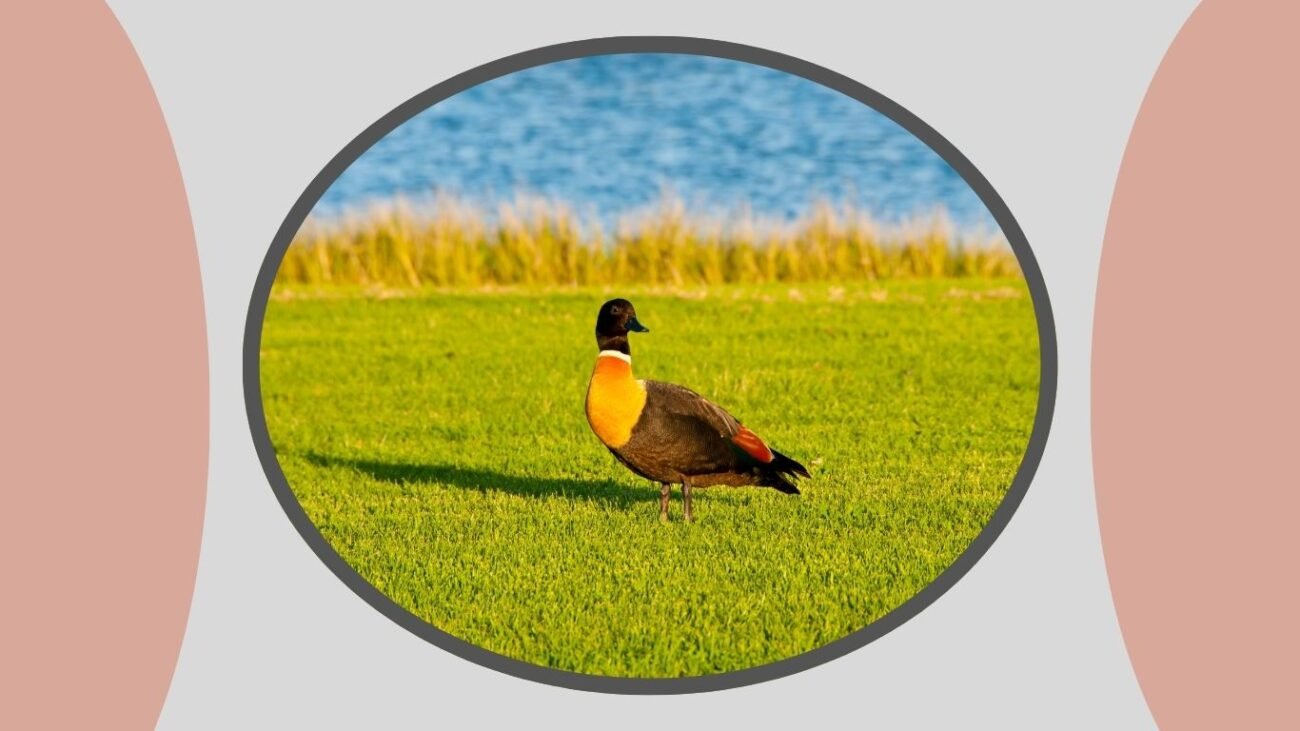
As the name suggests, the Australian Shelduck is endemic to Australia, meaning it is found naturally only in this region. Its range includes southern and western Australia, Tasmania, and occasionally parts of eastern Australia. It rarely strays outside the continent, making it a true native species.
3. Also Known as Mountain Duck
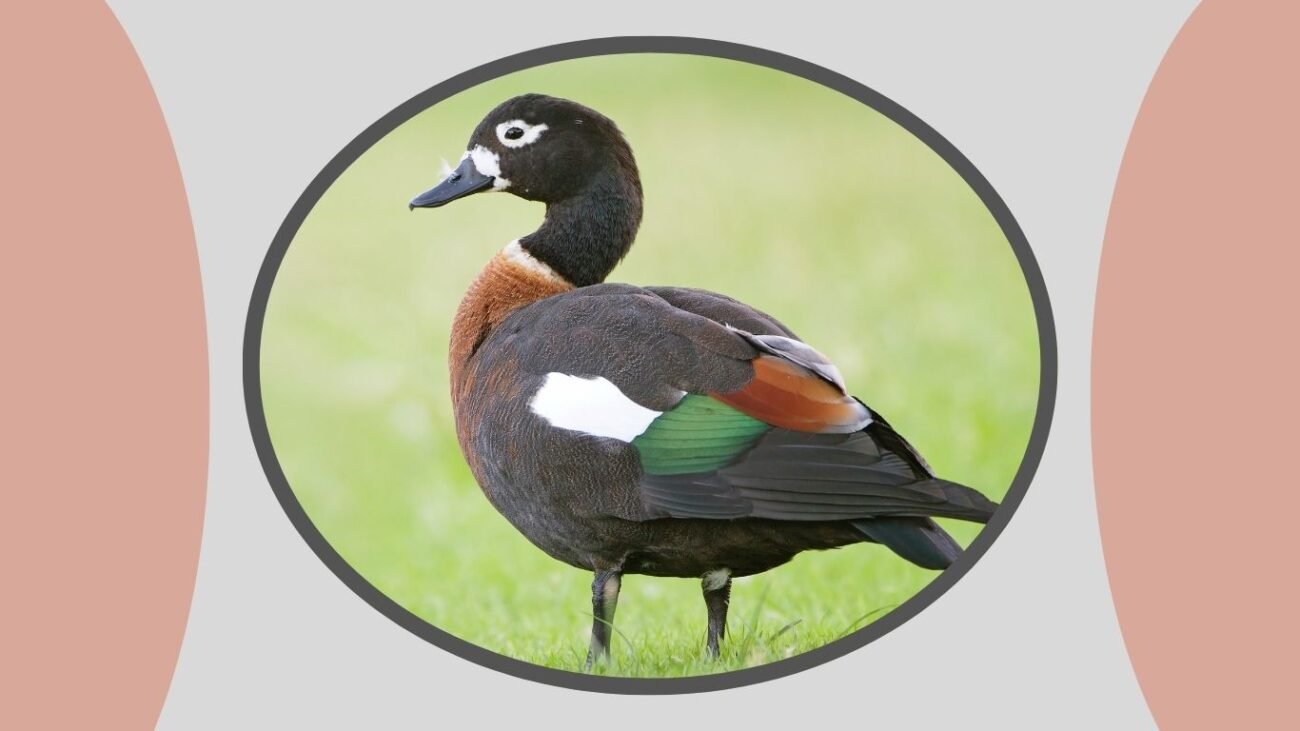
The Australian Shelduck is sometimes called the Mountain Duck, especially in Tasmania. Despite the name, it’s not restricted to mountainous regions. This alternate name likely comes from its use of upland lakes and higher-altitude wetlands during parts of its range.
4. Males and Females Look Different
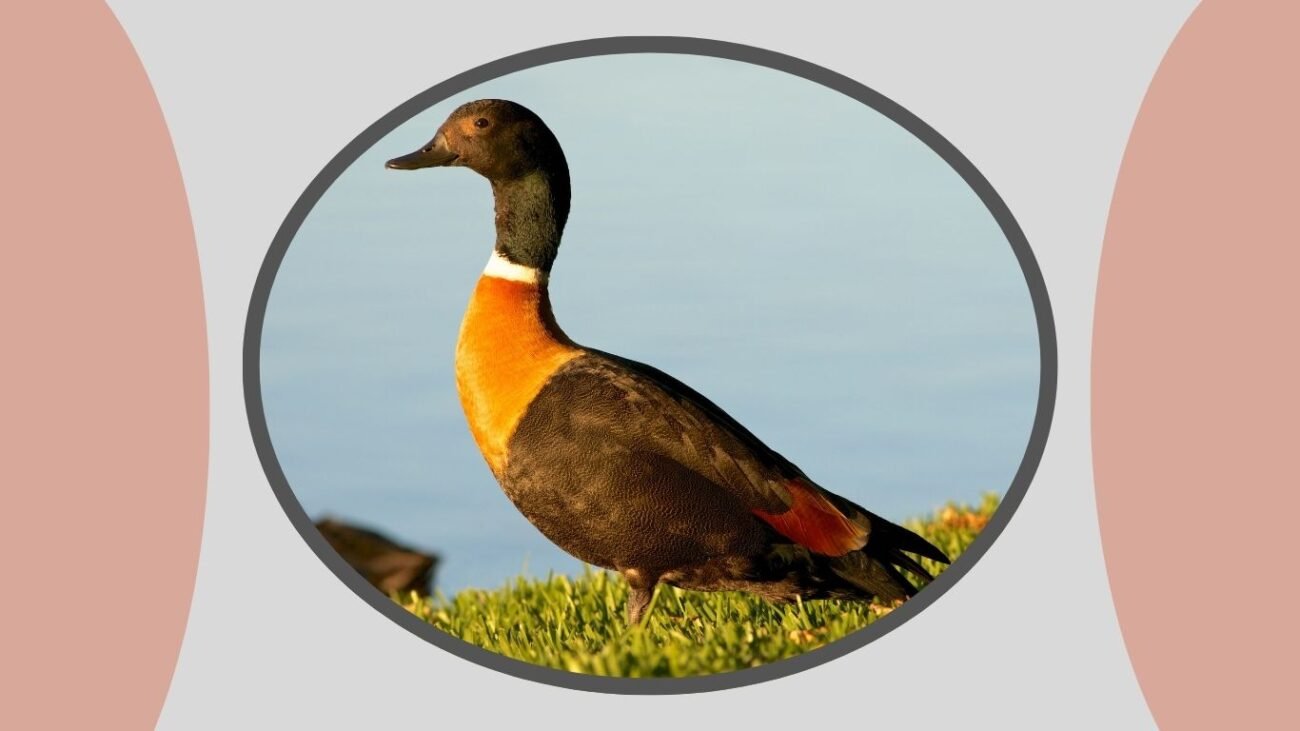
This species exhibits sexual dimorphism, meaning males and females look different. Males typically have a glossy black head and neck with a white collar, while females have white around their eyes and face, giving them a more distinct look. This makes it easier to tell them apart in the wild.
5. Unique Chestnut and White Plumage
Australian Shelducks are beautifully colored, with rich chestnut bodies, black wings, and white wing patches visible during flight. Their striking color patterns help them stand out among other ducks, especially when flying in large flocks or resting near lakes and wetlands.
6. Loud Honking Call
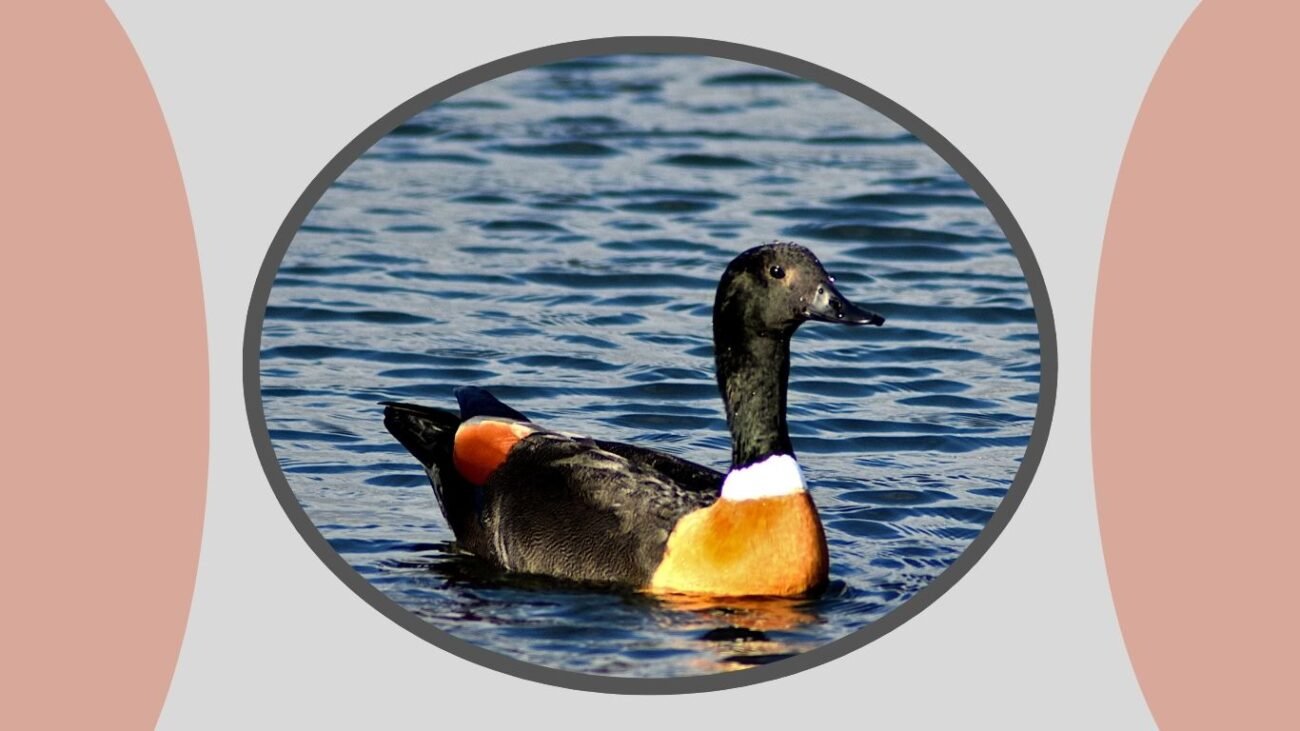
Australian Shelducks are very vocal birds. They produce loud, honking calls that can be heard over long distances. The male’s call is deep and honking, while the female’s is higher-pitched and more nasal. These calls help pairs stay in contact and warn others of danger.
7. Prefers Freshwater Lakes and Wetlands
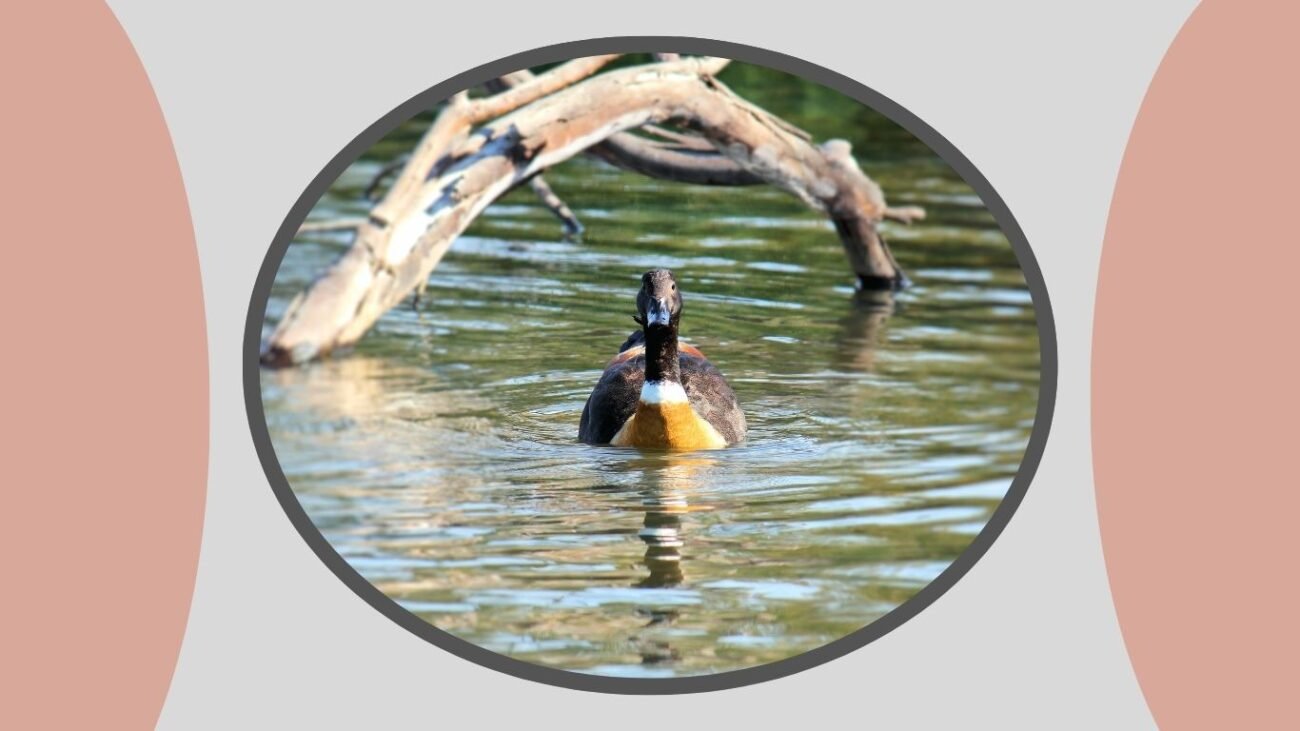
This species is most commonly found near freshwater bodies, such as lakes, swamps, lagoons, and wetlands. They prefer open landscapes with nearby grasslands or farmlands, where they can forage during the day and rest safely on the water at night.
8. Migratory in Southern Regions
While some Australian Shelducks are sedentary, populations in southern Australia and Tasmania are known to migrate seasonally. During winter, they move northward or to coastal areas to escape colder inland regions, often forming large flocks at their temporary locations.
9. Nests in Tree Hollows
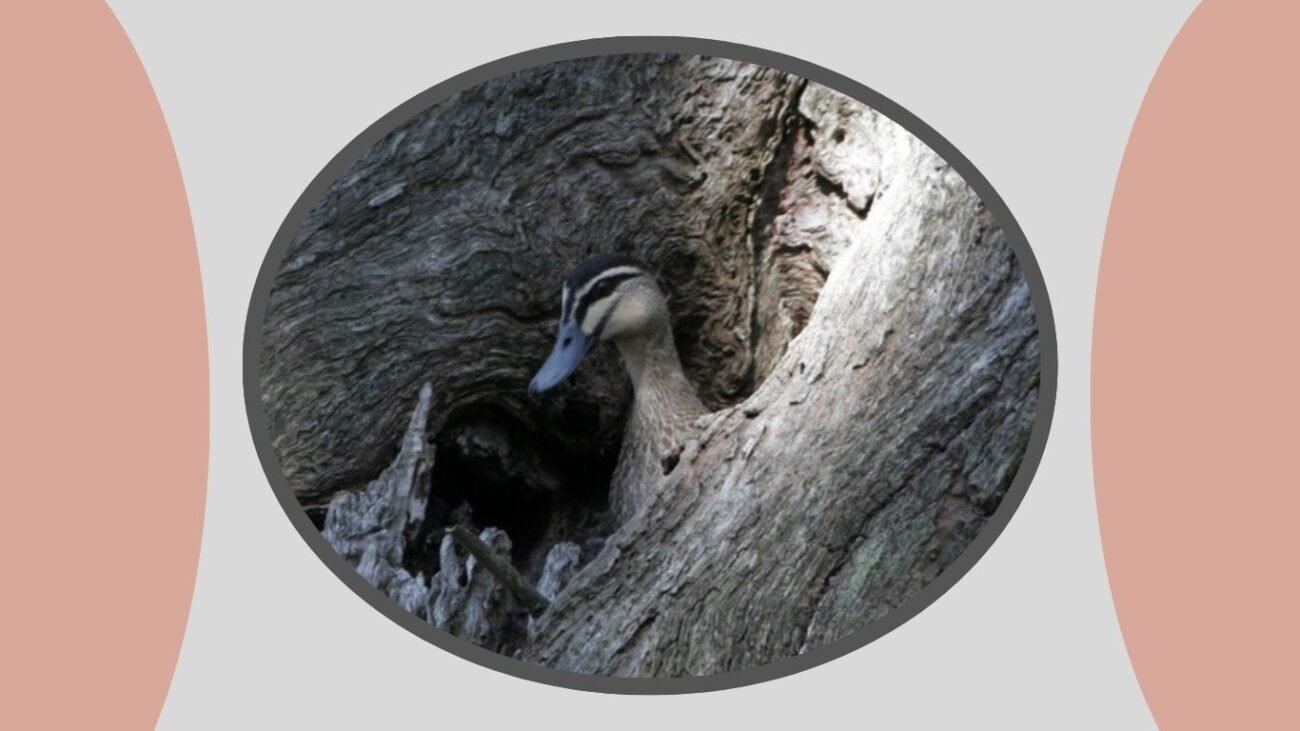
Australian Shelducks often nest in tree hollows, sometimes quite far from water sources. These hollows provide safety from predators and shelter from harsh weather. The female lines the nest with down feathers to keep the eggs warm and protected.
10. Uses Old Rabbit Burrows
In addition to tree hollows, they may use abandoned rabbit burrows or other ground cavities for nesting. These burrows offer good protection, especially in areas where trees are scarce. This adaptability helps the species breed successfully in different habitats.
11. Lays Up to 14 Eggs
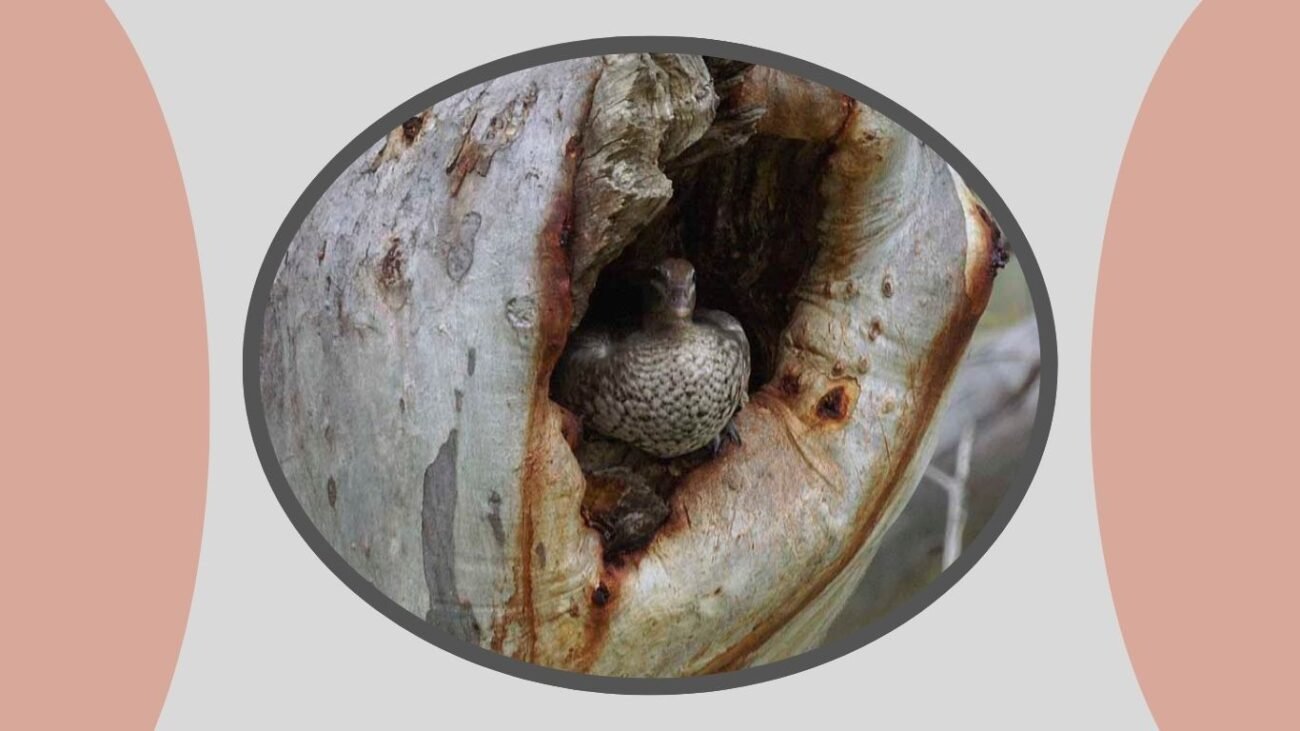
The female Australian Shelduck typically lays between 8 to 14 eggs in a single clutch. The eggs are creamy white and incubated for about 30 days. The large clutch size increases the chances of survival, especially in wild environments where predators are a risk.
12. Both Parents Guard Chicks
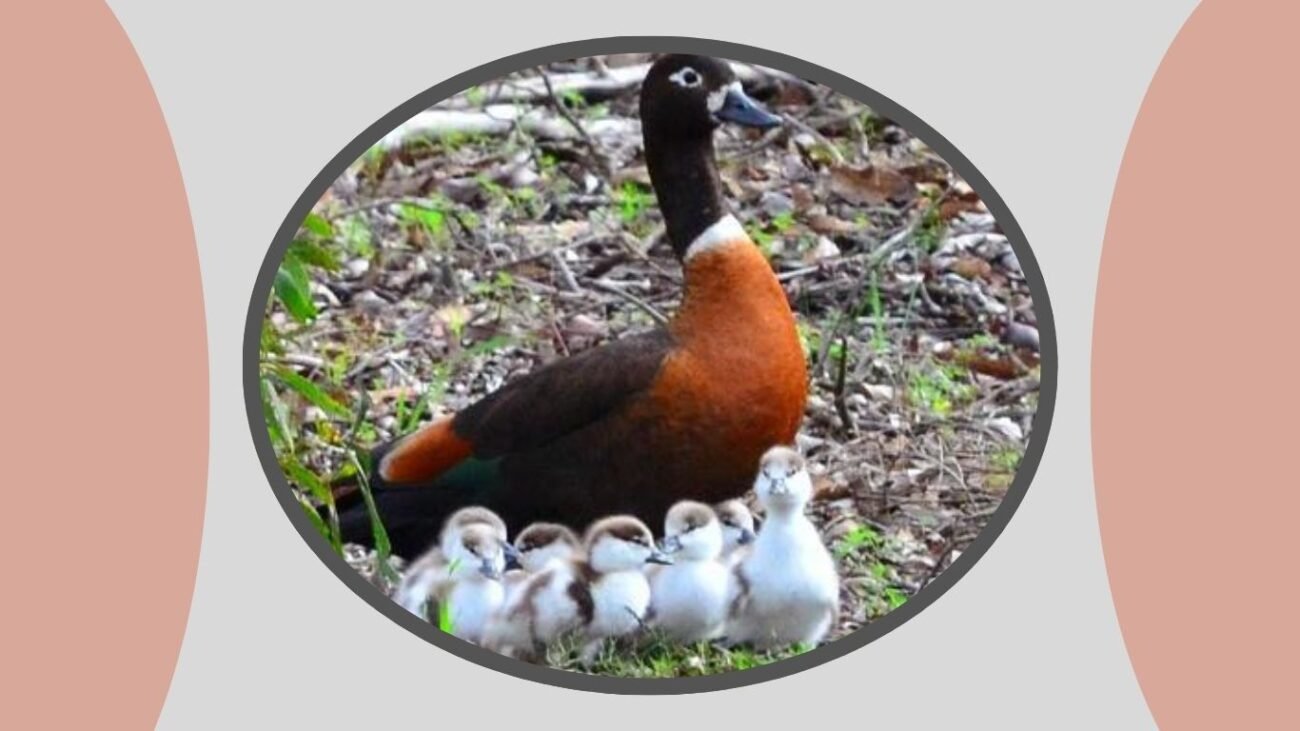
Once the ducklings hatch, both parents take an active role in protecting and guiding them. The family often travels from the nest to water shortly after hatching. Parents stay nearby and may use loud alarm calls and distraction displays to deter predators.
13. Ducklings Form Crèches
In areas where multiple families live close together, ducklings often form “crèches”—large groups of chicks cared for by a few adults. These social nurseries provide safety in numbers and allow adult ducks to take turns foraging while others supervise the young.
14. Feeds on Grass and Aquatic Plants
The Australian Shelduck’s diet consists mainly of grasses, sedges, and aquatic vegetation. They graze like geese on land and also feed in shallow waters. Their broad, flat bills are adapted for efficiently nibbling or filtering food from muddy bottoms.
15. Also Eats Insects and Algae
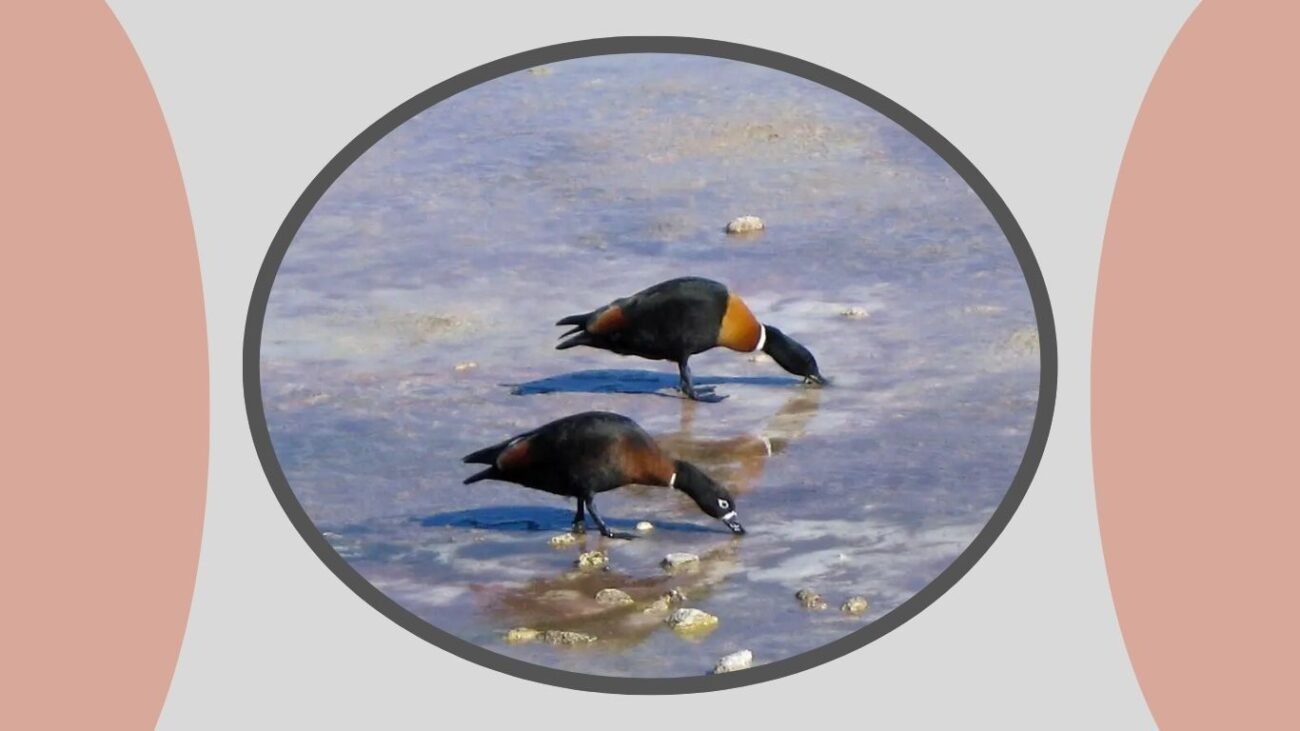
In addition to plants, they eat insects, small crustaceans, and algae, especially during breeding season when they need more protein. This flexible, omnivorous diet allows them to adapt to different environments and food sources throughout the year.
16. Excellent Flyers
Australian Shelducks are powerful flyers, capable of traveling hundreds of kilometers during migration or when moving between feeding and breeding areas. Their strong wings and aerodynamic bodies allow them to fly in flocks high above the landscape.
17. Avoids Heavily Forested Areas
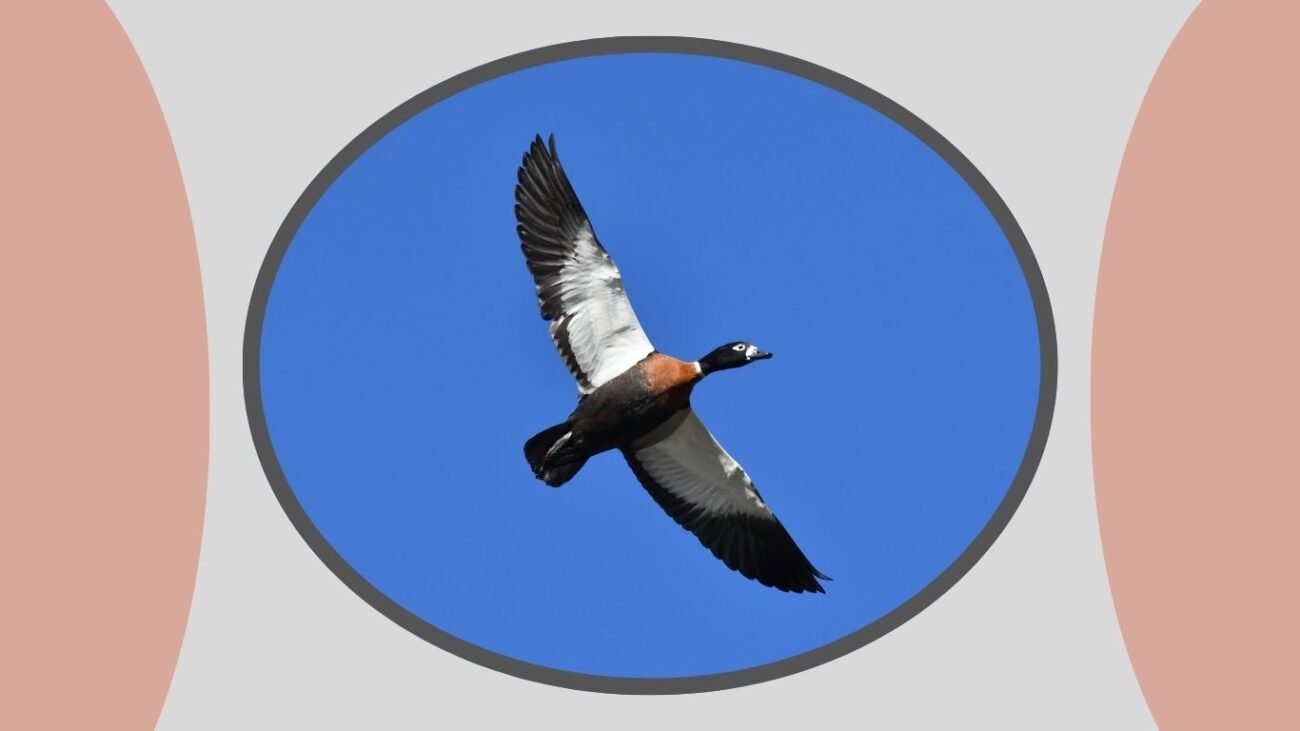
These ducks prefer open country and avoid dense forests. They are usually seen in grasslands, farmlands, wetlands, and coastal plains where visibility is high and food sources are easier to access.
18. Threat Displays When Provoked
When threatened, an Australian Shelduck may perform a threat display—stretching its neck, raising its wings, and emitting sharp warning calls. This behavior is meant to scare off intruders or predators, especially near nesting sites or young chicks.
19. Not Considered Globally Threatened
The species is currently listed as Least Concern by the IUCN. Its population is stable, and it is widespread across much of southern and western Australia. However, habitat destruction and wetland degradation could impact local populations in the future.
20. Protected Under Australian Law
Australian Shelducks are protected under various national and state wildlife acts, making it illegal to hunt or disturb them without a permit. Conservation measures help ensure healthy populations and the preservation of their habitats.
21. Seen in Large Flocks in Winter
During the non-breeding season, especially in winter, Australian Shelducks gather in large flocks—sometimes numbering in the thousands—at lakes and wetlands. These gatherings provide safety in numbers and access to abundant food sources before they return to breeding areas.


