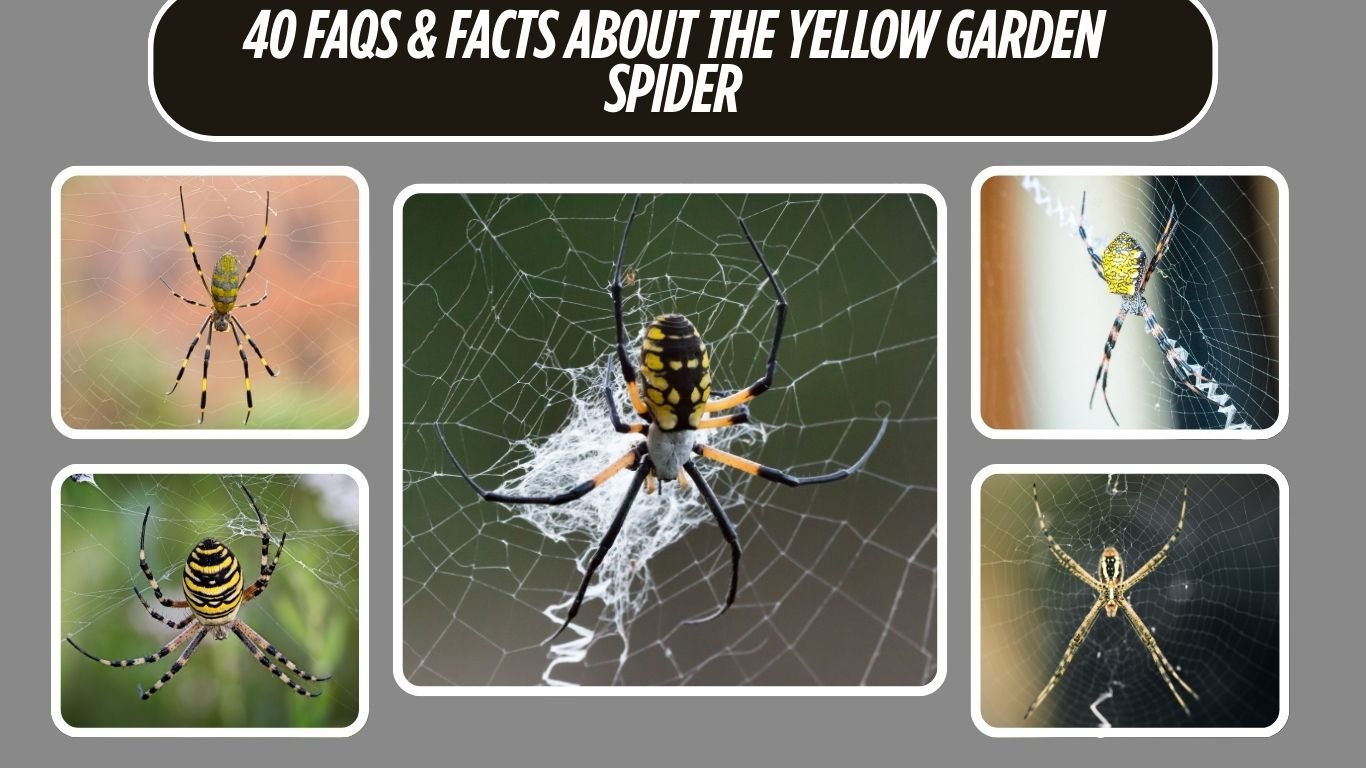
The Yellow Garden Spider, known for its bold black and yellow body and striking web design, is a familiar sight in gardens and fields. While its appearance may be intimidating, it’s largely harmless and plays a helpful role in pest control. In this guide, we answer 40 of the most common questions about its behavior, bite, size, lifespan, and more.
40 FAQ And Facts
1. What is a Yellow Garden Spider?
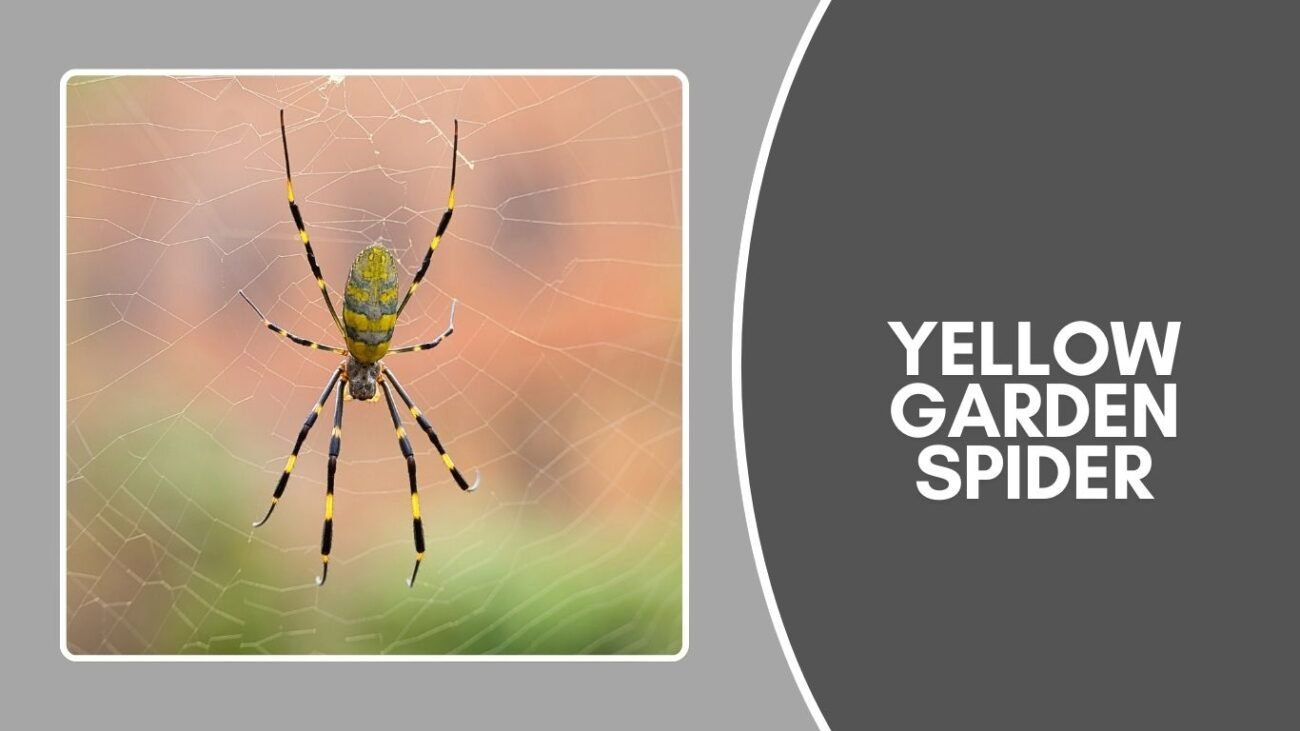
The Yellow Garden Spider (Argiope aurantia) is a large, striking orb-weaver known for its bold black and yellow body and zigzag-patterned web. It is a beneficial predator, feeding on flying insects. Commonly found in gardens, meadows, and open fields, this spider plays an important role in natural pest control.
2. What does a Yellow Garden Spider look like?
A Yellow Garden Spider has a vivid yellow and black abdomen with a silver-gray cephalothorax. Its long legs are black with reddish or yellow bands near the body. Females are much larger than males and can reach up to 1.1 inches (28 mm) in body length. Males are typically half the size.
3. Is the Yellow Garden Spider an orb weaver?
Yes, the Yellow Garden Spider is a true orb-weaving spider. It builds large, circular webs with a unique vertical zigzag structure called a stabilimentum in the center. These webs are often found stretched across tall grass or between plants, where the spider patiently waits for prey to get caught.
4. Is the Yellow Garden Spider dangerous?
The Yellow Garden Spider is not considered dangerous to humans. While it may bite if provoked or handled roughly, the bite is generally harmless. Most people experience only mild symptoms, such as temporary redness or irritation. It is a shy and non-aggressive species that prefers to flee rather than bite.
5. Is the Yellow Garden Spider venomous?
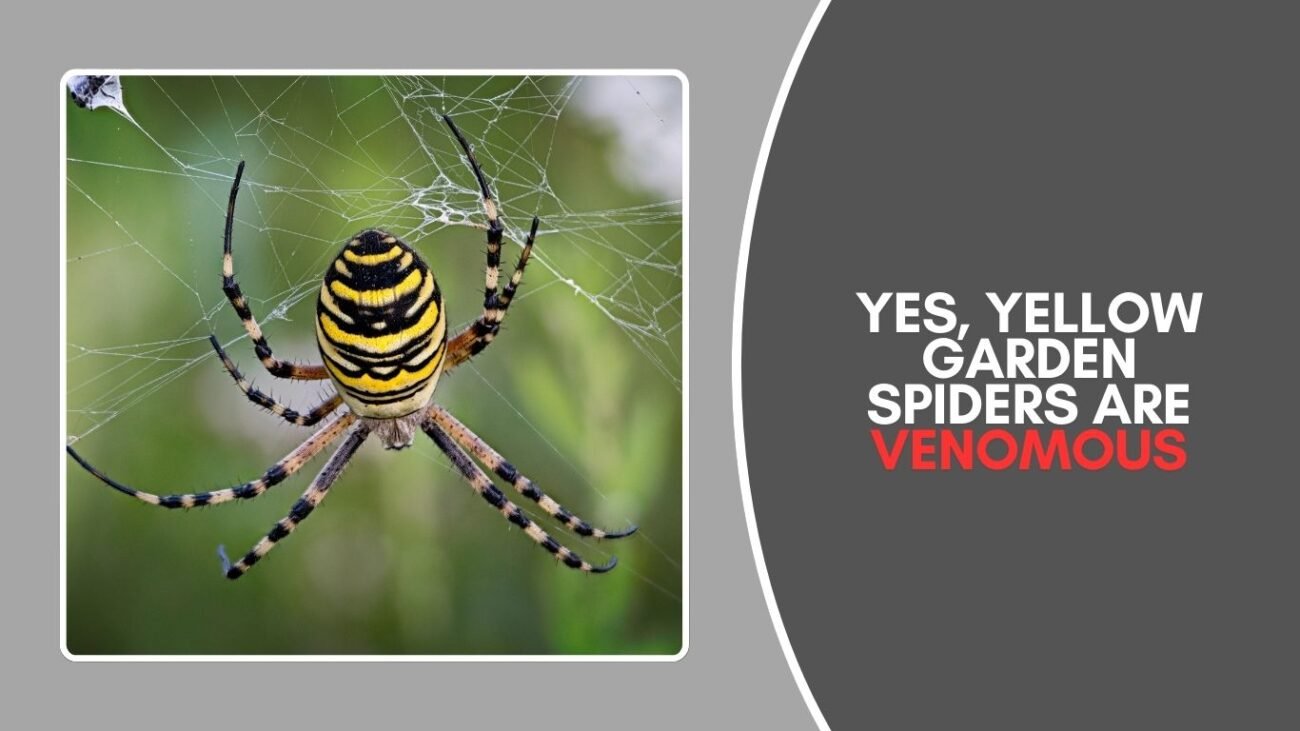
Yes, the Yellow Garden Spider is venomous—but only to its insect prey. It uses venom to immobilize and digest bugs caught in its web. For humans, its venom is not considered medically significant. A bite might cause slight pain or swelling, but serious reactions are extremely rare.
6. Is the Yellow Garden Spider poisonous?
Technically, the Yellow Garden Spider is not poisonous. The correct term is venomous, as it injects venom into its prey through its fangs. Poison refers to something harmful when ingested, while venom is injected. For humans, this spider poses minimal health risk and is not considered toxic.
7. Is a Yellow and Black Garden Spider a Banana Spider?
No, the Yellow Garden Spider (Argiope aurantia) is not the same as a Banana Spider. Banana Spiders often refer to Nephila species, like the Golden Silk Orb-Weaver. While both are orb-weavers and brightly colored, they belong to different genera and differ in size, web color, and habitat preferences.
8. Are Yellow Garden Spiders harmful to humans?
Yellow Garden Spiders are not harmful to humans. They are solitary, non-aggressive, and bite only in self-defense. Their venom is meant for small prey and does not pose a threat to people. In fact, they are helpful to gardens by reducing insect pests such as flies, beetles, and grasshoppers.
9. Can a Yellow Garden Spider bite you?
Yes, a Yellow Garden Spider can bite if provoked, especially if it feels cornered or is accidentally touched. However, bites are extremely rare and not dangerous. Most bites result in minor skin irritation similar to a mild bee sting. The spider typically avoids human interaction.
10. Does a Yellow Garden Spider bite?

Yes, it does bite—but only as a defense mechanism. Yellow Garden Spiders are not aggressive and rarely bite unless threatened. The bite may cause mild symptoms like slight redness, itching, or swelling. In most cases, no medical treatment is needed, and the effects subside within a few hours or days.
11. Are Yellow Garden Spider bites deadly?
No, Yellow Garden Spider bites are not deadly. While the bite may cause mild irritation, itching, or redness, it is not life-threatening. Their venom is not potent enough to cause severe harm in humans. Fatalities have never been recorded from this species, making it safe to observe around your garden.
12. Can a Yellow Garden Spider kill you?
No, a Yellow Garden Spider cannot kill you. Its venom is effective for small prey like insects but not dangerous to humans. A bite may cause temporary discomfort at worst. Unless someone has a rare allergic reaction, medical treatment is generally unnecessary and the bite heals quickly.
13. How dangerous is a Yellow Garden Spider?
A Yellow Garden Spider is minimally dangerous. It may bite if threatened, but the effects are mild and temporary. This spider poses no serious medical threat and is not aggressive. Its value in controlling insect populations far outweighs any minor risks associated with its presence.
14. How venomous is a Yellow Garden Spider?
The Yellow Garden Spider is only slightly venomous. Its venom paralyzes insects for feeding but is generally harmless to humans. A bite may cause brief stinging, swelling, or redness. Most people recover without any medical care. Serious symptoms are extremely rare and typically only occur in highly sensitive individuals.
15. Are Yellow Garden Spiders wolf spiders?
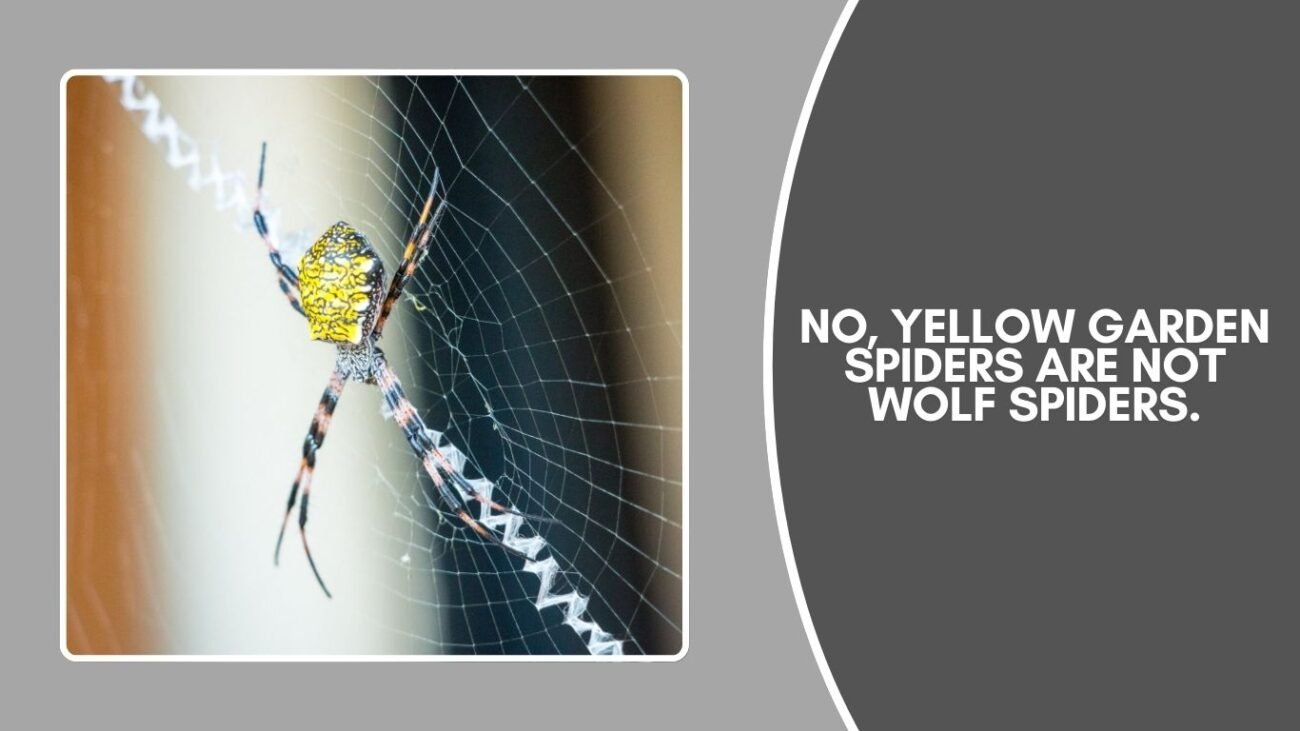
No, Yellow Garden Spiders are not wolf spiders. They are orb-weavers (family Araneidae) that spin large, circular webs. Wolf spiders (family Lycosidae) are ground hunters that don’t spin webs to catch prey. These two spiders differ greatly in behavior, appearance, and habitat use.
16. Can you keep a Yellow Garden Spider as a pet?
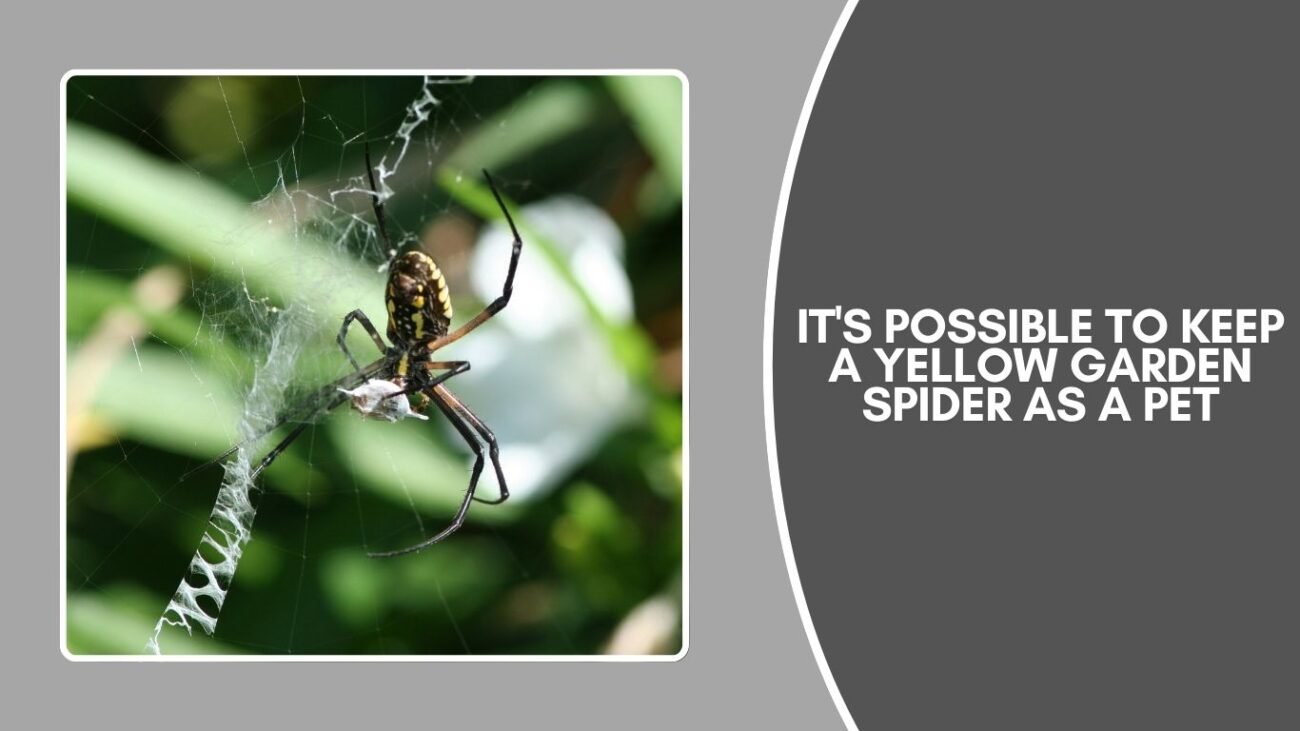
Yes, you can keep a Yellow Garden Spider as a pet in a suitable enclosure. Provide a large, well-ventilated terrarium where it can spin its web. Feed it small insects like flies or crickets. However, they are not interactive pets and do best when left alone in a calm, quiet space.
17. How big is a Yellow Garden Spider?
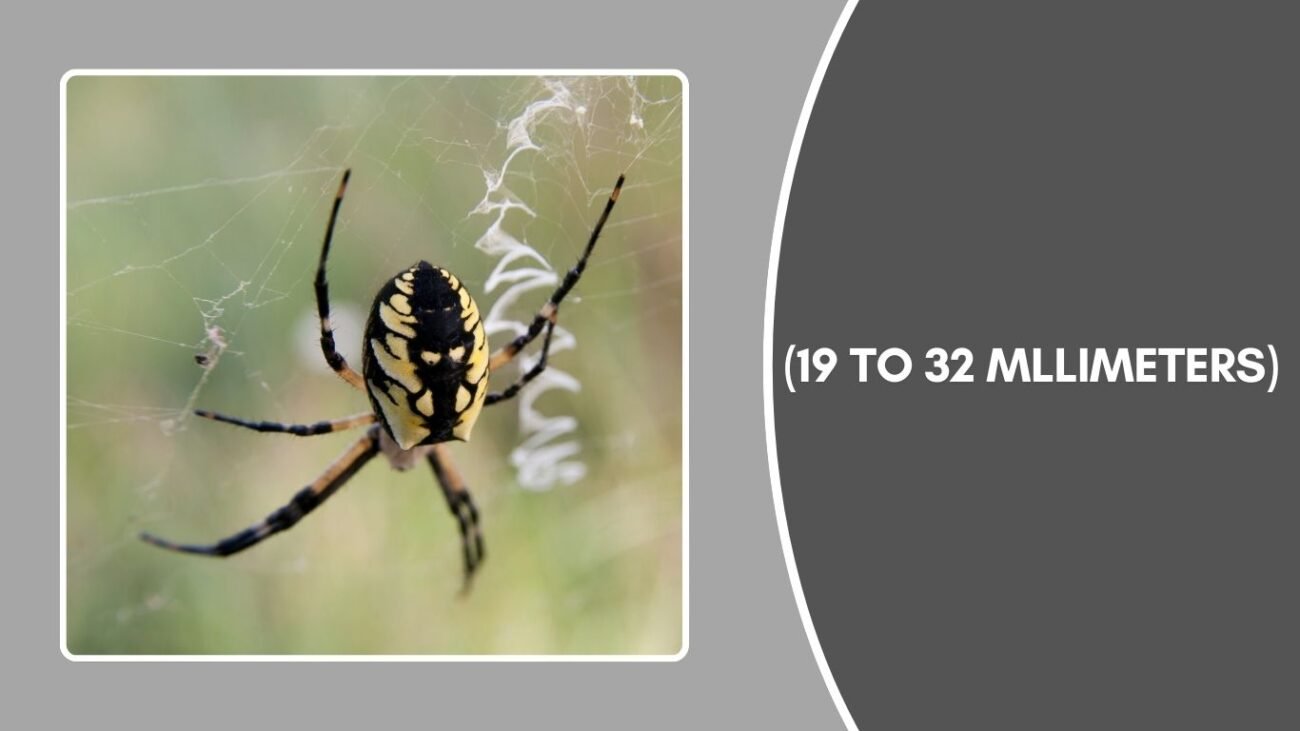
Female Yellow Garden Spiders are quite large, with body lengths reaching up to 1.1 inches (28 mm), not including leg span. Males are significantly smaller, around 0.2 to 0.35 inches (5–9 mm). Including their long legs, females can appear even larger when resting in their web.
18. How big can a Yellow Garden Spider get?
A fully grown female Yellow Garden Spider can measure up to 1.1 inches (28 mm) in body length, and with legs extended, the total size may exceed 2.5 inches. Males are about half that size. Their size makes them one of the largest common orb-weavers found in North America.
19. How many eyes does a Yellow Garden Spider have?
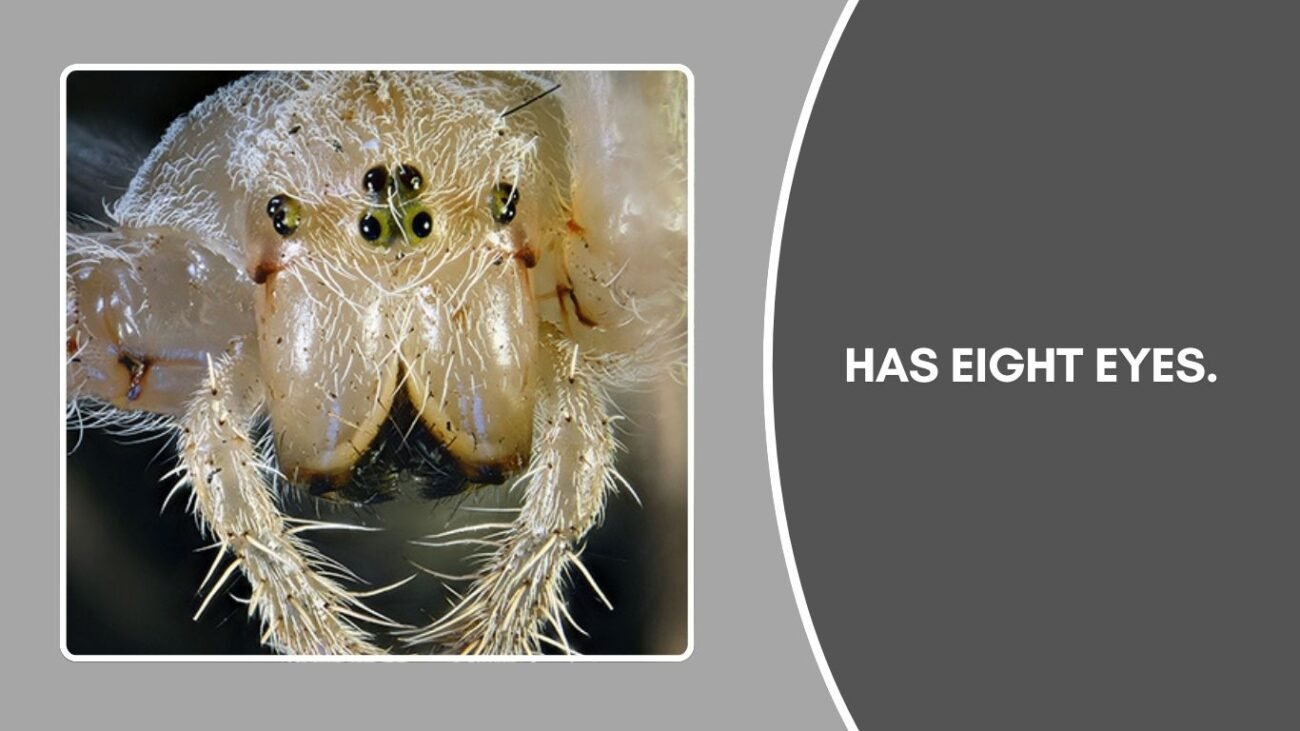
Like most spiders, the Yellow Garden Spider has eight eyes, arranged in two horizontal rows of four. Despite this, their vision is limited. They rely more on web vibrations and touch than sight to detect movement and catch prey in their finely spun orb-shaped webs.
20. What does a Yellow Garden Spider eat?
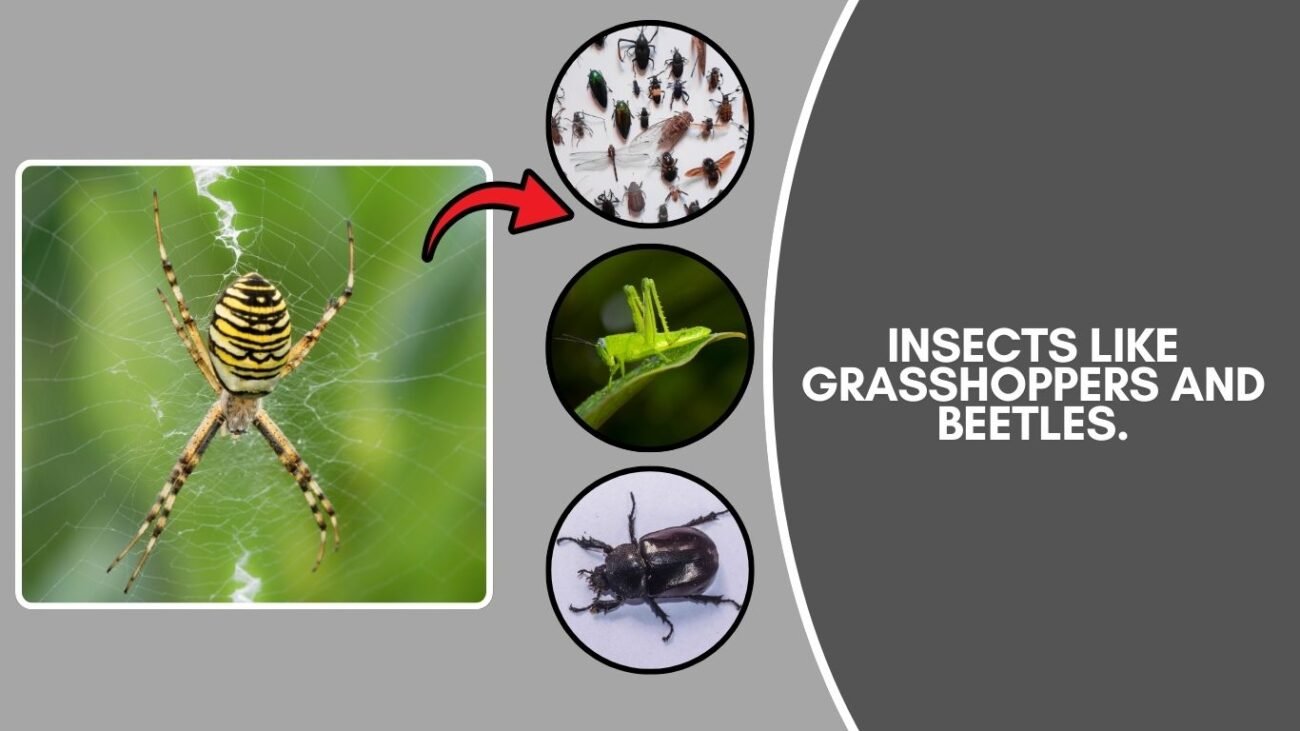
Yellow Garden Spiders feed on a wide range of flying insects, including flies, bees, grasshoppers, wasps, beetles, and moths. They trap prey in their large webs and quickly immobilize them with venom before wrapping them in silk. Their diet makes them valuable allies for natural pest control in gardens.
21. How does a Yellow Garden Spider eat?
After an insect gets trapped in its web, the Yellow Garden Spider quickly rushes over, bites it to inject venom, and wraps it in silk. The venom paralyzes the prey and begins digestion. Later, the spider liquefies the internal tissues and sucks out the nutrients, leaving behind a dry husk.
22. How long does a Yellow Garden Spider live?
Yellow Garden Spiders usually live for about one year. Eggs hatch in late fall or early spring, and spiderlings grow into adults by summer. Males typically die after mating, while females may live until the first frost. In warmer climates or indoors, they may survive slightly longer.
23. When do Yellow Garden Spiders lay eggs?
Female Yellow Garden Spiders lay their eggs in late summer or early fall. After mating, they produce one or more large, brownish, papery egg sacs attached to vegetation near their web. Each sac can contain hundreds of eggs, and the female typically guards them until she dies with the season’s end.
24. When do Yellow Garden Spider eggs hatch?
Eggs laid in late summer usually hatch in early spring the following year. The spiderlings remain inside the sac throughout winter and emerge when temperatures rise. Once hatched, they disperse by ballooning—releasing silk strands to catch the wind and drift to new locations to begin their life cycle.
25. What to do if your Yellow Garden Spider has an egg sac?
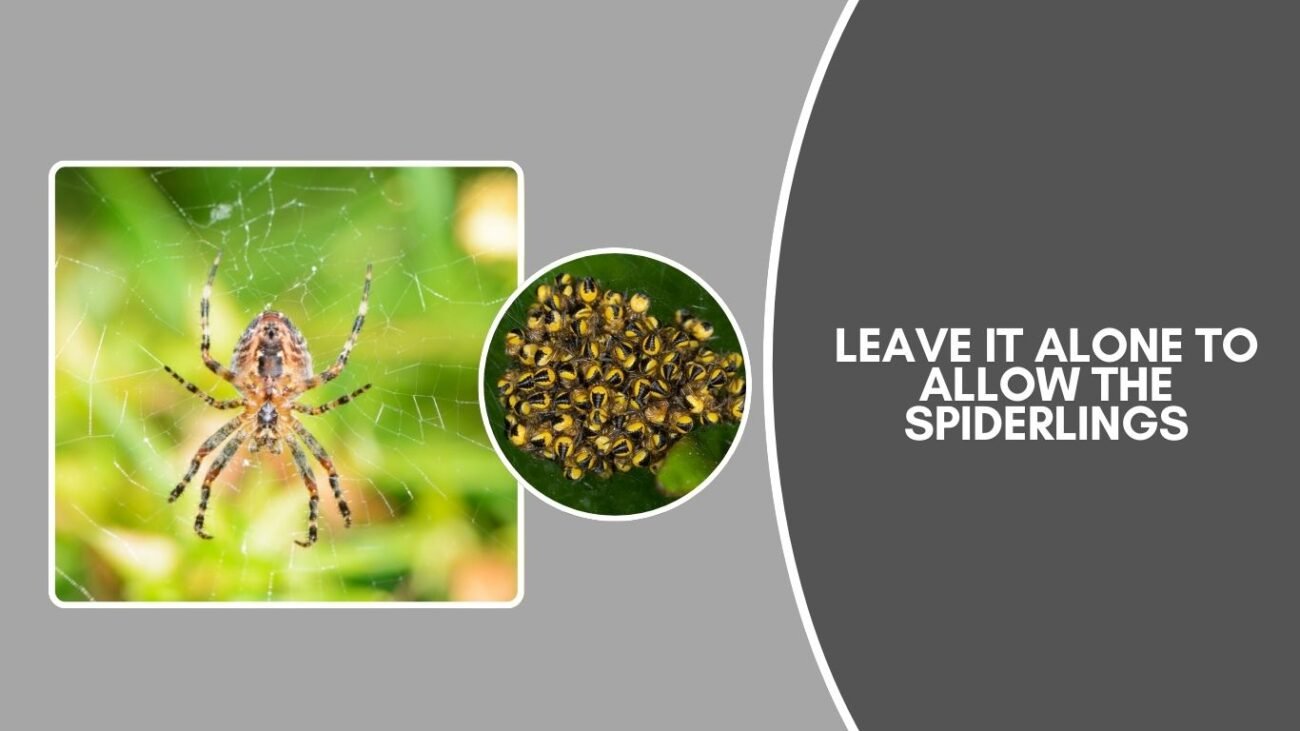
If you notice an egg sac, leave it undisturbed if you want the spiderlings to hatch naturally in your garden. If indoors or unwanted, remove the sac with gloves and place it outside or dispose of it. Avoid crushing it, as hundreds of spiderlings may emerge when the sac opens.
26. Should I kill a Yellow Garden Spider?
There is no need to kill a Yellow Garden Spider. It is not dangerous and actually helps reduce pest insects. If it’s in an inconvenient spot, gently relocate it using a jar and cardboard. Killing them removes a beneficial garden ally and rarely improves safety or cleanliness.
27. Should you kill Yellow Garden Spiders?
No, Yellow Garden Spiders are beneficial creatures and should not be killed unless absolutely necessary. They control insect populations and pose little risk to humans. If one is in your way, it’s better to relocate it outside. Their presence is a sign of a healthy outdoor ecosystem.
28. How to move a Yellow Garden Spider?
To move a Yellow Garden Spider safely, use a jar and a piece of stiff paper or cardboard. Gently coax the spider into the container and relocate it to a nearby bush or garden spot. Avoid using your hands directly, and handle it calmly to prevent startling the spider.
29. How to get rid of a Yellow Garden Spider?
If you really need to remove a Yellow Garden Spider, focus on discouraging web-building areas. Remove clutter, trim vegetation, and use water sprays to displace webs. You can relocate the spider using a jar. Pesticides are unnecessary and may harm helpful garden insects.
30. How to kill a Yellow Garden Spider?
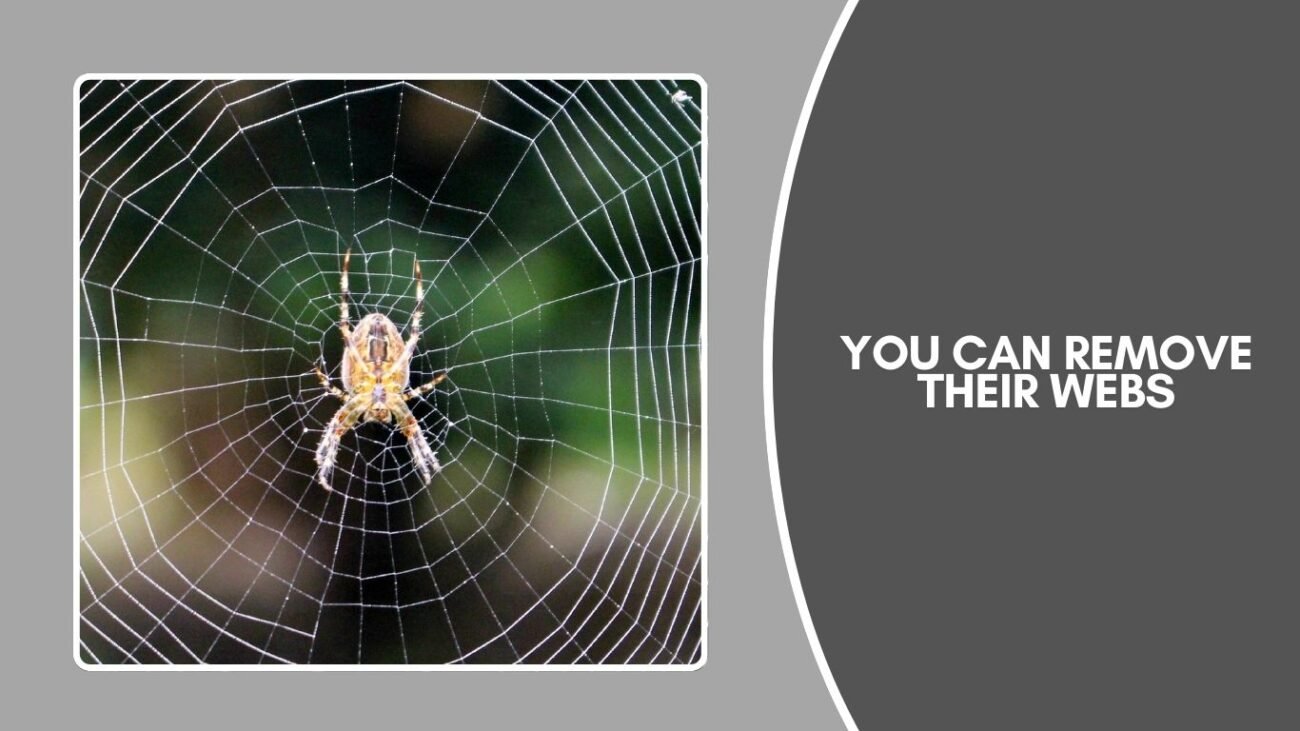
Killing a Yellow Garden Spider is not recommended, as it plays an important role in natural pest control. However, if you must, use a vacuum, tissue, or mild insect spray. Be aware that this eliminates a beneficial insect predator and may lead to increased garden pests.
31. Is the Black and Yellow Garden Spider dangerous?
No, the Black and Yellow Garden Spider (Argiope aurantia) is not dangerous to humans. It may look intimidating due to its size and coloration, but it is non-aggressive. Its bite is rarely serious and usually only causes mild irritation if provoked. They’re beneficial spiders that help control pests.
32. Is the Black and Yellow Garden Spider venomous?
Yes, it is venomous to its prey, like insects. It uses venom to immobilize and digest trapped insects. For humans, the venom poses little to no danger. Most people won’t even feel the bite unless they are allergic or sensitive. It’s safe to be near them and observe from a distance.
33. Is the Black and Yellow Garden Spider poisonous?
No, it is not poisonous. The correct term is venomous, meaning it injects venom rather than being toxic when eaten or touched. The Black and Yellow Garden Spider’s venom affects only insects and causes minimal symptoms in humans, like redness or itching, which typically resolve quickly.
34. What is a Black and Yellow Garden Spider?
The Black and Yellow Garden Spider is a large, colorful orb-weaver known scientifically as Argiope aurantia. It’s easily identified by its yellow and black abdomen and distinctive zigzag web pattern. Common across North America, it plays a crucial role in gardens by trapping and feeding on pest insects.
35. What does a Black and Yellow Garden Spider look like?
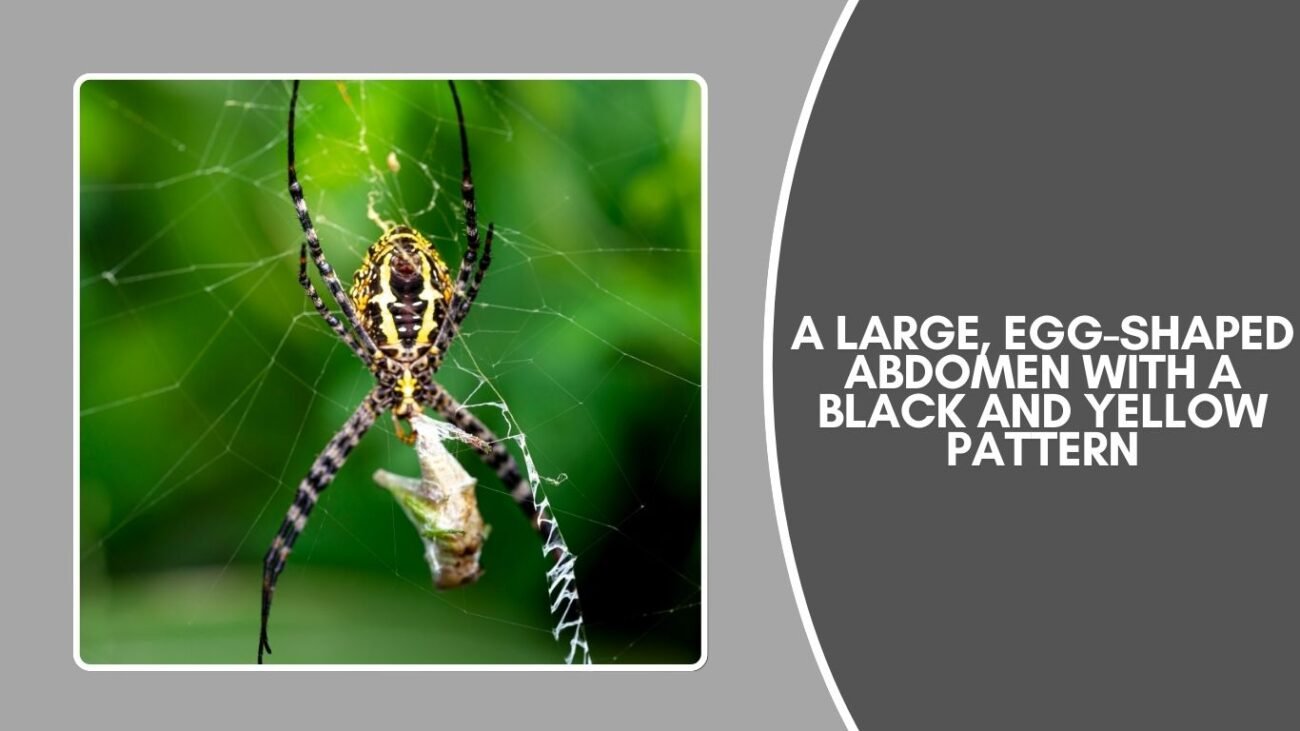
It has a bright yellow and black patterned abdomen, a silver-gray head, and long black legs with orange or yellow joints. Females are large and bold-looking, while males are smaller and more drab. Their striking appearance and large webs make them easy to spot in gardens or fields.
36. Can a Black and Yellow Garden Spider bite?
Yes, it can bite, but it rarely does unless provoked. Bites may occur if it is handled roughly or trapped against the skin. The bite is usually mild and causes temporary discomfort, similar to a bee sting. Most bites resolve quickly without medical treatment.
37. Does a Black and Yellow Garden Spider bite?
Yes, it is capable of biting, but it does so only in self-defense. These spiders are not aggressive and prefer to stay in their web. Bites may cause mild swelling, itching, or redness but are not medically significant for most people unless there is an allergic reaction.
38. Are Black and Yellow Garden Spiders poisonous?
No, Black and Yellow Garden Spiders are not poisonous to humans. They are venomous to insects but pose very little risk to people. Their bite is not toxic or dangerous and doesn’t require medical attention in most cases. They are considered harmless and helpful garden residents.
39. Are Black and Yellow Garden Spiders venomous?
Yes, they are venomous to their insect prey, which they immobilize and digest using venom. However, their venom is weak against humans. Even if a bite occurs, the symptoms are typically no worse than a minor bee sting. They are considered non-threatening and non-aggressive toward people.
40. How to tell the gender of a Yellow Garden Spider?
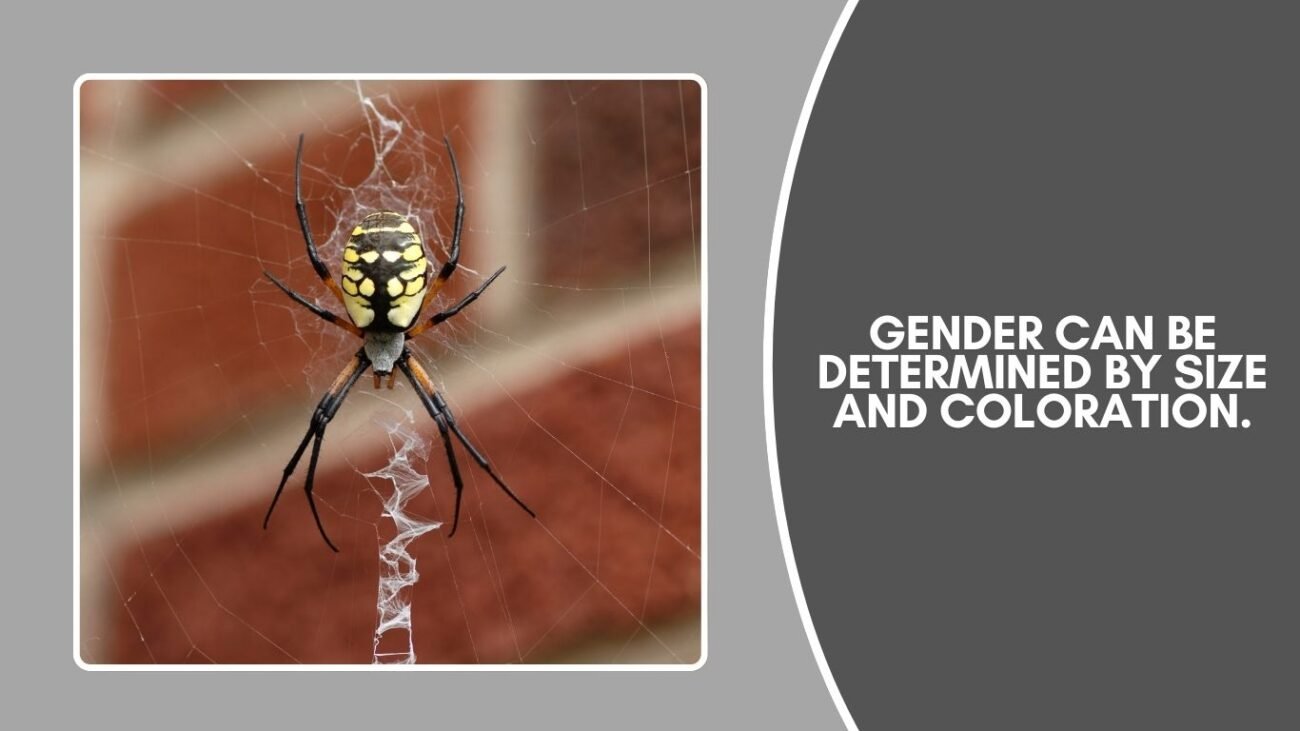
You can tell the gender by size and appearance. Females are much larger, with bright yellow and black markings and a robust body. Males are smaller, thinner, and often brown or dull in color. Males also stay near the edges of the female’s web, especially during mating season.