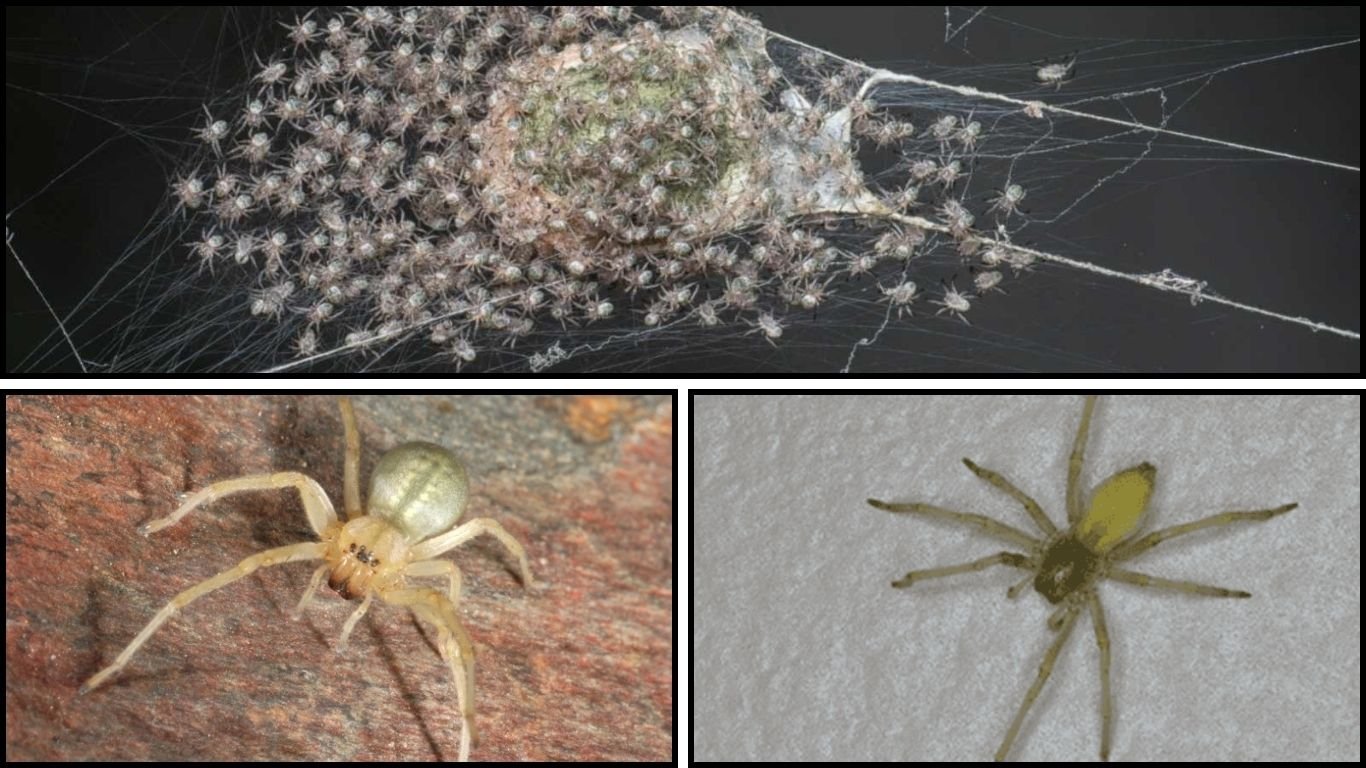
The Yellow Sac Spider is a small but often misunderstood spider found in homes, gardens, and farmlands. Known for its pale yellow color and tendency to wander indoors, it raises many questions—especially about its bite, danger level, and how to get rid of it.
This guide covers 42 essential FAQs, helping you identify, understand, and safely manage Yellow Sac Spiders in your surroundings. Whether you’re concerned about a possible bite or just curious about its behavior, you’ll find clear answers here.
42 FAQs and Facts
1. What is a Yellow Sac Spider?
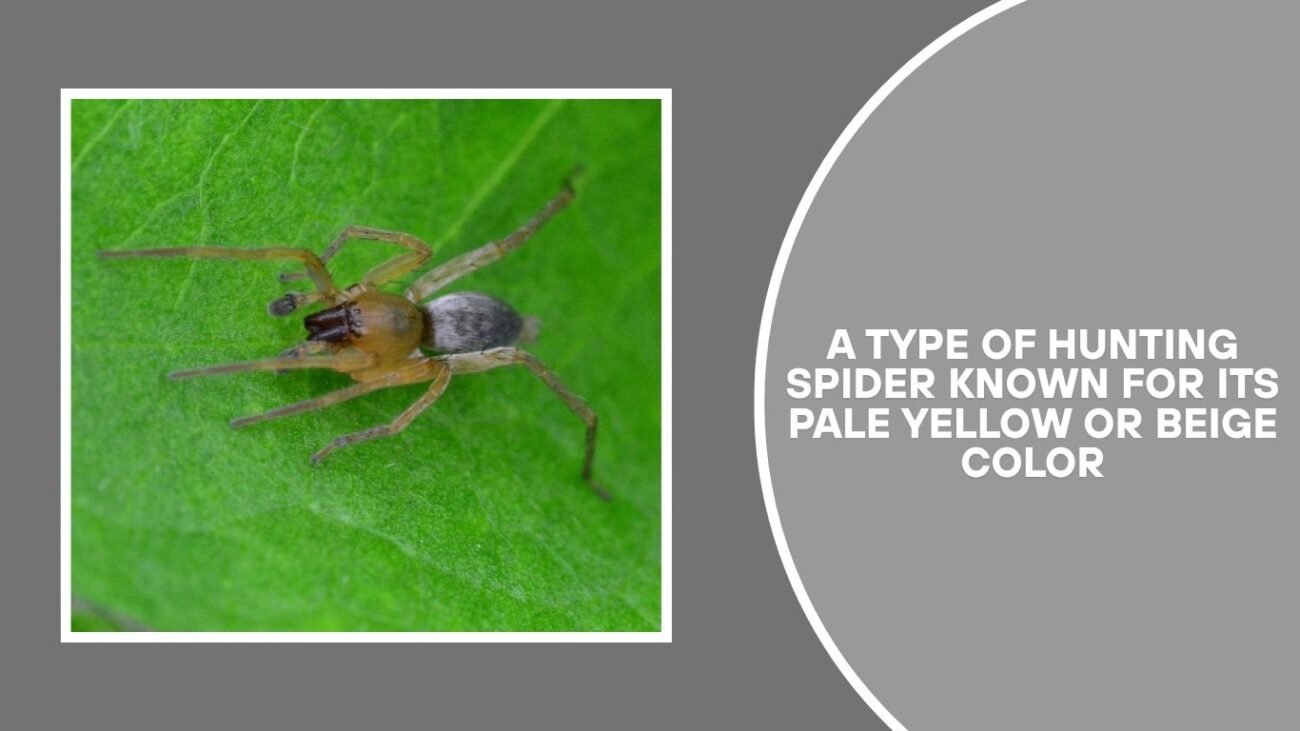
The Yellow Sac Spider is a small, fast-moving spider belonging to the genus Cheiracanthium. It is named for its pale yellow color and the silken sac-like retreat it builds for daytime hiding. While not aggressive, it can bite if disturbed and is often found indoors during cooler months.
2. What does a Yellow Sac Spider look like?
Yellow Sac Spiders have a pale yellow, beige, or light green body with a slightly darker stripe running down the center of the abdomen. Their legs are long and slender, sometimes darker at the tips. Adults usually measure 5 to 10 mm in body length and have a smooth, sleek appearance.
3. How do you identify a Yellow Sac Spider?
To identify a Yellow Sac Spider, look for a small spider with pale yellow to light green coloring, long legs, and a nearly translucent body. It has eight eyes arranged in two horizontal rows. A key feature is its sac-like silk shelter, usually found in corners, folds, or under leaves.
4. What is the scientific name for the Yellow Sac Spider?
The most common Yellow Sac Spider in North America is Cheiracanthium inclusum, while Cheiracanthium mildei is another widely encountered species. Both are part of the Cheiracanthiidae family and were previously classified under Clubionidae. These spiders are known for their wandering behavior and sac-like retreats.
5. How big is a Yellow Sac Spider?

Yellow Sac Spiders are relatively small, with adult females ranging from 5 to 10 millimeters in body length, and males slightly smaller. Including their legs, they can appear larger. Despite their small size, their quick movements and pale coloring can make them noticeable, especially indoors at night.
6. What does a Yellow Sac Spider web look like?
Yellow Sac Spiders don’t build traditional orb webs. Instead, they create small, silken sacs or tube-like retreats made of white silk. These are often hidden in corners, under leaves, inside folded curtains, or along baseboards. The sac is used for resting during the day, molting, or protecting egg sacs.
7. What does a Yellow Sac Spider nest look like?

Their “nest” is actually a small, flattened silk sac built in secluded locations. It looks like a messy patch of white silk and is not sticky like traditional webs. You may find these nests behind furniture, inside closets, under bark, or on ceiling corners where the spider hides during the day.
8. What do Yellow Sac Spider eggs look like?
Yellow Sac Spider eggs are small, round, and creamy-white. They’re enclosed in a papery, silk egg sac, which is usually hidden inside their silk retreat. Each sac may contain 30–50 eggs. The female guards the eggs until they hatch, typically placing them in undisturbed areas like baseboards, ceilings, or plant leaves.
9. What is the lifespan of a Yellow Sac Spider?
Yellow Sac Spiders typically live for about one year. Eggs hatch in spring or summer, and the spiderlings go through several molts before reaching adulthood. Adults usually live through one mating season, and females may die shortly after laying eggs. Indoor spiders may live slightly longer in stable conditions.
10. Where is the Yellow Sac Spider found?
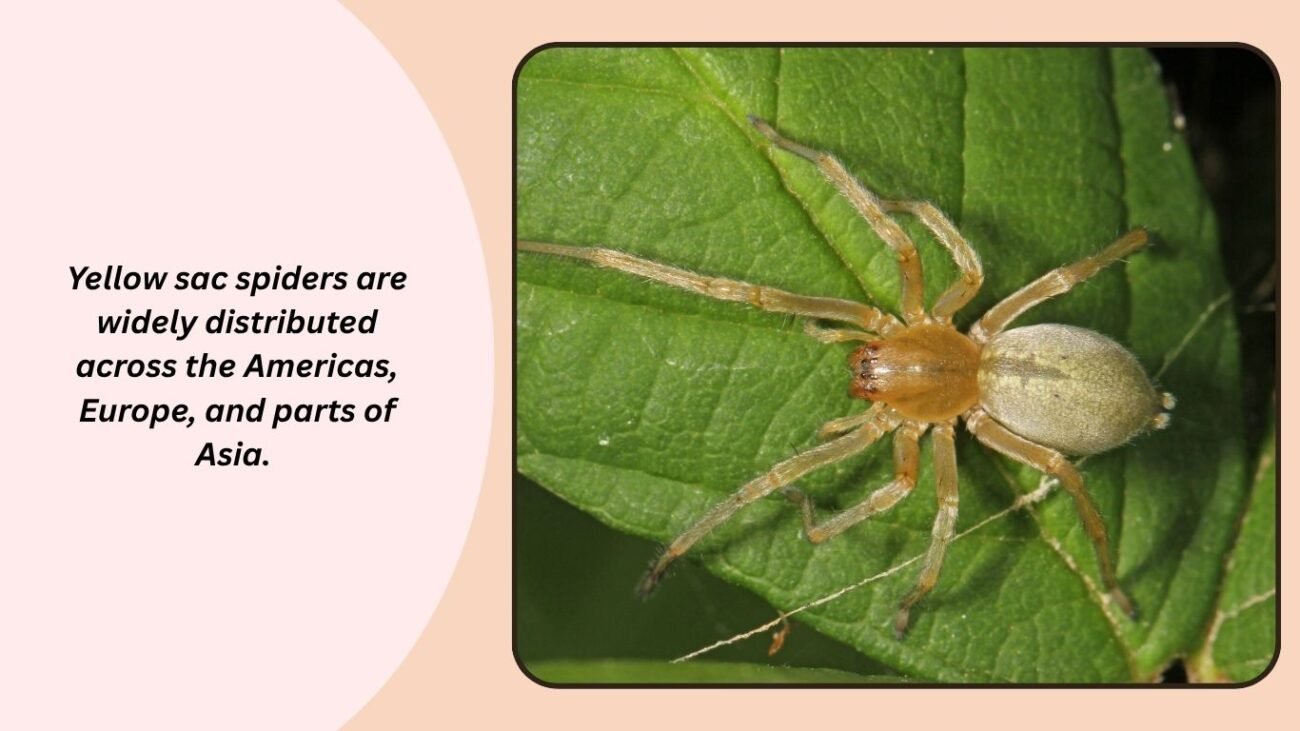
Yellow Sac Spiders are found throughout North America, Europe, and parts of Asia. They thrive in homes, gardens, fields, and wooded areas. Indoors, they prefer corners, ceilings, and hidden spaces. Outdoors, they’re often under leaves, bark, or stones. Their adaptability makes them one of the most common household spiders.
11. Where does the Yellow Sac Spider live?
This spider lives in both outdoor and indoor environments. Outdoors, it shelters under rocks, leaf litter, and tree bark. Indoors, it builds its sac in ceiling corners, wall crevices, and furniture edges. It prefers warm, dry, undisturbed areas and becomes more visible during fall when seeking shelter inside homes.
12. Where does the Yellow Sac Spider come from?
Cheiracanthium inclusum is native to the Americas, while Cheiracanthium mildei originated in Europe but is now widespread in the U.S. These spiders have adapted well to urban and suburban environments and have expanded globally due to human activity and climate adaptability.
13. Are Yellow Sac Spiders common?
Yes, Yellow Sac Spiders are extremely common and frequently encountered both indoors and outdoors. In homes, they are often mistaken for other small house spiders. Their numbers increase in autumn when they seek warmth inside buildings. They are also common in gardens, agricultural fields, and grassy landscapes.
14. Is the Yellow Sac Spider dangerous?
Yellow Sac Spiders are considered mildly dangerous. While their bites can cause localized pain, swelling, and in rare cases, tissue necrosis, they are not deadly. Most reactions are mild and self-limiting. They bite only in defense, especially when trapped in clothing or bedding.
15. Is the Yellow Sac Spider venomous?

Yes, the Yellow Sac Spider is venomous, but not highly so. Its venom helps it immobilize prey and can cause mild effects in humans. While it can lead to skin irritation or minor wounds, the venom is not considered a serious threat unless an allergic reaction occurs.
16. Is the Yellow Sac Spider poisonous?
Technically, the term “poisonous” isn’t accurate for spiders—“venomous” is correct. The Yellow Sac Spider is venomous, not poisonous. It injects venom through its fangs to subdue prey. While its venom can cause skin irritation or minor wounds in humans, it is not considered medically dangerous in most cases.
17. How venomous is a Yellow Sac Spider?
A Yellow Sac Spider’s venom is moderately potent for insects but usually mild for humans. Bites may cause a stinging sensation, redness, swelling, and sometimes a small ulcer or blister. However, these symptoms generally resolve on their own. Severe or allergic reactions are rare but possible.
18. Can a Yellow Sac Spider kill you?
No, a Yellow Sac Spider cannot kill a healthy adult human. While its bite may cause discomfort or mild necrosis in rare cases, it is not fatal. There are no documented deaths attributed to this species. Medical attention is usually not needed unless there is an infection or allergic response.
19. Are Yellow Sac Spider bites dangerous?
Yellow Sac Spider bites are mildly dangerous. They can cause localized pain, redness, itching, or minor lesions. In rare instances, the bite may lead to tissue damage or infection. However, these reactions are uncommon, and most people recover without complications. Bites often occur when the spider is trapped in clothing.
20. What happens if a Yellow Sac Spider bites you?

If bitten, you may feel a sharp, stinging sensation similar to a bee sting. Within a few hours, the area may become red, swollen, and itchy. Occasionally, a small blister or ulcer forms. Most symptoms clear within a few days. Keeping the bite area clean and applying ice helps reduce discomfort.
21. What are the symptoms of a Yellow Sac Spider bite?
Common symptoms include localized pain, redness, mild swelling, and itching. Some people may experience a blister or shallow ulcer at the bite site. In rare cases, nausea, headache, or muscle cramps can occur. Symptoms typically subside within a few days with basic home treatment.
22. What does a Yellow Sac Spider bite look like?
A bite from a Yellow Sac Spider may appear as a small, red bump or blister. It often resembles a mosquito bite at first, but can later develop a necrotic (dying) center in rare cases. The wound may become itchy or tender, but severe reactions are not typical.
23. What does a Yellow Sac Spider bite look like in pictures?
In pictures, the bite usually shows as a red, inflamed spot—sometimes with a pale center or blister. Severe reactions may appear as open sores or ulcers. However, most bites look like minor skin irritation. Keep in mind, many skin conditions can mimic spider bites, so diagnosis should be cautious.
24. How do you treat a Yellow Sac Spider bite?
Clean the bite area with soap and water. Apply a cold compress to reduce swelling and itching. Over-the-counter pain relievers or antihistamines can help with discomfort. Avoid scratching. Seek medical attention if symptoms worsen, the wound spreads, or signs of infection appear, such as pus or excessive redness.
25. What to do if a Yellow Sac Spider bites you?

If bitten, remain calm. Clean the bite area thoroughly, apply ice to reduce swelling, and monitor for symptoms. Most cases resolve without treatment. However, if you notice increased pain, spreading redness, fever, or pus, consult a healthcare provider. Allergic individuals should seek medical help immediately.
26. Is a Yellow Sac Spider bite deadly?
No, a Yellow Sac Spider bite is not deadly. While the bite may cause mild necrosis or irritation, it is rarely serious. Most people recover quickly without complications. Fatalities have never been confirmed from this species. Still, medical care is recommended if symptoms persist or worsen over time.
27. Is the Black-Footed Yellow Sac Spider poisonous?
The Black-Footed Yellow Sac Spider (Cheiracanthium inclusum) is venomous but not dangerously poisonous to humans. It uses venom to immobilize its insect prey. Human reactions to bites are typically mild, involving redness, pain, or slight tissue damage. Despite its black-tipped legs, it poses no significant medical threat.
28. What does the Black-Footed Yellow Sac Spider eat?
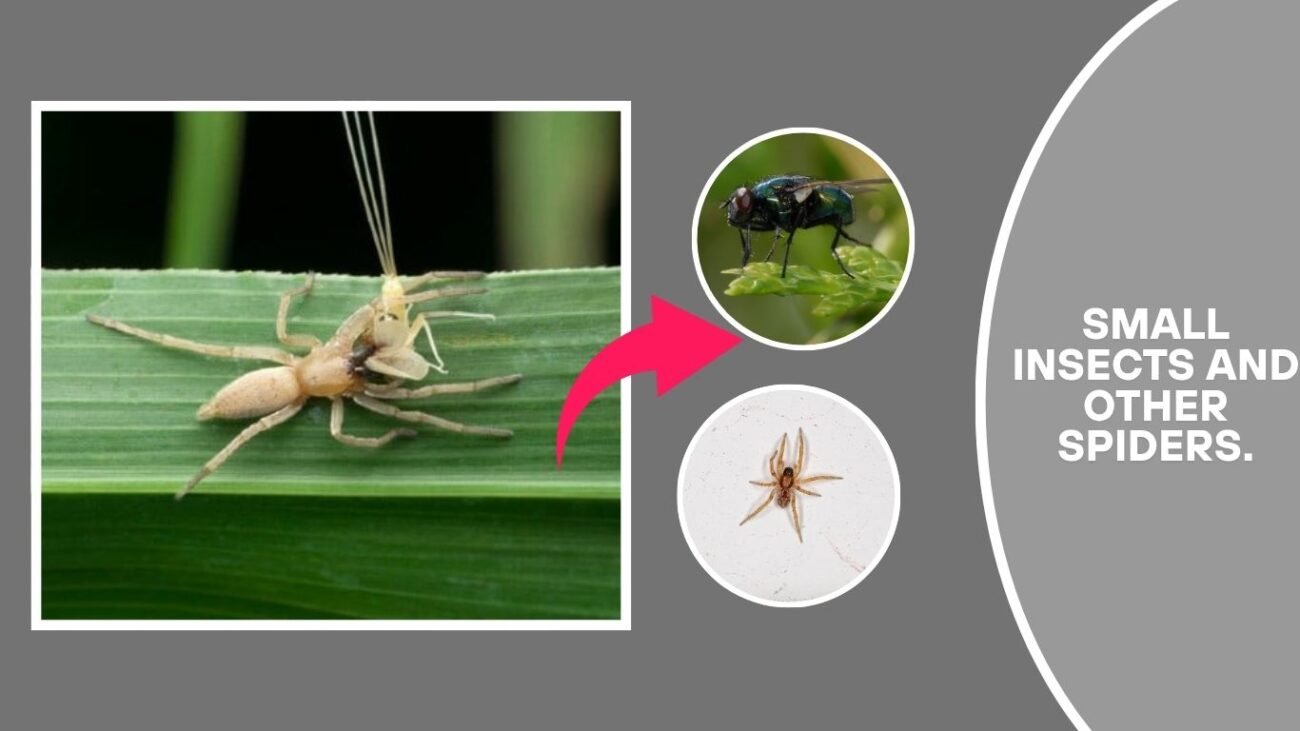
The Black-Footed Yellow Sac Spider feeds primarily on small insects and arthropods. Its diet includes ants, flies, moths, aphids, and even other spiders. As an active nocturnal hunter, it does not use webs to trap prey but instead relies on speed and venom to capture and subdue its meals.
29. What does a Yellow Sac Spider eat?
Yellow Sac Spiders are insectivores. They eat flies, moths, mosquitoes, aphids, small beetles, and occasionally other spiders. As nighttime hunters, they wander in search of prey and do not rely on webs. Their role in natural pest control makes them beneficial in gardens and agricultural areas.
30. Can a Yellow Sac Spider eat roaches?
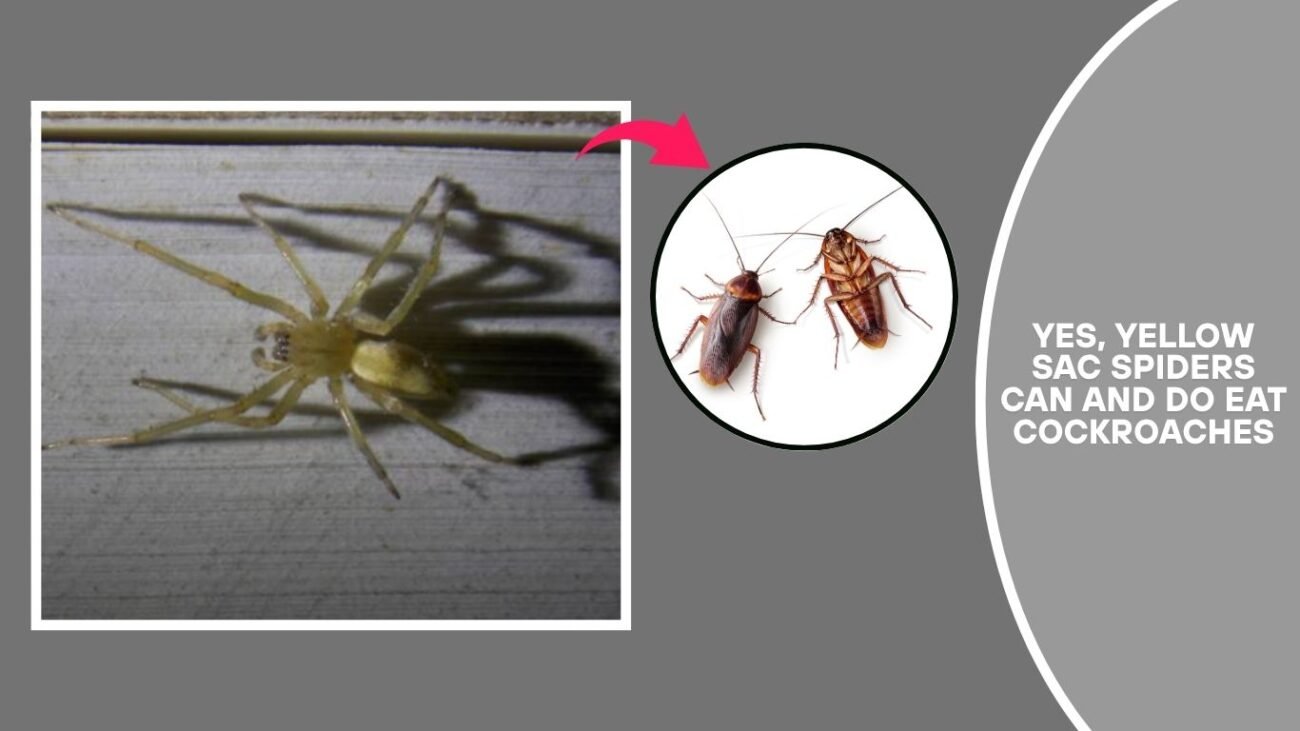
Yes, a Yellow Sac Spider can eat small or juvenile cockroaches if encountered. While roaches are not their primary prey, these spiders are opportunistic hunters and will bite and feed on almost any small insect they can overpower. Their venom is strong enough to immobilize soft-bodied bugs like roaches.
31. What eats Yellow Sac Spiders?
Yellow Sac Spiders have several natural predators. Birds, lizards, larger spiders, parasitic wasps, and centipedes commonly prey on them. Additionally, household pets like cats may chase or kill them indoors. Despite their speed and defensive bite, they are vulnerable to many insect-eating species in their environment.
32. Is the Yellow Sac Spider bad?
The Yellow Sac Spider isn’t inherently “bad,” but it can become a nuisance indoors. While it helps control insect populations, its bite can cause discomfort. For people with spider phobia or sensitive skin, it may be unwelcome. Still, it plays a beneficial role in natural pest control ecosystems.
33. Should I kill a Yellow Sac Spider in my house?
You don’t have to kill it unless it poses a direct risk or is in a high-traffic area. Yellow Sac Spiders help by eating other pests. However, because they can bite if trapped in bedding or clothing, it’s best to safely remove or relocate them from indoor spaces.
34. Should you kill Yellow Sac Spiders?
It’s not necessary to kill Yellow Sac Spiders unless there’s an infestation or frequent bites. They are beneficial predators of household insects. Instead, consider exclusion techniques—sealing cracks, removing clutter, and using gentle pest control methods. Killing should be a last resort, especially for single sightings.
35. How to kill a Yellow Sac Spider?
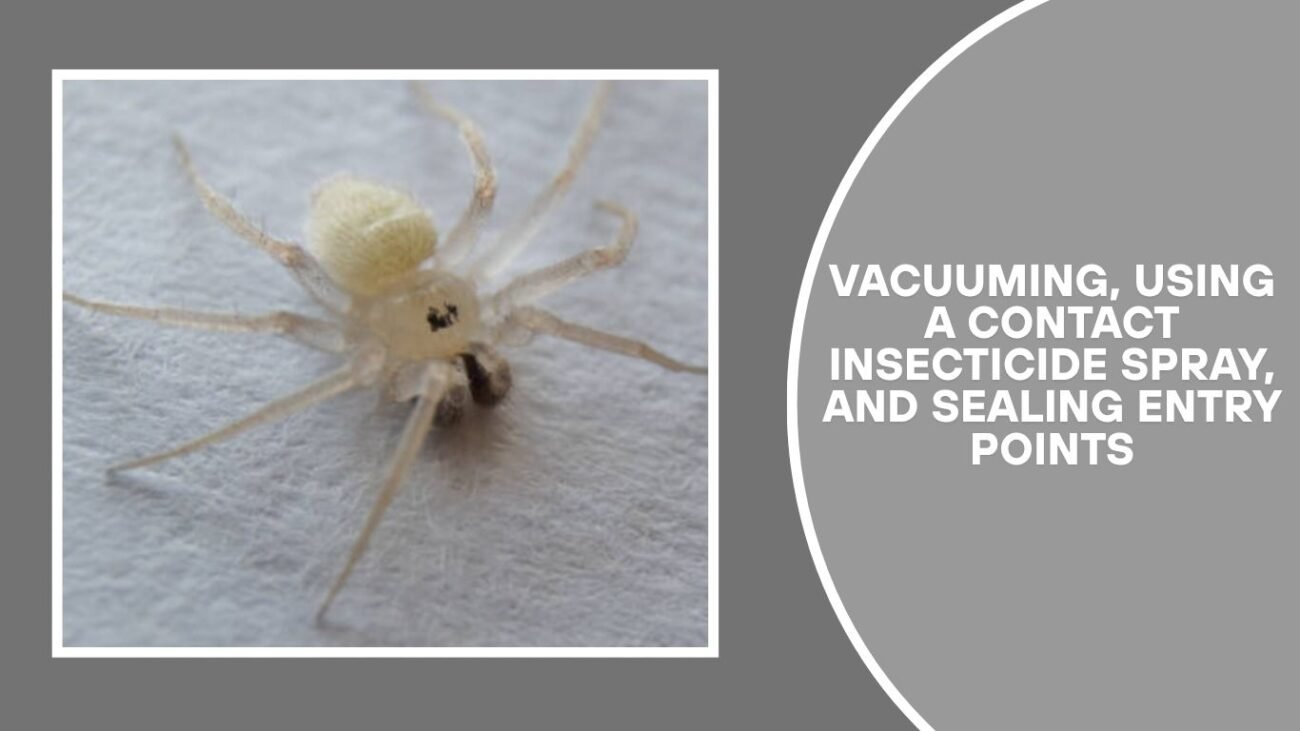
If you choose to kill a Yellow Sac Spider, you can use insecticidal sprays or vacuum them up and dispose of the bag. Direct squashing works, but caution is advised. Always wear gloves and avoid contact. For infestations, professional pest control may be necessary to address hidden sacs or eggs.
36. How to get rid of Yellow Sac Spiders?
To get rid of Yellow Sac Spiders, reduce clutter, vacuum regularly, and seal cracks or gaps in walls, doors, and windows. Use spider repellents or insecticide sprays in corners and baseboards. Remove silk sacs and egg sacs manually. For recurring infestations, consider hiring a pest control professional.
37. How to get rid of Yellow Sac Spider infestation?
An infestation requires a thorough approach. Eliminate hiding spots (like boxes, ceiling corners, or fabric piles), vacuum regularly, and destroy egg sacs. Apply insecticide along baseboards, window edges, and attic corners. Dehumidifiers can help reduce their indoor comfort. Re-seal any entry points to prevent future spider access.
38. How to get rid of Yellow Sac Spider in your house?
Inside your house, focus on cleaning and decluttering dark corners, closets, and ceiling edges. Use non-toxic sprays or essential oils like peppermint or citrus. Remove spiders with a vacuum or jar. Eliminate indoor insects, which are their food source. Seal gaps around doors, vents, and pipes to block entry.
39. How to get rid of Yellow Sac Spider in a car?
Vacuum your car thoroughly, including under seats and in trunk corners. Use spider repellents made for automotive interiors or natural deterrents like peppermint oil. Avoid leaving windows open overnight. If egg sacs are found, remove them quickly. Keep the interior clean and free of crumbs and insects.
40. What to do if you see a Yellow Sac Spider?

If you see a Yellow Sac Spider, don’t panic. Carefully remove it using a jar and paper if you prefer relocation. If it’s in bedding or clothing, shake the item out first. If you see several spiders or egg sacs, take preventive measures to inspect and seal entry points.
41. Is Yellow Sac Spider related to agriculture?
Yes, Yellow Sac Spiders are often found in agricultural environments, such as farms and greenhouses, where they feed on crop pests. They are considered beneficial in this context, helping control insects like aphids and caterpillars. However, they may sometimes be mistaken for harmful pests due to their bite risk.
42. Why is the Yellow Sac Spider’s belly so big?
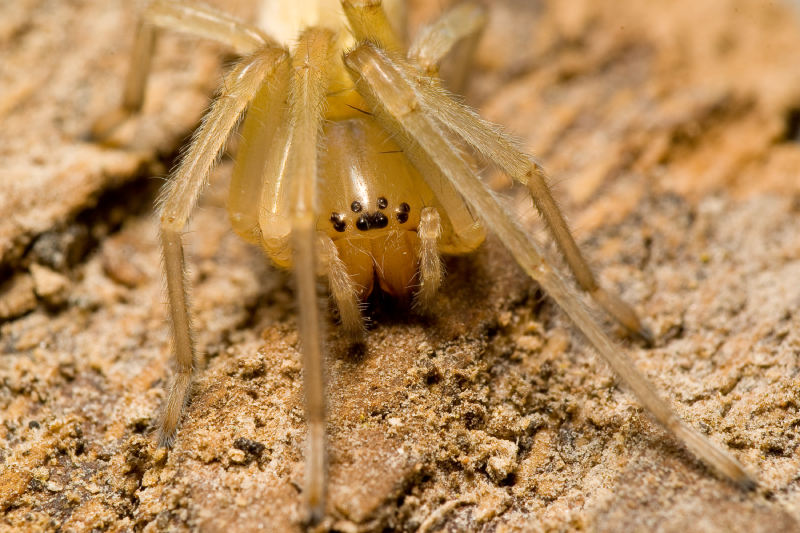
A large belly on a Yellow Sac Spider can mean it’s recently eaten, is gravid (carrying eggs), or is preparing to molt. The abdomen may swell slightly after feeding or egg development. It’s a normal sign of a healthy spider and doesn’t indicate any additional threat or danger.