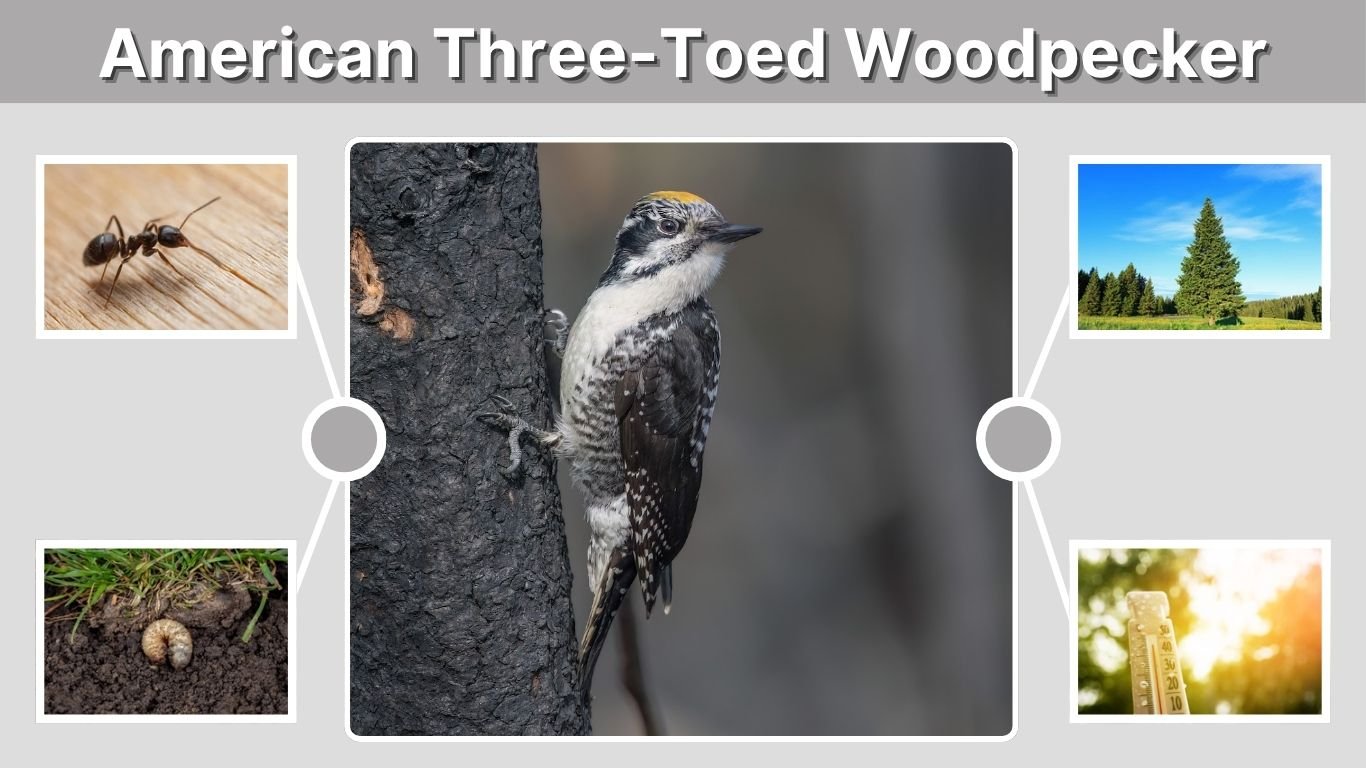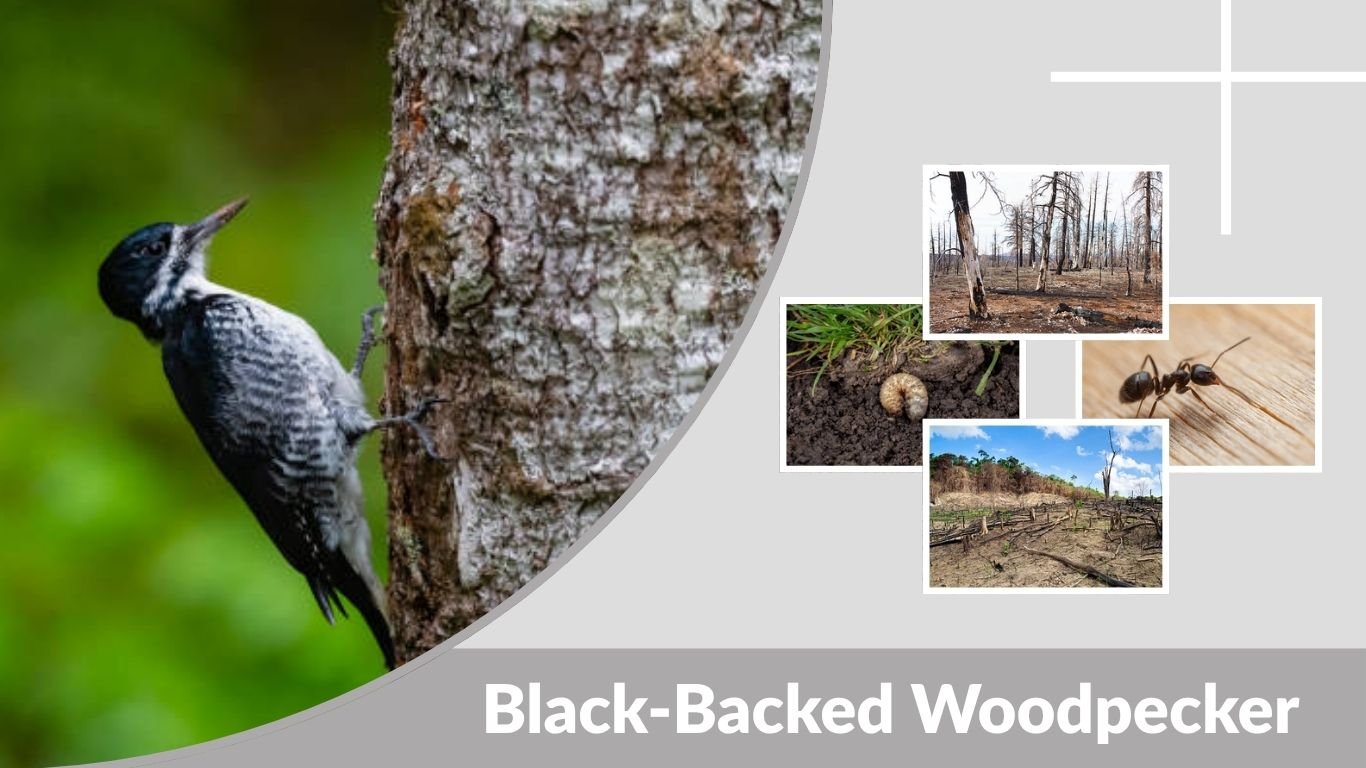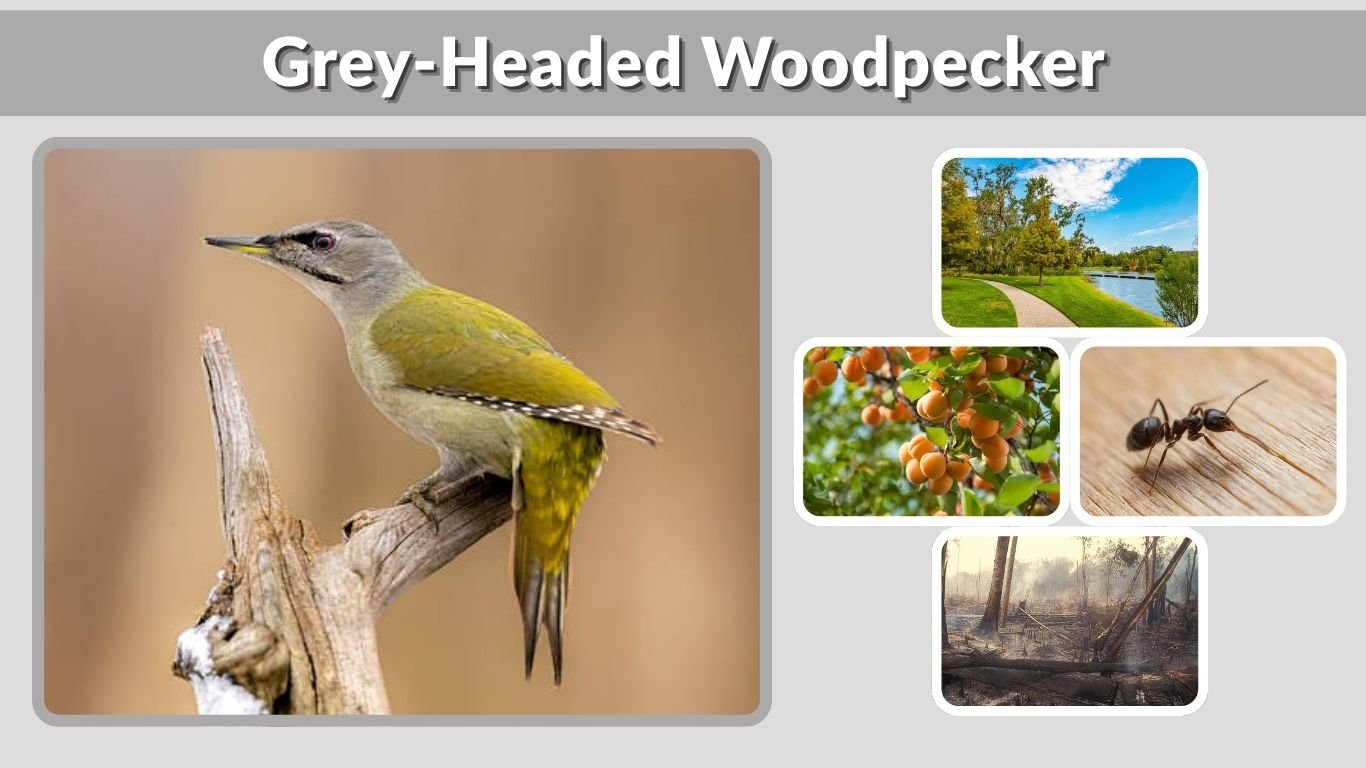
The Grey-Headed Woodpecker is a subtle yet fascinating bird found across Europe and Asia. Unlike more brightly colored woodpeckers, it relies on soft green and grey tones that help it blend into forest environments. Though less flashy, it plays an essential role in maintaining ecological balance, especially through insect control. Its quiet nature and unique feeding habits make it an interesting subject for birdwatchers and nature enthusiasts alike.
Physical Identification
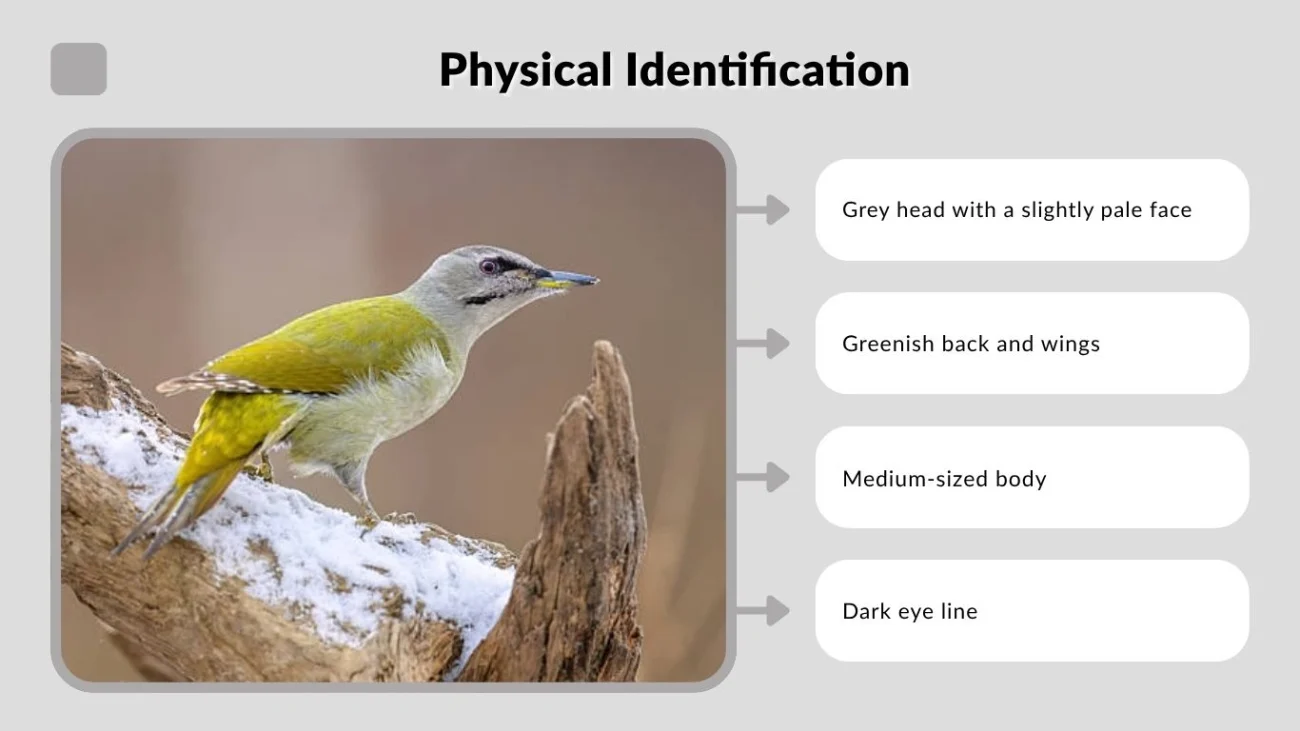
The Grey-Headed Woodpecker can be identified by its soft coloration and clean markings, which distinguish it from other woodpecker species.
Key Identification Features
- Grey head with a slightly pale face
- Greenish back and wings with a yellowish tint
- Medium-sized body with a straight, pointed bill
- Dark eye line that contrasts with the lighter face
Male vs Female Differences
One of the easiest ways to tell males and females apart is by looking at the forehead. Males have a small but noticeable red patch on the front of the head, while females lack this marking entirely. Aside from this feature, both sexes look very similar in size and color.
Juvenile Appearance
Juvenile Grey-Headed Woodpeckers appear duller than adults. Their colors are less defined, and they may have a slightly mottled or softer look. Over time, their plumage becomes clearer and more vibrant, gradually resembling that of mature birds.
Habitat and Distribution
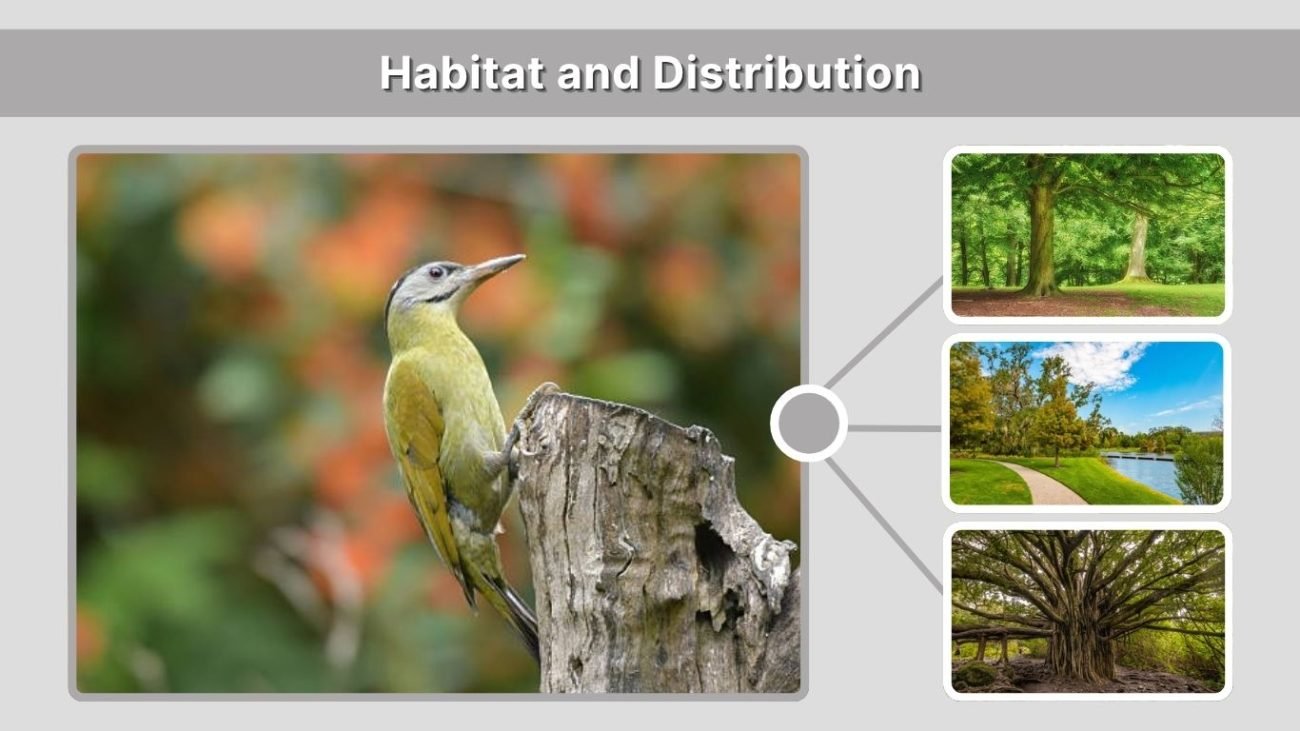
The Grey-Headed Woodpecker is widely distributed, though it prefers specific environments that support its feeding and nesting habits.
Geographic Range
This species is found across much of Europe and extends into large parts of Asia. Its range includes countries with temperate climates, where forests and wooded areas are common.
Preferred Habitat
It favors deciduous and mixed forests, especially those with older trees. Woodland edges, parks, and rural landscapes with scattered trees also provide suitable habitats. These environments offer both food sources and nesting opportunities.
Range and Movement
Unlike many bird species, the Grey-Headed Woodpecker is mostly resident. It does not migrate long distances, although some local movement may occur in response to food availability or environmental conditions.
Behavior and Lifestyle
The Grey-Headed Woodpecker is generally quieter and less active than other woodpeckers, making it harder to spot in the wild.
General Behavior
This bird tends to stay hidden within trees and avoids drawing attention. Its calm and cautious nature allows it to blend into its surroundings, reducing the risk of predators.
Feeding Behavior
Unlike many woodpeckers that spend most of their time drilling into wood, this species often feeds on the ground. It searches for ants and other insects, using its beak to probe soil and leaf litter. This behavior makes it quite unique among woodpeckers.
Territorial Nature
During the breeding season, it becomes more territorial. Males defend their chosen areas through calls and displays, ensuring that they have enough resources to support nesting and raising chicks.
Diet and Feeding Habits
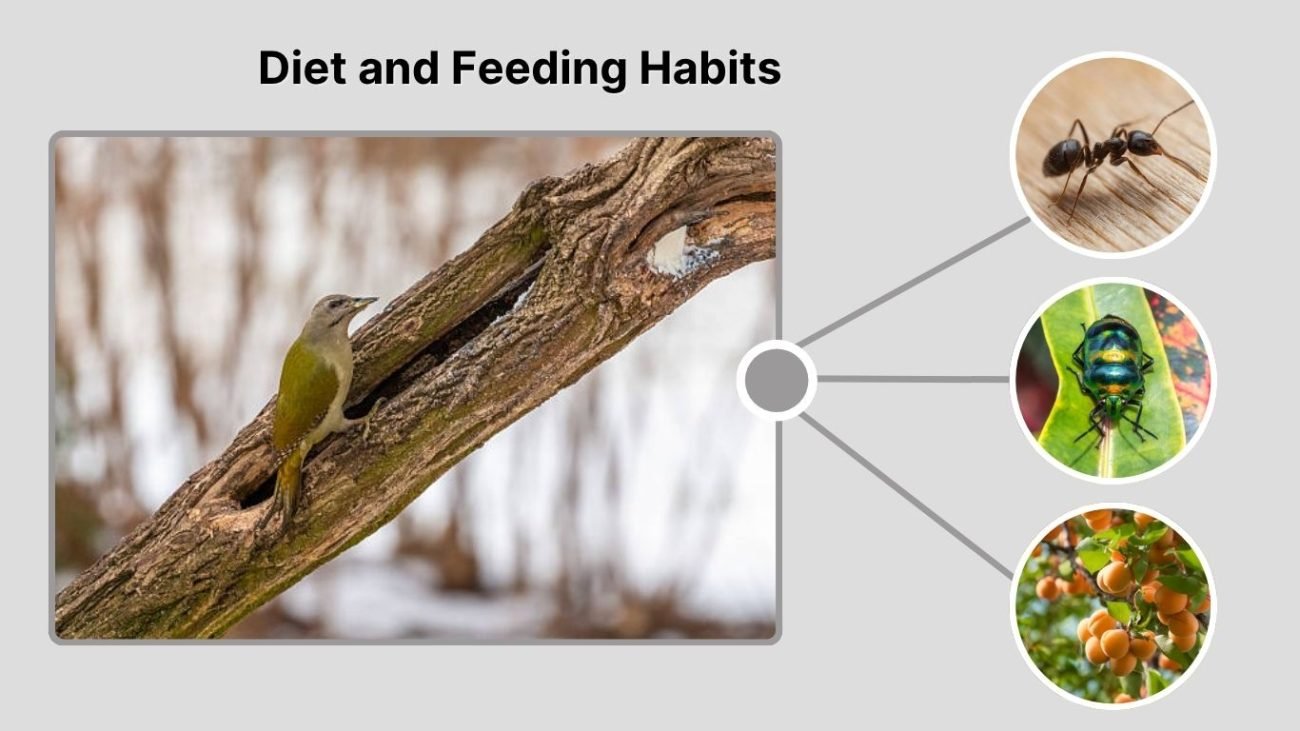
The Grey-Headed Woodpecker has a specialized diet that helps it thrive in its natural habitat.
- Primary Diet: Ants and their larvae form the majority of its diet, making it highly dependent on ant populations.
- Other Insects: It also eats beetles, termites, and various small invertebrates.
- Occasional Foods: Fruits and seeds may be consumed when insects are less available.
- Feeding Style: Instead of heavy drilling, it prefers ground foraging and probing into soft surfaces.
Breeding and Reproduction
The breeding behavior of the Grey-Headed Woodpecker is closely linked to forest conditions and the availability of nesting sites.
Courtship Behavior
During the breeding season, males attract females through soft calls and subtle displays. Unlike louder woodpeckers, their communication is quieter, relying less on strong drumming and more on vocal signals.
Nesting Habits
The pair typically nests in a cavity within a tree trunk. They may excavate a new hole or reuse an existing one. The nesting site is carefully chosen to provide safety and protection from predators and weather conditions.
Egg Laying and Care
The female lays a small clutch of eggs, usually white in color. Both parents take part in incubation, which lasts a couple of weeks. After hatching, they share the responsibility of feeding and protecting the chicks until they are strong enough to leave the nest.
Lifecycle and Development
The lifecycle of the Grey-Headed Woodpecker follows a steady progression from egg to independent adult, with both parents playing an active role in raising the young.
- Incubation Period: Eggs typically hatch after 14–17 days of incubation.
- Nestling Stage: Chicks remain in the nest for about 3–4 weeks, relying completely on their parents for food.
- Fledging Stage: After leaving the nest, young birds begin to explore but still depend on parental care for a short period.
- Maturity: Juveniles develop adult plumage and reach breeding age within one year.
- Lifespan: In the wild, they can live for several years, depending on environmental conditions.
Grey-Headed Woodpecker Call and Communication
Communication in this species is more subtle compared to other woodpeckers, reflecting its quiet and less aggressive nature.
Common Calls
The Grey-Headed Woodpecker produces soft, whistling or laughing sounds. These calls are usually short and less harsh, making them harder to detect in dense forests. They are used to communicate with mates and signal presence within a territory.
Drumming Behavior
Unlike many woodpeckers, this species drums less frequently and with less intensity. Drumming is still used for territorial signaling and attracting mates, but it is quieter and less prominent.
Grey-Headed Woodpecker vs Green Woodpecker
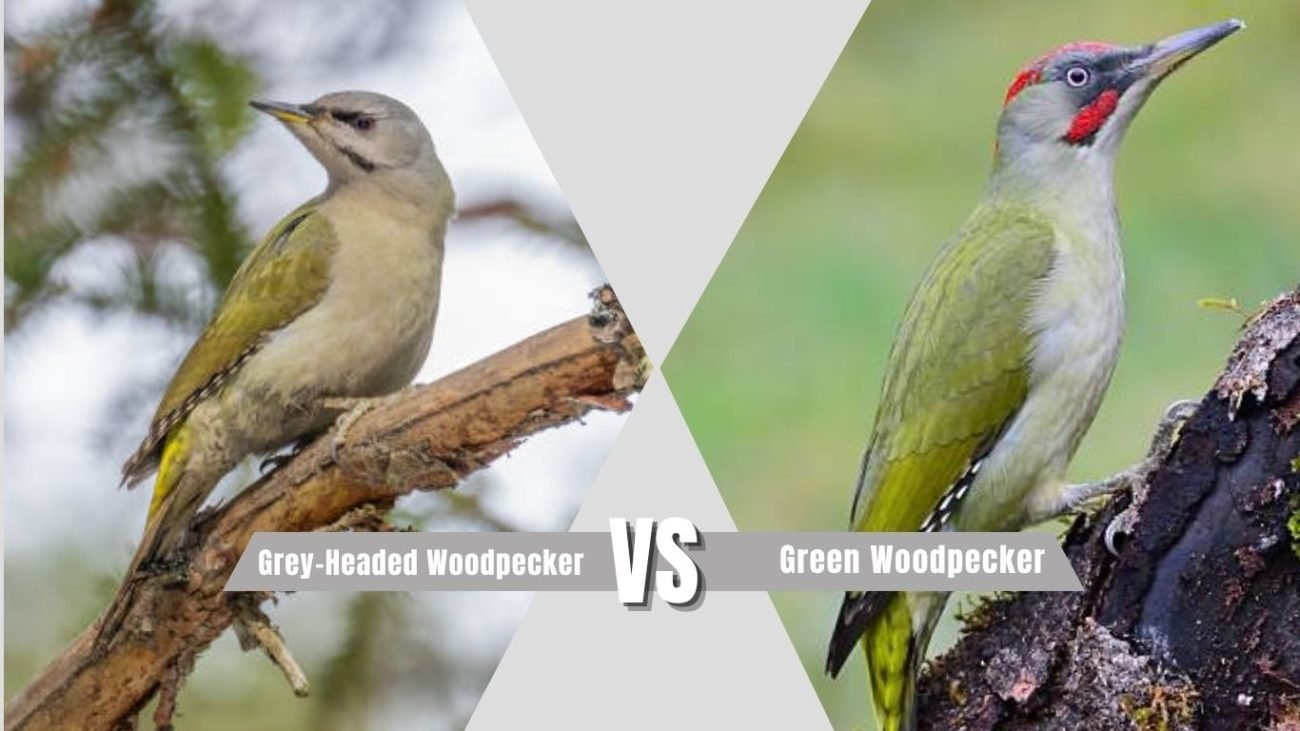
Understanding the differences between these two similar species helps birdwatchers identify them more easily.
| Feature | Grey-Headed Woodpecker | Green Woodpecker |
| Head Color | Grey | Green with red crown |
| Male Marking | Small red forehead | Larger red crown |
| Call | Soft, whistling | Loud, laughing call |
| Habitat Preference | Forest edges | Open grasslands |
| Behavior | More shy | More visible |
Role in the Ecosystem
The Grey-Headed Woodpecker plays an important role in maintaining healthy forest ecosystems. By feeding primarily on ants and other insects, it helps control insect populations that could otherwise damage vegetation. This natural pest control benefits both forests and nearby agricultural areas.
In addition, its nesting behavior contributes to biodiversity. The cavities it creates in trees are often reused by other birds and small animals that cannot create their own nesting spaces. This makes the species an important contributor to the survival of various forest-dwelling organisms.
Threats and Conservation
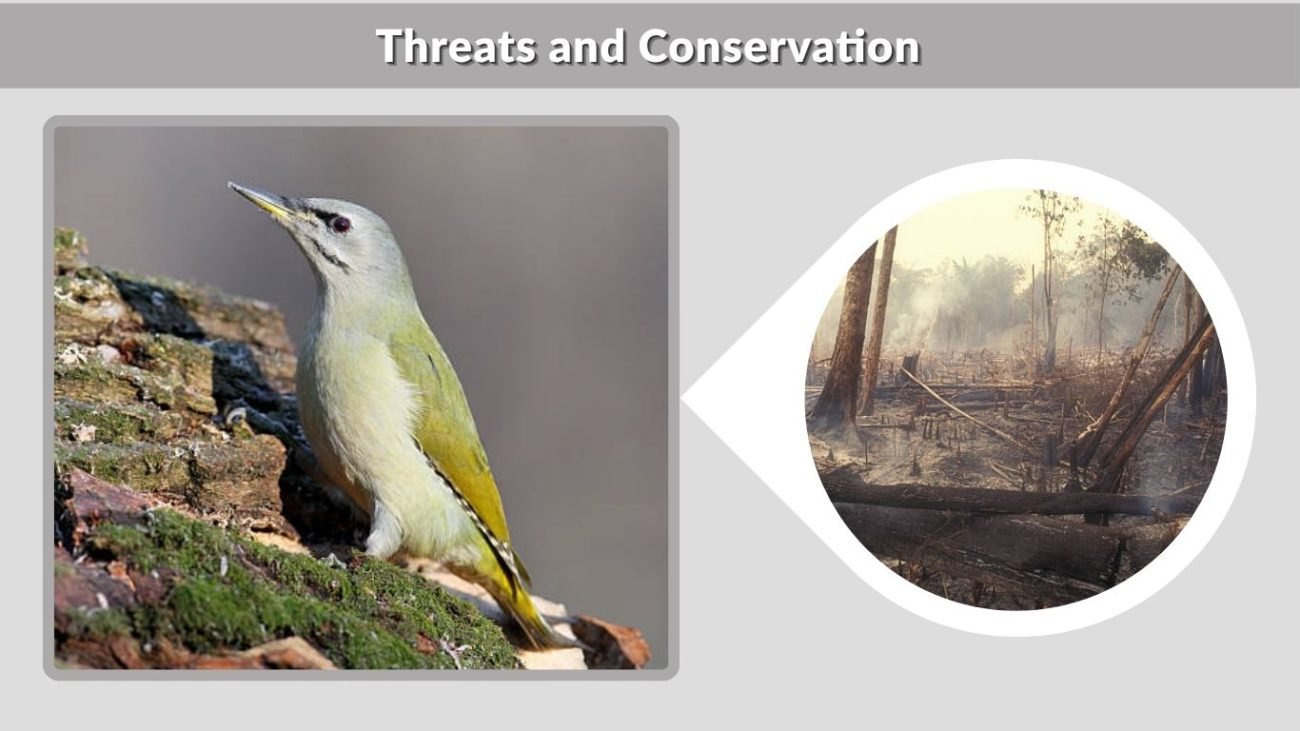
Although the Grey-Headed Woodpecker is not globally endangered, it faces several challenges that can affect local populations.
- Habitat Loss: Deforestation and removal of old trees reduce suitable nesting and feeding areas.
- Forest Management: Intensive forestry practices limit the availability of dead wood needed for nesting.
- Population Stability: While stable in many regions, some local populations are declining.
- Conservation Efforts: Protecting natural forests and preserving mature trees can help maintain healthy populations.
Interesting Facts
The Grey-Headed Woodpecker has several unique traits that make it an interesting species to study.
- One of the quieter and less noticeable woodpeckers
- Strong preference for ants as a primary food source
- Often overlooked due to its soft, natural coloration
- Plays a key role in maintaining ecological balance in forests
FAQs
What is the difference between male and female Grey-Headed Woodpeckers?
The main difference lies in the red marking on the male’s forehead, which is absent in females. Apart from this feature, both sexes share similar grey and green coloration, making them otherwise difficult to distinguish.
Where can you find the Grey-Headed Woodpecker?
It is found across Europe and Asia, particularly in deciduous and mixed forests. It prefers areas with mature trees and is also seen along woodland edges and in rural landscapes.
What does the Grey-Headed Woodpecker eat?
Its diet mainly consists of ants and their larvae, along with other insects. Occasionally, it also consumes fruits and seeds, especially when insect availability is low.
How does its call sound?
Its call is soft and melodic, often described as a whistling or gentle laughing sound. It is quieter than the calls of many other woodpeckers, making it harder to detect in the wild.