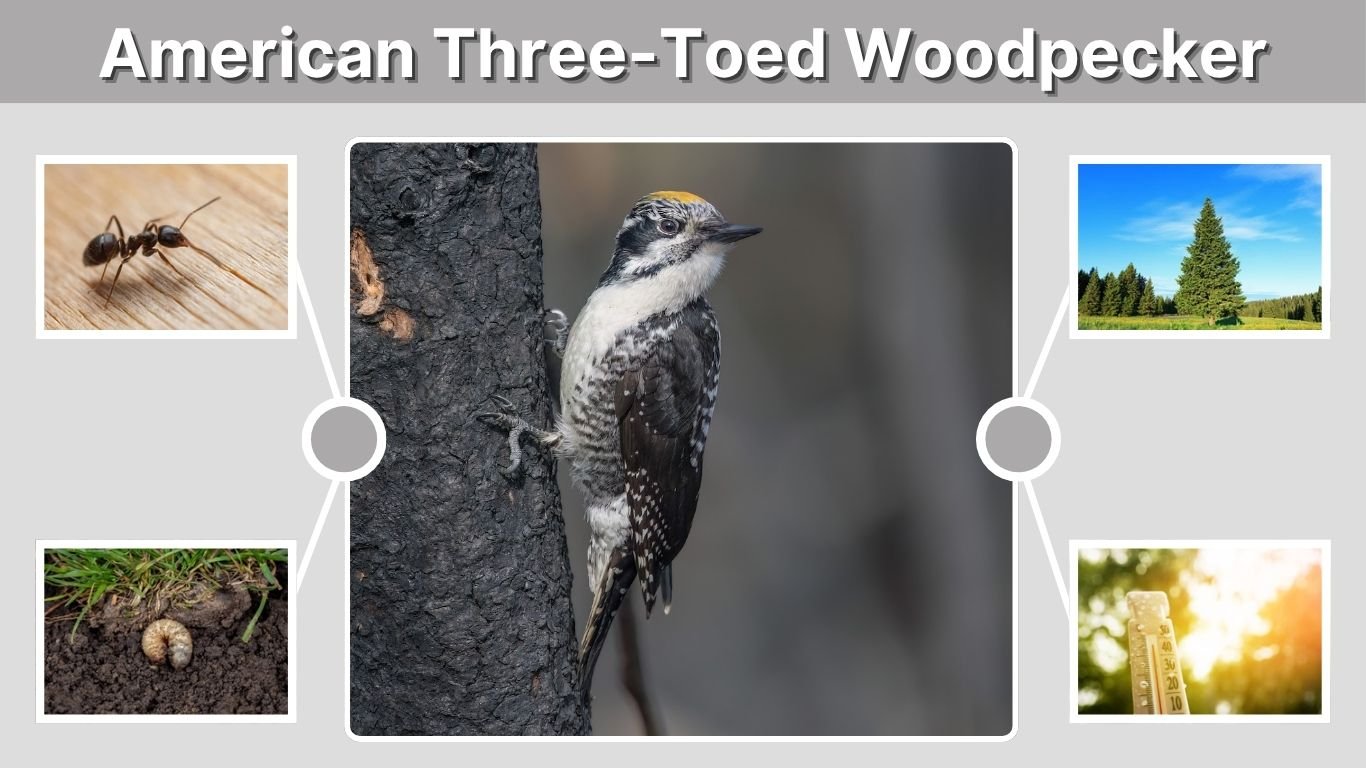
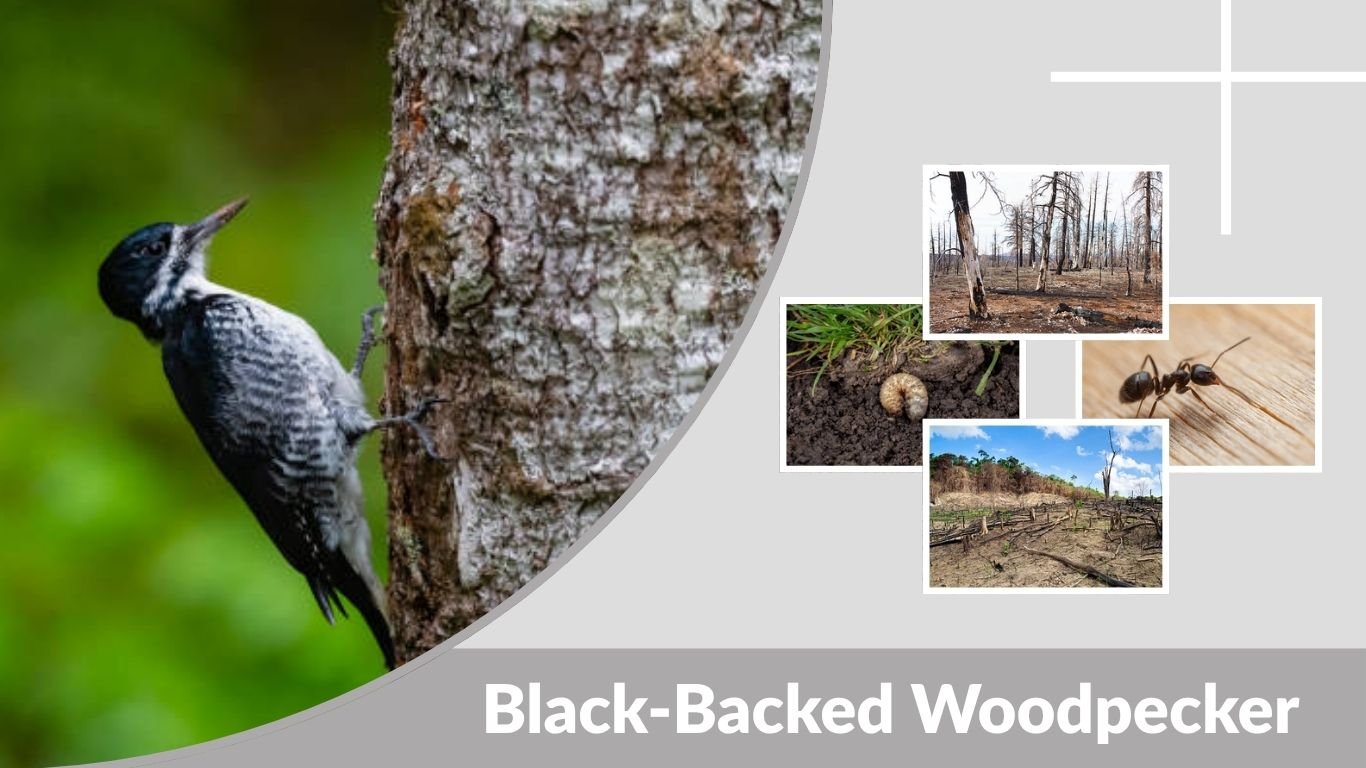
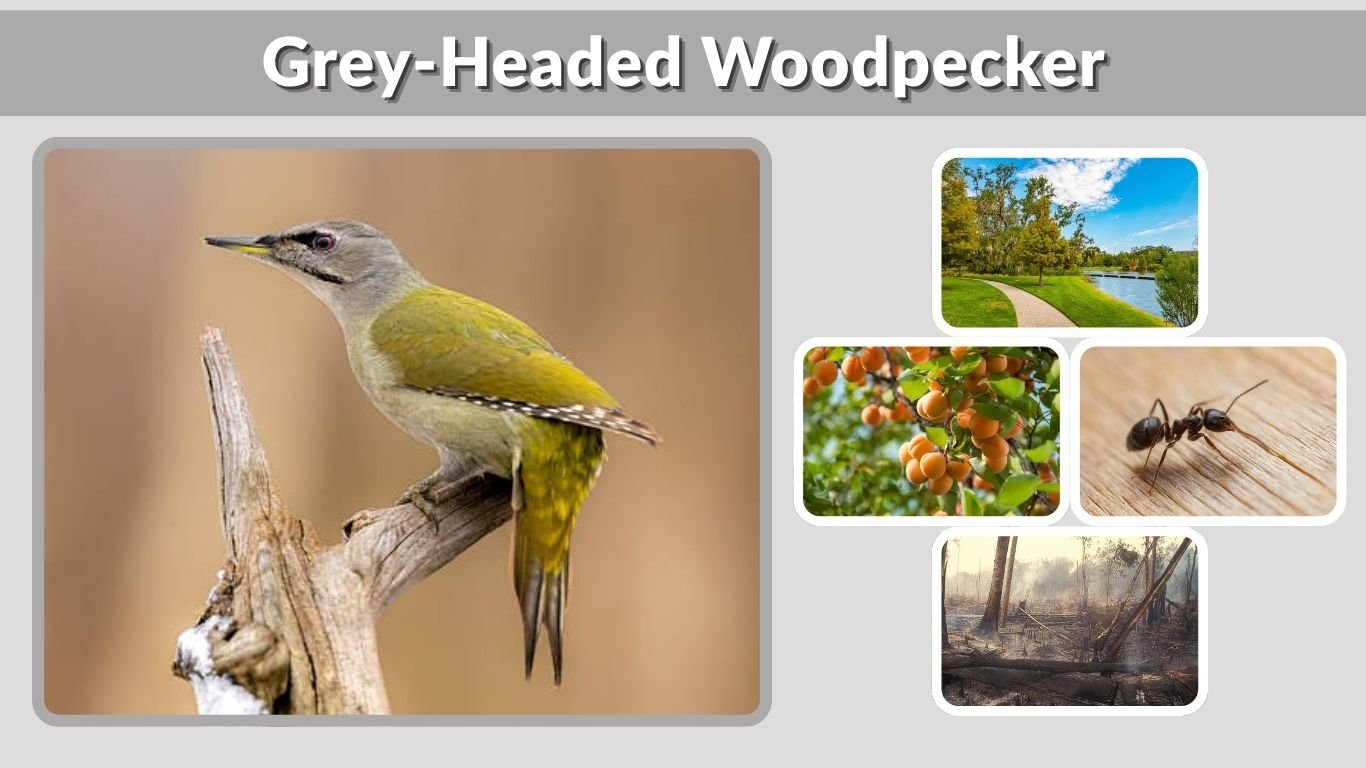
If you’ve ever walked through a quiet forest and heard a rhythmic tapping sound echoing through the trees, chances are you’ve stumbled upon one of nature’s most fascinating birds: the woodpecker. Their signature behavior—pecking or drumming on trees—is more than just a quirk. It’s an essential part of their survival. But why do woodpeckers peck wood in the first place?
Let’s dive deep into the biology, behavior, and adaptations that explain this wood-battering habit.
Feeding Habits: Pecking for Food

At the core of the woodpecker’s pecking is its quest for food. Woodpeckers are skilled foragers, and their favorite meals often hide inside tree bark. Many insects—like beetle larvae, carpenter ants, and termites—live within the wood of trees. By pecking into the bark, woodpeckers can reach and extract these protein-rich snacks.
Once the hole is created, the bird uses its long, sticky tongue (often twice the length of its beak) to spear or sweep up its prey from deep crevices.
Sap as a Snack
While insects are the main attraction, some woodpecker species, like the yellow-bellied sapsucker, also feed on tree sap. These birds create neat rows of holes in tree trunks to allow sap to ooze out. Later, they return to sip on the sweet fluid and also feed on insects attracted to the sap.
Communication and Territory Marking
Drumming vs. Pecking
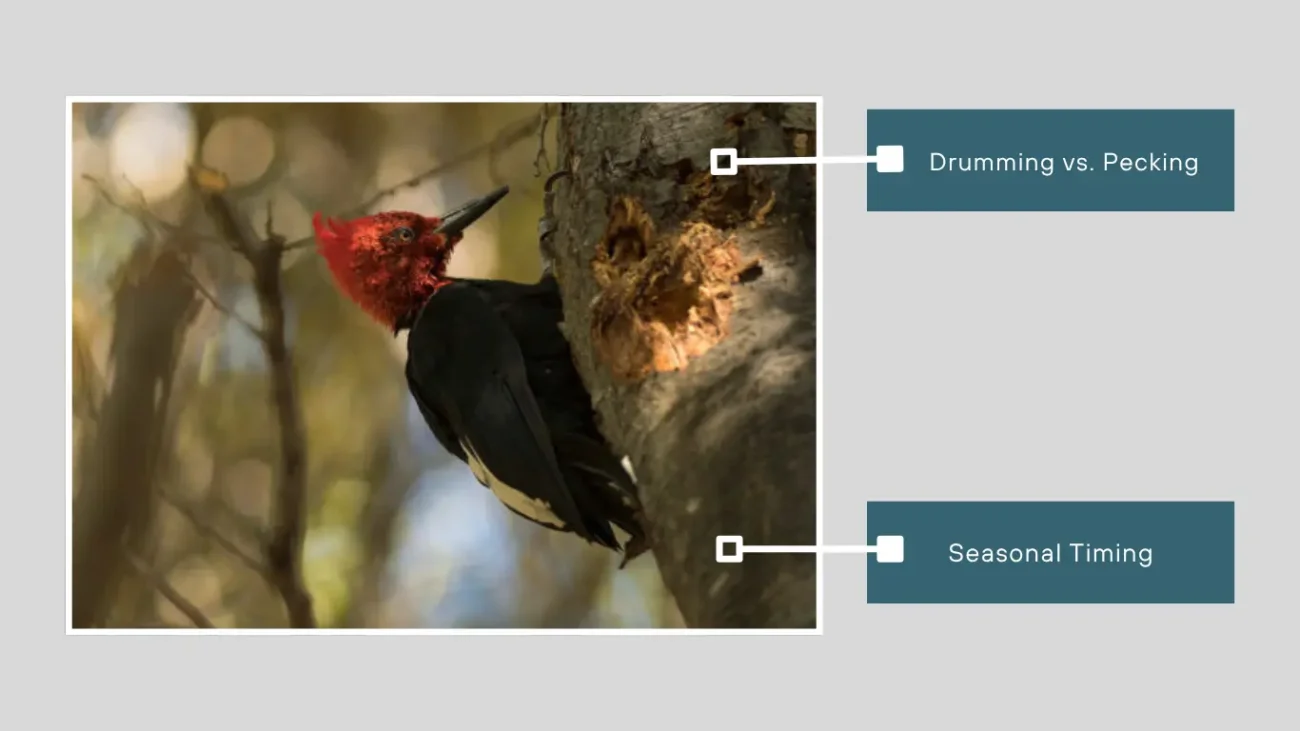
Not all pecking is about food. Woodpeckers also “drum”—a behavior that involves rapid, loud pecking on a resonant surface like a hollow tree or even metal poles. Drumming is a form of communication, not feeding. It serves two main purposes: attracting a mate and announcing territory.
Unlike songbirds that use melodic calls, woodpeckers express themselves through the rhythm and frequency of their drumming. Each species has a unique pattern, helping others identify who’s in the neighborhood.
Seasonal Timing
Drumming activity increases during the breeding season, typically in spring. A male may drum persistently on the same tree every morning to mark its territory or court a nearby female. Once the breeding season ends, drumming decreases—but doesn’t stop entirely.
Nesting and Shelter Creation
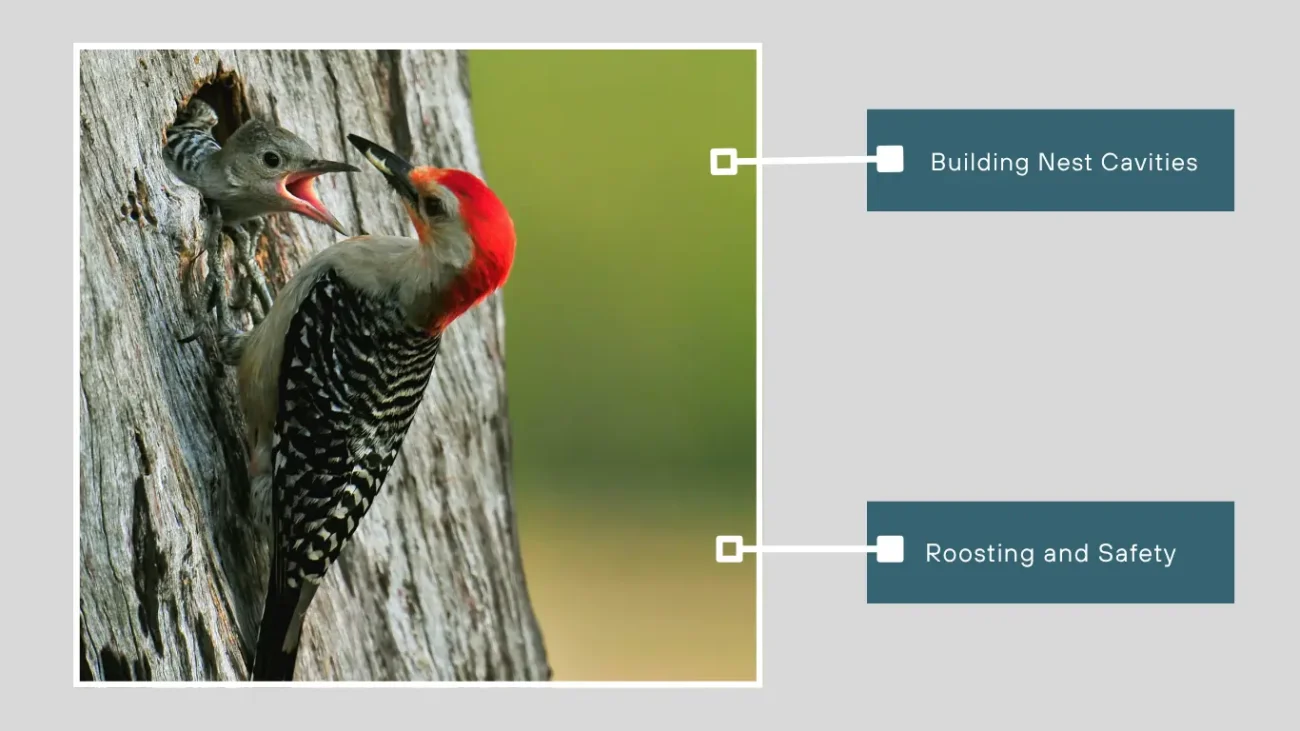
Building Nest Cavities
One of the most practical reasons woodpeckers peck wood is to create nests. They excavate deep cavities inside dead or dying trees where they lay eggs and raise their young. These nests are often reused by other birds and small animals after the woodpeckers move on, making them vital contributors to the forest ecosystem.
The nesting process involves pecking away soft or decayed wood. Both males and females may take part in the excavation, which can take days or even weeks to complete.
Roosting and Safety
Even outside the breeding season, woodpeckers peck to make roosting holes—safe places to rest or hide from predators. These cavities offer warmth in cold weather and security during nighttime.
Built for Impact: Woodpecker Adaptations
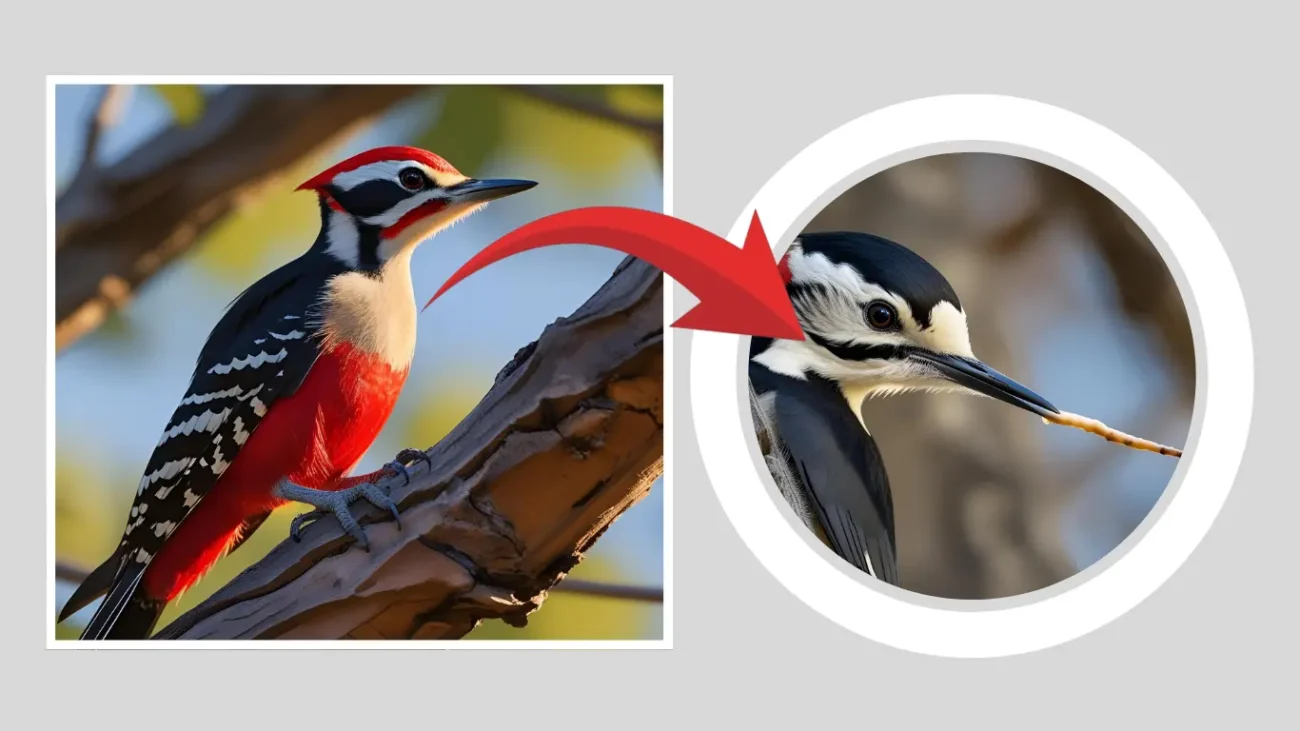
Shock-Absorbing Skulls
It’s hard to imagine repeatedly banging your head against a tree and surviving it, but woodpeckers are specially designed for this. Their skulls are thick and spongy, acting as shock absorbers. Their brains are also tightly packed inside the skull to prevent jostling during impact.
The beak itself is strong and chisel-shaped, perfect for boring into wood, while their neck muscles are powerful and highly coordinated.
Tongue Engineering
The woodpecker’s tongue is an engineering marvel. It wraps around the back of the skull when not in use and is covered in sticky saliva or barbs to grab insects from inside holes. Some species can extend their tongues up to 4 inches past the tip of their beaks.
Why They Peck on Houses and Metal
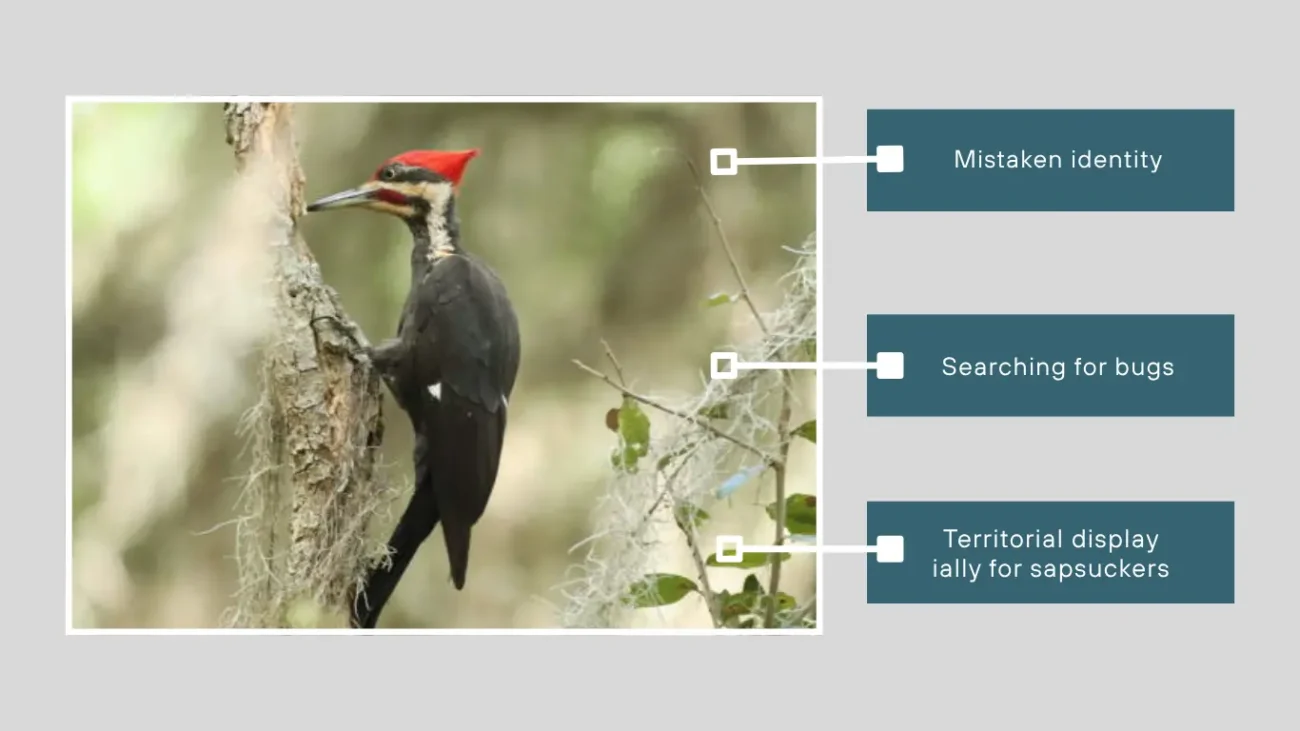
Sometimes woodpeckers become a nuisance when they peck on human-made structures. This usually happens for one of three reasons:
- Mistaken identity – Wood or vinyl siding might sound like a tree or echo well for drumming.
- Searching for bugs – If insects are hiding behind siding, the bird will try to reach them.
- Territorial display – Drumming on metal gutters, signs, or chimneys amplifies their sound and gets more attention during mating season.
While it can be frustrating for homeowners, the birds are just doing what comes naturally.
Preventing Damage Without Harming Birds
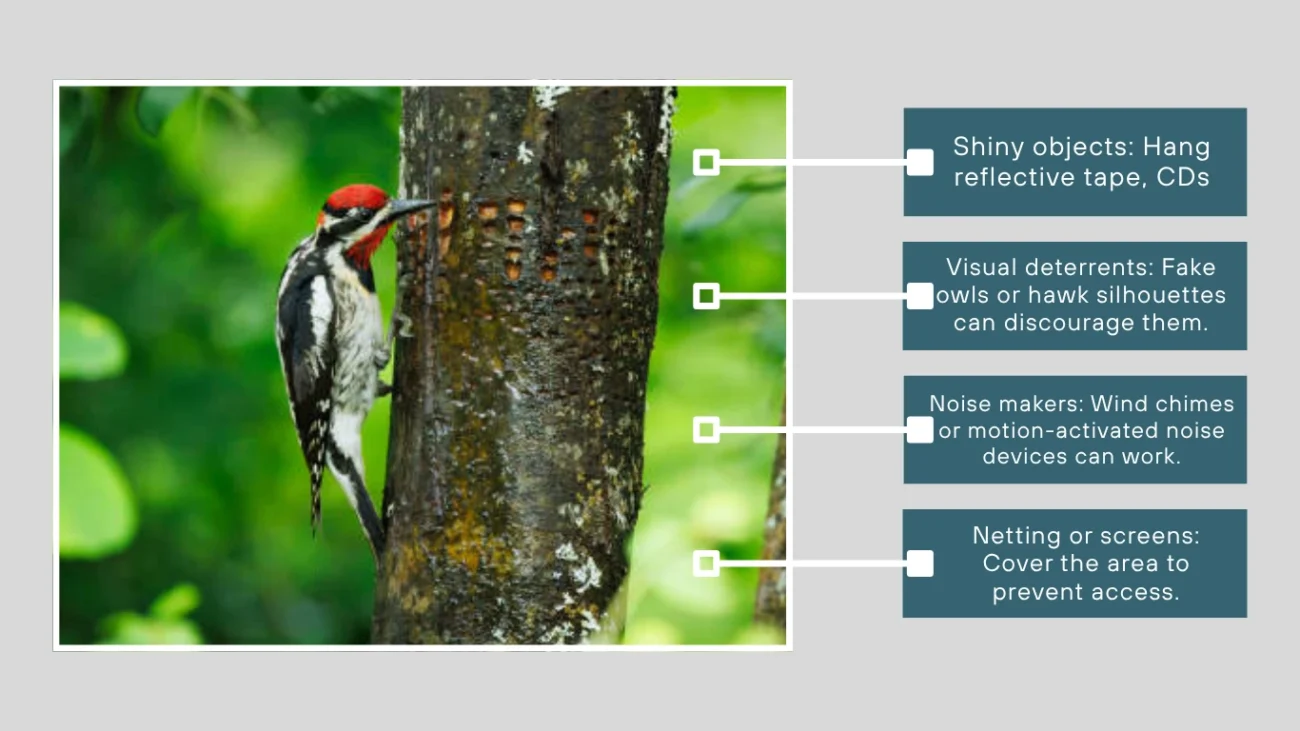
If a woodpecker has taken a liking to your home, there are humane deterrents you can use:
- Shiny objects: Hang reflective tape, CDs, or aluminum foil near the pecked area.
- Visual deterrents: Fake owls or hawk silhouettes can discourage them.
- Noise makers: Wind chimes or motion-activated noise devices can work.
- Netting or screens: Cover the area to prevent access.
Avoid harming or trapping them—they’re protected under the Migratory Bird Treaty Act in many countries.
Final Thoughts
Woodpeckers don’t just peck for fun. It’s a vital behavior that supports their feeding, communication, shelter-building, and reproduction. Whether they’re chiseling out a nest or tapping a tree for insects, every peck has a purpose.
These birds play a crucial role in forest ecosystems, often helping control insect populations and creating homes used by other animals. Understanding why woodpeckers peck wood helps us appreciate their role in nature—and reminds us to coexist peacefully with these incredible creatures, even when they’re drumming on our rooftops at dawn.