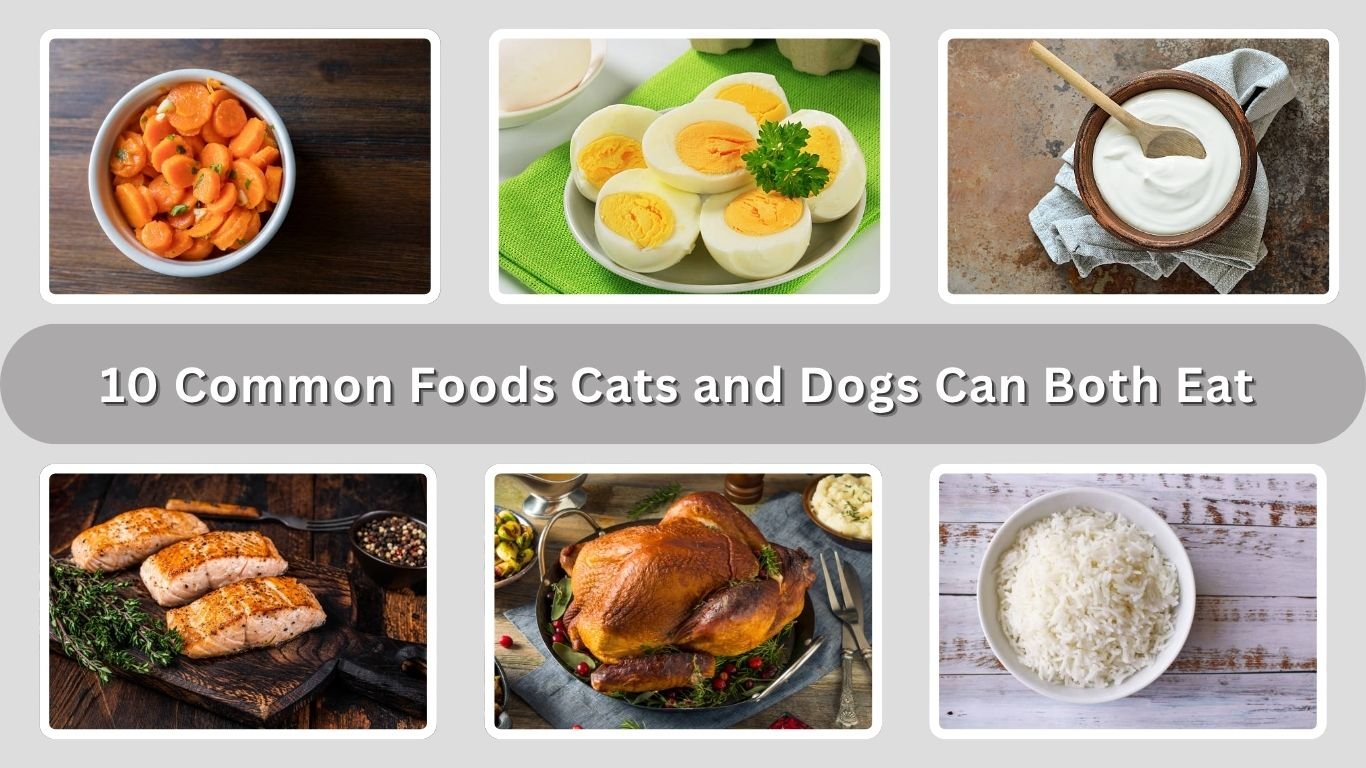
Many pet owners wonder if there are foods that both cats and dogs can enjoy together. While their nutritional needs are different, there are several simple, natural foods that are safe for both when prepared properly. These shared options are usually plain, unseasoned, and easy to digest, making them ideal as occasional treats or diet supplements.
In this guide, you’ll find 10 common foods that both cats and dogs can eat. Each option focuses on safety, proper preparation, and moderation to help you keep your pets healthy and happy.
Can Cats Eat Dog Food Safely?
Cats can eat dog food occasionally, but it is not suitable as a regular diet. Cats are obligate carnivores, meaning they require specific nutrients like taurine, arachidonic acid, and certain vitamins that are found in proper cat food but often lacking in dog food.
While a small amount of dog food won’t harm your cat immediately, long-term feeding can lead to nutritional deficiencies and serious health problems. Dog food is formulated for omnivores, whereas cats have stricter dietary needs focused on animal-based proteins.
If your cat eats dog food once in a while, there’s usually no cause for concern. However, it should never replace a balanced cat diet. Always ensure your cat has access to high-quality cat food designed to meet its unique nutritional requirements for optimal health.
1. Cooked Chicken
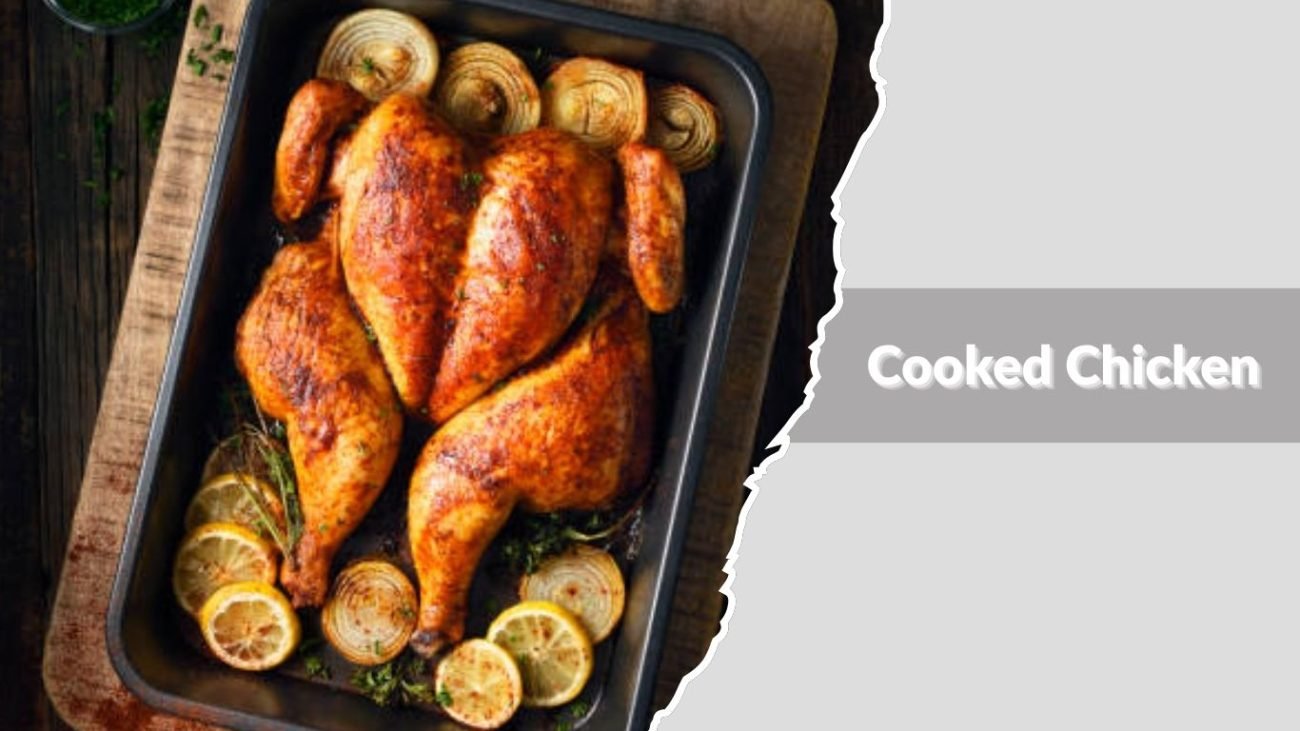
Cooked chicken is one of the most common and safe foods that both cats and dogs can eat. It is rich in protein and easy to digest when prepared plainly without added spices, salt, or oils. This makes it a popular choice for pet owners looking to offer a simple, nutritious supplement to regular pet food.
Benefits
- High-quality protein supports muscle growth and maintenance
- Easy to digest, suitable for sensitive stomachs
- Low in fat (especially chicken breast), helping with weight control
- Provides essential nutrients like B vitamins and phosphorus
How to Serve
Cooked chicken should always be served plain—boiled or baked without seasoning. Remove all bones, skin, and excess fat before offering it to your pet. Shred the meat into small, manageable pieces to prevent choking and make it easier for both cats and dogs to eat.
Portion and Moderation
While cooked chicken is healthy, it should not replace a balanced diet. Serve it as an occasional treat or topper rather than a primary food source. Overfeeding can lead to nutritional imbalances since it lacks certain essential nutrients required for long-term health.
Safety Considerations
Always ensure the chicken is fully cooked to avoid harmful bacteria like salmonella. Never feed raw or undercooked chicken. Avoid seasoning, sauces, or marinades, as these may contain ingredients harmful to pets, such as garlic or onion.
2. Cooked Turkey
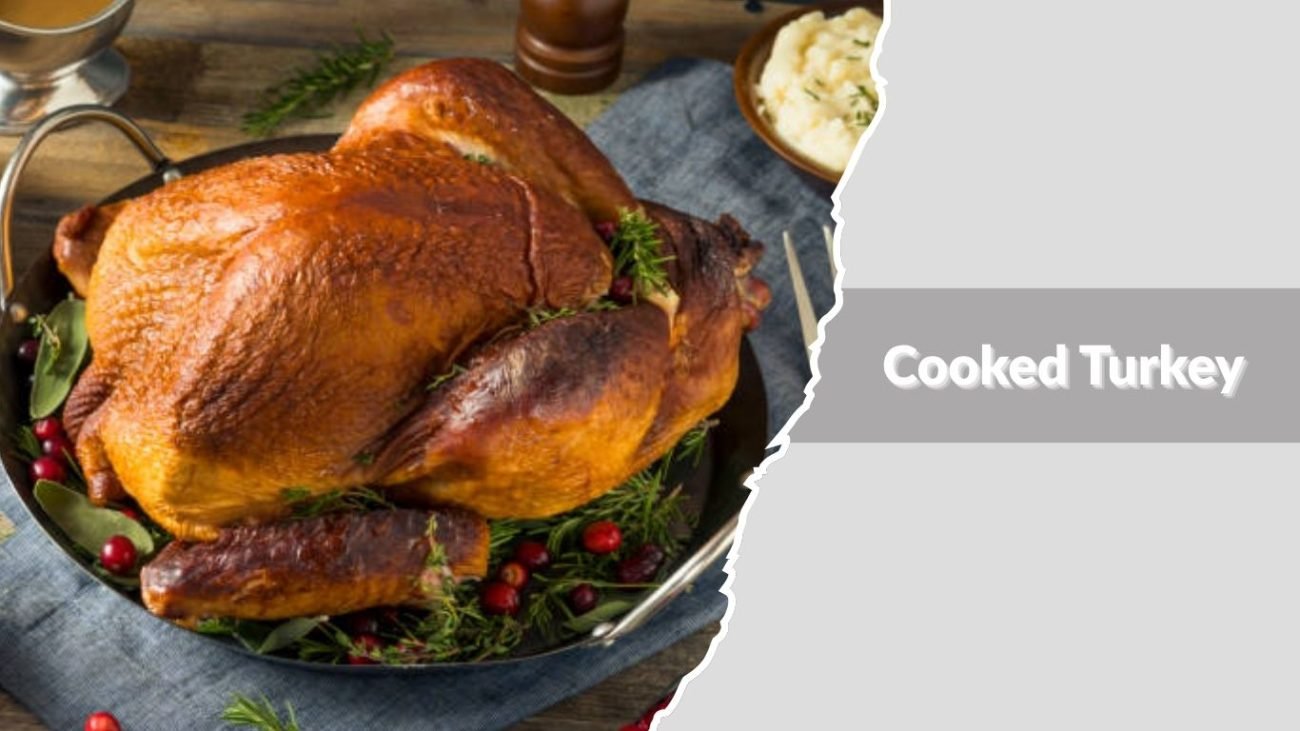
Cooked turkey is another nutritious food that both cats and dogs can safely enjoy. It is lean, protein-rich, and easy to digest when prepared simply. Like chicken, turkey should be served plain without any added seasoning, making it a healthy occasional addition to your pet’s diet.
Benefits
- Lean source of protein that supports muscle health
- Lower fat content compared to some meats
- Contains important nutrients like selenium and B vitamins
- Gentle on digestion for most pets
How to Serve
Turkey should be cooked thoroughly by boiling or baking without salt, spices, or oils. Remove the skin and all bones before serving, as bones can splinter and cause harm. Cut or shred the meat into small pieces to make it safe and easy for pets to eat.
Portion and Moderation
Cooked turkey is best offered in small portions as a treat or meal topper. It should not replace a complete and balanced pet diet. Feeding too much turkey regularly may lead to nutrient deficiencies over time.
Safety Considerations
Avoid feeding processed turkey products like deli meat, as they often contain high levels of salt and preservatives. Never include seasoning or stuffing, as ingredients like onion and garlic are toxic to pets. Always ensure the turkey is fresh and properly cooked.
3. Cooked Beef
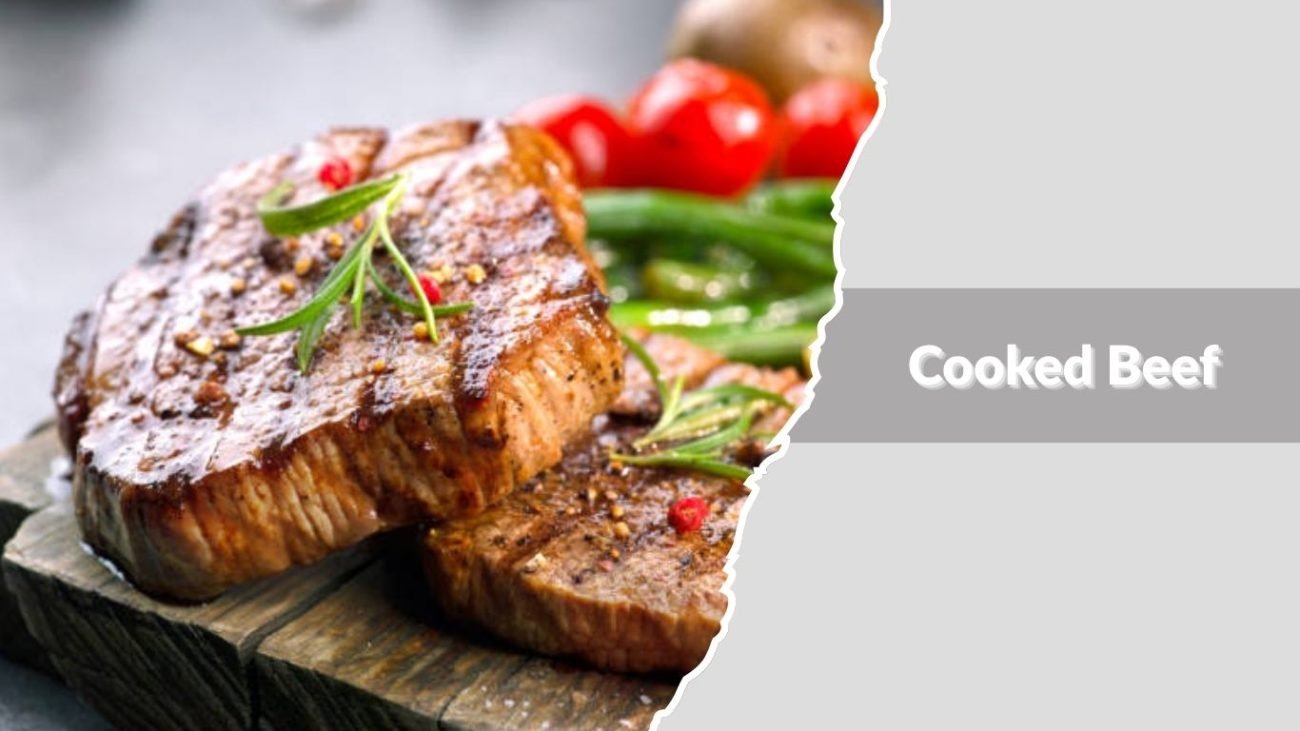
Cooked beef is a flavorful and protein-rich option that both cats and dogs can eat in moderation. When prepared simply, it provides essential nutrients and can be a tasty addition to your pet’s diet. It should always be served plain, without seasoning or added fats.
Benefits
- Rich in high-quality protein for muscle development
- Provides iron and zinc for overall health
- Supports energy levels and body function
- Highly palatable for most cats and dogs
How to Serve
Beef should be thoroughly cooked by boiling, grilling, or baking without salt, spices, or oils. Trim excess fat and remove any bones before serving. Cut the meat into small, bite-sized pieces to make it easier and safer for pets to eat.
Portion and Moderation
Cooked beef should be given as an occasional treat rather than a main meal. While nutritious, it does not provide all the nutrients pets need daily. Feeding too much beef, especially fatty cuts, can lead to weight gain or digestive issues.
Safety Considerations
Avoid raw or undercooked beef, as it may contain harmful bacteria. Do not use seasoning, sauces, or marinades, as they can include toxic ingredients like garlic or onion. Always choose fresh, lean cuts to ensure better health and safety for your pets.
4. Plain Rice
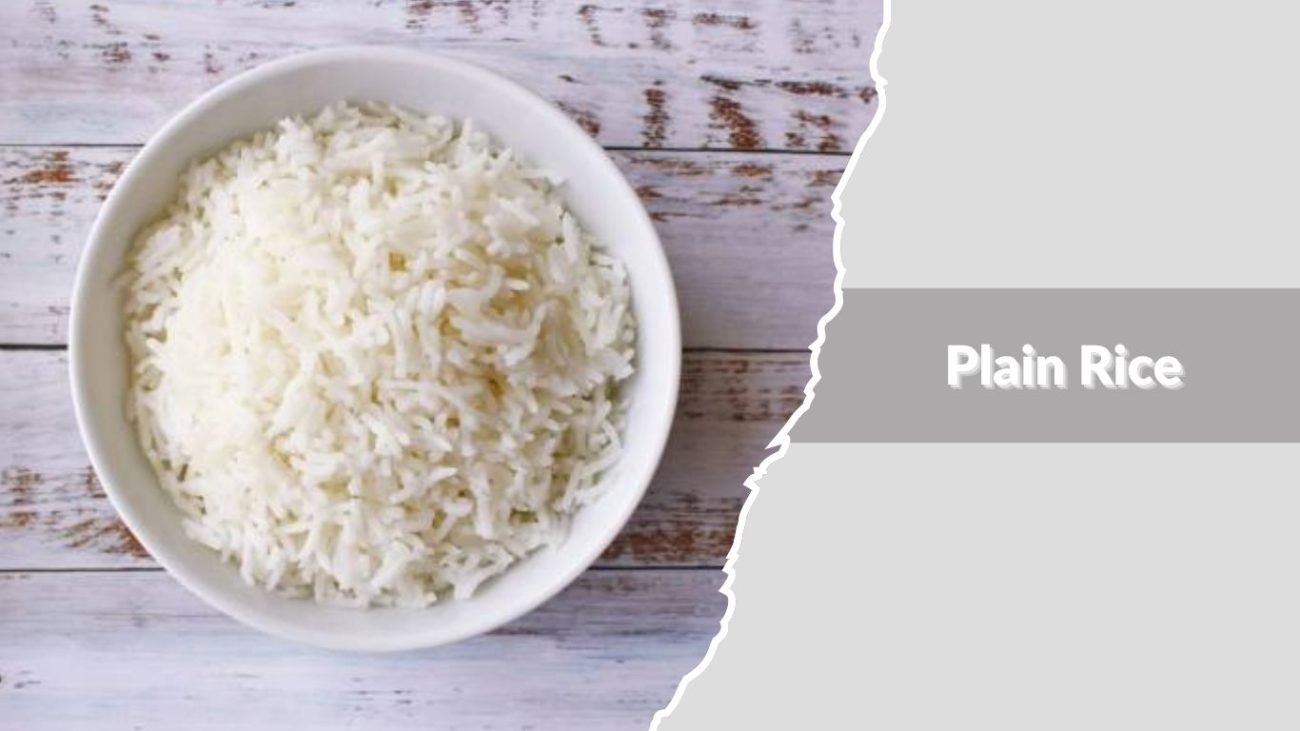
Plain rice is a simple and easily digestible food that both cats and dogs can eat. It is often recommended when pets have digestive issues, as it is gentle on the stomach. White rice is especially common due to its soft texture and quick digestion.
Benefits
- Easy to digest, ideal for upset stomachs
- Provides a quick source of energy from carbohydrates
- Helps firm up stool during digestive problems
- Low in fat and gentle on sensitive systems
How to Serve
Rice should be fully cooked until soft, using only water without salt, oil, or spices. Let it cool before serving. You can mix it with plain cooked meat like chicken to make it more appealing and balanced for your pet.
Portion and Moderation
Plain rice should be served in small amounts, usually as a temporary addition to the diet. It should not replace regular pet food, as it lacks essential nutrients like protein and fats needed for long-term health.
Safety Considerations
Avoid adding any seasoning, butter, or sauces to rice. Do not feed uncooked or undercooked rice, as it can be hard to digest. While generally safe, too much rice can lead to weight gain or imbalance in your pet’s diet if fed regularly.
5. Plain Pasta
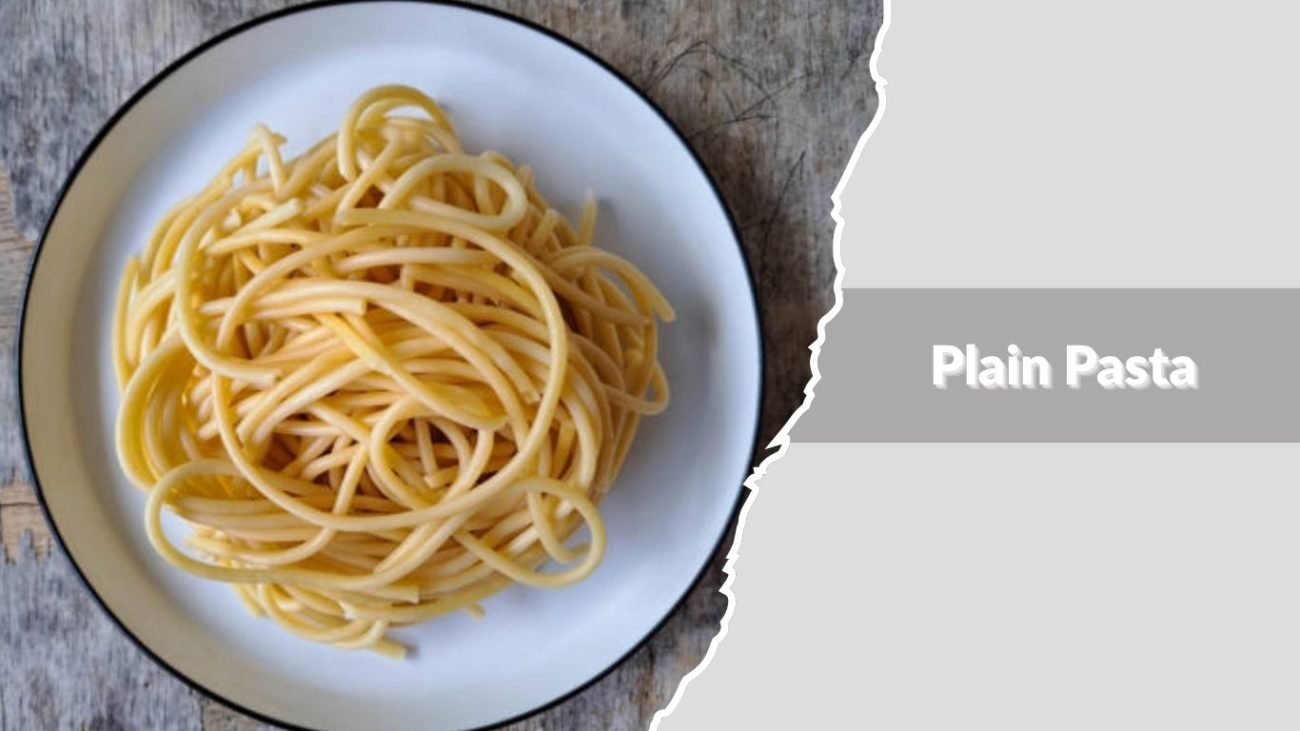
Plain pasta is a simple carbohydrate that both cats and dogs can eat in small amounts. When cooked properly and served without any additives, it can be a safe and mild food option. However, it offers limited nutritional value compared to protein-rich foods.
Benefits
- Provides a quick source of energy
- Easy to digest when cooked soft
- Low in fat when served plain
- Can help add variety to your pet’s diet
How to Serve
Pasta should be boiled until soft and served plain, without salt, oil, butter, or sauces. Make sure it cools down before feeding. Cut or break it into smaller pieces to make it easier for pets to chew and swallow.
Portion and Moderation
Plain pasta should only be given occasionally and in small portions. It is not a nutritionally complete food for pets and should never replace their regular diet. Too much pasta can lead to weight gain due to its carbohydrate content.
Safety Considerations
Avoid all sauces, especially those containing garlic, onion, or heavy seasonings, as these are harmful to pets. Do not feed raw or undercooked pasta. Always ensure the pasta is plain and soft to prevent any digestive discomfort or choking risk.
6. Cooked Eggs
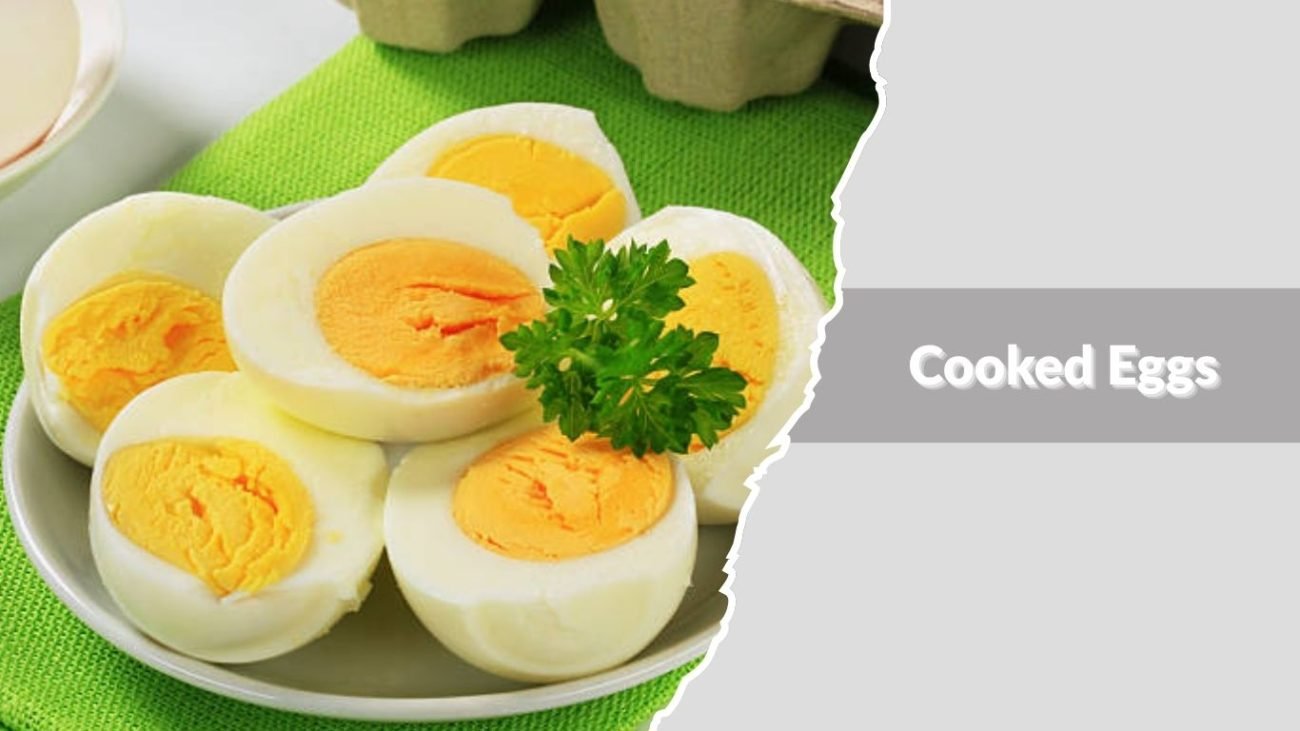
Cooked eggs are a nutritious and versatile food that both cats and dogs can safely eat. They are packed with high-quality protein and essential nutrients, making them a healthy addition when served properly. Eggs should always be fully cooked and plain to ensure safety.
Benefits
- Excellent source of high-quality protein
- Contains essential amino acids for overall health
- Provides vitamins like B12 and riboflavin
- Supports skin and coat health
How to Serve
Eggs can be boiled or scrambled without adding salt, oil, butter, or spices. Ensure they are fully cooked—both the white and yolk—before serving. Cut into small pieces or mash slightly to make it easier for pets to eat.
Portion and Moderation
Cooked eggs should be offered in moderation as a treat or supplement. While nutritious, they should not replace a balanced pet diet. Too many eggs can lead to excess calorie intake and potential digestive upset.
Safety Considerations
Never feed raw eggs, as they may contain harmful bacteria like salmonella. Avoid adding any seasoning or dairy products when cooking eggs. Always ensure eggs are fresh and properly cooked before serving to your pets.
7. Plain Yogurt
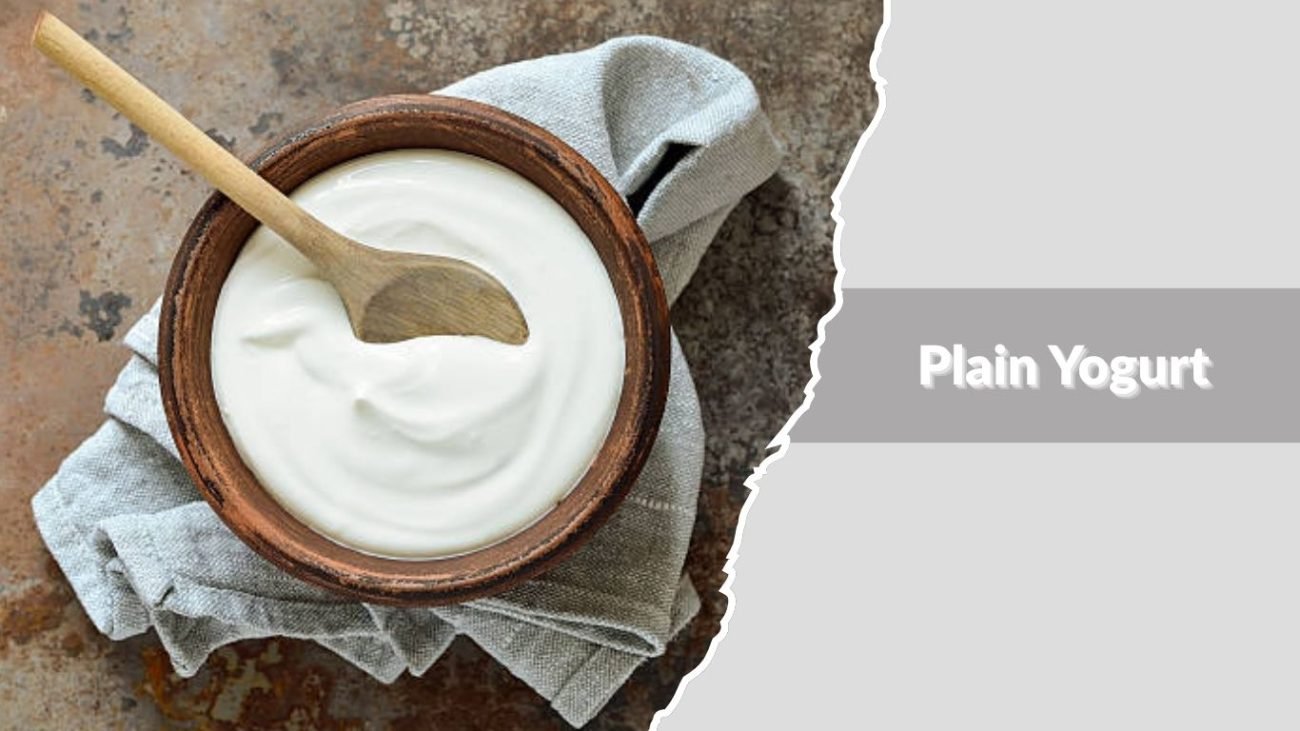
Plain yogurt is a safe and mild dairy option that both cats and dogs can enjoy in small amounts. It contains beneficial probiotics that can support digestive health. However, it should always be plain, unsweetened, and free from artificial additives.
Benefits
- Contains probiotics that support gut health
- Provides calcium for strong bones and teeth
- Good source of protein
- Can help improve digestion in small amounts
How to Serve
Serve yogurt plain, without sugar, flavoring, or artificial sweeteners. A small spoonful is enough for most pets. It can be offered alone or mixed with regular food as a topper to enhance taste and texture.
Portion and Moderation
Yogurt should be given occasionally and in small portions. Some pets are lactose intolerant, so it’s important to start with a small amount and observe how they react. It should not replace their regular balanced diet.
Safety Considerations
Avoid yogurts that contain added sugar, xylitol, or artificial flavors, as these can be harmful to pets. Always choose plain, unsweetened yogurt. If your pet shows signs of digestive upset, discontinue feeding and consult a veterinarian.
8. Pumpkin (Cooked or Plain Canned)
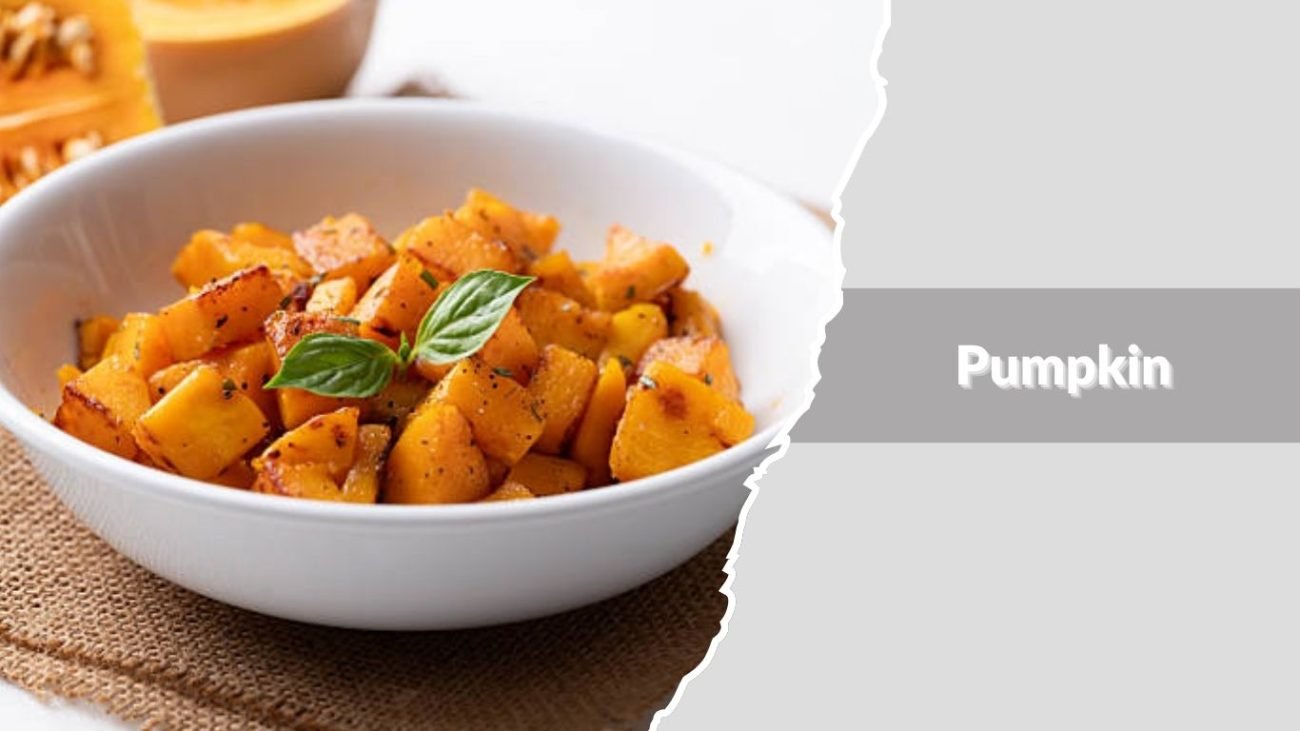
Pumpkin is a highly beneficial food that both cats and dogs can eat. It is rich in fiber and supports healthy digestion. When served plain and properly prepared, pumpkin can be a gentle and nutritious addition to your pet’s diet.
Benefits
- High in fiber, aiding digestion
- Helps with both constipation and diarrhea
- Low in calories, supporting weight management
- Contains vitamins like A and C for overall health
How to Serve
Pumpkin should be cooked until soft or served as plain canned pumpkin. Make sure it is 100% pure pumpkin with no added sugar, spices, or preservatives. Serve a small spoonful mixed with your pet’s regular food or on its own.
Portion and Moderation
Pumpkin should be given in small amounts, depending on your pet’s size. While beneficial, too much fiber can cause digestive issues. It is best used as a supplement rather than a main food source.
Safety Considerations
Avoid pumpkin pie filling, as it contains sugar and spices that are harmful to pets. Ensure the pumpkin is plain and properly prepared. Introduce it gradually to avoid stomach upset and always monitor your pet’s reaction.
9. Carrots (Cooked)
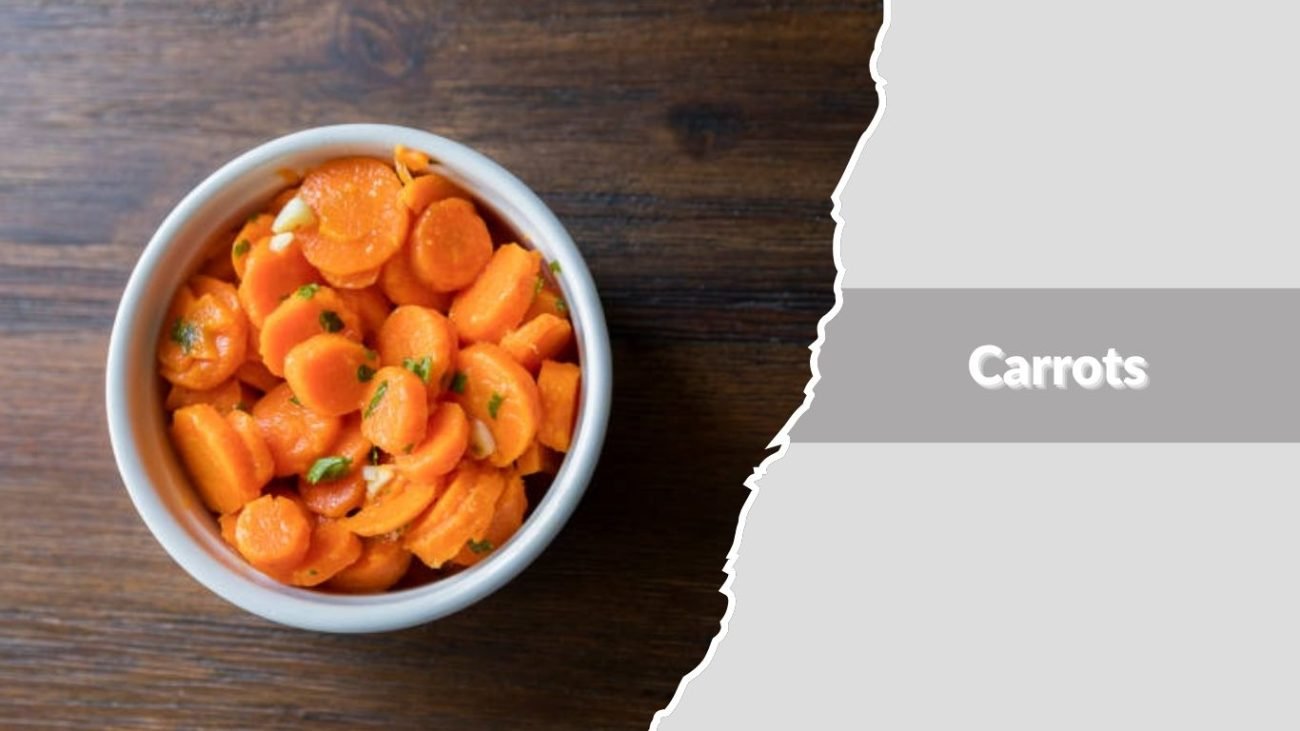
Cooked carrots are a healthy and crunchy vegetable that both cats and dogs can eat. They are naturally sweet, low in calories, and packed with nutrients. When softened through cooking, they become easier to digest and safer for pets to consume.
Benefits
- Rich in vitamins like A for eye health
- Low in calories, supporting weight control
- Provides fiber for better digestion
- Helps support dental health through chewing
How to Serve
Carrots should be cooked by boiling or steaming until soft. Avoid adding salt, butter, or spices. Cut them into small, bite-sized pieces or mash them slightly to make them easier for pets to eat and digest.
Portion and Moderation
Cooked carrots should be given in small portions as a treat or food topper. While nutritious, they should not replace a balanced diet. Feeding too many carrots may lead to digestive upset due to fiber content.
Safety Considerations
Always serve carrots cooked, as raw pieces can be hard and pose a choking risk, especially for smaller pets. Avoid seasoning or additives. Introduce gradually and monitor your pet for any unusual reactions.
10. Salmon (Cooked)
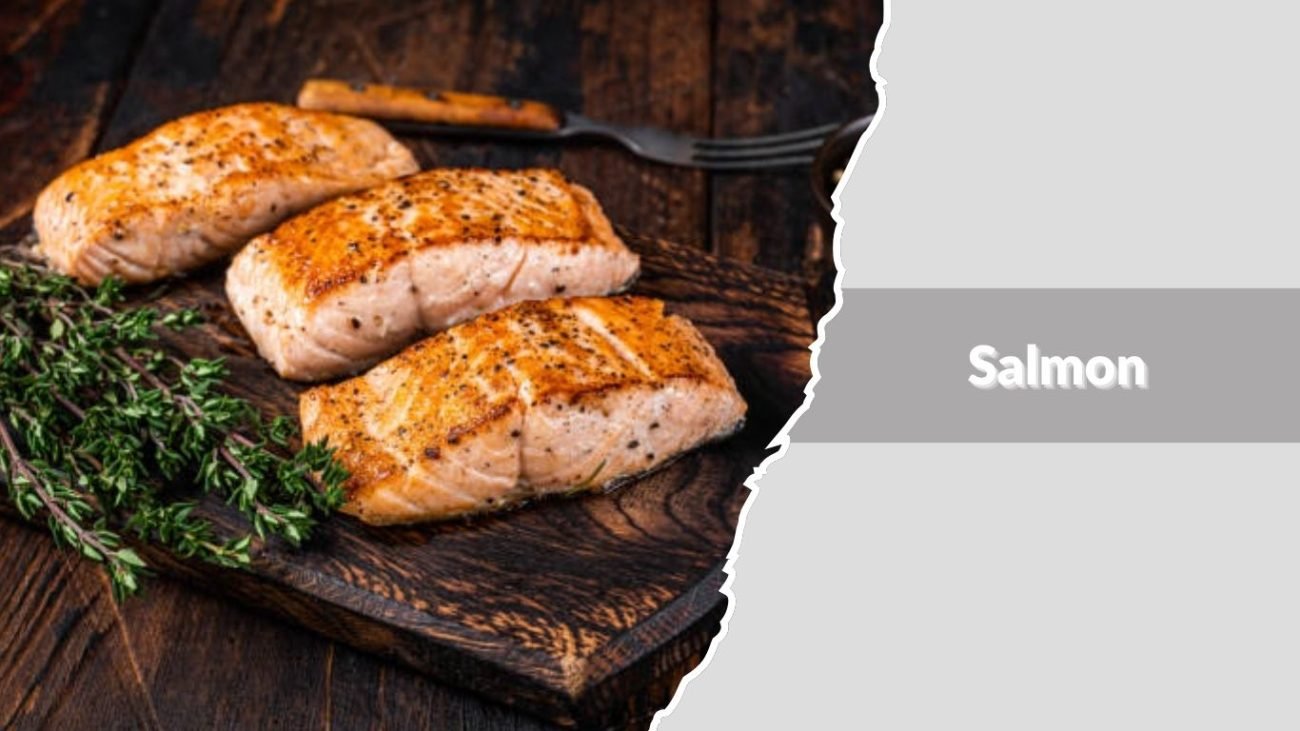
Cooked salmon is a nutritious and protein-rich food that both cats and dogs can eat. It is especially valued for its healthy fats, which support skin, coat, and overall well-being. When properly prepared, salmon can be a beneficial addition to your pet’s diet.
Benefits
- Rich in omega-3 fatty acids for healthy skin and coat
- High-quality protein supports muscle health
- Contains vitamins like B12 and D
- Supports heart and joint health
How to Serve
Salmon should be fully cooked by baking, boiling, or grilling without salt, oil, or seasoning. Remove all bones and skin before serving. Break it into small, soft pieces to ensure it is safe and easy for pets to eat.
Portion and Moderation
Cooked salmon should be given in small amounts as an occasional treat. While it is highly nutritious, it should not replace a complete pet diet. Overfeeding can lead to excess fat intake and potential health issues.
Safety Considerations
Never feed raw or undercooked salmon, as it may contain harmful parasites or bacteria. Avoid smoked or seasoned salmon, as it often contains high salt levels and additives. Always ensure the fish is fresh, fully cooked, and free of bones before serving.
FAQs
Can cats and dogs eat the same food every day?
Cats and dogs have different nutritional needs, so they should not rely on the same food daily. While some human foods are safe for both, a balanced diet specifically formulated for each animal is essential. Shared foods should only be occasional treats, not a primary diet.
Are human foods better than pet food for cats and dogs?
Not necessarily. Pet foods are specially designed to meet the complete nutritional requirements of cats and dogs. Human foods can be healthy additions, but they often lack essential nutrients. It’s best to use them as supplements rather than replacements for proper pet food.
How often can I give these foods to my pets?
These foods should be given in moderation, a few times a week at most. Overfeeding even healthy foods can cause digestive issues or nutritional imbalance. Always adjust portion size based on your pet’s size, age, and activity level.
What foods should never be given to cats and dogs?
Some foods are toxic to both cats and dogs, including chocolate, onions, garlic, grapes, raisins, and foods with artificial sweeteners like xylitol. Even small amounts can be dangerous, so it’s important to avoid these completely.
How can I safely introduce new foods to my pet?
Introduce new foods slowly in small amounts and observe your pet for any signs of allergies or digestive upset. If there are no negative reactions, you can continue offering it occasionally. When in doubt, consult a veterinarian before adding new foods.