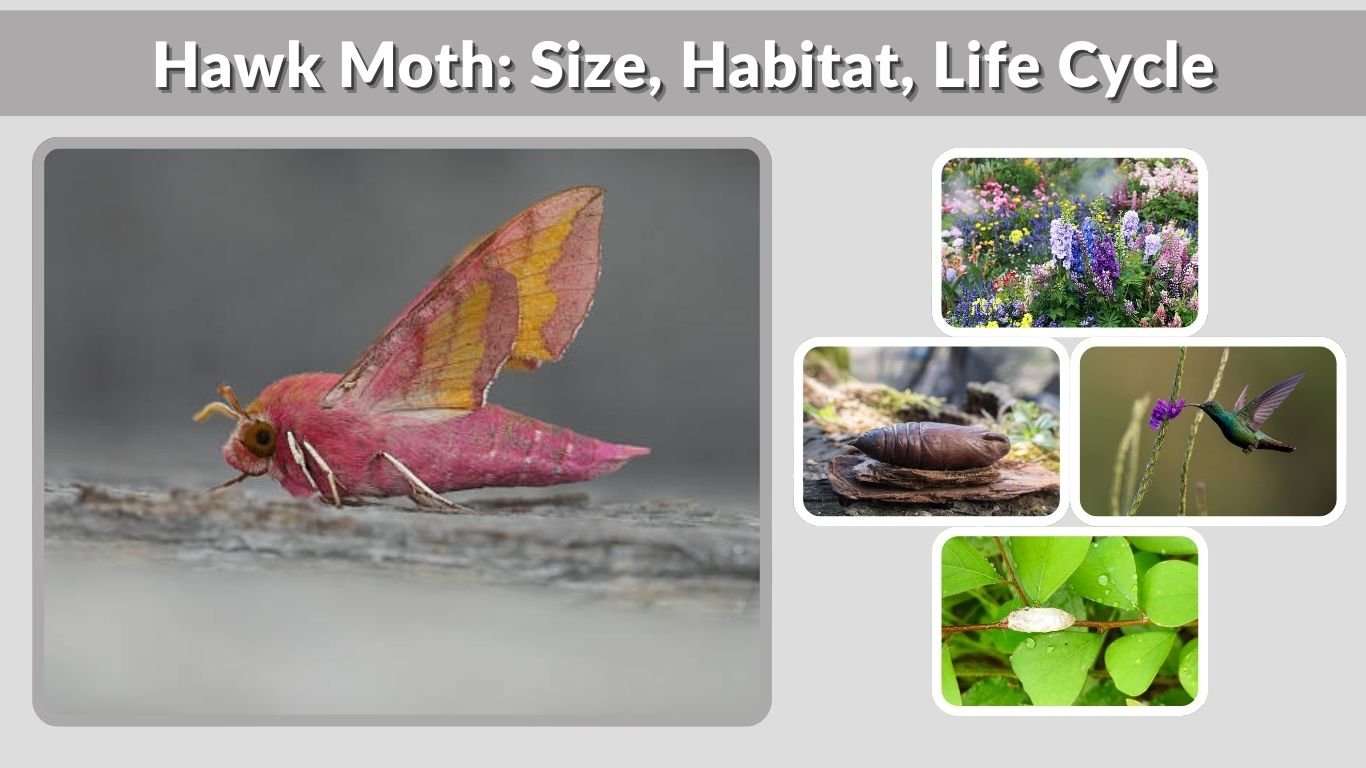
The hawk moth is one of the most fascinating insects in the world, known for its incredible flying ability and striking resemblance to hummingbirds. These moths can hover in mid-air while feeding, making them unique among insects. Found in many parts of the world, hawk moths play an essential role in pollination and maintaining ecological balance. Their speed, adaptability, and unusual features make them a subject of curiosity for both scientists and nature enthusiasts.
What Is a Hawk Moth?
A hawk moth belongs to the family Sphingidae, a group of insects recognized for their strong wings and rapid flight. These moths are often called “hawk moths” because of their swift, darting movements, which resemble the flight of a hawk. Another common name is “sphinx moth,” inspired by the posture of their caterpillars, which often raise their heads like the mythical Sphinx.
Hawk moths are known for their ability to hover while feeding on nectar, much like hummingbirds. This behavior, combined with their streamlined bodies and narrow wings, allows them to move quickly and efficiently. They are found across various environments, from tropical forests to temperate gardens, making them one of the most widespread moth families.
Physical Characteristics of Hawk Moths
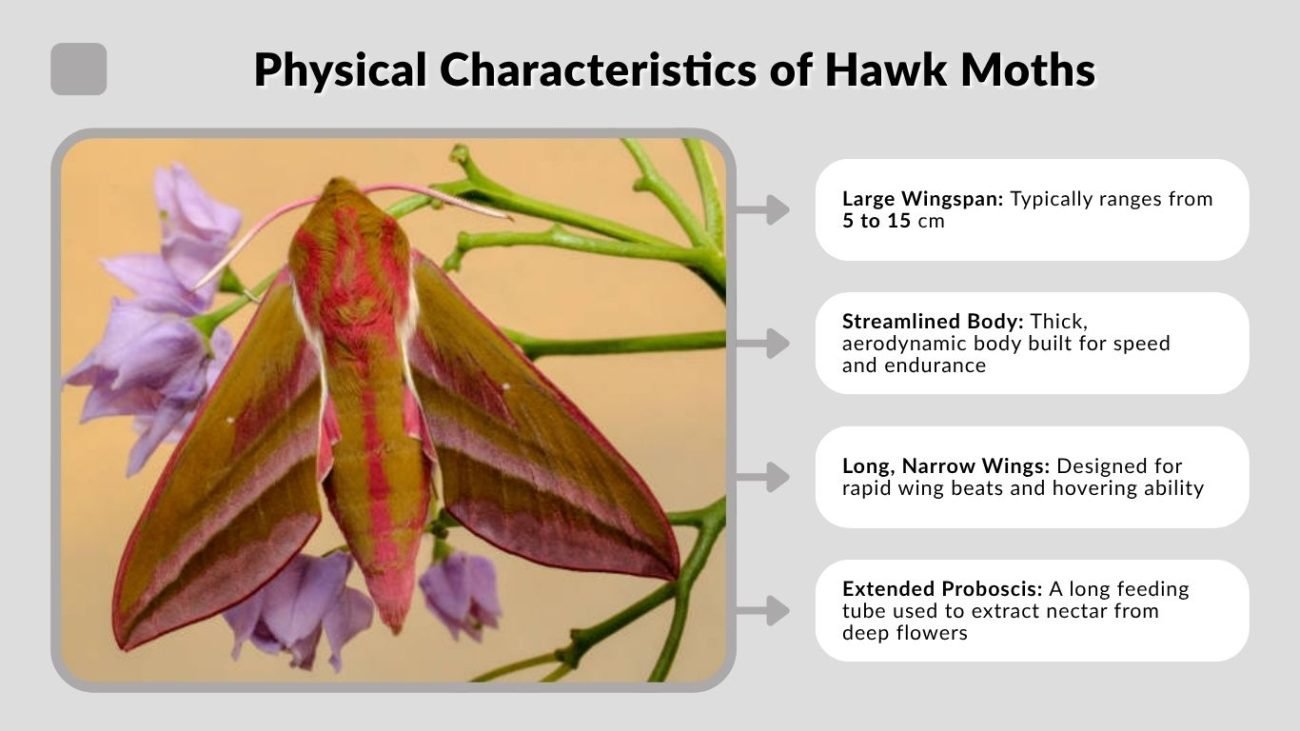
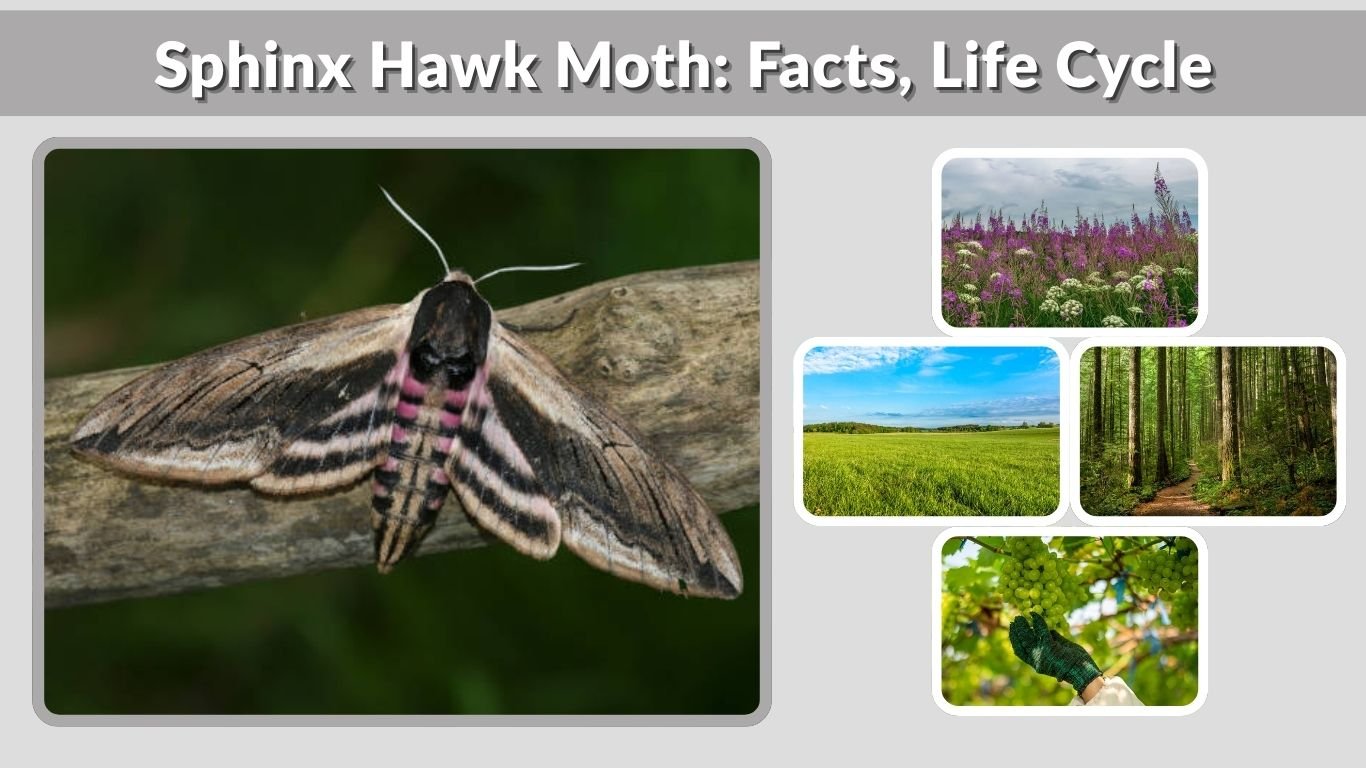
Hawk moths are easily recognized by their strong, streamlined bodies and powerful wings, which are specially adapted for fast and sustained flight. Their physical structure allows them to hover like hummingbirds while feeding, making them unique among moth species. Although their appearance varies across species, most hawk moths share several defining features that support their speed, agility, and survival in different environments.
Key Physical Features
- Large Wingspan: Typically ranges from 5 to 15 cm, with some species even larger
- Streamlined Body: Thick, aerodynamic body built for speed and endurance
- Long, Narrow Wings: Designed for rapid wing beats and hovering ability
- Extended Proboscis: A long feeding tube used to extract nectar from deep flowers
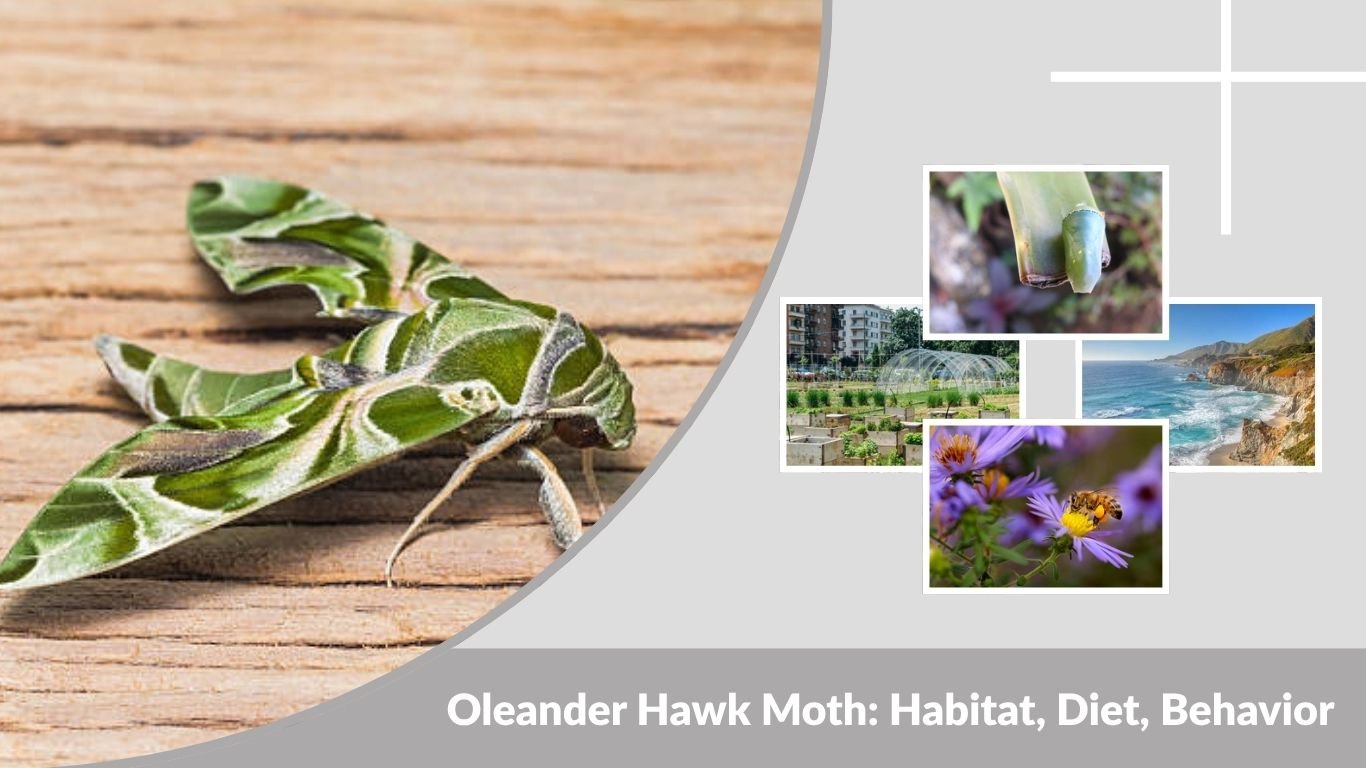
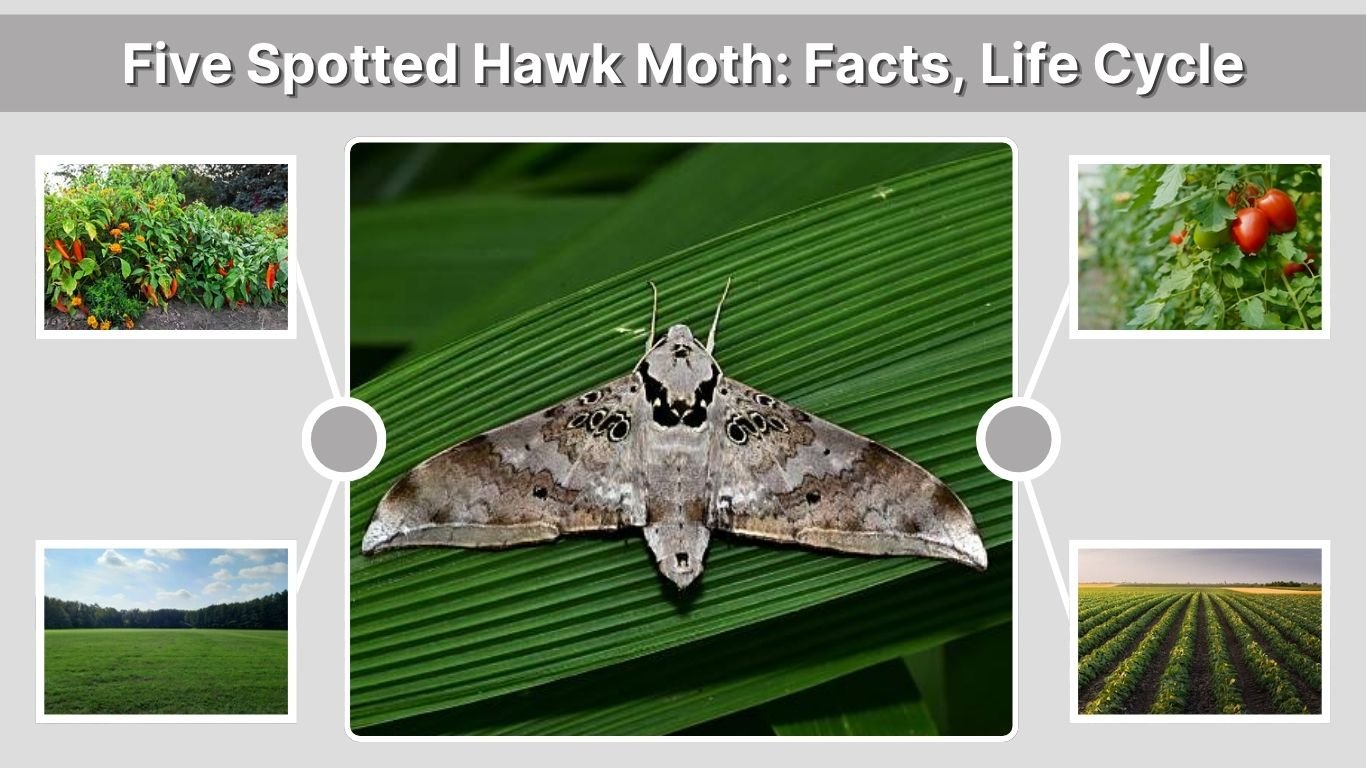
- Camouflage Colors: Shades of brown, gray, or green help them blend into surroundings
- Bright Hindwings (in some species): Used to startle predators or for signaling
- Strong Flight Muscles: Enable fast, controlled, and long-distance flight
- Large Compound Eyes: Help them navigate in low light, especially at night
These physical traits make hawk moths highly efficient flyers and important pollinators in many ecosystems.
Behavior and Feeding Habits
Flight and Movement
Hawk moths are among the fastest flying insects, capable of reaching impressive speeds. Their flight is strong, direct, and highly controlled, enabling them to navigate through dense vegetation or open spaces with ease. Their ability to hover sets them apart from most other moth species.
Feeding Habits
These moths primarily feed on nectar from flowers. As they move from one flower to another, they transfer pollen, playing a vital role in pollination. Many plants rely on hawk moths for reproduction, especially those that bloom at night.
Nocturnal vs Diurnal Activity
Most hawk moths are nocturnal, meaning they are active during the night. They are often attracted to light sources, which is why they are sometimes seen near lamps or windows. However, some species, such as the hummingbird hawk moth, are active during the day, making them more visible to humans.
Life Cycle of a Hawk Moth
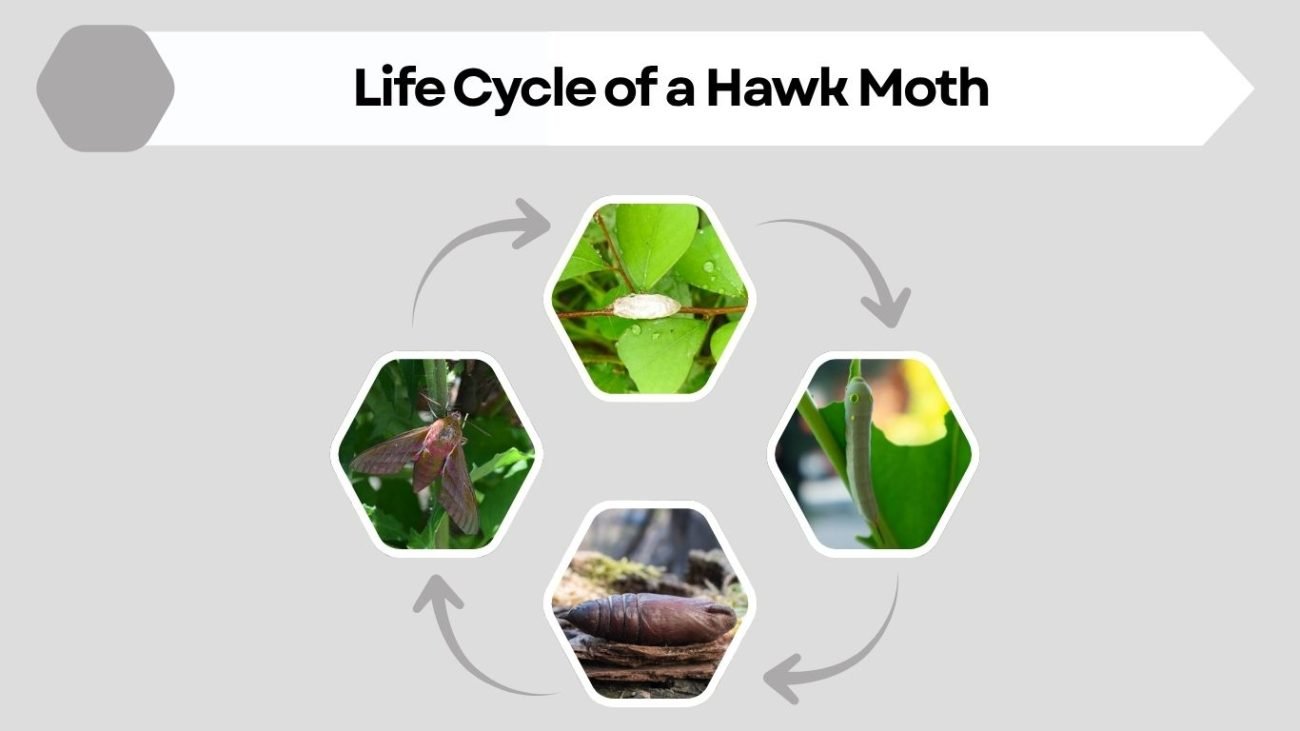
Egg Stage
The life cycle of a hawk moth begins when a female lays eggs on the leaves of host plants. These plants are carefully chosen to provide food for the larvae once they hatch.
Caterpillar Stage (Hornworm)
After hatching, the larvae, commonly known as hornworms, begin feeding on plant leaves. They are named for the horn-like structure at the rear of their bodies. These caterpillars can grow quite large and may consume significant amounts of foliage.
Pupa Stage
Once the caterpillar reaches full size, it enters the pupal stage. During this phase, it forms a protective casing and undergoes transformation. This stage can occur underground or in leaf litter, depending on the species.
Adult Stage
After metamorphosis, the adult hawk moth emerges. Its primary goals are to feed, reproduce, and continue the life cycle. Adult moths typically live for a few weeks, during which they remain highly active.
Habitat and Distribution
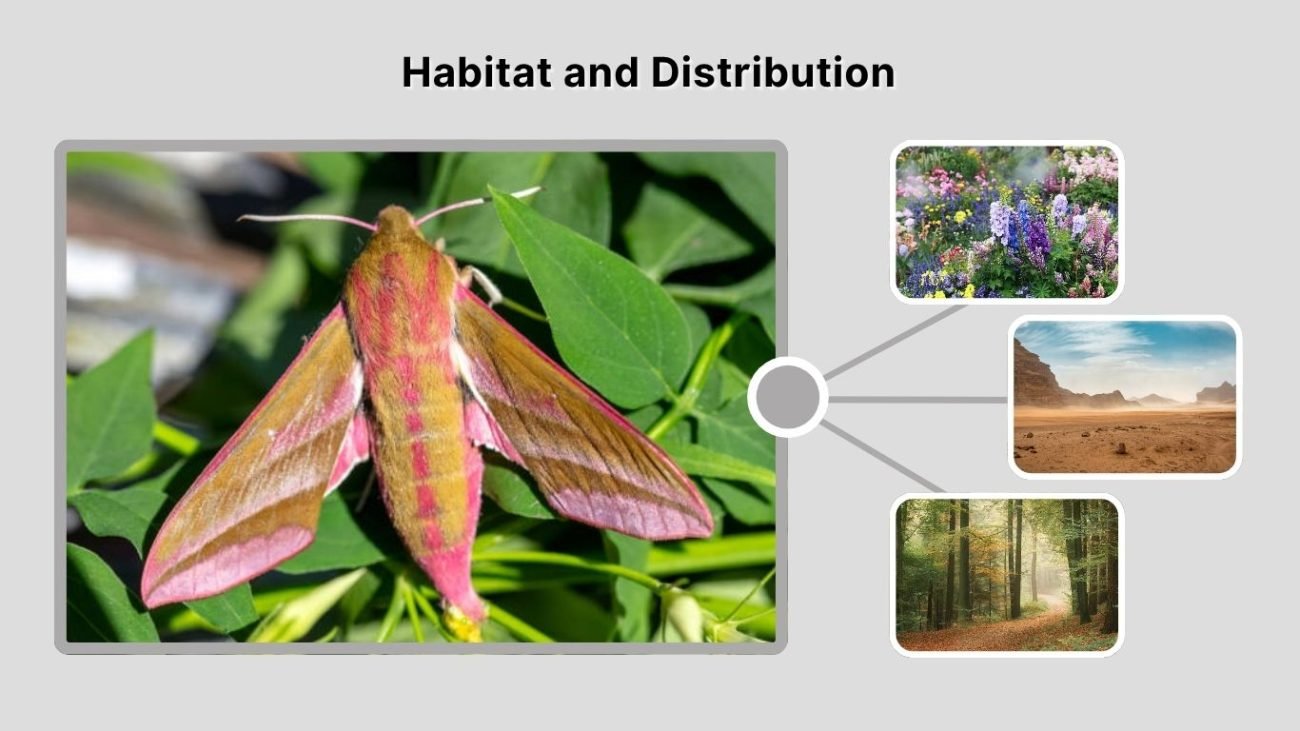
Hawk moths are found on every continent except Antarctica, making them one of the most widely distributed insect families. They thrive in a variety of habitats, including forests, grasslands, deserts, and gardens.
Their adaptability allows them to survive in different climates, from tropical regions to cooler temperate zones. Gardens with flowering plants are particularly attractive to hawk moths, as they provide a reliable source of nectar.
Common Species of Hawk Moths
There are over 1,400 species of hawk moths worldwide, each with unique features and behaviors. Some of the most well-known species include:
The hummingbird hawk moth (Macroglossum stellatarum) is famous for its daytime activity and its striking resemblance to a hummingbird. It hovers while feeding and is often seen in gardens.
The elephant hawk moth (Deilephila elpenor) is easily recognized by its bright pink and olive-green coloration. Its caterpillar resembles an elephant’s trunk, which gives the species its name.
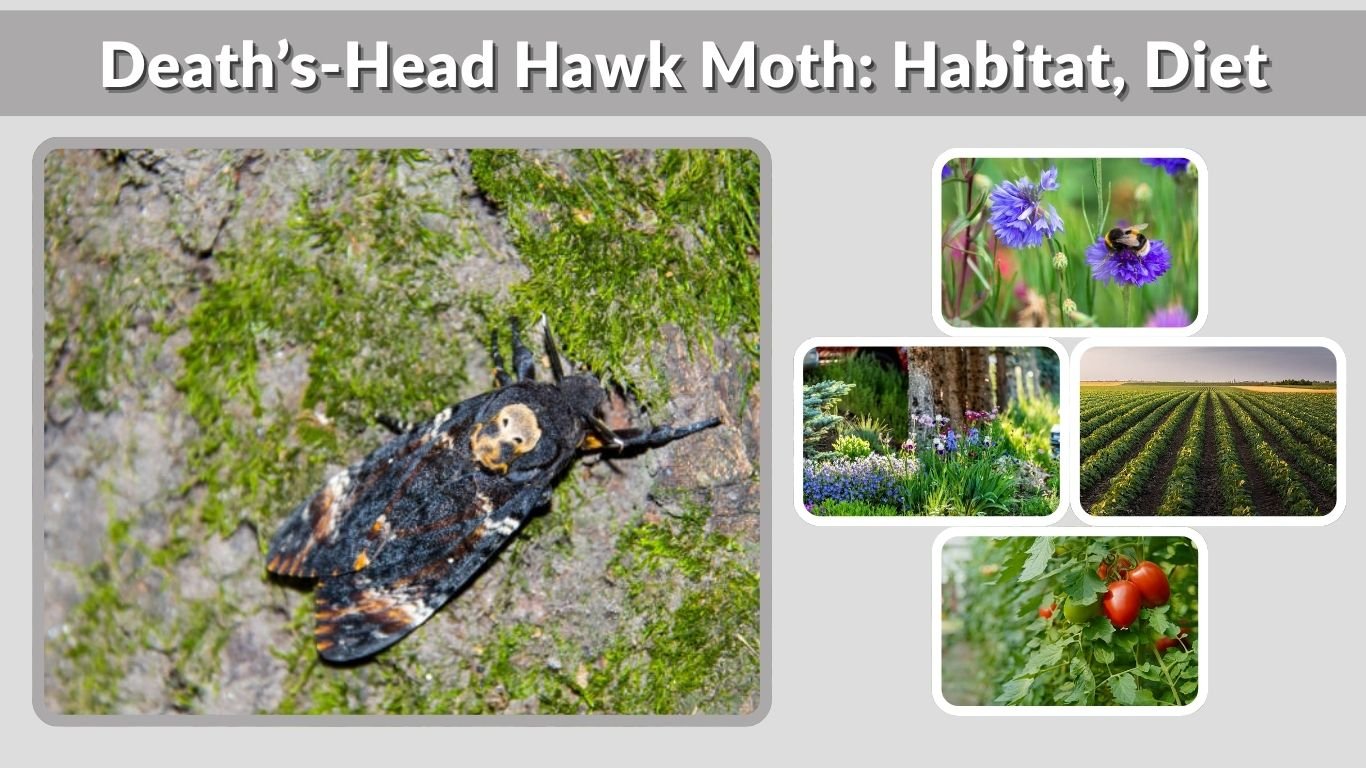
The death’s-head hawk moth (Acherontia atropos) is one of the most unusual species, known for the skull-like marking on its thorax. This moth has gained cultural significance and is often associated with mystery and folklore.
Each species demonstrates the diversity and adaptability of hawk moths across different environments.
Hawk Moth vs Hummingbird
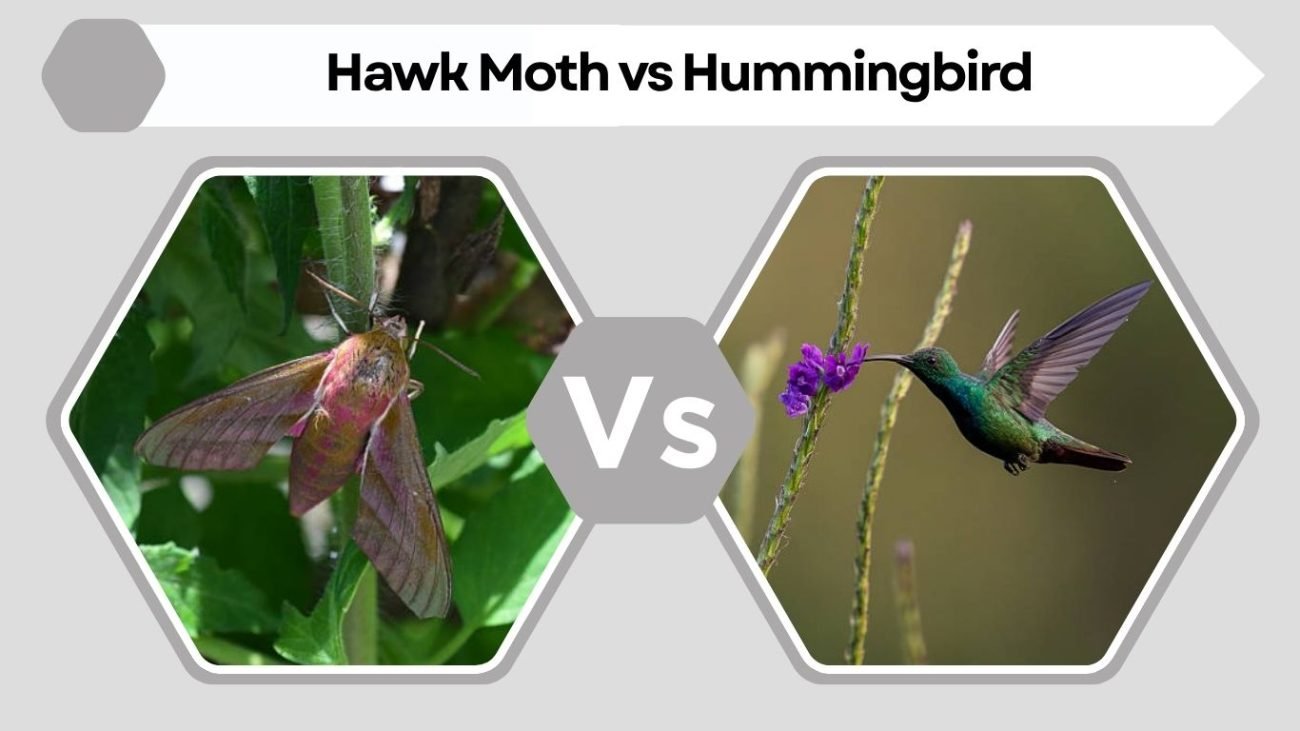
Hawk moths are often mistaken for hummingbirds due to their similar behavior and appearance. Both can hover in mid-air while feeding on nectar and have rapid wing movements.
However, they are fundamentally different. Hawk moths are insects with six legs, antennae, and exoskeletons, while hummingbirds are birds with feathers, beaks, and two legs. Hawk moths are generally smaller and more active at night, whereas hummingbirds are diurnal and rely on vision rather than scent to locate flowers.
The confusion mainly arises because of convergent evolution, where unrelated species develop similar traits due to similar environmental needs.
Are Hawk Moths Dangerous?
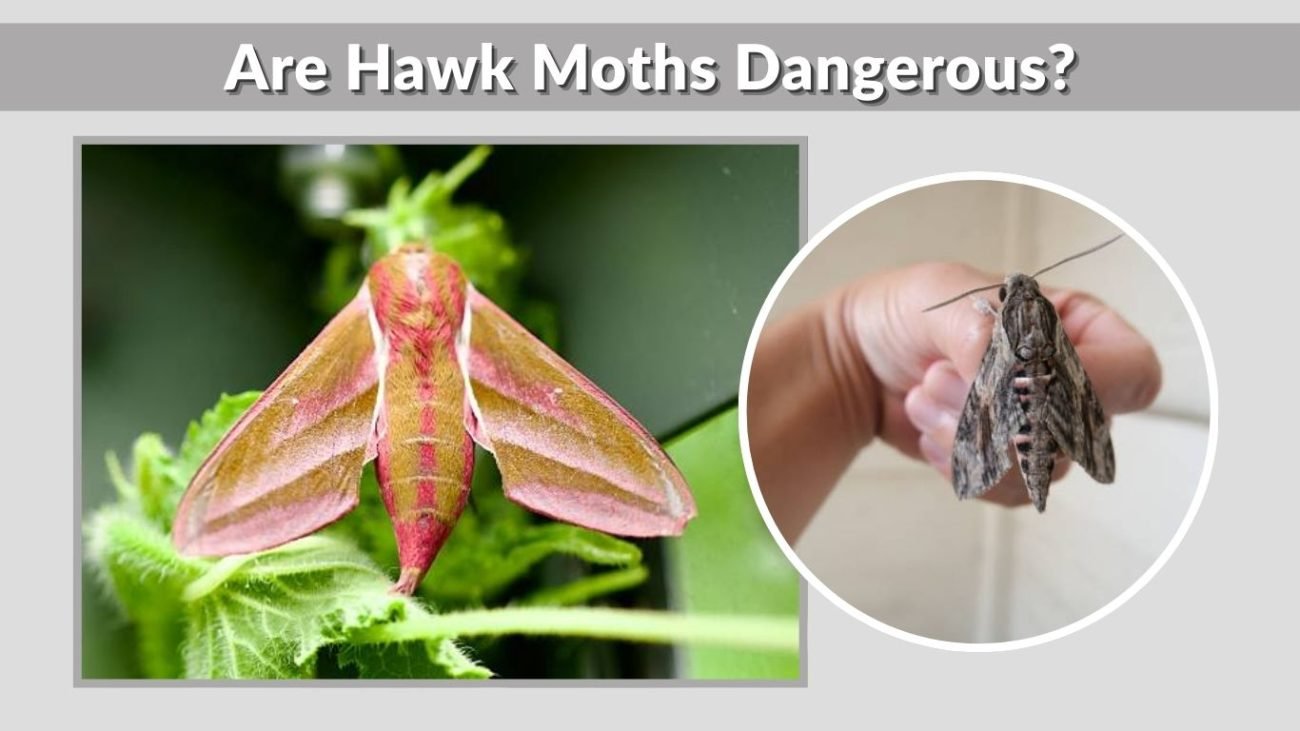
Hawk moths are completely harmless to humans. They do not bite or sting, and they pose no direct threat. Despite their sometimes large size and rapid movement, they are gentle insects focused mainly on feeding and reproduction.
Their caterpillars, however, may appear intimidating due to their size and the horn-like structure on their bodies. Some species can also display eye-like markings to scare predators. While these features may look threatening, they are purely defensive and not dangerous.
Ecological Importance
Hawk moths play a crucial role in maintaining healthy ecosystems. As pollinators, they help many plants reproduce by transferring pollen from one flower to another. This is especially important for night-blooming plants that rely on nocturnal pollinators.
In addition to pollination, hawk moths are part of the food chain. Birds, bats, and other predators depend on them as a food source. Their presence indicates a balanced ecosystem, making them valuable indicators of environmental health.
Symbolism and Cultural Meaning
Hawk moths have been associated with various symbolic meanings across cultures. In many traditions, they represent transformation and change due to their life cycle of metamorphosis.
Some cultures view them as symbols of intuition, mystery, or spiritual guidance, especially because of their nocturnal nature. The death’s-head hawk moth, in particular, has been linked to themes of mortality and the unknown in art and literature.
In dreams, seeing a hawk moth is often interpreted as a sign of personal growth or hidden potential.
Interesting Hawk Moth Facts
Hawk moths are among the fastest flying insects, with some species capable of reaching speeds of up to 50 kilometers per hour. Their powerful flight muscles allow them to travel long distances in search of food.
They have an excellent sense of smell, which helps them locate flowers even in the dark. Some species can hover so precisely that they appear almost motionless in the air.
Another fascinating fact is that certain hawk moths can produce sounds to deter predators, adding another layer to their survival strategies.
How to Attract Hawk Moths to Your Garden
If you want to attract hawk moths, planting nectar-rich flowers is a great start. They are especially drawn to tubular flowers such as jasmine, honeysuckle, and petunias.
Night-blooming plants are particularly effective, as many hawk moths are active after sunset. Creating a pesticide-free environment will also encourage these beneficial insects to visit your garden.
Providing a variety of plants ensures a continuous food source and makes your garden more inviting for hawk moths.
FAQs
What do hawk moths eat?
Hawk moths primarily feed on nectar from flowers using their long proboscis.
How long do hawk moths live?
Most adult hawk moths live for a few weeks, although their entire life cycle may last longer.
Can hawk moths sting?
No, hawk moths cannot sting and are harmless to humans.
Why do hawk moths hover?
They hover to feed efficiently from flowers without landing, similar to hummingbirds.
Conclusion
Hawk moths are remarkable insects that combine speed, beauty, and ecological importance. From their hummingbird-like flight to their vital role in pollination, they are an essential part of nature. Despite their mysterious appearance, they are harmless and beneficial creatures. Understanding and appreciating hawk moths can help us recognize the importance of preserving biodiversity and maintaining healthy ecosystems for future generations.