


An initial brown recluse spider bite can be hard to recognize because it often starts quietly. Some people do not feel the bite at all, while others notice a mild sting, burning, or small red bump. The first appearance may look like an ordinary insect bite, which is why many people search for initial brown recluse spider bite pictures to compare symptoms. However, early skin changes are not enough to confirm the cause, and many suspected spider bites turn out to be infections or other skin problems.
What Is a Brown Recluse Spider Bite?
A brown recluse spider bite happens when a brown recluse injects venom through its fangs. Brown recluse spiders are venomous spiders found in parts of the United States, especially in south-central and Midwestern regions. They are usually not aggressive and often bite only when trapped against the skin, touched, or disturbed. The CDC notes that spiders are generally not aggressive, and most bites happen when a spider is trapped or touched.
Brown recluse venom can affect skin and nearby tissue. In many cases, the bite stays mild and heals without major damage. In less common cases, the bite can lead to blistering, ulceration, darkened skin, or a slow-healing wound. The early stage matters because quick monitoring can help you notice whether the bite is improving or getting worse.
Why Initial Bites Are Often Missed
The initial bite is easy to miss because it may not hurt right away. Cleveland Clinic explains that brown recluse bites are not always immediately painful or noticeable, and pain may appear later.
A person may only realize something happened after noticing:
- A small red bump
- Mild itching
- Slight swelling
- A burning feeling
- Tenderness several hours later
- A tiny blister or pale center
This delayed reaction is one reason people often confuse brown recluse bites with mosquito bites, ant bites, pimples, ingrown hairs, or early skin infections.
What Does a Brown Recluse Spider Bite Look Like Initially?
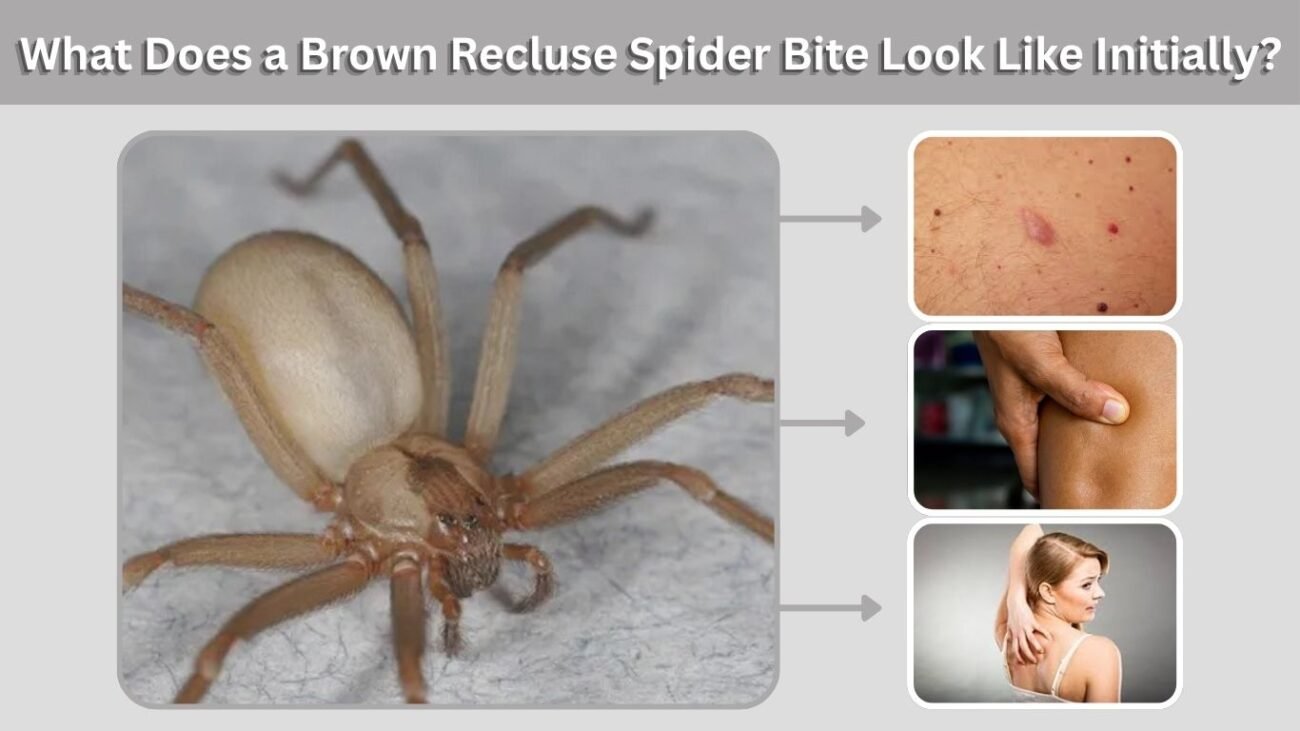
Initially, a brown recluse spider bite may look like a small red spot or raised bump. It may be slightly swollen, itchy, warm, or tender. In the first few hours, the skin may not look dramatic. Some bites remain mild and never become a serious wound.
The early bite may appear as:
- A small red or pink bump
- Mild swelling around the area
- Slight tenderness or itchiness
- A pale center
- A small blister
- Two tiny puncture marks, though these are often hard to see
- A bruise-like area later in the first day
A key point is that the initial appearance is not always unique. Mayo Clinic says a spider bite often looks like any other bug bite: a red, inflamed, sometimes itchy or painful bump.
Initial Brown Recluse Spider Bite Pictures: What to Know
People often search for initial brown recluse spider bite pictures because they want a fast visual match. Pictures can be helpful, but they can also be misleading. Early brown recluse bites may look mild, while infected bumps, boils, or allergic reactions can look more severe.
A picture alone cannot prove that a brown recluse caused the wound. To identify the cause, doctors may consider your symptoms, where you live, whether you saw the spider, and whether the wound looks more like an infection or another skin condition. Mayo Clinic notes that diagnosis may involve determining whether anyone saw the spider bite you, identifying the spider, and ruling out other possible causes.
Are Brown Recluse Spider Bites Initially Painful?
Brown recluse bites are often not very painful at first. Some people feel no bite at all. Others feel a small pinprick, sting, or burning sensation. Pain may increase later, especially several hours after the bite.
This is different from some other venomous spider bites, such as black widow bites, which may cause sharper early pain and muscle symptoms. Brown recluse bites are more known for delayed skin changes.
Early Sensations After the Bite
In the first few hours, a person may notice:
- Mild burning
- Itching
- A dull ache
- A stinging sensation
- Tenderness when touched
- No symptoms at all
If pain becomes severe, spreads quickly, or comes with fever, nausea, weakness, or dark urine, the wound should be evaluated urgently.
Initial Brown Recluse Spider Bite Signs
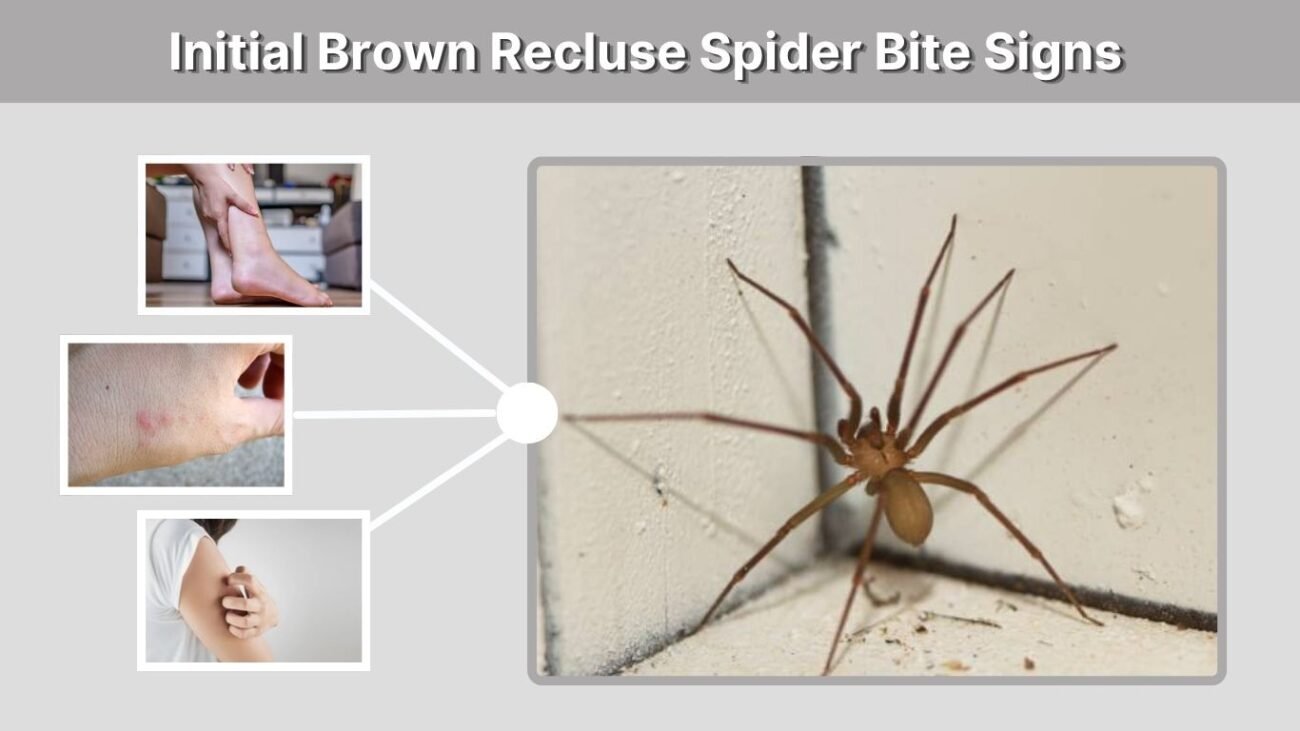
The earliest signs can be subtle. Not every bite follows the same pattern, and not every brown recluse bite causes tissue damage. Still, some signs are commonly discussed in early cases.
Mild Early Signs
Mild initial signs may include a small red bump, light swelling, itching, and local tenderness. The area may look similar to a mosquito bite or other insect bite. Many mild bites do not progress beyond this stage.
Blister or Pale Center
A small blister may appear within the first several hours or during the first day. Some bites develop a pale center surrounded by redness. This may be an early sign that the venom is affecting local tissue, but it does not always mean severe damage will occur.
Bruise-Like Discoloration
Some bites develop a bluish, purple, or bruise-like color. This can be concerning if it expands, darkens, or becomes increasingly painful. A spreading purple or black center should not be ignored.
Bull’s-Eye-Like Pattern
Cleveland Clinic describes a brown recluse bite sign as a blister surrounded by bruise-like or reddish skin color, sometimes similar to a bull’s-eye.
However, a bull’s-eye pattern can also be associated with other conditions, including tick-related rashes or skin infections. A healthcare provider should evaluate unusual or spreading patterns.
Initial Brown Recluse Spider Bite Stages
The first stage of a brown recluse bite usually covers the first few hours to the first day. During this period, symptoms may be mild or delayed. The bite can then either improve, remain stable, or progress into more noticeable skin injury.
| Timeframe | Possible Appearance | What It May Mean |
| First few minutes | No mark, tiny sting, or mild redness | Many bites are not noticed immediately |
| 2–8 hours | Itching, burning, swelling, or tenderness | Symptoms may begin to develop |
| First 24 hours | Red bump, blister, pale center, or bruise-like area | Monitor closely for spreading changes |
| 24–48 hours | Worsening pain, purple center, blistering, or expanding redness | Medical care may be needed if symptoms progress |
This timeline is only a general guide. Some reactions appear faster, while others develop over several days.
Initial Symptoms vs Later Symptoms
Initial symptoms usually affect only the bite area. Later symptoms may involve deeper skin damage or whole-body reactions in more serious cases.
Initial Symptoms
Early symptoms may include:
- Itching
- Mild redness
- Slight swelling
- Burning
- Tenderness
- Small blister
- Pale center
- Minor pain
Later Symptoms
Later or worsening symptoms may include:
- Increasing pain
- Expanding redness
- Purple, blue, gray, or black skin
- Open sore or ulcer
- Drainage
- Fever
- Chills
- Nausea
- Muscle aches
- Weakness
If whole-body symptoms develop, medical care is important. MedlinePlus describes the brown recluse bite as venomous and notes that symptoms can include local and systemic effects.
Is It Really a Brown Recluse Bite?
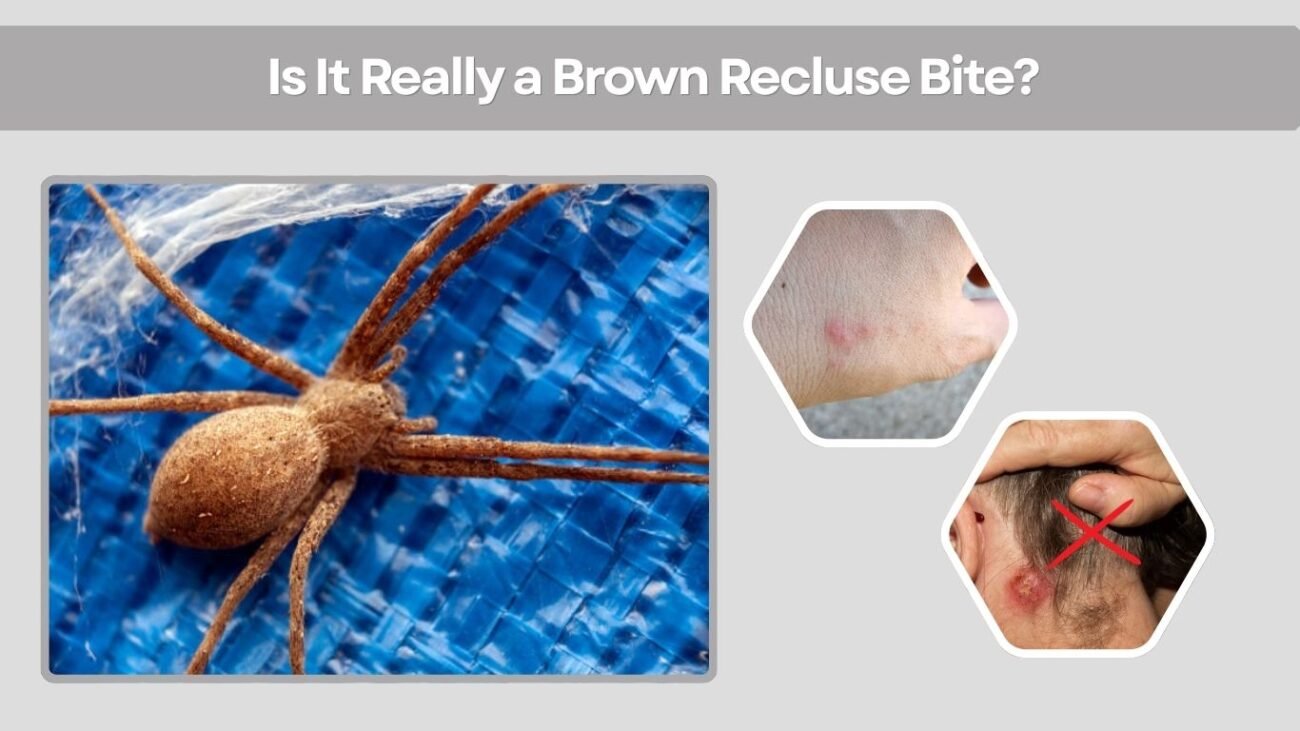
Many people assume a painful red bump is a spider bite, but that is not always true. Mayo Clinic warns that skin infections, burns, and other skin conditions can be mistaken for spider bites.
This matters because treating the wrong problem at home can delay proper care. For example, a bacterial infection may need medical treatment, while an allergic reaction may need a different approach.
Conditions That Can Look Similar
Several problems can resemble an initial brown recluse bite:
- Staph infection
- MRSA infection
- Boil or abscess
- Ingrown hair
- Mosquito or flea bite
- Tick bite
- Ant sting
- Skin allergy
- Chemical irritation
- Minor burn
- Cellulitis
A sore that has pus, rapidly spreading redness, red streaks, fever, or severe tenderness may be more consistent with infection and should be checked.
Brown Recluse Bite vs Staph Infection
A staph infection can look very similar to a spider bite in the beginning. It may start as a red, tender bump and later become swollen, warm, painful, or filled with pus. Many people only notice the wound after it worsens, which makes them assume something bit them.
Signs That Suggest Infection
The wound may be infected if you notice:
- Pus or cloudy fluid
- Increasing warmth
- Worsening swelling
- Red streaks
- Fever or chills
- A painful lump or boil
- Skin that feels tight and hot
- Rapid spreading over hours
Do not squeeze or cut the wound. If it is an abscess, a clinician may need to drain it safely.
When to Seek Medical Care
You should contact a healthcare provider if you suspect a brown recluse bite, especially if the symptoms are getting worse. Cleveland Clinic states that bites from brown recluse spiders require medical care, particularly because they can cause wounds and complications.
Seek urgent medical care if you notice:
- Severe or increasing pain
- A blister that grows quickly
- Purple, blue, gray, or black skin
- A spreading red area
- Pus or drainage
- Fever or chills
- Nausea or vomiting
- Weakness or dizziness
- Rash away from the bite
- Dark urine
- A bite on a child, older adult, or immunocompromised person
It is better to have a concerning bite checked early than to wait until the wound becomes harder to treat.
What to Do Immediately After a Suspected Bite
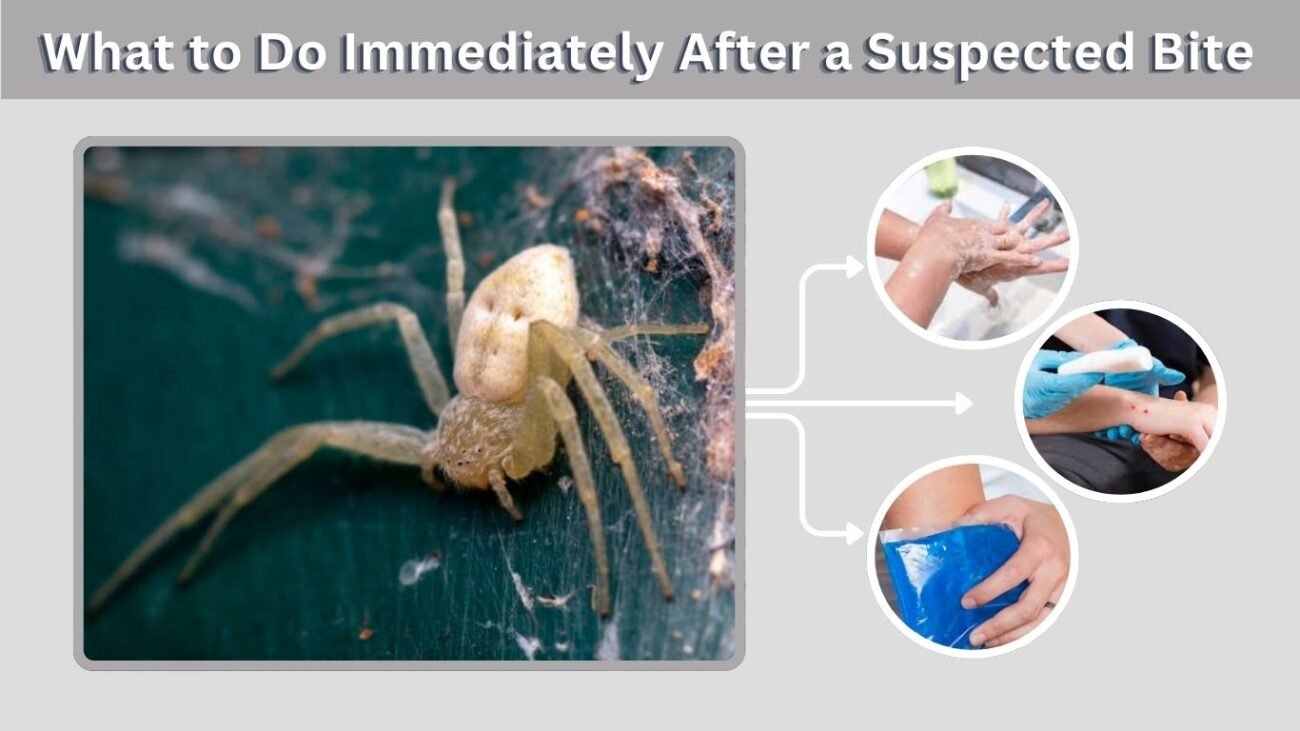
If you think you were bitten by a brown recluse, start with simple first aid while arranging medical advice if symptoms are concerning.
Helpful steps include:
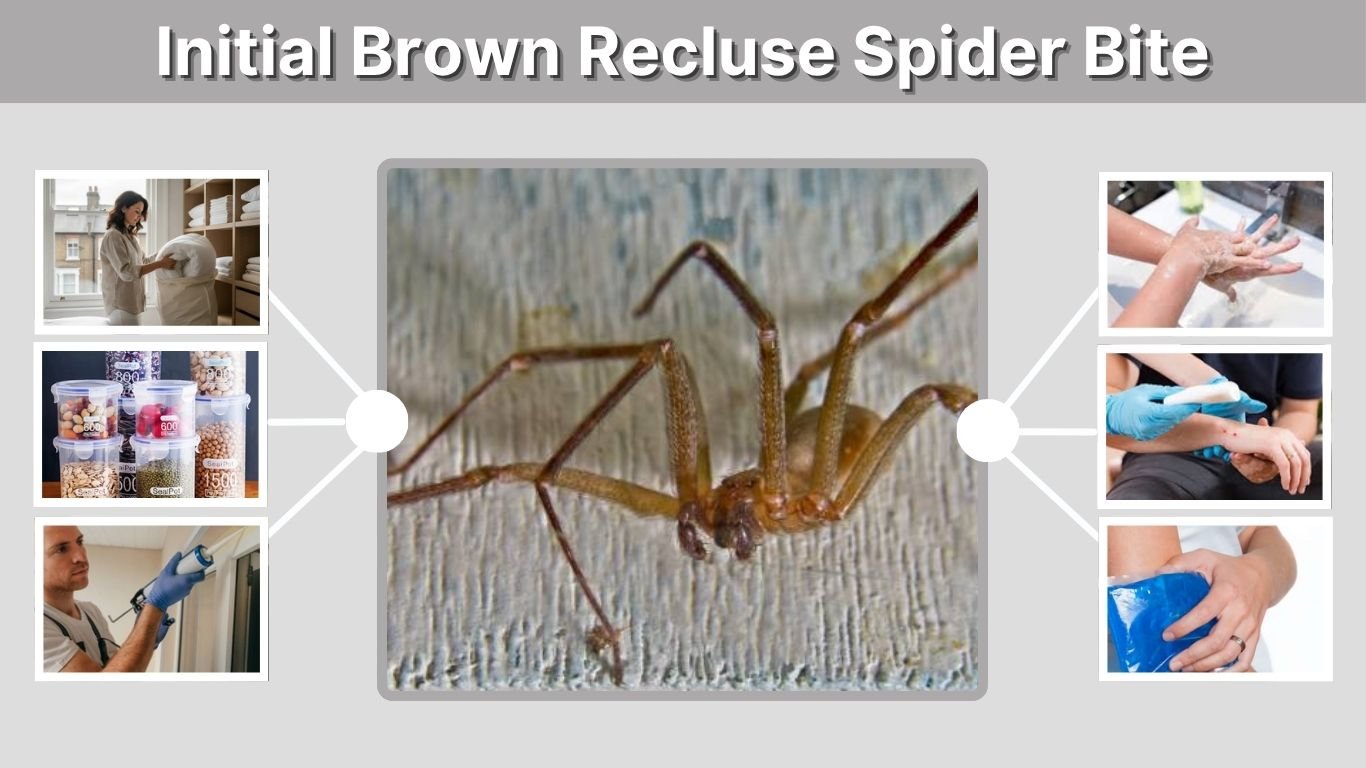
- Wash the area gently with soap and water
- Apply a cool compress for short periods
- Keep the bite elevated if possible
- Avoid scratching
- Cover with a clean bandage
- Take a clear photo to track changes
- Mark the edge of redness with a pen
- Avoid squeezing, cutting, or draining the area
Mayo Clinic treatment guidance for spider bites includes cleaning the wound and using a cool compress while seeking care for concerning symptoms.
What Not to Do
Some home remedies can make the wound worse. Avoid aggressive treatments unless a clinician recommends them.
Do not:
- Cut the bite open
- Try to suck out venom
- Apply harsh chemicals
- Use heat on the wound
- Scratch the area
- Pop a blister
- Squeeze pus or fluid
- Delay care if symptoms spread
Initial brown recluse spider bites can change slowly, so monitoring is important. A wound that looks mild in the morning may look worse later the same day.
How Doctors Diagnose an Initial Bite
Doctors usually diagnose a suspected bite based on history, symptoms, location, and physical examination. Seeing the spider and having it identified is the strongest evidence, but this rarely happens.
A clinician may ask:
- Did you see the spider?
- Where did the bite happen?
- Do brown recluse spiders live in your area?
- When did symptoms begin?
- Is the redness spreading?
- Is there pus or drainage?
- Do you have fever or other symptoms?
- Do you have immune system problems?
The goal is not only to identify the spider but also to rule out infection and other causes.
How Long Before a Brown Recluse Bite Gets Worse?
Some symptoms may begin within a few hours, but more visible changes often appear over the first 24 to 48 hours. In more serious cases, tissue damage may continue developing over several days.
A mild bite may improve quickly. A more serious bite may form a blister, ulcer, or dark center. If the wound is worsening instead of improving, it should be checked.
How to Prevent Brown Recluse Bites
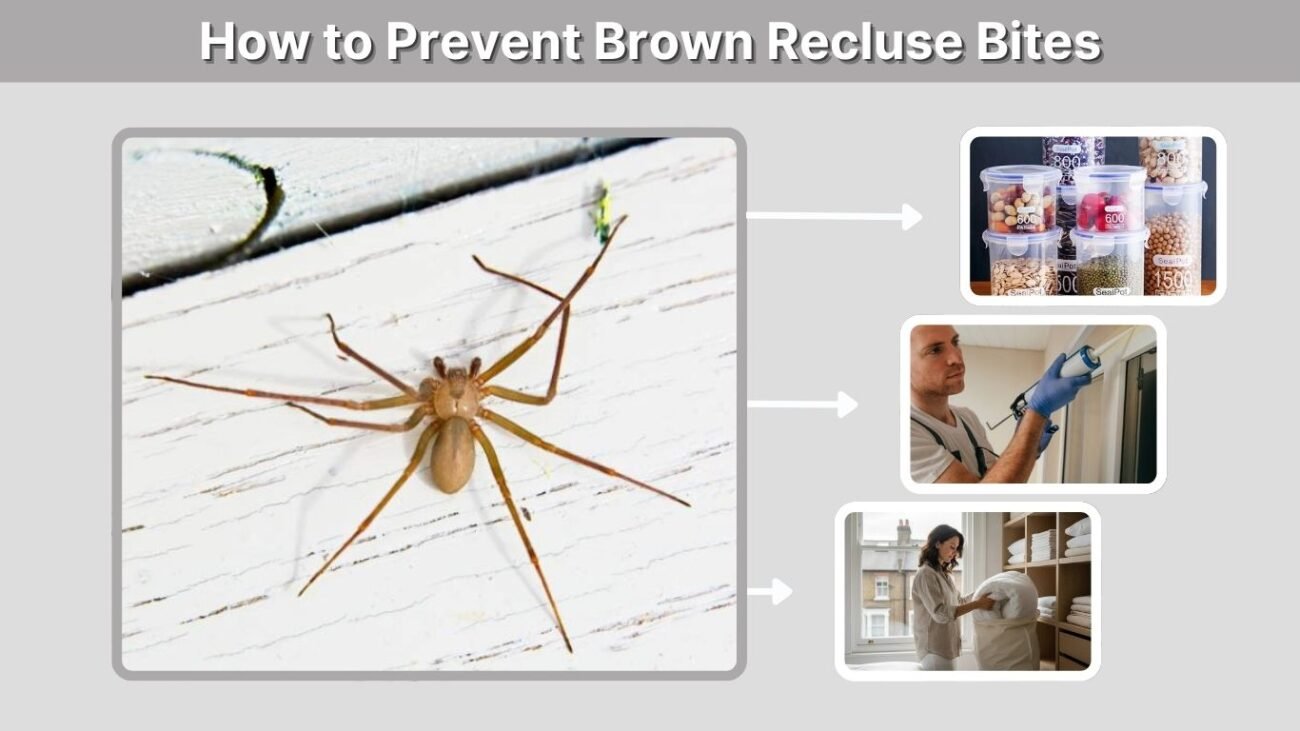
Brown recluse spiders prefer dark, quiet, undisturbed places. Bites often happen when the spider is accidentally pressed against skin.
Prevention tips include:
- Shake out shoes, gloves, and clothing
- Check bedding in storage areas or cabins
- Wear gloves when moving boxes or firewood
- Reduce clutter in closets, basements, and garages
- Store items in sealed plastic containers
- Move beds away from walls if spiders are common
- Seal cracks and gaps around the home
- Vacuum corners and storage areas regularly
These steps are especially useful in regions where brown recluse spiders are common.
FAQs
What does a brown recluse spider bite look like initially?
Initially, a brown recluse spider bite may look like a small red bump, mild swelling, or an ordinary insect bite. Some people notice itching, burning, or tenderness, while others feel nothing at first. A blister, pale center, or bruise-like color may develop later, but appearance alone cannot confirm the cause.
Are brown recluse spider bites initially painful?
Brown recluse spider bites are often not painful at the beginning. Some people feel a mild sting or burning sensation, but others do not notice the bite at all. Pain may develop hours later and can become stronger if the bite reaction progresses or the wound becomes inflamed.
How soon do initial brown recluse bite symptoms appear?
Symptoms may appear within a few hours, often as redness, itching, burning, or tenderness. Some sources describe symptoms developing several hours after the bite. In more noticeable cases, blistering, discoloration, or increased pain may appear during the first 24 to 48 hours.
Can initial brown recluse bite pictures confirm a bite?
Pictures can help track changes, but they cannot reliably confirm a brown recluse bite. Many infections, boils, insect bites, burns, and allergic reactions can look similar. A healthcare provider may consider the wound appearance, symptoms, location, and whether the spider was seen or identified.
When should I worry about an initial spider bite?
Worry if the bite becomes very painful, spreads quickly, turns purple or black, forms a growing blister, drains pus, or causes fever, chills, nausea, weakness, or dizziness. You should also seek care sooner for children, older adults, immunocompromised people, or bites that worsen over time.