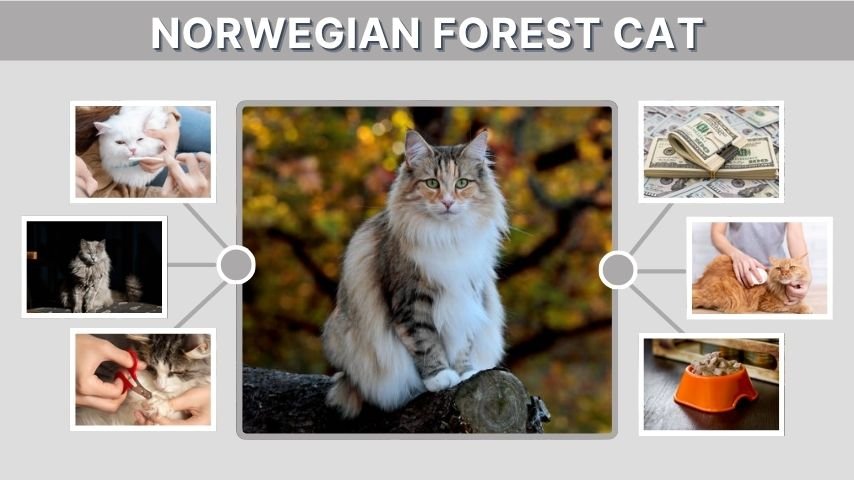
The Norwegian Forest Cat is a large, beautiful breed known for its thick coat, strong build, and friendly personality. Originating in Norway, this natural breed developed over centuries in harsh Scandinavian climates, resulting in a cat that is both hardy and adaptable. With its striking appearance and affectionate nature, the Norwegian Forest Cat has become popular among cat lovers worldwide. These intelligent and playful cats are excellent companions and are admired for their impressive size, climbing abilities, and gentle temperament.
What Is a Norwegian Forest Cat?
The Norwegian Forest Cat is one of the oldest natural cat breeds in Europe. Often referred to as the “Wegie,” this breed evolved naturally in the forests of Norway and adapted to survive cold weather. Its powerful body, thick coat, and independent yet affectionate personality have made it one of the world’s most admired cat breeds.
Origin and History
The breed has a long history in Scandinavian folklore and is believed to have existed for centuries. Norwegian Forest Cats were valued for their hunting abilities and resilience in harsh climates.
Norwegian Heritage
The breed is closely associated with Norway and is considered an important part of the country’s cultural history. Many legends describe large long-haired cats accompanying Vikings on their travels.
Recognition by Cat Associations
Today, major cat organizations recognize the Norwegian Forest Cat as a distinct breed and appreciate its unique appearance and temperament.
Norwegian Forest Cat Appearance
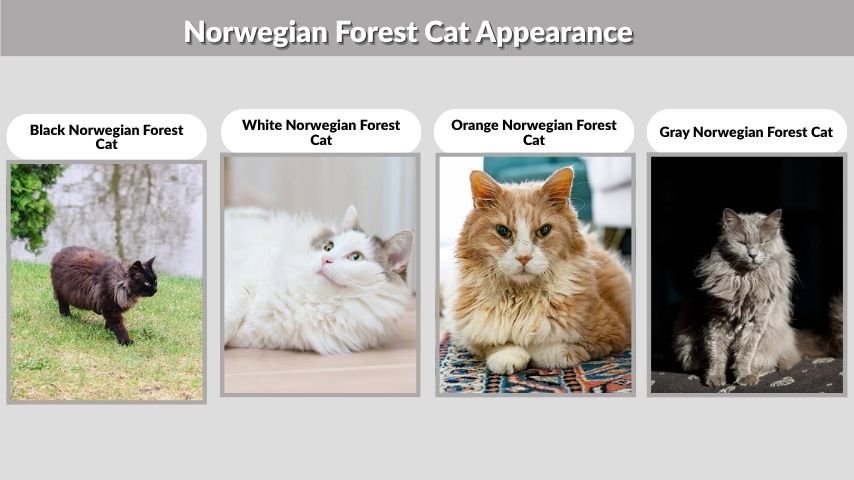
The Norwegian Forest Cat is famous for its impressive size, luxurious coat, and athletic build. These physical characteristics developed naturally to help the breed survive harsh winters. Despite their large stature, Norwegian Forest Cats are agile climbers and possess remarkable strength and balance.
Size and Weight
Adult males typically weigh between 13 and 20 pounds (6–9 kg), while females generally weigh between 8 and 15 pounds (4–7 kg). They mature slowly and may not reach full size until four or five years of age.
Coat Characteristics
The breed’s double coat consists of a water-resistant outer layer and a dense undercoat. This combination provides excellent insulation against cold weather.
Eye Colors
Norwegian Forest Cats can have green, gold, copper, or blue eyes depending on coat color and genetics.
Common Coat Colors
The breed comes in a wide variety of colors and patterns.
- Black Norwegian Forest Cat
- White Norwegian Forest Cat
- Orange Norwegian Forest Cat
- Gray Norwegian Forest Cat
- Calico Norwegian Forest Cat
- Tuxedo Norwegian Forest Cat
- Tabby Norwegian Forest Cat
- Silver Norwegian Forest Cat
Giant Norwegian Forest Cat Size
Many owners are surprised by the breed’s large size. Some adult males can reach impressive weights while maintaining a muscular and athletic physique.
Norwegian Forest Cat Personality and Temperament
The Norwegian Forest Cat combines independence with affection. While these cats enjoy spending time with their families, they are generally less demanding of attention than some other breeds. Their intelligence and curiosity make them engaging companions that adapt well to a variety of living situations.
Family-Friendly Personality
Norwegian Forest Cats are gentle and patient, making them suitable companions for families. They often enjoy participating in household activities without being overly clingy.
Relationship With Children
The breed generally gets along well with respectful children. Their calm demeanor helps them adapt to busy family environments.
Compatibility With Other Pets
Norwegian Forest Cats often coexist peacefully with other cats and cat-friendly dogs. Proper introductions can help establish positive relationships.
Intelligence and Trainability
These cats are highly intelligent and capable of learning routines, commands, and interactive games. Puzzle toys and enrichment activities help keep them mentally stimulated.
Activity Level
Although they enjoy relaxing with their families, Norwegian Forest Cats are active and athletic. They particularly enjoy climbing and exploring elevated spaces.
Norwegian Forest Cat Lifespan and Health
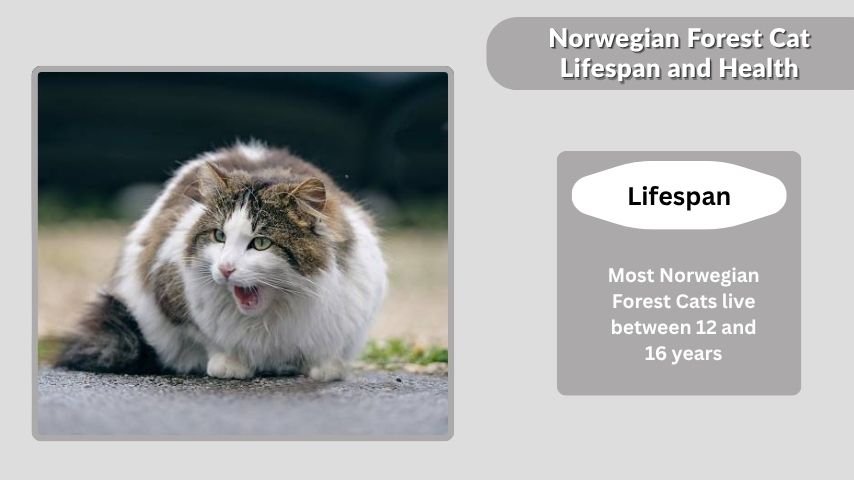
The Norwegian Forest Cat is generally a healthy breed with a long life expectancy. Responsible breeding practices and proper healthcare contribute significantly to their overall well-being. Understanding common health concerns and preventive care measures can help owners provide the best possible quality of life for their cats.
Average Lifespan
Most Norwegian Forest Cats live between 12 and 16 years, although some individuals may live longer with excellent care and a healthy lifestyle.
Common Health Issues
Like many purebred cats, Norwegian Forest Cats can be susceptible to certain inherited conditions. Regular veterinary checkups help detect potential problems early.
Genetic Conditions
Some lines may carry genetic conditions such as hypertrophic cardiomyopathy or glycogen storage disease. Responsible breeders perform health screenings to reduce these risks.
Maintaining Long-Term Health
Regular exercise, proper nutrition, preventive veterinary care, and weight management all contribute to a longer and healthier life for Norwegian Forest Cats.
Are Norwegian Forest Cats Hypoallergenic?
Many prospective owners wonder whether Norwegian Forest Cats are suitable for people with allergies. While they are admired for their beautiful coats and gentle personalities, they are not considered a hypoallergenic breed. Understanding how cat allergies work can help owners make informed decisions before bringing one of these cats into their homes.
Are Norwegian Forest Cats Hypoallergenic?
No, Norwegian Forest Cats are not hypoallergenic. Like all cats, they produce allergens that can trigger reactions in sensitive individuals.
Understanding Cat Allergens
Most cat allergies are caused by a protein called Fel d 1, which is found in saliva, skin secretions, and dander. As cats groom themselves, allergens spread throughout the coat and home environment.
Allergy Management Tips
People with mild allergies may reduce symptoms through regular grooming, frequent cleaning, air purifiers, and limiting allergen buildup in living spaces.
Suitability for Allergy Sufferers
Anyone with allergies should spend time around the breed before adoption to determine how their body reacts.
Norwegian Forest Cat Diet and Nutrition
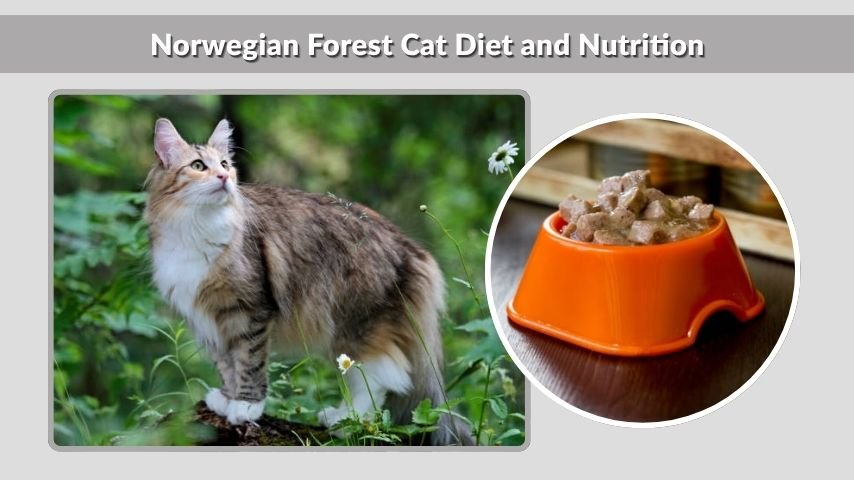
Proper nutrition is essential for supporting the Norwegian Forest Cat’s muscular body, thick coat, and active lifestyle. A balanced diet rich in high-quality animal protein helps maintain healthy muscles, strong bones, and a shiny coat. Choosing appropriate foods can significantly contribute to overall health and longevity.
Best Diet for Norwegian Forest Cats
A diet based on quality animal protein is ideal. Meat-based foods provide essential amino acids needed for growth, maintenance, and energy.
Protein Requirements
As a naturally athletic breed, Norwegian Forest Cats benefit from protein-rich meals that support muscle development and healthy body weight.
Wet Food vs Dry Food
Both wet and dry foods can be included in a balanced feeding plan. Many owners choose a combination to provide hydration and nutritional variety.
Foods to Avoid
Certain foods can be dangerous for cats.
- Chocolate
- Onions
- Garlic
- Grapes
- Alcohol
- Xylitol
How Much Does a Norwegian Forest Cat Cost?
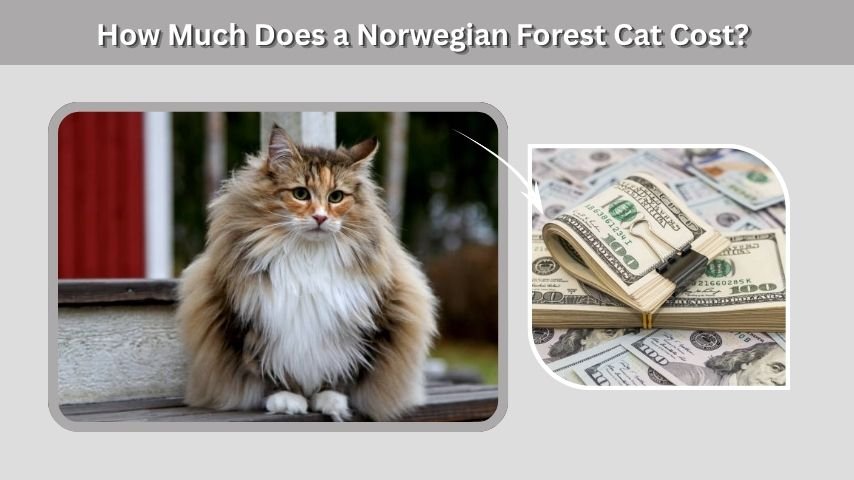
The total cost of owning a Norwegian Forest Cat includes the purchase price and ongoing expenses. Potential owners should consider food, veterinary care, grooming supplies, and other necessities before bringing a kitten home. Understanding these costs helps ensure long-term responsible pet ownership.
Norwegian Forest Cat Price Range
A Norwegian Forest Cat kitten from a reputable breeder typically costs between $800 and $2,500. Prices vary depending on pedigree, breeder reputation, location, and demand.
Kitten Pricing Factors
Health testing, championship bloodlines, registration papers, and breeder experience can all affect the final purchase price.
Annual Ownership Costs
Common yearly expenses include:
- Food and treats
- Veterinary care
- Vaccinations
- Grooming supplies
- Toys and enrichment
- Pet insurance
Norwegian Forest Cat Breeders, Adoption and Rescue
Finding a healthy, well-socialized cat begins with choosing a responsible source. Whether purchasing from a breeder or adopting through a rescue organization, careful research can help ensure a positive experience and support ethical breeding and adoption practices.
Choosing a Responsible Breeder
Reputable breeders prioritize health testing, proper socialization, and clean living conditions. They should be willing to answer questions and provide health documentation.
Adoption Options
Although less common than mixed-breed cats, Norwegian Forest Cats can sometimes be found through rescue groups, shelters, and breed-specific adoption organizations.
Breed Rescue Organizations
Rescue organizations occasionally specialize in purebred cats and may help match adopters with Norwegian Forest Cats needing homes.
Warning Signs of Poor Breeders
Potential red flags include:
- No health guarantees
- Unsanitary facilities
- Extremely low prices
- Missing veterinary records
- Lack of breeder transparency
Grooming and Care Requirements
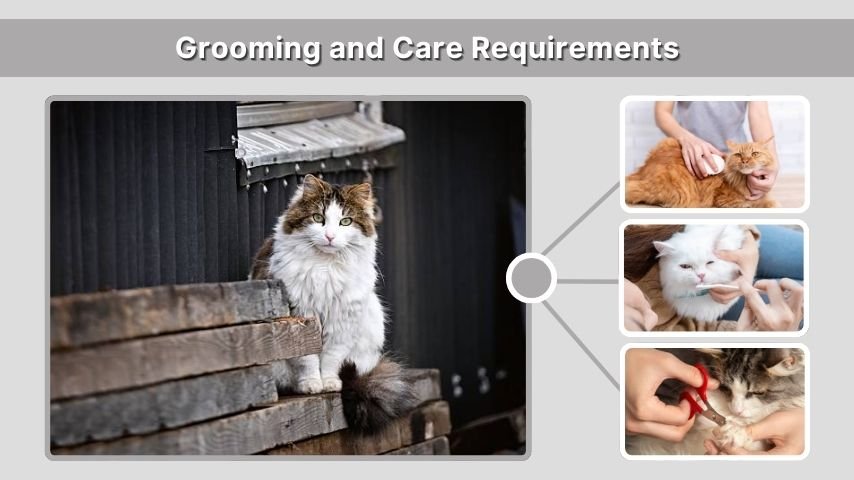
Despite their long coats, Norwegian Forest Cats are relatively easy to groom compared to many other long-haired breeds. Their coat is naturally designed to resist tangles and protect against harsh weather. Regular grooming helps maintain coat quality while reducing shedding and hair accumulation.
Do Norwegian Forest Cats Shed?
Yes, Norwegian Forest Cats shed throughout the year and experience heavier seasonal shedding during spring and fall.
Coat Maintenance
Weekly brushing is usually sufficient. During seasonal coat changes, more frequent grooming may help remove loose fur.
Nail and Dental Care
Routine nail trimming and dental care contribute to overall health and help prevent common feline health problems.
Exercise Requirements
Interactive toys, climbing trees, scratching posts, and daily play sessions help keep these active cats physically fit and mentally stimulated.
Norwegian Forest Cat vs Other Breeds
Many prospective owners compare Norwegian Forest Cats with other large, long-haired breeds before making a decision. Understanding the differences between these breeds can help determine which cat best fits a particular household and lifestyle.
Norwegian Forest Cat vs Maine Coon
Maine Coons are generally larger and more outgoing, while Norwegian Forest Cats tend to be slightly more independent and reserved.
Norwegian Forest Cat vs Siberian Cat
Siberian Cats often have a rounder face and stockier build, whereas Norwegian Forest Cats have a more triangular head shape and a longer body structure.
Maine Coon and Norwegian Forest Cat Mix
Mixed-breed cats may inherit physical and behavioral traits from both parent breeds, resulting in unique appearances and personalities.
FAQs
How big do Norwegian Forest Cats get?
Adult males typically weigh 13–20 pounds (6–9 kg), while females usually weigh 8–15 pounds (4–7 kg). They are considered one of the larger domestic cat breeds.
How much does a Norwegian Forest Cat cost?
A Norwegian Forest Cat kitten generally costs between $800 and $2,500 from a reputable breeder, depending on pedigree, location, and breeder reputation.
Are Norwegian Forest Cats hypoallergenic?
No, Norwegian Forest Cats are not hypoallergenic. They produce the Fel d 1 protein that commonly triggers cat allergies.
Do Norwegian Forest Cats get along with other pets?
Yes. Norwegian Forest Cats are typically friendly and adaptable, often getting along well with other cats and cat-friendly dogs when properly introduced.
What is the lifespan of a Norwegian Forest Cat?
Most Norwegian Forest Cats live between 12 and 16 years, though some may live longer with excellent nutrition, veterinary care, and a healthy lifestyle.