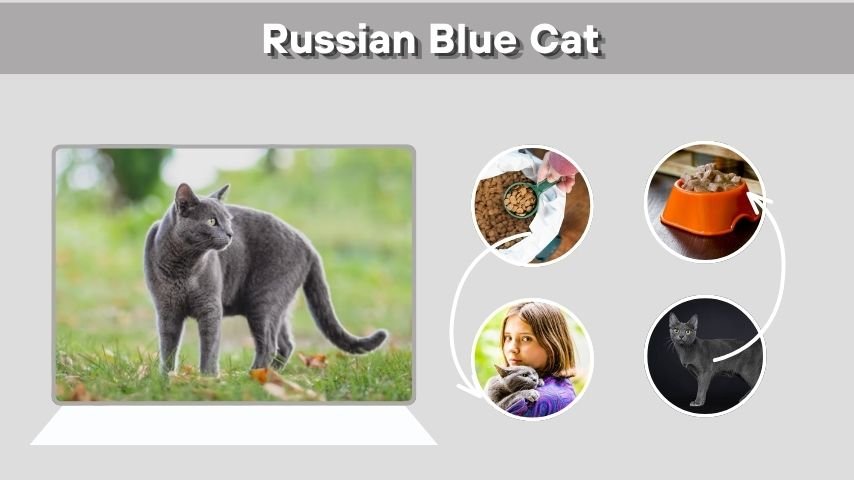
The Russian Blue cat is an elegant and intelligent breed admired for its striking blue-gray coat, vivid green eyes, and gentle personality. Originating from Russia, this naturally occurring breed has gained worldwide popularity among cat lovers due to its affectionate nature and low-maintenance grooming needs. Russian Blue cats are often described as loyal companions that form strong bonds with their owners. Their calm temperament, playful behavior, and reputation for producing fewer allergens than many other breeds make them a desirable choice for many households.
What Is a Russian Blue Cat?
The Russian Blue cat is a medium-sized breed known for its graceful appearance and friendly personality. It is one of the most recognizable cat breeds because of its dense blue-gray coat and bright green eyes. This breed has a long history and remains a favorite among families, singles, and cat enthusiasts around the world.
Origin and History
The Russian Blue is believed to have originated in northern Russia, particularly around the Archangel Isles. Sailors are thought to have introduced the breed to Europe during the nineteenth century.
Russian Heritage
The breed’s connection to Russia is reflected in both its name and its cold-weather adaptations. Its thick coat helped it survive harsh northern climates.
Recognition by Cat Associations
Today, the Russian Blue is recognized by major cat organizations and is valued for both its beauty and affectionate temperament.
Russian Blue Cat Appearance
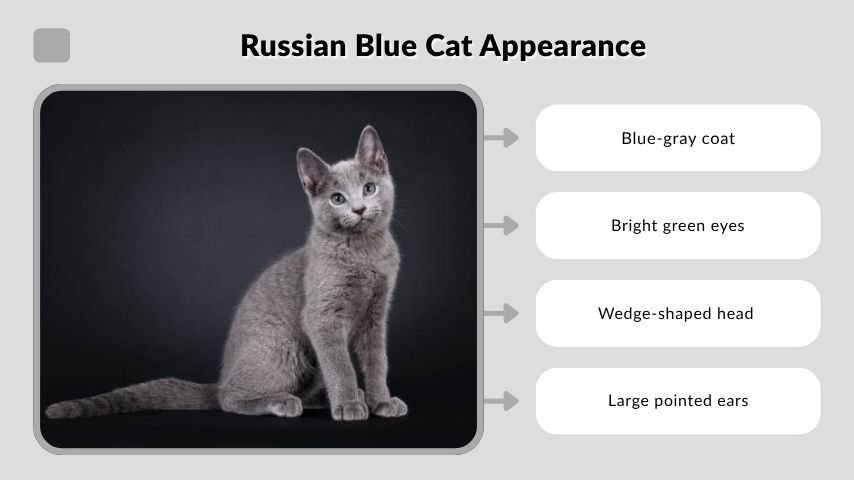
The Russian Blue is famous for its elegant appearance and distinctive features. Its sleek body, plush coat, and expressive eyes create a refined look that sets it apart from many other cat breeds. Despite its sophisticated appearance, the breed is athletic, agile, and surprisingly playful.
Size and Weight
Adult Russian Blue cats typically weigh between 7 and 15 pounds (3–7 kg). Males are generally larger than females, though both possess a lean and muscular build.
Coat Characteristics
One of the breed’s most distinctive traits is its dense double coat. The soft fur stands away from the body, creating a plush appearance that feels velvety to the touch.
Eye Color
Russian Blue kittens are usually born with yellow eyes that gradually develop into the breed’s signature emerald-green color as they mature.
Physical Features
Common characteristics include:
- Blue-gray coat
- Bright green eyes
- Wedge-shaped head
- Large pointed ears
- Lean muscular body
Russian Blue Cat Personality and Temperament
The Russian Blue is known for being affectionate, intelligent, and loyal. These cats often develop strong bonds with their owners and enjoy spending time with family members. While they may be somewhat reserved around strangers, they are generally loving and playful once they feel comfortable in their environment.
Relationship With Owners
Russian Blue cats frequently form close attachments to one or two favorite people. They often follow their owners from room to room and enjoy participating in daily routines.
Interaction With Children
The breed is usually gentle with respectful children. Its calm temperament allows it to adapt well to family life when treated kindly.
Compatibility With Other Pets
Russian Blues often coexist peacefully with other cats and cat-friendly dogs. Proper introductions and socialization help create positive relationships.
Intelligence and Trainability
Highly intelligent and observant, Russian Blue cats can learn routines, respond to commands, and enjoy puzzle toys that challenge their minds.
Activity Level
Although not hyperactive, they enjoy interactive games and climbing opportunities. Regular play sessions help keep them mentally and physically stimulated.
Are Russian Blue Cats Hypoallergenic?
Many people interested in this breed wonder whether Russian Blue cats are hypoallergenic. While no cat is completely allergy-free, Russian Blues are often recommended for individuals with mild cat allergies. Their unique coat and lower production of certain allergens may contribute to reduced allergic reactions in some people.
Why Russian Blue Cats Are Considered Hypoallergenic
Some studies suggest that Russian Blue cats may produce lower levels of Fel d 1, the protein responsible for triggering most cat allergies. This can make them easier to tolerate for certain allergy sufferers.
Understanding the Fel d 1 Protein
Fel d 1 is found in a cat’s saliva and skin secretions. During grooming, the protein spreads onto the fur and eventually enters the surrounding environment.
Russian Blue Cats and Allergy Sufferers
Although many people report fewer allergy symptoms around Russian Blue cats, individual reactions vary. Spending time with the breed before adoption is the best way to determine personal compatibility.
Important Allergy Considerations
People with severe allergies should remember that no breed is completely hypoallergenic. Regular grooming, cleaning, and air filtration can help reduce allergen levels within the home.
Russian Blue Cat Lifespan and Health
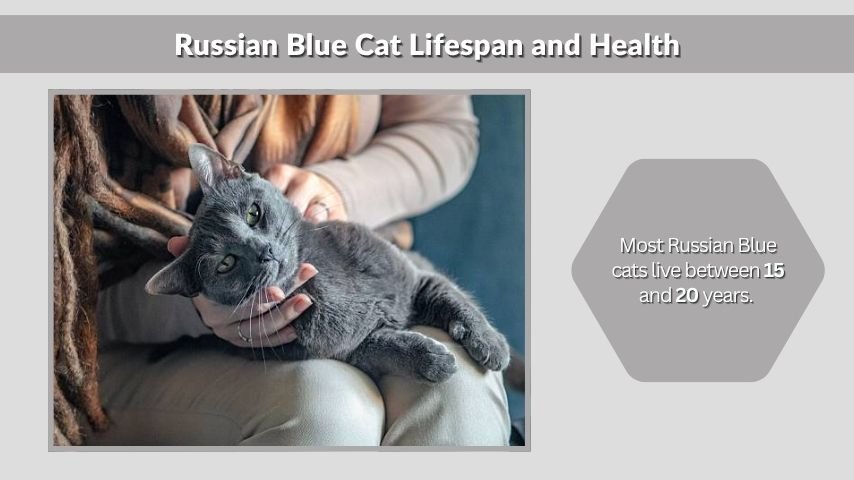
Russian Blue cats are generally considered one of the healthiest cat breeds. Their natural development and strong genetics contribute to excellent overall health and longevity. With proper care, nutrition, and routine veterinary visits, many Russian Blue cats enjoy long, active lives while maintaining their playful and affectionate personalities.
Average Lifespan
Most Russian Blue cats live between 15 and 20 years. Some individuals may exceed this range when provided with high-quality care and a safe indoor environment.
Common Health Issues
The breed is not strongly associated with many inherited diseases. However, regular health monitoring remains important for preventing and managing common feline health concerns.
Weight Management
Russian Blue cats often have hearty appetites and may gain weight if overfed. Proper portion control and daily exercise help maintain a healthy body condition.
Veterinary Care Needs
Routine vaccinations, dental care, parasite prevention, and annual wellness exams are essential for supporting long-term health.
Russian Blue Cat Diet and Nutrition
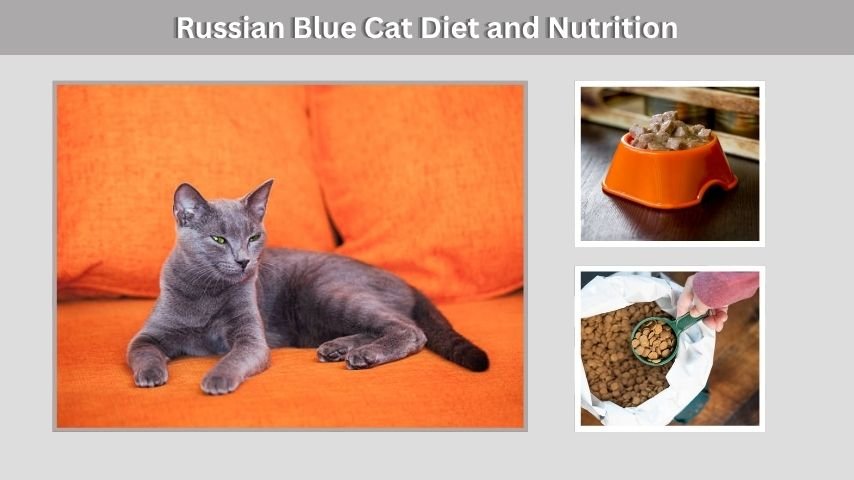
Proper nutrition plays a major role in maintaining the Russian Blue’s lean physique, healthy coat, and energy levels. A balanced diet rich in high-quality animal protein supports muscle development and overall wellness. Choosing nutritious food and avoiding harmful ingredients helps ensure optimal health throughout every life stage.
Best Food for Russian Blue Cats
A protein-rich diet containing quality meat sources is ideal for Russian Blue cats. Foods formulated for active indoor cats often meet their nutritional requirements.
Wet Food vs. Dry Food
Many owners feed a combination of wet and dry food. Wet food provides hydration, while dry food can be convenient and beneficial for dental health.
Foods to Avoid
Certain foods should never be fed to cats.
- Chocolate
- Onions
- Garlic
- Grapes
- Alcohol
- Xylitol
Maintaining Healthy Nutrition
Fresh water should always be available. Monitoring food intake and adjusting portions according to age and activity level helps prevent obesity.
How Much Does a Russian Blue Cat Cost?
The cost of owning a Russian Blue includes the purchase price as well as ongoing expenses. Prospective owners should consider food, veterinary care, grooming supplies, and other necessities before bringing a cat home. Understanding these financial commitments helps ensure responsible pet ownership.
Russian Blue Cat Price Range
A Russian Blue kitten from a reputable breeder typically costs between $800 and $2,500. Prices may vary depending on pedigree, location, breeder reputation, and demand.
Factors Affecting Cost
Several factors influence pricing, including bloodline quality, health testing, registration status, and breeder experience.
Annual Ownership Costs
Common yearly expenses include:
- Food and treats
- Veterinary care
- Vaccinations
- Toys and enrichment
- Pet insurance
- Grooming supplies
Russian Blue Cat Breeders, Adoption and Rescue
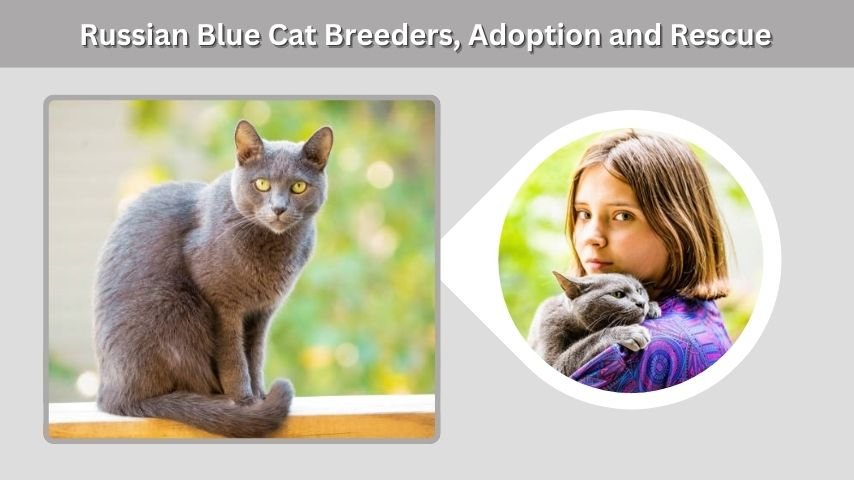
Whether purchasing from a breeder or adopting through a rescue organization, finding a healthy and well-socialized cat is essential. Responsible breeders and adoption groups prioritize animal welfare and provide valuable information about the cat’s health and background.
Choosing a Responsible Breeder
Reputable breeders perform health screenings, maintain clean facilities, and provide documentation regarding vaccinations and genetic testing.
Russian Blue Cat Adoption
Although less common than mixed-breed cats, Russian Blues can occasionally be found through breed-specific rescue groups and adoption organizations.
Russian Blue Rescue Organizations
Rescue groups sometimes specialize in purebred cats and can help match adopters with Russian Blue cats needing homes.
Warning Signs of Poor Breeders
Potential red flags include:
- No health records
- Extremely low prices
- Poor living conditions
- Lack of veterinary care
- Refusal to answer questions
Grooming and Care Requirements
The Russian Blue’s plush coat is surprisingly easy to maintain. While regular grooming is beneficial, the breed requires less maintenance than many long-haired cats. Consistent care routines contribute to good health, reduce shedding, and strengthen the bond between cat and owner.
Do Russian Blue Cats Shed?
Yes, Russian Blue cats shed, but generally less than many other breeds. Regular brushing helps remove loose hair and keep the coat healthy.
Coat Care
Weekly brushing is usually sufficient to maintain the coat’s texture and appearance. During seasonal shedding periods, more frequent grooming may be beneficial.
Nail and Dental Care
Routine nail trimming and dental hygiene help prevent common health issues and improve overall well-being.
Exercise Needs
Interactive toys, climbing structures, and daily play sessions provide important physical and mental stimulation.
Russian Blue Cat vs Other Similar Breeds
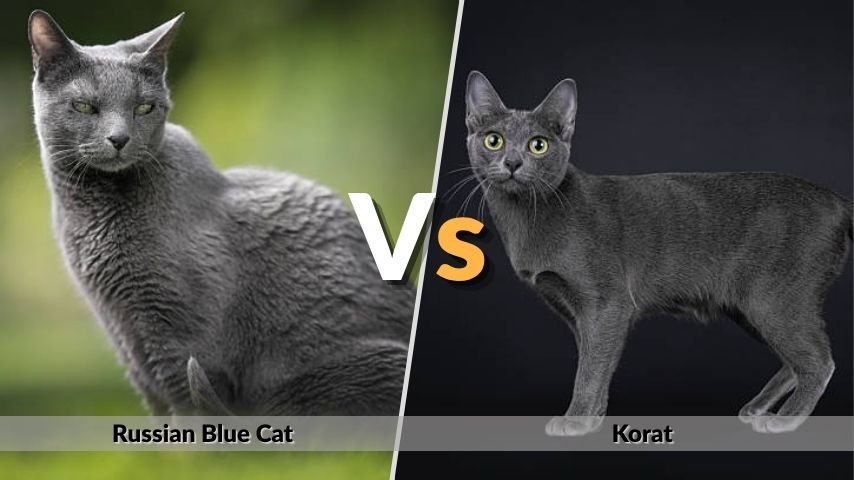
Russian Blue cats are often compared with other blue-gray breeds because of their similar appearance. However, several distinctive characteristics help separate them from other popular breeds.
Russian Blue vs Korat
Korat cats typically have a heart-shaped face and a single coat, while Russian Blues possess a wedge-shaped head and dense double coat.
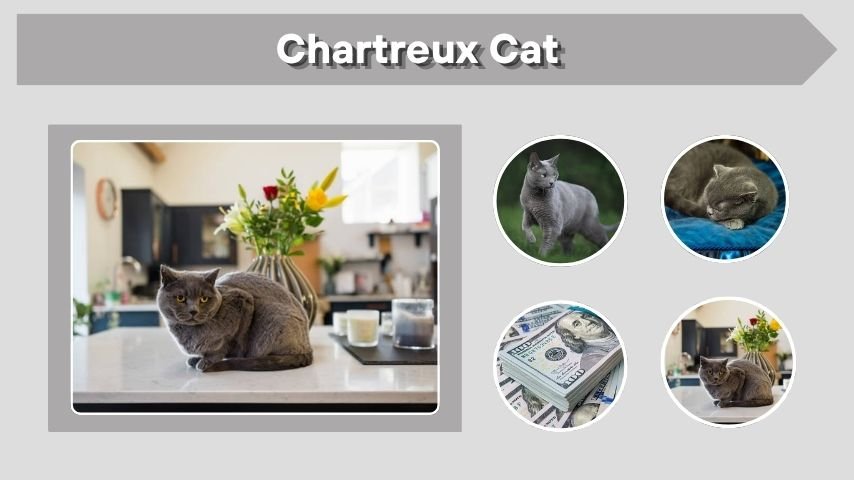
Russian Blue vs Chartreux
Chartreux cats are generally stockier and have copper-colored eyes, whereas Russian Blues are more slender and known for their vivid green eyes.
Russian Blue vs Domestic Gray Cat
Many gray domestic cats resemble Russian Blues, but purebred Russian Blues have a specific body structure, coat texture, and eye color that distinguish them from mixed-breed cats.
FAQs
Are Russian Blue cats really hypoallergenic?
Russian Blue cats are not completely hypoallergenic, but they may produce lower levels of the Fel d 1 allergen than many other breeds. Some allergy sufferers experience fewer symptoms around them.
How long do Russian Blue cats live?
Most Russian Blue cats live between 15 and 20 years with proper nutrition, regular veterinary care, and a healthy indoor lifestyle.
How much does a Russian Blue cat cost?
A Russian Blue kitten typically costs between $800 and $2,500 from a reputable breeder, depending on pedigree, location, and breeder reputation.
Do Russian Blue cats shed a lot?
Russian Blue cats do shed, but generally less than many other breeds. Weekly brushing is usually enough to keep their coat healthy and reduce loose hair.
Are Russian Blue cats good family pets?
Yes. Russian Blue cats are affectionate, intelligent, gentle, and usually get along well with children and other pets, making them excellent family companions.