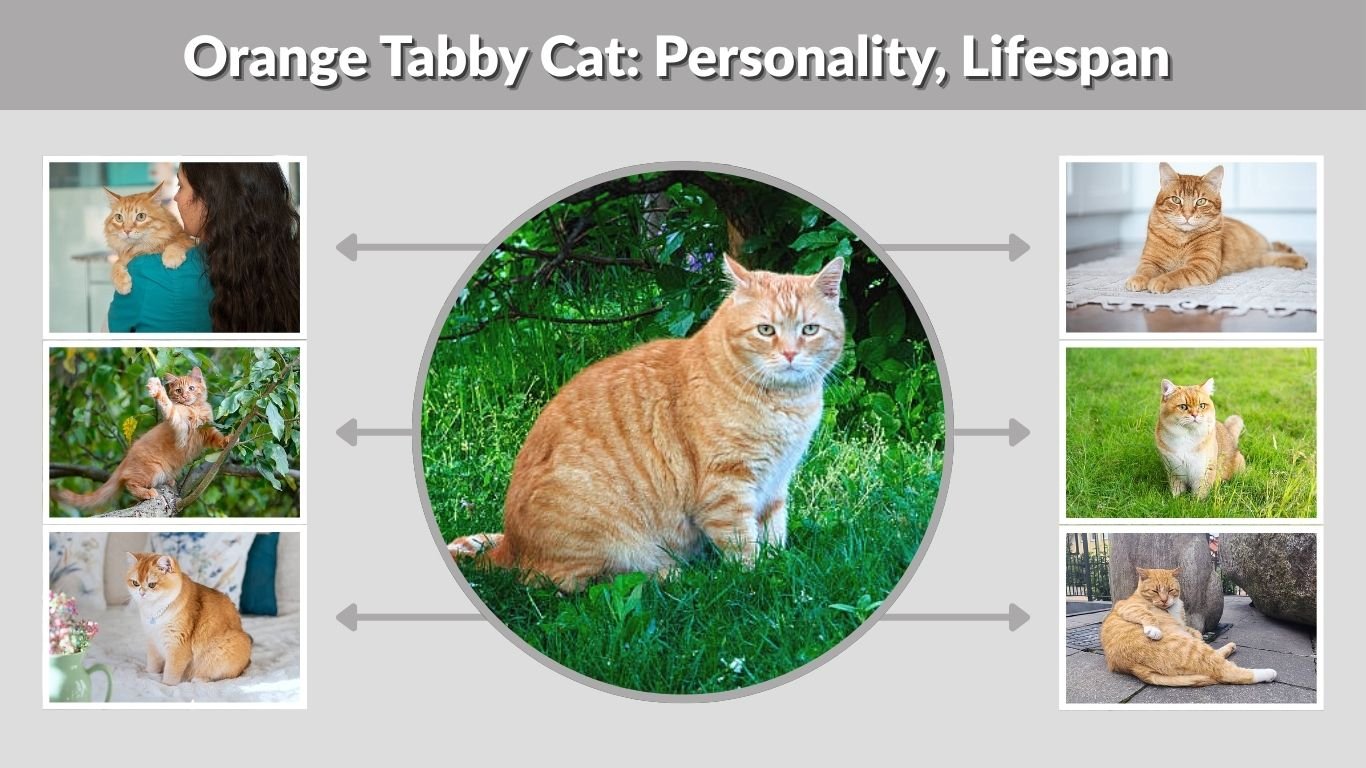
Orange tabby cats are among the most popular and recognizable cats in the world. With their warm orange coats, unique patterns, and friendly personalities, they easily stand out from other cats. Whether you’ve seen one in real life or online, their charm is hard to ignore.
Despite their popularity, many people misunderstand what an orange tabby actually is. They are not a specific breed but a combination of color and pattern that can appear in many different types of cats. Understanding their appearance, behavior, and traits can help you appreciate why they are so special.
What Is an Orange Tabby Cat?
An orange tabby cat is defined by its coat color and pattern, not its breed. The word “tabby” refers to a pattern in the fur, which includes stripes, swirls, or spots. The orange color can range from light cream to deep reddish tones.
One of the most recognizable features of any tabby cat is the “M” marking on the forehead. This marking appears in all tabby patterns and is a key identifier.
Orange tabbies can belong to many breeds, but most commonly they are domestic shorthair or longhair cats. This means their personality and size can vary, but they often share some common traits that make them popular among cat owners.
Orange Tabby Cat Appearance & Types
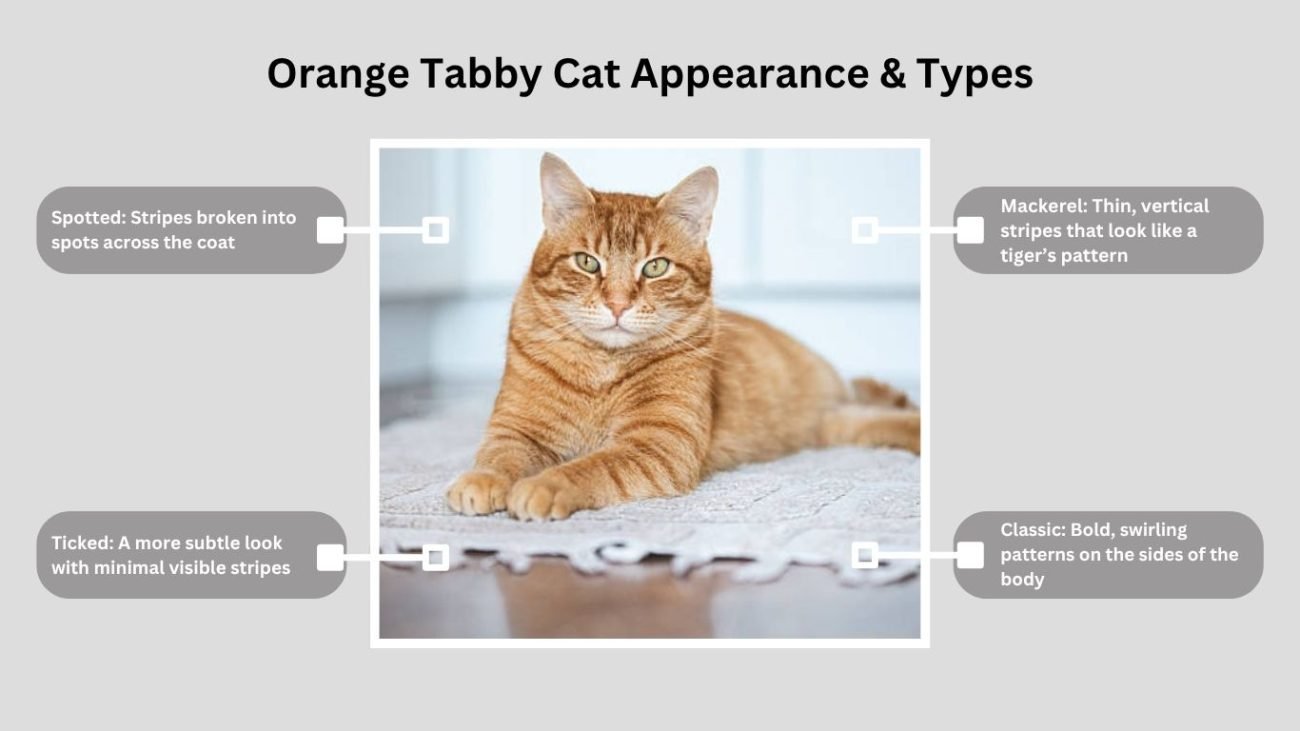
Orange tabby cats are visually unique because of their wide range of patterns and shades. No two are exactly alike, which adds to their appeal.
Common Coat Patterns
There are four main tabby patterns that orange cats can have:
- Mackerel: Thin, vertical stripes that look like a tiger’s pattern
- Classic: Bold, swirling patterns on the sides of the body
- Spotted: Stripes broken into spots across the coat
- Ticked: A more subtle look with minimal visible stripes
Each pattern gives the cat a distinct appearance, even though the base color remains orange.
Color Variations
The shade of orange can vary significantly. Some cats have a soft, pale orange coat, while others have a deeper, almost red tone. Many also have white markings on areas like the chest, paws, or face.
These variations make orange tabby cats highly diverse in appearance while still sharing the same basic traits.
Coat Length & Texture
Orange tabbies can have different coat types depending on their breed or genetics:
- Short-haired coats are smooth and easy to maintain
- Long-haired coats appear fluffy and fuller
- Some may have a thick, dense coat that requires more grooming
Their coat type affects grooming needs but does not change their tabby identity.
Orange Tabby Cat Personality & Behavior
Orange tabby cats are often known for their friendly and social nature. While personality can vary by individual, many owners describe them as affectionate and easygoing.
They tend to enjoy human interaction and often seek attention from their owners. Many orange tabbies are also playful and curious, making them entertaining companions.
Another common trait is their adaptability. They can adjust well to different environments, whether it’s a quiet home or a busy household.
Some typical personality traits include:
- Affectionate and people-oriented
- Playful and energetic
- Curious about surroundings
- Comfortable around families and children
Although not every orange tabby behaves the same way, these traits are commonly observed.
Male vs Female Orange Tabby Cats
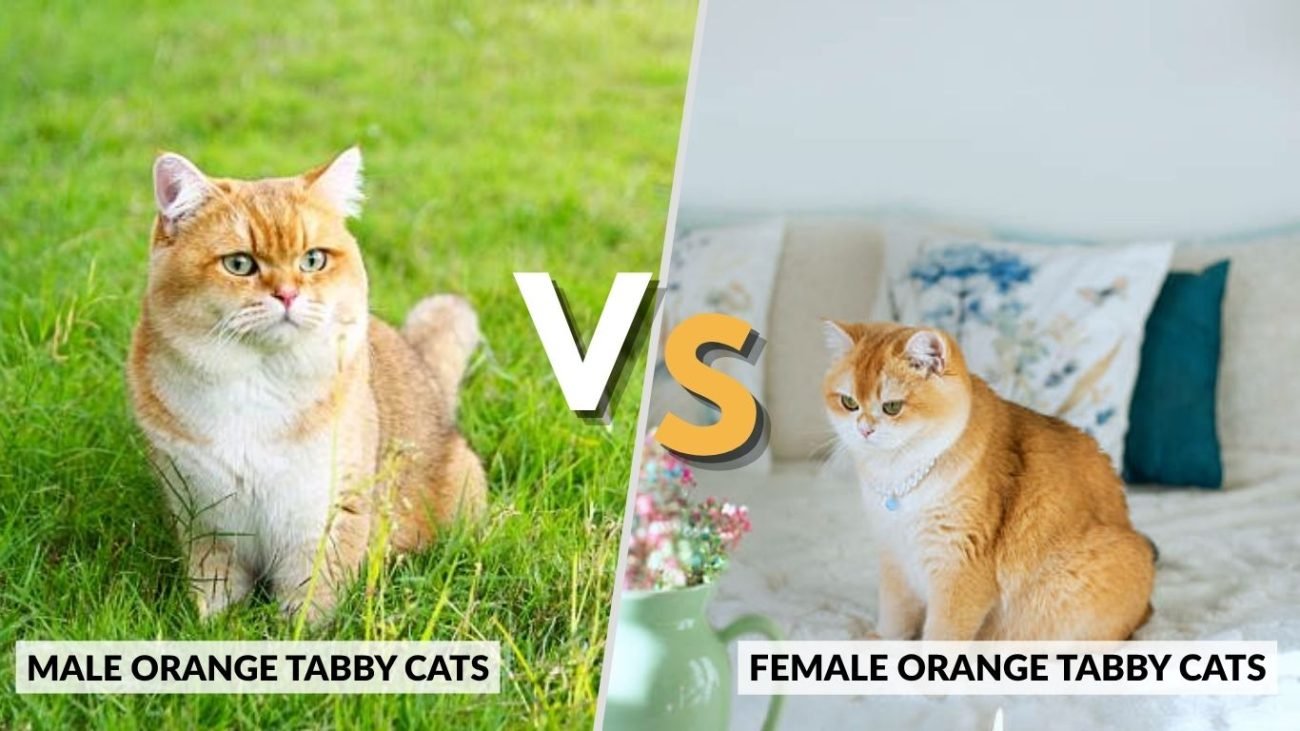
One of the most interesting facts about orange tabby cats is the difference between males and females. The orange color is linked to genetics, specifically the X chromosome.
Because of this, most orange tabby cats are male. In fact, around 70–80% of them are male, while females are less common.
Female orange tabbies do exist, but they are considered relatively rare compared to males. This makes them slightly more unique.
In terms of behavior, there is no strong scientific evidence that male and female orange tabbies behave very differently. Personality is more influenced by environment, upbringing, and individual temperament rather than gender alone.
Breeds That Can Have Orange Tabby Pattern
Many people ask what breed an orange tabby cat belongs to, but the truth is that orange tabby is not a breed. It is simply a coat pattern that appears in different breeds.
Some common breeds that can have an orange tabby pattern include:
- Maine Coon
- Persian
- American Shorthair
- British Shorthair
- Domestic Shorthair
Each of these breeds has its own characteristics, such as size, coat length, and personality. However, the orange tabby pattern can appear in any of them.
This is why two orange tabby cats can look and behave very differently even though they share the same color pattern.
Orange Tabby Cat Lifespan & Health
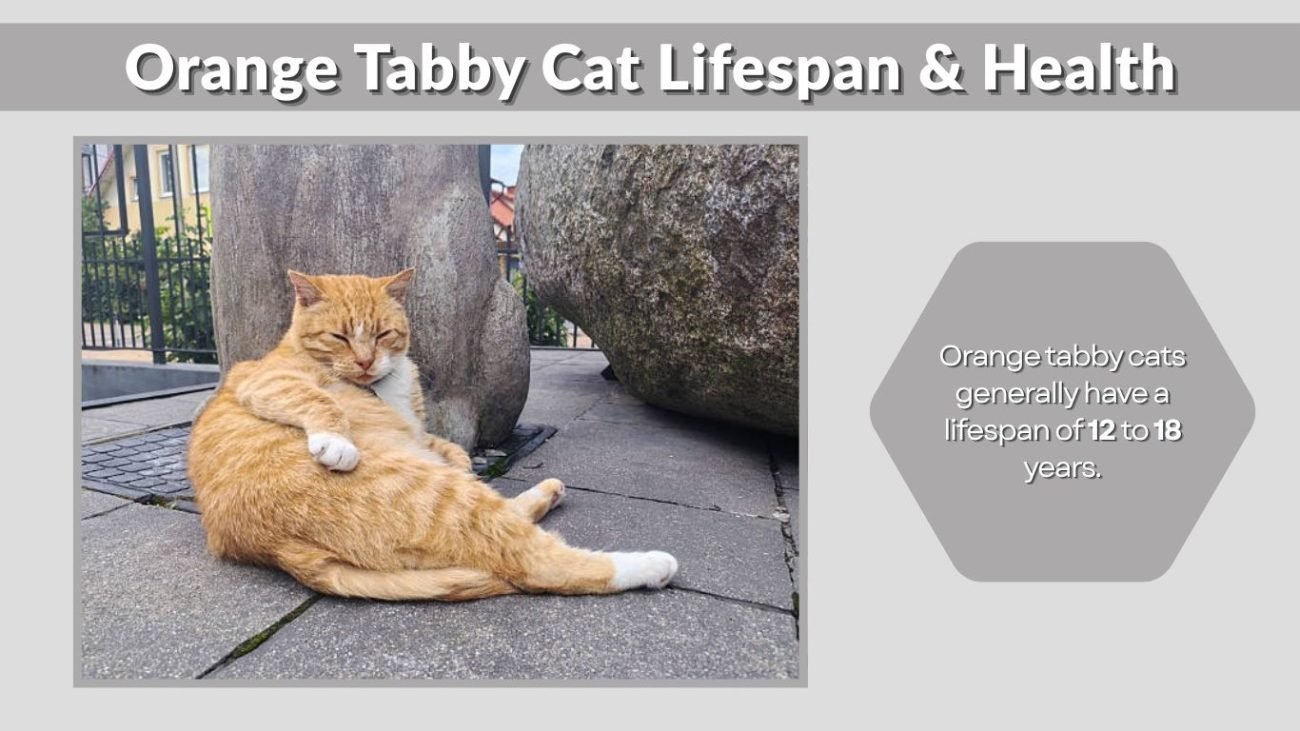
Orange tabby cats generally have a lifespan of 12 to 18 years, depending on their overall care and living conditions. Like other cats, their longevity is influenced by factors such as diet, environment, and regular veterinary care.
Indoor orange tabby cats usually live longer than outdoor cats because they are less exposed to dangers like accidents, predators, and diseases. Providing a safe and healthy environment plays a major role in extending their life.
Some factors that affect lifespan include:
- Balanced and nutritious diet
- Regular vet checkups and vaccinations
- Physical activity and mental stimulation
- Safe indoor living conditions
In terms of health, orange tabbies are not prone to specific diseases just because of their color. However, they can develop common feline health issues such as obesity, dental problems, or infections if not properly cared for.
Maintaining a healthy lifestyle is the best way to ensure your cat lives a long and happy life.
Orange Tabby Kittens: What to Expect
Orange tabby kittens are incredibly adorable and full of energy. From a young age, they display playful and curious behavior, often exploring everything around them.
Their coat patterns may not be fully visible at birth, but as they grow, their stripes and markings become more defined. You may also notice changes in their shade of orange as they mature.
During the early stages of life, kittens require special care and attention. Key things to consider include:
- Providing a warm and safe environment
- Feeding age-appropriate kitten food
- Socializing them with people and other pets
- Regular health checkups
Proper care during kittenhood helps shape their personality and ensures they grow into healthy adult cats.
Cost, Adoption & Buying Guide
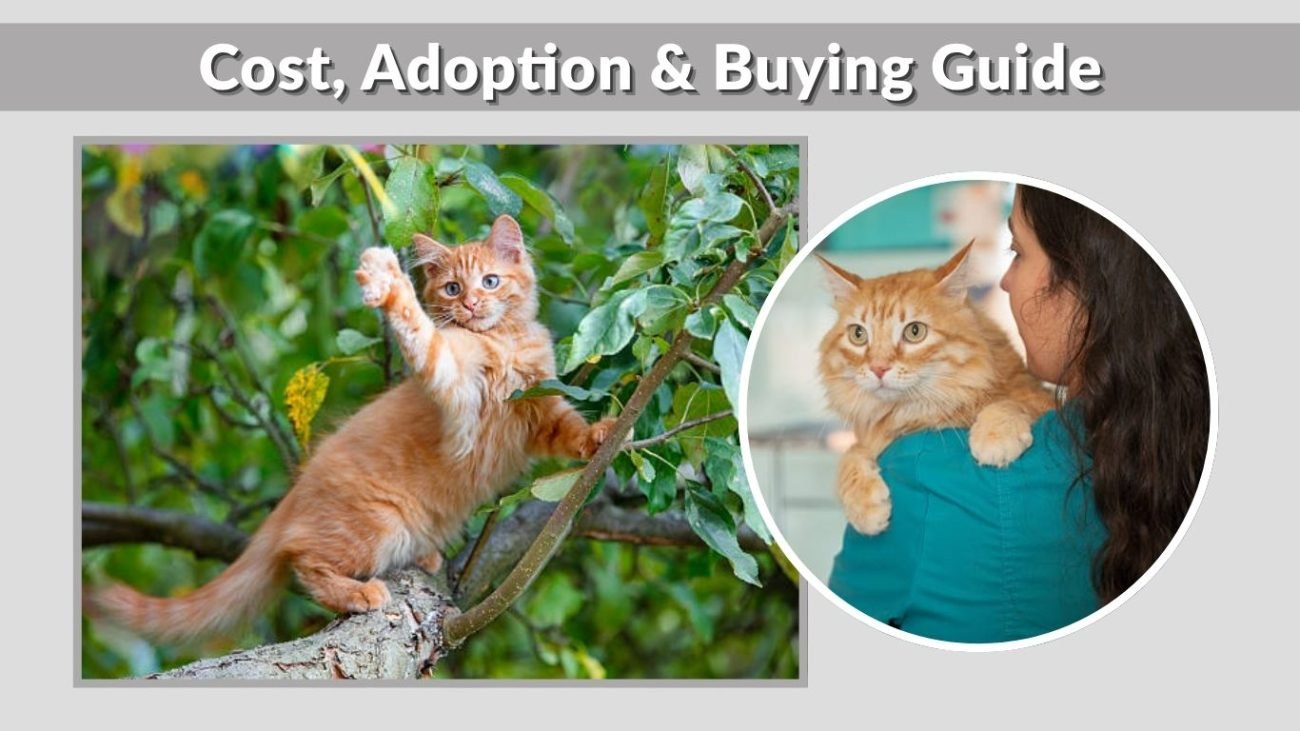
If you’re considering getting an orange tabby cat, it’s important to understand the costs and options available.
Buying an Orange Tabby Cat
The price of an orange tabby cat can vary depending on factors like breed, age, and location. On average, cats from breeders may cost more, especially if they belong to a specific breed like Maine Coon or Persian.
Other factors that influence cost include:
- Breed and pedigree
- Age (kittens are often more expensive)
- Health status and vaccinations
- Seller or breeder reputation
Adoption Options
Adoption is often a more affordable and ethical option. Many orange tabby cats are available in shelters and rescue centers looking for loving homes.
Benefits of adoption include:
- Lower cost compared to buying
- Supporting animal welfare
- Giving a cat a second chance at life
Adopting a cat can be a rewarding experience while also helping reduce the number of homeless animals.
Fun Facts About Orange Tabby Cats
Orange tabby cats have some interesting and unique traits that make them even more lovable.
- Most orange tabby cats are male due to genetics
- They are often called “ginger cats” in many countries
- Many famous fictional cats are orange tabbies
- Each tabby has a unique pattern, like a fingerprint
These fun facts add to their charm and popularity among cat lovers.
Orange Tabby Cat Names Ideas
Choosing a name for your orange tabby can be fun and creative. Their bright color often inspires unique and playful names.
Here are some popular ideas:
- Food-inspired names like Mango, Pumpkin, or Honey
- Famous names like Garfield or Simba
- Cute names based on personality or appearance
Pick a name that matches your cat’s personality and makes you happy every time you call it.
FAQs
Are all orange tabby cats male?
No, not all orange tabby cats are male, but most of them are. Around 70–80% are male due to genetics linked to the X chromosome. Female orange tabbies are less common but still exist.
What breed is an orange tabby cat?
An orange tabby is not a breed. It is a coat pattern that can appear in many breeds, including Maine Coon, Persian, and Domestic Shorthair cats.
How long do orange tabby cats live?
Orange tabby cats typically live between 12 and 18 years. Their lifespan depends on factors like diet, healthcare, and whether they live indoors or outdoors.
Are orange tabby cats friendly?
Yes, orange tabby cats are often known for being friendly, social, and affectionate. However, personality can vary depending on the individual cat and its environment.