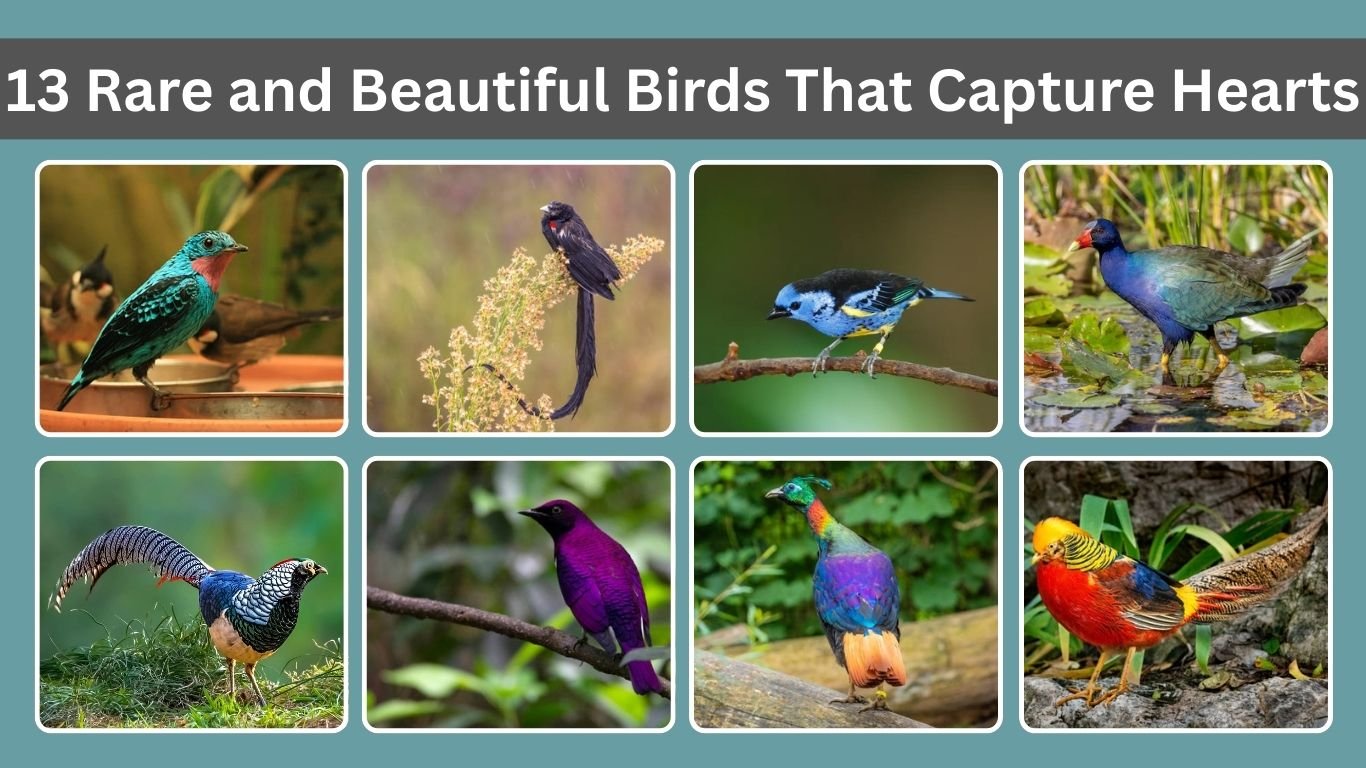
Birds have always fascinated people with their colors, songs, and graceful movements, but some stand out as true natural gems. From the rainbow-like feathers of the Gouldian Finch to the mystical beauty of the Resplendent Quetzal, these rare and stunning species captivate bird lovers around the world. Each of them tells a story of nature’s artistry, blending vibrant colors with unique behaviors and habitats. In this list, we’ll explore 13 of the cutest, rarest, and most beautiful birds that showcase the diversity and wonder of the avian world.
1. Gouldian Finch
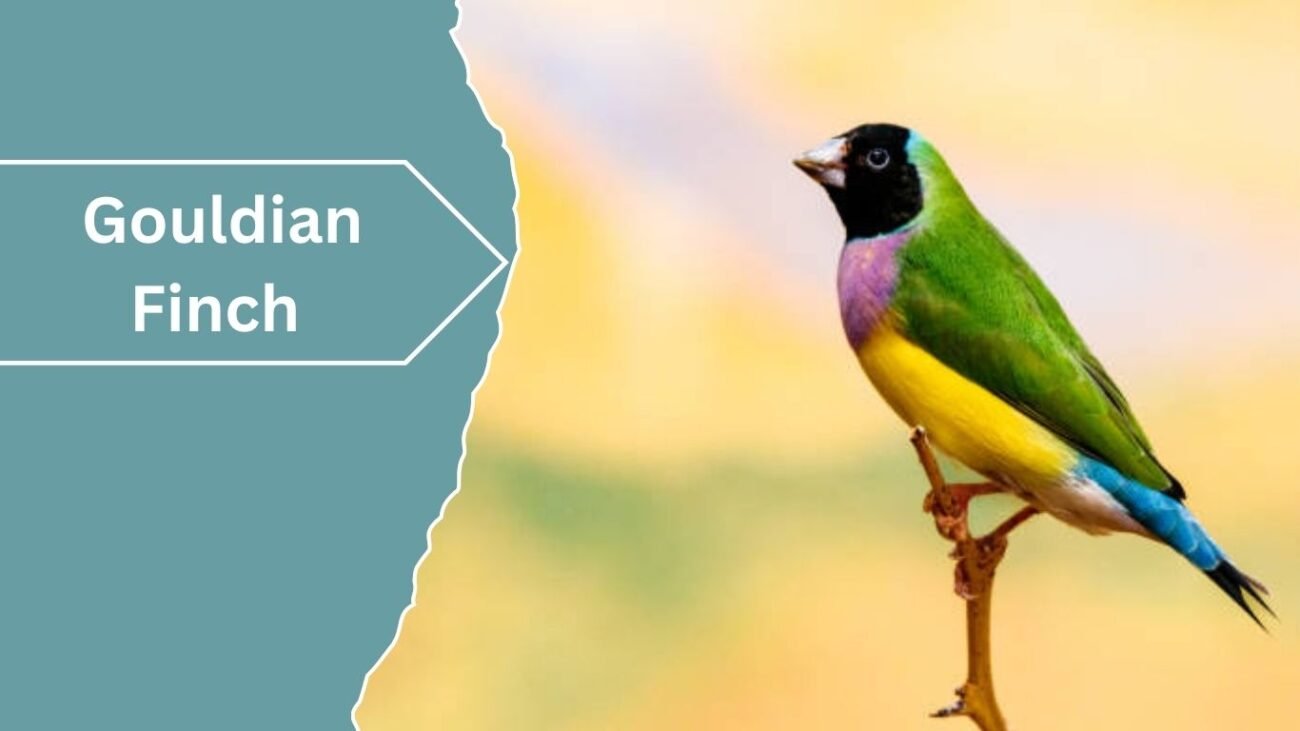
The Gouldian Finch, also known as the “Rainbow Finch,” is one of the most strikingly colorful pet birds. Originating from northern Australia, it is admired for its vibrant plumage and gentle nature. Though rare in the wild, they are popular in aviculture for their beauty.
Identification
- Size: 5–6 inches (13–15 cm)
- Color: Mix of red, yellow, green, blue, and purple
- Lifespan: 5–8 years in captivity
- Distinctive tri-color head variations: red, black, or yellow
Behavior
Gouldian Finches are social birds that thrive in small flocks. They are peaceful, non-aggressive, and often spend time chirping softly. However, they can be shy and prefer calm environments.
Care
These finches need a spacious cage with room for flying. A diet of high-quality finch seed mix, millet, egg food, and fresh greens is essential. They also require clean water and cuttlebone for calcium.
Breeding
Breeding Gouldian Finches can be delicate. They need nest boxes, soft nesting material, and a stress-free environment. Both parents take turns incubating eggs and feeding chicks.
Special Notes
Because of their sensitivity, they are best for experienced bird keepers. With proper care, they bring color and beauty into any home.
2. Wilson’s Bird-of-Paradise
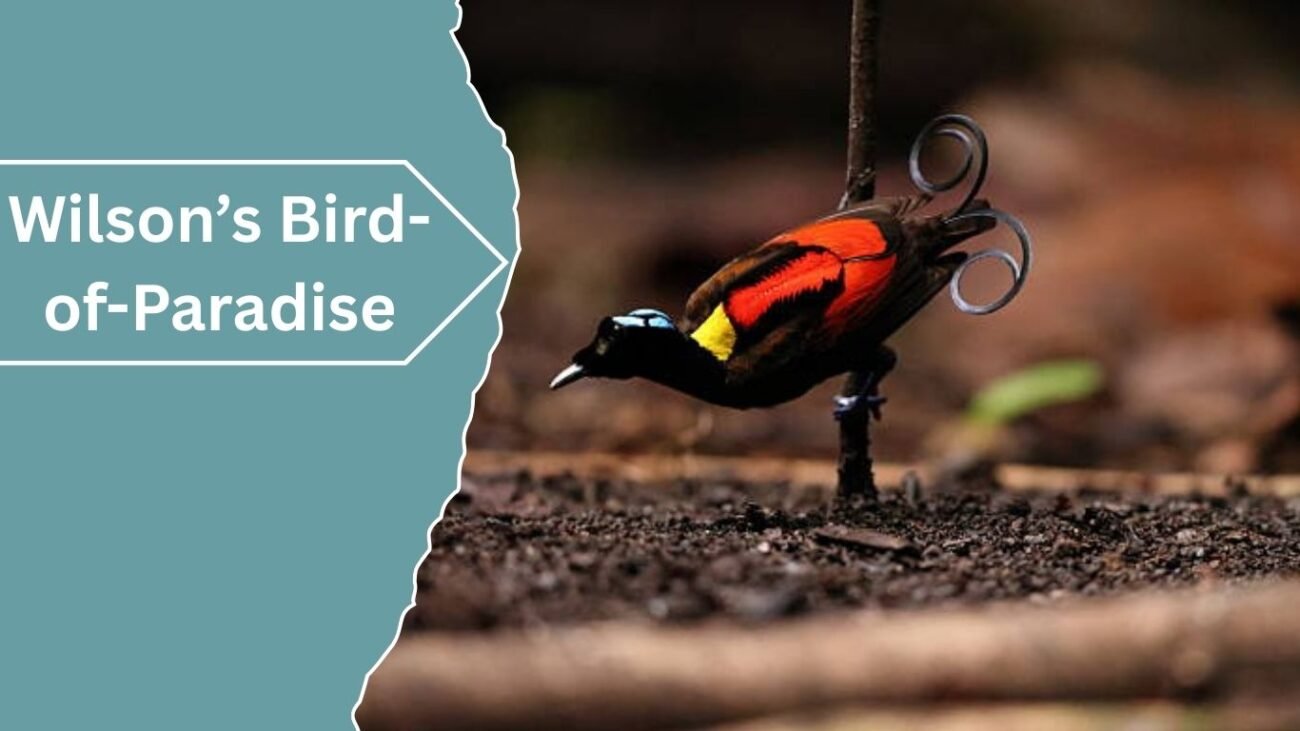
The Wilson’s Bird-of-Paradise is one of the most spectacular and rare birds, found mainly in Indonesia’s islands. Its bright, contrasting colors and unique tail feathers make it a true gem among bird lovers.
Identification
- Size: Around 6 inches (15 cm)
- Color: Red back, yellow cape, green breast, blue bald head
- Tail: Distinctive spiral-shaped tail feathers
- Lifespan: 5–8 years in the wild
Behavior
Males perform elaborate courtship dances to attract females, displaying their colorful plumage. They are active, territorial, and spend much time foraging for food.
Care
This bird is extremely rare in captivity and not a common pet. In the wild, it thrives in lowland rainforests. Protection of its habitat is vital for survival.
Breeding
Males clear “courtship arenas” on the forest floor to impress females. Breeding success depends heavily on undisturbed natural habitats.
Special Notes
Wilson’s Bird-of-Paradise is considered near threatened due to habitat loss, making conservation efforts crucial.
3. Lady Amherst’s Pheasant
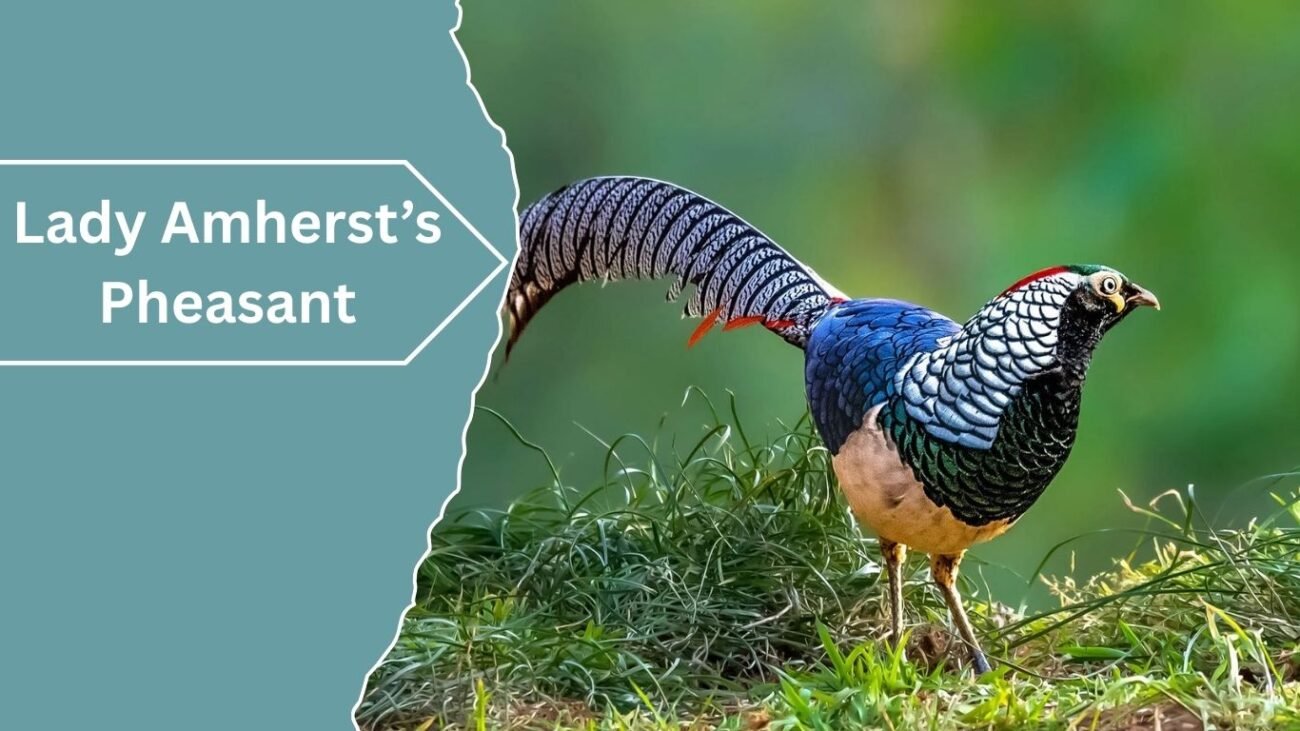
Lady Amherst’s Pheasant is a beautifully patterned bird known for its ornate feathers and striking appearance. Originally from southwestern China and Myanmar, it has also been introduced to other regions.
Identification
- Size: 40–47 inches (100–120 cm), including long tail
- Color: White, red, green, gold, and black
- Tail: Extra-long, banded tail feathers
- Lifespan: 6–10 years in captivity
Behavior
These pheasants are shy and elusive. They spend much of their time on the ground, foraging for seeds, grains, and insects, but will fly short distances if disturbed.
Care
In captivity, they require large aviaries with shelter, natural ground cover, and balanced diets including seeds, greens, and insects.
Breeding
Males display their feathers in elaborate courtship dances. Breeding usually occurs in spring, and females lay clutches of 6–12 eggs.
Special Notes
Their stunning plumage makes them highly prized in aviaries, though they are less common as household pets.
4. Resplendent Quetzal
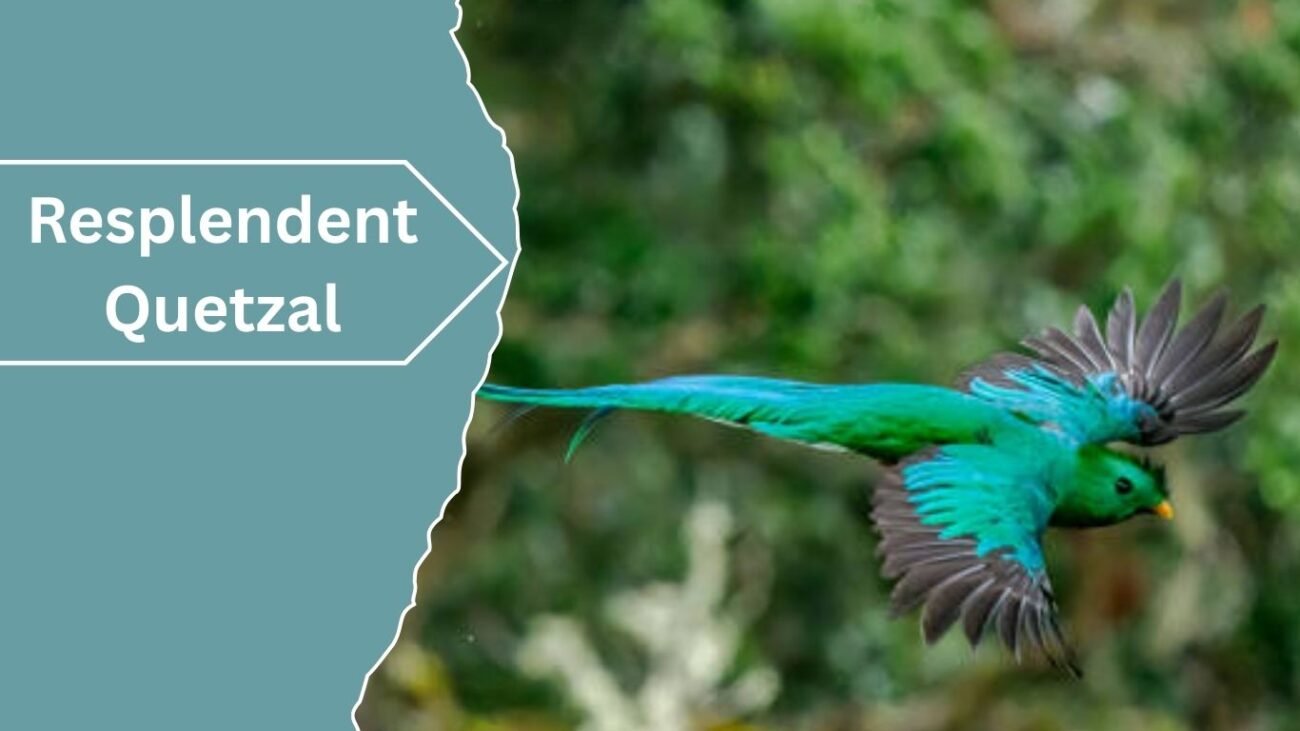
The Resplendent Quetzal is often called one of the most beautiful birds in the world. Native to Central America, especially the cloud forests of Guatemala and Costa Rica, it has long been a cultural and spiritual symbol for ancient civilizations like the Maya and Aztec. Its shimmering emerald-green feathers and long, flowing tail give it an almost mythical appearance.
Identification
- Size: 14 inches (35 cm), males with tail up to 26 inches (65 cm)
- Color: Brilliant green body, crimson chest, golden highlights
- Lifespan: 20–25 years in the wild
- Distinctive feature: Male’s extremely long twin tail feathers
Behavior
Quetzals are shy and elusive, preferring dense, misty forests. They feed mainly on fruits, especially wild avocados, but also eat insects and small frogs. Their calm, graceful flight adds to their legendary status.
Care
These birds do not survive well in captivity and require untouched habitats to thrive. Conservation programs focus on preserving cloud forests to protect them.
Breeding
During breeding season, males display their long tail feathers to attract females. They nest in tree cavities, often laying 2–3 eggs.
Special Notes
The Resplendent Quetzal is the national bird of Guatemala and a symbol of freedom, as it is said they cannot live in captivity.
5. Nicobar Pigeon
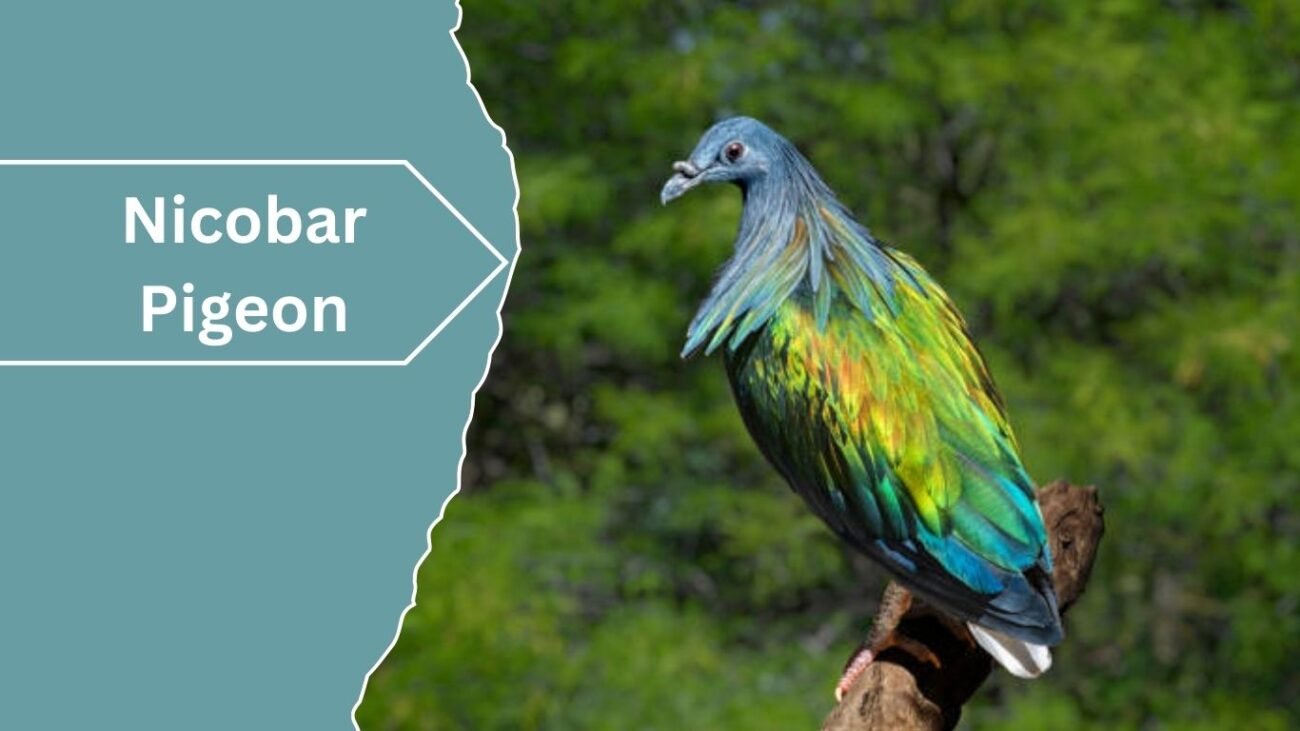
The Nicobar Pigeon is a rare, colorful bird found in Southeast Asia and the Pacific islands, especially around the Nicobar Islands. Known for its metallic green, copper, and blue plumage, it is one of the closest living relatives of the extinct dodo. Its unique beauty and rarity make it highly admired among bird enthusiasts.
Identification
- Size: 16 inches (40 cm)
- Color: Metallic green, copper-bronze wings, white tail
- Lifespan: 10–15 years
- Distinctive feature: Long hackle-like neck feathers
Behavior
Nicobar Pigeons are ground foragers, feeding on seeds, fruits, and grains. They fly in flocks between islands, which makes them vulnerable to hunting and habitat loss. They are known to be calm, gentle, and social in nature.
Care
In captivity, they require large aviaries with natural plants, fresh fruits, seeds, and constant access to clean water. They need protection from predators due to their ground-feeding habits.
Breeding
They build simple platform nests in trees. Females usually lay one egg, which both parents incubate.
Special Notes
Due to hunting and deforestation, they are classified as Near Threatened. Their shimmering feathers are often used in jewelry, making conservation critical.
6. Splendid Fairywren
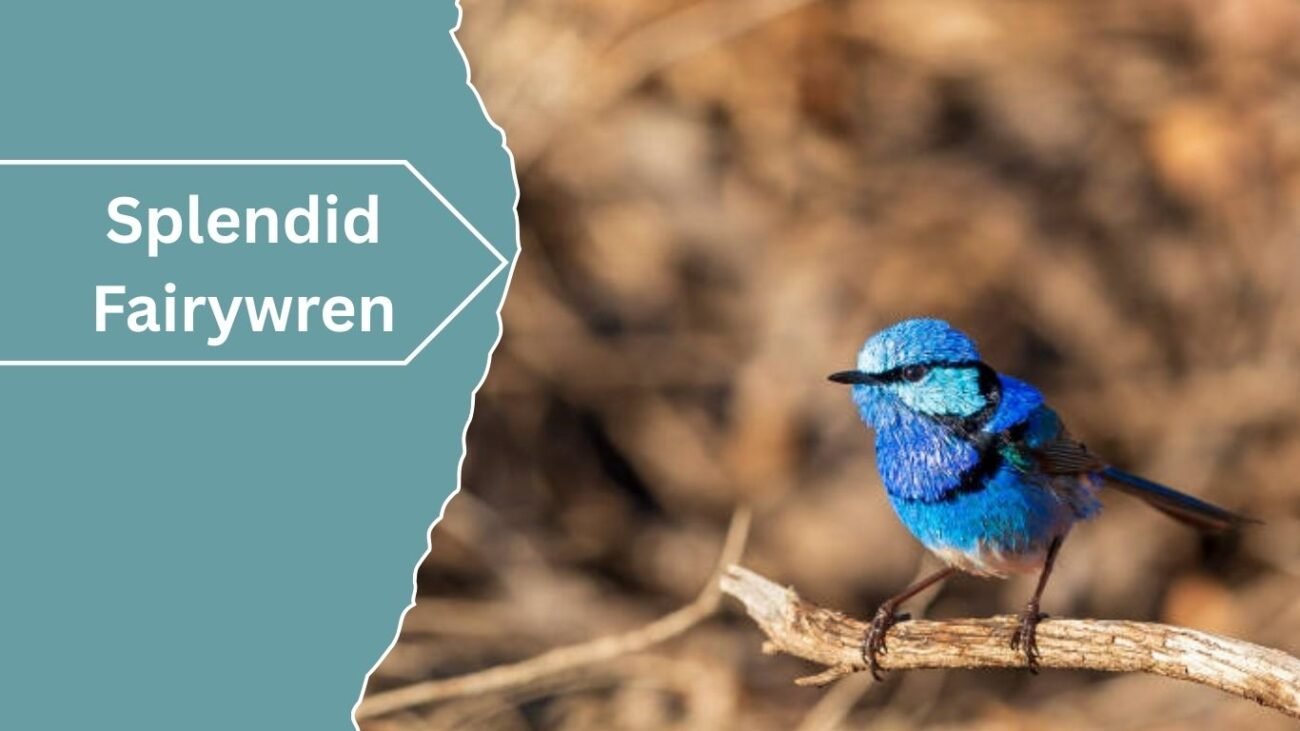
The Splendid Fairywren is a dazzlingly colorful small bird native to Australia. Males, especially during breeding season, are famous for their bright cobalt-blue plumage that seems to glow in sunlight, while females are mostly brown with subtle blue tails. This stark contrast makes the species both charming and fascinating to birdwatchers.
Identification
- Size: 5.5 inches (14 cm)
- Color: Breeding males are cobalt blue; females are brown with blue tinges
- Lifespan: 5–7 years
- Distinctive feature: Vibrant blue feathers on head and chest in males
Behavior
Splendid Fairywrens are highly social, living in cooperative family groups. Males are known for their courtship ritual of presenting yellow petals to females. They are active, hopping among shrubs and singing softly.
Care
They adapt well in spacious aviaries with dense shrubs and insects to feed on. A diet of mealworms, seeds, and fruits keeps them healthy.
Breeding
Females build dome-shaped nests in low shrubs. Clutches usually contain 2–4 eggs, cared for by both parents and helpers.
Special Notes
They are iconic Australian birds and symbolize vibrancy and resilience in nature.
7. Violet-backed Starling
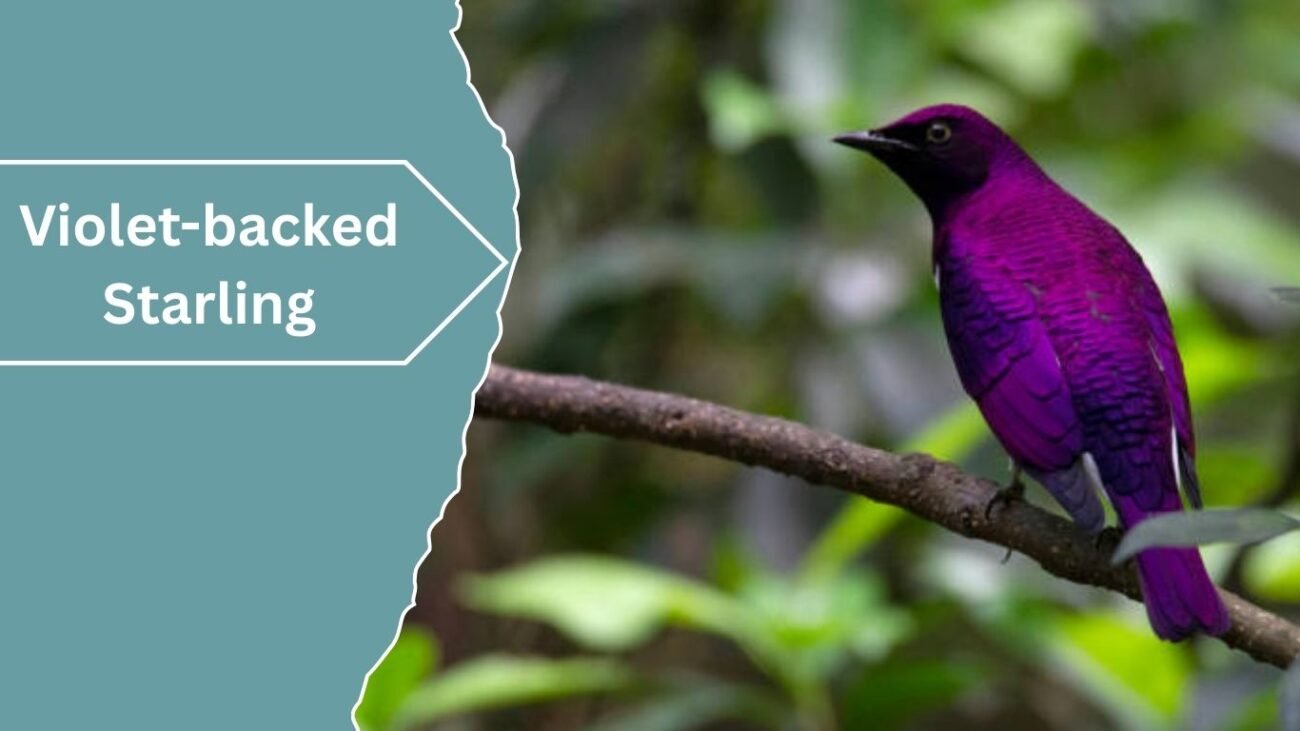
The Violet-backed Starling, also known as the Plum-colored Starling, is one of Africa’s most striking songbirds. Males boast an iridescent violet-purple plumage that shimmers in the light, while females are brown and streaked, blending with their environment. This sexual dimorphism makes them fascinating for bird lovers.
Identification
- Size: 7 inches (18 cm)
- Color: Males—shiny violet back and head with white underparts; females—brown streaked
- Lifespan: 7–10 years
- Distinctive feature: Iridescent violet sheen in males
Behavior
These starlings are highly active, often found in small flocks. They feed on fruits, berries, and insects. Their melodious calls make them popular among birdwatchers.
Care
In captivity, they require aviaries with plenty of space and perches. A diet of mixed fruits, insects, and grains is essential.
Breeding
They nest in tree cavities, often reusing old woodpecker holes. Females incubate eggs while males provide food.
Special Notes
Their glowing purple plumage has earned them the nickname “jewel of the forest.”
8. Himalayan Monal
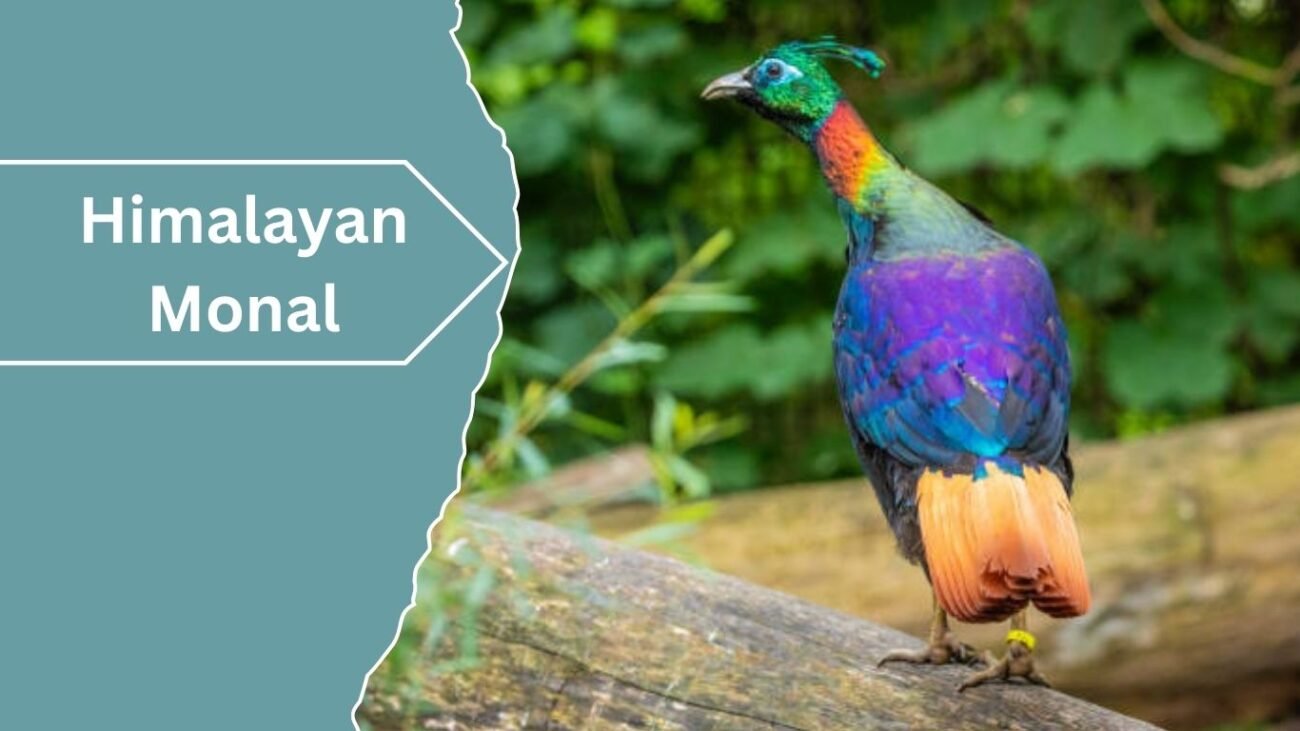
The Himalayan Monal, also called the Impeyan Monal, is the national bird of Nepal and admired for its dazzling, multi-colored plumage. Found in the Himalayan forests and alpine meadows, this bird is not only beautiful but also resilient, thriving in high-altitude regions.
Identification
- Size: 27 inches (70 cm) including tail
- Color: Iridescent mix of green, blue, purple, and copper in males; females are brown with white streaks
- Lifespan: 10–12 years
- Distinctive feature: Metallic rainbow-like sheen on feathers
Behavior
They are ground foragers, digging with strong beaks for roots, seeds, insects, and tubers. Monals are hardy birds, active even in snowy environments, and prefer to stay in small flocks.
Care
In captivity, they need large aviaries with cool climates, rocky ground, and space to roam. A varied diet of grains, vegetables, and insects is essential.
Breeding
Breeding occurs in spring and summer. Males court females with feather displays. Females lay 3–5 eggs, incubating them for nearly four weeks.
Special Notes
The Himalayan Monal’s iridescent feathers were once highly sought after, leading to hunting pressures. Today, conservation efforts protect this magnificent species.
9. Long-tailed Widowbird
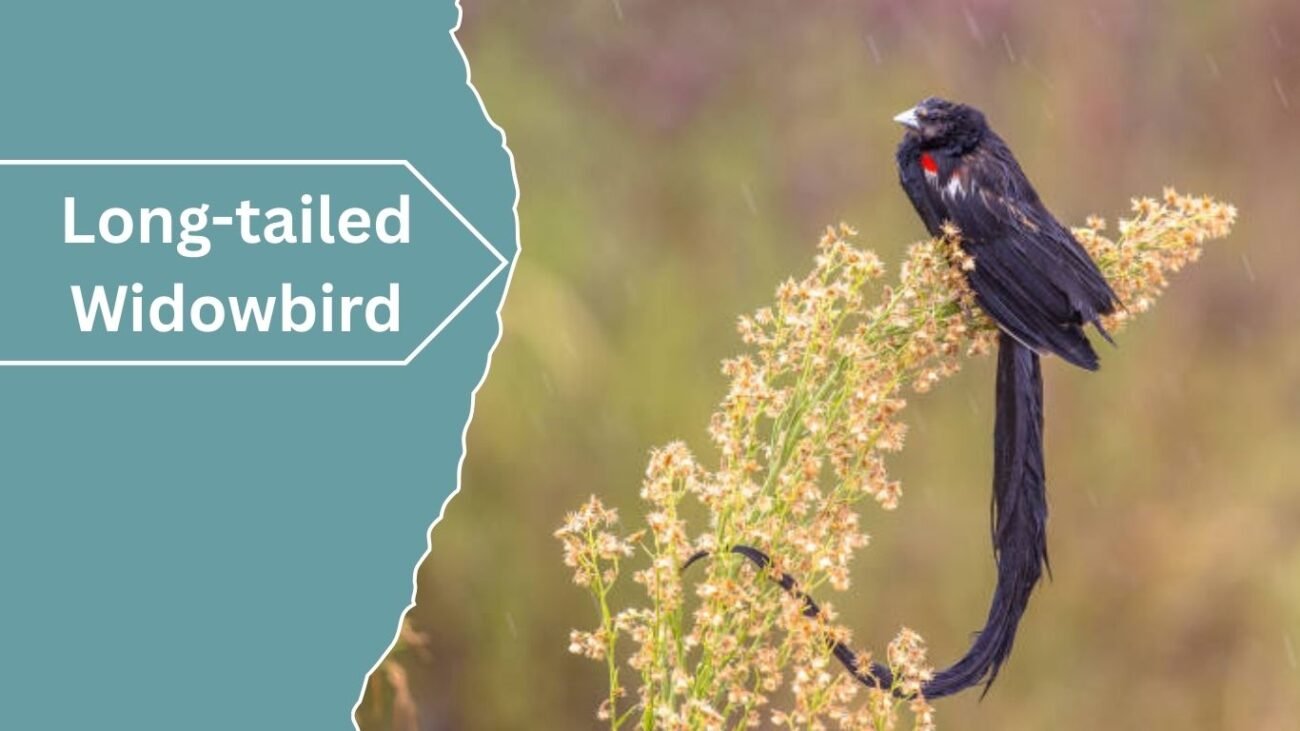
The Long-tailed Widowbird, native to southern Africa, is famous for the male’s exceptionally long tail feathers, which can reach up to three times the length of its body during breeding season. This striking feature makes it one of the most spectacular display birds in the world.
Identification
- Size: Body length 14 inches (36 cm); males’ tails can extend over 20 inches (50 cm)
- Color: Males are black with orange and white shoulder patches; females are brown and streaked
- Lifespan: 8–10 years
- Distinctive feature: Long flowing tail feathers of males
Behavior
Males perform aerial displays, flying slowly with tails spread to attract females. They are polygynous, often courting multiple females. These birds feed mainly on seeds, grasses, and insects.
Care
In aviaries, they require wide spaces for flying and showcasing their tail displays. A balanced diet of seeds, greens, and protein is needed.
Breeding
During the breeding season, males build multiple nests to impress females. Females lay 2–4 eggs, incubating them alone while males continue displaying.
Special Notes
The extravagant tail feathers are a classic example of sexual selection in nature, making the Long-tailed Widowbird a unique spectacle.
10. Spangled Cotinga
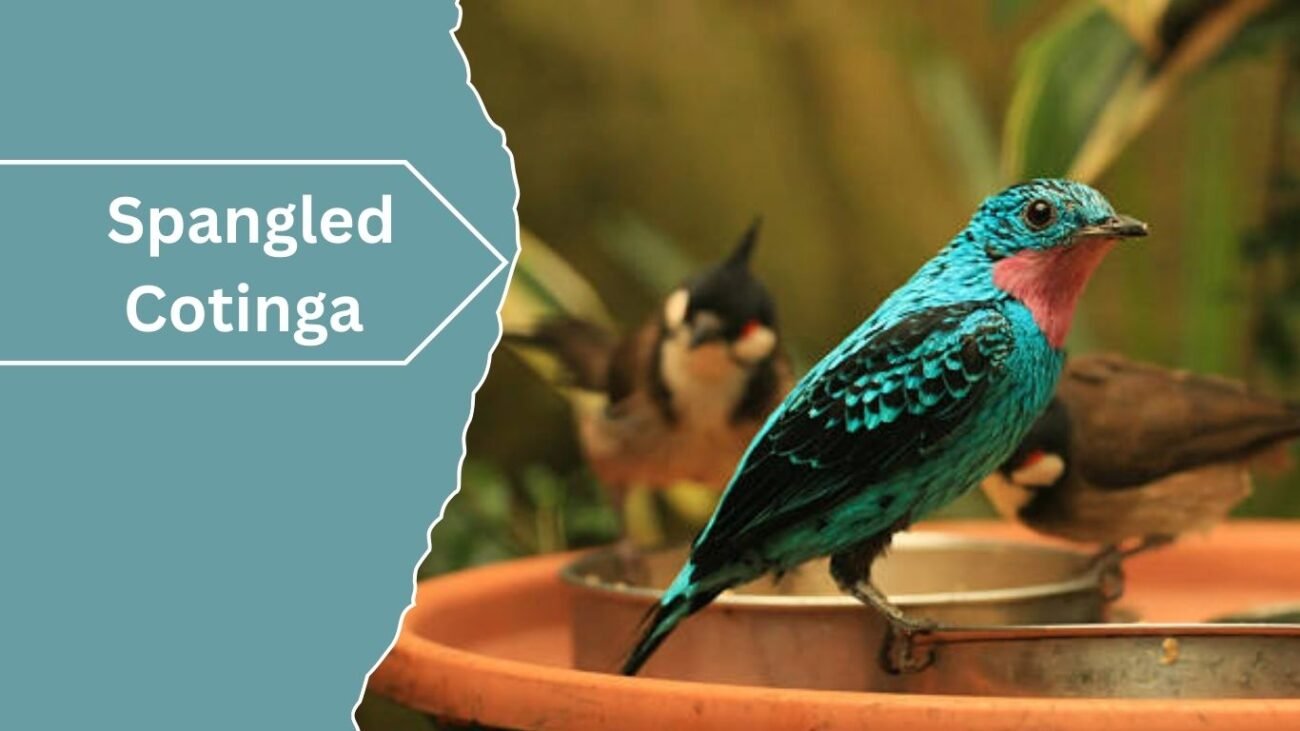
The Spangled Cotinga is a breathtaking bird found in the Amazon rainforest, admired for its brilliant turquoise-blue feathers that sparkle under sunlight. Males are especially vibrant, while females display more subdued brown plumage for camouflage. This striking contrast highlights their unique beauty and rarity.
Identification
- Size: 7 inches (18 cm)
- Color: Males are turquoise-blue with purple throats; females are brown and streaked
- Lifespan: 8–10 years
- Distinctive feature: Iridescent, spangled feathering on males
Behavior
Spangled Cotingas are quiet and elusive. They perch high in the canopy, often going unnoticed despite their bright colors. Their diet mainly consists of fruits, especially figs, which they forage in small groups.
Care
Not typically kept in captivity, they require large forested areas to thrive. They play a vital role in seed dispersal, making them ecologically important.
Breeding
Breeding habits are less documented, but females are responsible for building nests and raising chicks. Males focus on display and courtship rituals.
Special Notes
They are considered a jewel of the Amazon, prized by birdwatchers for their dazzling colors and rarity.
11. Turquoise Tanager
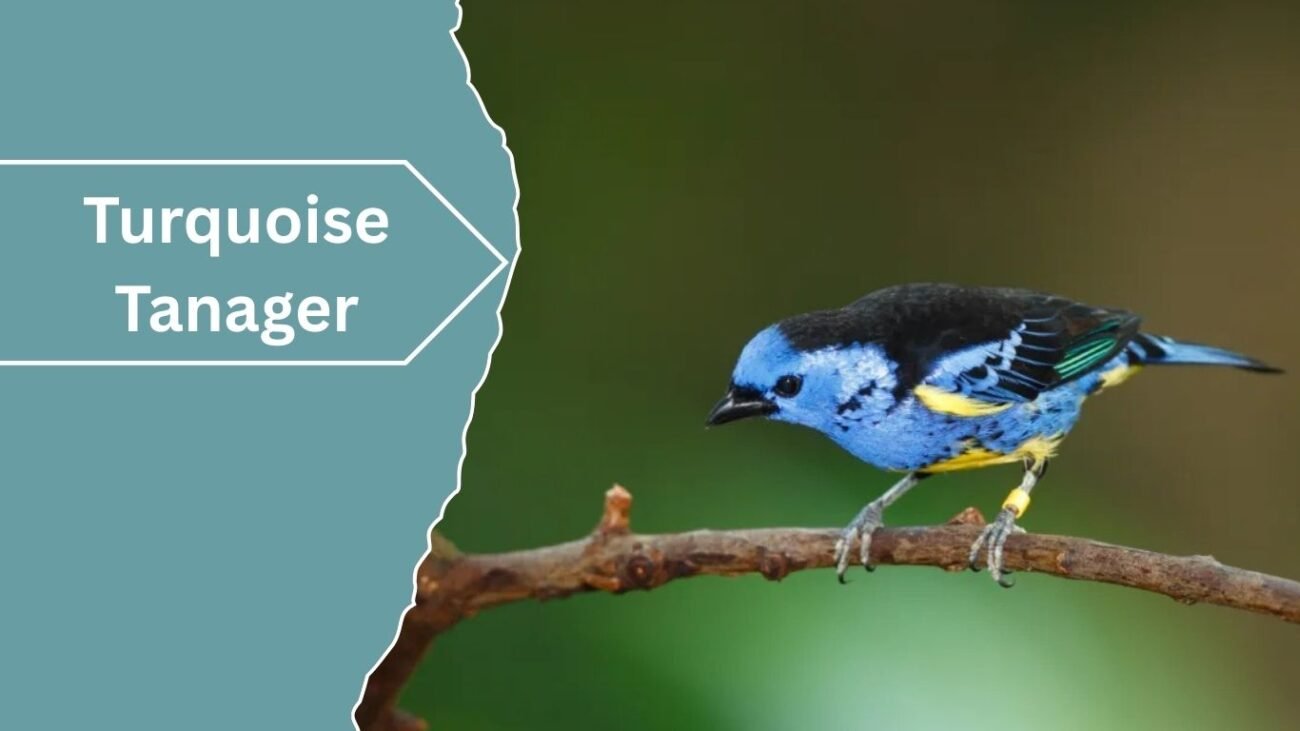
The Turquoise Tanager is a brightly colored songbird found in South America, especially in the Amazon Basin and Trinidad. Its striking mix of turquoise, yellow, and black makes it one of the most beautiful tanagers, highly admired by bird lovers.
Identification
- Size: 6 inches (15 cm)
- Color: Turquoise-blue body, yellow belly, black wings and face
- Lifespan: 7–9 years
- Distinctive feature: Vivid turquoise plumage combined with contrasting yellow
Behavior
These birds are social and active, often moving in small flocks. They are energetic feeders, searching for fruits, seeds, and insects. Their cheerful chirping adds life to the forests they inhabit.
Care
In captivity, they require spacious aviaries with natural perches, fresh fruits, seeds, and protein-rich foods like mealworms. Clean water is also essential.
Breeding
Turquoise Tanagers build cup-shaped nests in trees. Females lay 2–3 eggs, and both parents participate in feeding the young.
Special Notes
Their vibrant colors and musical calls make them a favorite among birdwatchers in tropical regions.
12. Golden Pheasant
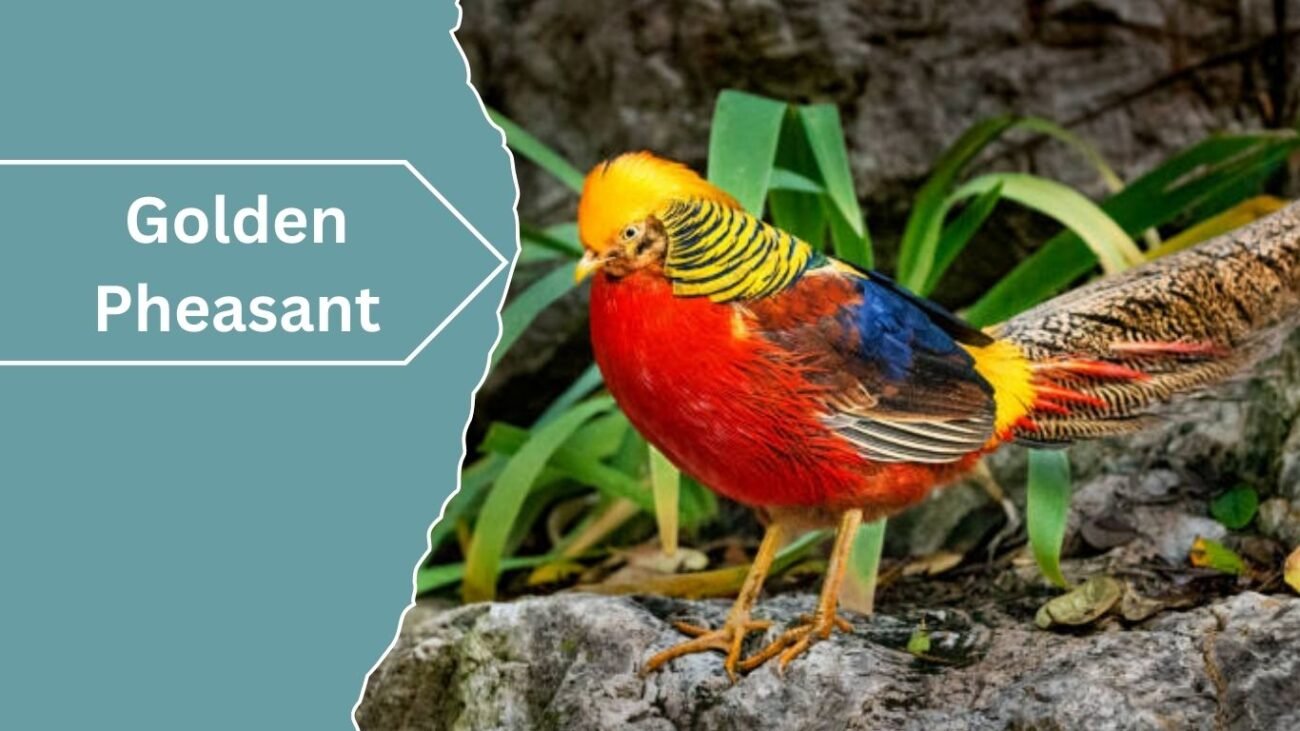
The Golden Pheasant, also known as the Chinese Pheasant, is one of the most vividly colored birds in the world. Native to the forests and mountains of western China, it is admired for its golden crest, bright red body, and flowing golden-yellow feathers. These birds symbolize prosperity and luck in Chinese culture.
Identification
- Size: 35–41 inches (90–105 cm), including tail
- Color: Golden crest, red breast, green back, and golden-yellow rump
- Lifespan: 10–15 years
- Distinctive feature: Striking golden crest and cape-like feathers
Behavior
Golden Pheasants are shy on the ground but become bold when accustomed to their surroundings. They feed on seeds, berries, and small insects while roaming forest floors. Males display their vivid plumage to attract females.
Care
In aviaries, they need large outdoor enclosures with vegetation for shelter. A diet of grains, vegetables, and insects ensures their health. They adapt well when given space and care.
Breeding
Males put on elaborate displays, fanning out their golden cape feathers. Females lay 8–12 eggs, incubating them for about 22 days.
Special Notes
Their vibrant plumage makes them a favorite in aviaries worldwide, representing beauty and luck.
13. Purple Gallinule
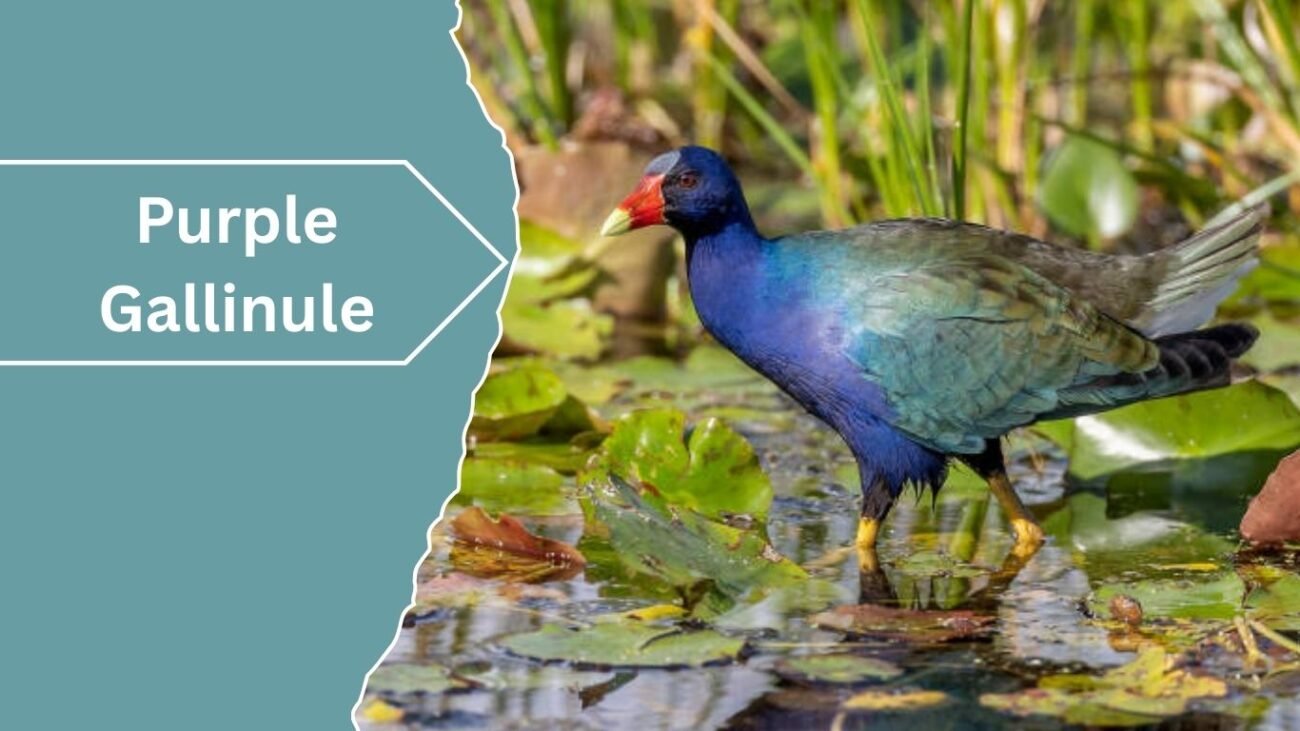
The Purple Gallinule is a stunning bird found in wetlands, swamps, and marshes of the southeastern United States, Central America, and the Caribbean. Its dazzling combination of purple, blue, and green feathers, paired with a bright red and yellow beak, makes it stand out among water birds.
Identification
- Size: 10–15 inches (25–38 cm)
- Color: Iridescent purple-blue body, green wings, red and yellow bill, and yellow legs
- Lifespan: 9–12 years
- Distinctive feature: Bright multi-colored plumage and long yellow legs
Behavior
They are agile climbers and swimmers, often walking across lily pads to forage for food. Purple Gallinules eat seeds, berries, insects, and aquatic plants. They are curious and often unafraid of humans.
Care
In captivity, they require wetland-like habitats with shallow water and vegetation. A diet of aquatic plants, fruits, and protein-rich foods is necessary.
Breeding
They build floating nests among reeds or lily pads. Females lay 5–10 eggs, and both parents care for the chicks.
Special Notes
Their rainbow-like coloration and lively behavior make them one of the most eye-catching water birds in the Americas.