











outh American Ostrich: Species, Habitat, and A
The South American ostrich, more accurately known as the rhea, is one of the most fascinating flightless birds native to the southern continent. Although often compared to the African ostrich, rheas belong to a different family and have evolved unique traits that suit the grasslands and open plains of South America. These birds are symbols of resilience, adaptability, and balance within the continent’s diverse ecosystems.
Species of South American Ostrich
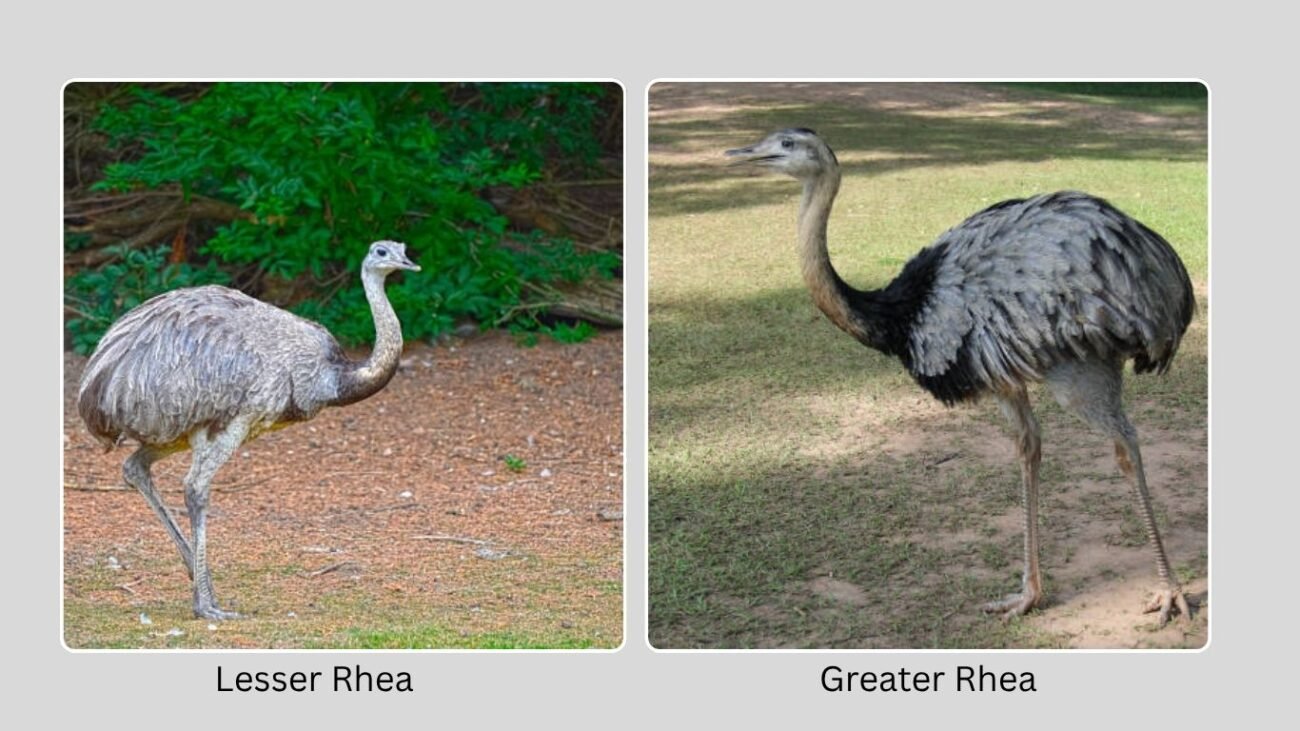
Greater Rhea (Rhea americana)
The Greater Rhea is the largest bird in South America, standing up to 1.7 meters tall and weighing around 25 kilograms. It inhabits wide stretches of grassland across Argentina, Brazil, Uruguay, and Paraguay. These birds thrive in open landscapes where visibility helps them detect predators such as foxes and pumas.
Their soft, gray-brown feathers provide natural camouflage, and they can run at impressive speeds, reaching up to 60 kilometers per hour. Unlike many birds, rheas do not rely on flight for escape but rather their strong legs and sharp awareness.
Lesser Rhea (Rhea pennata)
The Lesser Rhea, also called Darwin’s Rhea, lives in the colder, harsher environments of Patagonia and the Andes Mountains. It is smaller than its northern cousin and covered in thicker feathers that protect it from frigid winds.
This species gained fame through Charles Darwin’s studies in the 1830s, which contributed to evolutionary theory. The Lesser Rhea’s ability to survive in sparse vegetation and cold climates demonstrates its remarkable adaptability.
Physical Characteristics and Unique Traits
Rheas resemble their African relatives but have notable differences. They are smaller, lighter, and have three toes on each foot instead of two. This gives them better grip when running across uneven terrain. Their feathers are soft, grayish-brown, and evenly distributed across the body — unlike the African ostrich, whose males have contrasting black and white plumage.
Adaptations for Survival
- Speed and Endurance: Rheas are strong runners, capable of short bursts of up to 60 km/h to evade predators.
- Wings for Balance: Though flightless, they use their wings to steer and maintain balance while running.
- Camouflage Feathers: Their muted feather tones blend seamlessly into grasslands and scrub environments.
- Excellent Vision: Large eyes allow them to spot movement from great distances.
- Efficient Physiology: Adapted to conserve water, they can survive long periods without direct access to it.
These combined features make the rhea an exceptional example of evolutionary adaptation to South America’s varied terrains.
Habitat and Distribution
Geographic Range
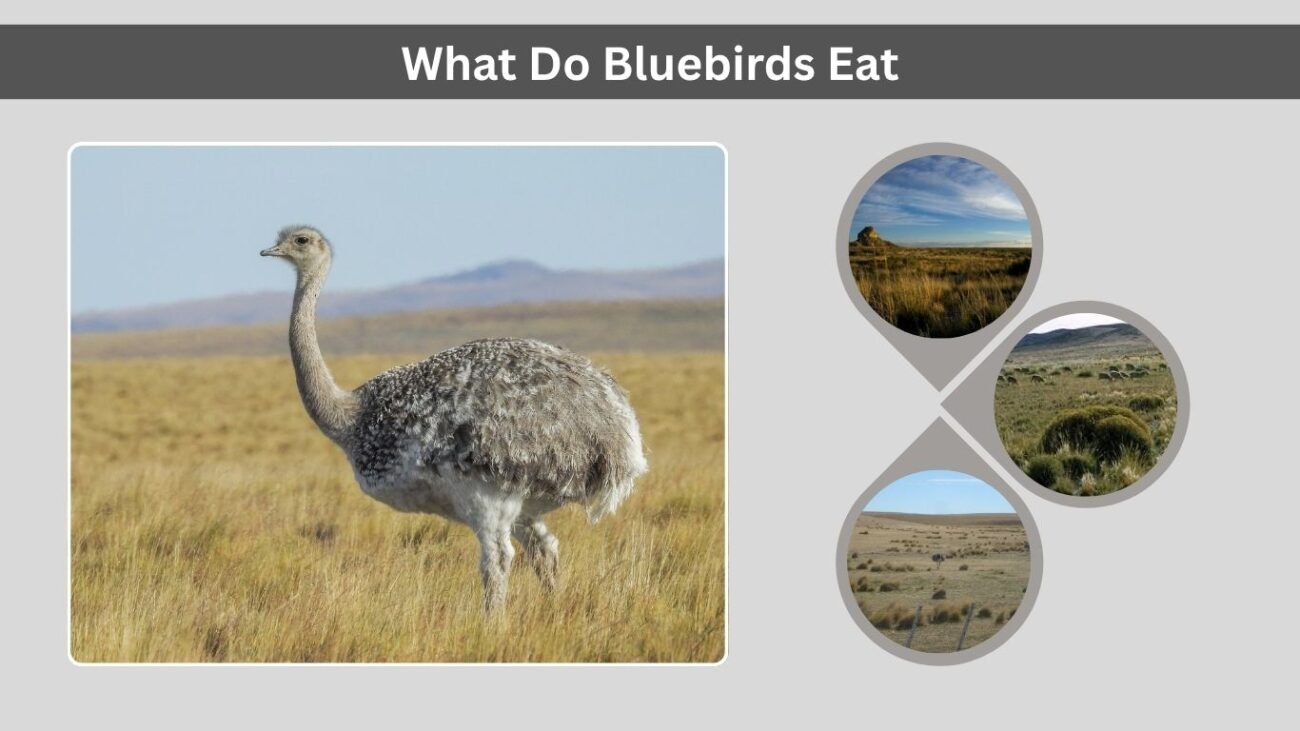
South American ostriches inhabit wide open regions such as the Pampas, Chaco plains, and Patagonian steppes. The Greater Rhea favors warm, grassy lowlands and agricultural fields, while the Lesser Rhea prefers colder plateaus and mountain foothills.
Argentina, Brazil, and Uruguay support the largest populations, while smaller groups exist in Paraguay, Chile, and Bolivia. The variety of climates and ecosystems across these countries enables rheas to occupy both humid and arid zones.
Environmental Preferences
Rheas need expansive spaces with low vegetation for easy movement and predator awareness. They often share their habitat with guanacos, deer, and grazing livestock. During breeding seasons, they may migrate short distances in search of nesting grounds rich in food and cover.
Their strong tolerance for heat and cold helps them adapt to changing environmental conditions — a survival advantage in regions affected by seasonal droughts or frosts.
Behavior and Diet
Feeding Patterns
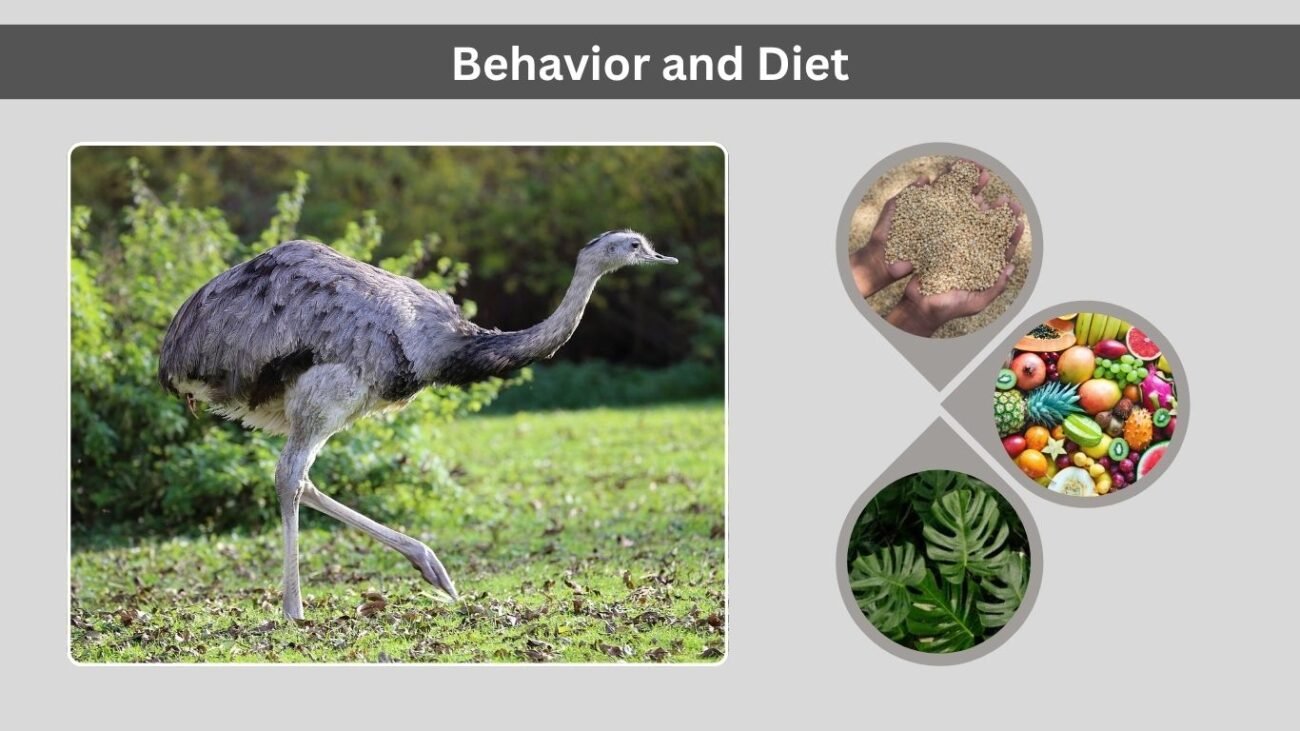
Rheas are omnivorous, eating a balanced diet of seeds, fruits, roots, leaves, and insects. Occasionally, they feed on lizards and small reptiles. Their long necks and flexible beaks help them forage efficiently through tall grass and shrubs.
They play a key ecological role by dispersing seeds, which promotes vegetation growth across the grasslands. This makes them vital contributors to maintaining the balance of South American ecosystems.
Social Structure
Rheas are social birds that live in flocks, especially outside the breeding season. These groups often include 10 to 20 individuals and provide collective safety. During the breeding period, males become territorial and separate from the group to form nesting zones.
They communicate through low booming sounds and body movements, signaling danger or readiness to mate. This strong social organization ensures both protection and reproductive success.
Reproduction and Parenting
Rheas have one of the most fascinating breeding systems among birds. During mating season, males establish territories and attract several females through display rituals involving wing-flapping, neck stretching, and soft booming calls.
Each male mates with multiple females, who all lay their eggs in a single large nest that the male constructs on the ground. This communal nest can contain 10 to 60 eggs, and remarkably, the male takes on the full responsibility of incubation and protection.
The incubation period lasts about 35 to 40 days, during which the male becomes extremely defensive, often chasing away predators or even humans who approach too closely. Once the chicks hatch, the male leads them to feeding areas and guards them until they are old enough to survive independently. This strong parental behavior ensures the survival of many young rheas, despite natural threats.
Conservation and Population Status
Threats to South American Ostriches
Over the past century, rhea populations have declined due to hunting, egg collection, and habitat loss. Expanding agriculture in Argentina and Brazil has reduced the open grasslands they rely on. Additionally, the illegal trade of feathers and eggs has further impacted their numbers.
The Greater Rhea is listed as Near Threatened in some regions, while certain populations of the Lesser Rhea face local endangerment. Poaching, fencing that disrupts migration routes, and competition with livestock are continuing challenges.
Protection Efforts
Governments and conservation organizations have developed several initiatives to protect these unique birds. In Argentina’s Patagonia National Park and Chile’s Torres del Paine, conservationists are reintroducing Lesser Rheas into safe habitats. Captive breeding programs and protected reserves help maintain genetic diversity.
Public education and eco-tourism also play a major role. Visitors can observe rheas in natural settings, contributing to conservation funding and awareness. Promoting sustainable land management is essential for ensuring these flightless birds continue to roam freely across South America’s plains.
Economic and Cultural Importance
Rhea Farming
Rhea farming, though smaller in scale than African ostrich farming, is gaining popularity in Argentina and Brazil. Farmers raise rheas for their lean meat, strong leather, and decorative feathers. The meat is tender, low in fat, and high in protein, making it suitable for export markets that value healthy and exotic food options.
Their feathers are used for dusters and crafts, while the skin, though thinner than ostrich leather, is prized for small accessories. Farming rheas also reduces poaching pressure on wild populations, promoting a sustainable alternative to hunting.
Cultural Symbolism
In South American folklore, rheas symbolize alertness, protection, and endurance. Indigenous peoples such as the Mapuche and Guarani tribes incorporated the bird into legends and dances, celebrating its grace and adaptability.
Rhea feathers have been used in ceremonial attire, and eggshells often serve as painted ornaments or symbolic objects in festivals. The rhea’s enduring presence in South American culture reflects humanity’s long-standing relationship with this remarkable bird.
Comparison with African Ostrich
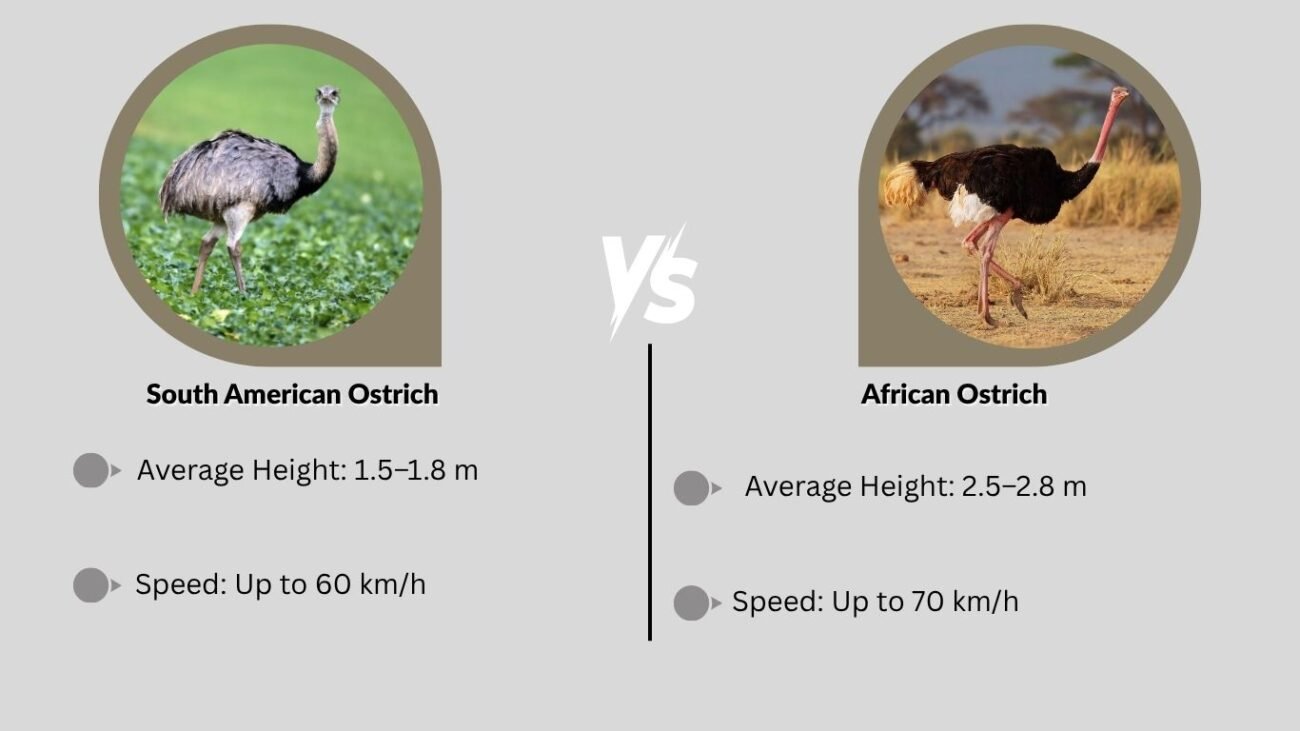
| Feature | South American Ostrich (Rhea) | African Ostrich (Struthio camelus) |
| Family | Rheidae | Struthionidae |
| Average Height | 1.5–1.8 m | 2.5–2.8 m |
| Weight | 25–30 kg | Up to 150 kg |
| Number of Toes | 3 | 2 |
| Speed | Up to 60 km/h | Up to 70 km/h |
| Feathers | Soft gray-brown | Glossy black and white (males) |
| Egg Size | ~600 g | ~1.5 kg |
| Geographic Range | South America | Africa |
| Adaptations | Cold and grassland environments | Hot and arid climates |
This comparison highlights how evolution has shaped each species to thrive in its own environment — the African ostrich in scorching deserts and savannas, and the rhea in cooler, grassy plains.
Interesting Facts About Rheas
- Rheas can swim across rivers, using their strong legs and wings to balance in water.
- A single male may guard up to 50 chicks from different mothers.
- They can live up to 40 years in captivity under good care.
- Rheas are silent birds, communicating mainly through posture and low booming sounds.
- Their eggshells are sometimes used for decorative crafts and lamp shades due to their strength and beauty.
FAQs
What are South American ostriches called?
They are called rheas, large flightless birds native to South America. The two main species are the Greater Rhea (Rhea americana) and the Lesser Rhea (Rhea pennata), also known as Darwin’s Rhea.
Where do South American ostriches live?
Rheas inhabit open grasslands, pampas, and steppes across Argentina, Brazil, Uruguay, Chile, Paraguay, and Bolivia. The Greater Rhea prefers warmer lowlands, while the Lesser Rhea thrives in the cold Patagonian regions.
How are rheas different from African ostriches?
Rheas are smaller, have three toes instead of two, and possess soft gray-brown feathers. They also lay smaller eggs and are adapted to cooler grassland environments, unlike African ostriches that live in hot, arid deserts.
Are South American ostriches endangered?
Some populations, especially of the Lesser Rhea, are considered Near Threatened due to habitat loss and hunting. Conservation programs in Argentina and Chile are working to protect and reintroduce them into the wild.
Can South American ostriches be farmed commercially?
Yes, particularly in Argentina and Brazil, where rheas are raised for their meat, feathers, and leather. Farming provides sustainable income opportunities while helping reduce hunting pressures on wild populations.


