











Parrots are among the most fascinating pets in the bird world, not only for their beauty but also for their ability to mimic human speech. Some species can develop a wide vocabulary and even copy tones, laughter, or songs. In this list, you’ll discover 13 incredible talking parrots that can sound surprisingly human, making them both entertaining companions and intelligent lifelong friends for dedicated bird lovers.
1. African Grey Parrot
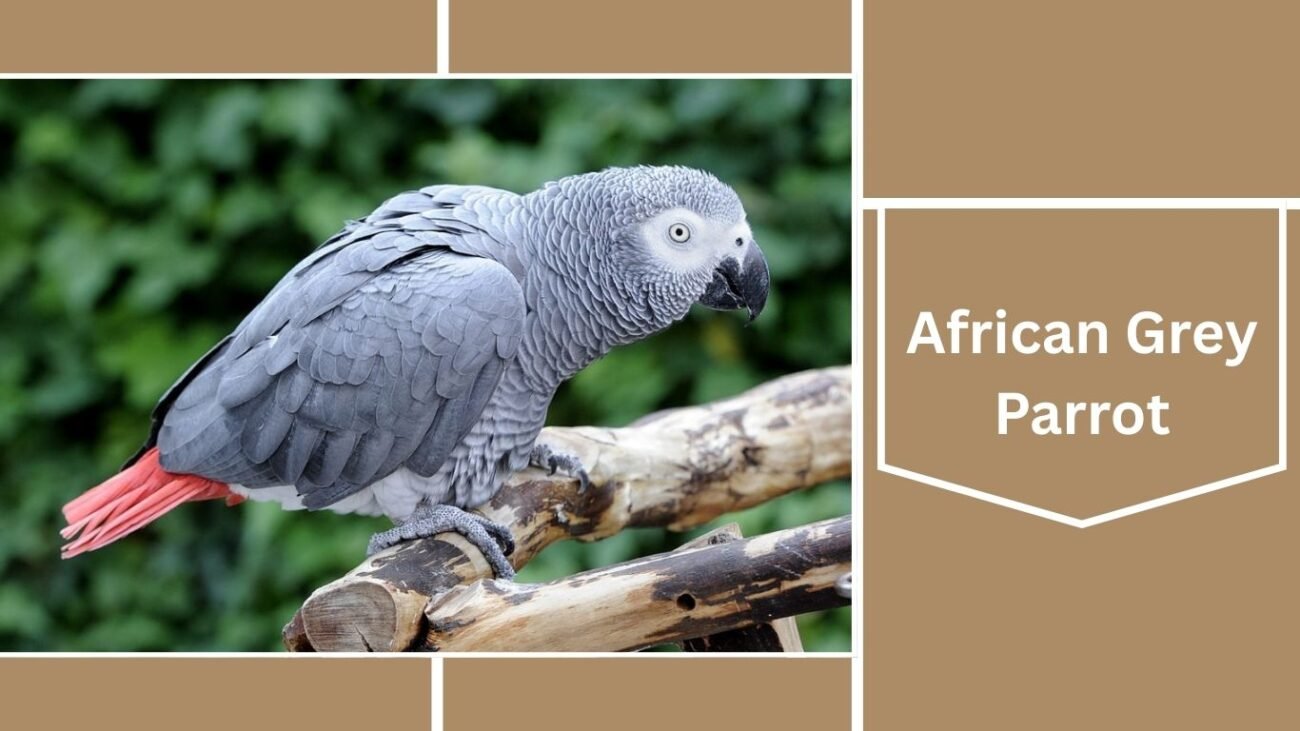
The African Grey Parrot is widely regarded as the most intelligent parrot and one of the best talking birds in the world. It has an exceptional ability to mimic human voices with clarity and is loved for its problem-solving skills and long companionship.
Identification
- Medium-sized parrot, about 12–14 inches long
- Elegant grey feathers with scalloped edges
- Bright red tail feathers
- Strong, curved black beak
- Adults display striking yellow eyes
Behavior
African Grey Parrots are highly social and emotionally sensitive. They thrive on daily interaction and mental challenges, often showing signs of stress if left alone for long periods.
Diet
A healthy diet consists of high-quality pellets, fresh vegetables, leafy greens, and a variety of fruits, with nuts or seeds offered in moderation as treats.
Care
They require a spacious cage, regular out-of-cage time, and enrichment activities like toys and puzzles to keep them active and mentally stimulated. Grooming and routine vet checkups are essential.
Talking Ability
This species is considered the top talker among parrots. It can learn hundreds of words, mimic tones, and even use phrases contextually. Some African Greys have demonstrated remarkable understanding of language and communication.
2. Yellow-Naped Amazon
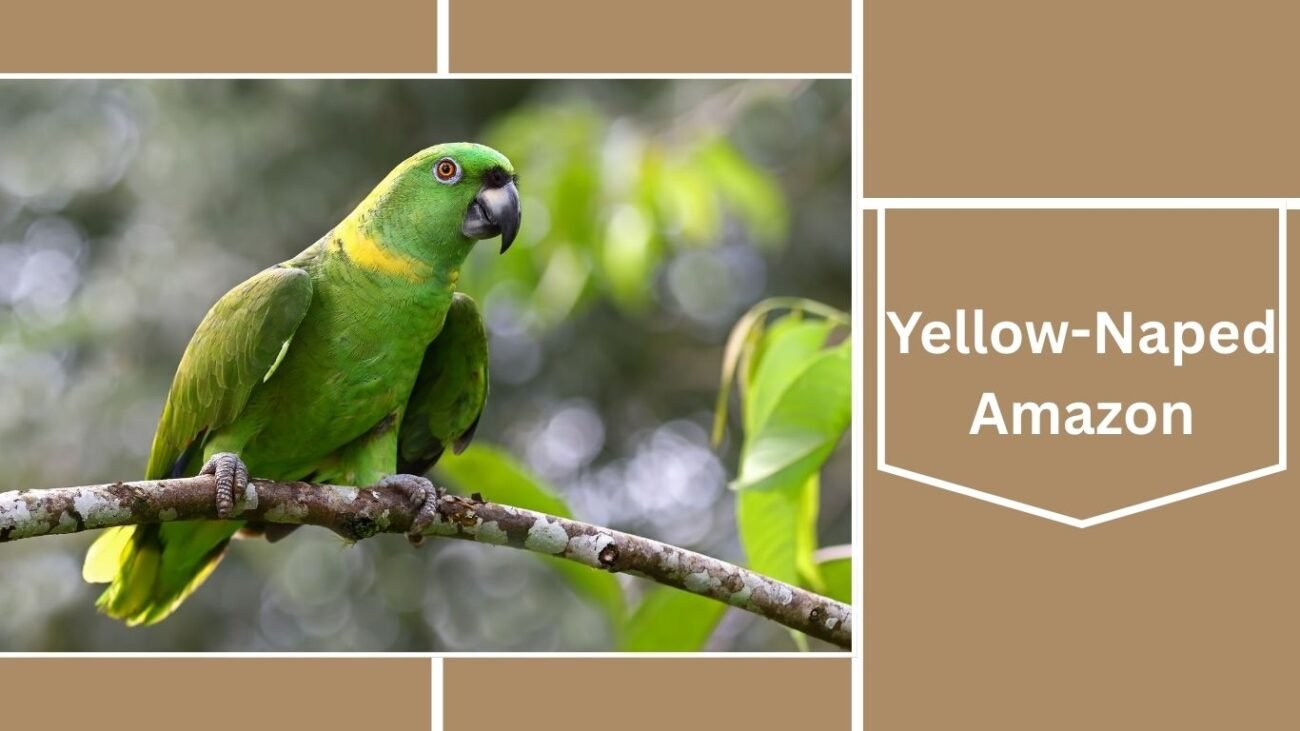
The Yellow-Naped Amazon is one of the most popular talking parrots, admired for its lively personality and strong ability to mimic human speech. Known for its playful nature and intelligence, it is often a favorite companion among parrot enthusiasts.
Identification
- Medium-sized parrot, about 12–15 inches long
- Bright green body with a distinct yellow patch on the back of the neck
- Strong, curved black beak
- Short tail with green feathers
- Eyes are orange to red in adults
Behavior
Yellow-Naped Amazons are energetic, affectionate, and sometimes mischievous. They bond closely with their owners and enjoy social interaction, singing, and playful activities.
Diet
Their diet should include high-quality pellets, fresh fruits, vegetables, and leafy greens. Nuts and seeds can be given occasionally as treats but should not be the main food source.
Care
They need a spacious cage, daily interaction, and plenty of mental stimulation. Providing toys, training, and activities helps keep them happy and prevents behavioral issues.
Talking Ability
This parrot is one of the best talkers, capable of learning a wide range of words, songs, and phrases. They often develop a clear voice and can mimic tones, laughter, and even emotional expressions in speech.
3. Double Yellow-Headed Amazon

The Double Yellow-Headed Amazon is famous for its striking appearance and excellent talking skills. It is often considered one of the most entertaining parrots, capable of not only mimicking human speech but also singing songs with clarity.
Identification
- Medium to large parrot, about 15–17 inches long
- Bright green plumage with a vivid yellow head
- Some individuals also show yellow on the shoulders
- Strong, curved beak (usually horn-colored)
- Orange-red eyes in adults
Behavior
These parrots are bold, outgoing, and playful. They enjoy being the center of attention and can sometimes be loud and demanding. With proper training, they develop strong bonds with their owners and love social interaction.
Diet
A balanced diet should include high-quality pellets, fresh fruits, vegetables, and leafy greens. Occasional nuts and seeds can be given as treats. Avoid fatty or sugary foods to prevent health problems.
Care
They require a large cage and plenty of space for climbing and exercise. Daily interaction, enrichment toys, and training sessions help keep them mentally and physically active.
Talking Ability
Double Yellow-Headed Amazons are exceptional talkers and singers. They can learn a wide vocabulary, mimic different voices, and even sing entire songs with impressive accuracy and rhythm.
4. Blue-Fronted Amazon
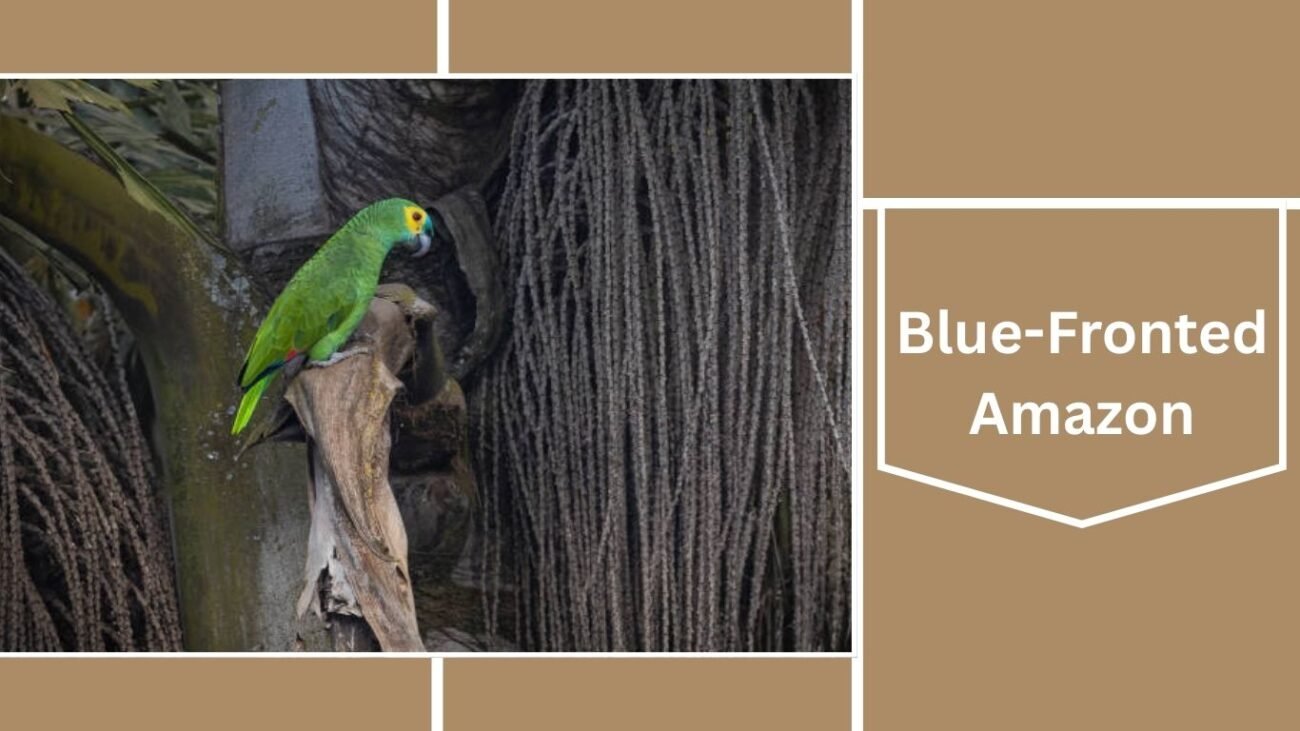
The Blue-Fronted Amazon is a vibrant and lively parrot, well-loved for its colorful appearance and impressive talking skills. It is one of the most popular Amazon parrots kept as pets because of its playful personality and strong ability to mimic human speech.
Identification
- Medium-sized parrot, about 14–15 inches long
- Bright green plumage with distinctive blue markings on the forehead
- Yellow feathers around the face and crown
- Strong, curved beak (usually dark gray to black)
- Orange-red eyes in adults
Behavior
Blue-Fronted Amazons are intelligent, curious, and highly social. They enjoy interaction and can sometimes be loud or demanding. They bond closely with their owners and thrive on attention and stimulation.
Diet
Their diet should be pellet-based with fresh fruits, vegetables, and leafy greens included daily. Occasional nuts and seeds can be given but should be limited to avoid obesity.
Care
They need a spacious cage, daily exercise, and plenty of mental stimulation. Chewable toys, climbing perches, and training sessions are essential for keeping them active and well-behaved.
Talking Ability
This species is an excellent talker, capable of learning many words, songs, and phrases. They often mimic voices clearly and can even pick up on emotional tones, making their speech sound more expressive.
5. Yellow-Crowned Amazon
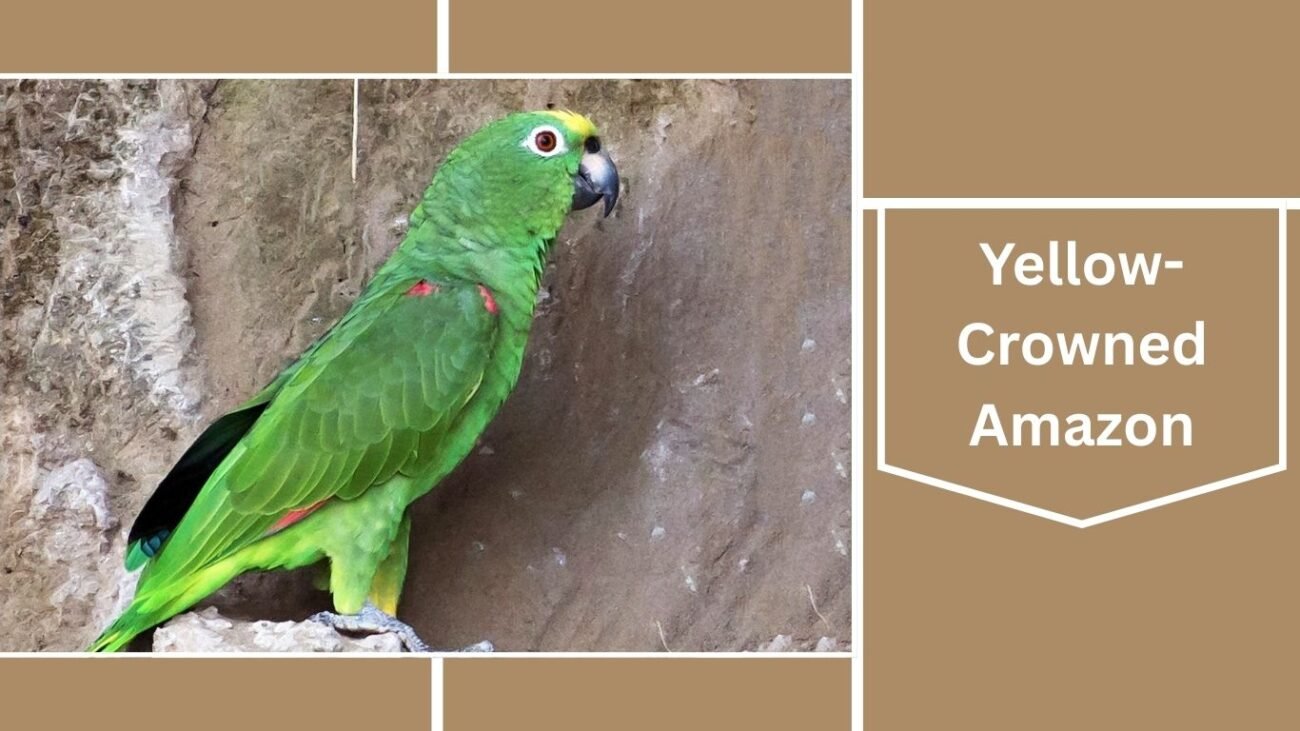
The Yellow-Crowned Amazon is a striking and intelligent parrot species, prized for both its colorful looks and strong talking ability. It is often chosen as a pet for its lively nature and long companionship potential.
Identification
- Medium-sized parrot, about 13–15 inches long
- Bright green plumage with a distinct yellow patch on the crown
- Short, square-shaped tail
- Strong, dark-colored beak
- Adults typically have orange-red eyes
Behavior
Yellow-Crowned Amazons are energetic, playful, and affectionate. They love being social with their owners and can sometimes be mischievous if left unstimulated. With proper care, they become loyal companions.
Diet
A proper diet includes high-quality pellets, leafy greens, fresh fruits, and vegetables. Nuts and seeds may be provided occasionally as treats but should not form the bulk of their food.
Care
They require a large cage with enough room for climbing and wing-flapping. Daily interaction, toys, and exercise are essential to keep them mentally and physically fit.
Talking Ability
This parrot is a skilled talker, capable of learning many words, sentences, and sounds. With regular training, its voice is clear and expressive, making it a delightful mimic of human speech.
6. Red-Lored Amazon

The Red-Lored Amazon is a colorful and charming parrot species, well-known for its beauty and friendly nature. It is also admired for its ability to talk and mimic human speech, making it a popular pet among bird lovers.
Identification
- Medium-sized parrot, about 12–14 inches long
- Bright green body with a distinct red patch on the forehead (above the beak)
- Yellow cheeks and sometimes blue accents on the crown
- Strong, dark gray beak
- Adults usually have orange eyes
Behavior
Red-Lored Amazons are social, affectionate, and curious birds. They enjoy spending time with their owners, playing, and exploring their surroundings. However, they can become noisy if they don’t get enough attention.
Diet
Their diet should consist of high-quality pellets, fresh vegetables, leafy greens, and seasonal fruits. Occasional nuts and seeds may be added as special treats.
Care
They need a spacious cage, daily exercise, and toys to keep them entertained. Interaction, training, and mental stimulation are key to preventing boredom and unwanted behaviors.
Talking Ability
This Amazon parrot is a good talker, capable of learning words, short phrases, and household sounds. While its speech may not be as clear as some other Amazons, with consistent training it can become an entertaining talker.
7. Spectacled Amazon

The Spectacled Amazon, also called the White-Fronted Amazon, is a lively and charming parrot species known for its playful energy and talking ability. Though smaller than many other Amazons, it is a popular pet due to its affectionate personality and intelligence.
Identification
- Small to medium-sized parrot, about 10–11 inches long
- Bright green plumage with a distinct white patch on the forehead (“spectacle” look)
- Red patches on the wings, especially visible in flight
- Strong dark-colored beak
- Adults have orange to red eyes
Behavior
Spectacled Amazons are active, curious, and social. They enjoy interacting with their owners, playing with toys, and exploring. They can sometimes be loud but are generally very affectionate and entertaining.
Diet
A balanced diet should include high-quality pellets, fresh fruits, vegetables, and leafy greens. Occasional seeds and nuts may be given in moderation as treats.
Care
They need a spacious cage relative to their size, along with daily interaction and exercise. Chewable toys and climbing perches help keep them active and mentally stimulated.
Talking Ability
This Amazon parrot has a good talent for speech. While its vocabulary may be smaller than larger Amazons, it can still mimic words and short phrases clearly, making it a delightful talker for families.
8. Indian Ringneck Parakeet
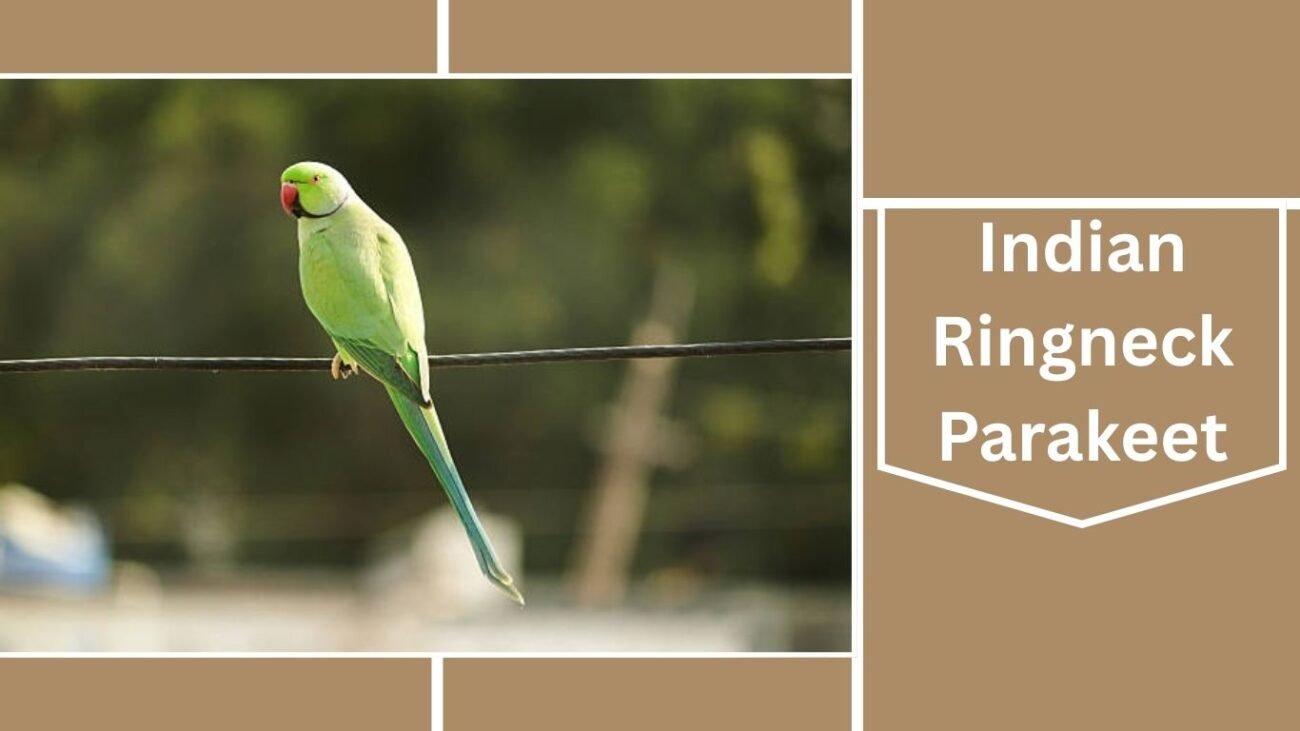
The Indian Ringneck Parakeet is a beautiful and intelligent bird, well-loved for its striking appearance and ability to mimic human speech. With consistent training, it can develop a wide vocabulary and even mimic tones of voice.
Identification
- Medium-sized parakeet, about 14–17 inches long including the tail
- Slim body with bright green plumage (other color mutations exist, like blue and yellow)
- Distinctive black and rose-colored ring around the male’s neck
- Long, tapered tail feathers
- Bright red beak and yellowish eyes
Behavior
Indian Ringnecks are curious, playful, and sometimes a bit mischievous. They are known to be independent but can form strong bonds with their owners when socialized well. Regular interaction keeps them friendly and tame.
Diet
Their diet should include high-quality pellets, fresh vegetables, leafy greens, fruits, and limited seeds or nuts. A varied diet is essential for their health and vibrant plumage.
Care
They require a spacious cage, regular out-of-cage exercise, and plenty of toys to chew and climb. Training and socialization are important to manage their strong personalities.
Talking Ability
Ringnecks are excellent talkers, often developing clear and precise speech. They can learn words, phrases, and even short sentences, sometimes mimicking their owner’s tone of voice with surprising accuracy.
9. Budgerigar (Budgie)
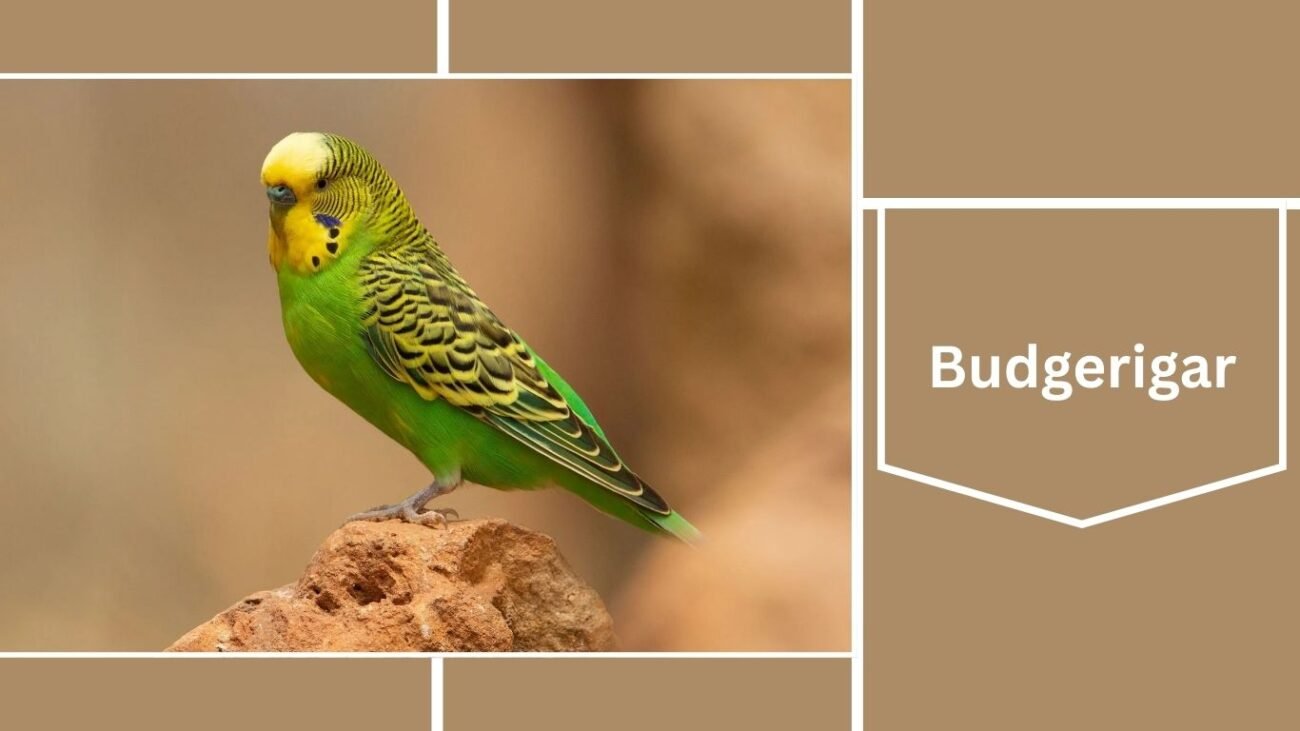
The Budgerigar, often called a Budgie or Parakeet, is one of the smallest parrots but also among the best talkers. Despite its tiny size, it can learn a large vocabulary and mimic human voices in a sweet, high-pitched tone.
Identification
- Small parrot, about 7 inches long
- Bright green body with black scalloped markings on the wings and back (many color variations exist)
- Yellow face with blue cheek patches (common in wild types)
- Long, slender tail feathers
- Small, curved beak and dark or red eyes depending on variety
Behavior
Budgies are playful, cheerful, and social birds. They enjoy being in pairs or flocks but can also bond strongly with their owners. They are very active and love flying, climbing, and playing with toys.
Diet
A healthy diet includes high-quality seed mixes or pellets, along with fresh vegetables, leafy greens, and occasional fruits. Millet sprays can be offered as a treat.
Care
Budgies require a medium-sized cage with horizontal bars for climbing, daily exercise outside the cage, and interactive toys to prevent boredom. Regular socialization makes them friendly and tame.
Talking Ability
Budgies are surprisingly talented talkers. They can learn hundreds of words and phrases, often imitating them with clarity. Some males, in particular, have been known to develop extensive vocabularies, rivaling larger parrots.
10. Monk Parakeet (Quaker Parrot)
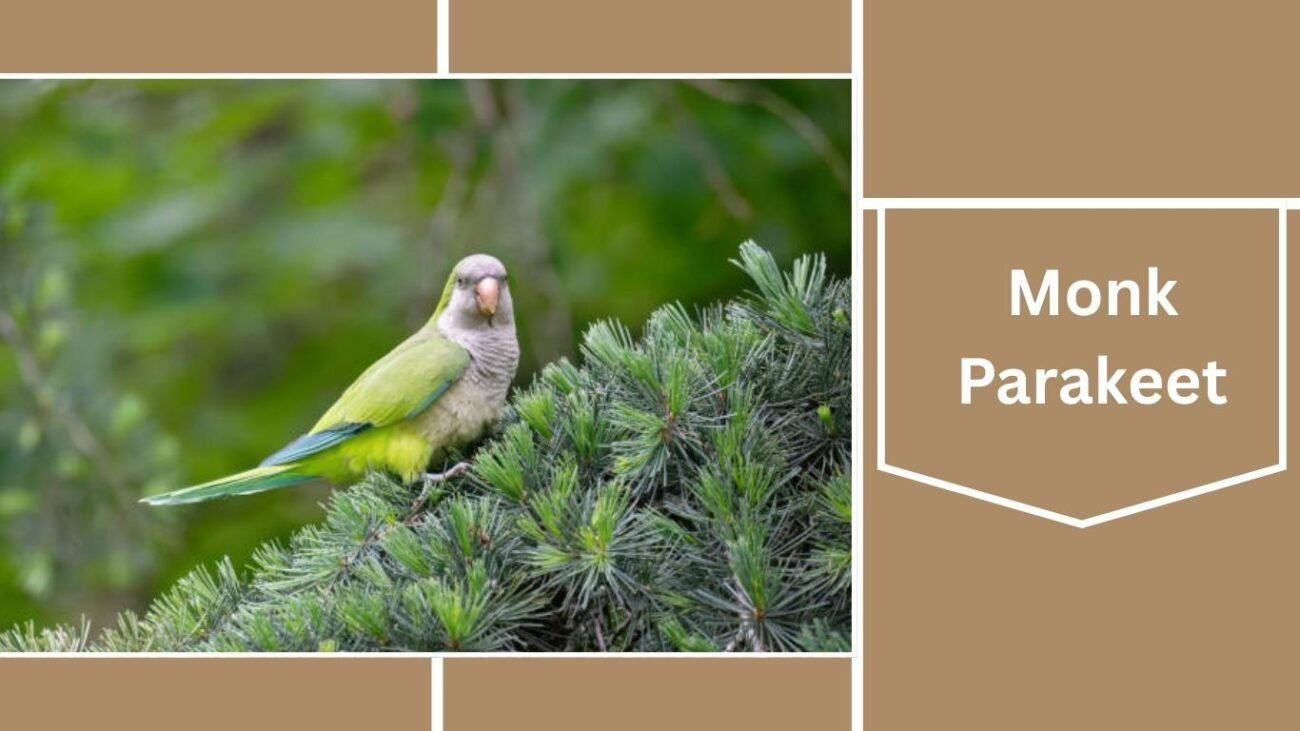
The Monk Parakeet, also known as the Quaker Parrot, is a small but lively parrot famous for its social personality and strong talking ability. It is often described as charming and full of energy, making it a favorite among bird enthusiasts.
Identification
- Small parrot, about 11–12 inches long
- Bright green body with a pale grey face, throat, and chest
- Blue flight feathers and green tail
- Sturdy, curved beak (usually horn-colored)
- Dark brown eyes that turn reddish with age
Behavior
Monk Parakeets are playful, affectionate, and intelligent. They thrive on attention and interaction, often bonding closely with their owners. They are also known for being excellent problem-solvers and enjoy group activities.
Diet
Their diet should be pellet-based, supplemented with fresh vegetables, leafy greens, and fruits. Seeds and nuts can be offered in small amounts as treats.
Care
These parrots need a spacious cage, daily exercise, and lots of toys for mental stimulation. Social interaction and training are vital, as they can become noisy or demanding if neglected.
Talking Ability
Monk Parakeets are talented talkers, capable of learning a wide range of words and phrases. Their speech is usually clear and understandable, and they often mimic their owners’ voices with accuracy.
11. Eclectus Parrot

The Eclectus Parrot is a striking species known for its sexual dimorphism—males and females look very different. Beyond its beauty, it is also admired for its calm personality and impressive talking skills, often mimicking human voices with clear tones.
Identification
- Medium to large parrot, about 17–20 inches long
- Males: bright emerald green plumage with orange beak
- Females: vibrant red and purple plumage with a black beak
- Short tail and broad wings
- Eyes: males have orange irises, females tend to have yellow
Behavior
Eclectus Parrots are generally calm, gentle, and affectionate. They can be shy at first but warm up with consistent interaction. They thrive in stable environments and enjoy social bonding with their owners.
Diet
They need a fresh and varied diet rich in fruits and vegetables, as they are natural frugivores. Leafy greens, sprouts, and some pellets should be included. Seeds and nuts can be given sparingly.
Care
A spacious cage with plenty of room for climbing and flying is essential. They enjoy foraging toys and natural branches. Daily interaction and mental enrichment help maintain their emotional well-being.
Talking Ability
Eclectus Parrots are excellent talkers. They can mimic words, songs, and phrases with remarkable clarity, often surprising owners with their soft and sweet human-like voices.
12. Blue and Gold Macaw
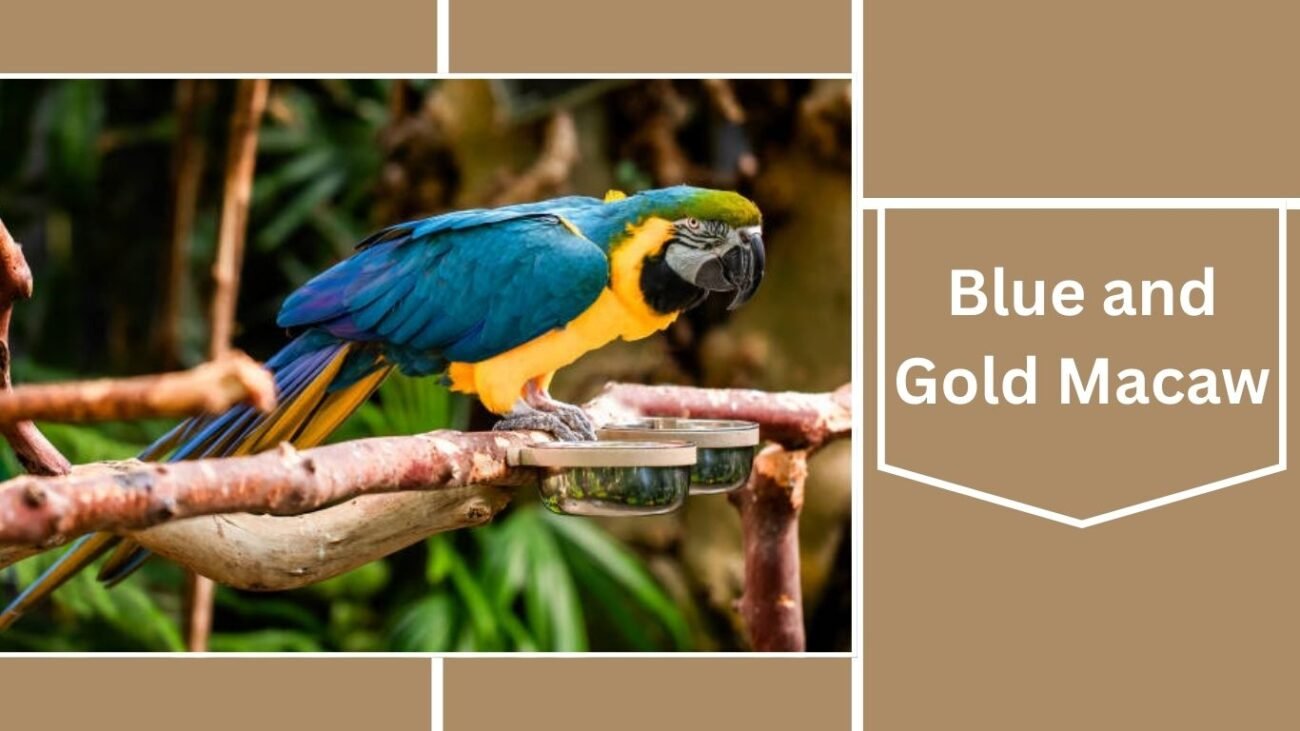
The Blue and Gold Macaw is one of the most popular and recognizable macaws, admired for its brilliant colors and strong talking ability. Along with its beauty, it is known for its playful and affectionate personality, making it a favorite companion parrot.
Identification
- Large parrot, about 30–36 inches long
- Vibrant blue wings and back with golden-yellow chest and underparts
- Green forehead that may fade with age
- Large black beak with white facial skin lined by black feather streaks
- Strong, expressive eyes (usually light-colored in adults)
Behavior
Blue and Gold Macaws are intelligent, social, and often clownish in nature. They enjoy playing, climbing, and interacting with their owners. They can be loud at times but are very affectionate and loyal when properly cared for.
Diet
A balanced diet includes high-quality pellets, fresh vegetables, leafy greens, and a variety of fruits. Nuts and seeds can be provided in moderation as rewards or treats.
Care
These macaws require a very large cage or aviary, daily out-of-cage time, and lots of toys for chewing and enrichment. They need consistent training and social interaction to prevent behavioral issues.
Talking Ability
Blue and Gold Macaws are capable of learning many words and phrases. While their speech may not be as clear as an African Grey, their voices are loud, expressive, and often entertaining, making them engaging talkers.
13. Sulphur-Crested Cockatoo
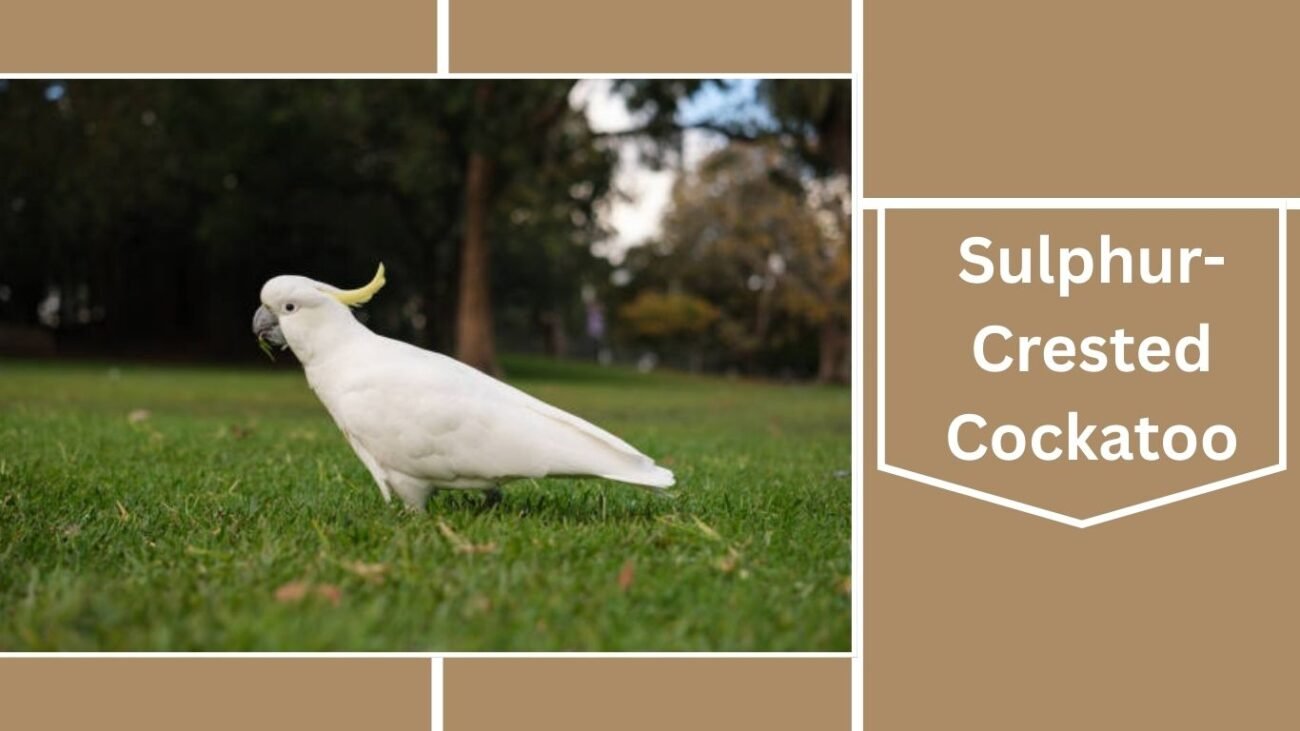
The Sulphur-Crested Cockatoo is a striking and energetic parrot, well-known for its intelligence, affectionate nature, and impressive talking skills. With their playful personality and loud calls, they are often the center of attention in any home.
Identification
- Large parrot, about 17–20 inches long
- White plumage with a bright yellow crest that fans up when excited
- Yellow wash under the wings and tail
- Strong black beak and dark grey feet
- Dark brown to black eyes
Behavior
Sulphur-Crested Cockatoos are highly social, affectionate, and sometimes demanding. They thrive on attention and can become noisy if ignored. They are playful, love to chew, and need constant mental stimulation.
Diet
Their diet should be pellet-based, supplemented with fresh fruits, vegetables, and leafy greens. Nuts and seeds can be offered sparingly as treats to avoid weight issues.
Care
They require a large, strong cage, plenty of toys for chewing, and daily interaction with their owners. Without enough stimulation, they may develop destructive behaviors like feather plucking.
Talking Ability
Sulphur-Crested Cockatoos are talented talkers. They can learn words, phrases, and even mimic laughter or household sounds with clarity. Their expressive voices often make them entertaining companions.


