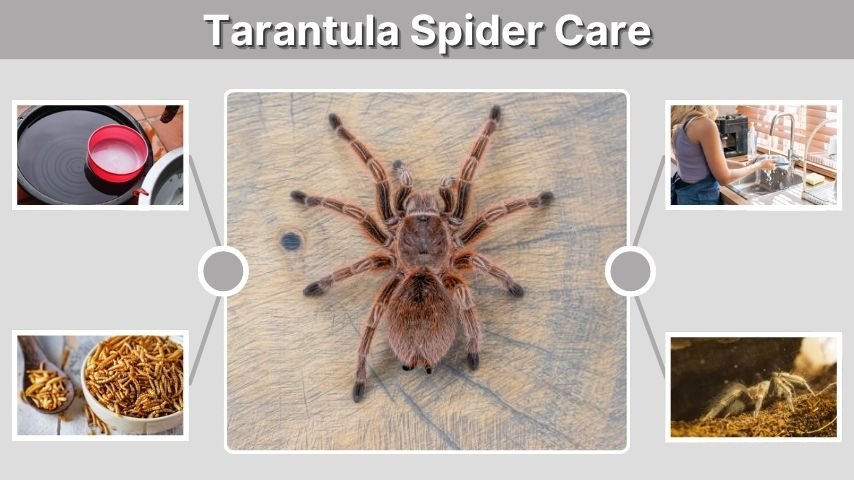
Tarantula spider care is easier than many people expect, but these animals still need the right setup, feeding routine, and safe handling rules. A tarantula is not a cuddly pet. It is best for owners who enjoy observing natural behavior. With a secure enclosure, proper humidity, clean water, and careful feeding, many tarantulas can live healthy lives in captivity.
What Makes Tarantula Spider Care Different?
Tarantulas are low-maintenance pets compared with many reptiles, birds, or mammals. They do not need daily social attention, grooming, or exercise outside the enclosure. However, they are sensitive to poor housing, unsafe handling, dehydration, and stress.
The most important thing to understand is that tarantulas are display pets. They are fascinating to watch, especially when they hunt, dig, web, or molt. But they should not be treated like pets that enjoy frequent touching. Most tarantulas prefer to be left alone in a stable, quiet environment.
Are Tarantulas Good Beginner Pets?
Some tarantulas are good beginner pets, but not every species is suitable for new keepers. Slow-moving, ground-dwelling New World species are often recommended for beginners because they are usually calmer and easier to manage.
Good beginner choices often include:
- Curly hair tarantula
- Mexican red-knee tarantula
- Chilean rose tarantula
- Arizona blonde tarantula
Fast, defensive, arboreal, or Old World tarantulas are usually better for experienced keepers. Species like the violet tree spider tarantula may require more careful enclosure design because tree-dwelling species need height, climbing space, and strong ventilation.
How to Care for a Tarantula Spider

Learning how to care for a tarantula spider starts with matching the enclosure to the species. Tarantulas are usually grouped into terrestrial, fossorial, or arboreal types.
Terrestrial tarantulas live mostly on the ground. Fossorial tarantulas dig deep burrows. Arboreal tarantulas live above ground and need vertical climbing space. Before buying any tarantula, research its natural habits so you can create the right home.
Basic Tarantula Care Needs
A healthy tarantula setup should include a secure enclosure, suitable substrate, a hide, fresh water, proper ventilation, and the right moisture level. It should also be escape-proof. Tarantulas can squeeze through surprisingly small gaps, and a loose lid is a common beginner mistake.
| Care Area | What Your Tarantula Needs |
|---|---|
| Enclosure | Secure, escape-proof tank or acrylic enclosure |
| Substrate | Coco fiber, topsoil mix, or species-safe burrowing material |
| Hide | Cork bark, half log, or artificial cave |
| Water | Shallow water dish with clean water |
| Food | Live insects such as crickets, roaches, or mealworms |
| Ventilation | Airflow without making the enclosure too dry |
| Handling | Minimal handling; observe more than touch |
Setting Up the Tarantula Enclosure
The enclosure is the foundation of tarantula spider care. It should protect the spider from escape, injury, dehydration, and stress. Bigger is not always better. A huge enclosure can make it harder for the tarantula to find food and feel secure.
For most terrestrial tarantulas, floor space matters more than height. Too much height can be dangerous because a fall may injure or kill a heavy-bodied tarantula. For arboreal tarantulas, height is important, but the enclosure still needs safe climbing surfaces and anchor points for webbing.
Substrate and Burrowing Space
Substrate helps maintain humidity and allows natural behavior. Many keepers use coco fiber, chemical-free topsoil, peat-free mixes, or a blend made for invertebrates. Avoid cedar, pine, scented bedding, fertilizer, sharp gravel, and dusty materials.
For terrestrial tarantulas, provide enough substrate to cushion falls and allow some digging. Fossorial species need much deeper substrate because burrowing is part of their normal behavior. If a digging species cannot burrow, it may become stressed.
Hides and Decorations
A tarantula needs at least one dark hiding place. Cork bark is one of the best options because it is natural, lightweight, and easy to position. A hide helps the spider feel secure and reduces stress.
Useful enclosure items include:
- Cork bark hide
- Artificial plants
- Safe branches for arboreal species
- Water dish
- Extra substrate for digging
Avoid sharp decorations, heavy rocks placed on loose substrate, or anything that could collapse on the spider.
Temperature and Humidity

Tarantulas generally do well at normal room temperatures, but the ideal range depends on the species. Many common pet tarantulas are comfortable in a warm room, often around the low to mid-70s°F. If your home gets very cold, you may need gentle room heating rather than placing a heat source directly under the enclosure.
Humidity is also species-specific. Some tarantulas come from drier regions, while others need more moisture. A desert species should not be kept constantly wet, and a moisture-loving species should not be allowed to dry out completely.
How to Manage Moisture Safely
The goal is not to make the enclosure swampy. Poor airflow and wet substrate can lead to mold, mites, and stress. Instead, provide a water dish and maintain the correct substrate moisture for the species.
For many tarantulas, keepers slightly moisten one area of the substrate while leaving another area drier. This gives the spider a choice. Good ventilation is important because stagnant air can cause problems even when temperature and humidity look correct.
Feeding a Tarantula Spider
Tarantulas are carnivores. Most pet tarantulas eat live insects such as crickets, dubia roaches, locusts, mealworms, or superworms. The prey should usually be smaller than the tarantula’s body or at least easy for the spider to overpower.
Young spiderlings eat smaller prey more often. Adults eat less frequently. Some adult tarantulas may eat once a week, while others eat every two weeks or even refuse food for long periods.
Feeding Tips for Beginners
Feeding is one of the easiest parts of how to take care of a tarantula spider, but it must be done safely. Live prey can hurt a tarantula, especially when the spider is molting.
Follow these basic feeding rules:
- Offer appropriately sized prey.
- Remove uneaten insects after 24 hours.
- Do not feed during premolt.
- Do not feed immediately after molting.
- Keep a clean water dish available.
- Avoid wild-caught insects because they may carry pesticides or parasites.
A tarantula with a very large abdomen may not need more food right away. Overfeeding can make the abdomen heavy and increase the risk of injury from a fall.
Water and Hydration
Every tarantula should have access to clean water. A shallow dish is usually enough for most juveniles and adults. Spiderlings may need moisture from damp substrate or tiny water droplets on the side of the enclosure, depending on the setup.
Do not use deep bowls that could trap small tarantulas or feeder insects. Clean the dish regularly because substrate, webbing, and feeder insect parts can fall into it.
Dehydration can be serious. A dehydrated tarantula may appear weak, curled, or unusually inactive. If you notice these signs, review the water dish, substrate moisture, ventilation, and temperature.
Molting Care

Molting is one of the most important parts of tarantula spider care. Tarantulas shed their exoskeleton so they can grow. Before molting, a tarantula may stop eating, become less active, darken in color, or seal itself inside a hide or burrow.
A tarantula may molt while lying on its back or side. This can look alarming to beginners, but it is normal. Do not touch, flip, or disturb the spider during this process.
What to Do During Molting
During premolt and molting, safety matters more than feeding. Remove live prey from the enclosure because crickets or roaches can bite a vulnerable tarantula.
After a molt, the tarantula’s body and fangs are soft. Wait until the fangs darken and harden before feeding again. For spiderlings, this may take several days. For larger adults, it may take a week or longer.
Handling and Safety
Tarantulas should be handled as little as possible. Even calm species can become startled. A fall from a short height can badly injure a heavy-bodied tarantula. Some species also have urticating hairs that can irritate skin, eyes, or the respiratory system.
Tarantula bites are uncommon but possible. Their venom is usually not considered dangerous to most healthy adults, but a bite can still hurt and may cause swelling or irritation. People can also have allergic reactions.
Safer Ways to Move a Tarantula
Instead of picking up a tarantula by hand, use a catch cup. Place the cup gently over the spider, slide a lid or card underneath, and move it carefully. This method is safer for both the spider and the keeper.
Use a catch cup when:
- Cleaning the enclosure
- Rehousing the spider
- Preventing escape
- Moving a defensive tarantula
- Handling a fast arboreal species
Children and other pets should not handle tarantulas. Cats, dogs, and curious hands can stress or injure the spider.
Cleaning the Enclosure

Tarantulas do not create much waste, so their enclosures do not need constant deep cleaning. Spot cleaning is usually enough. Remove old prey parts, molts if needed, moldy substrate, and dirty water.
A full substrate change may only be needed occasionally, depending on the enclosure condition. Too much cleaning can disturb the spider and destroy useful webbing or burrows.
Keep the enclosure clean by:
- Removing uneaten prey
- Cleaning the water dish
- Watching for mold
- Removing boluses and waste
- Keeping ventilation open
Do not use strong household cleaners inside the enclosure. Chemical residue can harm tarantulas.
Can You Care for a Spider Similar to a Tarantula?
Yes, some people care for spiders similar to tarantulas, but their needs can be different. Wolf spiders, jumping spiders, huntsman spiders, and true spiders may require different enclosure sizes, feeding styles, ventilation, and humidity.
Do not assume that all spiders need tarantula-style care. Tarantulas are mygalomorph spiders, while many common pet spiders belong to different groups. A jumping spider, for example, needs more light, climbing space, and frequent feeding than many tarantulas.
If you want a spider similar to a tarantula, research the exact species before setting up the enclosure.
Common Tarantula Care Mistakes
Most beginner problems come from too much handling, poor enclosure design, or misunderstanding molting. Tarantulas are hardy animals, but simple mistakes can become dangerous.
Common mistakes include:
- Using an enclosure that is too tall for a terrestrial tarantula
- Leaving live crickets inside during molting
- Keeping the substrate too wet
- Forgetting ventilation
- Handling the spider too often
- Feeding prey that is too large
- Buying an advanced species as a first tarantula
A good rule is to keep the setup simple, safe, and species-appropriate.
FAQs
How do you care for a tarantula spider?
To care for a tarantula spider, provide a secure enclosure, proper substrate, a hide, clean water, good ventilation, and suitable live insects. Keep handling minimal and research the exact species because terrestrial, burrowing, and tree-dwelling tarantulas have different care needs.
How often should you feed a tarantula?
Spiderlings usually eat more often than adults. Many adult tarantulas eat once every one or two weeks, but feeding depends on species, age, size, and body condition. Remove uneaten prey and avoid feeding during molting.
Do tarantulas need heat lamps?
Most tarantulas do not need heat lamps if the room stays warm enough. Direct heat can dry the enclosure or overheat the spider. If heating is needed, it is usually safer to warm the room rather than heat the enclosure from below.
Can you hold a pet tarantula?
You can hold some tarantulas, but it is not recommended. Handling can stress the spider, and a fall can be deadly. Some tarantulas may bite or release irritating hairs. Observation is safer than frequent handling.
What is different about violet tree spider tarantula care?
A violet tree spider is an arboreal tarantula, so it needs more vertical space, climbing surfaces, anchor points for webbing, and strong ventilation. It may also be faster than beginner ground-dwelling tarantulas, so it is better for keepers with some experience.