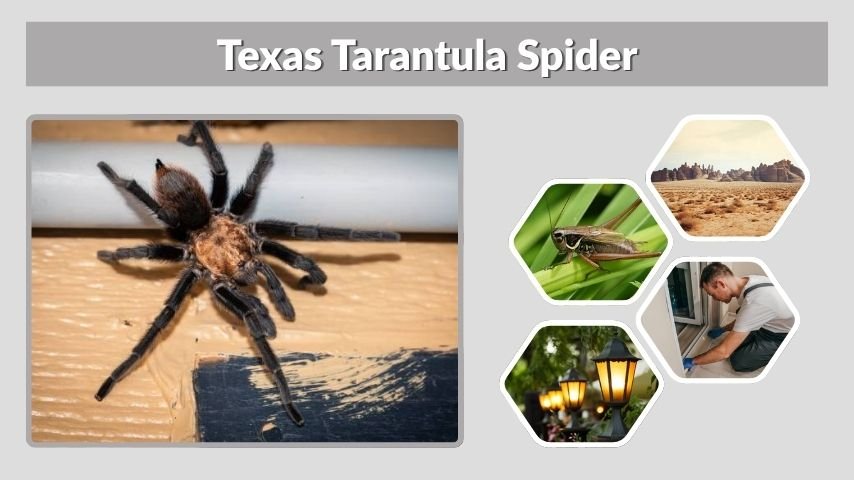
A Texas tarantula spider may look alarming at first, but these large, hairy spiders are usually shy and helpful. Tarantulas in Texas are most often seen walking across roads, yards, ranchland, or trails during warm months. Although their size can make people nervous, they are not aggressive pests. Learning how to identify them, where they live, and what to do when you see one can make encounters much less stressful.
What Is a Texas Tarantula Spider?
A Texas tarantula spider is a large, ground-dwelling spider commonly found in many parts of the state. The best-known type is often called the Texas brown tarantula. These spiders belong to the genus Aphonopelma, a group that includes several tarantula species across the southern and western United States.
Texas tarantulas have thick bodies, hairy legs, and a slow, deliberate way of walking. Most are brown, tan, dark brown, or blackish in appearance. Their color can vary by species, age, sex, and lighting. Some may look like a black tarantula spider in Texas, while others appear more tan or reddish brown.
Despite their intimidating appearance, tarantulas are generally not dangerous to people. They prefer to avoid conflict. If threatened, they may raise their front legs, retreat, or release irritating hairs from the abdomen.
Texas Brown Tarantula Spider Identification

The Texas brown tarantula is one of the most commonly discussed tarantulas in the state. It is usually medium to large, with a hairy body and legs. The body may appear brown, tan, bronze, grayish, or dark depending on the individual.
Many people search for “tarantula spider Texas brown” or “Texas tan tarantula spider” because these spiders often have earthy colors that help them blend into dry soil, rocks, grass, and leaf litter.
Key Identification Features
A Texas tarantula can often be recognized by its body shape and movement. Unlike many fast house spiders, tarantulas usually move slowly unless startled.
Common features include:
- Large, hairy body
- Thick legs
- Brown, tan, or dark coloring
- Ground-dwelling behavior
- Slow walking style
- Burrow or hidden retreat nearby
- Visible fangs only when threatened or feeding
A fully grown tarantula may look much larger than common house spiders. However, young tarantulas can be smaller and may be confused with wolf spiders or other hairy spiders.
Are Black Tarantula Spiders Found in Texas?
Yes, some tarantulas in Texas can look very dark or almost black. Searches like “black tarantula spider Texas” and “black tarantula spider in Texas” are common because lighting, age, and body color can make a brown tarantula look black.
A tarantula may appear darker after molting or when seen at night. Males and females can also look slightly different. Some individuals have darker legs with a lighter carapace, while others look more uniformly dark.
If you see a black, hairy spider in North Texas or another part of the state, it may be a tarantula, but it could also be another spider. Wolf spiders, trapdoor spiders, and other ground spiders may be mistaken for small tarantulas.
Where Do Tarantula Spiders Live in Texas?

Tarantulas in Texas live in many habitats, including grasslands, prairies, desert scrub, wooded areas, ranchland, and rocky regions. They often stay hidden during the day and become more active in the evening or at night.
They commonly use burrows, natural cavities, spaces under rocks, or areas beneath logs for shelter. These hiding places protect them from heat, predators, and dry weather.
Common Places You May See Them
People may spot tarantulas in several outdoor areas, especially during warm weather.
| Location | Why Tarantulas May Be There |
|---|---|
| Yards | Searching for food or crossing open ground |
| Roads | Males may wander during mating season |
| Trails | Natural habitat overlaps with walking paths |
| Ranchland | Open ground and insects provide good habitat |
| Under logs or rocks | Shelter from sun and predators |
| Garages or sheds | Accidental entry while seeking shelter |
Seeing a tarantula near a home does not always mean there is an infestation. Most are simply passing through or living quietly outdoors.
Why Do Tarantulas Walk Around in Texas?
Tarantulas spend much of their time hidden. When people suddenly see them walking in the open, it is often because males are searching for females. This movement is sometimes called a tarantula migration, although it is usually more like seasonal wandering than a true migration.
In Texas, sightings may increase during late summer and fall in some areas. Warm evenings, recent rain, and breeding activity can all make tarantulas more visible.
Male tarantulas may walk long distances looking for females. This is why people sometimes see them crossing roads, sidewalks, driveways, or open fields. Females are more likely to stay close to their burrows.
Is a Texas Tarantula Spider Dangerous?
A Texas tarantula spider is usually not dangerous to people. Tarantulas do have venom, but they use it mainly to subdue insects and other small prey. A bite can hurt, similar to a bee sting for many people, but serious reactions are uncommon.
The bigger issue for many people is irritation from urticating hairs. New World tarantulas, including many found in the Americas, may kick tiny defensive hairs from their abdomen when threatened. These hairs can irritate skin, eyes, nose, or throat.
What to Do If You Find One
If you find a tarantula outside, the best response is to leave it alone. It is likely helping control insects and other small pests.
If one enters a garage, porch, or home, use a container and a piece of cardboard to gently relocate it outside. Avoid picking it up with bare hands. This protects both you and the spider.
Helpful steps include:
- Stay calm and avoid sudden movement.
- Do not crush or spray it.
- Place a cup or container over it.
- Slide cardboard underneath.
- Release it in a quiet outdoor area.
- Wash your hands if you touched surfaces with spider hairs.
What Do Texas Tarantulas Eat?

Texas tarantulas are carnivorous predators. They mostly eat insects and other small arthropods. Their diet may include crickets, grasshoppers, beetles, cockroaches, moths, caterpillars, and other spiders.
Larger tarantulas may occasionally eat small lizards, frogs, or other small animals, but insects are their main food source. In yards and natural areas, this makes them useful predators.
They do not build sticky webs to catch flying insects. Instead, tarantulas usually hunt from the ground or wait near a burrow. They sense vibrations and grab prey when it comes close enough.
Spider Looks Like a Tarantula but Smaller in Texas
Many people in Texas see a hairy spider and wonder if it is a baby tarantula. Sometimes it is, but there are also several spiders that look like tarantulas but are smaller.
Wolf spiders are one of the most common look-alikes. They are hairy, brown, and fast-moving. Unlike tarantulas, wolf spiders usually have slimmer bodies and move much more quickly. Female wolf spiders may also carry an egg sac or carry spiderlings on their back.
Trapdoor spiders can also look somewhat like small tarantulas. They are stocky, dark, and ground-dwelling. However, they are usually smaller and less hairy than tarantulas.
How to Tell the Difference
A tarantula usually has a heavier, hairier body and slower movement. A wolf spider often runs quickly and has a more athletic shape. A trapdoor spider may look shiny and compact, with strong front legs used for digging.
If you are unsure, do not handle the spider. Take a clear photo from a safe distance and compare it with local spider identification resources.
Tarantulas in North Texas
Black or dark tarantula spider sightings in North Texas can happen, especially in rural, grassy, or lightly wooded areas. North Texas has habitats where tarantulas may live, though sightings depend on season, weather, and local conditions.
Tarantulas may be seen more often after rain or during mating activity. They can cross roads or wander near homes, especially where neighborhoods border fields, pastures, or undeveloped land.
In cities and suburbs, a tarantula sighting may be unusual but not impossible. They are more likely to appear near natural spaces than in heavily urban areas.
Should You Remove Tarantulas from Your Yard?

In most cases, you do not need to remove tarantulas from your yard. They are beneficial predators and do not damage homes, lawns, furniture, or stored food. They are not social insects, so seeing one does not mean a colony is nearby.
If you want fewer encounters around your house, focus on reducing hiding spots and insect activity near doors and foundations.
You can make your home less inviting by:
- Sealing gaps under doors
- Repairing window screens
- Removing clutter near foundations
- Keeping firewood away from the house
- Reducing outdoor insect attractants
- Using yellow or warm outdoor lights when possible
Chemical control is usually unnecessary for tarantulas. Physical exclusion and habitat management are safer and more practical.
Can You Keep a Texas Tarantula as a Pet?
Some people keep tarantulas as pets, including species related to the Texas brown tarantula. However, collecting wild tarantulas is not always the best choice. Wild spiders may be stressed, injured, mature males near the end of life, or part of the local ecosystem.
If someone wants a pet tarantula, it is usually better to buy a captive-bred spider from a responsible breeder or specialist. Captive-bred tarantulas are often healthier, easier to identify, and better suited for long-term care.
A pet tarantula needs a secure enclosure, proper substrate, a hide, clean water, suitable temperature, and live feeder insects. It should be handled rarely, if at all.
FAQs
Are Texas tarantula spiders poisonous?
Texas tarantulas are venomous, not poisonous, because they inject venom through their fangs. However, they are not considered highly dangerous to most people. A bite may be painful, and their defensive hairs can irritate skin or eyes, so it is best not to handle them.
What kind of tarantula lives in Texas?
The best-known tarantula in Texas is commonly called the Texas brown tarantula. Texas has Aphonopelma tarantulas, which are large, hairy, ground-dwelling spiders. Their color can range from tan and brown to very dark brown or nearly black.
Why are tarantulas crossing roads in Texas?
Tarantulas often cross roads when mature males wander in search of females. This may happen more often during warm seasonal periods. They are not usually invading homes or moving as a group with a shared destination.
What spider looks like a small tarantula in Texas?
Wolf spiders and trapdoor spiders can look like small tarantulas in Texas. Wolf spiders are usually faster and slimmer, while trapdoor spiders are stockier and often darker. Young tarantulas may also be mistaken for other hairy ground spiders.
Should I kill a tarantula in my yard?
No, you usually do not need to kill a tarantula in your yard. Tarantulas help control insects and usually avoid people. If one is in an unwanted place, gently relocate it outside with a container and cardboard instead of touching it directly.