









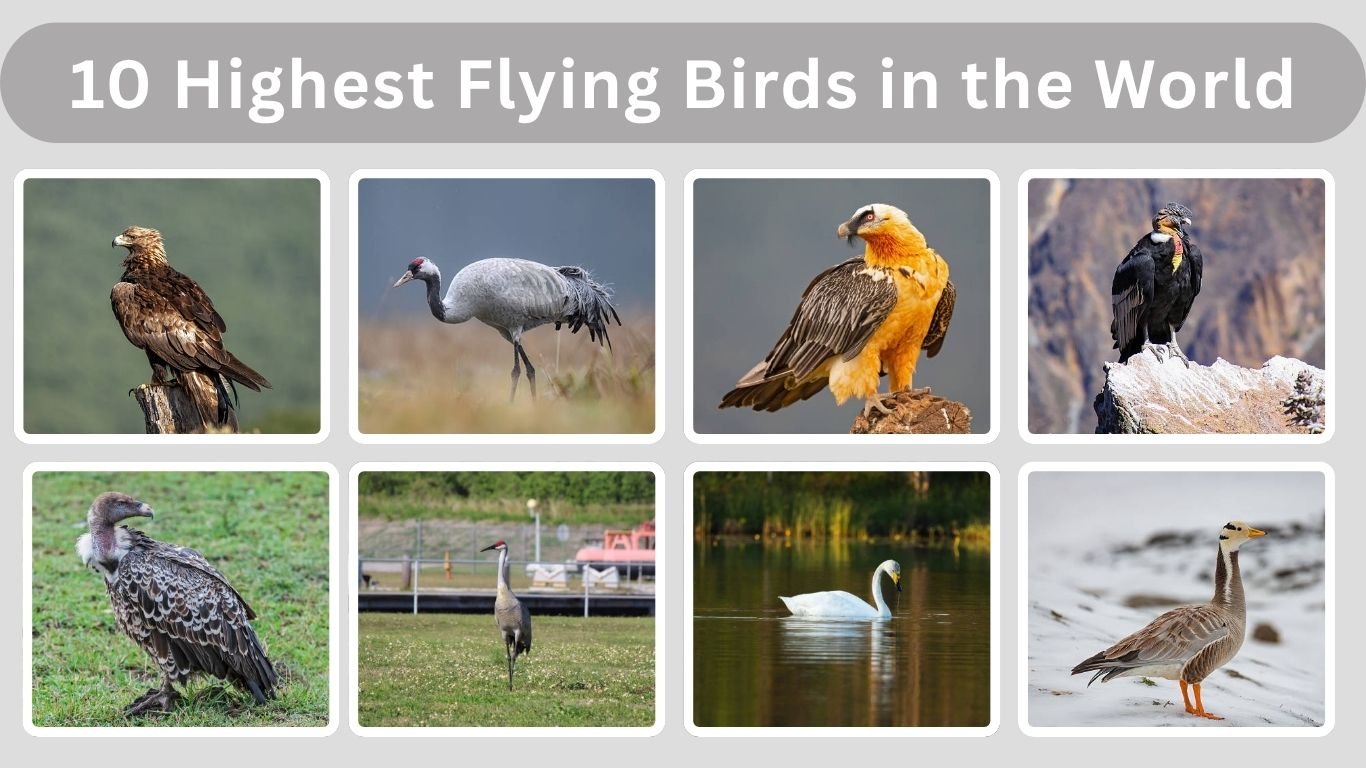
Birds are known for their incredible ability to soar through the skies, but some species take this skill to extreme heights. From crossing towering mountain ranges to flying at altitudes comparable to airplanes, these birds have evolved unique adaptations that allow them to survive in thin air. Their powerful wings, efficient lungs, and remarkable endurance make high-altitude flight possible. In this list, we explore the top 10 highest flying birds in the world, each known for pushing the limits of how high life can exist above the ground.
1. Rüppell’s Griffon Vulture
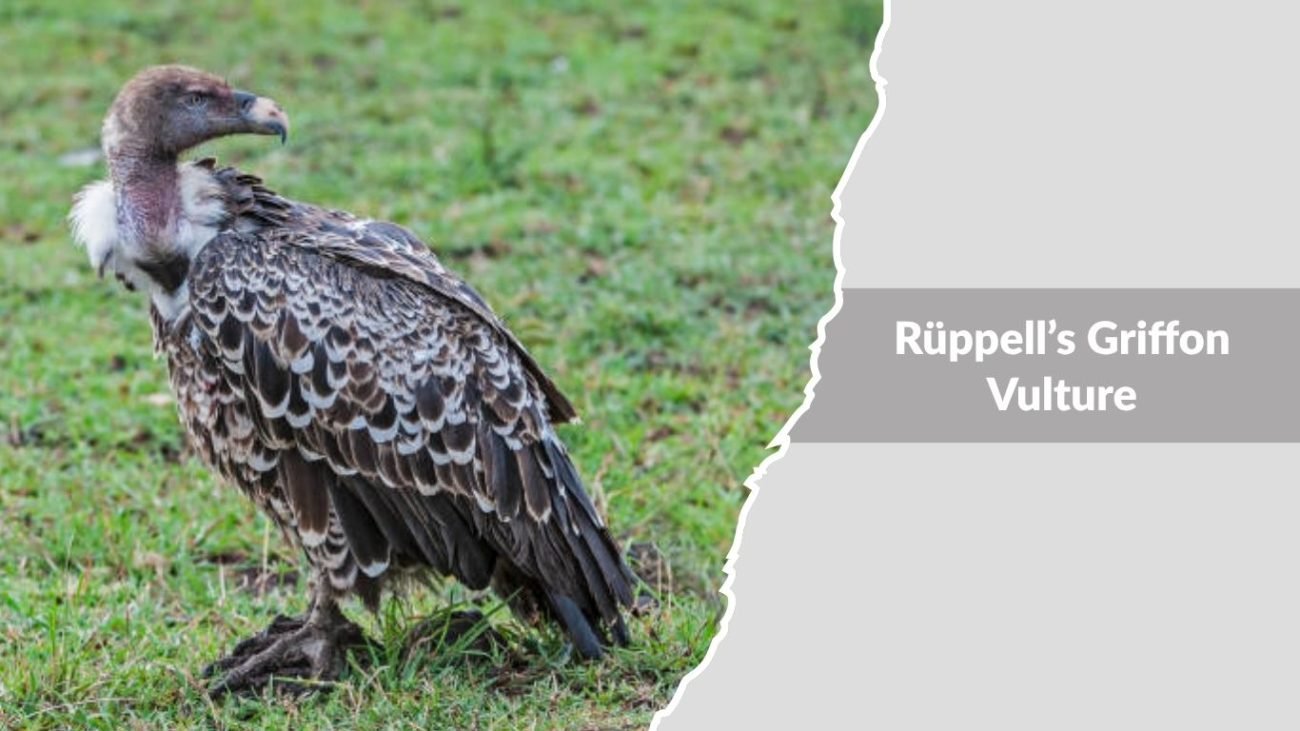
Rüppell’s Griffon Vulture is widely recognized as the highest flying bird in the world. It has been recorded at extreme altitudes, even matching the cruising height of commercial aircraft. This remarkable ability comes from its specialized physiology and efficient soaring technique.
Record-Breaking Flight Altitude
This vulture holds the highest recorded flight altitude of any bird, reaching around 37,000 feet (11,300 meters). At this height, oxygen levels are extremely low, yet the bird survives due to highly efficient hemoglobin that captures oxygen better than most animals.
Physical Adaptations for High Flight
Rüppell’s Griffon Vulture has large, broad wings that allow it to glide effortlessly using thermal air currents. Its lightweight body and strong lungs help it conserve energy while flying at such high altitudes. These adaptations reduce the need for constant flapping.
Habitat and Distribution
This species is mainly found across the Sahel region of Africa, including countries like Senegal, Ethiopia, and Sudan. It prefers open grasslands, savannas, and mountainous areas where warm air currents are strong enough to support soaring flight.
Key Characteristics
- Massive wingspan reaching up to 2.6 meters
- Exceptional ability to soar without flapping
- Highly efficient oxygen absorption system
- Scavenger diet, mainly feeding on carrion
2. Bar-headed Goose
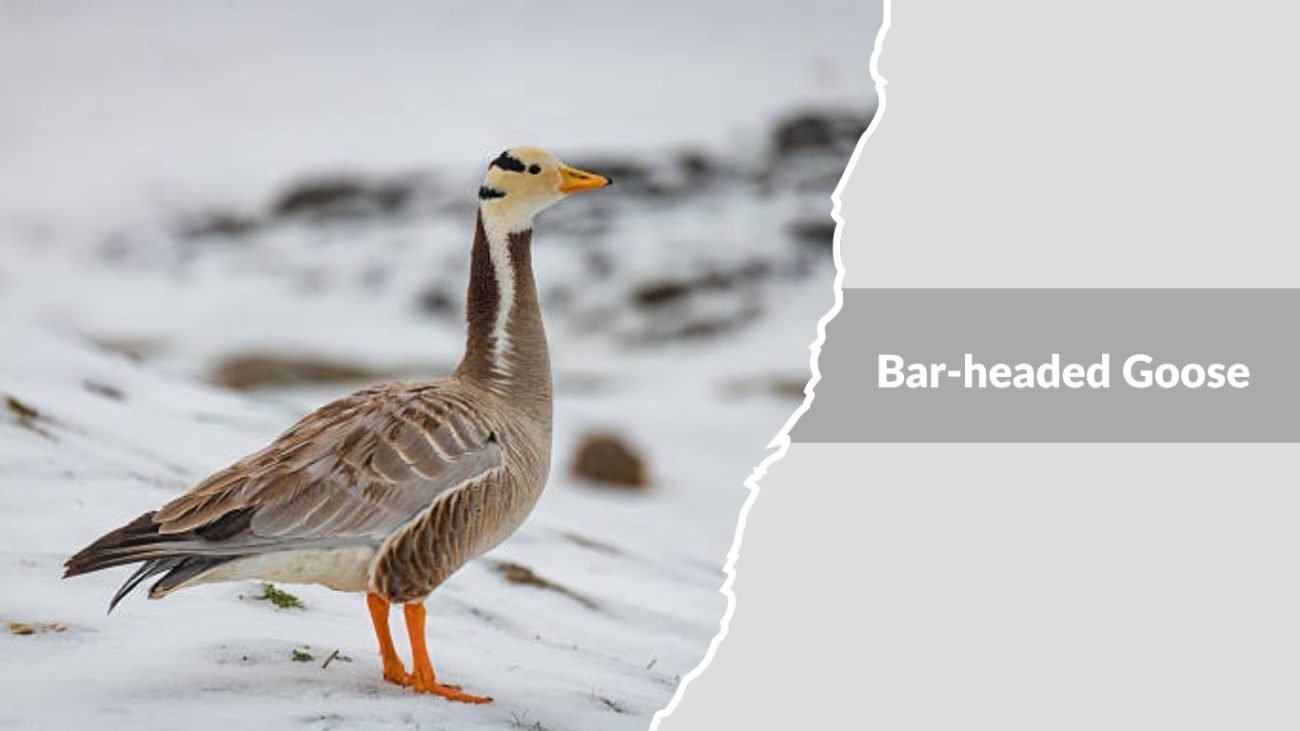
The Bar-headed Goose is famous for its ability to fly over the Himalayas, one of the most extreme migration routes in the world. It regularly travels at very high altitudes where oxygen levels are dangerously low, making it one of the highest flying birds ever recorded.
High-Altitude Migration
This bird migrates across the Himalayas, flying at altitudes of around 20,000 to 29,000 feet. It can even pass over Mount Everest regions, showcasing extraordinary endurance and strength during long-distance flights.
Physical Adaptations
The Bar-headed Goose has unique physiological traits that allow it to survive in thin air. Its lungs are highly efficient, and its blood carries oxygen more effectively. Strong wing muscles also help it maintain steady flight in harsh conditions.
Key Characteristics
- Distinctive two black bars on its white head
- Extremely efficient oxygen uptake system
- Strong and sustained wing beats
- Long-distance migratory behavior
Habitat and Distribution
Bar-headed Geese are commonly found in Central Asia, including Mongolia, China, and Tibet. During winter, they migrate to lower regions such as India and parts of South Asia, where the climate is more suitable for survival.
3. Whooper Swan
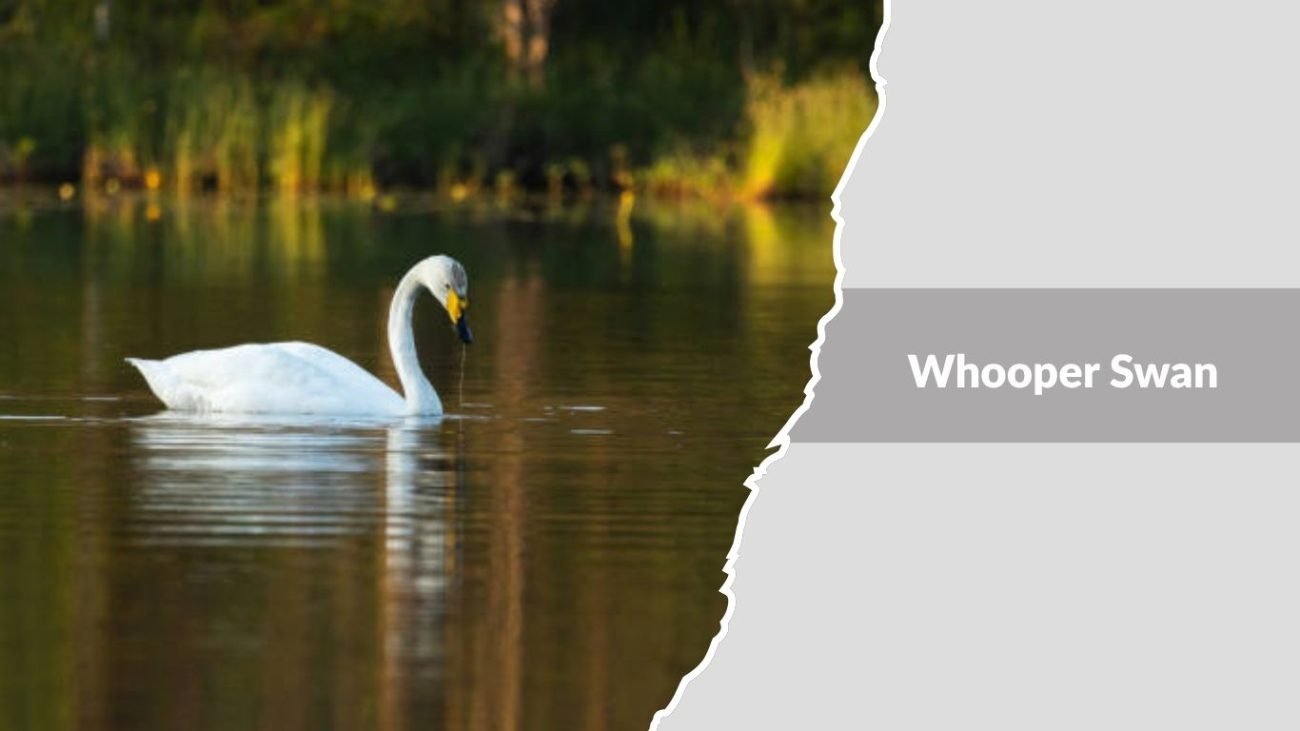
The Whooper Swan is one of the highest flying swan species, known for its powerful flight and long migratory journeys. It can reach impressive altitudes while traveling between breeding and wintering grounds, often crossing mountainous regions with ease.
High-Altitude Flight Ability
Whooper Swans have been recorded flying at altitudes of up to 27,000 feet. These high flights usually occur during migration, especially when crossing challenging terrains such as mountain ranges or large bodies of water.
Key Characteristics
- Large body with a wingspan up to 2.4 meters
- Loud, trumpet-like call during flight
- Strong and steady wingbeats
- Capable of long-distance migration
Physical Adaptations
This swan species has powerful flight muscles and a large wingspan that supports sustained flight. Its efficient respiratory system allows it to function in lower oxygen environments, helping it maintain altitude over long distances.
Habitat and Distribution
Whooper Swans are mainly found in northern Europe and Asia. They breed in Iceland, Scandinavia, and Siberia, and migrate to milder regions in Europe and East Asia during winter for better feeding conditions.
4. Alpine Chough
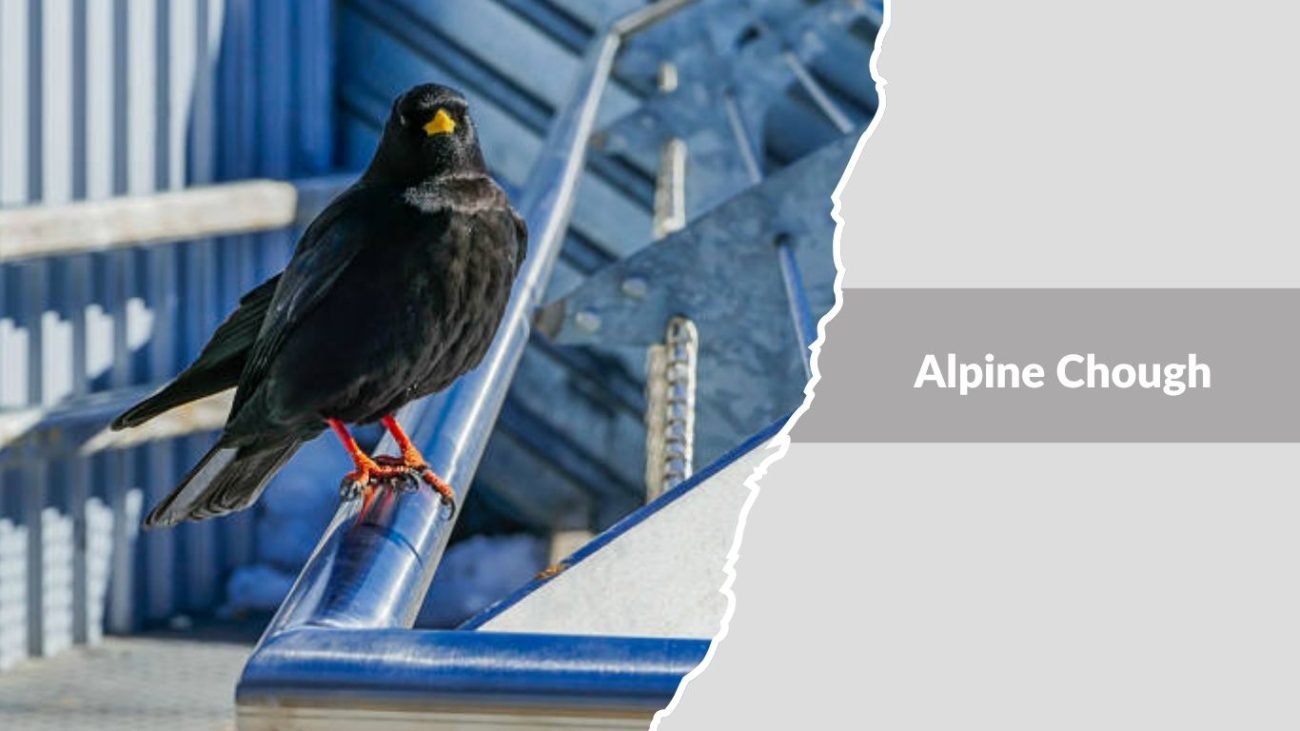
The Alpine Chough is a remarkable high-altitude bird commonly found in mountainous regions. It is well adapted to life in extreme environments and is often seen flying effortlessly at great heights near cliffs and snowy peaks.
High-Altitude Flight Ability
This bird can fly at elevations of up to 26,500 feet, often gliding along mountain ridges. It uses strong air currents and updrafts to maintain altitude without expending much energy.
Key Characteristics
- Glossy black feathers with a yellow beak
- Highly agile and acrobatic in flight
- Strong adaptation to cold environments
- Social bird, often seen in groups
Physical Adaptations
The Alpine Chough has a lightweight body and strong wings that allow it to maneuver easily in thin air. Its ability to exploit thermal currents helps it stay airborne for long periods without constant flapping.
Habitat and Distribution
It is widely distributed across the mountainous regions of Europe, North Africa, and Asia. The bird prefers high cliffs, alpine meadows, and rocky terrains where it can thrive in harsh weather conditions.
5. Bearded Vulture
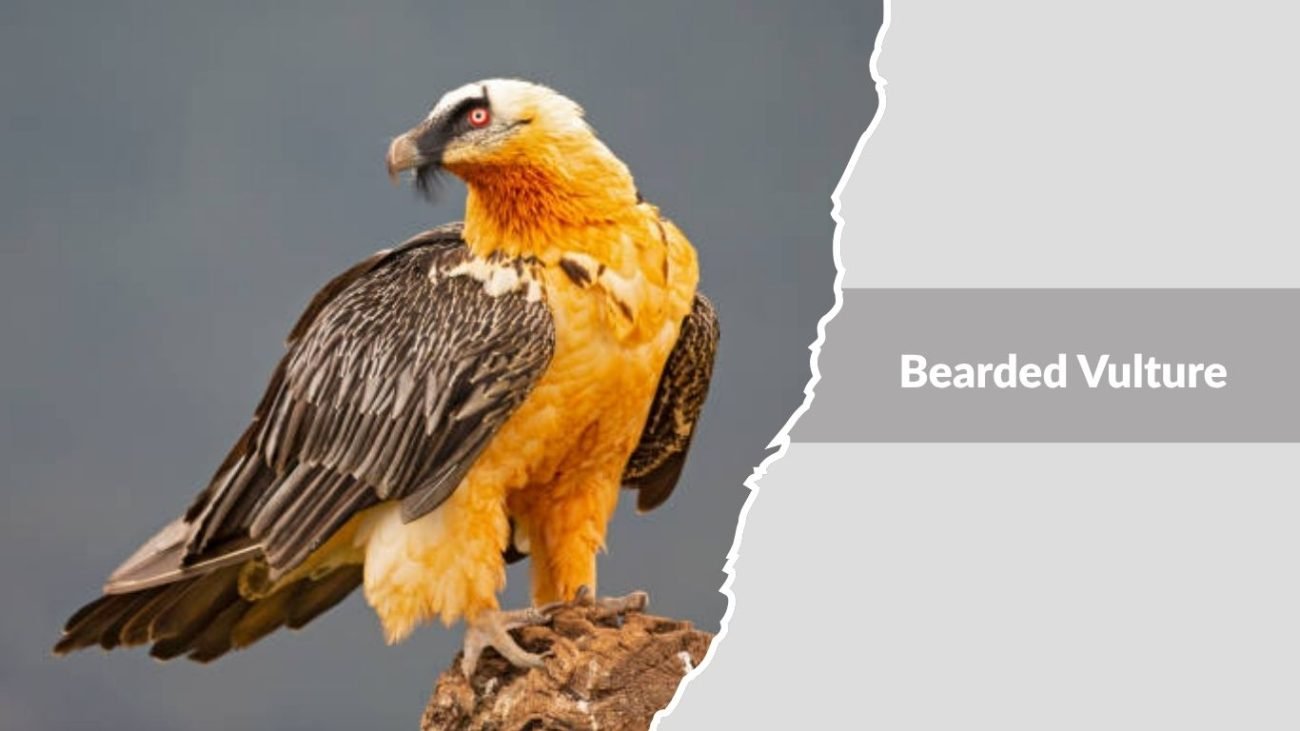
The Bearded Vulture, also known as the Lammergeier, is a unique high-flying bird famous for its ability to soar over mountainous regions. It is often seen gliding at great heights in search of food, especially bones, which make up a large part of its diet.
High-Altitude Flight Ability
This bird can reach altitudes of around 24,000 feet, especially when flying over mountain ranges like the Himalayas and the Alps. It uses strong thermal currents to glide smoothly at high elevations.
Key Characteristics
- Distinct beard-like feathers under the beak
- Wingspan up to 2.8 meters
- Specialized diet mainly consisting of bones
- Excellent soaring and gliding ability
Physical Adaptations
The Bearded Vulture has long, narrow wings that provide excellent lift and control in thin air. Its strong respiratory system and efficient energy use allow it to stay airborne for extended periods without fatigue.
Habitat and Distribution
It is found in mountainous regions across Europe, Asia, and parts of Africa. The bird prefers cliffs and rugged terrains where it can nest safely and take advantage of rising air currents for flight.
6. Andean Condor
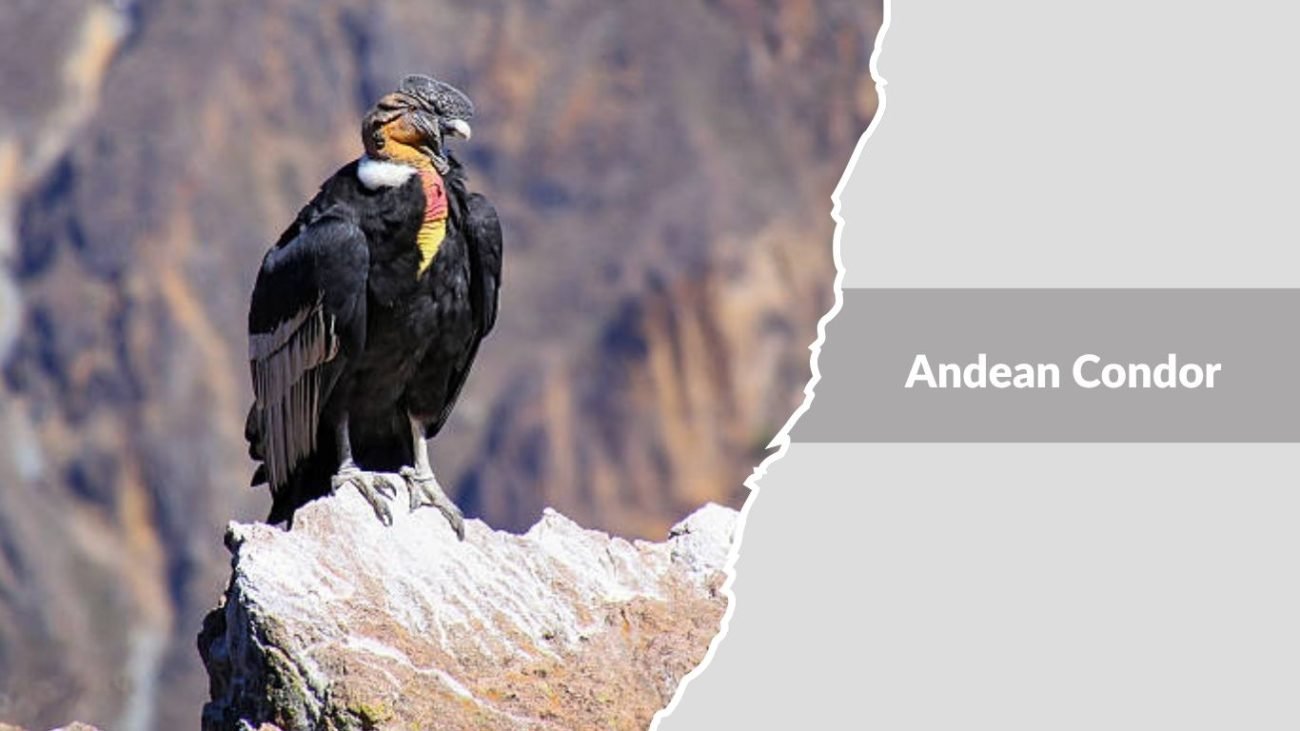
The Andean Condor is one of the largest flying birds in the world and is well known for its ability to soar at high altitudes. It uses air currents along mountain ranges to glide effortlessly for long distances without frequent wing flapping.
High-Altitude Flight Ability
This massive bird can reach altitudes of up to 21,000 feet. It is often seen soaring high above the Andes Mountains, using thermal updrafts to stay in the air for hours with minimal energy use.
Key Characteristics
- One of the largest wingspans, up to 3.3 meters
- Black feathers with white markings on wings
- Bald head adapted for scavenging
- Exceptional gliding ability
Physical Adaptations
The Andean Condor has broad wings that are ideal for soaring in thin air. Its lightweight bone structure and efficient respiratory system allow it to maintain flight at high elevations with minimal effort.
Habitat and Distribution
It is primarily found along the Andes Mountains in South America, including countries like Chile, Argentina, Peru, and Colombia. The bird prefers open highland areas and cliffs where strong air currents are available.
7. Common Crane
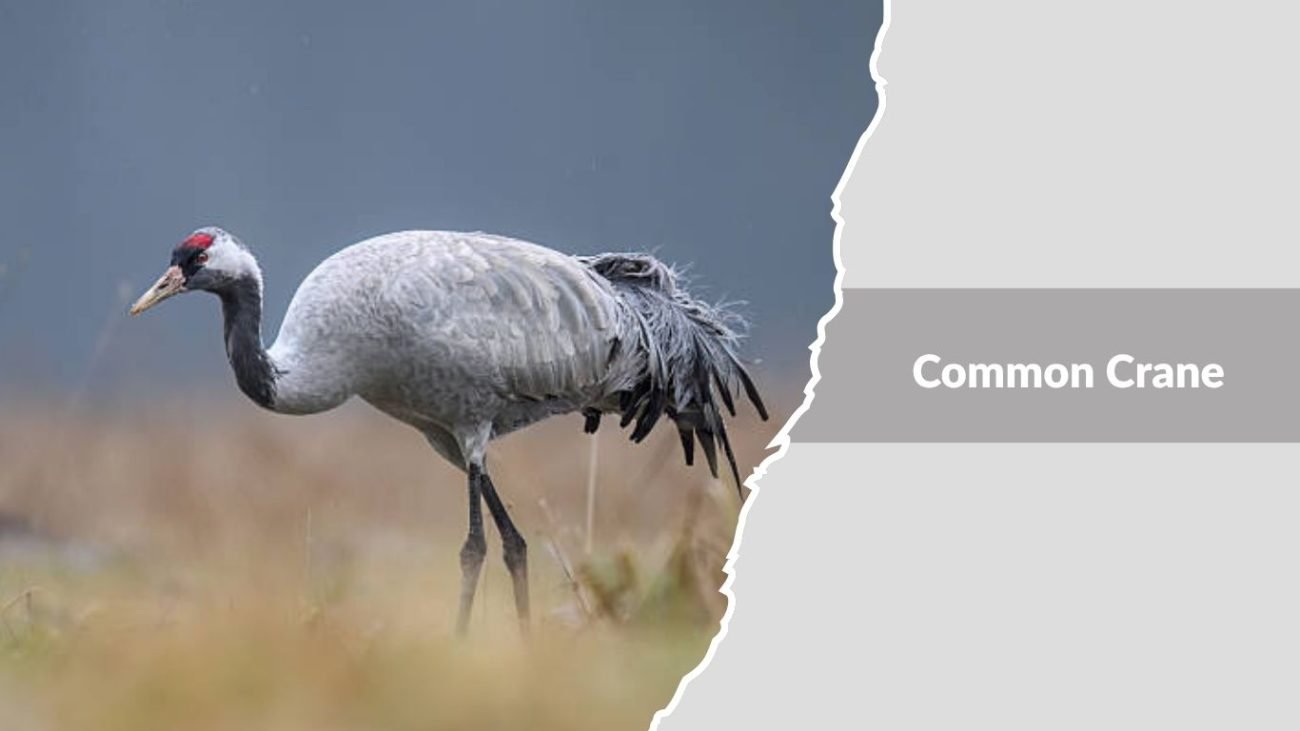
The Common Crane is a powerful migratory bird known for its ability to travel long distances at high altitudes. It often flies in large flocks and uses energy-efficient flight patterns to cross vast regions, including mountainous areas.
High-Altitude Flight Ability
This bird can reach altitudes of up to 20,000 feet during migration. It often flies over mountain ranges and uses favorable wind conditions to maintain its height with minimal effort.
Key Characteristics
- Tall body with long legs and neck
- Wingspan up to 2.4 meters
- Distinctive loud, trumpeting call
- Strong flocking and migratory behavior
Physical Adaptations
The Common Crane has strong wings and a streamlined body that supports long-distance flight. Its efficient breathing system allows it to cope with reduced oxygen levels at higher elevations.
Habitat and Distribution
It is widely found across Europe and Asia. The bird breeds in northern regions and migrates to warmer areas such as Africa, the Middle East, and South Asia during winter.
8. Mallard
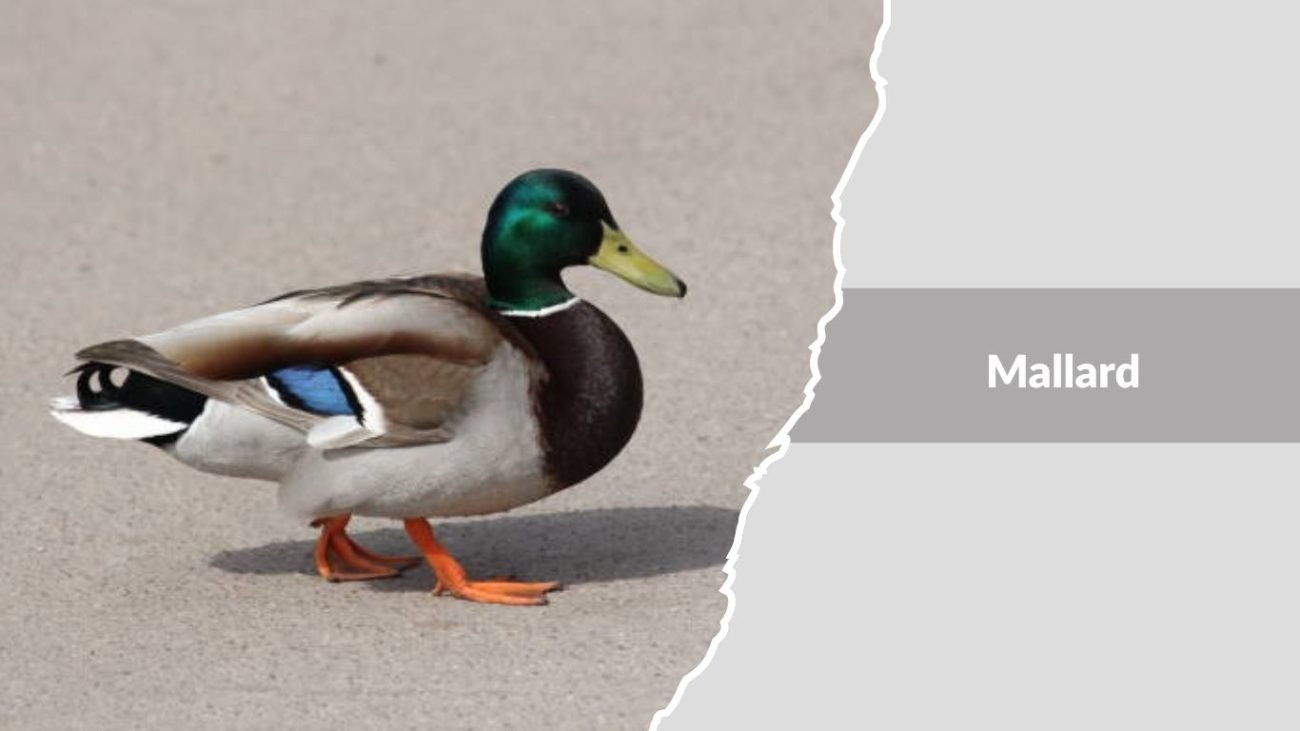
The Mallard is one of the most common and widespread duck species, yet it is also capable of flying at surprisingly high altitudes during migration. Its adaptability and strong flight ability make it a notable high-flying bird.
High-Altitude Flight Ability
Mallards have been recorded flying at altitudes of up to 21,000 feet. These heights are usually reached during migration when they travel long distances across continents and encounter varying terrains.
Key Characteristics
- Recognizable green head in males
- Medium-sized body with strong wings
- Highly adaptable to different environments
- Omnivorous feeding habits
Physical Adaptations
The Mallard has a streamlined body and powerful wing muscles that support sustained flight. Its ability to adjust to different air pressures and temperatures helps it survive at higher altitudes.
Habitat and Distribution
Mallards are found across North America, Europe, Asia, and parts of Africa. They inhabit wetlands, lakes, rivers, and ponds, and migrate seasonally to regions with suitable climate and food availability.
9. Golden Eagle
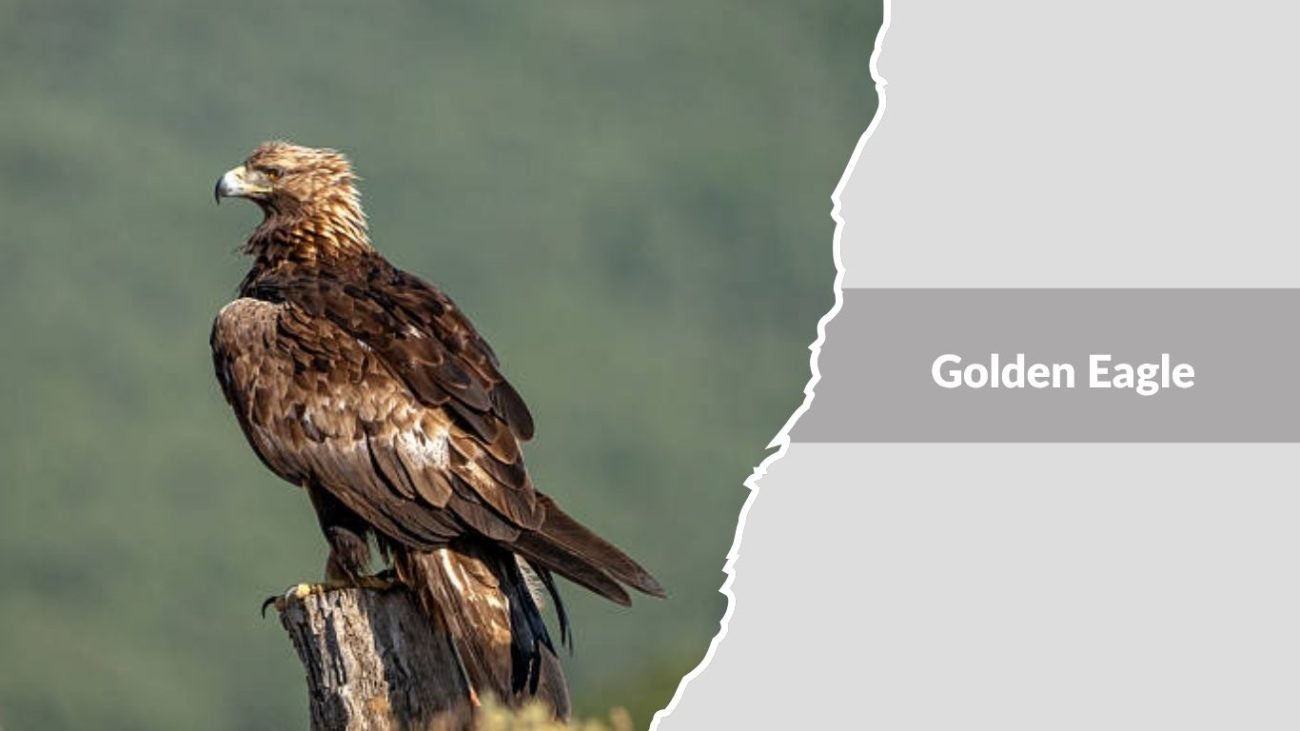
The Golden Eagle is a powerful bird of prey known for its strength, speed, and ability to soar at high altitudes. It often uses rising air currents to glide over vast landscapes while searching for prey.
High-Altitude Flight Ability
Golden Eagles can reach altitudes of around 20,000 feet. They typically fly high while hunting or migrating, using thermal updrafts to conserve energy and maintain elevation for long periods.
Key Characteristics
- Dark brown body with golden feathers on the head
- Wingspan up to 2.3 meters
- Sharp talons and strong beak
- Exceptional vision for spotting prey
Physical Adaptations
This eagle has broad wings and a strong, muscular body that supports both soaring and powerful flapping flight. Its efficient lungs and high stamina allow it to operate effectively in thinner air at high elevations.
Habitat and Distribution
Golden Eagles are found across North America, Europe, Asia, and North Africa. They prefer open and mountainous regions where they can nest on cliffs and take advantage of strong air currents for flight.
10. Demoiselle Crane
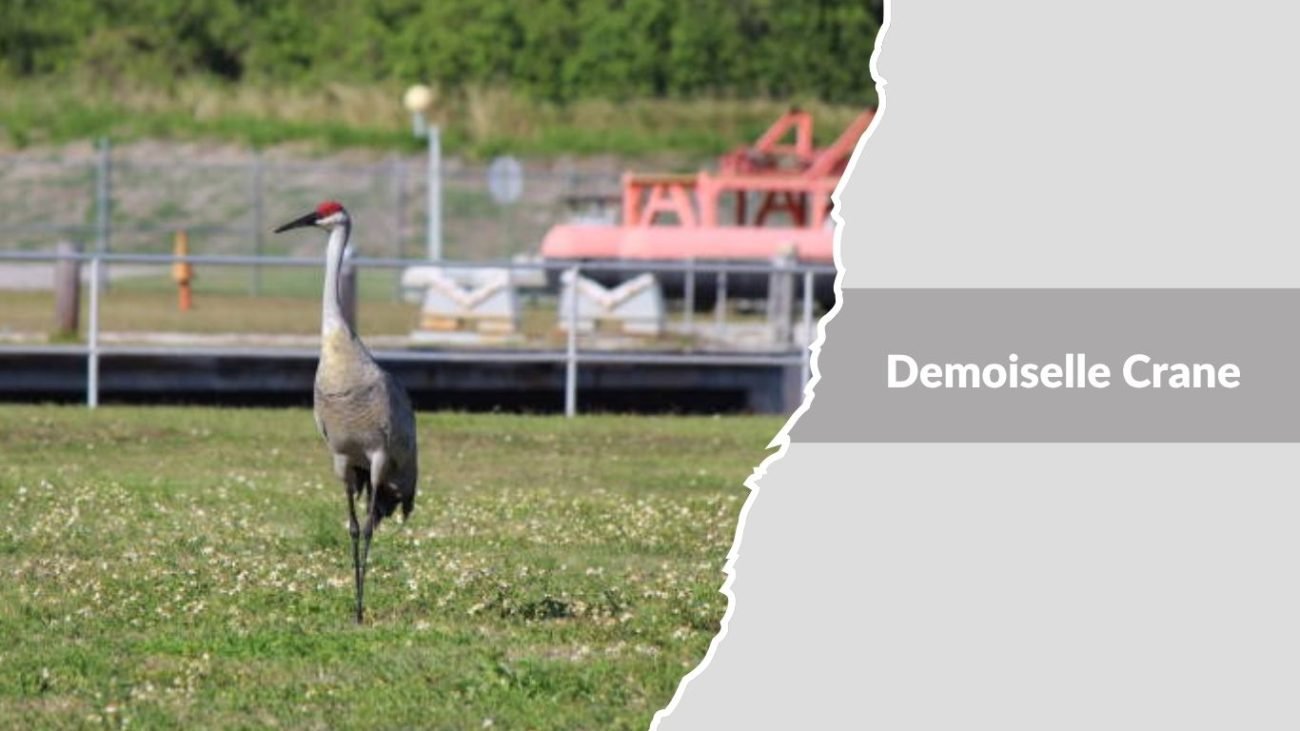
The Demoiselle Crane is one of the smallest crane species but is known for its impressive high-altitude migration. It travels long distances and crosses challenging terrains, including some of the world’s highest mountain ranges.
High-Altitude Flight Ability
This crane can fly at altitudes of up to 16,000 to 20,000 feet. During migration, it crosses the Himalayas, demonstrating remarkable endurance and the ability to survive in low-oxygen conditions.
Key Characteristics
- Slender body with elegant appearance
- Long neck and legs
- Distinct black and white plumage
- Graceful and steady flight
Physical Adaptations
The Demoiselle Crane has strong wings and a lightweight body that supports long-distance flight. Its efficient respiratory system helps it cope with reduced oxygen levels at higher altitudes.
Habitat and Distribution
It is found across Central Asia, including Mongolia and Kazakhstan. During winter, it migrates to regions like India, Africa, and parts of the Middle East where food and climate conditions are more favorable.
FAQs
Which bird flies the highest in the world?
The Rüppell’s Griffon Vulture holds the record for the highest flying bird ever recorded. It has been observed at an altitude of about 37,000 feet, which is similar to the cruising height of commercial airplanes. Its unique blood adaptation allows it to survive in extremely low oxygen levels.
Why do some birds fly at very high altitudes?
Birds fly at high altitudes mainly during migration to cross mountains, avoid predators, and take advantage of favorable wind currents. Flying higher can also help them conserve energy over long distances by gliding on air currents.
How do birds survive with low oxygen at high altitudes?
High-flying birds have special physiological adaptations, such as highly efficient lungs and hemoglobin that binds oxygen more effectively. These features allow them to absorb and use oxygen even in thin air where most animals would struggle.
Do all birds migrate at high altitudes?
No, not all birds migrate at high altitudes. While some species like geese and cranes fly very high to cross mountains, many birds travel at lower elevations depending on their route, environment, and energy needs.
Which bird crosses the Himalayas during migration?
The Bar-headed Goose is famous for crossing the Himalayas during migration. It flies at extreme altitudes, sometimes near Mount Everest, making it one of the most impressive high-altitude migrants in the animal kingdom.