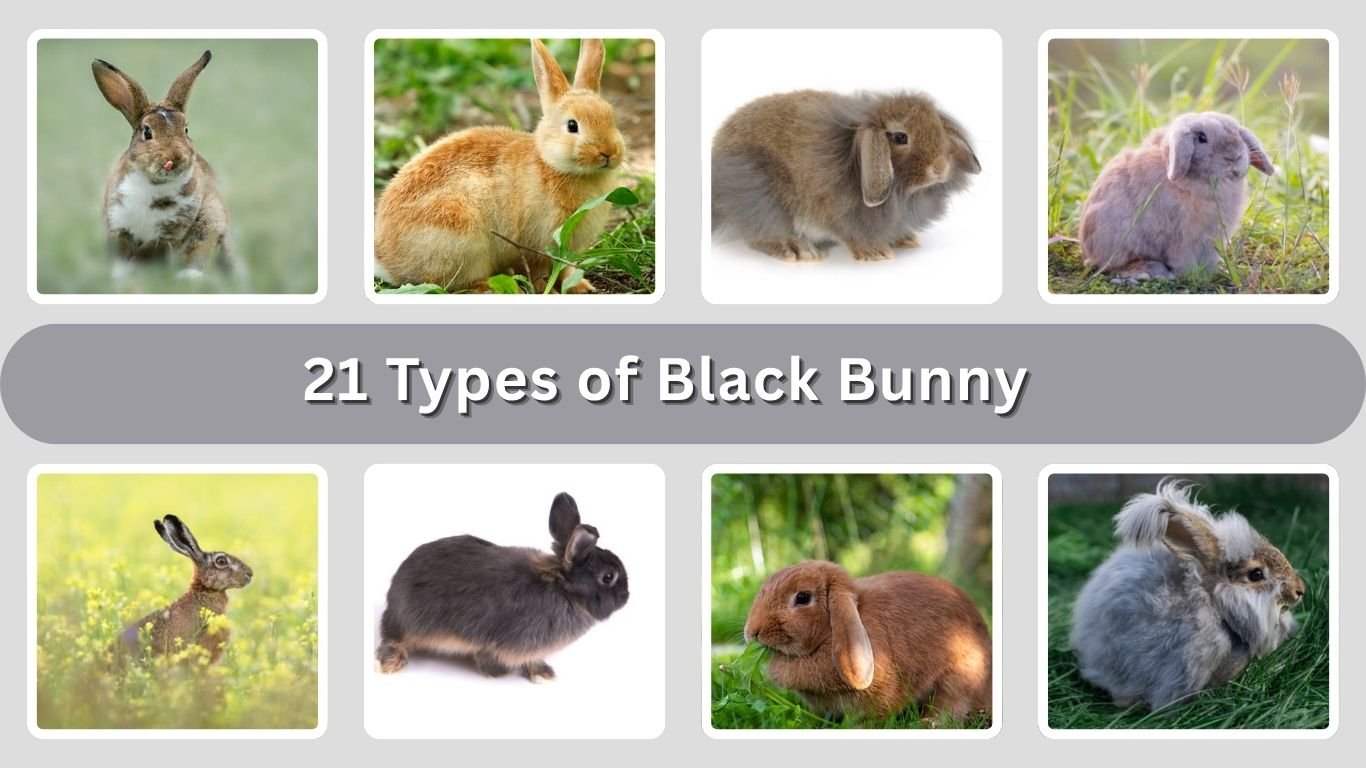
Black rabbits are admired for their sleek, elegant appearance and soft, glossy coats. From small and fluffy companions to large, gentle giants, many rabbit breeds come in stunning black variations. Each type has its own unique personality, care needs, and characteristics, making them suitable for different kinds of owners. In this guide, you’ll discover 21 types of black bunny breeds along with their key features, helping you understand and choose the perfect rabbit for your needs.
1. American Fuzzy Lop (Black)
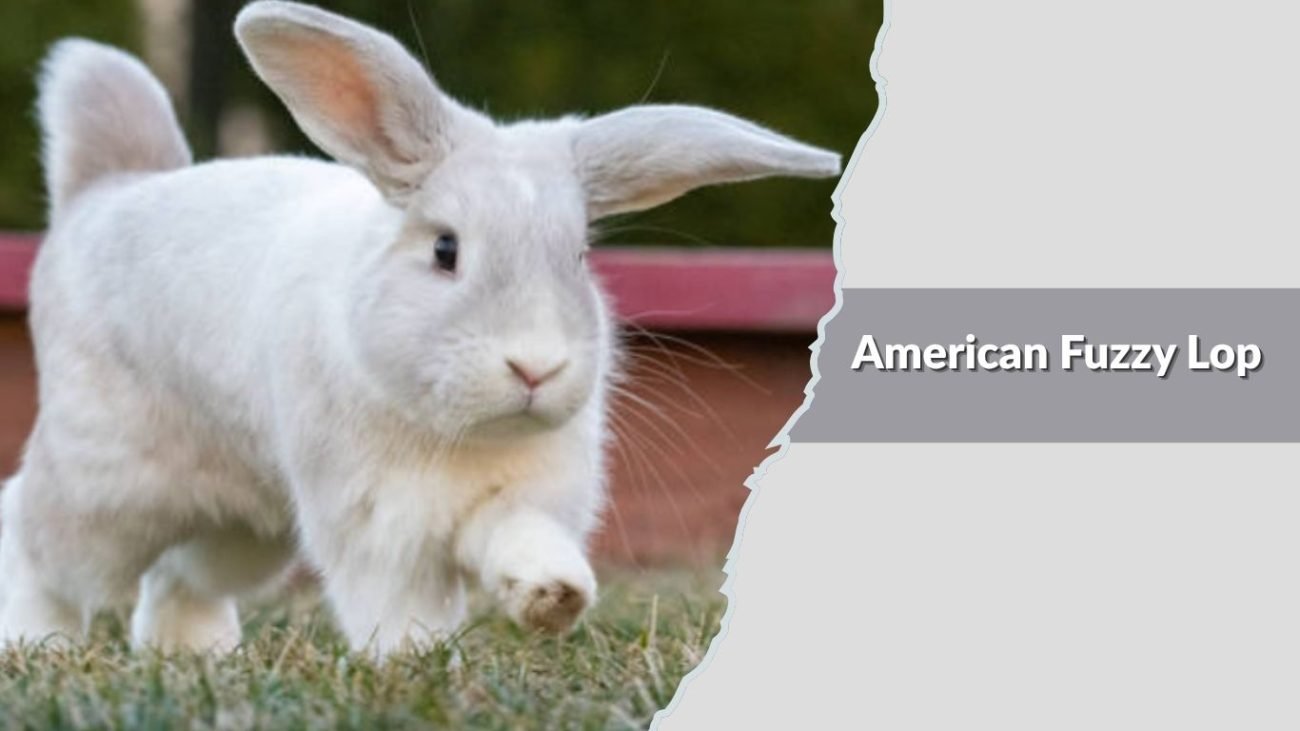
A small, affectionate rabbit breed known for its soft wool-like coat and floppy ears. The black variety stands out with its deep, rich color and plush appearance, making it a popular choice among rabbit enthusiasts. This breed is both charming and manageable in size.
Identification
- Small, compact body structure
- Characteristic lop ears hanging on both sides
- Thick, wooly fur requiring regular grooming
- Solid black coat with a soft sheen
- Round head with a short, flat face
Personality
American Fuzzy Lops are gentle, friendly, and highly social rabbits. They enjoy interacting with humans and can become very attached to their owners. Their calm temperament makes them suitable for indoor living, and they usually adapt well to handling, especially when raised with care and attention from a young age.
Care Needs
This breed requires consistent grooming due to its dense wool coat, which can easily become tangled. Regular brushing, a clean habitat, and a balanced diet are essential. Owners should also monitor for wool block issues and ensure the rabbit gets enough exercise and hydration daily.
Habitat
American Fuzzy Lops thrive best in a clean, spacious indoor enclosure where temperature and safety can be controlled. Their living area should include soft bedding, hiding spots, and enough space to move around freely. They are sensitive to extreme heat, so a cool, well-ventilated environment is ideal for their comfort.
Diet
Their diet should primarily consist of high-quality hay, which aids digestion and dental health. Fresh vegetables like leafy greens can be added daily, along with a limited amount of pellets. Clean water must always be available. Avoid sugary treats, and introduce new foods gradually to prevent digestive issues.
2. American Sable (Black Variant)
The American Sable is known for its smooth coat and elegant appearance. While typically seen in sable shading, darker or near-black variations also exist, giving this breed a rich and striking look. It is a medium-sized rabbit with a graceful build.
Identification
- Medium-sized body with a well-rounded shape
- Short, smooth, and dense fur
- Dark brown to near-black coat appearance
- Ears held upright with a proportional length
- Dark eyes that complement its coat color
Personality
American Sables are calm, intelligent, and affectionate rabbits. They enjoy human interaction and can be quite playful when comfortable in their environment. This breed tends to be curious and responsive, making it easier to bond with owners over time through regular handling and attention.
Care Needs
This breed has relatively low grooming requirements due to its short coat. Regular brushing helps remove loose fur and maintain coat health. A clean enclosure, routine nail trimming, and access to toys or enrichment activities are important to keep the rabbit physically and mentally stimulated.
Habitat
American Sables do well in both indoor and outdoor environments, though indoor housing is safer and more controlled. Their habitat should be spacious, clean, and well-ventilated. Providing hiding areas and soft bedding will help them feel secure and comfortable in their surroundings.
Diet
A proper diet includes unlimited hay as the main food source, supplemented with fresh vegetables such as romaine lettuce and herbs. High-quality pellets can be given in moderation. Fresh, clean water should always be available, and sugary or processed foods should be avoided to maintain good health.
3. Belgian Hare (Black)
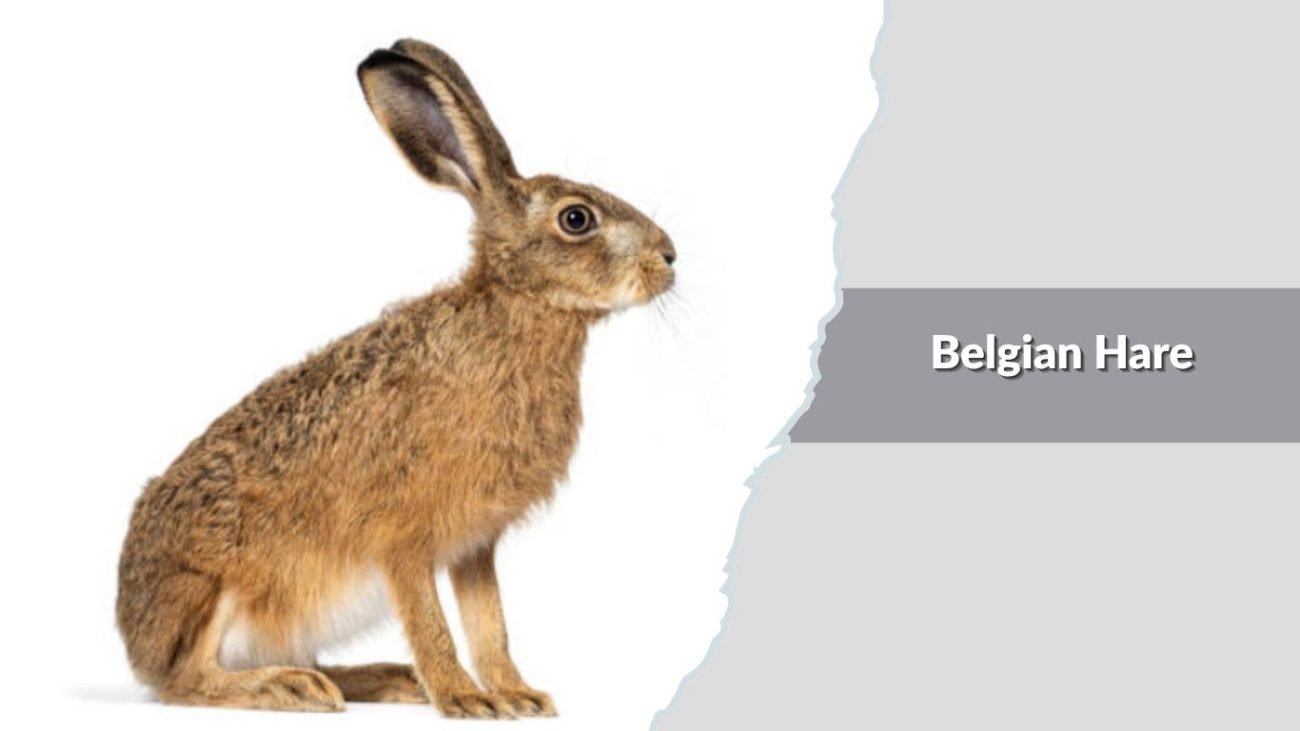
The Belgian Hare is a unique rabbit breed known for its resemblance to wild hares, with a slender body and long, powerful legs. While commonly seen in reddish tones, black variants also exist, offering a sleek and elegant appearance combined with athletic agility.
Identification
- Long, slim, and muscular body shape
- Long ears held upright
- Short, glossy coat with a smooth texture
- Deep black coloration in this variant
- Arched back with long, strong hind legs
Personality
Belgian Hares are energetic, alert, and intelligent rabbits. They are more active than many other breeds and enjoy space to run and explore. While they can be friendly, they are often more independent and may be less tolerant of excessive handling, making them better suited for experienced owners.
Care Needs
Due to their active nature, Belgian Hares need plenty of exercise and mental stimulation. Their short coat requires minimal grooming, but regular health checks are still important. Providing toys and space to move will help prevent boredom and stress in this breed.
Habitat
This breed requires a large, secure enclosure with plenty of room for movement. Indoor housing is ideal, but outdoor spaces can work if well-protected. They prefer a clean, quiet environment with space to run, as confinement can lead to stress due to their energetic temperament.
Diet
A healthy diet includes unlimited hay, which supports digestion and dental health. Fresh leafy greens and vegetables should be offered daily, along with a small portion of pellets. Clean water must always be available, and treats should be given sparingly to maintain proper nutrition.
4. Britannia Petite (Black)
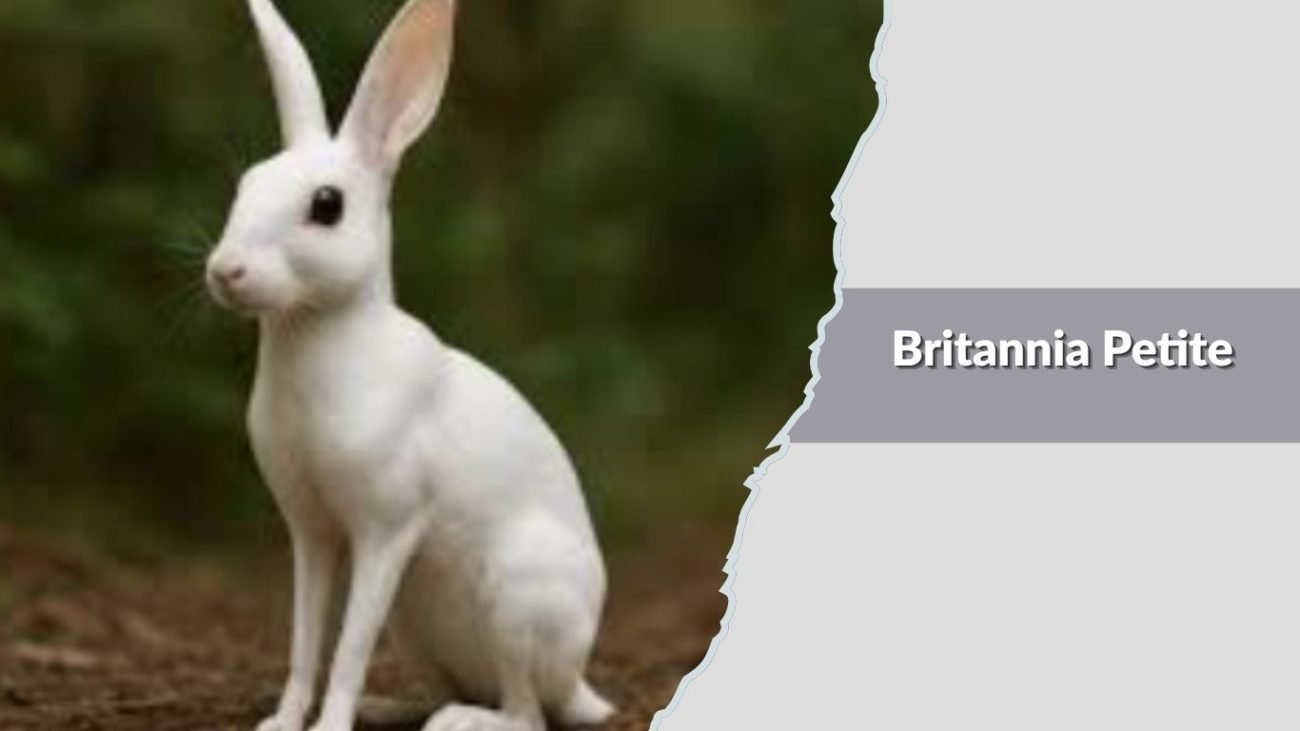
The Britannia Petite is a small and elegant rabbit breed known for its fine bone structure and lively personality. The black variety features a sleek, shiny coat that enhances its graceful and alert appearance, making it stand out despite its tiny size.
Identification
- Very small and lightweight body
- Fine bone structure with a slim build
- Upright ears that are relatively large for its size
- Short, smooth, and glossy black coat
- Distinctive arched body posture
Personality
Britannia Petite rabbits are energetic, spirited, and highly alert. They are known for their active nature and can be quite playful when given enough space. While they can bond with owners, they are generally more independent and may not enjoy excessive handling, especially if not socialized early.
Care Needs
This breed requires minimal grooming due to its short coat, but it benefits from regular interaction and exercise. Providing enrichment such as toys and safe play areas is important. Routine care, including nail trimming and health checks, helps maintain overall well-being.
Habitat
Britannia Petites thrive in spacious enclosures that allow them to move freely and express their energetic behavior. Indoor housing is preferred for safety and comfort. Their habitat should include hiding spots and soft bedding to help them feel secure and relaxed.
Diet
Their diet should consist mainly of high-quality hay to support digestion and dental health. Fresh vegetables can be given daily, along with a limited amount of pellets. Always provide clean, fresh water, and avoid sugary treats to ensure a balanced and healthy diet.
5. Champagne d’Argent (Black)
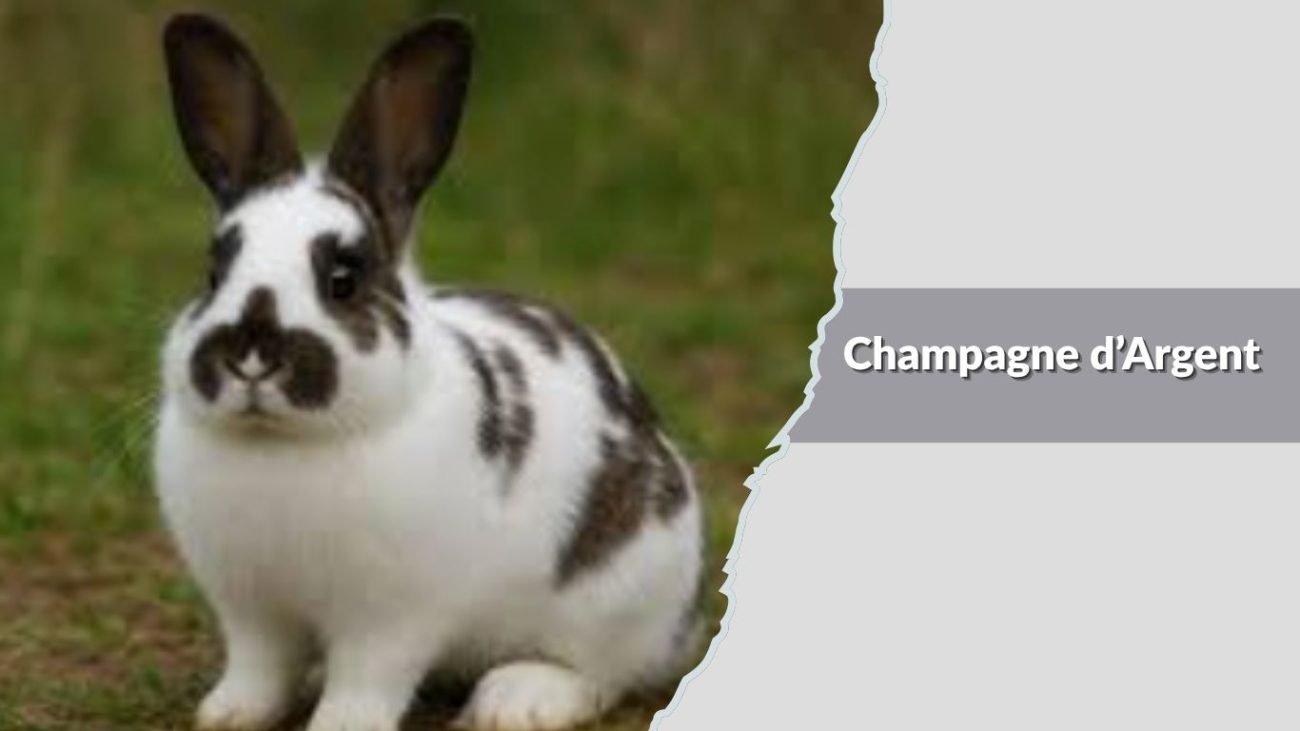
The Champagne d’Argent is a historic rabbit breed admired for its elegant appearance and dense coat. While traditionally known for its silvered fur, black variations or darker individuals can appear, offering a bold and refined look with a smooth, glossy finish.
Identification
- Medium to large body with a well-rounded build
- Dense, short coat with a smooth texture
- Dark or near-black coloration in this variant
- Upright ears of medium length
- Strong, balanced body structure
Personality
Champagne d’Argent rabbits are calm, gentle, and friendly in nature. They tend to be easygoing and enjoy a peaceful environment. This breed can form good bonds with owners and is generally tolerant of handling, making it suitable for both beginners and experienced rabbit keepers.
Care Needs
Their short coat requires minimal grooming, though occasional brushing helps maintain coat health. Regular cleaning of their living space, nail trimming, and routine health monitoring are important. Providing some space for movement and light exercise will keep them active and healthy.
Habitat
This breed does well in both indoor and outdoor environments, but indoor housing is safer and easier to manage. Their habitat should be spacious, clean, and well-ventilated. Soft bedding and a quiet setting will help them stay comfortable and stress-free.
Diet
A balanced diet includes unlimited hay as the main component, supported by fresh vegetables such as leafy greens. A small portion of quality pellets can be added daily. Fresh, clean water should always be available, and treats should be limited to maintain proper nutrition.
6. Dutch Rabbit (Black)
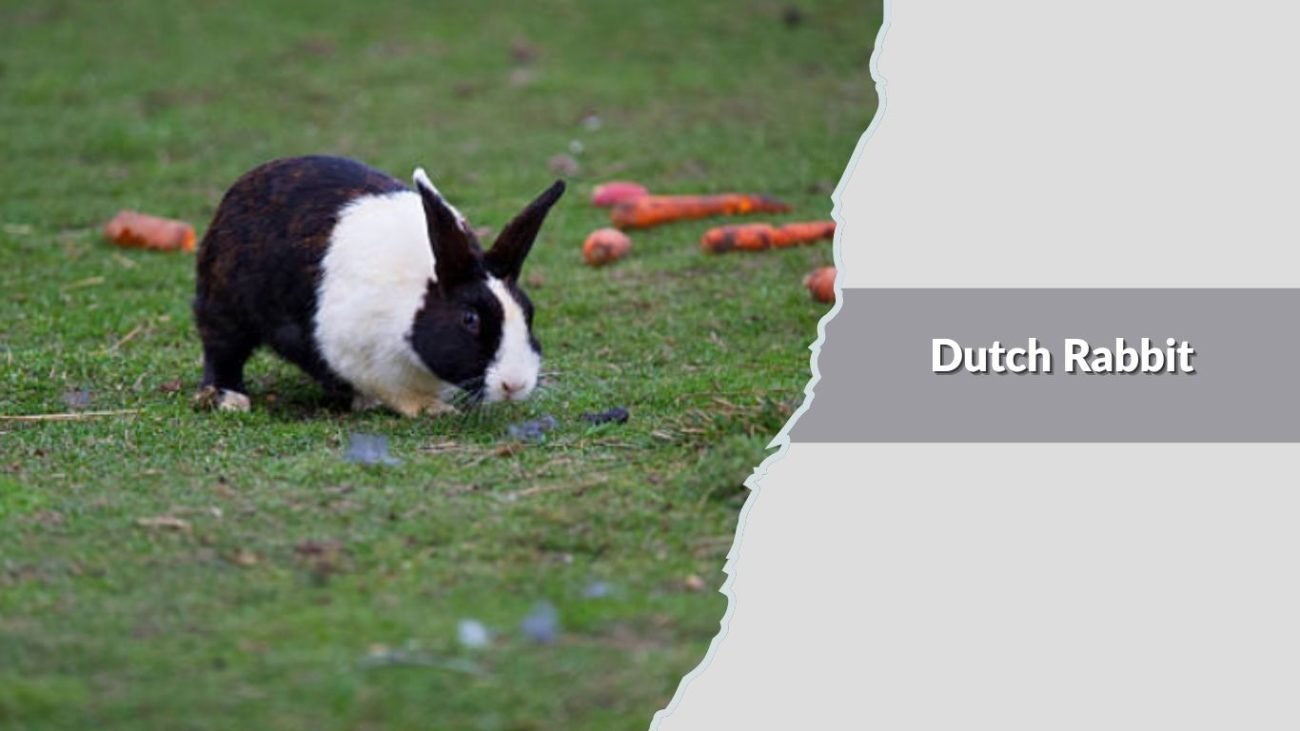
The Dutch Rabbit is a popular and easily recognizable breed known for its unique color pattern and compact size. The black variety features a striking contrast of deep black and white markings, giving it a clean and distinctive appearance that is widely admired.
Identification
- Small to medium-sized compact body
- Distinctive black and white color pattern
- Upright ears with a proportional length
- Short, smooth, and glossy coat
- Clear facial blaze and saddle markings
Personality
Dutch Rabbits are friendly, gentle, and sociable. They tend to enjoy human interaction and can be easily trained to respond to routines. Their calm temperament makes them great companions for families, and they usually adapt well to indoor living when given proper care and attention.
Care Needs
This breed has low grooming requirements due to its short coat, needing only occasional brushing. Regular cage cleaning, nail trimming, and access to toys or playtime are important. Providing a stimulating environment helps keep them mentally active and prevents boredom.
Habitat
Dutch Rabbits thrive in clean, spacious indoor enclosures where they feel safe and secure. Their habitat should include soft bedding, hiding spaces, and enough room to move around. A quiet and well-ventilated environment helps maintain their comfort and overall health.
Diet
Their diet should mainly consist of fresh hay to support digestion and dental health. Leafy greens and vegetables can be offered daily, along with a small amount of pellets. Clean drinking water must always be available, and sugary treats should be avoided for a balanced diet.
7. English Angora (Black)
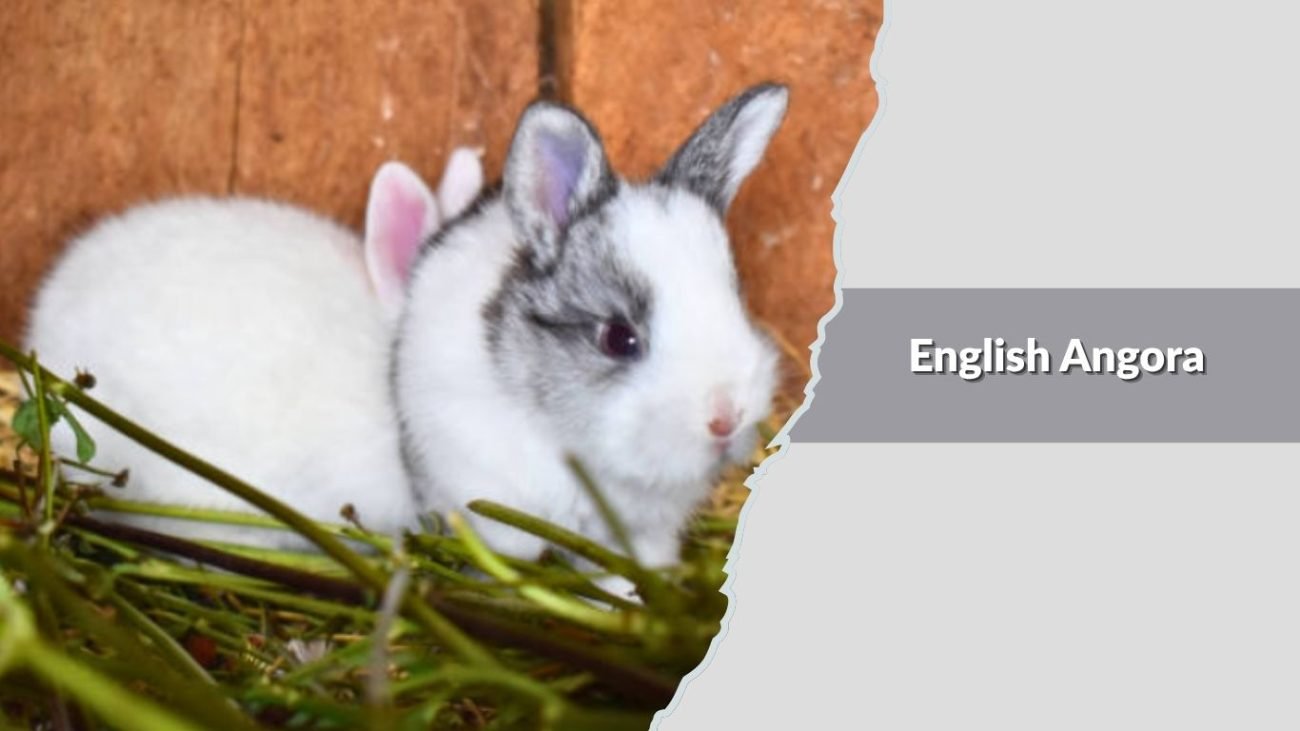
The English Angora is a small to medium-sized rabbit famous for its long, fluffy wool that covers its entire body, including the face and ears. The black variety looks especially striking, with its dense, dark coat giving it a soft, cloud-like appearance.
Identification
- Small to medium body size
- Extremely long, thick wool covering body, face, and ears
- Solid black coat with a soft, dense texture
- Short face often partially hidden by fur
- Compact and rounded body shape
Personality
English Angoras are gentle, calm, and affectionate rabbits. They enjoy quiet environments and can form strong bonds with their owners. While they are generally relaxed, they may be shy at first and need time to adjust. With regular interaction, they become friendly and trusting companions.
Care Needs
This breed requires high grooming maintenance due to its long wool, which can easily mat. Daily brushing is often necessary, along with regular trimming. Owners must also monitor for wool block issues and ensure proper hygiene, as their thick coat can trap dirt if not cared for properly.
Habitat
English Angoras do best in clean, dry indoor environments where their wool stays protected. Their enclosure should be spacious, well-ventilated, and free from moisture. Soft bedding and regular cleaning are essential to prevent their fur from becoming dirty or tangled.
Diet
A diet rich in high-quality hay is essential to support digestion and reduce the risk of wool block. Fresh leafy vegetables can be provided daily, along with a limited amount of pellets. Constant access to clean water is necessary, and a high-fiber diet is especially important for this breed.
8. English Lop (Black)
The English Lop is a distinctive rabbit breed known for its extremely long, drooping ears and slender body. The black variety adds a bold and elegant look, with its smooth, dark coat enhancing its unique and eye-catching appearance.
Identification
- Long, slim body with a graceful build
- Very long, drooping ears (often touching the ground)
- Short, smooth coat with a glossy finish
- Solid black coloration
- Narrow head with a refined facial structure
Personality
English Lops are calm, friendly, and sociable rabbits. They enjoy interacting with their owners and are generally relaxed in nature. This breed tends to be gentle and can adapt well to regular handling, making it a good companion for those who prefer a laid-back pet.
Care Needs
Their short coat requires minimal grooming, but special attention must be given to their long ears to keep them clean and free from injury. Regular health checks, nail trimming, and providing space for light activity are important to maintain their well-being.
Habitat
English Lops need a spacious and safe environment due to their large ears. Indoor housing is ideal to prevent ear damage. Their enclosure should be clean, well-padded, and free from sharp objects, allowing them to move comfortably without harming their ears.
Diet
A healthy diet includes unlimited hay as the main food source, which supports digestion and dental health. Fresh vegetables should be given daily, along with a small portion of pellets. Clean water must always be available, and treats should be limited to maintain proper health.
9. Flemish Giant (Black)
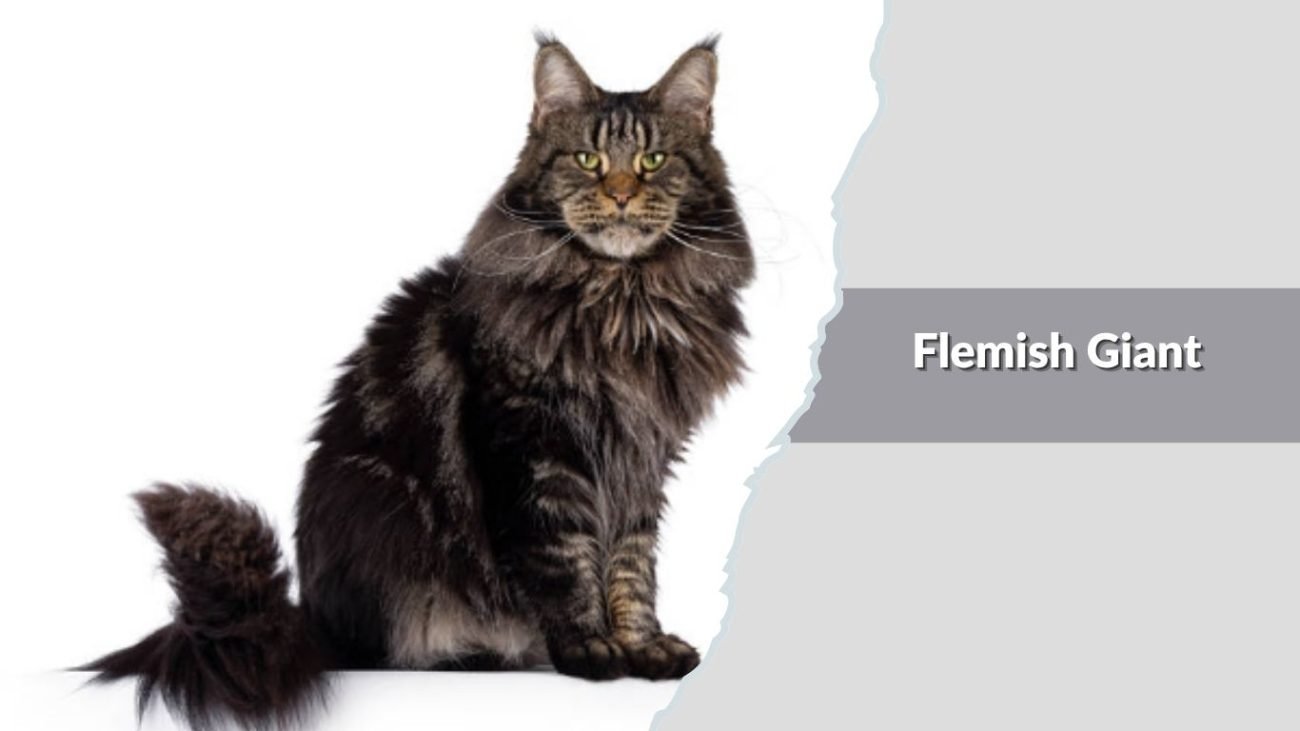
The Flemish Giant is one of the largest rabbit breeds in the world, known for its impressive size and gentle nature. The black variety showcases a deep, solid coat that enhances its massive yet calm and friendly appearance.
Identification
- Very large, heavy body with a long frame
- Broad head and strong bone structure
- Upright ears that are thick and long
- Short, dense coat with a smooth texture
- Solid black coloration with a slight sheen
Personality
Flemish Giants are often called “gentle giants” due to their calm and friendly temperament. They are affectionate, patient, and enjoy human interaction. Despite their size, they are usually relaxed and easygoing, making them suitable companions for families and experienced rabbit owners.
Care Needs
Due to their large size, they require more space and food than smaller breeds. Grooming is minimal, but regular health checks, nail trimming, and monitoring weight are important. Providing soft surfaces helps prevent sore hocks, which can occur in heavier rabbits.
Habitat
Flemish Giants need a very spacious enclosure or room to move freely. Indoor housing is preferred for safety and comfort. Their habitat should include sturdy flooring, soft bedding, and enough space to stretch out fully and move without restriction.
Diet
Their diet should consist mainly of high-quality hay to support digestion and dental health. Fresh vegetables can be given daily, along with a moderate amount of pellets. Due to their size, they consume more food, so fresh water and proper portion control are essential.
10. French Angora (Black)
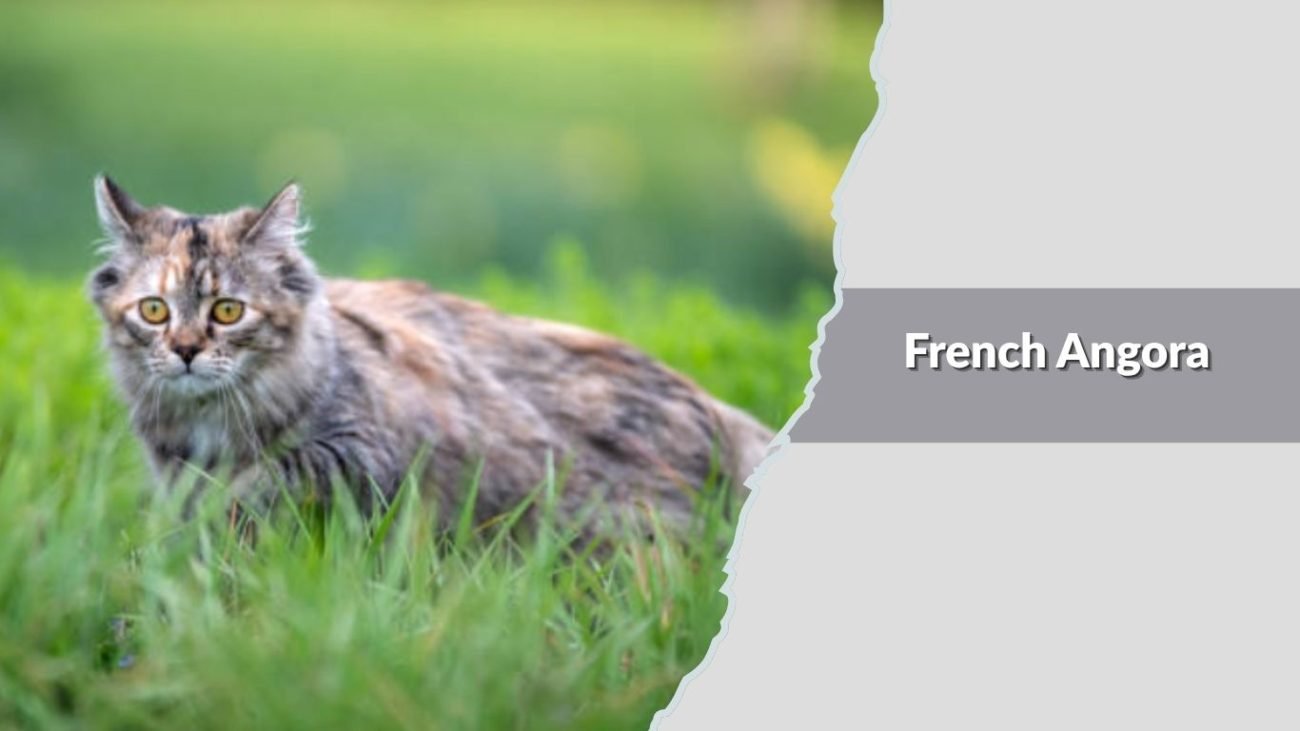
The French Angora is a larger wool-producing rabbit breed known for its thick, soft coat and sturdy body. The black variety appears especially rich and luxurious, with its dense wool giving it a full and elegant look while still being easier to maintain than some other Angoras.
Identification
- Medium to large body with a strong build
- Thick, wooly coat mainly on the body (less on face and ears)
- Solid black coloration with a dense texture
- Upright ears with minimal wool coverage
- Rounded body shape with a firm structure
Personality
French Angoras are calm, friendly, and easygoing rabbits. They tend to be more relaxed than some smaller breeds and enjoy gentle interaction with their owners. Their balanced temperament makes them suitable for both beginners and experienced rabbit keepers.
Care Needs
Although their coat is thick, it requires less maintenance than English Angoras. Regular brushing is still necessary to prevent matting. Routine care such as nail trimming, clean housing, and monitoring for wool block is important for maintaining their overall health.
Habitat
French Angoras thrive in clean, dry environments where their wool can stay in good condition. Indoor housing is ideal to protect them from dirt and moisture. Their enclosure should be spacious, well-ventilated, and include soft bedding for comfort.
Diet
A high-fiber diet is essential, with unlimited hay forming the base. Fresh vegetables should be given daily, along with a controlled amount of pellets. Clean water must always be available, and proper nutrition helps reduce the risk of digestive and wool-related issues.
11. Harlequin (Black)
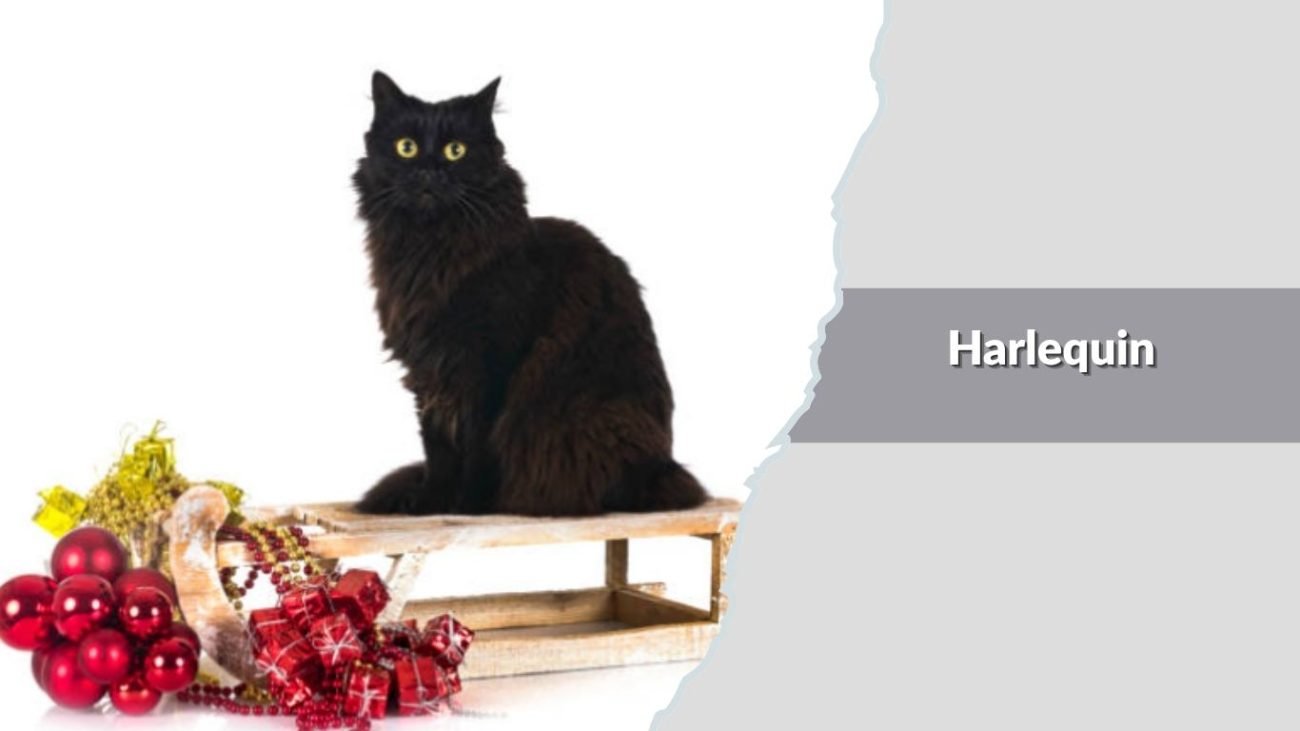
The Harlequin rabbit is known for its unique and striking color patterns, typically combining two contrasting colors. In black variations, the dark tones create a bold and eye-catching appearance, often mixed with lighter shades in a distinctive pattern.
Identification
- Medium-sized body with a balanced build
- Distinctive banded or patterned coat
- Black combined with another contrasting color
- Upright ears of medium length
- Short, smooth, and glossy fur
Personality
Harlequin rabbits are active, playful, and curious by nature. They enjoy exploring their surroundings and interacting with their owners. This breed is generally friendly and can become quite affectionate with regular handling, making them enjoyable companions for families.
Care Needs
Their short coat requires minimal grooming, with occasional brushing to remove loose fur. Regular exercise and mental stimulation are important due to their active personality. Routine care such as nail trimming and maintaining a clean living space helps keep them healthy.
Habitat
Harlequin rabbits do best in spacious enclosures that allow them to move freely and explore. Indoor housing is recommended for safety and comfort. Their habitat should include hiding spots, toys, and a clean, well-ventilated environment to support their active lifestyle.
Diet
Their diet should consist mainly of high-quality hay to aid digestion and dental health. Fresh vegetables can be provided daily, along with a small portion of pellets. Clean water must always be available, and a balanced diet is essential for maintaining their energy and overall health.
12. Havana (Black)
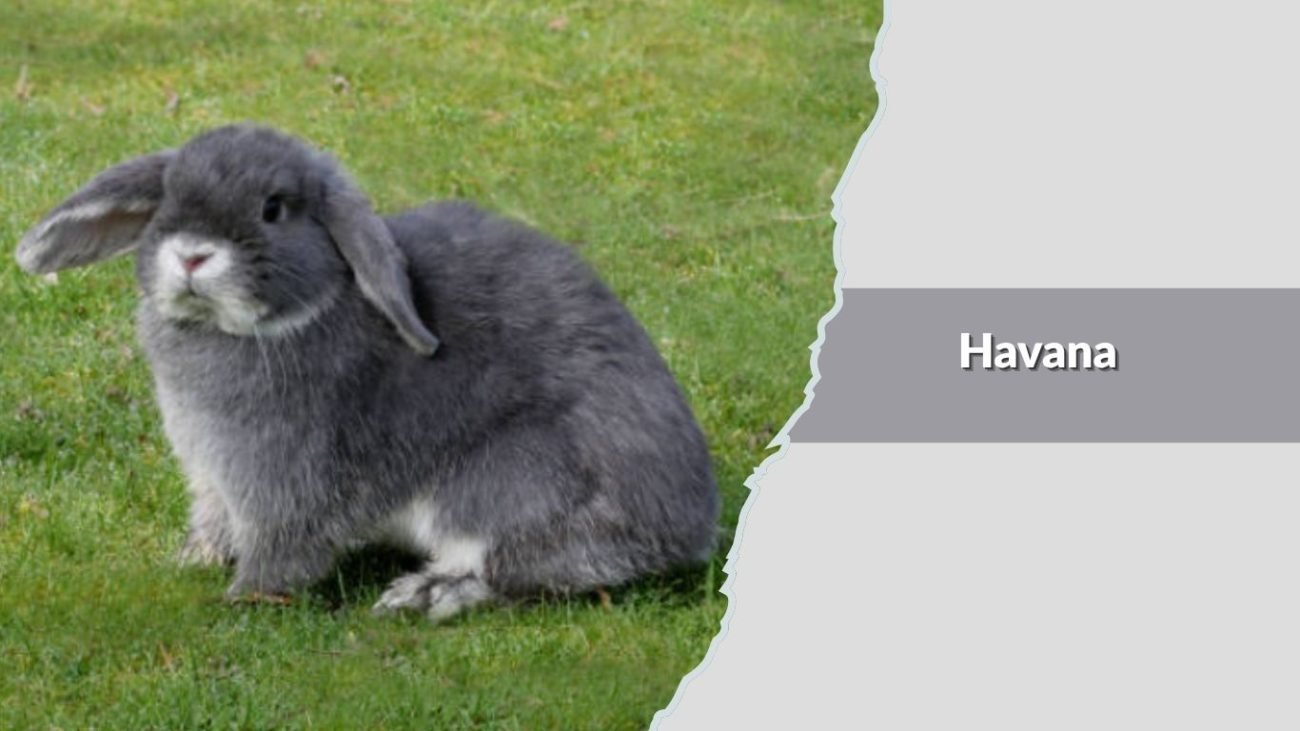
The Havana rabbit is well known for its rich, dark coat and compact body. The black variety is especially popular, featuring a deep, glossy color that gives the breed a smooth and polished appearance. It is often admired for its elegant yet simple look.
Identification
- Medium-sized, compact body
- Short, smooth, and glossy coat
- Deep black coloration with a rich shine
- Upright ears of moderate length
- Rounded head with a well-balanced structure
Personality
Havana rabbits are calm, gentle, and affectionate. They enjoy human interaction and can become very friendly with regular handling. This breed is known for its relaxed nature, making it a good choice for families or individuals looking for a quiet and easygoing companion.
Care Needs
Their short coat makes grooming simple, requiring only occasional brushing. Regular care includes maintaining a clean living space, trimming nails, and monitoring overall health. Providing toys or light exercise helps keep them mentally and physically active.
Habitat
Havana rabbits thrive in clean, comfortable indoor environments. Their enclosure should be spacious enough for movement and include soft bedding for comfort. A quiet, well-ventilated area helps reduce stress and supports their calm temperament.
Diet
A balanced diet includes unlimited hay as the primary food source for digestion and dental health. Fresh vegetables can be offered daily, along with a small portion of pellets. Clean water must always be available, and treats should be limited to ensure proper nutrition.
13. Himalayan (Black)
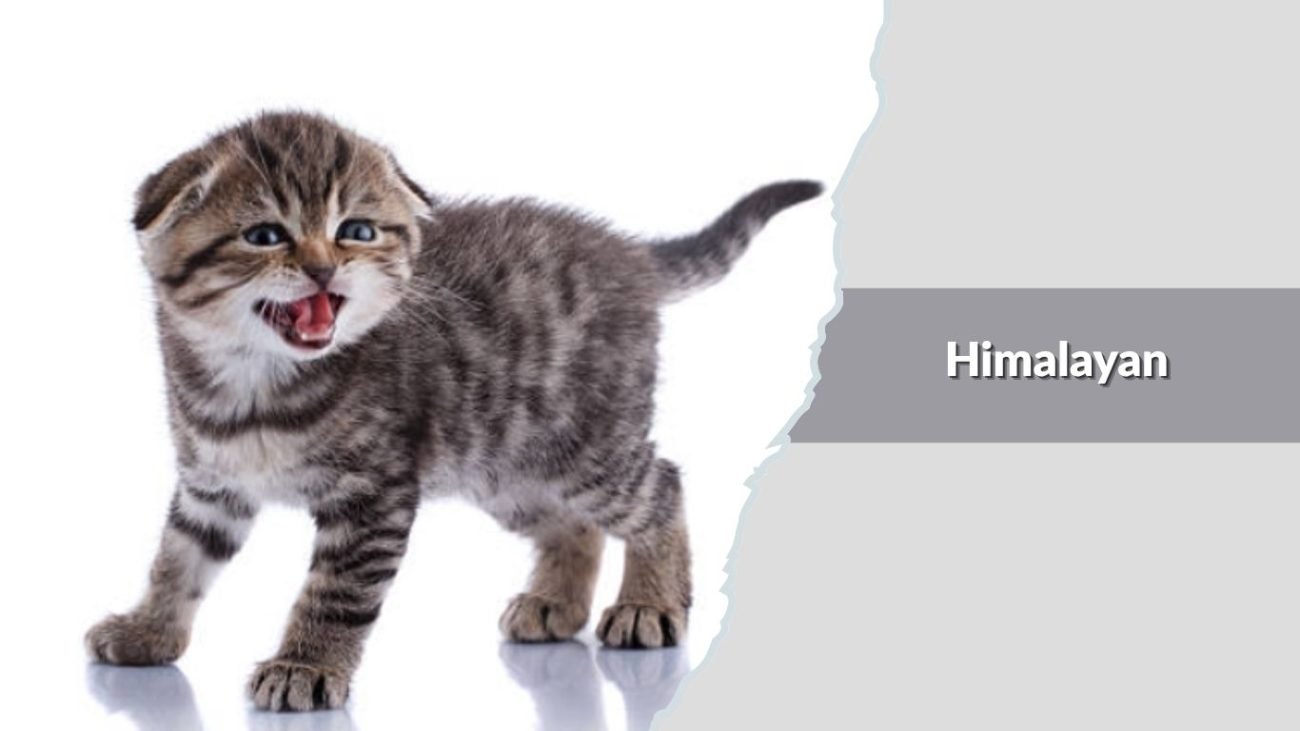
The Himalayan rabbit is a small, slender breed recognized for its unique color-point pattern. In the black variety, the ears, nose, feet, and tail appear dark black, contrasting with a lighter body color, giving it a clean and distinctive look.
Identification
- Small, cylindrical body shape
- Short, fine, and smooth coat
- White body with black points (ears, nose, feet, tail)
- Upright ears with dark coloration
- Red or pink eyes typical of the breed
Personality
Himalayan rabbits are calm, gentle, and easygoing. They are known for their relaxed nature and enjoy being handled, making them suitable for families and beginners. They tend to be quiet and friendly, often forming strong bonds with their owners over time.
Care Needs
This breed requires minimal grooming due to its short coat. Regular cleaning of their living space, nail trimming, and basic health monitoring are essential. Providing some playtime and interaction helps keep them happy and mentally stimulated.
Habitat
Himalayan rabbits do well in indoor environments where temperature can be controlled. Their enclosure should be clean, spacious, and well-ventilated. Soft bedding and a calm setting will help them feel comfortable and secure.
Diet
Their diet should mainly consist of high-quality hay for proper digestion and dental care. Fresh vegetables can be added daily, along with a small portion of pellets. Clean water must always be available, and a balanced diet is key to maintaining their health.
14. Holland Lop (Black)
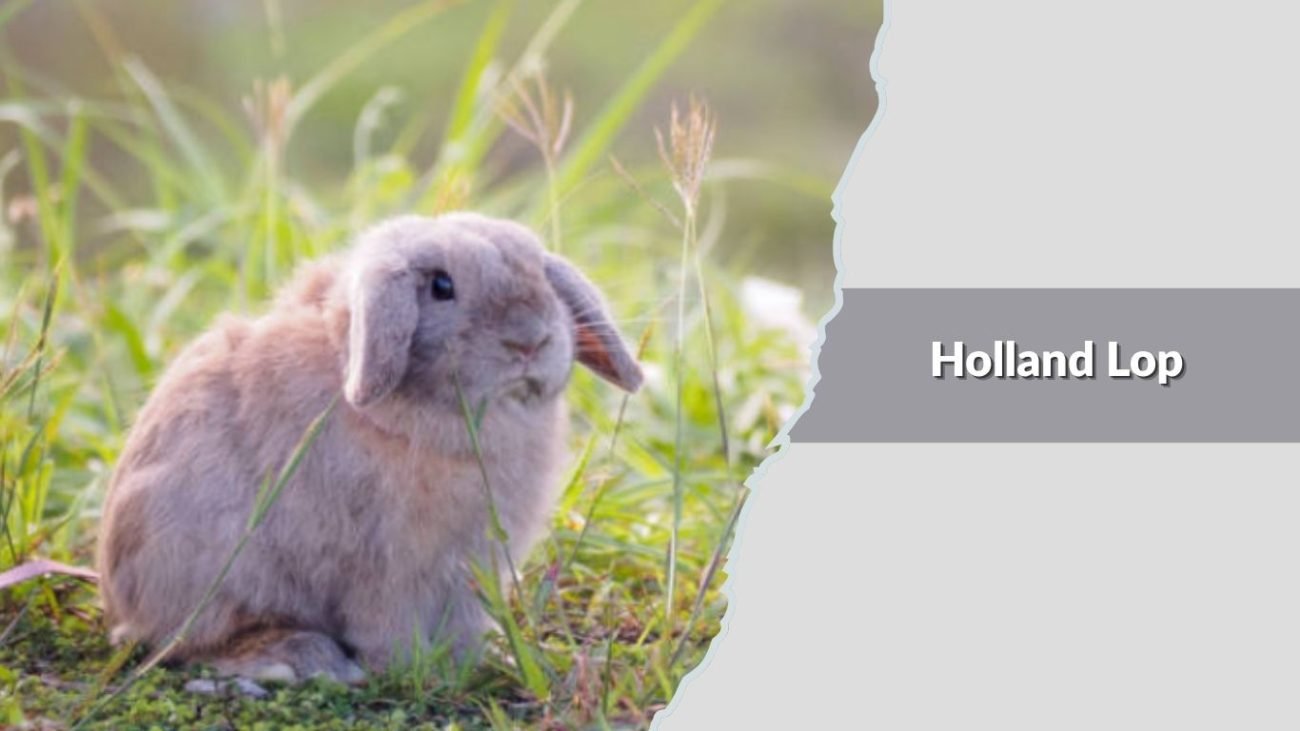
The Holland Lop is a small and popular rabbit breed known for its compact body and adorable floppy ears. The black variety is especially attractive, featuring a deep, solid coat that enhances its cute and rounded appearance.
Identification
- Small, compact, and sturdy body
- Distinctive lop ears hanging down close to the head
- Short, dense, and soft coat
- Solid black coloration with a smooth finish
- Round face with a short nose
Personality
Holland Lops are friendly, affectionate, and playful rabbits. They enjoy human interaction and often form strong bonds with their owners. Their gentle and social nature makes them excellent pets for families, including those with children, when handled properly.
Care Needs
This breed requires minimal grooming due to its short coat, but regular brushing helps maintain cleanliness. Routine care includes nail trimming, cleaning the enclosure, and providing toys for mental stimulation. Regular interaction is important to keep them happy and active.
Habitat
Holland Lops thrive in indoor environments where they feel safe and comfortable. Their enclosure should be spacious enough for movement, with soft bedding and hiding areas. A clean, quiet, and well-ventilated space supports their overall well-being.
Diet
A healthy diet consists mainly of high-quality hay to support digestion and dental health. Fresh vegetables can be provided daily, along with a limited amount of pellets. Clean, fresh water must always be available, and treats should be given sparingly.
15. Jersey Wooly (Black)
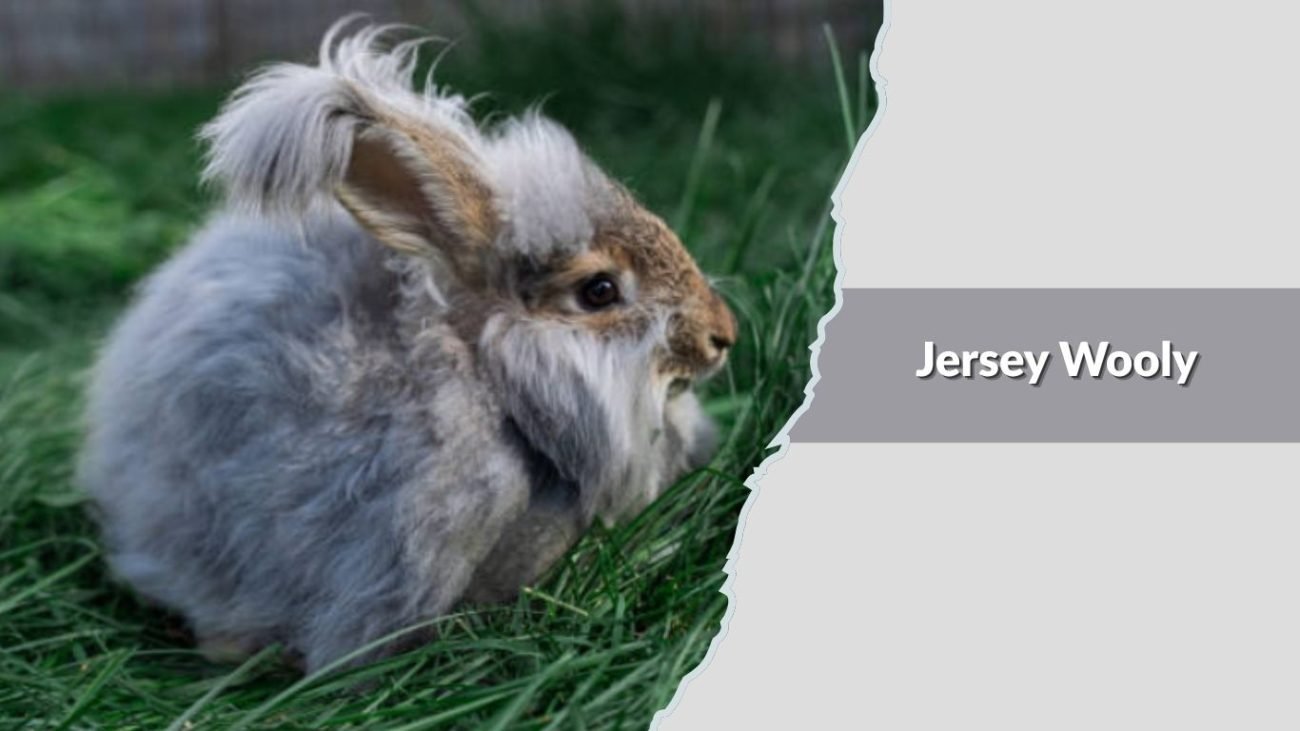
The Jersey Wooly is a small rabbit breed known for its soft wool-like coat and gentle nature. The black variety looks especially plush and attractive, with its dense, dark fur giving it a fluffy and compact appearance that many rabbit lovers admire.
Identification
- Small, compact body with a rounded shape
- Thick, wooly coat covering the body
- Solid black coloration with a soft texture
- Upright ears that are short and well-furred
- Round head with a short, flat face
Personality
Jersey Wooly rabbits are calm, gentle, and affectionate. They are often described as very docile and easy to handle, making them excellent pets for beginners and families. Their friendly nature allows them to bond well with owners and enjoy quiet interaction.
Care Needs
This breed requires regular grooming to prevent matting due to its wooly coat. Brushing several times a week is important, along with maintaining a clean living space. Routine care such as nail trimming and health checks ensures they remain comfortable and healthy.
Habitat
Jersey Woolies do best in clean, indoor environments where their coat can stay dry and free from dirt. Their enclosure should be spacious, well-ventilated, and include soft bedding. A calm and quiet setting helps them feel secure and relaxed.
Diet
A diet rich in hay is essential to support digestion and reduce the risk of wool block. Fresh vegetables can be given daily, along with a small portion of pellets. Clean water must always be available, and a high-fiber diet is especially important for this breed.
16. Lionhead (Black)
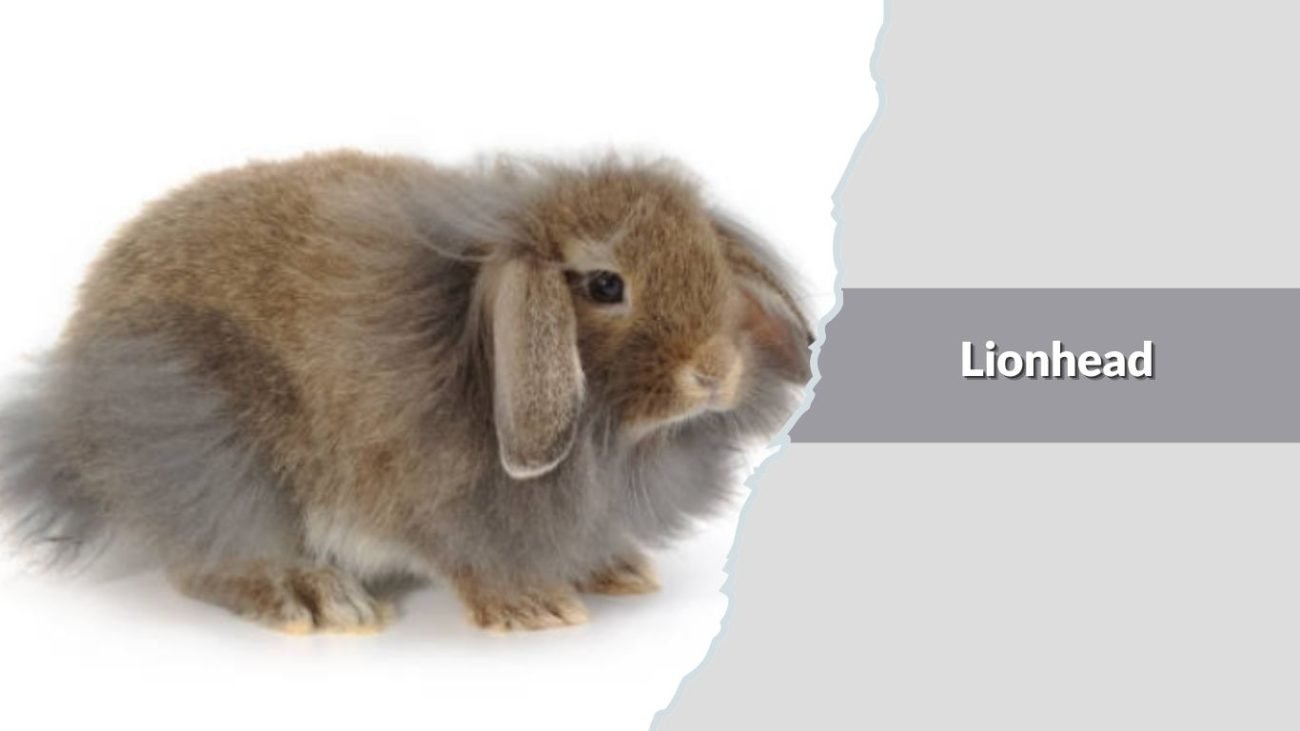
The Lionhead rabbit is a small and distinctive breed known for the mane of longer fur around its head, resembling a lion. The black variety enhances this unique look, with its dark coat making the fluffy mane even more noticeable and striking.
Identification
- Small, compact body structure
- Distinctive mane of longer fur around the head
- Short to medium coat on the rest of the body
- Solid black coloration with a soft texture
- Upright ears that are relatively short
Personality
Lionhead rabbits are friendly, playful, and affectionate. They enjoy interacting with their owners and can be quite energetic during playtime. Despite their lively nature, they are also gentle and can adapt well to indoor living, making them great companions for families.
Care Needs
Regular grooming is required, especially around the mane area, to prevent tangles and matting. Routine care includes nail trimming, maintaining a clean habitat, and providing toys for mental stimulation. Proper attention helps keep them healthy and comfortable.
Habitat
Lionheads thrive in clean, safe indoor environments where they can move freely. Their enclosure should be spacious, well-ventilated, and include soft bedding. Providing hiding spots and play areas helps support their active and curious nature.
Diet
Their diet should mainly consist of high-quality hay to support digestion and dental health. Fresh vegetables can be offered daily, along with a limited amount of pellets. Clean water must always be available, and a balanced diet is essential for maintaining their overall health.
17. Mini Lop (Black)
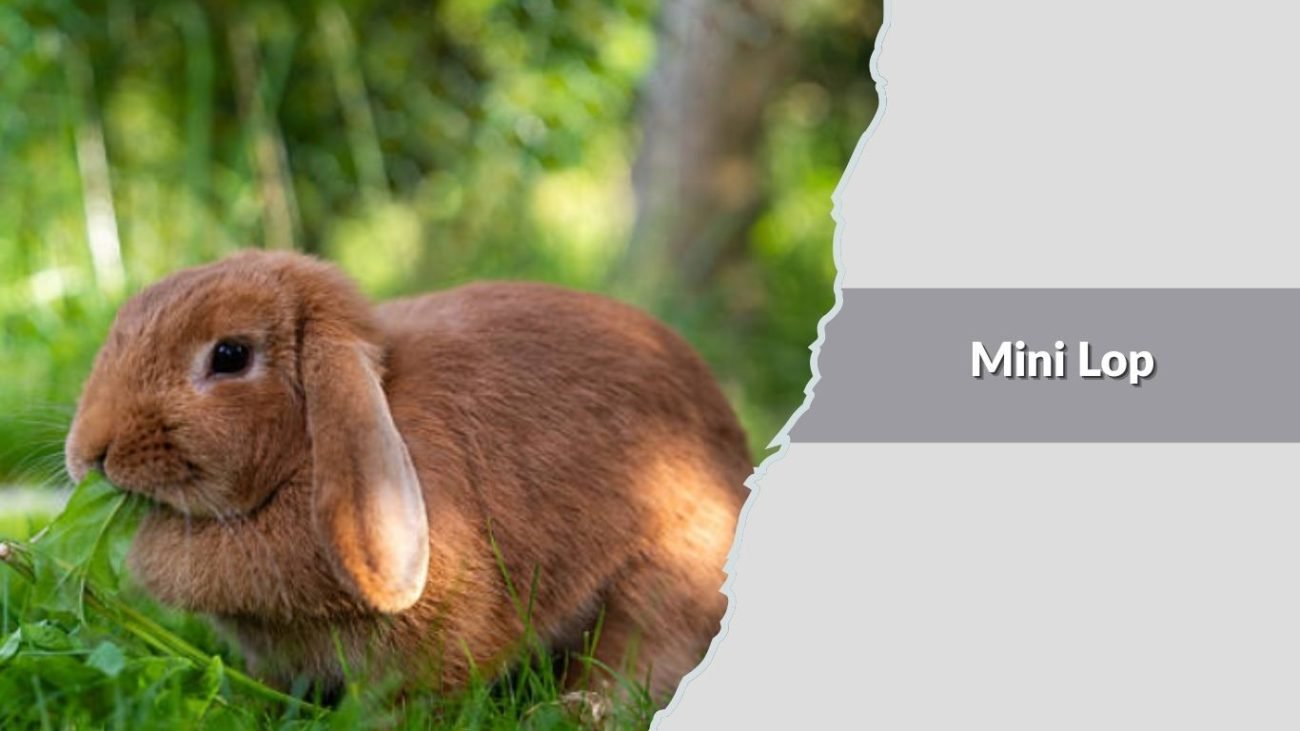
The Mini Lop is a small, sturdy rabbit breed known for its floppy ears and friendly appearance. The black variety features a deep, solid coat that gives it a sleek and attractive look, making it a favorite among pet rabbit owners.
Identification
- Small to medium, compact and muscular body
- Distinctive lop ears hanging down on both sides
- Short, dense, and soft coat
- Solid black coloration with a smooth finish
- Broad head with a well-rounded face
Personality
Mini Lops are friendly, playful, and affectionate rabbits. They enjoy human interaction and often develop strong bonds with their owners. Their social and gentle nature makes them suitable for families, and they usually adapt well to indoor living with regular attention.
Care Needs
Their short coat requires minimal grooming, though occasional brushing helps remove loose fur. Regular care includes nail trimming, maintaining a clean enclosure, and providing toys or playtime. Proper care ensures they stay active, healthy, and mentally stimulated.
Habitat
Mini Lops thrive in indoor environments where they feel safe and comfortable. Their enclosure should be spacious, clean, and well-ventilated, with soft bedding and hiding spots. Providing enough space for movement and play is important for their well-being.
Diet
A balanced diet includes unlimited hay as the main food source for digestion and dental health. Fresh vegetables can be given daily, along with a small portion of pellets. Clean water must always be available, and treats should be limited to maintain proper health.
18. Mini Rex (Black)
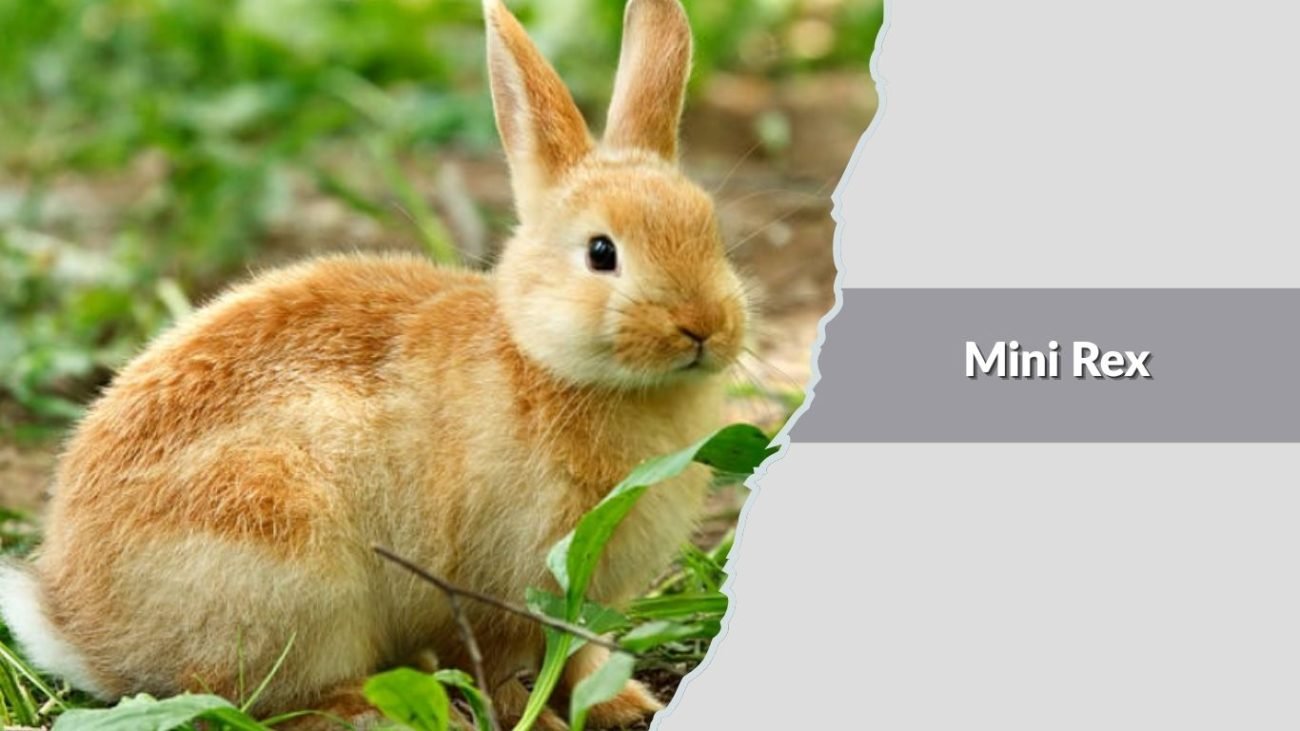
The Mini Rex is a small rabbit breed famous for its velvety, plush coat that feels exceptionally soft. The black variety is especially striking, with its deep, rich color enhancing the smooth texture and giving it a sleek and polished appearance.
Identification
- Small, compact, and well-rounded body
- Short, dense, velvety fur with a plush feel
- Solid black coloration with a matte or soft sheen
- Upright ears of medium length
- Broad head with a balanced structure
Personality
Mini Rex rabbits are calm, friendly, and gentle. They enjoy human interaction and are known for their relaxed and easygoing nature. This breed is often affectionate and can adapt well to family environments, making them a popular choice as indoor pets.
Care Needs
Their unique coat requires minimal grooming, as it is less prone to matting. Occasional brushing helps remove loose fur. Regular care includes nail trimming, maintaining a clean living space, and providing toys or activities to keep them mentally engaged.
Habitat
Mini Rex rabbits thrive in clean, indoor environments where they feel safe and comfortable. Their enclosure should be spacious, well-ventilated, and include soft bedding. A calm setting with enough room for movement helps support their overall health and well-being.
Diet
A healthy diet consists mainly of high-quality hay to support digestion and dental health. Fresh vegetables can be offered daily, along with a small portion of pellets. Clean water must always be available, and treats should be limited to maintain proper nutrition.
19. Netherland Dwarf (Black)
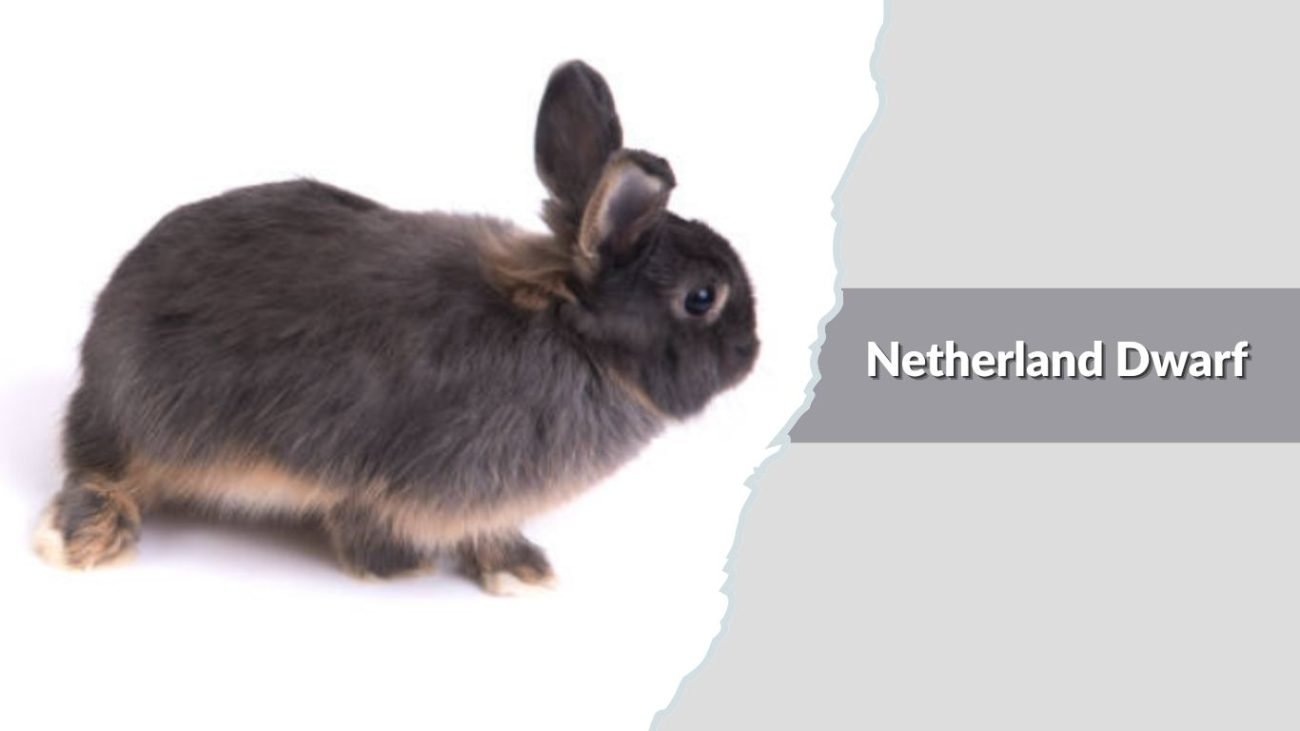
The Netherland Dwarf is one of the smallest rabbit breeds, known for its tiny size and adorable appearance. The black variety features a deep, solid coat that enhances its cute, compact look and makes it especially popular among rabbit lovers.
Identification
- Very small, compact body
- Short, soft, and dense coat
- Solid black coloration with a smooth finish
- Short, upright ears set close together
- Round head with large, prominent eyes
Personality
Netherland Dwarfs are lively, curious, and sometimes shy. They can be affectionate once they feel comfortable, but they may take time to trust their owners. With gentle handling and patience, they can develop strong bonds and become playful companions.
Care Needs
Their short coat requires minimal grooming, though occasional brushing is helpful. Regular care includes keeping their living space clean, trimming nails, and providing toys for mental stimulation. Due to their small size, they should be handled carefully to avoid injury.
Habitat
This breed thrives in a safe, indoor environment where it can feel secure. Their enclosure should be spacious enough for movement, with soft bedding and hiding spots. A quiet, stress-free setting is important, as they can be sensitive to noise and sudden changes.
Diet
Their diet should mainly consist of high-quality hay to support digestion and dental health. Fresh vegetables can be given in small portions, along with a limited amount of pellets. Clean water must always be available, and overfeeding should be avoided due to their small size.
20. Polish Rabbit (Black)
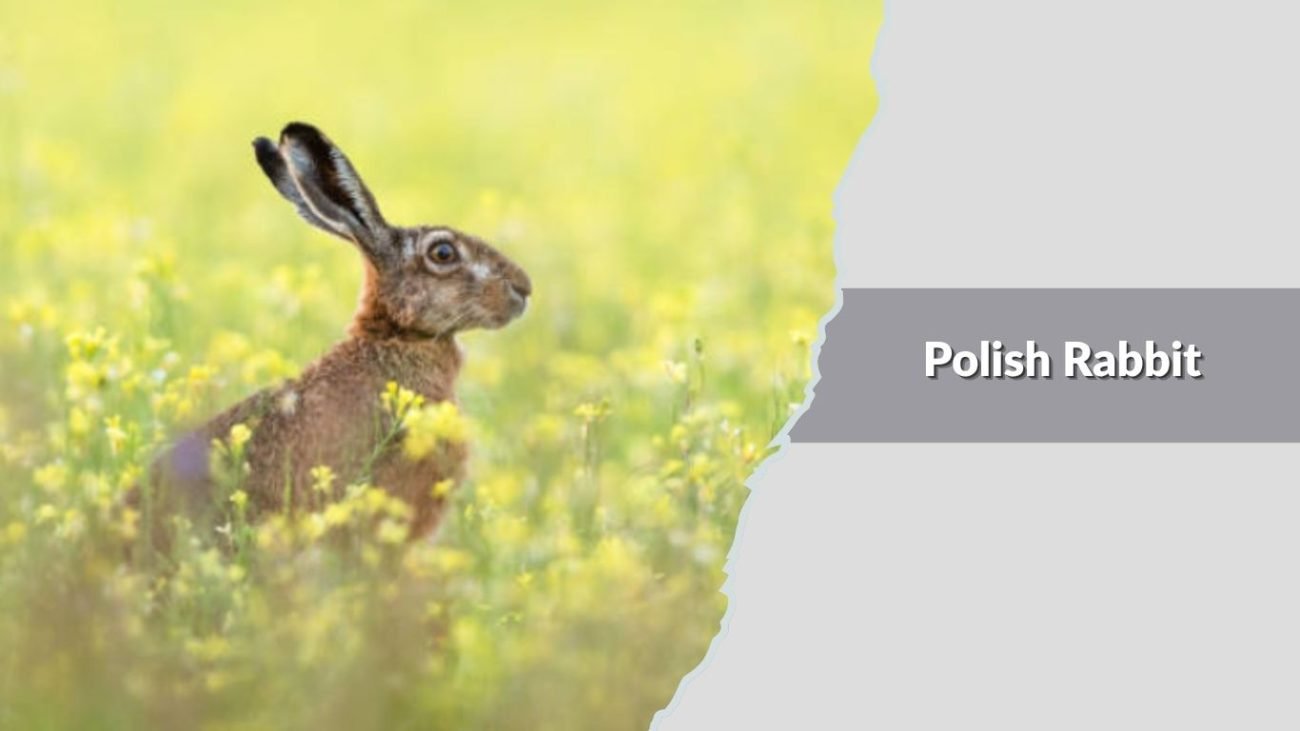
The Polish Rabbit is a small and refined breed known for its compact body and smooth coat. The black variety is particularly striking, with a deep, glossy color that gives it a clean and elegant appearance despite its tiny size.
Identification
- Small, compact, and fine-boned body
- Short, smooth, and glossy coat
- Solid black coloration with a rich shine
- Short, upright ears set close together
- Rounded head with large, expressive eyes
Personality
Polish Rabbits are gentle, lively, and curious. They enjoy exploring their surroundings and can be quite playful. While they may be slightly shy at first, regular handling helps them become more comfortable and friendly, allowing them to bond well with their owners over time.
Care Needs
This breed has low grooming requirements due to its short coat, needing only occasional brushing. Routine care includes maintaining a clean habitat, trimming nails, and providing safe toys or enrichment. Proper care helps keep them active, healthy, and mentally stimulated.
Habitat
Polish Rabbits thrive in indoor environments where they feel safe and secure. Their enclosure should be clean, spacious, and well-ventilated, with soft bedding and hiding areas. A calm and quiet setting is ideal to reduce stress and support their well-being.
Diet
A balanced diet includes unlimited hay as the primary food source for digestion and dental health. Fresh vegetables can be offered daily in small amounts, along with a limited portion of pellets. Clean water must always be available, and treats should be given sparingly.
21. Rex Rabbit (Black)
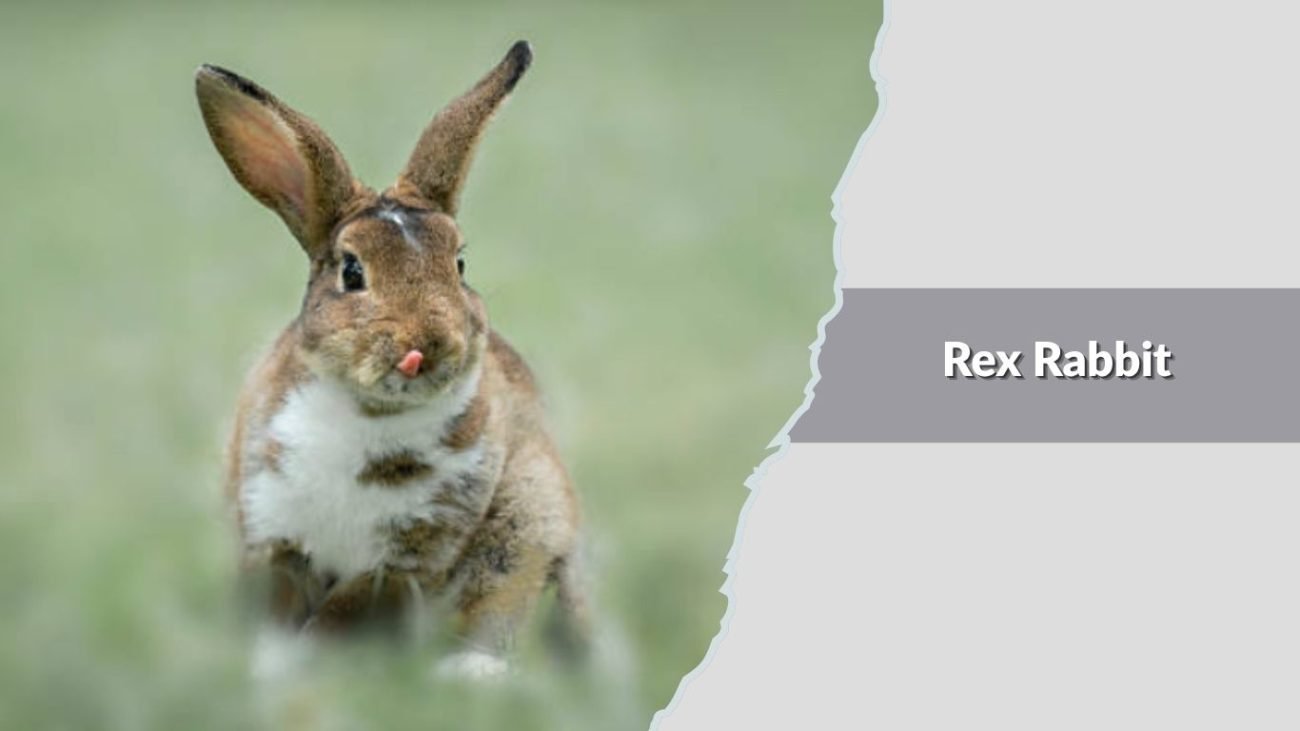
The Rex Rabbit is a medium-sized breed known for its incredibly soft, plush coat that feels like velvet. The black variety is especially eye-catching, with its deep, rich color enhancing the smooth texture and giving it a sleek and elegant appearance.
Identification
- Medium-sized, well-rounded body
- Short, dense, velvety fur with a plush feel
- Solid black coloration with a soft sheen
- Upright ears of medium length
- Broad head with a balanced and sturdy structure
Personality
Rex Rabbits are calm, friendly, and affectionate. They enjoy human interaction and can form strong bonds with their owners. This breed is known for its gentle temperament and adaptability, making it a great companion for families and individuals alike.
Care Needs
Their unique coat requires minimal grooming, as it is less prone to matting. Occasional brushing is enough to maintain coat health. Regular care includes nail trimming, keeping their enclosure clean, and providing toys or activities to keep them mentally engaged.
Habitat
Rex Rabbits do best in clean, comfortable indoor environments. Their enclosure should be spacious, well-ventilated, and include soft bedding to protect their sensitive feet. A safe and quiet environment helps them feel secure and relaxed.
Diet
A proper diet includes unlimited hay as the main source of nutrition, supporting digestion and dental health. Fresh vegetables can be given daily, along with a small portion of pellets. Clean water must always be available, and a balanced diet is essential for overall health.
FAQs
Are black rabbits a separate breed?
Black rabbits are not a separate breed but a color variation found in many rabbit breeds. Different breeds can have black coats, ranging from solid black to mixed patterns. The breed determines size, personality, and care needs, while the black color is simply a genetic trait.
Do black rabbits require different care?
Black rabbits do not require special care compared to other rabbits. Their needs remain the same, including a balanced diet, clean habitat, and regular grooming. However, darker fur may make it slightly harder to notice skin issues, so regular health checks are important.
Are black rabbits rare?
Black rabbits are not generally rare, but availability depends on the specific breed. Some breeds commonly come in black, while in others it may be less common. Their popularity often depends on personal preference, as many people love their sleek and elegant appearance.
Do black rabbits have different personalities?
Personality is determined by the breed and individual temperament, not the coat color. Black rabbits can be just as friendly, active, or calm as rabbits of other colors. Proper socialization, handling, and environment play a bigger role in shaping their behavior.
Do black rabbits need more grooming?
Grooming needs depend on the breed rather than the color. Short-haired black rabbits require minimal grooming, while long-haired breeds like Angoras need regular brushing. The black coat itself does not affect grooming, but it may show dust or loose fur more visibly.