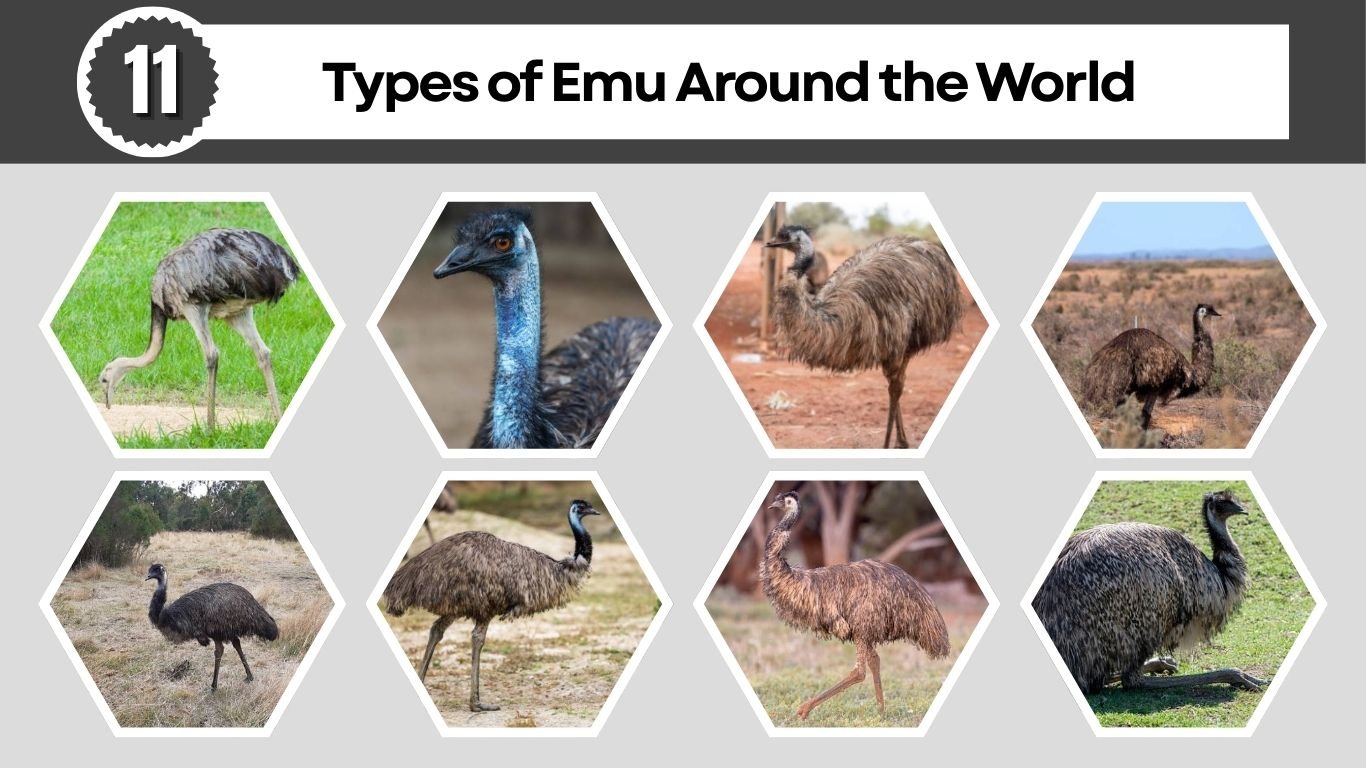
Emus are large, flightless birds best known for their powerful legs, shaggy feathers, and impressive ability to survive in a wide range of environments. Although today only one living emu species exists, different regional forms and extinct island emus show how diverse this remarkable bird once was. From mainland Australia’s open plains to isolated islands where dwarf emus evolved, each type reflects unique adaptations. In this guide, you’ll explore 11 types of emu, including living regional populations and extinct subspecies.
1. Common Emu (Dromaius novaehollandiae)
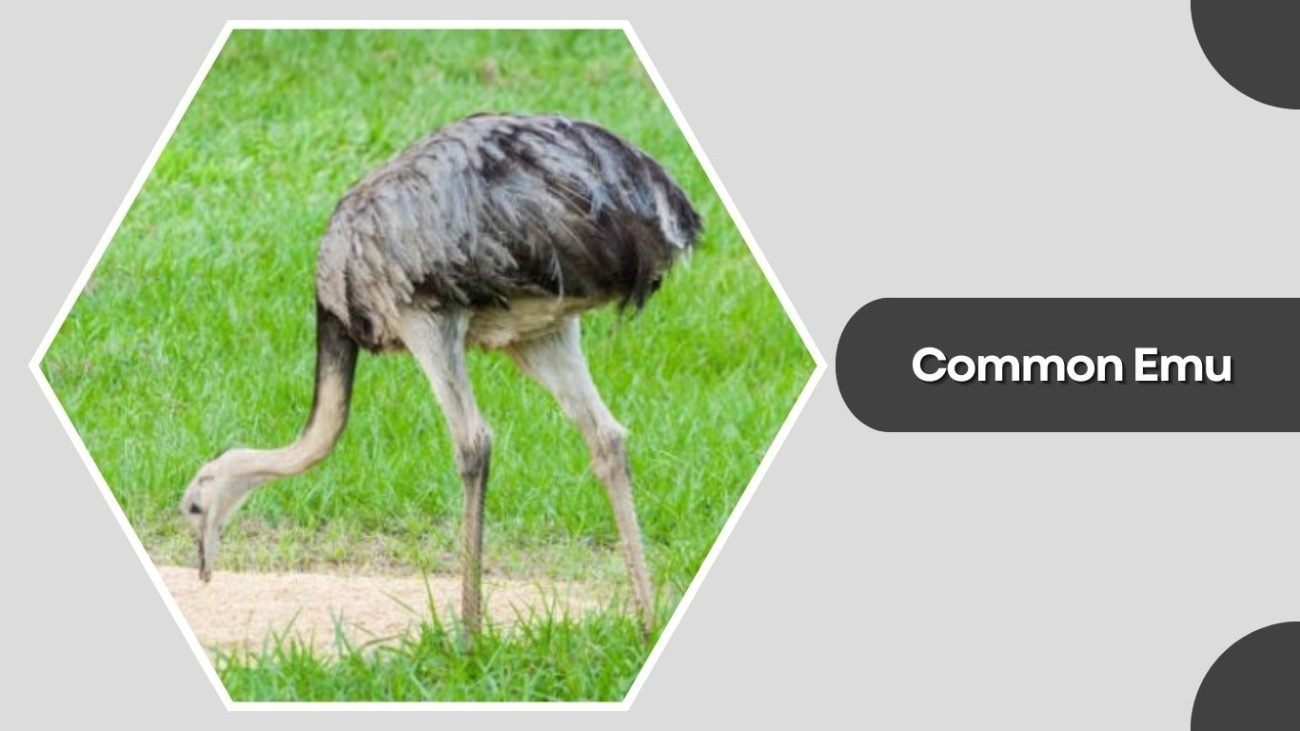
The common emu is the largest living bird native to Australia and the second-tallest bird in the world after the ostrich. It is a powerful, flightless bird known for its long legs, fast running ability, and adaptability to many environments across mainland Australia.
Identification
- Tall, flightless bird reaching up to 1.9 meters (6.2 feet) in height
- Long neck and small head with dark eyes
- Shaggy, double-shafted brown to gray feathers
- Strong, three-toed legs built for running
- Males and females look similar, females are often slightly larger
Habitat
Common emus are found across most of mainland Australia. They live in open plains, savannas, woodlands, scrublands, and semi-arid regions. They avoid dense forests and very dry deserts but are highly adaptable and often move long distances in search of food and water.
Behavior
Emus are nomadic and usually travel in small groups or pairs, though large flocks can form when food is abundant. They are excellent runners, capable of reaching speeds up to 50 km/h. During breeding season, males incubate the eggs and become very defensive.
Diet and Lifecycle
Common emus are omnivores. They eat grasses, seeds, fruits, flowers, insects, and small invertebrates. Breeding usually occurs in cooler months. Females lay large dark-green eggs, and males incubate them for about eight weeks, raising the chicks alone afterward.
2. Eastern Emu
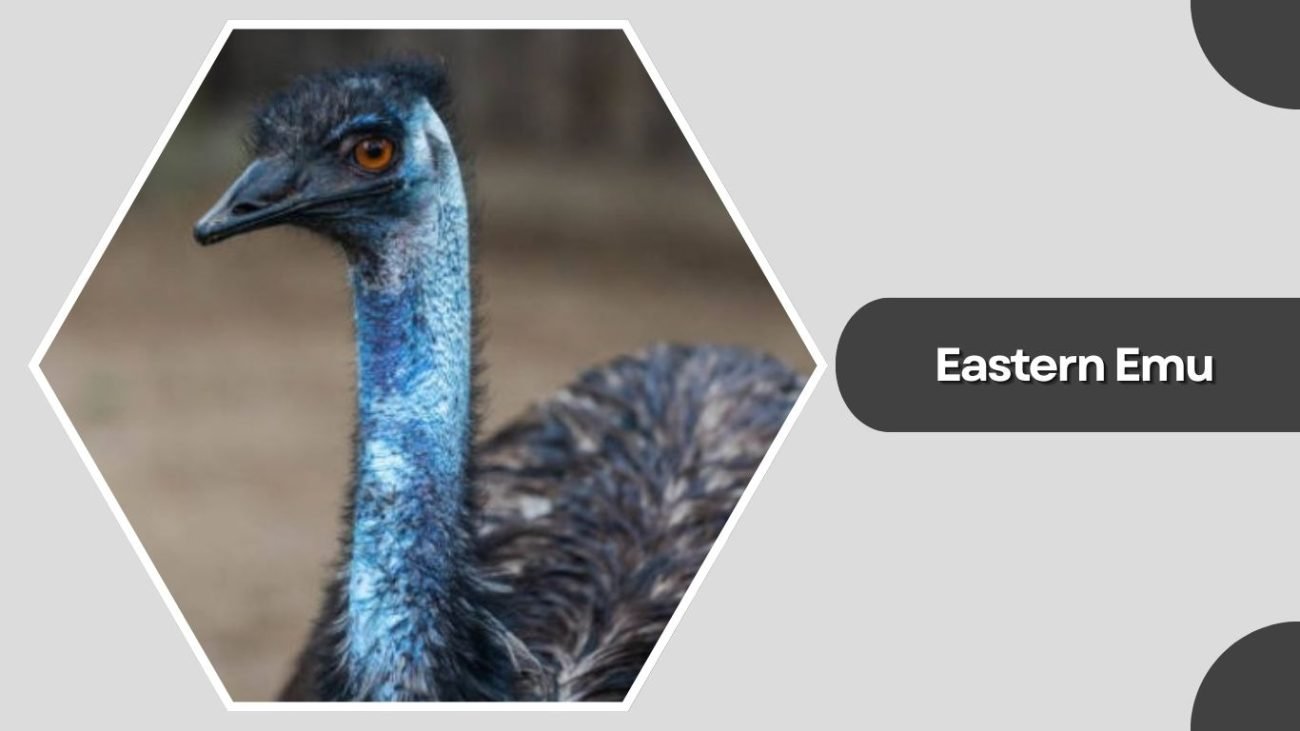
The eastern emu is a regional population of the common emu found mainly in eastern Australia. It is well known for its large size, strong legs, and ability to survive in both natural bushland and human-modified landscapes such as farms and grasslands.
Identification
- Very tall, flightless bird with long neck and legs
- Feathers are shaggy, brown to dark gray
- Small head with dark eyes and short beak
- Powerful three-toed feet for fast running
- Females usually slightly larger than males
Habitat
Eastern emus live in open forests, grasslands, woodlands, coastal scrub, and farming areas of Queensland, New South Wales, and Victoria. They prefer regions with access to water but can travel long distances during dry seasons.
Behavior
They are mostly nomadic and move according to rainfall and food availability. Eastern emus are usually quiet birds but can produce deep drumming or grunting sounds. Males take full responsibility for incubating eggs and guarding the nest.
Diet and Lifecycle
Their diet includes grasses, seeds, fruits, native plants, insects, and occasionally small vertebrates. Breeding often begins in cooler months. The male incubates the eggs for around 56 days, after which the striped chicks follow him for several months.
3. Western Emu
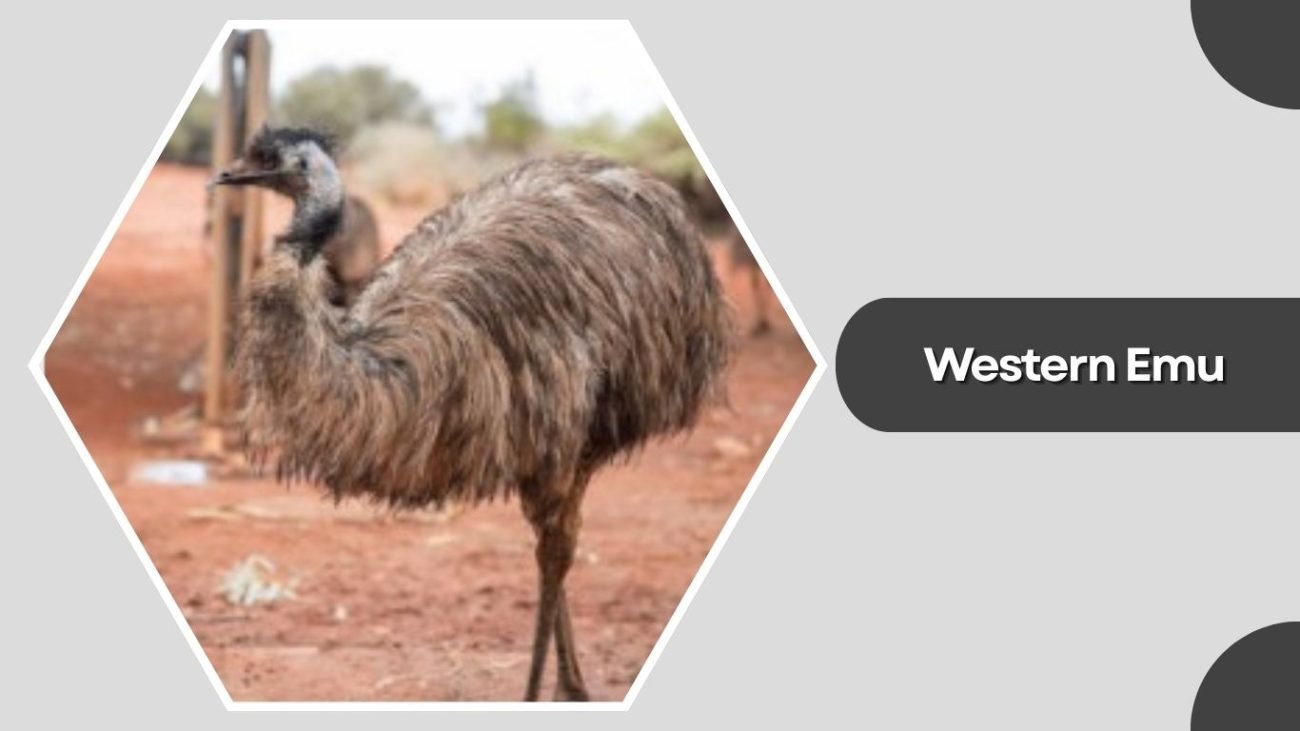
The western emu is found primarily in western and southern parts of Australia. It is adapted to drier climates and open landscapes and is known for long seasonal movements in search of food and suitable breeding grounds.
Identification
- Large, flightless bird with long neck and legs
- Coarse brown feathers with lighter tips
- Small flattened head and strong beak
- Muscular legs built for endurance running
- No major visible difference between sexes
Habitat
Western emus inhabit semi-arid plains, shrublands, eucalyptus woodlands, and open grasslands of Western Australia and parts of South Australia. They are well adapted to hot, dry environments but still depend on periodic water sources.
Behavior
These emus are wide-ranging and nomadic, often traveling hundreds of kilometers after rainfall. They are mostly solitary or found in small groups. During breeding season, males become highly territorial and protective of nests.
Diet and Lifecycle
Western emus feed on native shrubs, grasses, seeds, fruits, and insects. Breeding usually follows seasonal rains. Females lay large green eggs, and males incubate them for nearly two months, caring for the chicks after hatching.
4. Kangaroo Island Emu
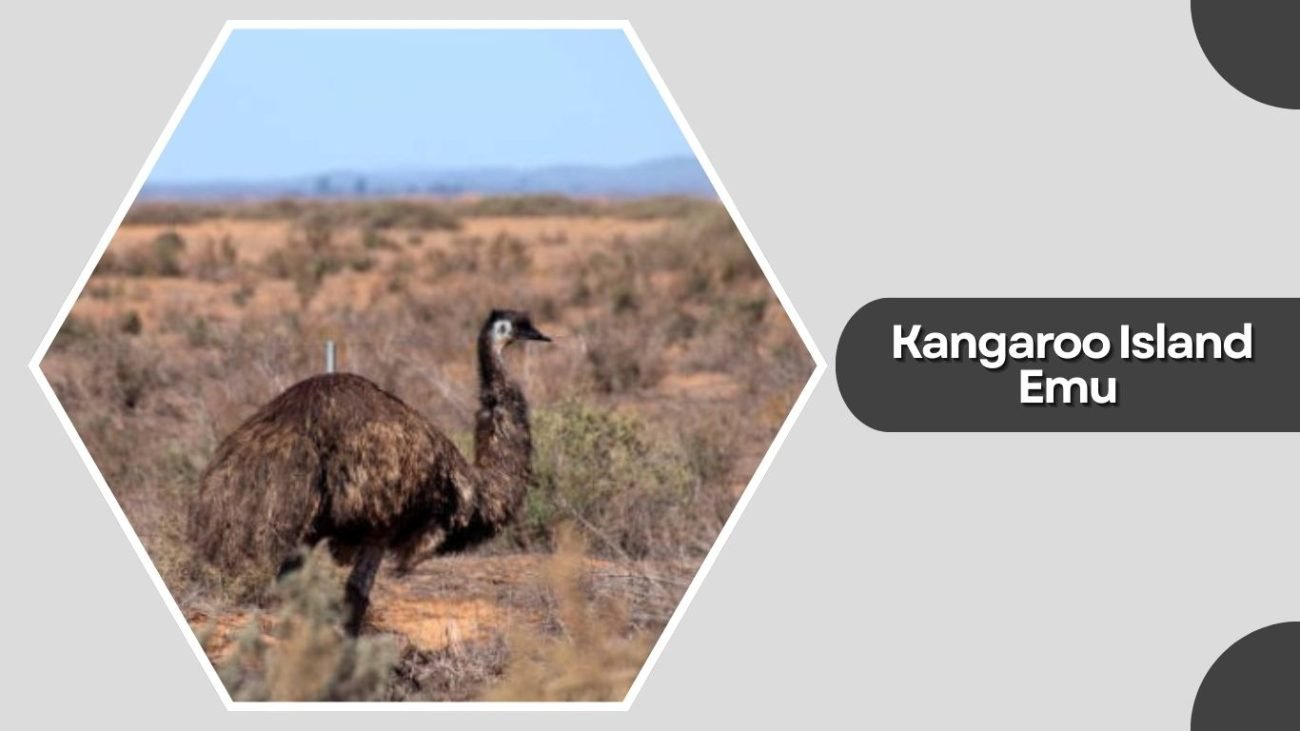
The Kangaroo Island emu was a dwarf subspecies of emu that once lived only on Kangaroo Island, south of mainland Australia. It became extinct in the early 1800s after European settlement due to hunting and habitat loss.
Identification
- Much smaller than the common emu
- Shorter legs and neck
- Dark brown to blackish feathers
- Stocky body compared to mainland emus
- Flightless with strong but shorter legs
Habitat
This emu lived in coastal scrub, open woodland, and bushland on Kangaroo Island. The island environment shaped its smaller body size, which required less food and suited limited island resources.
Behavior
Little direct observation exists, but it was likely similar to modern emus—mostly nomadic, feeding during the day and resting at night. Like other emus, males probably incubated the eggs and protected the chicks.
Diet and Lifecycle
Its diet likely included native grasses, seeds, berries, leaves, and insects. Breeding behavior was probably similar to the common emu, with males incubating large dark eggs and caring for the young after hatching.
5. King Island Emu
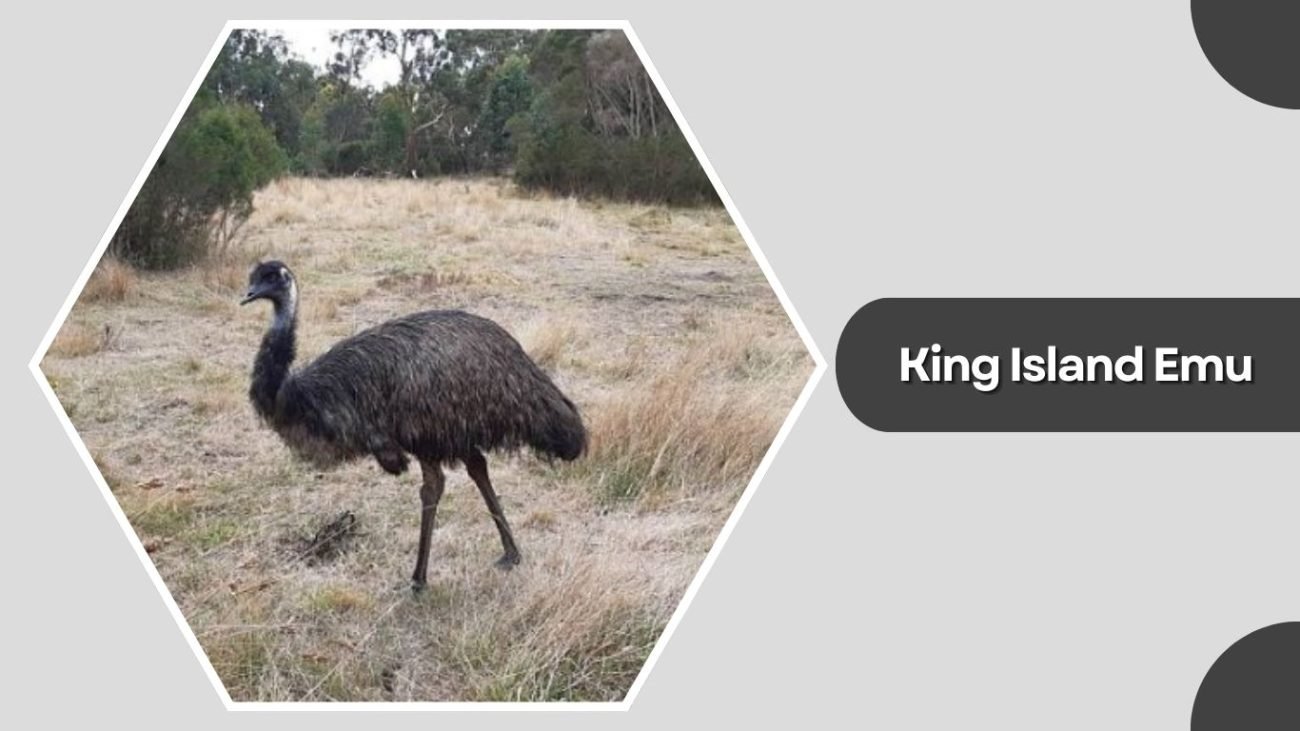
The King Island emu was another dwarf, now-extinct subspecies that lived only on King Island between mainland Australia and Tasmania. It was hunted to extinction by 1805, making it one of the earliest recorded bird extinctions in Australia.
Identification
- Very small compared to modern emus
- Short legs and compact body
- Dark, coarse feathers
- Thick neck and rounded shape
- Flightless bird with reduced height
Habitat
King Island emus lived in grasslands, coastal scrub, and low woodlands. The cool, windswept island climate and limited resources influenced their reduced size and likely localized movements.
Behavior
They were probably shy, ground-dwelling birds that foraged throughout the day. Like other emus, males likely handled incubation and chick care. They may have lived in pairs or small groups.
Diet and Lifecycle
Their diet likely consisted of grasses, seeds, leaves, fruits, and insects. Females probably laid several large eggs per season, with males incubating them for nearly two months and protecting the chicks after hatching.
6. Tasmanian Emu
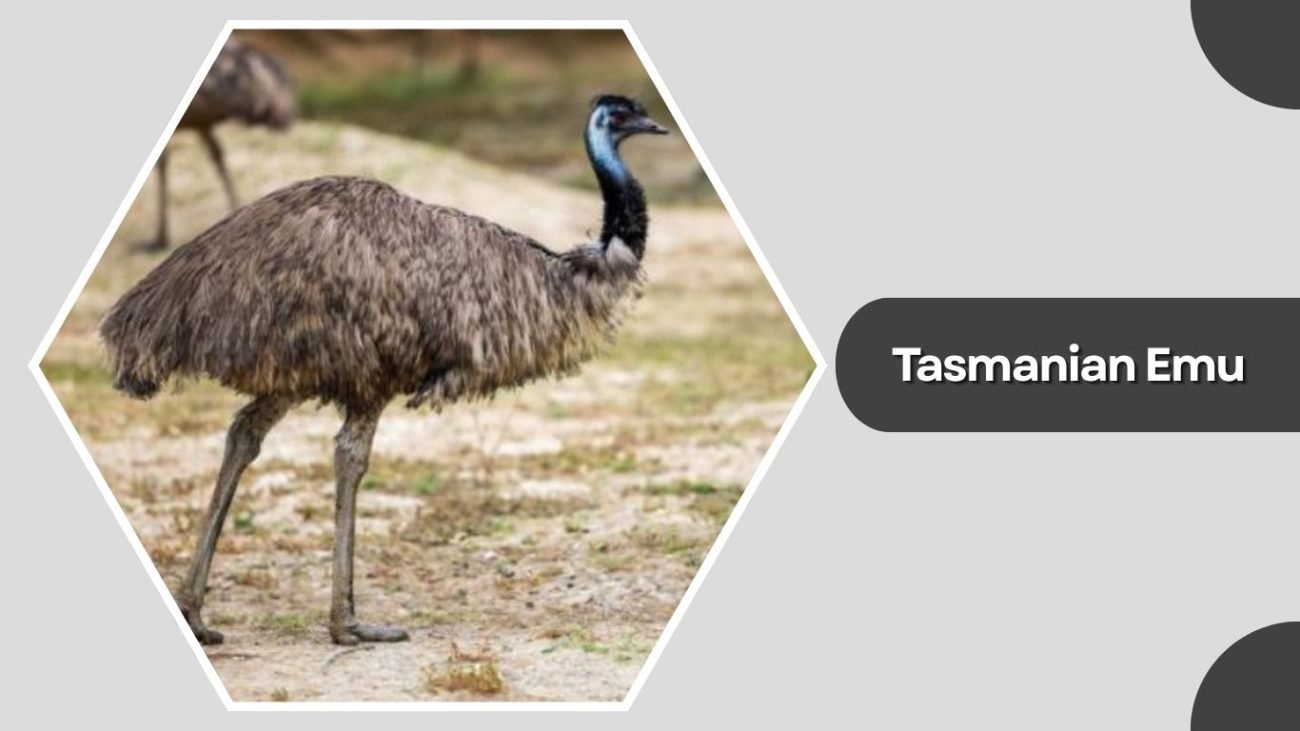
The Tasmanian emu was an extinct subspecies that once lived on the island of Tasmania. It disappeared in the early 19th century due to intensive hunting by settlers and habitat destruction following European colonization.
Identification
- Slightly smaller than the mainland emu
- Dark brown to blackish feathers
- Shorter legs and thicker body
- Long neck but more compact build
- Flightless with strong running legs
Habitat
Tasmanian emus inhabited open forests, grasslands, coastal scrub, and bushland across Tasmania. They preferred areas with access to water and abundant plant growth for feeding.
Behavior
They were likely nomadic and wary birds, traveling in small groups or pairs. As with modern emus, males probably incubated the eggs and aggressively defended nests and young.
Diet and Lifecycle
Their diet likely included grasses, leaves, seeds, fruits, and insects. Breeding probably followed seasonal cycles, with females laying large eggs that males incubated for about eight weeks before raising the chicks alone.
7. North Queensland Emu
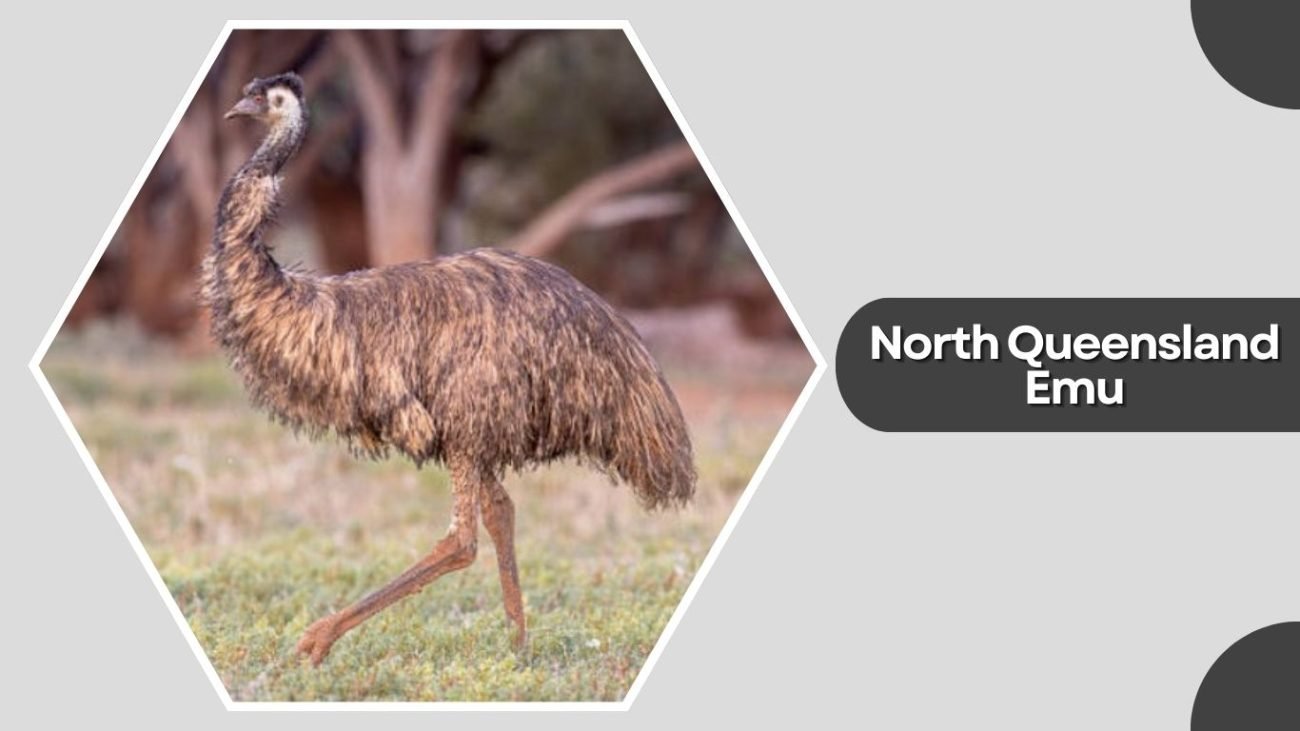
The North Queensland emu refers to emu populations adapted to the tropical and subtropical regions of northern Queensland. These emus often experience hotter, more humid conditions than southern populations.
Identification
- Large flightless bird with long legs and neck
- Shaggy brown feathers, often lighter in tropical sun
- Small head with dark eyes and strong beak
- Muscular legs built for long-distance travel
- Sexes appear very similar in size and color
Habitat
North Queensland emus inhabit tropical savannas, open woodlands, grasslands, and floodplain regions. They are often found near seasonal water sources and may move widely in response to rainfall.
Behavior
These emus are highly mobile and may form loose groups when food is abundant. They are active mostly during cooler parts of the day. Males incubate eggs and become very defensive during breeding.
Diet and Lifecycle
Their diet consists of grasses, seeds, fruits, native plants, and insects. Breeding usually occurs after rains. Females lay large dark-green eggs, and males incubate them for about 56 days, then guard the chicks.
8. South Australian Emu
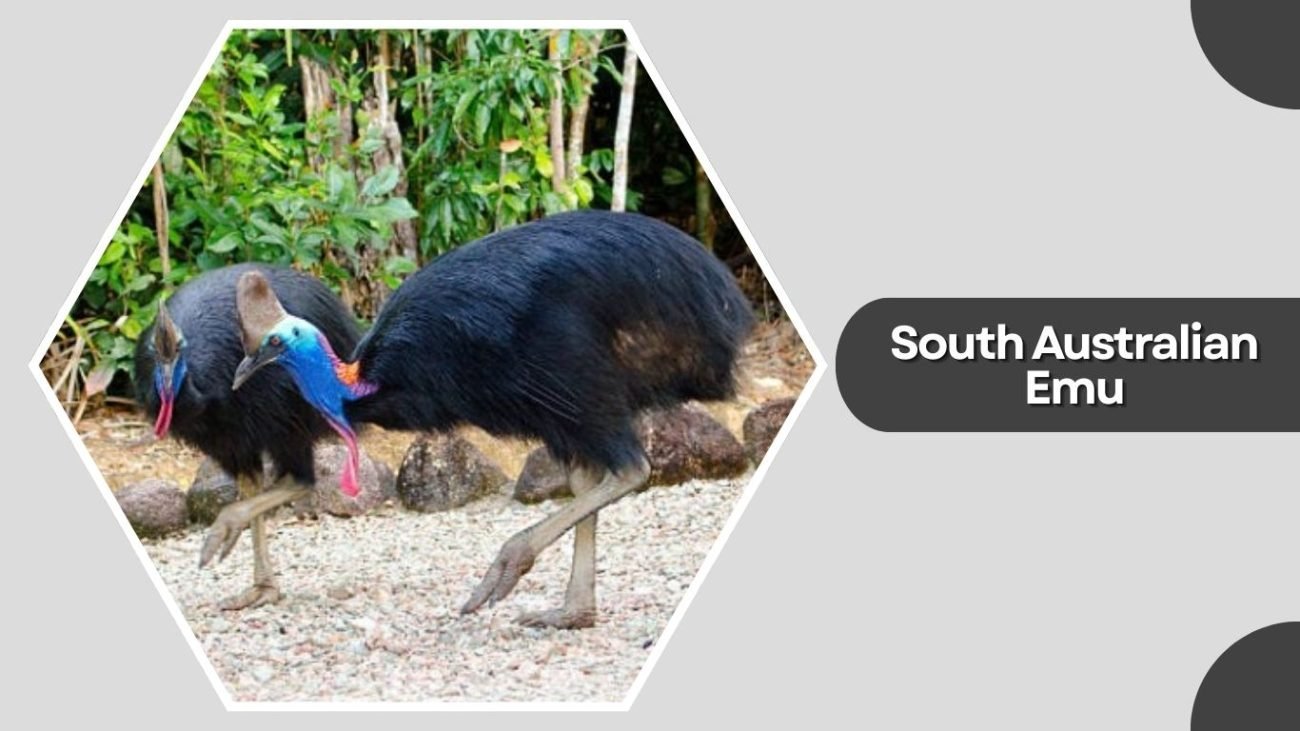
The South Australian emu represents emu populations commonly found across South Australia. These birds are well adapted to dry inland regions as well as coastal plains, showing strong endurance and nomadic behavior.
Identification
- Very tall, flightless bird with long neck and legs
- Brown to gray, coarse, shaggy feathers
- Small head with flat beak
- Strong three-toed feet for fast running
- Little visible difference between males and females
Habitat
South Australian emus live in arid and semi-arid plains, shrublands, open woodlands, and coastal regions. They often travel long distances between feeding grounds and water sources.
Behavior
They are mostly nomadic, moving seasonally based on rainfall and vegetation growth. South Australian emus are usually solitary or in small groups. During breeding, males incubate the eggs and may refuse to eat.
Diet and Lifecycle
They feed on grasses, seeds, leaves, fruits, and insects. Breeding often follows cooler seasons or rainfall events. Females lay large green eggs, which males incubate for nearly two months before caring for the chicks.
9. Victorian Emu
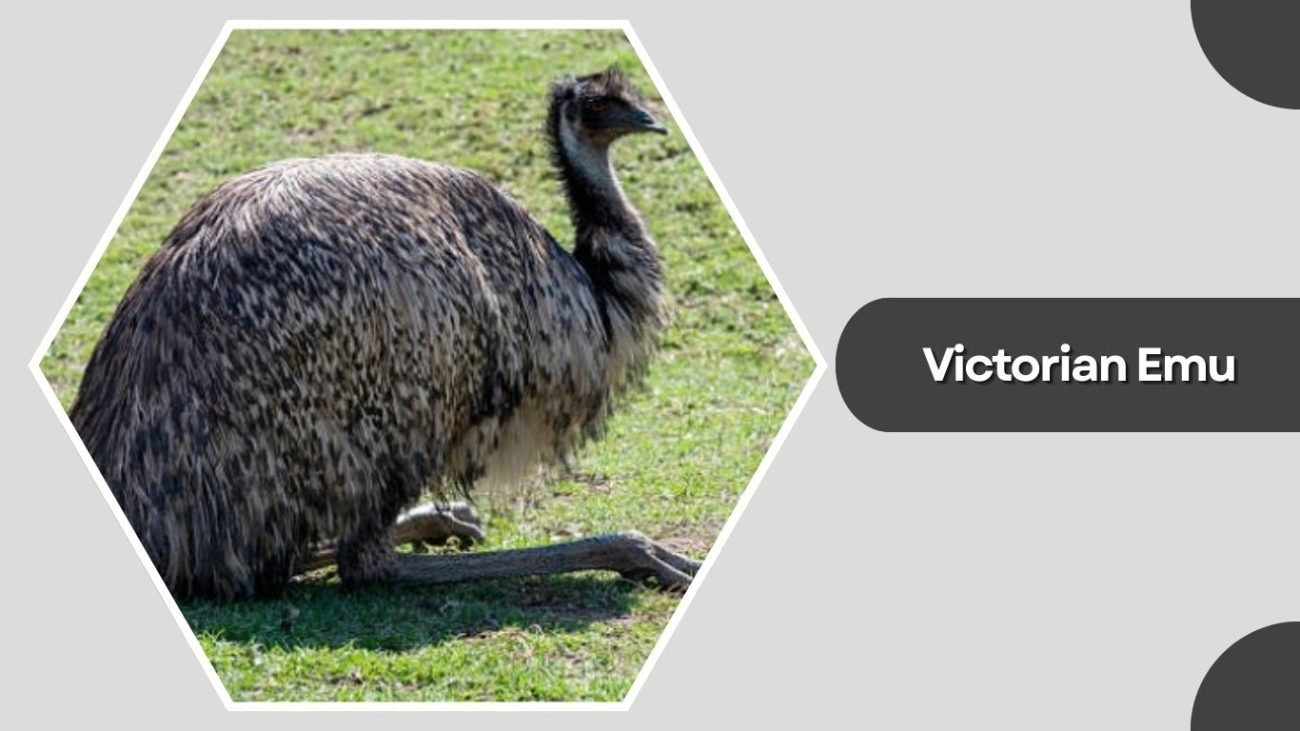
The Victorian emu refers to emu populations native to the state of Victoria. These emus often live in more temperate environments compared to northern and western populations.
Identification
- Large, flightless bird with long neck and powerful legs
- Shaggy brown feathers with gray tones
- Small head and long beak
- Thick legs adapted for fast running
- Males and females look almost identical
Habitat
Victorian emus inhabit open forests, grasslands, farmland edges, and scrublands. They are frequently found in areas where natural vegetation mixes with agricultural land.
Behavior
They are generally shy but curious birds. Victorian emus may form temporary groups, especially outside breeding season. Males incubate the eggs and aggressively protect nests and chicks.
Diet and Lifecycle
Their diet includes grasses, seeds, fruits, crops, flowers, and insects. Breeding usually begins in cooler months. Males incubate eggs for around 56 days and care for the striped chicks for several months.
10. New South Wales Emu
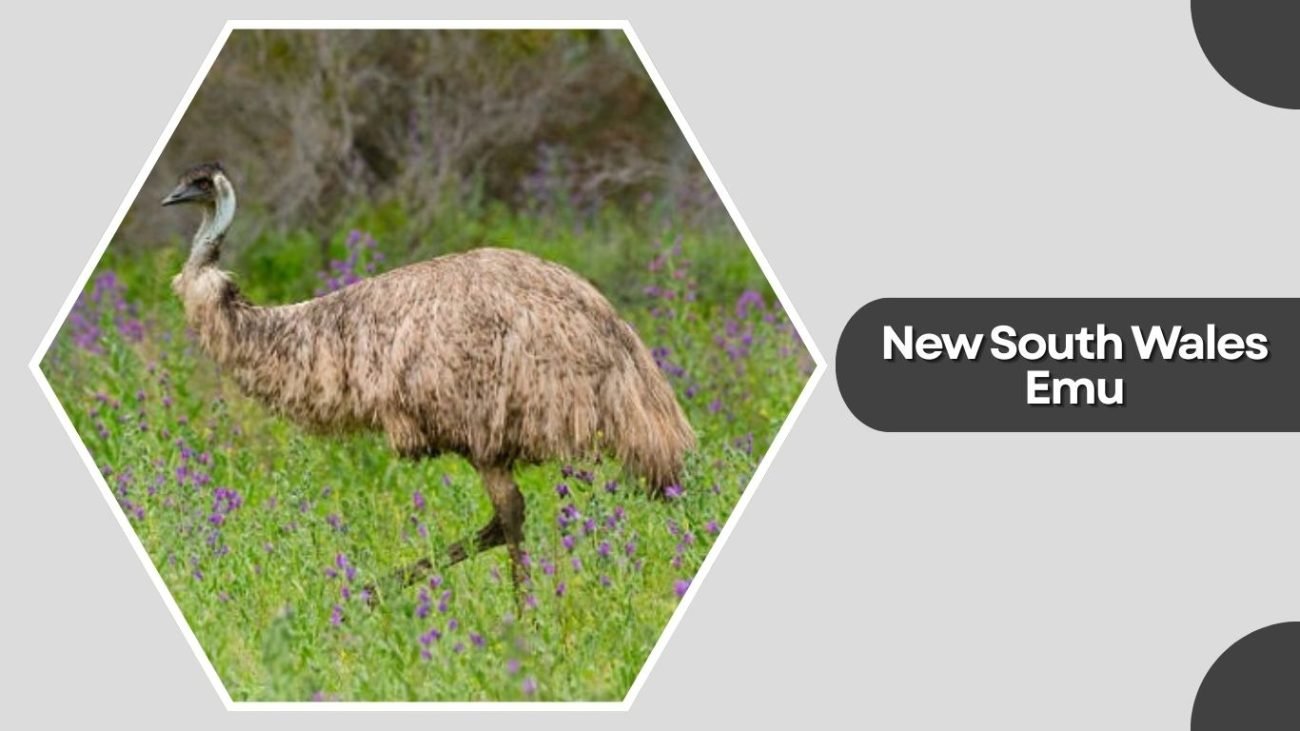
The New South Wales emu refers to emu populations widely distributed across New South Wales. These emus are commonly seen in bushland, open plains, and even near farmlands, showing strong adaptability to changing environments.
Identification
- Tall, flightless bird with long neck and legs
- Shaggy brown to gray feathers
- Small head with dark eyes and flat beak
- Strong three-toed feet built for speed
- Males and females appear very similar
Habitat
New South Wales emus inhabit open woodlands, grasslands, savannas, coastal scrub, and agricultural edges. They often move between habitats depending on rainfall, food availability, and seasonal changes.
Behavior
They are nomadic and usually travel alone or in small groups. During breeding season, males become highly territorial and take full responsibility for incubating eggs and guarding the nest.
Diet and Lifecycle
Their diet includes grasses, seeds, fruits, leaves, flowers, insects, and occasionally small animals. Females lay large green eggs, and males incubate them for about eight weeks, after which they protect and guide the chicks.
11. Western Plains Emu
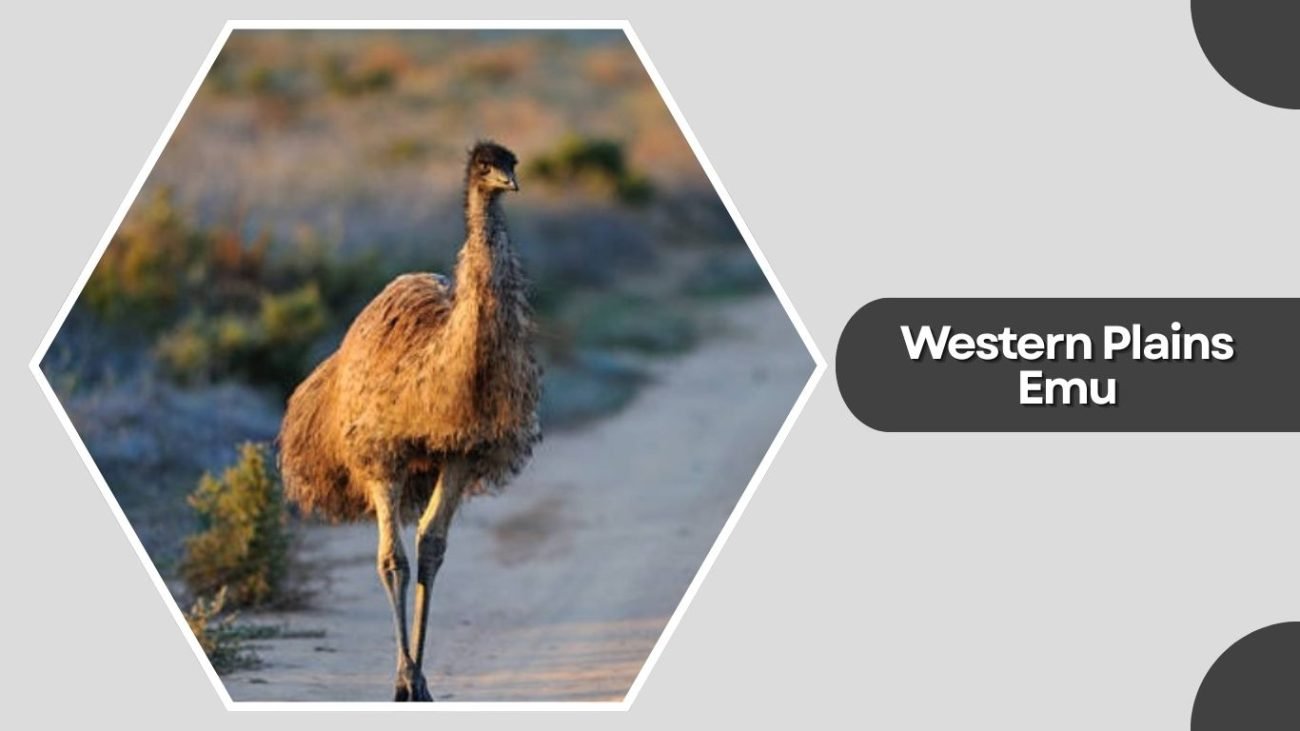
The Western Plains emu refers to emus living in the broad inland plains of western Australia. These birds are well adapted to open, dry landscapes and long-distance seasonal movements.
Identification
- Very large, flightless bird with powerful legs
- Coarse brown feathers that provide insulation
- Long neck and small head
- Strong beak for varied plant and insect diet
- Little visible difference between sexes
Habitat
Western Plains emus live in semi-arid grasslands, open plains, shrublands, and sparse woodlands. They often depend on seasonal rains that trigger plant growth and insect availability.
Behavior
They are wide-ranging and nomadic, sometimes forming large groups after rainfall. These emus are strong runners and can travel long distances to find food and water. Males incubate eggs and defend chicks.
Diet and Lifecycle
They feed on grasses, seeds, shrubs, fruits, and insects. Breeding usually follows seasonal rains. Females lay large dark eggs, and males incubate them for nearly two months before raising the young alone.